分类: world

  • Myanmar military using paramotors and gyrocopters for aerial attacks on civilians, opposition forces

    Myanmar military using paramotors and gyrocopters for aerial attacks on civilians, opposition forces

    BANGKOK — Myanmar’s military junta is increasingly deploying commercially available paramotors and gyrocopters as improvised aerial weapons in its ongoing civil war, according to a comprehensive report by human rights organization Fortify Rights. These low-tech aircraft enable forces to conduct surprise attacks on civilian populations and anti-government militias across central Myanmar’s flat terrain.

    The documented use of paramotors (motorized paragliders) emerged in early 2024, with gyrocopters (ultralight rotorcraft) joining the arsenal by March 2024. Pilots manually drop mortar shells from these aircraft, often cutting engines during final approach for silent, undetected attacks. The organization verified through eyewitness interviews that these tactics have resulted in numerous civilian casualties, including a October attack that killed 24 protesters at a candlelight vigil in Sagaing region.

    Analysts note these cheap, operable-from-field aircraft provide strategic advantages despite vulnerability to sophisticated defenses. They carry 30-40 shells for three-hour missions, allowing the military to preserve advanced aircraft for border conflicts while dominating central lowlands where opposition forces lack aerial defense capabilities.

    The escalation coincides with the junta’s contested electoral process, with attacks intensifying during voting periods that critics describe as legitimacy-building exercises. Fortify Rights documented 304 paramotor/gyrocopter attacks on civilians between December 2024 and January 2026, though conflict databases suggest approximately 350 total incidents involving these aircraft during this period.

    Despite territorial gains by ethnic minority groups and pro-democracy forces, the persistent aerial threat demonstrates ongoing challenges in protecting civilians. While China and Russia continue military supplies to Myanmar, other nations maintain sanctions that Amnesty International reports are being circumvented by ‘ghost ships’ smuggling aviation fuel with disabled tracking systems.

    Human rights organizations are urging strengthened sanctions enforcement specifically targeting components for these aerial weapons, emphasizing the need to prevent the Myanmar military from adapting commercial technology for warfare against civilians.

  • 18 dead, 24 missing after ferry sinks in S. Philippines

    18 dead, 24 missing after ferry sinks in S. Philippines

    A major maritime tragedy struck the southern Philippines on Monday as the inter-island ferry M/V Trisha Kerstin 3 sank in the Sulu Sea, resulting in 18 confirmed fatalities and 24 individuals remaining missing. The incident occurred in the early hours near Baluk-Baluk Island off Basilan province, prompting an extensive search and rescue operation by Philippine authorities.

    According to the Philippine Coast Guard (PCG), the vessel was transporting 332 passengers and 27 crew members from Zamboanga City to Jolo Island in Sulu province when it submerged before 2:00 AM local time. Rescue teams have successfully recovered 317 survivors from the waters, with ongoing efforts to locate the missing persons.

    PCG Commandant Admiral Ronnie Gil Gavan confirmed the ferry had departed Zamboanga City port at approximately 9:20 PM on Sunday evening. Addressing concerns about potential overloading, Admiral Gavan stated that the vessel operated within its authorized capacity of 350 passengers, with the actual passenger count verified at 332 individuals at departure.

    The exact cause of the sinking remains undetermined as maritime investigators examine multiple factors that could have contributed to the disaster. The incident highlights the persistent challenges facing maritime safety in the Philippine archipelago, where inter-island transportation remains vital yet occasionally vulnerable to accidents.

    The Philippine Coast Guard has deployed additional assets to the search area, coordinating with local authorities to expand the rescue operation despite challenging maritime conditions in the region.

  • Caribbean cannabis growers eye budding domestic sales and exports

    Caribbean cannabis growers eye budding domestic sales and exports

    In the fertile countryside of Antigua, master cultivator Michaelus Tracey demonstrates the intricate art of cannabis strain identification through leaf texture and aromatic profiling. At Pineapple Road Farm, nine distinct cannabis varieties flourish under optimal Caribbean conditions—warm temperatures, abundant sunshine, and high humidity creating ideal cultivation terrain.

    This agricultural precision represents a broader regional transformation. Since Jamaica’s groundbreaking decriminalization of recreational cannabis and medical legalization a decade ago, multiple Caribbean nations including Antigua and Barbuda (2018) have embraced regulatory reform. The region, long associated with cannabis culture, is now emerging as an unexpected leader in medicinal cannabis production and research.

    Professor Rose-Marie Belle Antoine, University of the West Indies campus principal and Caribbean cannabis expert, argues current decriminalization measures remain insufficient. ‘Legalization with regulation is essential,’ she states, noting that historical drug policies previously stifled both industry development and scientific research.

    The Caribbean’s cannabis landscape received significant international impetus from recent U.S. policy shifts. President Trump’s executive order reclassifying cannabis as a lower-risk drug has been hailed as a ‘significant milestone’ by industry leaders like Alexandra Chong, CEO of Jamaica-based Jacana. This federal recalibration may eventually enable Caribbean exports to U.S. markets, though current U.S. import restrictions remain under federal law.

    Despite regulatory advances, challenges persist. High operational costs and medical-only sales restrictions have maintained illegal market dominance. Jacana estimates 90% of Jamaica’s annual 87-ton cannabis consumption flows through illicit channels, with many licensed operators ceasing operations due to regulatory constraints.

    Antigua has implemented innovative solutions including amnesty programs converting illegal growers into legal operators through free educational courses. The island’s Medicinal Cannabis Authority is actively developing export frameworks leveraging the nation’s geographic advantages and existing legal infrastructure.

    The regulatory evolution carries profound social justice implications. In 2018, Antigua’s government formally apologized to Rastafarian communities for historical persecution related to cannabis use, later granting sacramental cultivation rights and initiating criminal record expungement for minor possession offenses.

    As Caribbean nations navigate this complex landscape, industry advocates emphasize the region’s unique competitive advantages—natural growing conditions, traditional knowledge, and evolving regulatory frameworks—positioning the Caribbean as an emerging force in the global medicinal cannabis market.

  • 2 dead as US hit by historic winter storm

    2 dead as US hit by historic winter storm

    A catastrophic winter storm of historic proportions has unleashed chaos across the United States, resulting in multiple fatalities and widespread disruption. The massive weather system, stretching an unprecedented 2,300 miles from the Central Plains to the East Coast, has triggered emergency declarations in 21 states and placed nearly 200 million Americans under various winter weather alerts.

    The human toll continues to mount with two confirmed hypothermia fatalities in Louisiana, while New York City authorities are investigating five additional deaths potentially linked to the extreme conditions. Victims were discovered across multiple boroughs including Brooklyn, Manhattan, and Queens as the arctic blast descended upon the Northeast.

    Critical infrastructure has been severely compromised with PowerOutage.com reporting over one million customers without electricity, particularly concentrated in Tennessee, Mississippi, and Louisiana. The transportation network faces parallel disruptions with more than 30,000 flight cancellations and delays nationwide, creating travel chaos during the peak winter period.

    In response to the escalating crisis, President Donald Trump authorized a Presidential Emergency Disaster Declaration for ten severely impacted states on Saturday. The storm system, fueled by an exceptionally cold arctic air mass that initiated on Friday, is projected to maintain its intensity through Monday, prolonging the dangerous conditions across much of the nation.

    Meteorologists note this event has broken records for the simultaneous number of US counties under winter storm warnings, underscoring the unprecedented scale of this weather emergency that continues to challenge emergency response capabilities from local to federal levels.

  • Baghdad says it will prosecute Islamic State detainees transferred from Syria

    Baghdad says it will prosecute Islamic State detainees transferred from Syria

    In a significant development following regional military shifts, Iraq has formally announced it will prosecute Islamic State group prisoners being transferred from detention facilities in northeastern Syria. This judicial undertaking follows a US-mediated agreement that coordinates with recent Syrian army advances into territories previously controlled by the Syrian Democratic Forces (SDF).

    The prisoner transfer initiative gained momentum after Syrian government forces assumed control of key detention sites including al-Hol camp, al-Shaddadi prison, and al-Aqtan facility under a ceasefire extension. Although over 100 prisoners escaped during the chaotic SDF withdrawal from al-Shaddadi, Syrian authorities report most have been recaptured.

    Baghdad’s proposal to relocate detainees to Iraqi jurisdiction received approval from both Washington and Damascus, resulting in the aerial transfer of 275 prisoners to date. The Associated Press confirms 125 individuals were moved on Sunday alone, citing anonymous Iraqi security sources.

    Iraq’s Supreme Judicial Council has asserted exclusive judicial authority over all transferred detainees, regardless of nationality or specific role within the terrorist organization. The council emphasized that standard legal procedures will apply uniformly, with Iraqi security forces conducting preliminary investigations before trials commence in domestic courts.

    This judicial transfer has raised substantial concerns among human rights organizations. Legal action NGO Reprieve characterized the development as “extremely worrying,” citing documented patterns of summary trials and executions in Iraq. CEO Maya Foa warned that transferred prisoners face “a very real risk of being tortured into making a forced confession and executed.”

    Human Rights Watch has previously documented Iraq’s sentencing of hundreds of IS suspects through “rushed and deeply flawed” trials that frequently relied on confessions obtained under torture. These concerns emerge against the backdrop of ongoing security operations against IS remnants in Iraq, despite the group’s territorial defeat in 2017.

    The SDF, which played a pivotal role in IS’s territorial defeat in 2019, previously managed thousands of detainees until their withdrawal from predominantly Arab regions. The United Nations subsequently assumed management responsibilities for al-Hol camp, highlighting the complex international dimensions of post-conflict detention challenges.

  • Tearful goodbyes as Japan returns pandas to China amid worsening ties

    Tearful goodbyes as Japan returns pandas to China amid worsening ties

    Thousands of Japanese citizens formed emotional queues at Tokyo’s Ueno Zoo on Sunday, waiting up to three-and-a-half hours for a final glimpse of the nation’s last remaining giant pandas. The twin cubs Xiao Xiao and Lei Lei are scheduled to return to China on Tuesday, marking the first time since 1972 that Japan will be without any pandas—a symbolic milestone coinciding with deteriorating Sino-Japanese relations.

    The departure occurs against a backdrop of heightened diplomatic tensions following Japanese Prime Minister Sanae Takaichi’s recent statements regarding potential military involvement if China attacks Taiwan. Beijing, which considers Taiwan part of its territory, has responded with increasingly hostile rhetoric and recently tightened restrictions on rare earth exports to Japan.

    China has employed panda diplomacy since 1949, using the beloved animals as instruments of soft power and goodwill gestures toward both allies and competitors. Under this program, China retains ownership of all pandas loaned abroad, including those born overseas, while host countries pay approximately $1 million annually per pair. The current situation illustrates how these cultural exchanges intersect with geopolitical realities.

    Tokyo’s metropolitan government reported overwhelming public interest, with approximately 108,000 people competing for just 4,400 available viewing slots. Visitors expressed profound emotional connections to the bears, with one mother telling media she hoped the experience would become a cherished memory for her son. Another visitor reflected on the joy of witnessing the pandas’ growth since their birth in 2021 to parents Shin Shin and Ri Ri, both on loan for breeding research.

    Historically, panda loans have frequently coincided with major trade agreements, as seen in 2011 when China loaned pandas to Edinburgh Zoo during negotiations involving salmon, Land Rovers, and energy technology. While standard loan agreements typically span 10 years with possible extensions, the current diplomatic climate casts uncertainty on future panda exchanges between China and Japan.

  • Unrwa chief: Gaza ‘deadliest’ place for journalists, aid workers

    Unrwa chief: Gaza ‘deadliest’ place for journalists, aid workers

    The head of the United Nations agency for Palestinian refugees has declared Gaza the world’s most perilous environment for journalists and humanitarian personnel. Philippe Lazzarini, Commissioner-General of UNRWA, issued this grave assessment on Sunday while demanding Israel lift its prohibition on independent international media access to the besieged territory.

    Lazzarini revealed that over 230 media professionals have lost their lives since the onset of Israel’s military operations in Gaza, characterizing Palestinian reporters as indispensable chroniclers of conflict realities. ‘These journalists have demonstrated extraordinary courage under unimaginable circumstances,’ Lazzarini stated in a social media post, noting they ‘paid the ultimate price’ for their documentation efforts.

    This condemnation follows Israel’s Supreme Court rejection of a petition by the Foreign Press Association in early January seeking independent journalist access to Gaza. The court upheld the ban citing security concerns, maintaining restrictions that have prevented foreign journalists from entering the devastated territory since October 2023, except for limited, military-escorted visits.

    The UN official emphasized that journalist access constitutes ‘a fundamental pillar of media freedom,’ asserting that ‘this prolonged prohibition on international correspondents has persisted far too long.’ According to Reporters Without Borders, Israeli forces killed at least 29 Palestinian journalists in Gaza during a one-year period through December 2025.

    Lazzarini further warned that media isolation compounds humanitarian crises, noting Gaza has simultaneously become the most dangerous location for aid workers. ‘This media blackout fosters disinformation campaigns and polarized narratives,’ he contended, suggesting it aims to ‘undermine first-hand data and eyewitness accounts, including testimony from international humanitarian organizations.’

    UNRWA’s latest reports indicate 382 personnel associated with its humanitarian operations have been killed since the war’s inception, including 309 staff members. The situation worsened in 2024 when Israel’s parliament passed legislation banning UNRWA from operating in Israel and occupied Palestinian territories, potentially severing essential services for millions of Palestinian refugees. Israeli forces subsequently demolished UNRWA’s headquarters in occupied East Jerusalem.

    The commissioner cautioned that ‘today’s targeting of UNRWA establishes a concerning precedent for tomorrow’s treatment of any international organization or diplomatic mission, whether in Palestinian territories or globally.’

    In a related development, Israel announced in December 2025 a ban on 37 humanitarian NGOs operating in Palestine for alleged failure to meet registration requirements. Under mounting pressure, Médecins Sans Frontières (MSF) has agreed to provide Israel with complete staff lists to resume operations in Gaza and the West Bank—a decision raising safety concerns after at least 15 Palestinian MSF staff members were killed by Israeli forces since October 2023.

  • Fifteen dead, 28 missing as ferry sinks in southern Philippines

    Fifteen dead, 28 missing as ferry sinks in southern Philippines

    A major maritime emergency unfolded in the southern Philippines on Monday when the passenger ferry MV Trisha Kerstin 3 sank off the coast of Mindanao island. Philippine Coast Guard authorities confirmed at least 15 fatalities with 28 passengers remaining missing hours after the vessel issued a distress signal at approximately 1:50 AM local time.

    The vessel, carrying more than 350 people according to official reports, had departed Zamboanga City port bound for Jolo island approximately four hours prior to the emergency transmission. Rapid response efforts involving multiple agencies have resulted in the successful rescue of 316 individuals from the waters east of Baluk-Baluk Island in Basilan province.

    Coast Guard Commander Romel Dua detailed the comprehensive rescue operation, noting that military assets from both the Philippine Navy and Air Force have been deployed to assist in the search mission. Survivors are being transported to coast guard facilities in Zamboanga and Isabela City for medical evaluation and treatment.

    Local emergency services reported being overwhelmed by the scale of the incident. Ronalyn Perez, a Basilan emergency responder, described challenges in managing the sudden influx of patients, with at least 18 survivors requiring hospitalization at one medical facility alone.

    Disturbing footage released by the Philippine Coast Guard and circulating on social media platforms showed rescue teams extracting survivors from dark waters while voices called for assistance in the background. The coast guard has emphasized that determining the cause of the sinking will require a formal marine casualty investigation, though officials confirmed the vessel was not operating above its capacity.

    This tragedy highlights ongoing transportation safety concerns in the Philippine archipelago, where millions depend on inter-island ferry services across the nation’s 7,000-plus islands. The incident follows a similar ferry fire in 2023 that resulted in over 30 fatalities, raising continued questions about maritime safety regulations and enforcement in the region.

  • What is Russia’s ‘shadow fleet’ and how does it work?

    What is Russia’s ‘shadow fleet’ and how does it work?

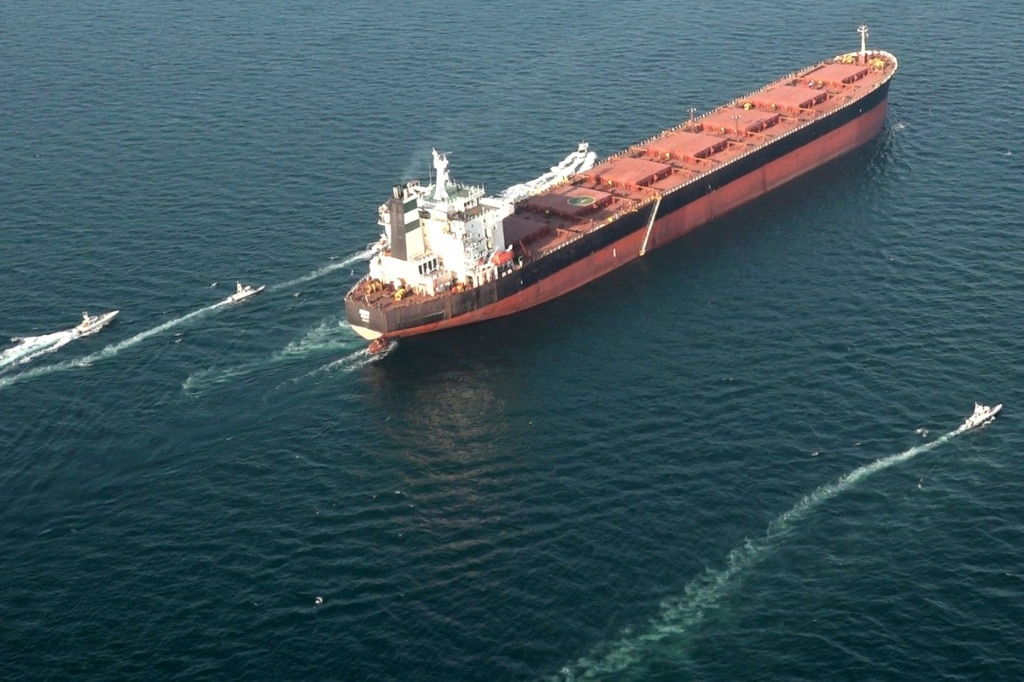
    France’s recent interception of an oil tanker suspected of operating within Russia’s clandestine ‘shadow fleet’ has brought international scrutiny to Moscow’s sophisticated sanctions-evasion tactics. This elaborate maritime network represents a critical component of Russia’s economic strategy to circumvent restrictions imposed by Western nations following its 2022 invasion of Ukraine.

    The shadow fleet comprises an armada of aging oil tankers with deliberately obscured ownership structures, specifically designed to bypass sanctions from the EU, United States, and G7 nations. These measures, including a price cap on Russian crude intended to limit Moscow’s war-funding revenues, have effectively barred many vessels carrying Russian oil from accessing Western insurance and maritime services. The EU currently maintains a blacklist of 598 prohibited vessels, while the US identifies 183 ships and asserts extraterritorial authority to act against them.

    Operational methodology involves multiple layers of deception. According to expert analyses and European Parliament documentation, the network utilizes complex corporate veils with management companies based in jurisdictions including the United Arab Emirates, Seychelles, Mauritius, and the Marshall Islands. Vessels frequently employ flags of convenience—with Sierra Leone and Cameroon being particularly common—or even falsely claim national registrations. Additionally, these ships often deactivate their Automatic Identification Systems (AIS) to conduct covert ship-to-ship oil transfers while ‘dark’ at sea.

    The advanced age of these vessels—78% exceed 15 years according to the Kyiv School of Economics—reflects a calculated risk strategy, making them economically expendable if seized or responsible for environmental disasters. India has emerged as the predominant destination, accounting for 40% of Russia’s seaborne crude imports monitored by the tracking initiative.

    International response efforts are intensifying. The United States recently enhanced sanctions targeting Russia’s oil infrastructure, including shadow fleet operations, culminating in the January seizure of a tanker deemed ‘stateless’ for flying false colors. The EU is contemplating expanded authority to board suspected vessels, while France’s recent Mediterranean interception received tactical support from Britain. Russian President Vladimir Putin has condemned these actions as ‘piracy,’ with Moscow warning that seizures risk exacerbating military and political tensions.

    This cat-and-mouse game at sea represents a critical economic front in the ongoing Ukraine conflict, with Western nations developing increasingly sophisticated countermeasures against Russia’s evolving sanctions evasion architecture.

  • Israel agrees to ‘limited reopening’ of Rafah crossing

    Israel agrees to ‘limited reopening’ of Rafah crossing

    In a significant diplomatic development, Israel has consented to a conditional, limited reopening of the Rafah border crossing, a crucial conduit for humanitarian aid into the Gaza Strip. The move is contingent upon the successful recovery of the remains of Ran Gvili, the final Israeli hostage held within the territory, as confirmed by Prime Minister Benjamin Netanyahu’s office.

    The announcement, made on Monday, stipulates that reopening will be exclusively for pedestrian transit and will operate under a comprehensive Israeli inspection regime. This decision follows intense diplomatic pressure from visiting U.S. envoys Steve Witkoff and Jared Kushner, who reportedly urged Israeli officials to reopen the crossing during weekend talks in Jerusalem.

    The Rafah crossing represents an indispensable lifeline for Gaza’s approximately 2.2 million residents, who face devastation from over two years of conflict, severe shortages of medical supplies, food, and other essential provisions. Its closure since Israeli forces assumed control during the war has exacerbated a dire humanitarian crisis, drawing repeated calls from world leaders and aid agencies for increased access.

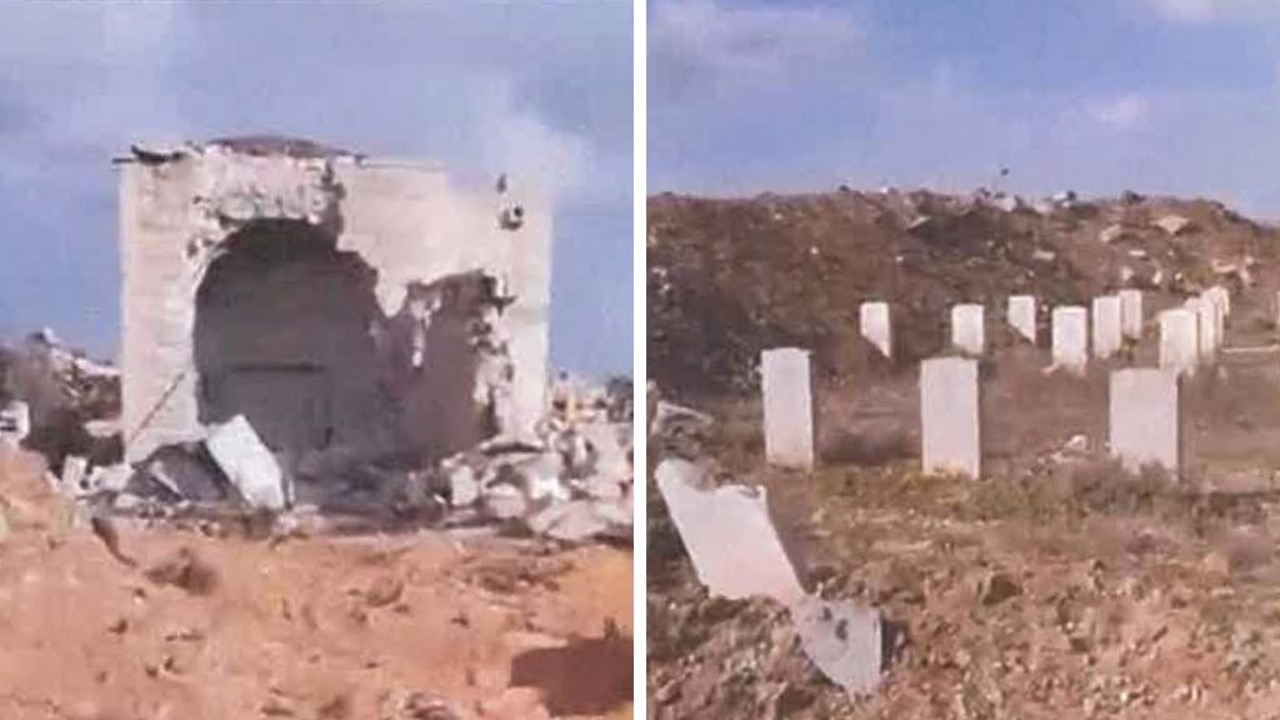
    The truce framework, initially brokered by the U.S. in October and largely holding despite alleged violations, envisioned the crossing’s reopening. Hamas’s military wing, the Ezzedine Al-Qassam Brigades, claims to have provided mediators with detailed information on the location of Gvili’s body, prompting an ongoing Israeli military search operation in a Gaza cemetery.

    Gvili, a non-commissioned officer killed during Hamas’s October 7, 2023, attack on Israel, is the last of the 251 hostages taken that day yet to be repatriated. His family has vehemently opposed advancing to any subsequent phase of the ceasefire agreement, which includes the Rafah reopening, before his remains are returned.

    The conflict, triggered by the 2023 attack that resulted in 1,221 Israeli deaths, has seen Israeli retaliation flatten large portions of Gaza, a territory already struggling under a blockade imposed since 2007. Gaza authorities reported a death toll exceeding 70,000 by November of last year.