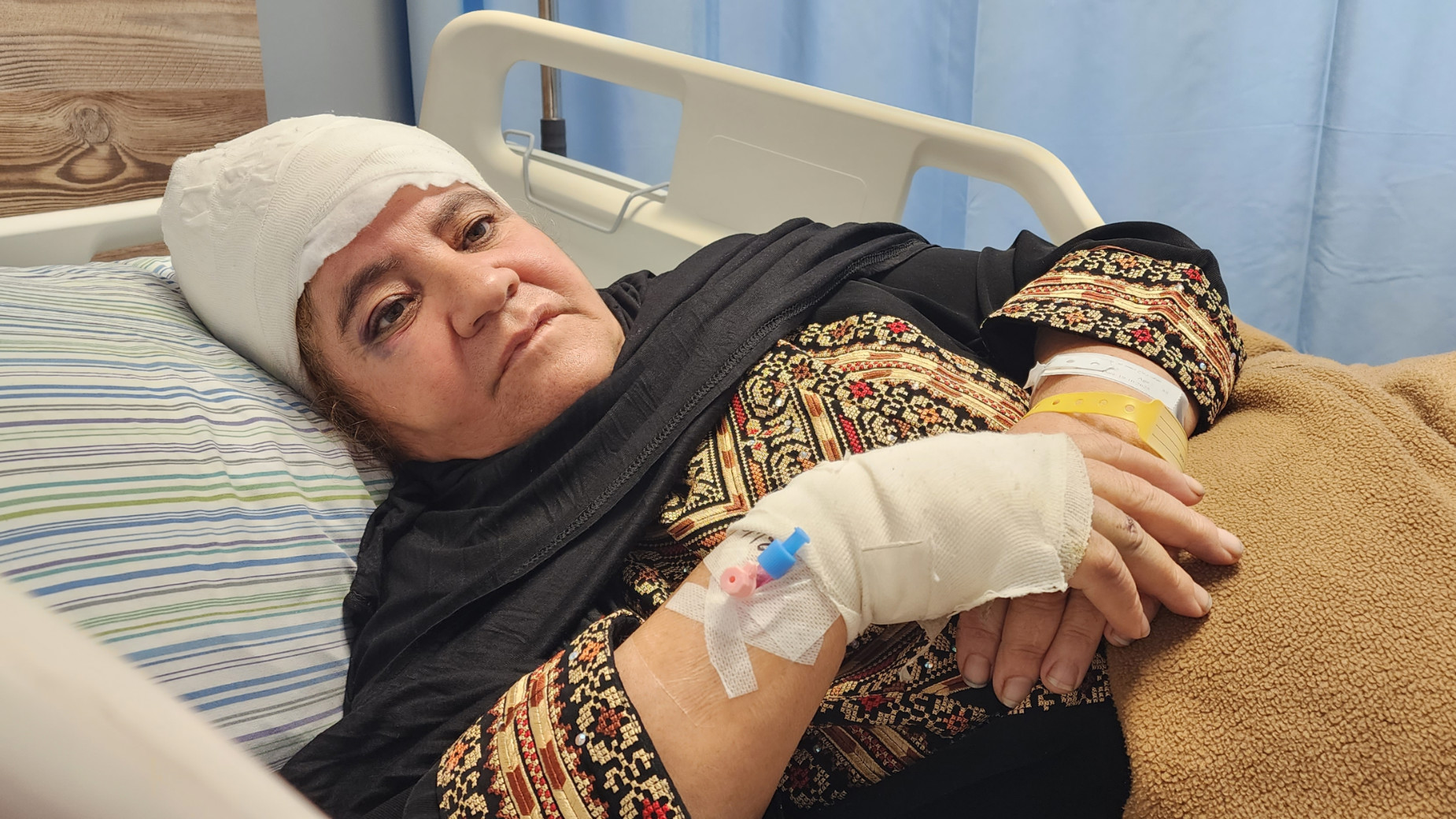
Afaf Abu Alia, a 53-year-old Palestinian woman, described a harrowing experience of being brutally attacked by Israeli settlers while harvesting olives near Ramallah in the occupied West Bank. “I felt like I was dying,” she recounted, detailing how more than 20 settlers beat her with sticks, leaving her with severe injuries, including brain bleeding and extensive bruising. The attack occurred as she and her family worked in Turmus Ayya, a village where settlers from nearby settlements like Maale Levona and Shilo have increasingly targeted Palestinian farmers. Despite fleeing to a safer area, the family returned to find their vehicle destroyed and their harvested olives stolen. Later, an Israeli military patrol intercepted them, firing a gas canister that left Afaf, who suffers from respiratory issues, incapacitated. The settlers returned in greater numbers, forcing the family to flee again, but Afaf, unable to move, endured further violence. This attack is part of a broader pattern of escalating settler violence against Palestinian olive harvesters, often under the protection of Israeli soldiers. The Abu Alia family, who had already been forced to rent land after settlers repeatedly targeted their own olive groves in al-Mughayyir, described the destruction of their olive trees as a devastating loss of heritage. Their great-grandfather had planted these ancient Roman olive trees over 150 years ago, and the family views them as a symbol of their identity and connection to the land. Since the start of the olive harvest season, over 158 settler attacks have been documented, resulting in the destruction of thousands of olive trees and significant economic losses for Palestinian families. The olive harvest, a deeply communal and cultural tradition, has become a battleground in the ongoing conflict, with settlers and Israeli forces systematically targeting Palestinian farmers to sever their ties to the land. Despite these efforts, Palestinians continue to resist, driven by a profound spiritual and ancestral bond with their olive trees.
分类: world
-
Nigerian army kills over 50 Boko Haram militants as it fights off drone attacks
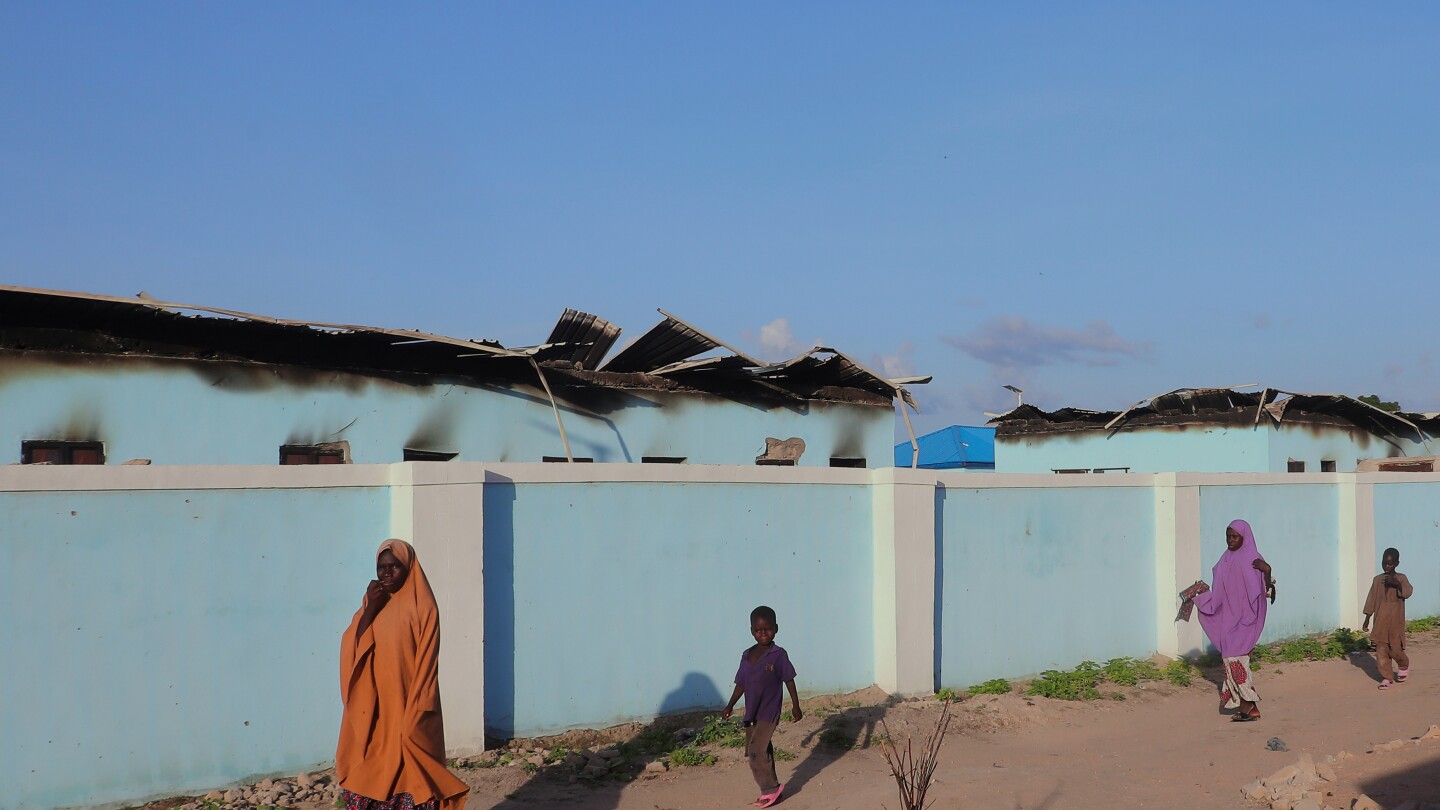
In a decisive response to recent drone attacks on military installations, Nigeria’s armed forces have reportedly eliminated more than 50 Boko Haram militants. The operation, which took place on Thursday, targeted insurgents who had launched simultaneous assaults on military bases in Borno and Yobe states. According to Army spokesperson Sani Uba, the militants initiated their attacks from northern Cameroon and Katarko, a village in Yobe State. The Nigerian military employed a combination of ground and aerial tactics to neutralize the threat, with ground troops and the Air Component continuing to pursue over 70 wounded militants in a coordinated effort. This counteroffensive follows a brutal nighttime attack by Boko Haram last month in Darul Jamal, a northeastern Nigerian village, which claimed at least 60 lives. Boko Haram, a jihadist group that emerged in 2009, seeks to impose its radical interpretation of Islamic law and opposes Western education. The decade-long insurgency has not only devastated Nigeria but also spilled into neighboring countries like Niger, resulting in approximately 35,000 civilian deaths and displacing over 2 million people, according to the United Nations. The group has since fractured into two factions following the death of its longtime leader, Abubakar Shekau, in 2021. One faction, the Islamic State West Africa Province, aligned with the Islamic State group, has intensified its attacks on military positions. In a related development, the U.S. has approved a potential $346 million arms sale to bolster security in Nigeria, Africa’s most populous nation.
-
‘A hugely symbolic moment’: King Charles and Pope pray together
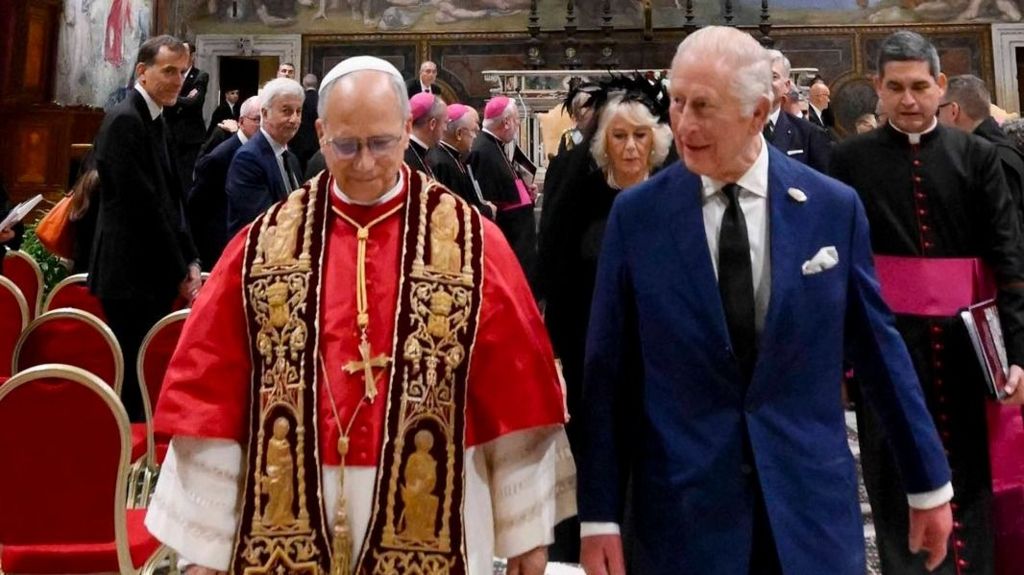
In a groundbreaking moment of interfaith unity, King Charles III, the head of the Church of England, joined Pope Francis in a public prayer session. This historic event marks the first time a British monarch, who also serves as the Supreme Governor of the Church of England, has engaged in such a public display of spiritual solidarity with the leader of the Roman Catholic Church. The meeting, described as ‘hugely symbolic,’ underscores the ongoing efforts to bridge divides between Christian denominations. Both leaders emphasized the importance of mutual respect, dialogue, and collaboration in addressing global challenges. This unprecedented act of unity is seen as a significant step toward fostering greater understanding and cooperation between the Anglican and Catholic communities worldwide.
-
Palestine will continue to seek justice against Israel at ICC and ICJ, says Hague ambassador
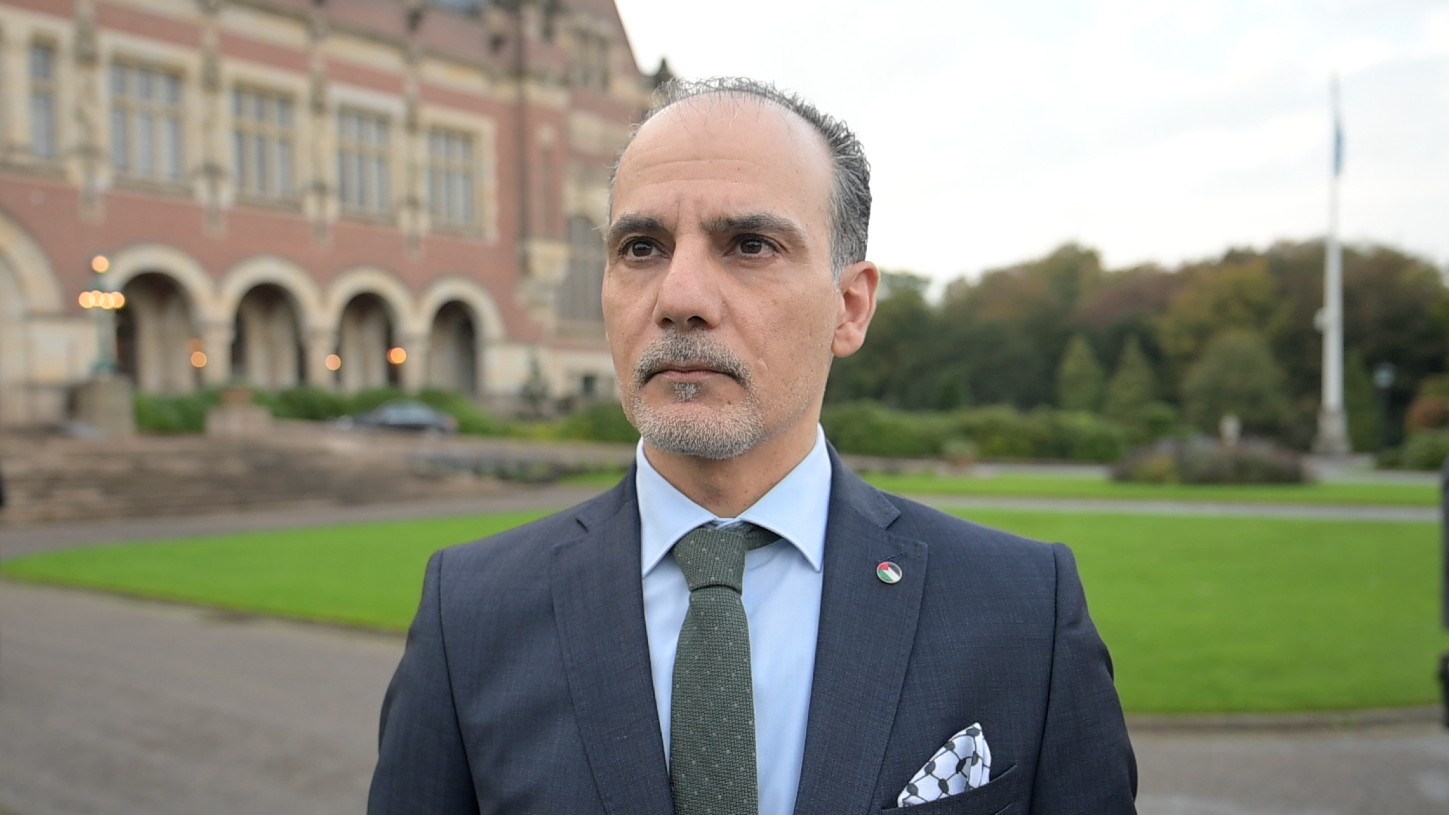
Palestine remains steadfast in its pursuit of justice through international legal channels, despite mounting political pressure and threats of sanctions, Palestinian Ambassador Ammar Hijazi declared in an interview with Middle East Eye on Wednesday. His statement followed a significant ruling by the International Court of Justice (ICJ), which underscored Israel’s humanitarian obligations, particularly the need to lift its blockade on aid entering Gaza. Hijazi emphasized that the Palestinian leadership will not retreat from its commitment to seek justice on the global stage, stating, ‘This is a rightful, peaceful, legal, and moral path that we must take until our people are free and our independence is realized.’
Hijazi reiterated Palestine’s cooperation with the International Criminal Court (ICC), where investigations into alleged war crimes by Israeli leaders are ongoing. He dismissed Israeli Prime Minister Benjamin Netanyahu’s demand for the Palestinian Authority (PA) to cease legal actions against Israel at the ICC and ICJ, asserting that the PA lacks the authority to withdraw such cases. ‘It is now in the hands of the prosecutor and the court,’ Hijazi explained, expressing hope that more individuals committing crimes against humanity will be held accountable.
The ICC, the world’s only permanent international court with jurisdiction over senior officials, has been a focal point of Palestine’s legal strategy. In 2021, former ICC Chief Prosecutor Fatou Bensouda launched a war crimes investigation against Israel, following a referral by the PA. The investigation has since gained momentum, with additional referrals from countries such as South Africa, Bangladesh, and Mexico, amid widespread condemnation of Israel’s actions in Gaza. In November 2023, ICC judges issued arrest warrants for Netanyahu and former Defense Minister Yoav Gallant for alleged war crimes, including the use of starvation as a weapon of war.
The ICJ’s recent advisory opinion, which condemned Israel’s restrictions on humanitarian aid to Gaza and the occupied West Bank, has further bolstered Palestine’s legal position. Represented by Hijazi and a team of international lawyers, Palestine was among 40 states that presented evidence during the hearings earlier this year. The court’s findings, which highlighted Israel’s violations of international law, are expected to influence ongoing ICC investigations. Paul Reichler, a lawyer representing Palestine at the ICJ, noted that the court’s determination of proven facts, such as Israel’s deliberate policy of denying food to civilians, could be pivotal in future legal proceedings.
Hijazi called on the international community to enforce the ICJ’s findings, urging nations to align with international law rather than condone colonialism, genocide, and war crimes. ‘International law is very clear,’ he asserted. ‘What Israel is doing is illegal in the occupied Palestinian territory.’ As Palestine continues its legal battle, the global community faces a critical choice: to uphold justice or remain complicit in ongoing violations.
-
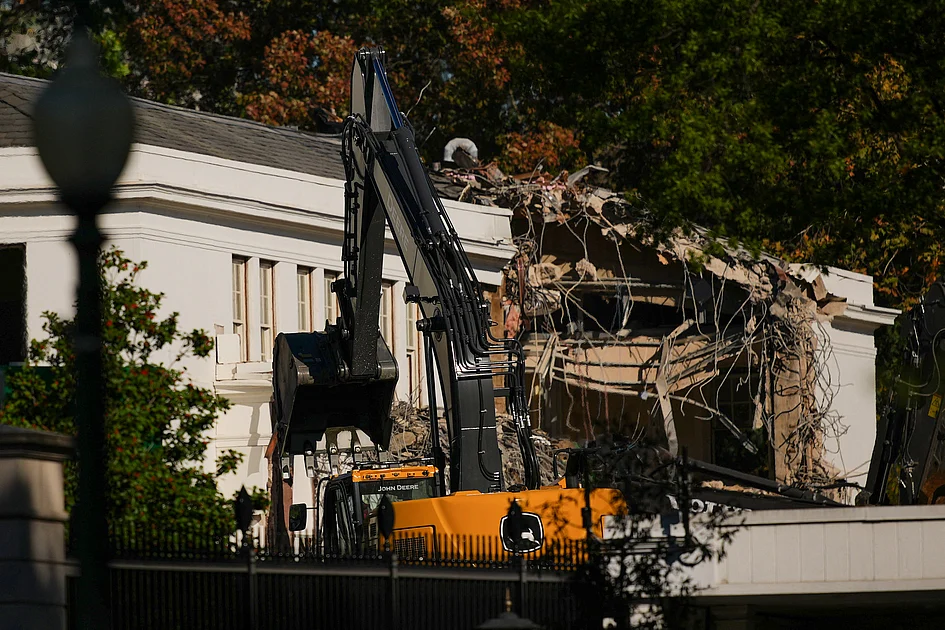
Trump demolishes White House East Wing after saying he won’t touch it
In a surprising turn of events, former President Donald Trump has initiated the demolition of the White House East Wing, a move that contradicts his earlier assurances to preserve the historic structure. The East Wing, which housed the first lady’s office and ceremonial spaces, is being torn down to make way for a sprawling 90,000-square-foot ballroom, a project that significantly alters the iconic building’s profile. Trump, known for his bold and often controversial decisions, dismissed the East Wing as “never thought of as being much” and described it as “a very small building.” The demolition, expected to be completed by this weekend, marks the largest renovation to the White House in decades. The ballroom, now estimated to cost $300 million—$100 million more than initially projected—will nearly double the size of the White House residence. Trump initially pledged that the East Wing would remain untouched, stating in July that the new construction would “pay total respect to the existing building.” However, further evaluation revealed that demolishing the East Wing was both cheaper and more structurally sound than building an addition. The West Wing and the White House residence remain unaffected by the project. This decision has sparked debate, highlighting Trump’s determination to leave a lasting imprint on the White House, even if it means overriding traditional sensibilities.
-
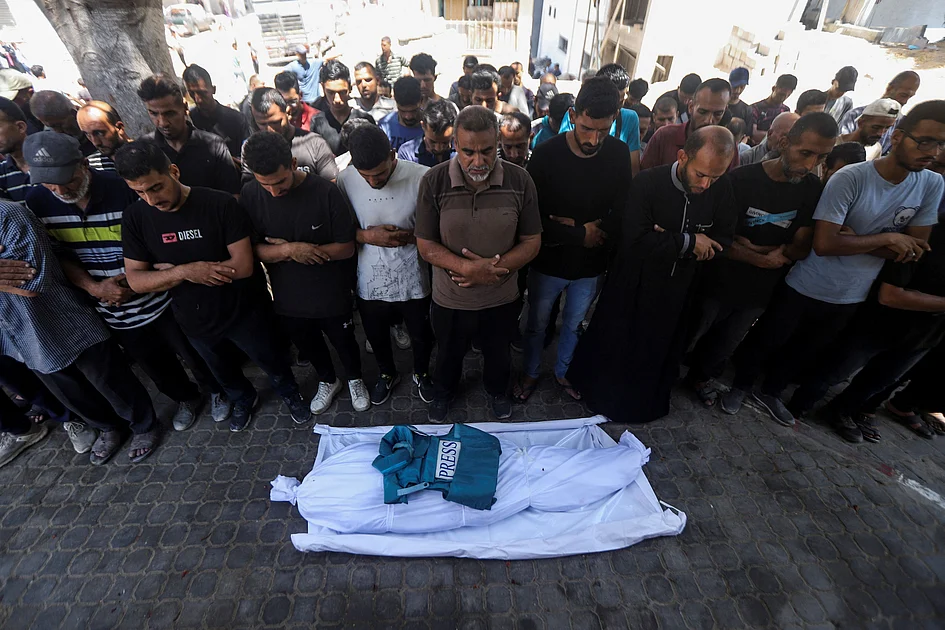
Israel’s top court to hear petition demanding foreign media access to Gaza
Israel’s Supreme Court is poised to deliberate on a significant petition filed by the Foreign Press Association (FPA), which advocates for independent media access to Gaza. The hearing, scheduled for Thursday, marks a pivotal moment in the ongoing struggle for press freedom in the region. Since the onset of the Gaza conflict in October 2023, Israeli authorities have imposed stringent restrictions, barring foreign journalists from entering the war-torn territory, except for a select few who are allowed under tightly controlled conditions. The FPA, representing hundreds of international journalists, has been persistently lobbying for unrestricted access to Gaza, emphasizing the critical need for comprehensive and unbiased coverage of the conflict. Tania Kraemer, the FPA chairperson, expressed optimism about the court hearing, stating, ‘We are pleased to finally have our day in court and hope the justices will swiftly approve our request to enter Gaza.’ The petition has garnered support from media watchdog Reporters Without Borders (RSF), which has highlighted the severe implications of Israel’s media blockade. Antoine Bernard, RSF’s director for advocacy and assistance, underscored the gravity of the situation, noting that over 210 Palestinian journalists have been killed in Gaza since the war began. ‘The result is an unprecedented violation of press freedom and the public’s right to reliable, independent, and pluralistic media reporting,’ Bernard remarked. He urged the Supreme Court to uphold democratic principles and end the systematic suppression of journalism in Gaza. The hearing comes amid a backdrop of international efforts to broker peace, including a ceasefire declared by Israel on October 10, as part of a broader plan to de-escalate the conflict.
-
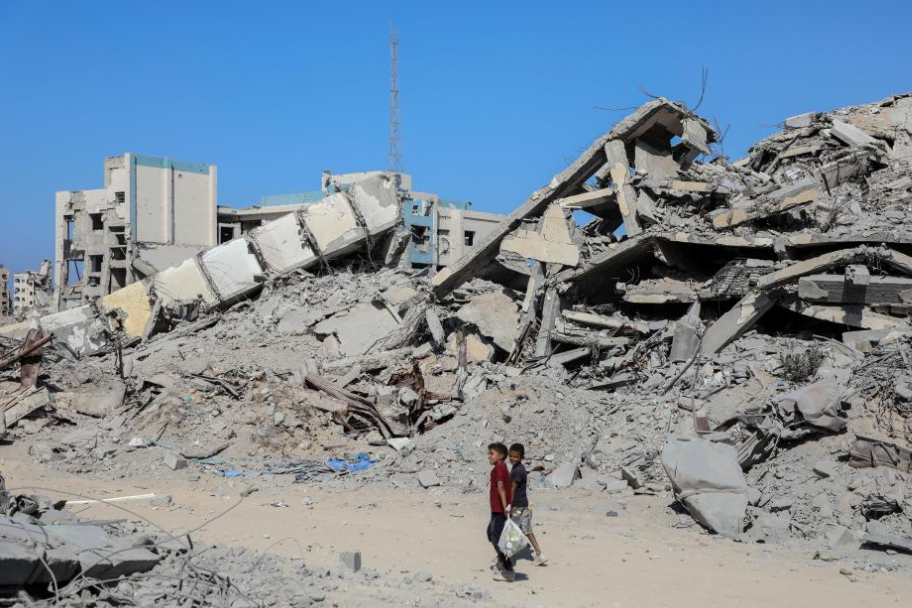
UN says delivering aid to northern Gaza remains challenging
The United Nations has highlighted the persistent difficulties in delivering humanitarian aid to northern Gaza, even after a ceasefire has been in effect for over ten days. According to the UN Office for the Coordination of Humanitarian Affairs (OCHA), while progress has been made in scaling up response efforts in central and southern Gaza, the continued closure of key border crossings—Zikim and Erez—has severely hindered access to the northern region. These crossings are crucial for direct aid delivery, and their closure has exacerbated the humanitarian crisis in the area. Meanwhile, OCHA reported that more than 425,000 people have moved from southern to northern Gaza since the ceasefire began on October 10. Andrew Saberton, Deputy Executive Director of the UN Population Fund, recently returned from Gaza and noted that some aid, including medical supplies and equipment, has been distributed through the Kerem Shalom/Karem Abu Salem crossing. However, he emphasized that the amount of aid entering Gaza remains insufficient to meet the overwhelming needs. On Tuesday, out of ten coordinated humanitarian missions, six were facilitated, allowing the collection of essential items like water tanks, hygiene kits, and fuel. The UN continues to call for greater access and support to address the dire situation in Gaza.
-
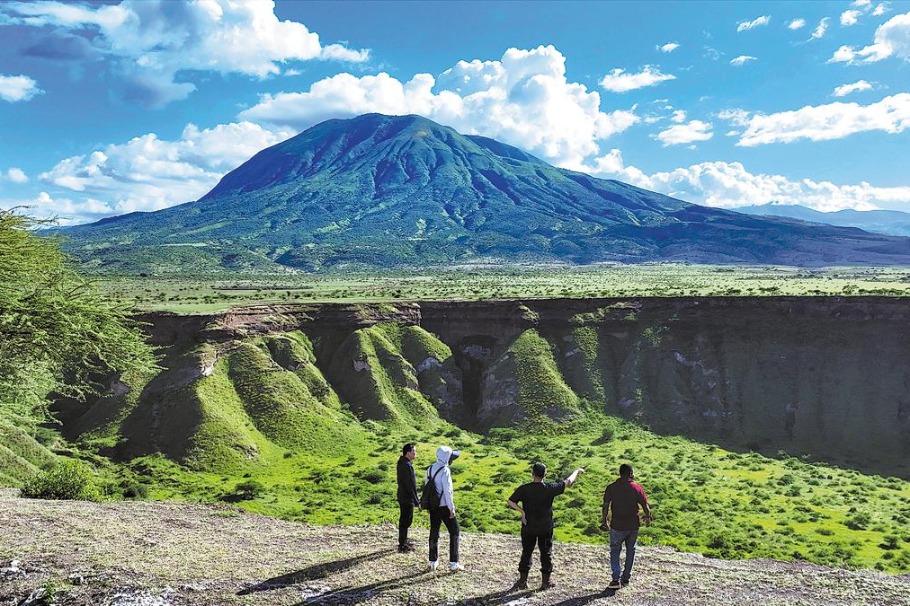
Global geopark in Tanzania revived with Chinese aid
In a remarkable display of international collaboration, Tanzania’s Ngorongoro-Lengai Global Geopark has been revitalized with the assistance of Chinese expertise, showcasing the transformative power of green development and advanced technology. This project, spearheaded by engineers from the Tianjin Center of the China Geological Survey, marks a significant milestone in the geopark’s journey from near exclusion from the UNESCO Global Geoparks Network to full recognition of its progress. The geopark, Tanzania’s first and only global geopark, has become a symbol of China’s commitment to sustainable development and the harmonious coexistence of humans and nature. The reconstruction project involved a meticulous geoheritage survey of the Ol Doinyo Lengai volcano, a task that required Chinese and Tanzanian teams to undertake a grueling seven-hour climb to the crater. The survey, conducted under the cover of darkness to capture the molten lava’s golden hue before it turned gray in daylight, provided crucial data for planning sightseeing and scientific expedition routes. This endeavor not only highlights the technical prowess of Chinese engineers but also underscores the potential of international partnerships in promoting environmental conservation and sustainable tourism.
-
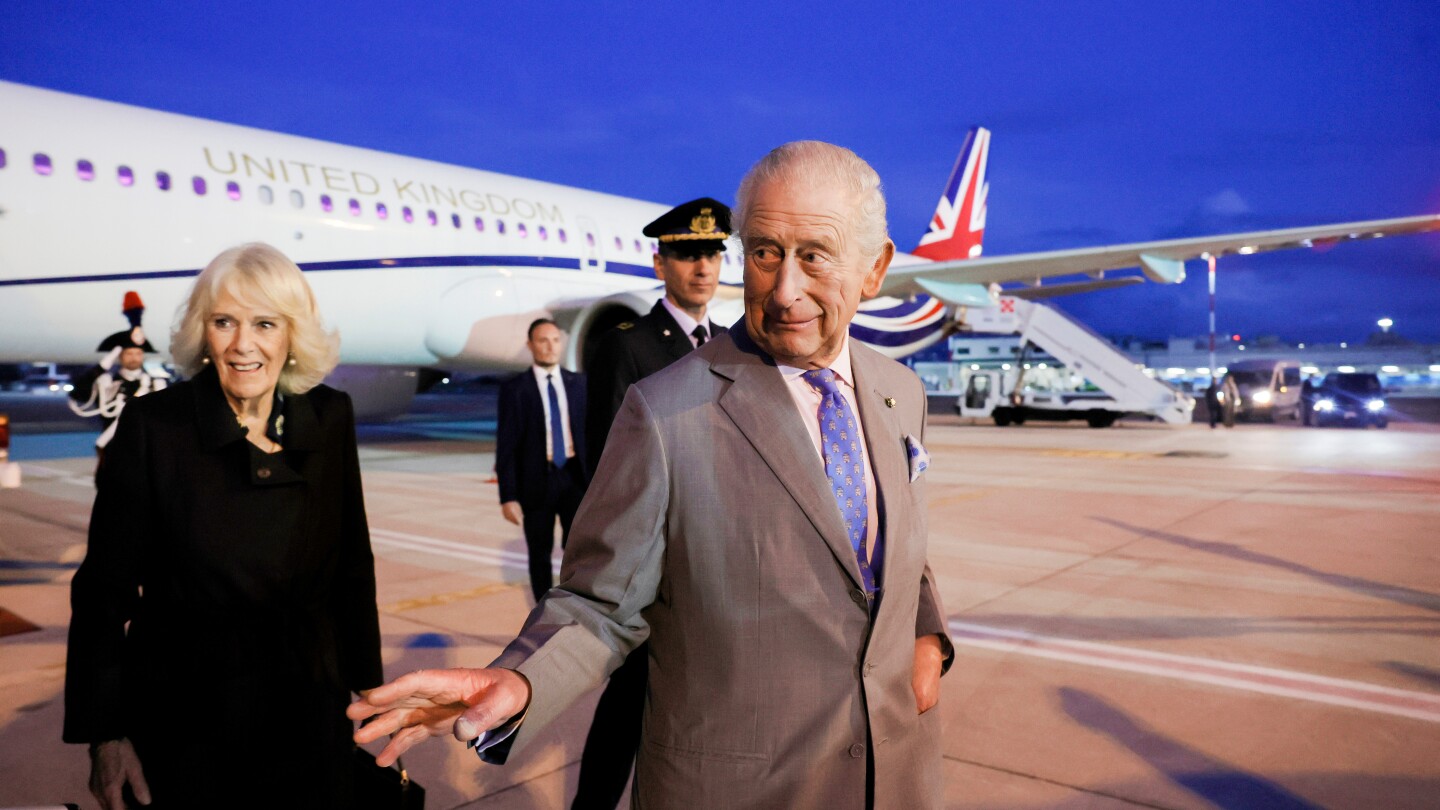
British royals visit Vatican in historic step for churches and welcome respite from Epstein scandal
In a landmark event aimed at strengthening ties between the Church of England and the Catholic Church, Britain’s King Charles III and Queen Camilla arrived at the Vatican on Thursday. The visit, which comes amid ongoing turmoil within the British royal family over the Epstein sex scandal, marked a significant moment in the centuries-long relationship between the two Christian denominations. The royal couple was greeted in a nearly empty St. Peter’s Square, secured by heightened security measures, before meeting with Pope Leo XIV for their first audience since his election in May. The highlight of the visit was a midday prayer service in the Sistine Chapel, the first joint prayer by the heads of the two churches since the Reformation. This historic gesture underscores ongoing efforts toward unity, despite lingering divisions over issues such as the ordination of female priests and LGBTQ+ inclusion. During the visit, Charles was formally bestowed the title of ‘Royal Confrater’ at St. Paul’s Outside the Walls, a basilica with strong ties to the Church of England. In a reciprocal gesture, Pope Leo XIV received the title of ‘Papal Confrater of St George’s Chapel, Windsor Castle.’ The visit, initially planned for earlier this year, was rescheduled following the illness and subsequent passing of Pope Francis. Charles had expressed a strong desire to visit the Vatican during the 2025 Holy Year, a significant Christian celebration held every 25 years. The Anglican-Catholic split dates back to 1534, when King Henry VIII broke away from the Catholic Church after being denied a marriage annulment. While recent popes have worked to foster warmer relations with the Anglican Communion, fundamental differences remain. The royal visit coincides with renewed scrutiny of Prince Andrew’s ties to convicted sex offender Jeffrey Epstein, following the publication of a memoir by Epstein accuser Virginia Giuffre. Prince Andrew, who has denied the allegations, faces growing pressure to relinquish his titles and privileges. The Vatican visit offers a spiritual respite for the royals, highlighting the enduring significance of faith and diplomacy in bridging historical divides.
-

Watch: Millions of red crabs begin annual migration on Christmas Island
Every summer, the remote Christmas Island, located off the coast of mainland Australia, becomes the stage for one of nature’s most extraordinary phenomena: the annual migration of millions of red crabs. This year, an estimated 50 million crabs have begun their journey from the island’s lush forests to the shoreline, where they will lay their eggs. The migration, a critical part of the crabs’ life cycle, transforms the island into a vibrant sea of red as the crustaceans scuttle across roads, trails, and even human-made structures. Local authorities have implemented measures to protect the crabs, including road closures and specially constructed crab bridges, ensuring their safe passage. This natural spectacle not only highlights the island’s unique biodiversity but also draws tourists and researchers from around the globe, eager to witness this awe-inspiring event. The migration typically lasts several weeks, culminating in the release of crab larvae into the ocean, where they will begin their own journey of survival and growth.