
As the 2025 APEC summit approaches, the theme of ‘connection’ has sparked meaningful conversations across Asia. In South Korea, young people are redefining what it means to be connected in a globalized world. For them, connection transcends mere communication; it embodies mutual support, the dismantling of barriers, and collective efforts toward shared prosperity. This new generation is actively fostering dialogue and collaboration, breathing life into APEC’s vision of a more interconnected and inclusive future. Their perspectives highlight the importance of cultural exchange, economic integration, and cross-border partnerships in shaping a harmonious global community. From ancient bridges to modern economic ties, the essence of connectivity continues to evolve, driven by the aspirations of youth and the collective will to build a better tomorrow.
分类: world
-
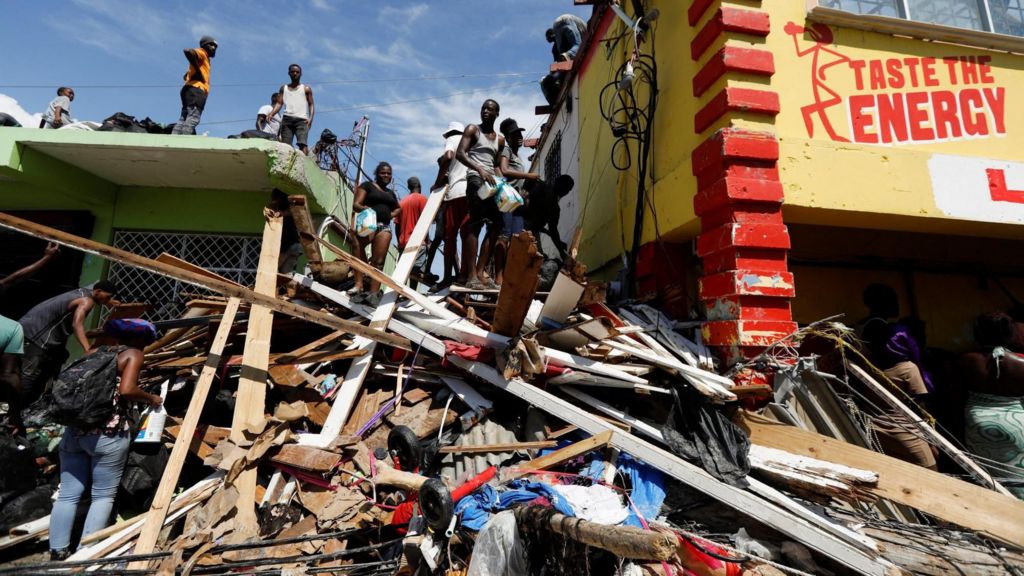
Hurricane Melissa death toll rises as aid struggles to reach parts of Jamaica
Hurricane Melissa, one of the most powerful storms to hit the Caribbean, has left a trail of destruction across multiple nations, with the death toll rising to at least 49. In Jamaica, 19 fatalities have been confirmed, while Haiti reports 30 deaths. Information Minister Dana Morris Dixon described ‘devastating’ scenes in western Jamaica, with entire communities marooned and areas flattened. Satellite imagery reveals near-total destruction in some villages, with residents expressing the indescribable impact of the storm. Electricity remains out across most of Jamaica, and thousands are desperate for aid as they salvage belongings from floodwaters and mud. Food and water shortages are worsening, with some areas without water for days. Aid supplies are arriving more rapidly through Kingston’s main airport, but smaller regional airports remain partially operational, hindering access to the hardest-hit areas. In Haiti, many victims perished when a river overflowed in Petit-Goave, and assessments are ongoing in inaccessible regions. Over 15,000 Haitians are sheltering in more than 120 facilities. In Cuba, 3 million people faced life-threatening conditions, with 735,000 evacuated safely. No fatalities have been reported in Cuba, but flooding and landslides have isolated nearly 240 communities. The US, UK, and international organizations are mobilizing support, including disaster response teams, emergency supplies, and funding. Bermuda is bracing for Melissa’s impact, with government offices and schools closed as the storm approaches.
-
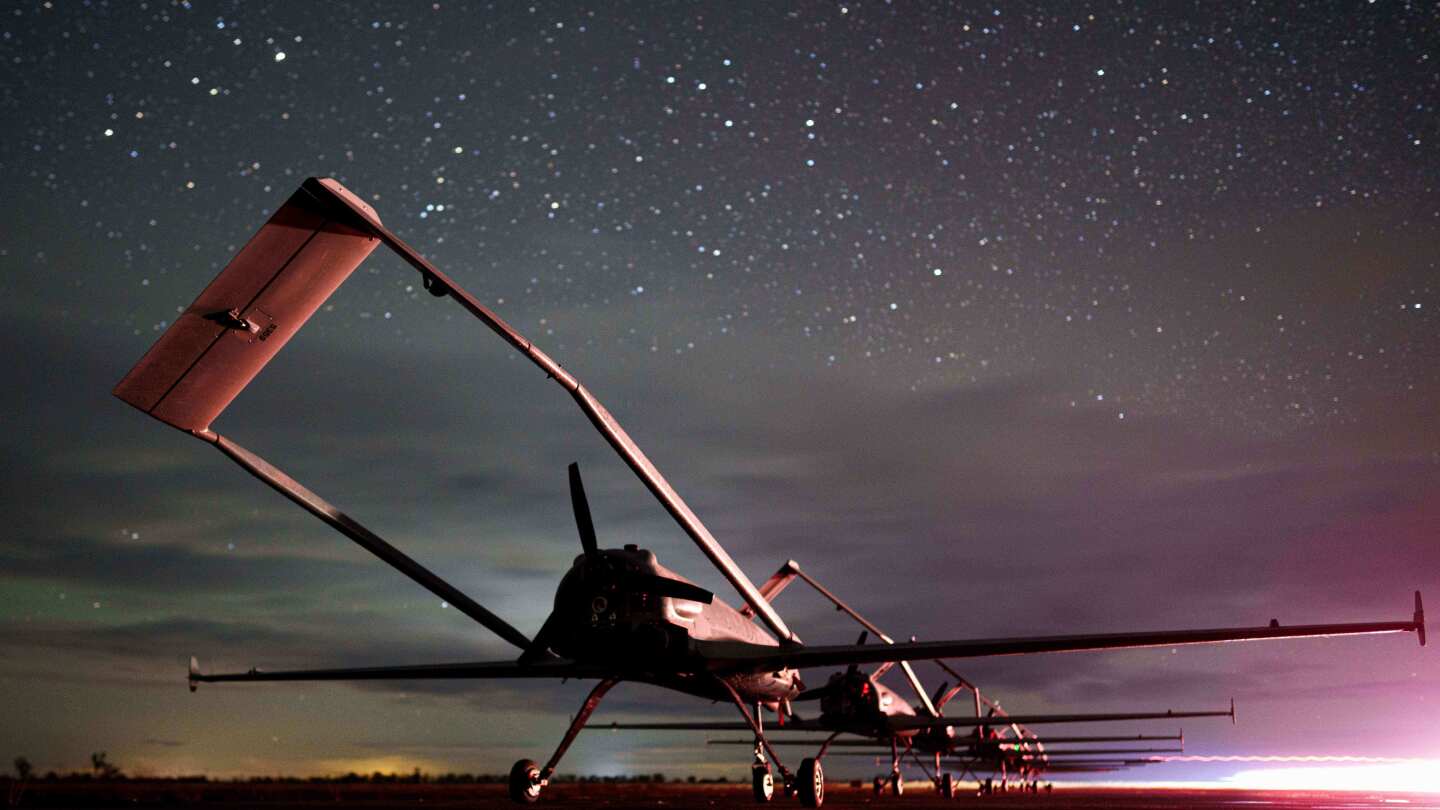
Drones, oil and escalation: Ukraine’s deep strikes impact Russia, altering war calculations
In a covert operation in rural Ukraine, attack drones are assembled under the cover of night to strike strategic targets deep within Russia, including oil refineries, fuel depots, and military logistics hubs. Since the summer, Ukraine’s long-range drone campaign has intensified, significantly impacting Russia’s energy infrastructure and stretching Moscow’s air defenses thin. These drones, constructed from parts produced in a decentralized network of workshops, now boast extended ranges, enabling them to reach targets far beyond previous capabilities. The strikes have led to gasoline shortages in Russia, prompting rationing in some regions and highlighting vulnerabilities in the country’s infrastructure. Western analysts note that while the attacks have had a serious impact, they have not been crippling. According to the Carnegie Endowment, Ukrainian drones have hit 16 major Russian refineries, representing about 38% of the country’s nominal refining capacity. However, most plants have resumed operations within weeks, cushioned by idle capacity and existing fuel surpluses. Despite this, the strikes have given Kyiv the initiative at a critical juncture, as the U.S. and Europe ramp up sanctions on Russia’s oil industry. Ukrainian President Volodymyr Zelenskyy claims that these strikes have caused Russia to lose up to 20% of its gasoline supply, forcing the Kremlin to import fuel and curb exports. The commander overseeing the drone operations, identified by his call sign ‘Fidel,’ emphasized the evolution of drone technology, with some models now capable of flying 1,000 kilometers. The Liutyi, a homegrown drone, has become a symbol of national pride, reflecting Ukraine’s no-frills war production philosophy. The increased range of these drones marks a shift in the conflict’s geography, with attacks now reaching targets within a 1,000-kilometer radius of the border. This has forced Russia to reroute supplies and commit air defenses to a wider area, degrading its capacity to sustain large-scale operations. The Paris-based International Energy Agency reports that repeated drone strikes have cut Russia’s refining capacity by about 500,000 barrels a day, triggering domestic fuel shortages and curbing exports. Ukraine’s independent drone launch capability allows it to bypass Western approval required for imported long-range weapons, providing a strategic advantage. Each mission is meticulously planned, with fewer than 30% of drones reaching their target area. Fidel reflected on the human cost of the war, stating that the current generation is fighting for a free democratic future for their children.
-
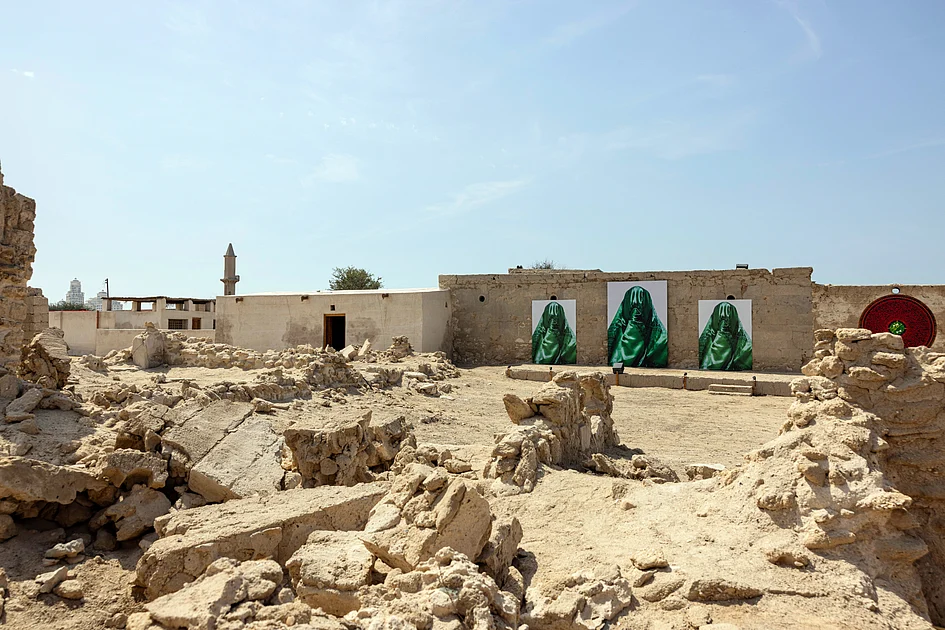
Beyond all that UAE glitter, glimpses of life before oil
The United Arab Emirates (UAE), often synonymous with the glittering skylines of Dubai and Abu Dhabi, holds a lesser-known history rooted in the pearl industry. Long before oil transformed the nation into a global economic powerhouse, the UAE thrived on the luster of pearls harvested from the Arabian Gulf. Today, the smaller, less-visited emirates offer a glimpse into this bygone era, providing a stark contrast to the modern opulence of its more famous cities. On a warm morning in Ras Al Khaimah, the northernmost emirate, visitors can step aboard a traditional wooden dhow and witness the art of pearl diving at Suwaidi Pearl Farm. Here, a guide clad in a pristine white headscarf demonstrates the delicate process of extracting pearls from oysters, a practice that once sustained the region. This experience is part of a broader journey through Sharjah, Ajman, Fujairah, and Ras Al Khaimah—emirates that remain less developed but rich in cultural heritage. Sharjah, for instance, is a hub of authenticity with its coral-walled buildings and the Sharjah Museum of Islamic Civilisation, which showcases the region’s deep-rooted history. Ajman, the smallest emirate, offers a laid-back vibe with its golden beaches and burgeoning tourism scene. Fujairah, located on the Gulf of Oman, is home to the UAE’s oldest mosque, Al Bidyah, while Ras Al Khaimah boasts the world’s longest zip-line and a thriving pearl farming industry. These emirates, often overshadowed by Dubai’s grandeur, provide a window into the UAE’s past, revealing a harmonious blend of tradition and modernity. As the nation continues to evolve, these hidden gems remind us that the UAE’s true wealth lies not just in its oil reserves but in its rich cultural tapestry and the resilience of its people.
-
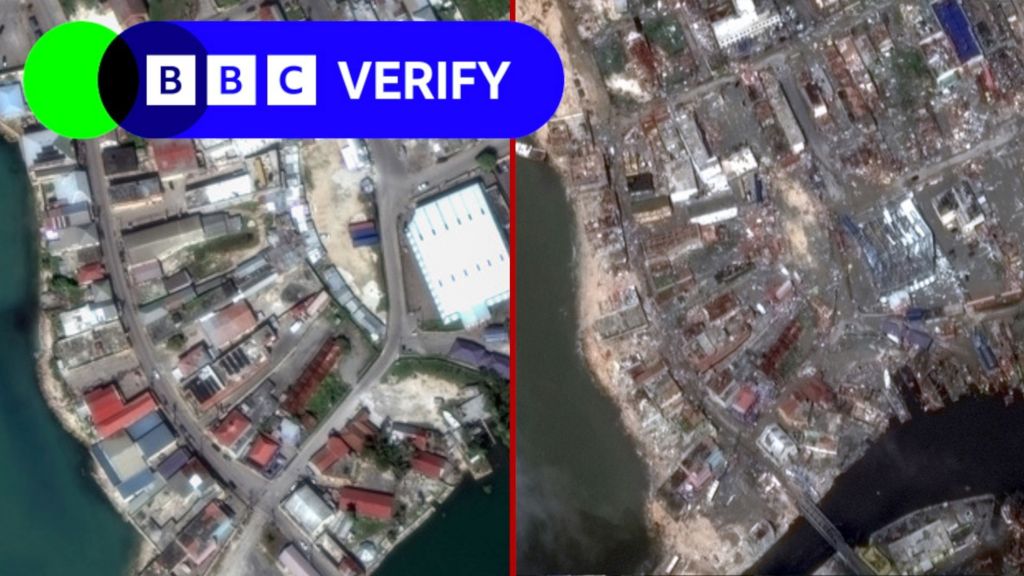
Jamaica’s ‘ground zero’ – Assessing hurricane damage in Black River
The southwestern region of Jamaica, particularly the town of Black River, has been declared ‘ground zero’ following the catastrophic impact of Hurricane Melissa. On Tuesday, the area endured the brunt of the storm’s ferocious 185 mph (295 km/h) winds, leaving behind a trail of destruction. The hurricane’s unprecedented intensity has caused widespread damage to infrastructure, homes, and natural landscapes, with Black River emerging as the epicenter of the devastation. Emergency response teams are currently assessing the extent of the damage, while local authorities are mobilizing resources to aid affected communities. The resilience of Jamaica’s residents is being tested as they begin the arduous process of recovery and rebuilding in the aftermath of one of the most powerful hurricanes to hit the island in recent history.
-
‘We saw people murdered in front of us’ – Sudan siege survivors speak to the BBC
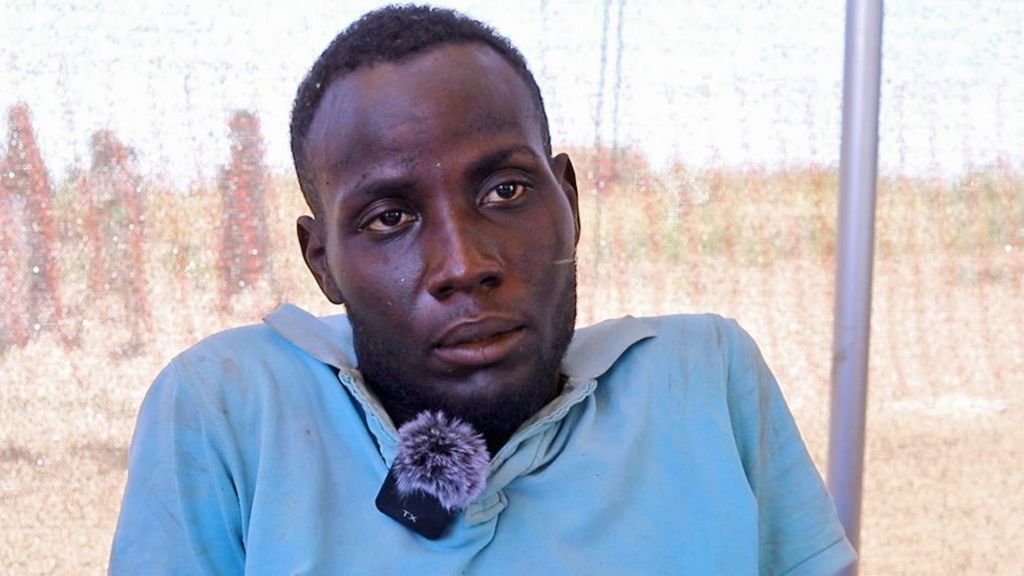
In the aftermath of the Rapid Support Forces (RSF) seizing control of el-Fasher in Sudan’s Darfur region, harrowing accounts of violence and survival have emerged. Ezzeldin Hassan Musa, a survivor now in Tawila, recounts the brutal treatment he endured at the hands of RSF fighters. Beaten with sticks and left with nothing but the clothes on his back, Ezzeldin managed to escape the city, joining thousands who have fled to relative safety. The United Nations has described the violence as ‘horrific,’ with reports of torture, executions, and widespread suffering. RSF leader Gen Mohamed Hamdan Dagalo has acknowledged ‘violations’ in el-Fasher, promising investigations, but the situation remains dire. Many of those who have reached Tawila, a town 80km from el-Fasher, are women and children, having endured days of walking without food or shelter. Ahmed Ismail Ibrahim, another survivor, recounts how four of his companions were executed by RSF fighters, while he was shot three times before escaping. Yusra Ibrahim Mohamed fled after her husband, a soldier, was killed, describing the chaos and brutality she witnessed. Medical charity Médecins Sans Frontières (MSF) is providing emergency care to the wounded, many of whom are severely malnourished and traumatized. The fall of el-Fasher marks the end of an 18-month siege, during which the city faced relentless artillery and air strikes, and a severe hunger crisis due to an RSF blockade. Despite the arrival of around 5,000 people in Tawila, concerns remain for those still trapped in the city, with experts warning of the dire conditions and the need for immediate humanitarian aid.
-

UAE-Türkiye ties deepen as bilateral trade, cooperation reach new heights
The United Arab Emirates (UAE) and Türkiye have solidified their strategic partnership, achieving unprecedented levels of bilateral trade and cooperation. Ambassador Lütfullah Göktaş, Türkiye’s envoy to the UAE, emphasized the deepening ties between the two nations, highlighting their shared commitment to peace, prosperity, and multilateral collaboration. The Comprehensive Economic Partnership Agreement (Cepa), effective since September 2023, has been a driving force behind this growth, propelling non-oil trade to $44 billion between September 2024 and August 2025—a 12% increase despite global geopolitical challenges. This milestone underscores the resilience and dynamism of the UAE-Türkiye relationship, which spans energy, trade, finance, defense, and technology. Ambassador Göktaş noted the strong historical, cultural, and religious bonds between the two nations, with over 50,000 Turkish citizens thriving in the UAE. High-level visits, including those by Türkiye’s President Recep Tayyip Erdoğan and UAE President Sheikh Mohamed bin Zayed Al Nahyan, have further strengthened bilateral ties. The partnership not only benefits both nations but also contributes to regional stability. As Türkiye celebrated its 102nd Republic Day, the 52nd anniversary of UAE-Türkiye diplomatic relations was also honored, marking a forward-looking alliance poised for continued growth.
-
‘He wanted to help animals’: Israel kills Gaza veterinarian after the ceasefire
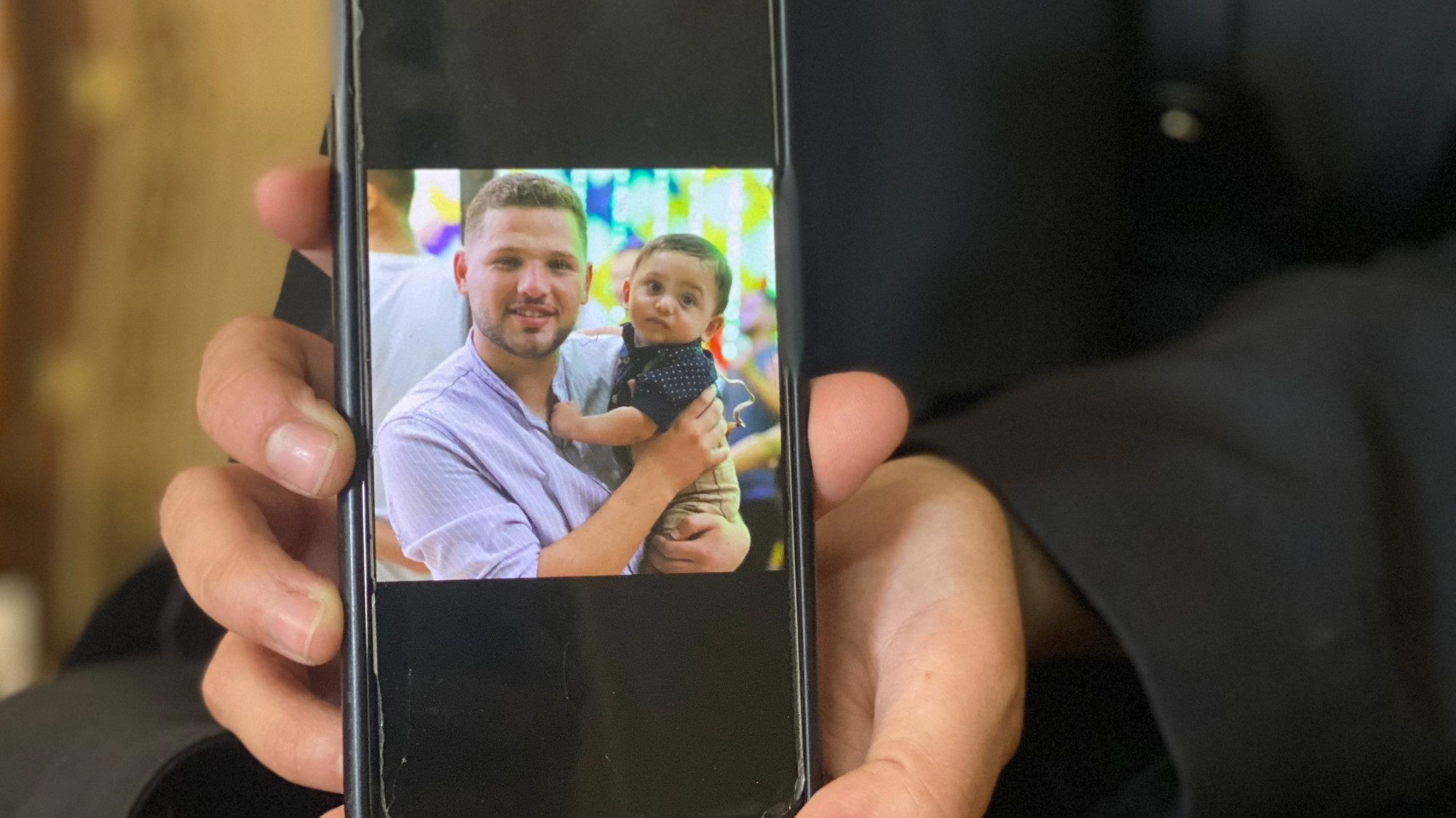
In a heart-wrenching tale of loss and resilience, Moaz Abo Rokba, a 30-year-old veterinarian from Gaza, became one of the many victims of Israel’s repeated violations of the recent ceasefire. Known for his expertise in surgical operations, Moaz had saved countless animals in the besieged Gaza Strip, earning admiration and respect from his community. Despite the dangers, he returned to his hometown of Jabalia shortly after the truce was announced, only to be killed in an Israeli air strike.
Moaz’s journey was one of dedication and passion. After earning his veterinary degree with distinction from Egypt’s Zagazig University, he returned to Gaza in 2019, where he worked tirelessly to improve public health standards and later opened his own clinic. His commitment to animal welfare and his dream of expanding his practice were cut short by the ongoing conflict.
His brother, Abdelrahman, recounted Moaz’s unwavering courage, even in the face of constant bombardment. ‘He was scared, but he couldn’t stop helping,’ Abdelrahman said. Moaz continued treating injured animals and feeding strays, often risking his life under Israeli attacks. His family, displaced to southern Gaza, held onto hope for his survival until a stranger confirmed his death days later.
Moaz’s wife, Rania, mourned the loss of her husband, a devoted father to their two young sons. ‘He was only trying to heal animals,’ she said, her voice filled with grief. ‘Israel always aims to kill the mindful, educated people of Palestine.’
Moaz’s death is a stark reminder of the human cost of the conflict, which has claimed over 68,643 lives since October 2023. His story highlights the resilience of Gaza’s people and the tragic loss of those who strive to make a difference amidst unimaginable adversity.
-
Cradle of civilisation at risk of erosion in Iraq due to climate change
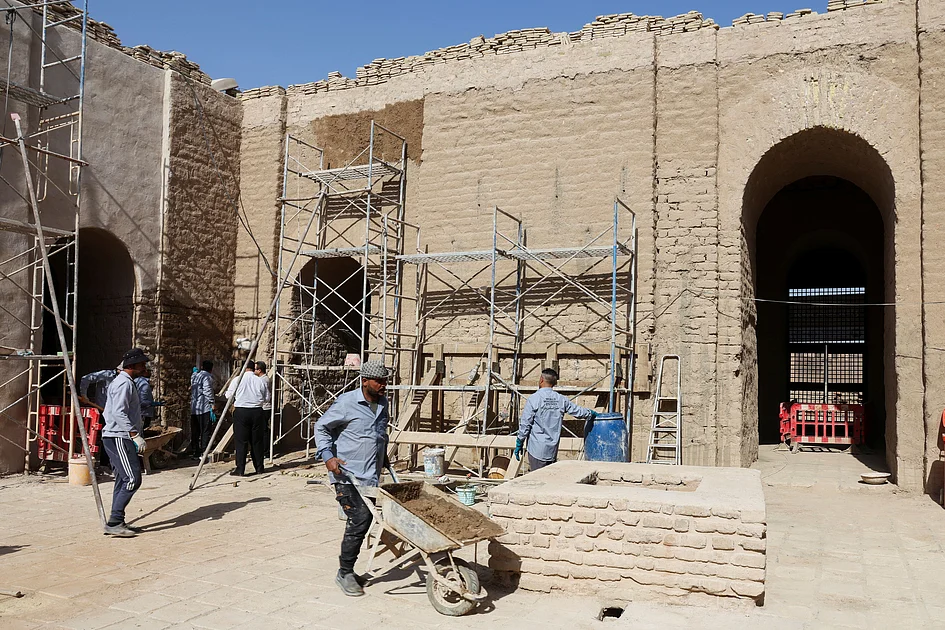
Iraq, often referred to as the cradle of civilisation, is facing a dire threat to its archaeological heritage due to the escalating impacts of climate change. Rising soil salinity, exacerbated by harsh and dry weather conditions, is accelerating the deterioration of ancient sites such as Ur, the birthplace of the Biblical patriarch Abraham, and Babylon, once the magnificent capital of empires. Experts warn that these historical treasures, which have stood for thousands of years, are now at risk of disappearing. The majestic Ziggurat of Ur, a 4,000-year-old stepped pyramid temple dedicated to the moon god Nanna, is particularly vulnerable. Sand dunes and wind are eroding its northern sections, while salt deposits are eating away at the mud bricks of the Royal Cemetery of Ur, discovered in the 1920s. Nearby, the ancient city of Babylon is also in peril, with high salinity levels threatening its clay-based structures adorned with Sumerian drawings. Improper restoration practices in previous decades have made these structures more susceptible to damage. Iraq’s Ministry of Culture and Tourism has highlighted the urgent need for restoration, but a lack of funding remains a significant challenge. The country, already scarred by decades of warfare, now faces a new battle against climate change, which is altering its ecosystem and endangering its historical footprint. Without immediate intervention, these ancient cities, which offer invaluable insights into the Sumerian empire and the world’s first civilisations, may be lost forever.
-
Gaza patients dying as medical supplies remain low, hospital chief warns
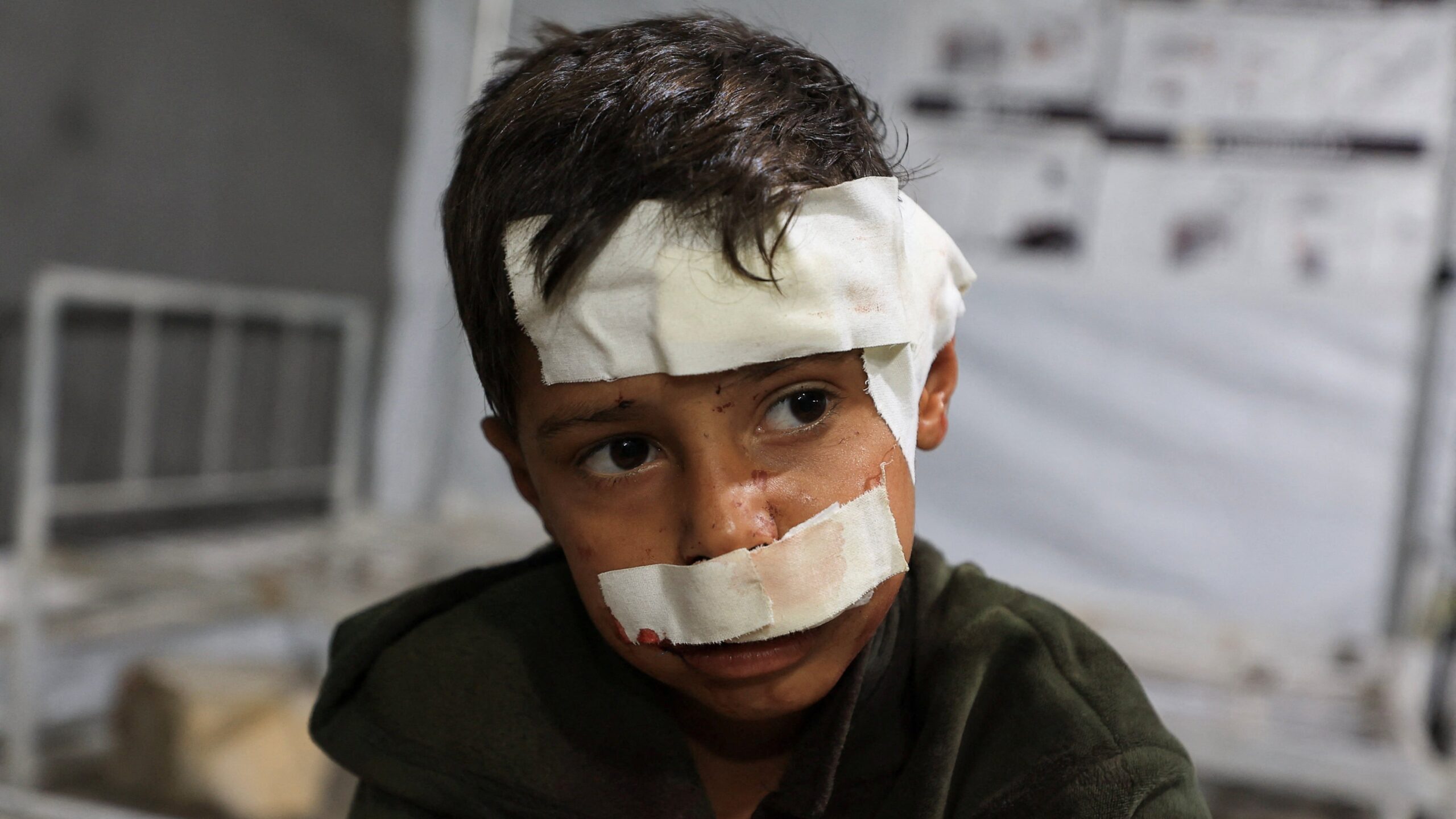
The ongoing conflict in Gaza has led to a catastrophic health crisis, with over 1,000 Palestinians in need of medical treatment having died since the war began, according to Dr. Mohammed Abu Salmiya, director of al-Shifa Hospital. The dire situation is exacerbated by Israel’s stringent restrictions on essential medical supplies entering the Gaza Strip, leaving the already collapsing health system in ruins. Since the ceasefire began on October 11, only 10 percent of the required medical supplies have reached the besieged enclave, leaving more than 350,000 patients with chronic conditions without access to vital medication. Hospitals are overwhelmed, receiving the bodies of patients who succumb to their illnesses daily due to the lack of medicine. ‘Without treatment, their fate is death,’ Abu Salmiya warned. Additionally, 22,000 Palestinians, including 18,000 who have completed the necessary paperwork, are unable to travel abroad for treatment due to the continued closure of crossings by Israel. Women and children are among the most vulnerable, with newborn mortality rates skyrocketing from 10 percent before the war to over 40 percent now. Pregnancy-related mortality rates have also risen drastically. The crisis worsened after Israel launched a wave of heavy air strikes across Gaza, killing 104 people, including 46 children, and wounding hundreds more. Abu Salmiya described the situation as a ‘massacre,’ with the wounded dying before their eyes due to the lack of medical attention. Mahmoud Basal, spokesperson for the Palestinian Civil Defence search-and-rescue team, highlighted the severe lack of equipment, which has drastically limited their ability to carry out rescue operations. ‘Thousands of people in Gaza have died because civil defence teams were unable to reach them immediately and efficiently to rescue them,’ he explained. Israel has yet to allow heavy equipment into Gaza for use by the civil defence, with any machinery entering the enclave being used solely to retrieve the bodies of Israeli captives killed in Gaza. Since October 7, 2023, Israeli forces have killed at least 68,643 Palestinians and wounded over 170,000, with most of those killed being civilians. Around 10,000 are missing and believed to be dead and buried under rubble.