分类: world

  • Beijing-Pyongyang passenger rail service to resume Thursday

    Beijing-Pyongyang passenger rail service to resume Thursday

    In a significant development for cross-border connectivity, China will reinstate international passenger rail services linking Beijing and Pyongyang starting Thursday, March 12, 2026. The restoration, announced by China State Railway Group, marks a pivotal step in revitalizing transportation networks between the neighboring nations after a prolonged suspension.

    The relaunched service will operate on a structured schedule, with Beijing-Pyongyang trains running four times weekly (Mondays, Wednesdays, Thursdays, and Saturdays) in both directions. Simultaneously, the Dandong-Pyongyang route will maintain daily operations, enhancing accessibility for border communities. The complete journey from China’s capital to North Korea’s capital will require approximately 23 hours and 41 minutes, with customs and immigration procedures conducted at Dandong (China) and Sinuiju (DPRK) stations.

    Foreign Ministry spokesman Guo Jiakun emphasized the diplomatic significance of this restoration, noting that maintaining regular passenger train operations constitutes an essential facility for bilateral relations. ‘China and the DPRK are friendly neighbors,’ Guo stated during Tuesday’s regular press briefing. ‘This resumption will substantially improve travel convenience and foster stronger economic cooperation and people-to-people exchanges between our nations.’

    Ticket sales have commenced through designated offline channels, though official pricing structures remain undisclosed. For northbound travel, passengers may purchase tickets at international railway ticket offices in Beijing, Tianjin, Shanhaiguan, Shenyang, and Dandong. Southbound travelers departing from Pyongyang can obtain tickets at the Pyongyang Railway Station ticket office.

    The Chinese railway operator confirmed that passenger services will be available at multiple stations including Beijing, Tianjin, Shanhaiguan, Shenyang, and Dandong on the Chinese side, with corresponding services at Pyongyang and Sinuiju stations in North Korea. Inquiry hotlines have been established for both routes: 010-65120503/65020507 for Beijing-Pyongyang services and 0415-2391555 for Dandong-Pyongyang operations.

  • From Suez to Hormuz: parallels in imperial overreach

    From Suez to Hormuz: parallels in imperial overreach

    Seven decades after the Suez Crisis exposed the erosion of British and French imperial power, a strikingly parallel confrontation is unfolding at another critical maritime choke point—the Strait of Hormuz. Both historical episodes reveal how military interventions intended to secure energy arteries ultimately accelerate geopolitical decline through political humiliation and strategic miscalculation.

    The 1956 Suez operation saw Britain and France, in collaboration with Israel, launch Operation Musketeer to reclaim the canal after Egyptian President Nasser’s nationalization. While militarily successful, the campaign collapsed under American financial pressure, revealing Britain’s inability to sustain great-power status without Washington’s support. The humiliation marked the effective end of the British Empire and exposed the fragility of Western hegemony.

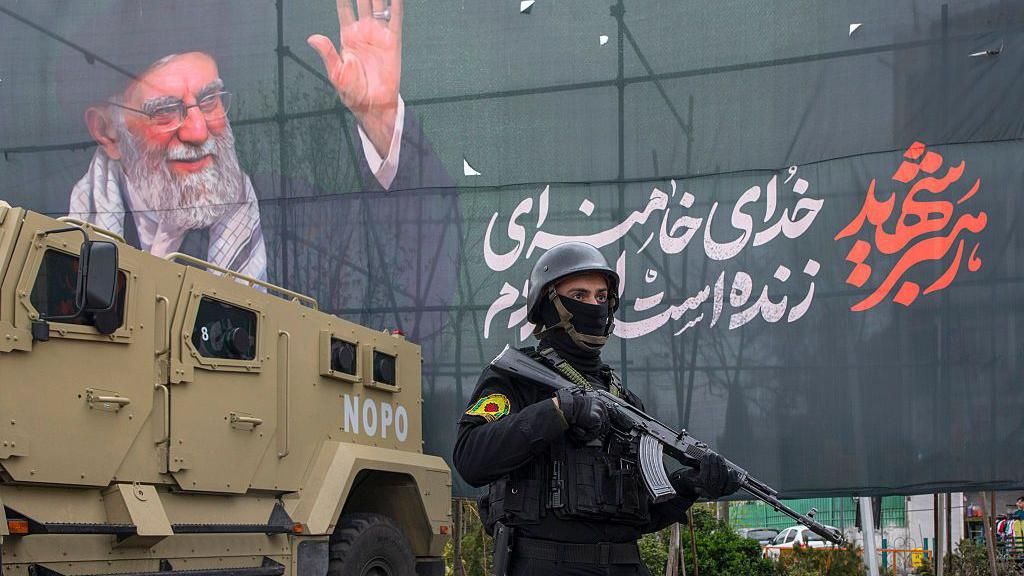
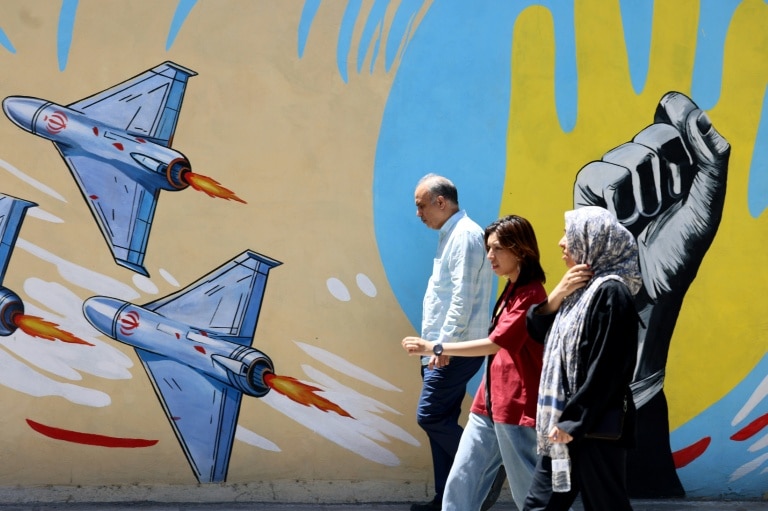
    This historical precedent finds eerie resonance in today’s Hormuz crisis. Following US-Israeli strikes on Iranian facilities in February 2026—including the killing of Supreme Leader Khamenei under Operation Epic Fury—Tehran retaliated by effectively closing the Strait to commercial shipping. The resulting disruption exceeds Suez in scale: approximately 20% of global oil supplies have been interrupted, with traffic declining 70-90% according to maritime reports.

    The current situation differs critically in one aspect: the absence of spare capacity buffers that mitigated the 1956 crisis. Today’s tightly balanced markets must absorb supply shocks through demand destruction—skyrocketing prices that transmit economic pain globally. Asian nations bear the heaviest burden, with Japan (73% oil imports via Hormuz), South Korea (60%), India (50%), and China (40%) facing severe energy security challenges.

    America faces contradictions reminiscent of Britain’s Suez dilemma. Despite becoming a major oil producer, the US remains vulnerable to global price spikes that immediately impact domestic gasoline costs and reignite inflation. Militarily, the extensive network of 19 Gulf bases—including the critical Al Udeid Air Base in Qatar—creates vulnerability rather than strength. These fixed installations present pre-mapped targets for Iranian precision missiles and drone swarms, transforming assets designed for deterrence into liabilities.

    Gulf monarchies now confront their own post-Suez reckoning. Despite hosting US forces, they publicly refuse permission for American operations against Iran from their territories. This distancing reflects calculated risk assessment: the September 2025 Israeli strike on Doha, which went unanswered by nearby US forces, demonstrated that American protection prioritizes Washington’s interests over host-nation security.

    The emerging Eastern pivot underscores the strategic shift. Saudi Arabia and the UAE joined BRICS+ alongside Iran in 2023, creating a coalition that unites major energy producers with the world’s largest consumers. This realignment offers Gulf states commercial relationships without the political conditionality increasingly associated with American engagement.

    The deepest parallel between 1956 and 2026 lies in unintended consequences. The 1953 coup against Iran’s Mossadegh—orchestrated by Britain and the US to secure oil access—ultimately generated the antagonism that now threatens Hormuz. Similarly, current interventions intended to demonstrate American dominance may instead accelerate regional realignment and the erosion of Western influence. As Gulf states absorb historical lessons, they increasingly diversify security partnerships beyond Washington, potentially reshaping the global balance of power for decades to come.

  • Defence secretary Hegseth warns of ‘most intense’ day of US war on Iran

    Defence secretary Hegseth warns of ‘most intense’ day of US war on Iran

    The United States military has entered what Defense Secretary Pete Hegseth characterized as the ‘most intense’ phase of strikes against Iran, asserting that Tehran ‘stands alone, and they are badly losing’ in the ongoing conflict. The Pentagon’s Tuesday briefing revealed significant degradation of Iranian military capabilities, with ballistic missile attacks decreasing by 90% and one-way attack drones reduced by 83% since operations began on February 28.

    Despite these assessments, Iranian officials maintain a defiant stance. Top security official Ali Larijani dismissed US President Donald Trump’s warnings as ‘worthless threats,’ responding with his own caution that ‘even those bigger than you couldn’t eliminate Iranian nation.’

    The US military objectives have been clearly articulated: complete destruction of Iran’s missile stockpiles, launchers, defense industrial base, naval forces, and permanent denial of nuclear weapons capabilities. Hegseth emphasized this would not mirror past Middle East engagements, stating unequivocally, ‘This is not 2003… Our generation of soldier will not let that happen again.’

    Humanitarian concerns continue to mount as the Iranian Red Crescent reports at least 1,230 fatalities nationwide. Tehran residents describe living ‘in total darkness’ amid power disruptions and relentless bombardment. ‘I feel overwhelmed, anxious and exhausted and the idea of no future is looming large over us,’ shared one resident identified as Amir.

    The conflict’s global economic implications prompted emergency discussions among G7 nations and the International Energy Agency regarding oil market stabilization strategies. Concerns over the Strait of Hormuz’s accessibility to oil tankers have driven recent price spikes, with Trump warning of severe consequences should Iran deploy naval mines in the critical shipping lane.

    US casualty figures indicate 140 service members wounded—108 already returned to duty—with seven fatalities confirmed. Military leadership declined to provide a specific timeline for conflict resolution, noting ultimate decisions rest with the president amid assertions that ‘our will is endless.’

  • Large parts of Dresden to be evacuated after 250kg WW2 bomb found

    Large parts of Dresden to be evacuated after 250kg WW2 bomb found

    Authorities in the historic German city of Dresden have ordered one of its largest peacetime evacuations following the discovery of a 250kg (551lb) unexploded British bomb from World War II. The aerial ordnance was uncovered near the site of the former Carola Bridge, which collapsed into the Elbe River in 2024 and is currently undergoing reconstruction.

    Approximately 18,000 residents, tourists, and daily commuters will be displaced from the city center as bomb disposal experts prepare to neutralize the device. The extensive security perimeter, established by 09:00 local time (08:00 GMT), encompasses much of Dresden’s celebrated Altstadt (Old Town) district. This evacuation zone includes several iconic landmarks: the reconstructed Frauenkirche Lutheran church, the Residenzschloss Royal Palace, and the renowned Semper Opera House.

    Additional critical facilities within the restricted area include police headquarters, the Saxony state parliament building, multiple government ministries, retirement communities, nursing homes, and childcare centers. Municipal authorities have established emergency accommodations at the Dresden Exhibition Center, operational from 07:00, with supplemental public transit services deployed to facilitate access.

    The precise duration of the bomb disposal operation remains undetermined. This incident marks the fifth such discovery during demolition work on the Carola Bridge, following four similar findings last year.

    Historical context underscores the gravity of the situation: between February 13-15, 1945, British and American forces dropped approximately 4,000 tons of bombs on Dresden. The resulting firestorm killed an estimated 25,000 people and obliterated the city center, previously celebrated for its magnificent Baroque and Rococo architecture. The Allied bombing campaign remains among the most contentious military actions of World War II, with ongoing debates between its strategic justification and ethical implications.

    Cultural repercussions continue to resonate, as noted by British tenor Stephen Chaundy, currently employed at the Semper Opera, who observed that ‘the past casts a long shadow’ while confirming Wednesday’s performance cancellations.

  • Two more connected to Iranian football team stay in Australia, BBC understands

    Two more connected to Iranian football team stay in Australia, BBC understands

    In a dramatic development at Sydney Airport, two additional members of Iran’s women’s football team have remained in Australia after refusing to board their departure flight, according to BBC reports. The individuals—believed to be one player and one technical staff member—join five teammates previously granted humanitarian visas by the Australian government.

    The situation unfolded as the team prepared to return home following their elimination from the Asian Cup tournament held on the Gold Coast. Australian-Iranian community activists gathered at the airport to support team members seeking refuge, claiming some players had signaled for help during the tournament.

    Australian Home Affairs Minister Tony Burke confirmed through ABC that Border Force officials had conducted ‘multiple representations to the team, including private meetings’ before their scheduled departure. The humanitarian visa program offers permanent protection, allowing recipients to live, work and study in Australia.

    The political context became apparent when players initially refused to sing Iran’s national anthem before their match against South Korea, prompting safety concerns. Although the team subsequently sang the anthem in their final two games, critics believe government officials within the delegation forced their participation.

    Iranian state media commentators have labeled the players ‘wartime traitors,’ raising concerns about potential repercussions for them and their families upon returning to Iran. The situation attracted international attention when former US President Donald Trump intervened via Truth Social, offering US asylum if Australia declined protection.

    Australian Prime Minister Anthony Albanese expressed national solidarity, stating ‘Australians have been moved by the plight of these brave women. They’re safe here, and they should feel at home here.’

    The five players already granted protection—Fatemeh Pasandideh, Zahra Ghanbari, Zahra Sarbali, Atefeh Ramazanzadeh, and Mona Hamoudi—have been relocated to secure locations under police supervision. Minister Burke emphasized these athletes ‘want to be clear they are not political activists. They are athletes who want to be safe.’

  • Shots fired at US consulate in Toronto, police say

    Shots fired at US consulate in Toronto, police say

    Toronto police confirmed an armed attack targeting the United States consulate in the early hours of Tuesday, marking the second assault on American diplomatic property within 48 hours across different continents.

    According to official statements released via social media platform X, law enforcement units responded to emergency calls reporting gunfire directed at the consular building approximately at 5:30 AM local time. Responding officers documented physical evidence confirming weapons discharge at the scene, though fortunately no casualties were reported among diplomatic staff or civilians.

    Television broadcast footage revealed at least two visible projectile impacts on the consulate’s reinforced glass entrance doors, with subsequent imagery circulating online showing considerable glass fragmentation around the main entry points. Toronto Police Service emphasized their ongoing investigation currently lacks definitive information regarding potential suspects or underlying motivations for the attack.

    This incident follows Sunday’s explosive device detonation outside the US Embassy in Oslo, Norway, where local authorities continue searching for an unidentified individual captured in surveillance footage. Norwegian police officials acknowledged they are investigating potential connections to geopolitical tensions, specifically referencing the ongoing US-Israeli military operations against Iranian interests as one possible motive.

    The consecutive attacks on American diplomatic installations across Western nations have raised concerns about coordinated targeting patterns, though authorities stress no formal connection has been established between the two incidents. Both investigations remain active with heightened security measures implemented at US diplomatic posts globally.

  • Sudan’s RSF waged starvation campaign in siege of el-Fasher

    Sudan’s RSF waged starvation campaign in siege of el-Fasher

    A groundbreaking collaborative study from Yale’s Humanitarian Research Lab and NASA’s Harvest program has presented conclusive satellite evidence confirming the Rapid Support Forces (RSF) conducted a systematic campaign of agricultural destruction around el-Fasher, Sudan. The report documents the deliberate razing of 41 farming communities between March and June 2024 during the initial phase of a siege that would persist for over 500 days.

    The forensic analysis of remote sensing data reveals a pattern of intentional destruction, with ten communities attacked multiple times and one village completely leveled on at least seven separate occasions. The research shows that following these attacks, 28 communities displayed no visible patterns of life, indicating either mass displacement or extermination of residents. Concurrently, agricultural activity in the region plummeted by more than 80%, creating deliberately engineered famine conditions.

    These findings directly corroborate last month’s UN Fact-Finding Mission report which determined the RSF’s takeover of el-Fasher exhibited all the hallmarks of genocide. The UN investigation found the paramilitary group intentionally created conditions calculated to bring about the physical destruction of non-Arab communities, particularly targeting the Zaghawa and Fur ethnic groups.

    The conflict context reveals complex international dimensions, with the United Arab Emirates facing persistent allegations of supporting the RSF despite official denials. Conversely, the Sudanese Armed Forces receive backing from Egypt, Turkey, and increasingly Saudi Arabia, which finds itself embroiled in a regional dispute with its former ally the UAE.

    This systematic destruction of agricultural infrastructure and food production capabilities represents the first documented case of using remotely sensed data to forensically analyze and confirm a campaign of intentional starvation in conflict settings. The war, which began in April 2023, has already displaced over 11 million people and created one of the world’s most severe humanitarian crises.

  • Ukraine says hit ‘key’ Russian military factory in missile strike

    Ukraine says hit ‘key’ Russian military factory in missile strike

    In a significant escalation of cross-border strikes, Ukrainian forces targeted a critical Russian military manufacturing facility in the western city of Bryansk on Tuesday. President Volodymyr Zelensky confirmed the operation, characterizing it as a justified retaliatory measure against Russia’s sustained assault campaign.

    The targeted facility, identified as the Kremniy El microelectronics plant, specializes in producing sophisticated semiconductor components and integrated microchips that serve as essential guidance systems for Russian missile arsenals, including Iskander ballistic missiles. Ukrainian military officials disclosed that the strike was executed using British-supplied Storm Shadow air-launched cruise missiles, which reportedly inflicted substantial damage to production infrastructure.

    Russian authorities reported contrasting casualty figures, asserting the attack resulted in six civilian fatalities and at least thirty-seven injuries—claims that Ukraine has not formally addressed. Regional Governor Aleksandr Bogomaz confirmed the wounded were receiving medical treatment at Bryansk Regional Hospital.

    This strategic operation occurs against the backdrop of intensified military engagements in eastern Ukraine’s Donbas region, where Russian strikes recently killed four individuals in the town of Sloviansk. Simultaneously, diplomatic efforts continue as the United States proposes renewed trilateral negotiations between Russia and Ukraine, potentially scheduled for next week in Switzerland or Turkey according to President Zelensky’s statements.

  • Iranian missiles might be testing Nato air defences in Turkey to target crucial radar base

    Iranian missiles might be testing Nato air defences in Turkey to target crucial radar base

    NATO air defense systems have successfully intercepted multiple Iranian ballistic missiles entering Turkish airspace over the past week, according to Middle East Eye analysis. The incidents have raised serious concerns about potential targeting of critical NATO infrastructure in the region.

    The first interception occurred near Hatay, approximately 100 kilometers east of Incirlik Air Base, a facility previously hosting U.S. military personnel. A second missile launched toward Turkey on Tuesday was neutralized by U.S. destroyers using RIM-161 Standard Missile-3 (SM-3) interceptors. NATO analysis indicates the missiles originated from east of Tehran, with open-source reports suggesting possible launches from the Revolutionary Guard’s Damghan missile base in Semnan province.

    Turkish Foreign Minister Hakan Fidan conveyed strong objections to Iranian counterpart Abbas Araghchi, declaring ballistic missile incursions into Turkish territory ‘unacceptable.’ While Iranian leadership denied responsibility and suggested possible Israeli false-flag operations, Turkish experts point to Iran’s decentralized command structure following recent high-ranking official casualties as a potential factor in these unauthorized launches.

    Strategic analysts believe the missiles may have been testing NATO’s air defense capabilities to assess vulnerabilities in the Kurecik radar base in Malatya. This facility hosts a TPY-2 X-band radar critical to NATO’s European Phased Adaptive Approach (EPAA) missile defense system. According to Center for Strategic and International Studies (CSIS) analysis, this radar represents the cornerstone of NATO’s air defense architecture, providing essential tracking data for Iranian missiles bound for Europe.

    In response to these developments, NATO has deployed advanced PAC-3 Patriot missile systems from Germany’s Ramstein base to Malatya, upgrading from the insufficient PAC-2 models previously stationed in southern Turkey since 2015. These new systems will provide comprehensive coverage for eastern Turkey and the eastern Mediterranean, integrating with regional NATO assets for autonomous interception capabilities.

    Defense experts note that Iran has previously targeted radar systems across the Gulf region, including facilities in Qatar, UAE, Jordan, Bahrain, Kuwait, and Saudi Arabia. The strategic positioning of Turkey’s TPY-2 radar makes it particularly vulnerable, as its failure would critically degrade NATO’s early warning capabilities against Iranian missile threats to Europe.

  • US energy secretary’s post saying US escorted tanker in Hormuz deleted

    US energy secretary’s post saying US escorted tanker in Hormuz deleted

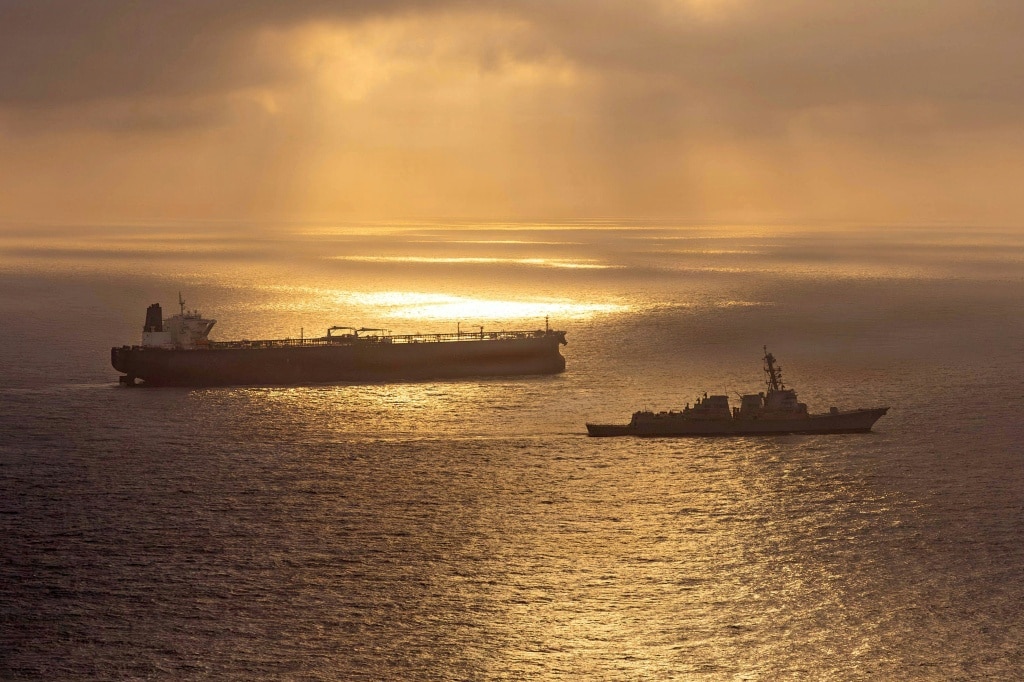
    A brief social media post by US Energy Secretary Chris Wright claiming American naval forces had escorted an oil tanker through the volatile Strait of Hormuz triggered significant market turbulence before being abruptly deleted Tuesday. The unexplained deletion occurred mere minutes after publication, amplifying uncertainty in already jittery energy markets.

    The incident unfolded against the backdrop of ongoing US-Israel military operations against Iran that commenced on February 28. Oil prices initially plummeted following Wright’s assertion, only to partially recover once the post disappeared from his official account. Neither the Energy Department nor the Pentagon provided immediate clarification regarding the controversial post.

    Maritime traffic analysis reveals dramatically altered patterns in the critical waterway since hostilities began. Where approximately 138 vessels previously transited daily, only around 20 commercial ships have been detected crossing the strait since March 2, with many navigating with disabled transponders to conceal their positions. Among those transmitting signals, nine were identified as oil tankers alongside two liquefied natural gas carriers.

    The Trump administration has implemented measures to stabilize global energy markets, including offering reinsurance to shipping companies and promising naval escorts. However, Wright’s deleted message marked the first official suggestion that such escorts had actually occurred, as no US naval escort operations had been previously confirmed.

    Crude oil has experienced extreme volatility, surging to nearly $120 per barrel before retreating amid conflicting signals from the administration. While President Trump hinted at potential de-escalation, Defense Secretary vows of intensified strikes created additional market uncertainty. The conflict has already targeted Iranian oil depots and energy infrastructure in traditionally stable Gulf nations, reshaping regional security perceptions.