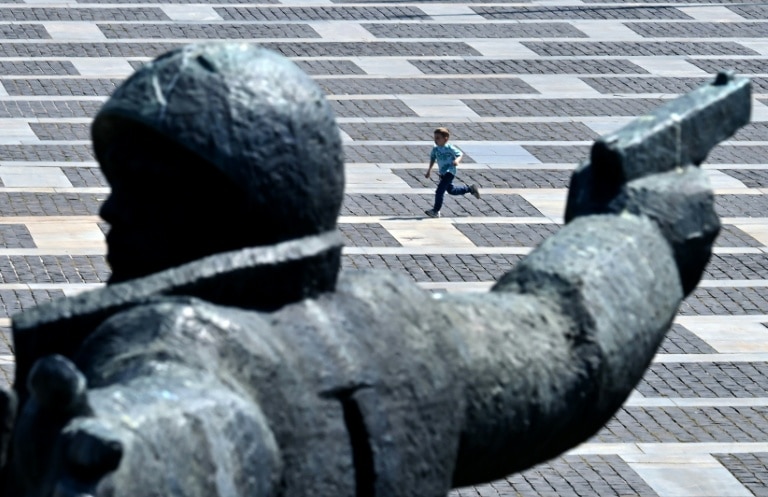
More than four years into Russia’s full-scale invasion of Ukraine, a US-brokered three-day ceasefire set to expire Monday has failed to deliver the broad relief that war-exhausted Ukrainians had hoped for, with reports of persistent air strikes, artillery fire, and mutual violation accusations lingering across frontline regions.
分类: world
-

EU agrees long-stalled sanctions on Israeli settlers
After months of political deadlock, European Union foreign ministers reached a landmark agreement Monday to impose new targeted sanctions on Israeli settlers responsible for growing violence against Palestinian communities in the occupied West Bank. The breakthrough came only after a recent change in government in Hungary, which had blocked the measure for months under nationalist former prime minister Viktor Orbán, a staunch ally of Israel.
High Representative of the European Union for Foreign Affairs and Security Policy Kaja Kallas, the bloc’s top diplomat, framed the vote as a long-overdue step to confront escalating unrest. “It was high time we move from deadlock to delivery,” Kallas stated following the announcement of the green light for sanctions. “Extremisms and violence carry consequences.”
French Foreign Minister Jean-Noël Barrot added clarity to the scope of the measures, noting the EU is targeting leading Israeli organizations and their leaders found responsible for supporting the violent, extremist expansion of settlements in the West Bank. “These most serious and intolerable acts must cease without delay,” Barrot wrote on social media.
EU officials confirmed that seven individual settlers and settler-linked organizations will be added to the bloc’s sanctions blacklist. In a parallel move, the bloc also agreed to impose new sanctions on representatives of the Palestinian militant group Hamas.
The approval drew immediate sharp condemnation from Israeli leadership, who have lashed out at the measure as unfair and morally flawed. In an official post on X, Israeli Prime Minister Benjamin Netanyahu’s office argued that the EU had exposed “its moral bankruptcy by drawing a false symmetry between Israeli citizens and Hamas terrorists”, adding that Israel and the United States were “doing Europe’s dirty work” by combating extremist jihadist forces across the Middle East.
Israel’s far-right National Security Minister Itamar Ben-Gvir went further, labeling the European Union “antisemitic” and claiming the bloc was “trying to tie the hands of those who defend themselves”. Israeli Foreign Minister Gideon Saar echoed the criticism, writing on X that the sanctions were “arbitrary and political”, imposed on Israeli citizens and entities “because of their political views and without any basis”.
Escalating violence in the Israeli-occupied West Bank has been a growing point of international concern since the outbreak of the Gaza war in October 2023, with near-daily clashes between Israeli forces, settlers and Palestinian residents occurring across the territory. Palestinian officials and United Nations investigators have recorded a sharp surge in deadly attacks carried out by Israeli settlers against Palestinian communities since February 2025.
While the EU has broken its deadlock on settler sanctions, deep divisions remain among member states on pursuing more sweeping punitive measures against Israel, such as restrictions on trade with settlements. Foreign ministers gathered in Brussels discussed growing calls for an EU-wide ban on goods produced in Israeli West Bank settlements, but no final agreement was reached on the proposal.
Italian Foreign Minister Antonio Tajani explained that the European Commission will now draft a formal proposal for the ban, after which member states will assess whether the measure can gather enough support to pass. “This is an issue that has been discussed, but no decision has been taken, pending the proposals that will come,” Tajani said.
Under international law, all Israeli settlements built in the West Bank are considered illegal. Excluding East Jerusalem, more than 500,000 Israeli settlers currently reside in these settlements alongside roughly three million Palestinians living in the occupied territory. A recent United Nations report found that settlement expansion in 2025 reached its highest annual level since the UN began tracking expansion data in 2017.
-
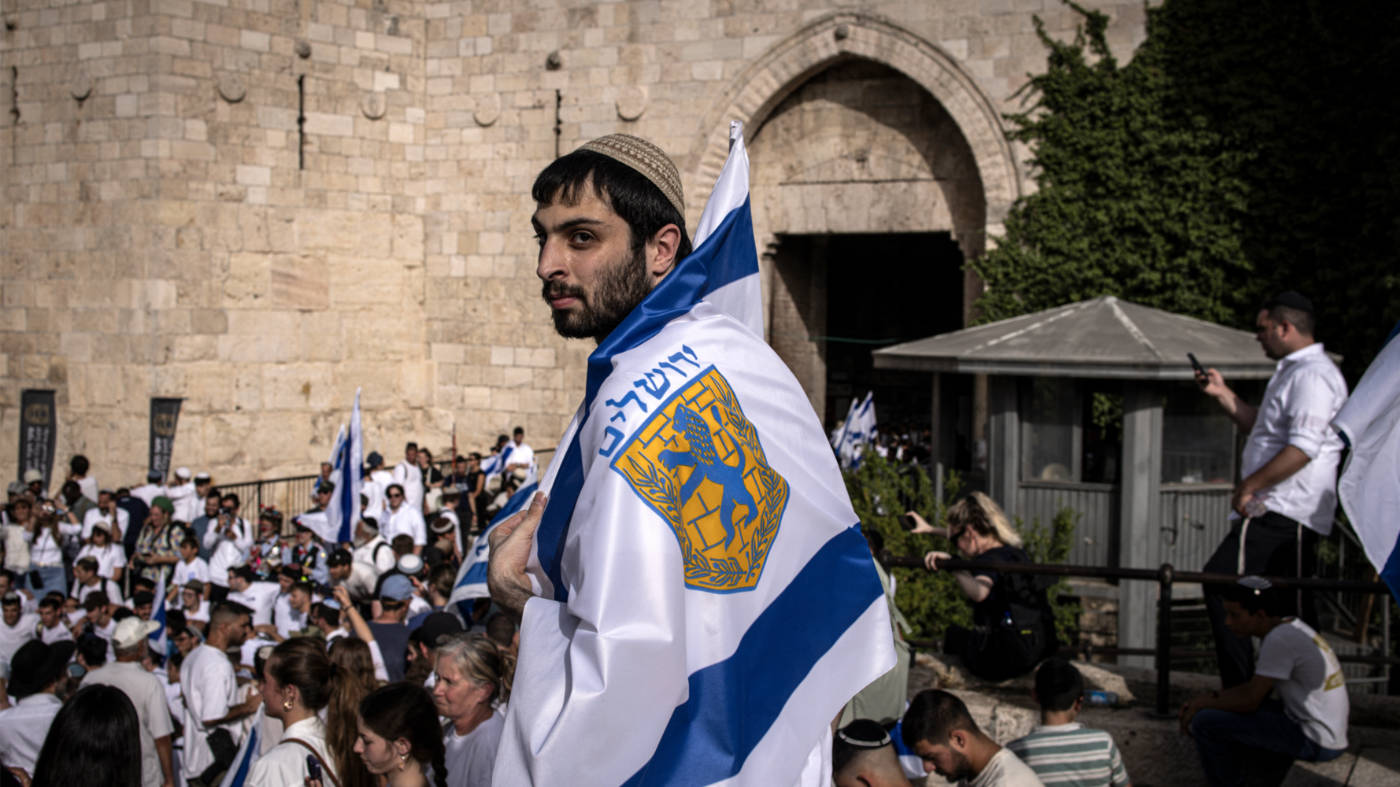
What is Jerusalem Day and the March of Flags?
This week, Israelis are set to observe Jerusalem Day, a national holiday that marks the capture of East Jerusalem by Israeli military forces in the 1967 Six-Day War. The annual commemoration will kick off at sunset on Thursday, May 14, and conclude at nightfall the following day, May 15 – one day before Palestinians mark the Nakba, the catastrophic displacement and violence that accompanied the founding of the state of Israel in 1948.
The origins of the holiday stretch back to 1968, just one year after the 1967 war, when Israeli lawmakers voted to establish a formal observance of Israel’s seizure of Palestinian-inhabited East Jerusalem. It was formally enshrined as a national holiday in 1998, when then-prime minister Benjamin Netanyahu signed the legislation into law during his first term in office. Immediately following the 1967 conflict, Israel annexed the occupied areas of Jerusalem, granting permanent residency status to local Palestinian residents. That status allows Palestinians to vote in municipal elections, but bars them from voting for Israel’s national parliament, the Knesset. Today, roughly 350,000 Palestinians call East Jerusalem home, the majority of whom hold no Israeli citizenship and have no national representation in the government that governs their daily lives.
For Israelis, the holiday centers on commemorating soldiers killed in the 1967 battle for Jerusalem, and is framed as a celebration of the reunification of the city under full Israeli control. This year, the Jerusalem Municipality has called on participants to “march with courage and valour, with Israeli flags raised high, and connect themselves with the celebration of Jerusalem’s eternity, and bind Jerusalem forever.”
The centerpiece of the annual observance is the Flag March, which draws tens of thousands of participants, the majority of whom identify with Israel’s ultra-nationalist and far-right factions. Per the Knesset’s official description of the event, the large procession starts in central Jerusalem, moves into the Old City, and concludes at the Western Wall with a collective prayer of thanksgiving. But human rights groups and independent media have repeatedly documented the event as a flashpoint for anti-Palestinian violence, harassment, and provocation.
Far-right Israeli leaders routinely use the march as a platform to broadcast their expansionist and supremacist agenda. Last year, Finance Minister Bezalel Smotrich told a crowd gathered near the Western Wall that “we are conquering the Land of Israel. We are liberating Gaza. We are settling Gaza. We are defeating the enemy.” Smotrich’s comments, delivered months ahead of a 2025 ceasefire in the Israel-Gaza war, drew loud applause from attendees. National Security Minister Itamar Ben Gvir, who has overseen a sharp rise in settler incursions into the Al-Aqsa Mosque compound since taking office in 2022, used the 2024 march to deliver an overtly provocative message: “Jerusalem is ours. Damascus Gate is ours. The Temple Mount is ours. … it is ours.”
Under Ben Gvir’s leadership, Israeli police deployed more than 3,000 officers to secure the 2024 march, clearing a path for participants through the Old City’s Damascus Gate and Muslim Quarter. Israeli human rights organization B’Tselem has documented that during the procession, far-right participants regularly hurl racist chants, assault Palestinian residents, and vandalize Palestinian property in the Muslim Quarter, while local businesses are forced to close and residents are confined to their homes to avoid violence. Independent Israeli left-wing outlet Local Call has described the march as “a display of racism and violence under police protection,” noting that once confined to fringe far-right groups, open racist chants have become widespread across participants in recent years, amid Israel’s ongoing military campaign in Gaza.
B’Tselem has recorded dozens of violent incidents targeting both Palestinian residents and journalists covering the event. In 2023, before the start of the current Gaza war, one reporter told the group that “groups of Jews threw stones, plastic water bottles, and broken flag poles at us,” with at least two correspondents hit by rioters. Another journalist described being struck in the head by a projectile, saying he was too afraid to leave the area before the march concluded out of fear of further attack. Uri Erlich, spokesperson for Israeli NGO Emek Shaveh, which defends cultural heritage rights in the region, noted that a broader shift has occurred in recent years: “It is not the march that has become more extreme, but [Israeli] society.”
This year’s observance comes amid new controversial policy moves from the Israeli government. Multiple reports confirm the government plans to redraw Jerusalem’s municipal boundaries for the first time since the 1967 annexation of East Jerusalem, expanding the city’s borders further into the occupied West Bank’s Palestinian-inhabited territory. Additionally, Israeli newspaper Haaretz reported last month that the government has allocated more than 1 million shekels ($344,000) to fund new satellite flag marches led by Israeli settlers in cities across the country outside Jerusalem.
The stated goal of the program is to reinforce “a sense of connection and identification with Jerusalem, Israel’s capital, even among those who do not live in it.” Marches are scheduled in Lod, Ramla, Haifa, Yavne, Ashdod, Beersheba, Herzliya, Petah Tikva, and Raanana, many of which have large Palestinian citizen populations. This is not the first time parallel flag marches have been held outside Jerusalem: in recent years, processions in cities including Lod and Jaffa have already sparked severe intercommunal tension with local Palestinian communities.
This year’s Jerusalem Day, held on the eve of the Nakba commemoration – which marks the 1948 ethnic cleansing of Palestine that left an estimated 13,000 Palestinians dead and 750,000 displaced from their ancestral homes – is expected to reignite longstanding international and regional tensions over the status of Jerusalem and the rights of Palestinian residents in the city.
-
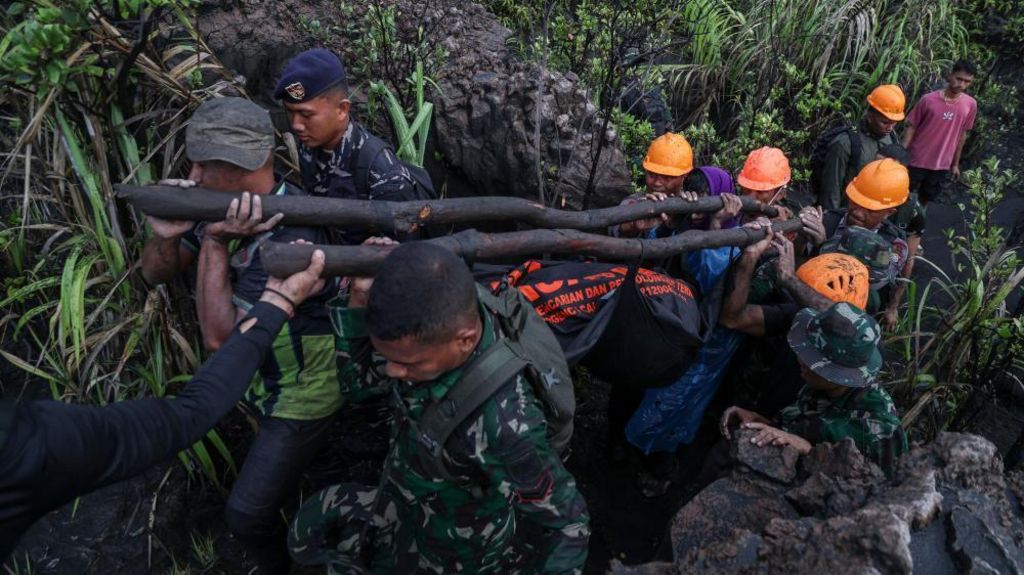
I led hikers up an Indonesian volcano – and then it erupted
Nestled on Indonesia’s Halmahera Island in North Maluku, the chronically active Mount Dukono turned deadly on a Friday morning in May, when a sudden volcanic eruption claimed three lives in a group of hikers who had accessed the restricted mountain despite official climbing bans. For Reza Selang, the local Indonesian guide who led the 20-person expedition, the harrowing moments of the blast remain seared into his memory, leaving him grappling with overwhelming grief, guilt, and ongoing legal scrutiny.
Reza, who operates a small tour company in North Maluku, was contracted in 2025 by Singaporean adventure expedition organizer Timothy Heng to guide the mixed group of Singaporean and Indonesian hikers on a multi-mountain trek that included Dukono. The group began their ascent on Thursday afternoon, and Reza told the BBC that there were no visible signs of impending volcanic activity at that point, nor when the party reached the summit early Friday morning. Even a pre-ascent drone sweep of the crater captured no smoke or unusual activity. Reza allowed 14 hikers, including Heng, to approach the crater with a promise of a quick descent, while he and the remaining six hikers waited at a lower elevation.
At 7:40 a.m. local time, just one minute after Reza launched his drone to monitor the group near the crater, the mountain erupted. The first blast only released plumes of smoke, but a far more violent second eruption followed 15 to 20 seconds later, hurling massive volcanic rock fragments and ash across the summit. Panicked, the group scattered and fled down the slope, but Reza spotted Singaporean hiker Shahin Muhrez bin Abdul Hamid injured and stranded near the crater via his drone feed. Reza rushed upward to rescue Shahin, and Heng, who had already escaped, turned back to help.
As the two men dragged the injured hiker down the mountain, with flying rocks falling on all sides, a 2-meter-wide boulder dislodged from the crater and bounced toward them. In a split second, Reza recalled, Heng pushed Shahin behind him and absorbed the full impact of the rock. The boulder crushed both men instantly, killing them on the spot. Shocked frozen for nearly a minute, Reza fled down the mountain to alert emergency authorities.
Indonesian officials launched an immediate search and rescue operation for the two dead Singaporeans and a third missing hiker, Indonesian national Angel Krishela Pradita. Angel’s body was recovered near the summit on Saturday, while the remains of Heng and Shahin were extracted from beneath ash and rock on Sunday. All surviving hikers were evacuated to a nearby local hospital for treatment of minor injuries, and the remaining Singaporean citizens have since returned to their home country.
The tragedy has shone a light on longstanding lax enforcement of volcanic hazard restrictions in Indonesia, a nation positioned along the Pacific Ring of Fire that sees frequent seismic and volcanic activity. Authorities confirmed that Mount Dukono has erupted more than 200 times since late March 2026, and that a full suspension of climbing permits and a ban on entry within 4 kilometers of the crater had been in place since April 17. Officials added that warnings had been posted to social media and displayed on physical banners at all trail entrances to the mountain. The area is now permanently closed to all visitors, and officials have pledged to sanction anyone who violates the entry ban.
Reza maintains that he had no knowledge of the full prohibition, noting that local villagers he regularly hires to assist with guiding expeditions also did not alert him to the new restrictions. He acknowledged that he was aware Dukono was rated at Level 2 on Indonesia’s four-tier volcanic alert system, a classification that marks increased observable activity and restricts access to high-risk zones, but added that other popular Level 2 volcanoes in Indonesia, such as Mount Rinjani, still allow hiking outside restricted crater zones. He told reporters he leads climbs up Dukono almost monthly without incident, a common practice among local tour operators despite the mountain’s active status.
Indonesian police have launched a formal investigation into the incident, focusing on allegations of negligence by tour operators and individual organizers. Reza has already been questioned by investigators, and has turned over his drone footage of the eruption as evidence. Police confirmed two people associated with Reza’s tour company have been questioned as witnesses, but are still examining the role each party played in organizing the unauthorized climb. Officials have stated they will not show leniency to any parties found responsible for negligence that led to the deaths. Reza says he accepts whatever legal consequences result from the investigation, and only hopes the process concludes quickly.
In the days following the eruption, Reza has been open about his crippling guilt and regret over the tragedy. He told the BBC he is haunted by endless ‘what-ifs’ – what if the group had never climbed, what if he had never accepted the expedition contract. ‘I feel very guilty toward the victims and their families,’ he said. ‘I feel like I want to go [to Singapore] and kneel at the victims’ parents’ feet. I want to apologise.’
-
Israel closes case against officers accused of killing Palestinian family: Report
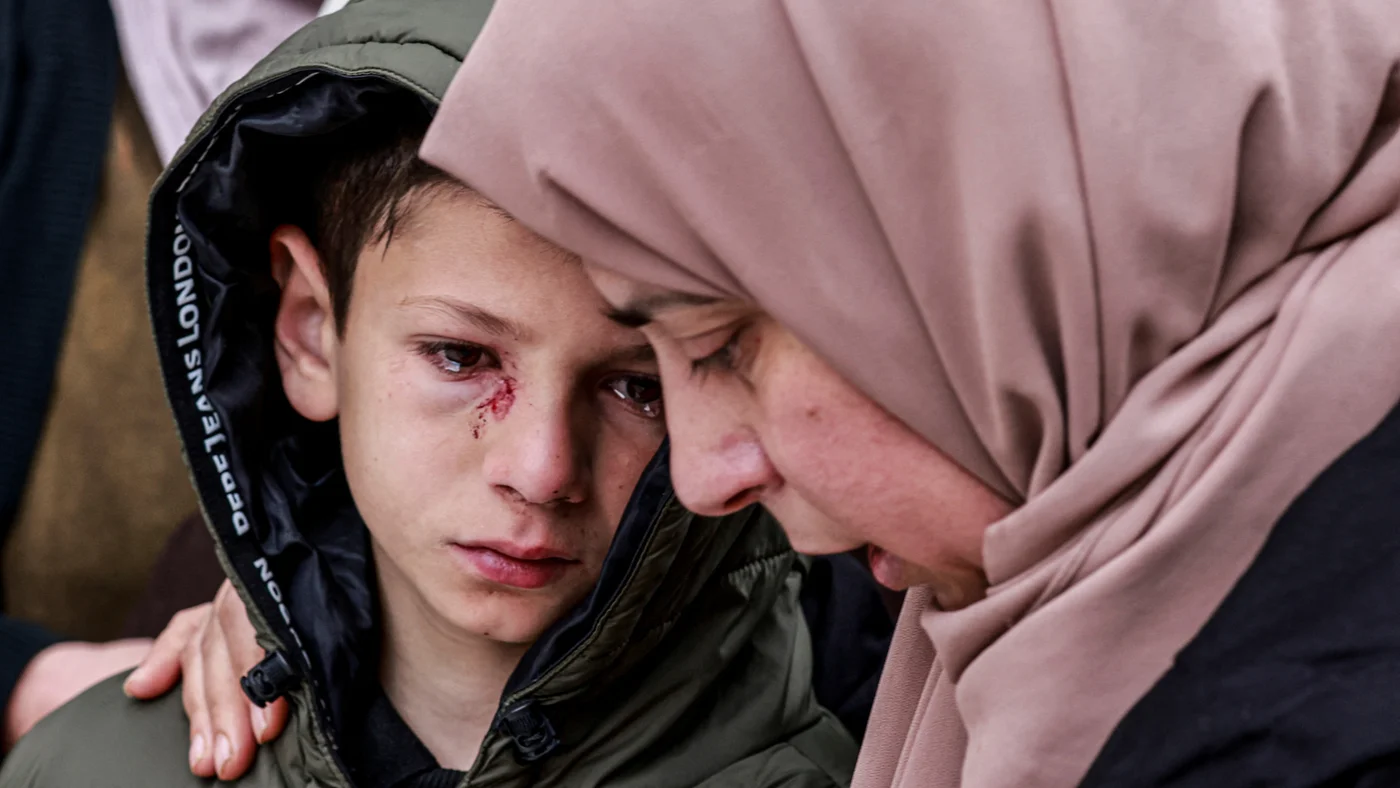
A 2024 shooting incident that left four members of a Palestinian family dead, including two young children, in the occupied West Bank is on the verge of being closed without accountability, an Israeli news outlet has confirmed. The deadly encounter unfolded in March in Tammun, a northern West Bank town, when undercover Israeli special forces opened fire on the vehicle carrying 37-year-old Ali Bani Odeh, his 35-year-old wife Waad, and their four children. Ali, Waad, and their two youngest sons — 5-year-old Mohammad and 7-year-old Othman — were killed instantly. Two older children, 8-year-old Mustafa and 12-year-old Khaled, survived the attack but suffered severe shrapnel injuries to their faces and heads.
In the immediate aftermath of the shooting, Israeli forces blocked Palestinian medical responders from accessing the scene. After detaining the two wounded surviving children for more than 30 minutes, soldiers finally allowed medics to reach them only on the condition that the ambulance leave the area immediately after extracting the injured boys.
An anonymous security source cited by i24News shared the military’s initial account of the incident: forces claimed they opened fire after spotting the vehicle speeding toward their position, saying officers “sensed imminent danger” and acted in self-defense.
But human rights advocates have immediately pushed back on this narrative, rejecting the military’s claim of a threat. Heba Morayef, regional director for Amnesty International covering the Middle East and North Africa, noted that Israeli military officials have failed to produce any evidence that the Bani Odeh family posed any danger to the soldiers at the time of the shooting. She described the mass killing as a horrific event that fits a wider, deeply troubling pattern of escalating lethal force used by Israeli forces against Palestinian civilians, where children and entire families too often bear the deadly cost. Morayef added that witness testimonies raise serious suspicions that the attack amounts to an extrajudicial execution, an unlawful killing outside any legal process.
This pattern of justification is well-documented: the Israeli military almost always releases nearly identical claims of self-defense after its troops kill Palestinian civilians in the West Bank. Independent and human rights observers have long criticized the Israeli military for rarely opening meaningful investigations into deaths of Palestinians at the hands of its troops, and for enabling a widely condemned “shoot-to-kill” policy that allows troops to use lethal force even when unarmed Palestinians pose no immediate threat to soldiers.
According to reporting from the Israeli outlet, while Israeli police launched a formal investigation into the Bani Odeh family killing, the special forces officers who carried out the shooting were never questioned as part of the probe. The investigation concluded in recent days, and the case is now expected to be formally closed by Israel’s Attorney General’s office without any disciplinary or legal action against the involved personnel.
The shooting and impending closure of the case comes amid a sharp spike in Palestinian deaths in the West Bank following the October 7, 2023, attacks. Data from independent monitors shows that Israeli military forces and illegal Israeli settlers have killed at least 1,100 Palestinians in the West Bank since that date.
For the town of Tammun, which is home to roughly 15,000 Palestinian residents, deadly Israeli military incursions are a regular occurrence. Forces almost always carry out these raids under the pretext of searching for “wanted individuals,” but the vast majority of people killed in these operations are unarmed civilians and children.
-
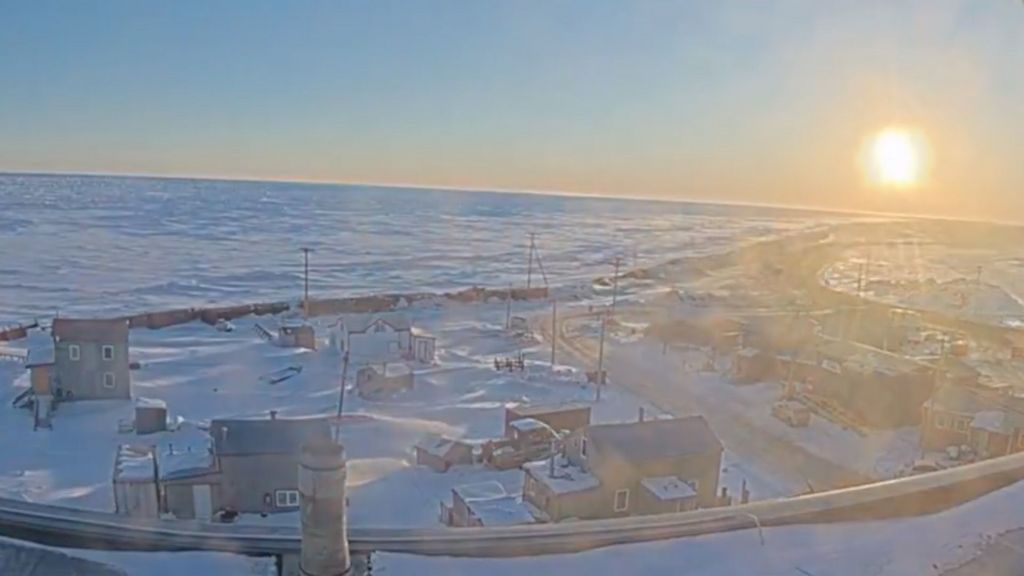
Watch: Alaska town sees its last sunset until August
Perched on the frozen edge of the Arctic Circle, Utqiagvik — the northernmost incorporated city in the United States, located along Alaska’s rugged northern coastline — has marked one of its most dramatic annual astronomical events: the final sunset of the spring season that will leave the community bathed in nonstop daylight for nearly three full months.
On the day of the final sunset, thousands of local residents and visiting astronomy enthusiasts gathered along the town’s windswept shoreline to watch the sun dip briefly below the horizon, a sight that will not be seen again in the region until mid-August. Following this fleeting sunset, the town will enter its annual period of midnight sun, a 84-day stretch of uninterrupted daylight driven by the Earth’s axial tilt, which tilts the northern hemisphere toward the sun during the spring and summer months.
Unlike the polar night that engulfs Utqiagvik for roughly two months during the depths of winter, when the sun never rises above the horizon, the midnight sun phenomenon brings 24 hours of natural light that reshapes daily life for the town’s roughly 4,000 residents. Many locals embrace the constant daylight, extending outdoor work hours, planning late-night hiking and fishing trips, and hosting community gatherings that stretch into the early hours of the morning, when the sun hovers just above the northern horizon casting a soft golden glow across the Arctic tundra.
This annual astronomical event draws hundreds of tourists to Utqiagvik (formerly known as Barrow) each year, boosting the local tourism economy that relies heavily on Arctic wilderness and unique astronomical attractions. Visitors come to capture photos of the final sunset, experience the otherworldly feeling of sunlight at midnight, and witness the distinct seasonal rhythm that defines life in one of the northernmost communities on Earth. When the sun finally sets again in August, the town will begin the slow shift toward the long dark polar night of winter, closing another annual cycle of extreme light and dark that shapes life on Alaska’s Arctic coast.
-

Gulf turns to Turkey for air defence systems amid Iran threats
Escalating regional security pressures and crippling backlogs in U.S. weapons deliveries have sparked a sharp shift in arms procurement across the Middle East, with Gulf and other Arab states increasingly turning to Turkish defence manufacturers for drones and air defence systems.
-

Israel kills three, including police officers, in latest Gaza truce violation
Fresh Israeli military operations across the Gaza Strip have left three Palestinians dead, including two local police officers, marking the latest breach of the U.S.-brokered ceasefire agreement reached in October 2024. In an official announcement released Sunday, Gaza’s General Directorate of Police confirmed that an Israeli air strike targeted the vehicle of senior police official Wissam Abdel Hadi, director of the Khan Younis Police Investigations Department, and Sergeant Fadi Heikal in the al-Amal neighborhood of southern Gaza. The attack also left an unspecified number of additional Palestinians wounded. Hamas, the governing authority in Gaza, issued a sharp condemnation of the strike, framing the deliberate targeting of Gaza’s police force as an ongoing campaign of criminal violence and state-sponsored terrorism against the Palestinian people. The movement argued that these attacks are intentionally designed to entrench lawlessness, spread widespread chaos, and block all efforts to rebuild civilian infrastructure and restore normal daily life to the blockaded enclave. Hamas has called on the international community to exert meaningful pressure on Israel to end its ongoing military assaults on Palestinian civilians and security personnel. Sunday’s targeted killing of two police officers is not an isolated incident, but the most recent in a consistent pattern of Israeli attacks on Gaza’s official security forces. The strikes come at a sensitive moment, as regional stakeholders hold ongoing discussions about the potential formation of a new unified police force to maintain order in the blockaded territory. In addition to the police officers, a third Palestinian was killed and multiple other people – including two minor children – were injured in separate attacks across Gaza over the 24-hour reporting period. Anadolu Agency, citing an anonymous medical source, reported that an Israeli drone strike targeted a group of civilian residents gathered in the al-Maghazi refugee camp in central Gaza. A key detail that underscores the ceasefire violation is that both the southern and central Gaza strikes took place outside the existing deployment lines of Israeli ground troops, in an area located beyond the so-called “Yellow Line” – a unilateral military boundary Israeli forces established inside Gaza after the October ceasefire took effect. The Yellow Line is designated as a no-go zone for Palestinians, barring local residents from accessing large swathes of agricultural and residential land across the northern, southern, and eastern edges of the enclave. While the terms of the October truce required Israeli forces to withdraw from territory behind this boundary, Israeli authorities have instead steadily expanded the zone, bringing previously accessible civilian areas under Israeli fire control and resulting in growing numbers of dead and wounded civilians in territory Israel did not control immediately after the ceasefire. In additional incidents reported Monday, Israeli ground forces opened fire on displaced Palestinian civilians sheltering in northern Gaza and Gaza City. Off the coast of Gaza City, Israeli naval forces shelled a group of Palestinian fishermen working in their traditional fishing grounds, wounding an unspecified number of the workers. Local reports confirm that naval personnel also arrested at least six of the fishermen, and their current whereabouts and physical condition remain unknown to family members as of press time. Recent official data from Gaza’s Ministry of Health shows that since the October ceasefire went into effect, at least 854 Palestinians have been killed by Israeli military actions across the enclave, with more than 2,540 others suffering injuries. Since the start of Israel’s large-scale military campaign in Gaza in October 2023, the total death toll has surpassed 72,740 Palestinians killed, according to the latest official counts. Thousands more Palestinians remain missing and are presumed dead, trapped under the rubble of destroyed residential and civilian buildings across the strip. This report was compiled by Middle East Eye, an outlet that provides independent, on-the-ground coverage of the Middle East, North Africa, and global affairs.
-
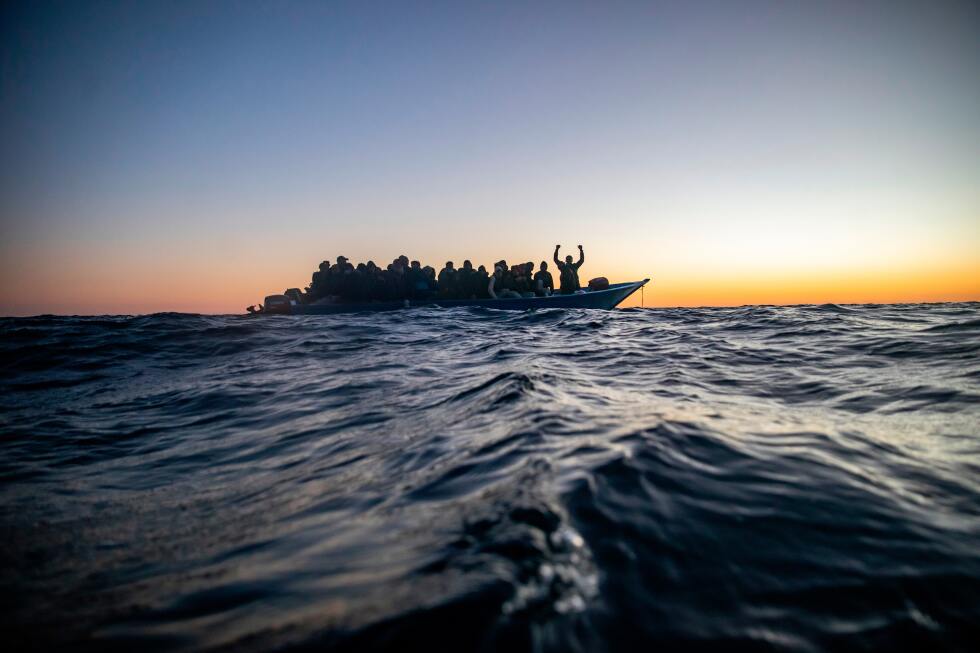
Aid group says Libyan-linked vessels fired on a migrant rescue ship in the Mediterranean
In a dramatic confrontation that underscores deep-seated tensions over Mediterranean migration routes, vessels affiliated with the Libyan coast guard opened live fire on a German humanitarian rescue ship just hours after the craft pulled 90 vulnerable migrants from a sinking overcrowded wooden vessel Monday, according to the non-profit operating the rescue ship.
-
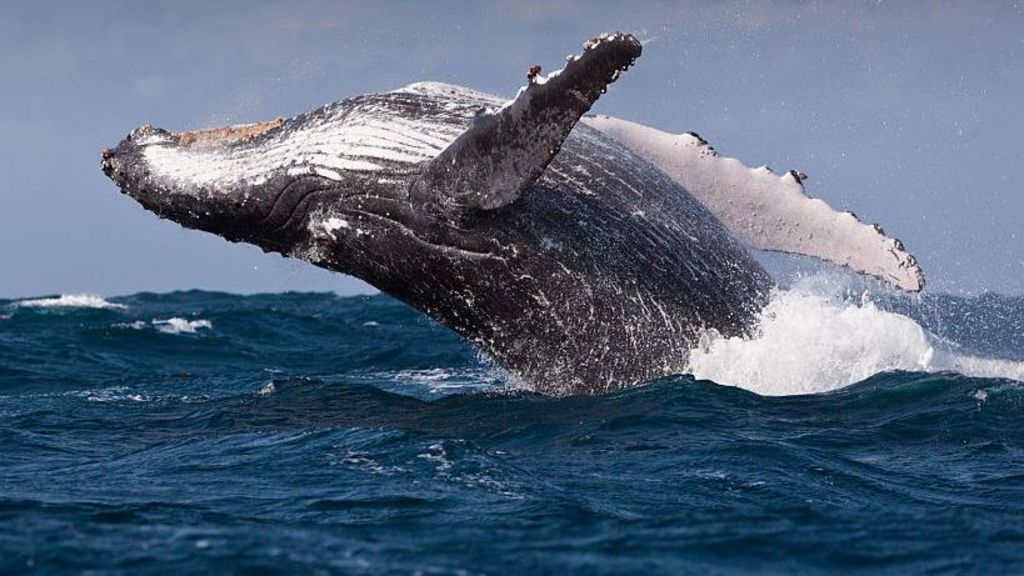
Warning that increase in shipping around South Africa to avoid Middle East could harm whales
Geopolitical instability unfolding across the Middle East has triggered an unexpected ecological crisis off South Africa’s south-western coast, where a sharp redirection of global shipping lanes has drastically raised the threat of fatal collisions between commercial vessels and endangered whale populations, leading marine scientists have warned.
The cascading security crisis in the Red Sea and Gulf of Aden, which began when Houthi rebels seized a British-flagged cargo ship off Yemen in 2023, has forced the majority of container and cargo vessels traveling between Asian and European markets to abandon the direct Suez Canal route and instead detour around the southern tip of Africa via the Cape of Good Hope. This shift has accelerated dramatically amid escalating regional tensions between the U.S.-Israel bloc and Iran, pushing shipping volumes far higher than pre-crisis levels.
New data from the International Monetary Fund’s PortWatch monitoring tool, cited by Agence France-Presse, shows that between March and April 2024, an average of 89 commercial vessels transited the Cape of Good Hope each week – nearly double the 44 vessels recorded in the same two-month period in 2023. This sudden doubling of maritime traffic has overlapped directly with critical feeding and migration habitats for multiple whale species native to the Western Cape region, creating a high-stakes risk scenario that scientists say is already unfolding.
Professor Els Vermeulen, chief scientist at the University of Pretoria’s renowned Whale Unit, recently presented her team’s groundbreaking research to the International Whaling Commission, outlining the growing danger. Vermeulen explained that her researchers mapped detailed distribution models for all major whale populations along the Western Cape coastline, then cross-referenced these habitats with the newly diverted shipping lanes to identify overlapping high-risk zones.
One of the biggest challenges to addressing the threat, Vermeulen noted, is the widespread phenomenon of “cryptic mortality” that hides the true scale of whale collisions. Most ship strikes occur far offshore in deep waters, and mortally wounded whales almost always sink to the ocean floor rather than washing ashore for recovery and documentation. This lack of onshore evidence makes it extremely difficult to collect accurate data on how many whales are killed each month by collisions, leaving scientists without a clear picture of just how severe the crisis has become.
Despite the data gap, Vermeulen has outlined actionable preliminary measures to reduce collision risk. She recommends minor adjustments to current shipping lanes to move traffic away from the densest whale habitats, as well as mandatory speed limits for vessels transiting the region during peak whale migration and feeding seasons. Still, Vermeulen emphasized that long-term, effective solutions will not be possible until more comprehensive population and collision data is collected.
To fill this critical knowledge gap, Vermeulen and her team are planning a systematic aerial and marine survey of offshore whale populations across the Western Cape. The ambitious project will require significant financial and logistical support, which the team is currently working to secure. Vermeulen told the BBC she has been encouraged by the widespread public and institutional interest in collaborating to address the crisis.
“It’s been nice to see how much people want to come together to solve this,” she said. “So now the onus is on the scientific community to come up with reliable data on the offshore whale population that can guide effective policy and industry action.”