分类: world

  • Duterte family accepts ICC rejection of interim release with ‘peaceful hearts’

    Duterte family accepts ICC rejection of interim release with ‘peaceful hearts’

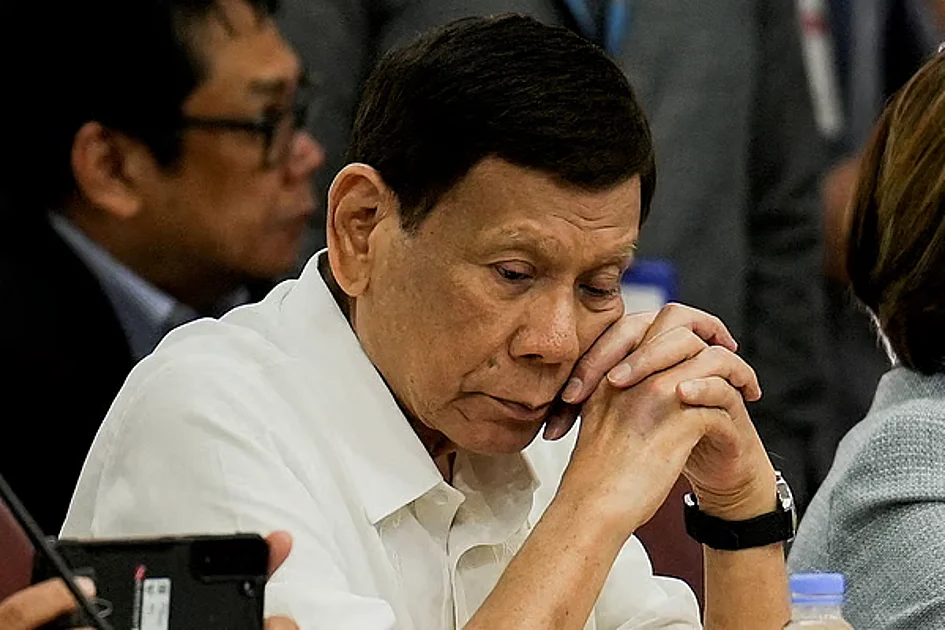
    The International Criminal Court’s Appeals Chamber has definitively rejected former Philippine President Rodrigo Duterte’s petition for interim release, compelling his continued detention in The Hague. This decisive ruling, delivered on November 28, 2025, marks a significant legal setback for Duterte, who faces charges of crimes against humanity linked to his administration’s controversial anti-drug campaign.

    In a formal statement, the Duterte family expressed acceptance of the judicial outcome ‘with peaceful hearts,’ signaling a subdued response to the unfavorable decision. The family affirmed their commitment to maintaining close collaboration with Duterte’s legal defense team and sustaining regular communication with the former leader throughout the ongoing judicial proceedings. They extended gratitude to supporters who had offered prayers during this critical phase.

    Presiding Judge Luz del Carmen Ibañez Carranza articulated the court’s position, emphasizing that the Pre-Trial Chamber’s initial assessment had been conducted with rigorous scrutiny of all available evidence. The Appeals Chamber unanimously dismissed all three legal arguments advanced by Duterte’s defense counsel, thereby validating the earlier determination that his release would pose substantial risks under Article 58(1)(b) of the Rome Statute.

    Duterte’s arrest transpired on March 11, 2025, when Philippine authorities executed an ICC-issued warrant. His transfer to Dutch custody followed shortly thereafter, where he remains confined pending trial for alleged systematic extrajudicial killings during his presidential term from 2016 to 2022.

    The judicial outcome has elicited strong reactions from political allies, including Senator Robin Padilla, who openly expressed profound disappointment. Padilla recounted watching the proceedings with anticipation, only to recognize the inevitable ruling as the judge detailed the legal merits. His statements reflect the emotional toll the case has exacted on Duterte’s supporters within Philippine political circles.
  • Israel-Lebanon ceasefire on the edge of a breakdown

    Israel-Lebanon ceasefire on the edge of a breakdown

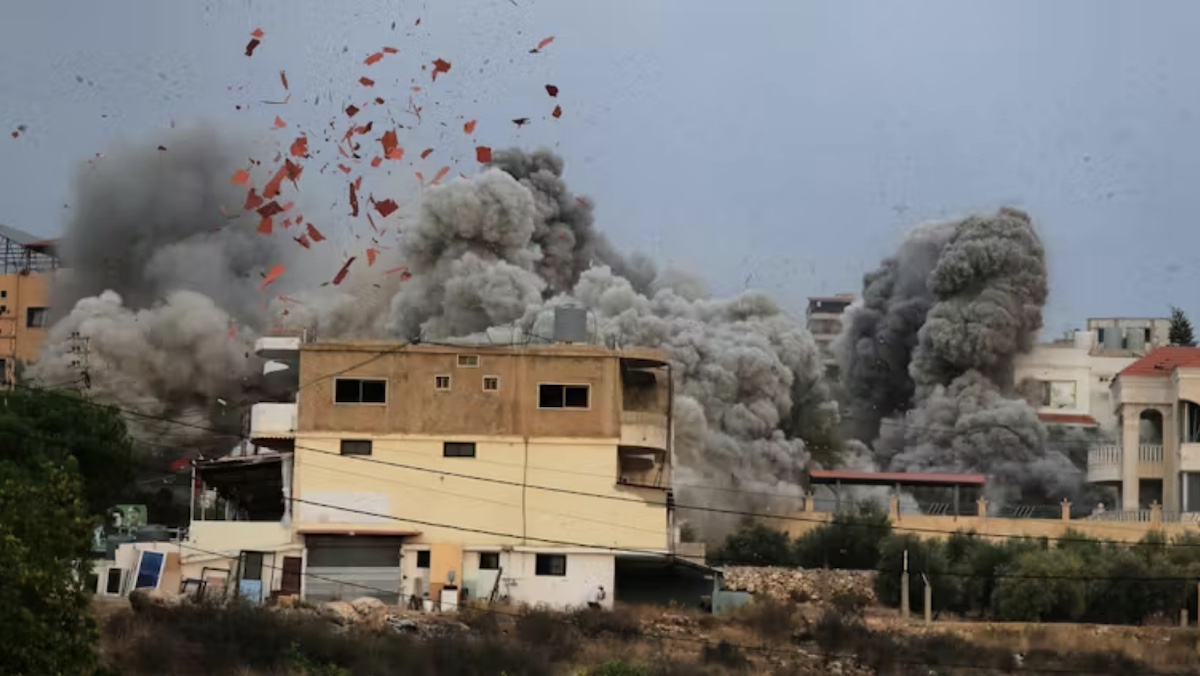
    The November 2024 ceasefire agreement between Israel and Lebanon stands on increasingly precarious ground as violations mount and diplomatic efforts stall. According to UNIFIL’s latest report, Israeli forces have conducted over 10,000 air and ground incursions into Lebanese territory since the truce took effect, significantly undermining the agreement’s stability.

    The situation deteriorated further with recent Israeli strikes across the northern border, resulting in the assassination of Hezbollah’s top military commander and deadly attacks on Palestinian refugee camps. Israel maintains these operations target Hezbollah’s rearmament efforts, with Israeli military sources indicating preparations to ‘finish the job’ against the militant group.

    From a historical perspective specializing in Israeli-Lebanese relations, Israel’s emergence as regional military hegemon has failed to translate into Middle Eastern stability or constructive change. The deteriorating ceasefire demonstrates that military power alone cannot substitute for diplomatic engagement and long-term stabilizing agreements.

    The ceasefire originally aimed to conclude the latest Israel-Hezbollah conflict that escalated following Hamas’ October 7, 2023 attack on Israel. The agreement stipulated Lebanon’s disarmament of nonstate military forces south of the Litani River, with the Lebanese army remaining the sole armed authority. In exchange, Israel committed to withdrawing from occupied southern territories within 60 days and participating in US-brokered border delineation negotiations.

    One year later, none of these objectives have materialized. Israel continues occupying five border posts inside Lebanon while conducting daily raids, some of which have endangered UNIFIL peacekeeping forces. The February 2025 formation of a new Lebanese government—the first since 2008 without Hezbollah veto power—initially presented opportunity for state sovereignty reclamation and economic recovery following Lebanon’s 2019 financial collapse.

    However, disarming Hezbollah remains profoundly challenging given the group’s military dominance and political entrenchment. The Lebanese army lacks sufficient capacity, political influence, or will to coercively disarm Hezbollah without risking civil conflict. Complicating matters, U.S. pressure on Lebanon to disarm Hezbollah has created diplomatic friction, including the canceled November 25 trip of Lebanon’s army chief to the United States.

    Meanwhile, reports indicate Iran channeled approximately $1 billion to Hezbollah despite its weakened regional position, providing critical support while Lebanon struggles to secure foreign aid. These dynamics create continued friction between Israel and Hezbollah, with Israel adopting a zero-tolerance security doctrine post-October 7.

    Domestic Israeli politics further complicate matters, as Prime Minister Benjamin Netanyahu faces accusations of prolonging conflicts to deflect from legal troubles and governmental deficiencies. Border disputes remain unresolved due to deep mistrust and active conflict, despite being a constant source of tension since 2000.

    The current trajectory suggests a return to the vicious cycle characterizing Israel-Lebanon relations since the 1960s: nonstate actors respond to Israeli incursions, triggering further retaliation that weakens the Lebanese state. Breaking this cycle requires strengthened Lebanese state capacity as sole arms holder and foreign policy authority. Ultimately, sustainable resolution depends primarily on internal Lebanese political processes rather than Israeli military pressure, potentially facilitated by US diplomacy that applies balanced pressure to all parties.

  • One Filipina worker still missing after deadly Hong Kong high-rise fire

    One Filipina worker still missing after deadly Hong Kong high-rise fire

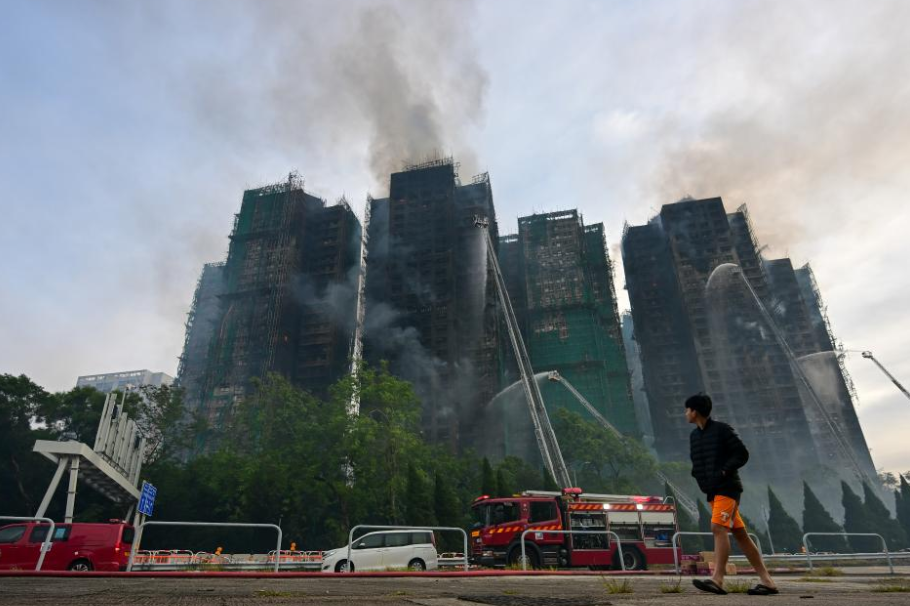
    Authorities in Hong Kong and the Philippines are continuing search operations for one overseas Filipino worker (OFW) who remains unaccounted for following a devastating high-rise fire that engulfed multiple buildings on November 26. The Department of Migrant Workers (DMW) confirmed the ongoing efforts to locate the missing individual, whose precise whereabouts at the time of the incident remain undetermined.

    DMW Secretary Hans Leo Cacdac stated that investigators are working to establish whether the Filipina national was present within any of the eight affected structures when the massive blaze erupted. “That is the report. But we don’t know for sure about her exact whereabouts. So the search continues. I don’t want to speculate as to where she is exactly,” Cacdac told ABS-CBN News. The DMW has established communication with the missing worker’s family in the Philippines to provide support and updates.

    Official reports from the Overseas Workers Welfare Administration (OWWA) and the Department of Foreign Affairs (DFA) indicate that at least 23 overseas Filipino workers were affected by the catastrophic incident, which resulted in numerous fatalities. One hospitalized OFW is reported to be in stable condition after being rescued alongside her employer and an infant.

    Beyond the immediate physical dangers, the fire has created significant administrative challenges for survivors. OWWA Administrator Patricia Caunan revealed that many affected workers lost crucial documentation, including passports and employment contracts, in the blaze. In response, DMW officials have committed to providing replacement contract copies and coordinating with Hong Kong authorities to resolve documentation issues. The Department of Foreign Affairs and Philippine Consulate General in Hong Kong will facilitate the restoration of travel documents.

    Secretary Cacdac assured that there would be no employment barriers for affected workers wishing to continue their positions in Hong Kong once their documentation is restored. Emergency assistance, including food packs and support services, has been distributed to victims, while dedicated teams are contacting families in the Philippines who have lost communication with relatives in Hong Kong.

  • Venezuelans worried about economic turmoil shun Black Friday deals

    Venezuelans worried about economic turmoil shun Black Friday deals

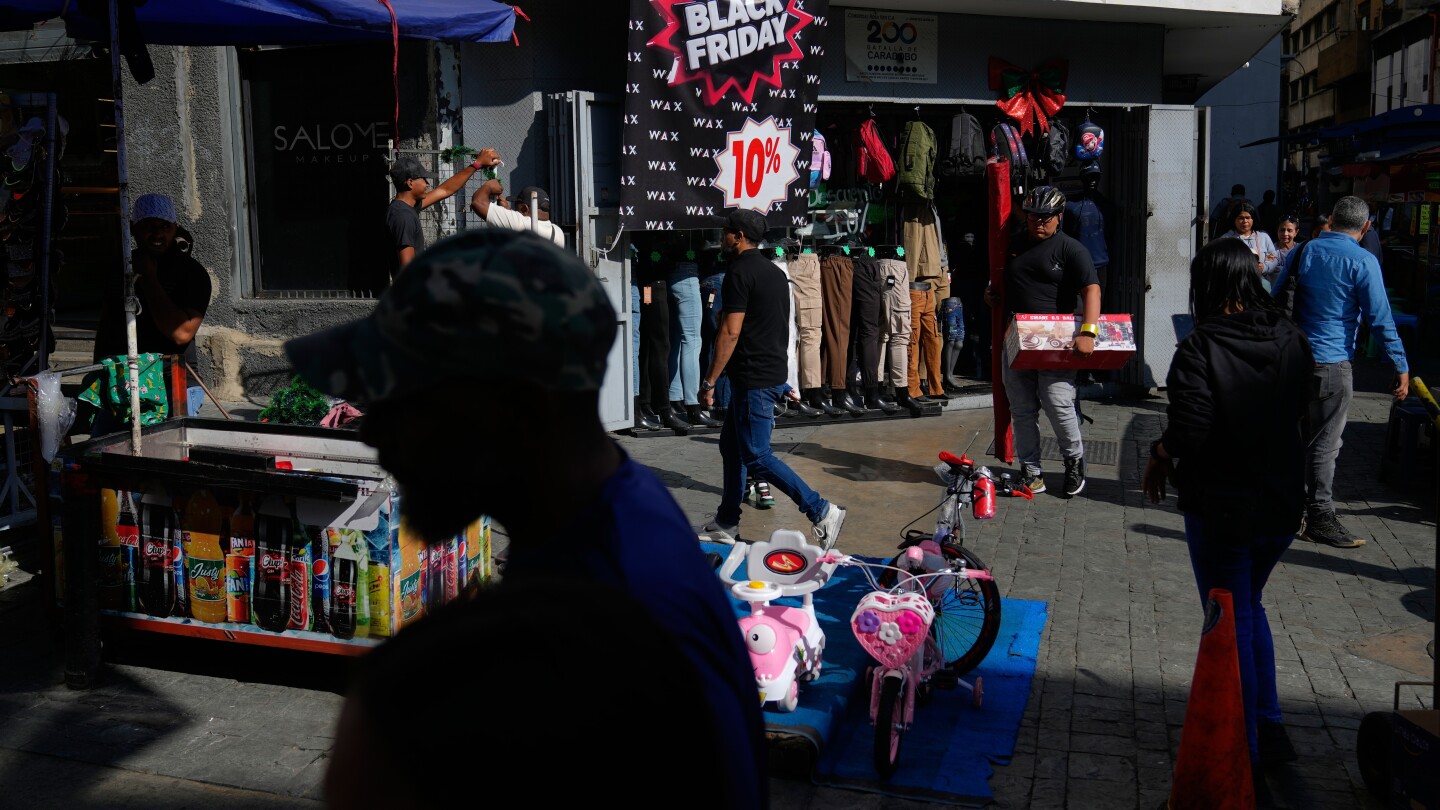
    CARACAS, Venezuela — While U.S. President Donald Trump’s threats of military intervention against alleged drug trafficking targets in Venezuela dominated international headlines, the palpable reality on the streets of Caracas told a different story. At a popular shopping mall, unprecedented Black Friday discounts failed to attract crowds, revealing a nation gripped by economic catastrophe rather than geopolitical fears.

    Window displays promoting 30% discounts and shoes priced at $20 stood largely ignored. Even the newly opened H&M store remained virtually empty throughout the morning. Venezuelans interviewed consistently pointed to the country’s suffocating economic collapse as the primary reason for the subdued shopping activity, contrasting sharply with post-pandemic years when enthusiastic shoppers formed lines outside stores.

    Physician Luisa Torrealba articulated the national sentiment outside an appliance store: “The country’s economy is based on day-to-day survival. What do I do to survive today and live tomorrow? We don’t have the luxury of stopping because there’s going to be a war, because there’s a psychological war going on.”

    The economic numbers paint a devastating picture. The International Monetary Fund reported Venezuela’s annual inflation rate reached 270% last month. Families require more than $500 monthly for basic necessities, while the minimum wage remains frozen at 130 bolivars ($0.52) since 2022—well below the UN’s extreme poverty threshold of $2.15 per day. Most public sector workers survive on approximately $160 monthly, with private sector employees averaging $237 according to the independent Venezuelan Observatory of Finances.

    This economic reality has reshaped consumer behavior. Marian García, 26, arrived expecting crowds at a shoe store offering $20 boots normally priced at $60-80. Instead, she found herself first in line. “It’s difficult to indulge in luxuries,” she noted. “Due to the current economic situation, people are cutting back and only spending on essentials.”

    Yarbelis Revilla, working three jobs and self-identifying as a master bargain hunter, surveyed multiple stores but found few truly compelling deals. She explained that shoe shopping might seem like “vanity” amid crisis, but emphasized her focus on present needs rather than an uncertain future, referencing biblical teachings against worrying about tomorrow.

    Meanwhile, the U.S. has intensified pressure on President Nicolás Maduro’s government, doubling rewards for information leading to his arrest on narcoterrorism charges to $50 million. The ongoing U.S. military operation has already resulted in 80 fatalities from strikes against vessels in international waters, some allegedly departing from Venezuelan territory.

    Maduro and his allies maintain that the military operation aims to force regime change, but for most Venezuelans, immediate economic survival takes precedence over geopolitical tensions that have become background noise to daily struggles.

  • Peru to declare a state of emergency as migrants leaving Chile trigger backlash

    Peru to declare a state of emergency as migrants leaving Chile trigger backlash

    SANTIAGO, Chile (AP) — Peruvian President José Jarí announced Friday that his government will implement a state of emergency along the nation’s southern border and deploy additional armed forces to the region. This decisive action comes in response to a significant reversal in migration patterns, with substantial numbers of Venezuelan migrants now moving north from Chile back toward Peru.

    The development occurs against the backdrop of Chile’s intensely polarized presidential campaign, where anti-immigrant sentiment has become a central political issue. For years, Chile has represented a beacon of stability and prosperity in Latin America, attracting hundreds of thousands of migrants escaping economic collapse and authoritarian regimes, particularly from Venezuela. These migrants traditionally traversed the continent seeking better opportunities in Chilean society.

    However, this established migration pattern has undergone a dramatic reversal as Chile prepares for its December 14 presidential runoff. Ultraconservative lawyer José Antonio Kast, the current frontrunner, has built his campaign platform around stringent immigration controls and warnings against unauthorized migration. Kast recently filmed a campaign video at Chile’s desert border with Peru, delivering an ultimatum to immigrants without formal status: “You have 111 days to leave Chile voluntarily. If not, we will stop you, we will detain you, we will expel you. You will leave with only the clothes on your back.”

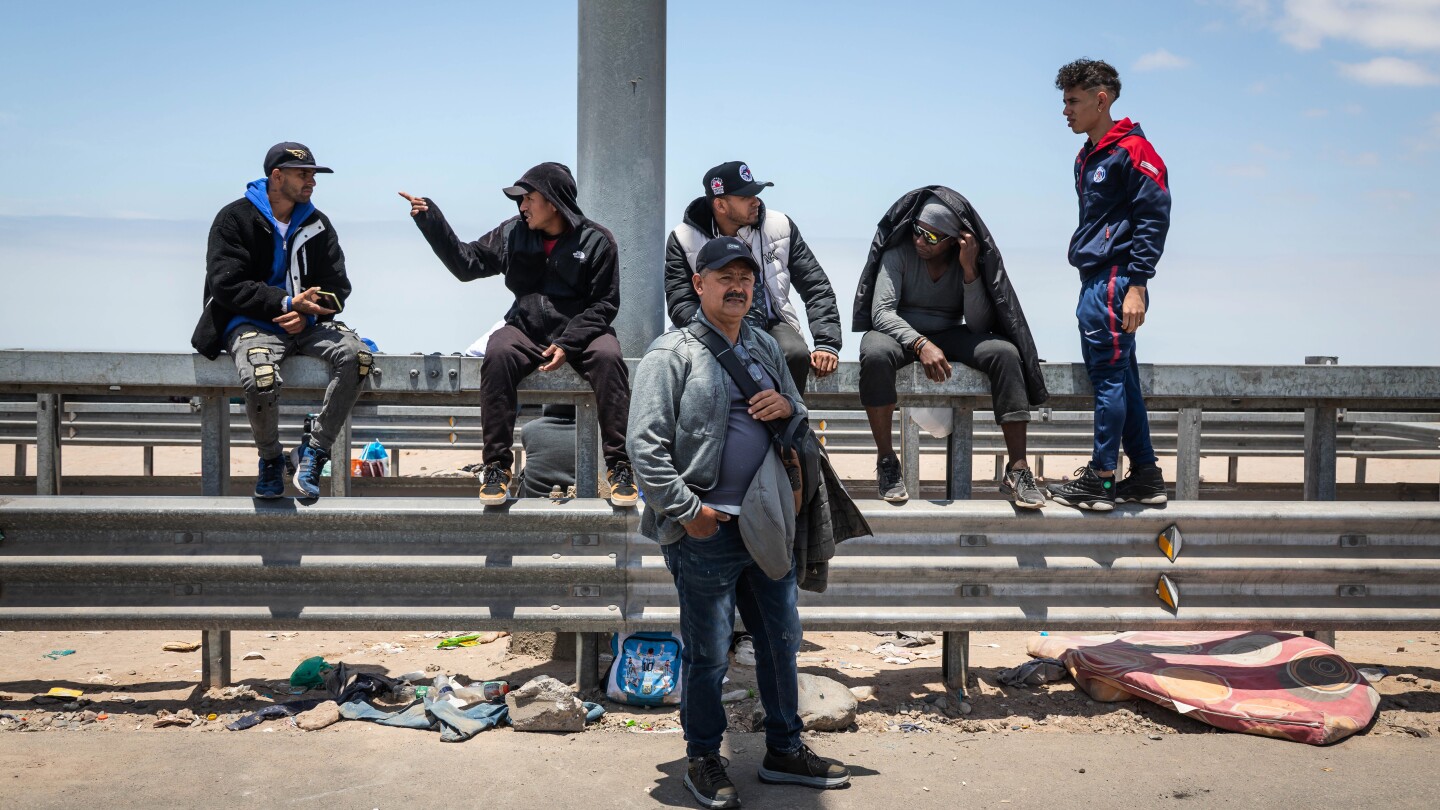
    Peruvian media has subsequently been flooded with images of migrant families hastily moving north from Chile into Peru, carrying their possessions in backpacks and garbage bags. The situation created immediate border challenges, prompting President Jarí to personally inspect border controls and deploy security reinforcements to the area.

    Residents in northern Chilean border towns reported growing chaos as crowds of people who departed Chile but lacked permission to enter Peru found themselves stranded in legal limbo. The exact number of migrants reversing course remains unclear, though the movement appears directly linked to Kast’s threats of mass deportations and what immigration attorneys describe as rising xenophobia in the country of 18.5 million people.

    Chilean Security Minister Luis Cordero addressed the situation cautiously, noting that “rhetoric sometimes has consequences” when asked about the impact of Kast’s statements on migrant outflows. Cordero emphasized that “people cannot be used as a means to create controversy for the elections” and stated that “our main purpose is to prevent a humanitarian crisis.”

  • Parents of abducted children plead with the Nigerian government for news of rescue

    Parents of abducted children plead with the Nigerian government for news of rescue

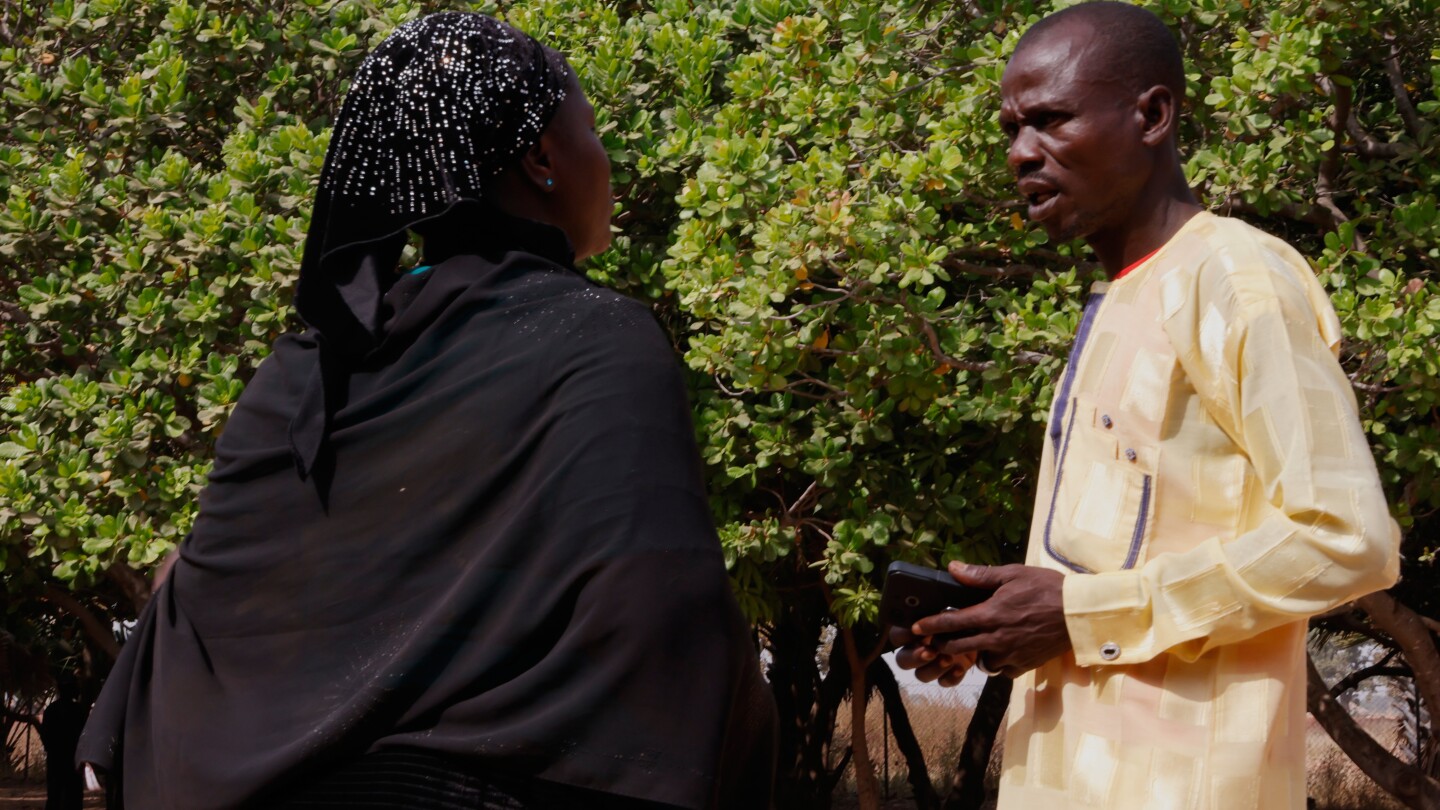
    PAPIRI, Nigeria — Anxious families congregated Friday at the site of a recently attacked Catholic school in north-central Nigeria, issuing urgent appeals to authorities for the safe return of their children. The emotional gathering comes one week after armed militants stormed the educational facility, capturing more than 300 students and staff members in a brazen early morning assault on November 21.

    According to school administrators, approximately 50 children successfully escaped their captors, but more than 250 remain in militant custody. The incident represents the latest in a disturbing pattern of mass school abductions that have plagued the West African nation.

    “These kidnapped children include some of extremely tender age,” recounted Abuchi Nwolisa, a distraught parent at the school. “The attackers literally snatched some directly from their sleeping beds.”

    The crisis has prompted President Bola Tinubu to declare a state of emergency, authorizing enhanced police powers to address the escalating security situation. This abduction marks the second major school kidnapping within a fortnight, following a separate incident in Kebbi where 30 students were taken before eventually being secured through government intervention.

    Historical data reveals the alarming frequency of such attacks, with at least a dozen mass school abductions occurring since 2014. According to documentation, approximately 1,799 students have been kidnapped during this period, with some never successfully rescued.

    Stephen Okafor, spokesperson for the Minna Catholic Mission, emphasized the devastating scope: “We have parents with two, three, even five children currently held by abductors. We are here to demonstrate the devastating reality of this situation to the world.”

    The security crisis has drawn international attention, including recent threats of military intervention from former U.S. President Donald Trump, who cited widespread persecution of Christians. Nigerian officials have rejected these characterizations, maintaining that the security threats represent complex challenges affecting all citizens regardless of religious affiliation.

  • Former Philippine president Duterte to remain in detention at the Hague

    Former Philippine president Duterte to remain in detention at the Hague

    THE HAGUE – The International Criminal Court (ICC) has decisively rejected former Philippine President Rodrigo Duterte’s petition for provisional release, ensuring his continued detention at the Scheveningen facility near The Hague. The ruling came Friday from the ICC Chamber of Appeal, presided over by Peruvian Judge Luz del Carmen Ibáñez Carranza.

    Duterte’s legal team had vigorously argued for his release based on humanitarian grounds, citing the former leader’s advanced age of 80 and allegedly deteriorating health condition. However, Judge Carranza dismissed these arguments, stating that the proposed release conditions “were not sufficient to mitigate the risks” associated with interim freedom for the accused.

    The court further rejected defense claims that Duterte should be released for humanitarian reasons, maintaining that the seriousness of the charges warranted continued detention. According to court documents, Duterte stands accused of authorizing “violent acts including murder to be committed against alleged criminals, including alleged drug dealers and users” during his presidency from 2016 to 2022.

    Duterte was apprehended in Manila on March 11 and transferred to ICC custody, where he appeared visibly frail during his initial video court appearance. The charges against him stem from his controversial anti-drug campaign that human rights organizations claim resulted in thousands of extrajudicial killings.

    The ICC has yet to determine whether Duterte is medically fit to stand trial. This latest ruling follows an October decision that rejected defense arguments challenging the court’s jurisdiction over three separate charges of crimes against humanity. These charges encompass:

    – 19 murders occurring between 2013-2016 during Duterte’s tenure as Davao City mayor
    – 14 killings of alleged drug bosses in 2016-2017 during his presidency
    – 43 killings of suspected low-level drug offenders

    Official Philippine National Police estimates place the death toll during Duterte’s drug war at over 6,000, while independent human rights organizations suggest the actual figure may reach 30,000. The case continues to draw international attention as victims’ families and human rights advocates closely monitor proceedings.

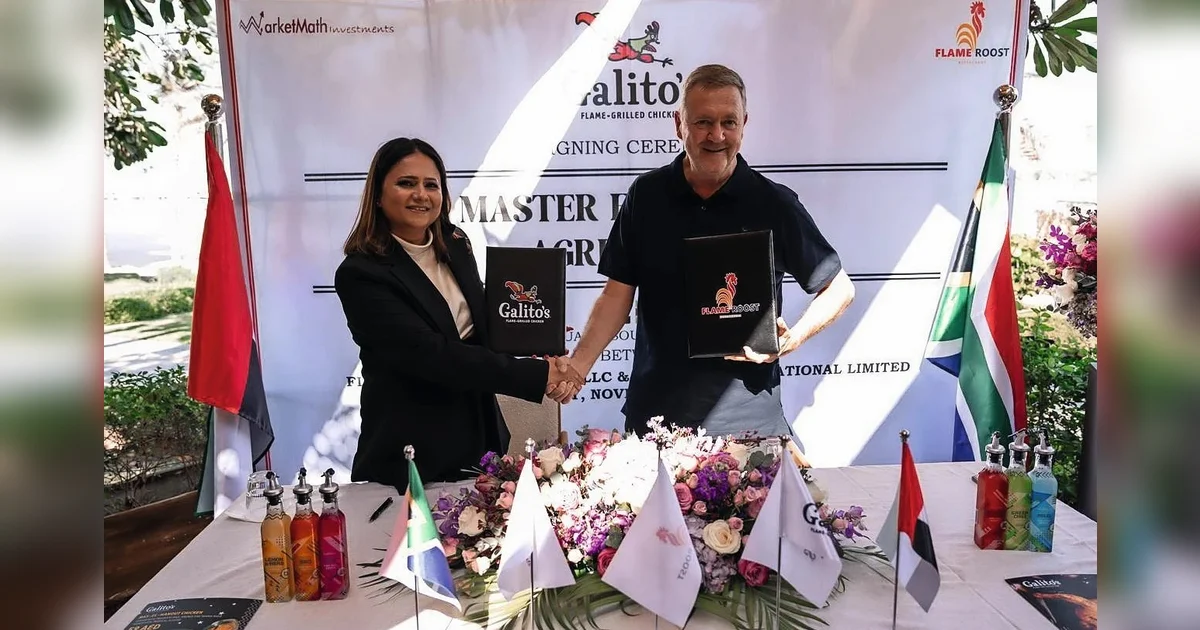
  • Global flame-grilled sensation Galito’s ignites UAE expansion

    Global flame-grilled sensation Galito’s ignites UAE expansion

    Twin crises have struck Asia with devastating force, as catastrophic flooding in Indonesia claims hundreds of lives while India’s aviation sector faces urgent safety concerns.

    In Indonesia, rescue operations continue amid one of the deadliest flood disasters in recent memory. The national disaster agency confirmed the death toll has surpassed 200 victims, with many more injured or missing. Torrential rainfall triggered flash floods that submerged entire communities, destroyed critical infrastructure, and displaced thousands of residents. Emergency response teams are battling challenging conditions to deliver aid and locate survivors, while meteorological warnings suggest further precipitation could hamper recovery efforts.

    Simultaneously, India’s aviation regulator has issued a sweeping directive affecting the country’s commercial airline operations. The Directorate General of Civil Aviation (DGCA) has mandated that all domestic carriers immediately cease operations of Airbus A320 family aircraft until specific modifications are completed. This emergency measure follows emerging safety concerns regarding potential system vulnerabilities that require urgent addressing. The grounding affects numerous flights across India’s aviation network, potentially disrupting travel for thousands of passengers until compliance is verified.

    The dual emergencies highlight contrasting yet equally critical aspects of disaster management—responding to sudden natural catastrophes while proactively addressing technological safety concerns before they escalate into human tragedies.

  • Gaza nurse held by Israel says she was abducted by Abu Shabab gang

    Gaza nurse held by Israel says she was abducted by Abu Shabab gang

    A recently released Palestinian medical worker has provided a harrowing account of her alleged abduction and subsequent detention by Israeli authorities, revealing claims of systematic pressure tactics and mistreatment targeting healthcare professionals and their families.

    Tasneem al-Hams, a 22-year-old nurse from Gaza, regained her freedom in Khan Younis on Thursday following nearly two months in Israeli custody. According to her testimony to local media, her ordeal began when members of the Israel-backed Popular Forces militia—commonly known as the Abu Shabab gang—seized her from a medical facility in southern Gaza where she worked.

    “I was abducted by Yasser Abu Shabab’s group, then they handed me over to the Israelis east of Khan Younis,” al-Hams stated, describing a transfer that allegedly placed her directly into military custody.

    The young nurse’s detention appears connected to her father’s earlier capture. Dr. Marwan al-Hams, who oversees field medical operations throughout Gaza, was reportedly taken by undercover Israeli special forces three months prior to his daughter’s abduction. During her imprisonment, Tasneem alleges she was deliberately used as leverage against her father during interrogation sessions, noting they had only minimal contact despite being held at the same Ashkelon prison facility.

    Her account details transfers between multiple detention centers, including Damon Prison, where she reportedly witnessed deteriorating conditions for female detainees. She described practices including forced removal of religious garments, chemical agent exposure, nutritional deprivation, and physical violence resulting in serious injuries among prisoners.

    These allegations emerge amid broader concerns regarding Israel’s treatment of Palestinian detainees. According to Palestinian health officials, over 1,500 medical workers have been killed and 360 detained since the conflict’s escalation. Rights organizations have documented systematic abuses in detention facilities, with healthcare professionals reportedly facing particularly severe treatment.

    The Israeli military has alleged Dr. al-Hams maintains connections to Hamas and possesses knowledge regarding a deceased soldier’s remains—claims that remain unverified by independent sources. The release of Tasneem al-Hams coincides with recent ceasefire negotiations and prisoner exchanges, though she continues advocating for her father’s freedom and that of approximately 50 female detainees she encountered during her imprisonment.

  • Global community expresses condolences, offers help to Hong Kong fire victims

    Global community expresses condolences, offers help to Hong Kong fire victims

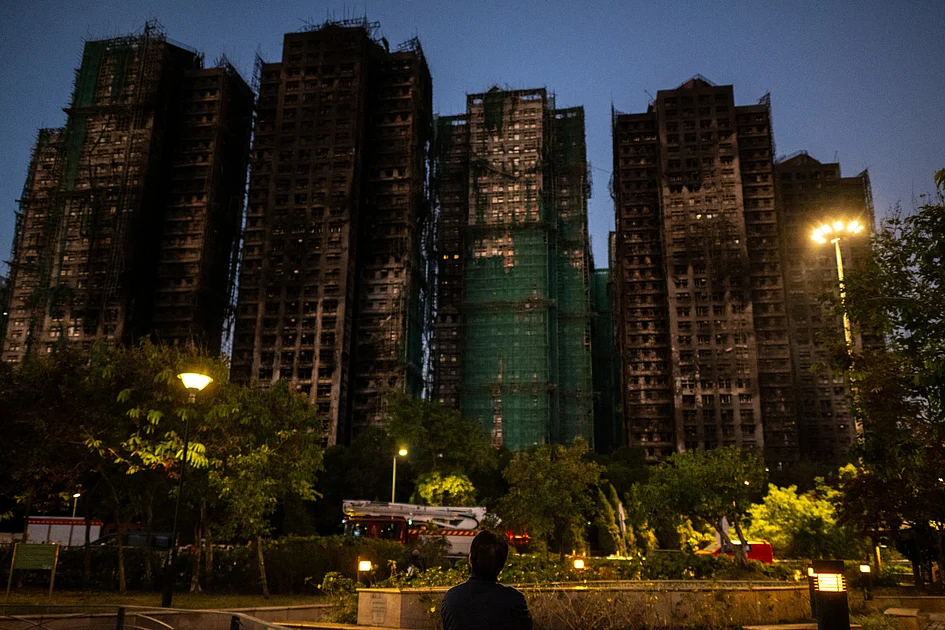
    A catastrophic fire that erupted on November 26, 2025, at Wang Fuk Court in Hong Kong’s Tai Po district has drawn an outpouring of international sympathy and support. The blaze, which consumed seven of eight apartment blocks in the residential complex built in 1983, has resulted in 128 confirmed fatalities as of November 28.

    The international response has been swift and comprehensive. Over thirty governments, including their consular representatives in Hong Kong, have extended formal condolences to the victims’ families while expressing solidarity with the injured and affected communities. Russian President Vladimir Putin conveyed his sympathies through an official Kremlin statement, while Australian Prime Minister Anthony Albanese personally addressed the tragedy during a press conference, stating: ‘My heart goes out to the people who have lost their lives and the people who are searching and concerned about loved ones.’

    Harvey Rouse, head of the European Union Office to Hong Kong and Macao SARs, specifically commended the emergency responders, expressing support for Hong Kong’s firefighters, paramedics, and medical personnel battling the aftermath.

    Migrant communities, particularly affected due to the dense concentration of foreign domestic workers in the area, have received targeted assistance. The Philippine Consulate General reported one injured national and one missing among 24 confirmed safe Filipinos, while Indonesian authorities established emergency hotlines and coordination mechanisms with local agencies. Various migrant support organizations including the Mission For Migrant Workers, Bethune House Migrant Women’s Refuge, and the International Migrants Alliance have established on-ground operations at Kwong Fuk Estate Podium providing medical aid, psychological counseling, and temporary shelter arrangements.

    The International Social Service Hong Kong Branch has activated cross-border support mechanisms for affected families who were on the Chinese mainland during the incident, establishing a special relief fund and deploying ethnic minority outreach teams to address language and cultural barriers in assistance distribution.