分类: world

  • At least 50 people killed and 125 others reported missing after landslides sweep Ethiopia

    At least 50 people killed and 125 others reported missing after landslides sweep Ethiopia

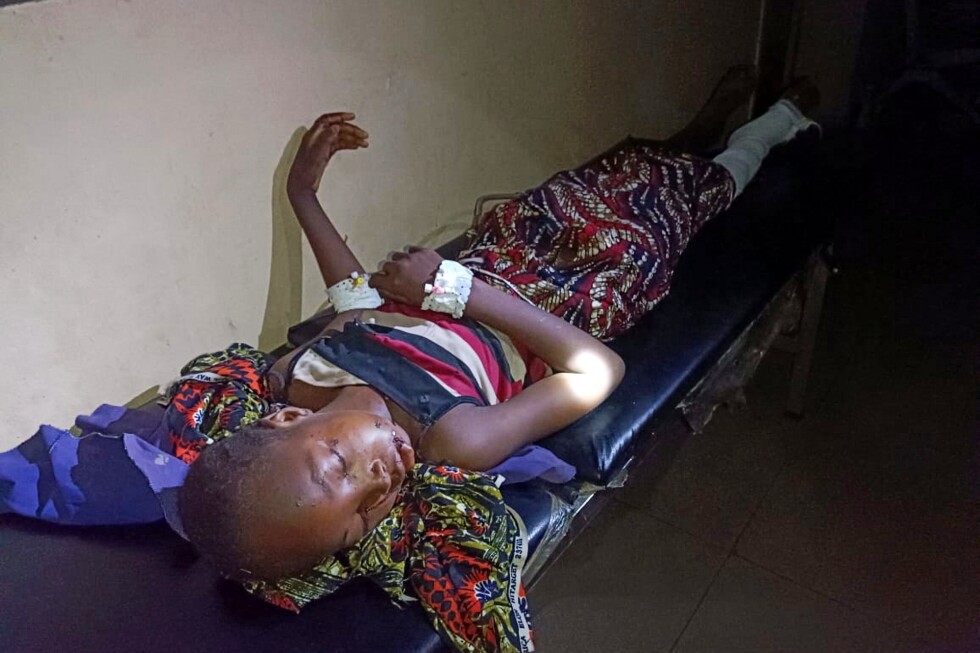
    ADDIS ABABA, Ethiopia — Catastrophic landslides triggered by relentless heavy rainfall have devastated three districts in southern Ethiopia’s Gamo Zone, resulting in a confirmed death toll of at least 50 individuals, with approximately 125 more reported missing, according to local authorities. The disaster, which struck the Gacho Baba, Kamba, and Bonke districts, has prompted a large-scale emergency response operation amid challenging conditions.

    Mesfin Manuqa, the Director of Disaster Response for the Gamo Zone, confirmed the grim statistics on Thursday, noting that rescue teams managed to successfully extract one survivor from the thick mud. The scale of destruction to homes and infrastructure remains unquantified, as communication officials like Abebe Agena from Gacho Baba District reported that the majority of fatalities were discovered buried under the debris.

    In response to the tragedy, South Ethiopia Regional State President Tilahun Kebede issued a somber statement expressing profound grief and urgently advised communities residing in highland regions and areas susceptible to flooding to evacuate to safer, higher ground. He emphasized the ongoing threat, stating, ‘With the rainy season persisting, these types of disasters could recur. I am calling on communities living in highlands and flood-prone areas to take necessary precautions.’

    Such natural calamities are recurrent in Ethiopia, particularly during the annual rainy season, where saturated soil conditions frequently lead to deadly mudslides and flash flooding. This recent event echoes a similar tragedy from July 2024, when exceptionally heavy rains precipitated a massive mudslide in the same region, claiming 229 lives and highlighting the persistent vulnerability of these communities to extreme weather events.

  • China’s green push a boost for Asia-Pacific

    China’s green push a boost for Asia-Pacific

    China’s ambitious decarbonization strategy is positioned to significantly influence energy transformation pathways across the Asia-Pacific region, according to energy analysts and regional experts. The comprehensive green development blueprint, formally presented in China’s government work report during the March 5 legislative session, establishes aggressive environmental targets including a 17 percent reduction in carbon intensity between 2026 and 2030.

    The policy framework outlines multi-faceted approaches to sustainable development, including the establishment of zero-carbon industrial complexes, creation of a national low-carbon transition fund, and strategic promotion of emerging green technologies including hydrogen power and sustainable fuel alternatives. The plan simultaneously implements stringent regulatory controls on high-emission industrial projects while accelerating nationwide green transition initiatives.

    Energy specialists highlight that China’s scale and manufacturing capabilities create unique demonstration value for developing economies throughout Asia. Yang Muyi, senior analyst at global energy think tank Ember, notes that “China’s transition can act as a ladder for progress across the Asia-Pacific, especially for developing economies” by demonstrating how to balance rapid systemic change with energy security requirements.

    The decarbonization agenda aligns strategically with recently upgraded regional trade frameworks. Peter TC Chang, formerly of the University of Malaya’s Institute of China Studies, observes that China’s 15th Five-Year Plan coordinates with the enhanced China-ASEAN Free Trade Agreement (CAFTA 3.0), which expanded cooperation into nine sectors including green economy initiatives during the October 2025 summit in Malaysia.

    This policy synchronization creates substantial opportunities for renewable energy collaboration, carbon trading mechanisms, and circular economy development between China and ASEAN members. Countries including Indonesia, Malaysia and Vietnam—with their considerable renewable resources and manufacturing capabilities—are particularly well-positioned to integrate into China’s expanding green value chains.

    Financial commitments underscore China’s leadership position in clean energy investment, with Ember reporting $625 billion allocated to renewable technologies in 2024 alone—the highest global investment volume. Chinese manufacturers currently produce approximately 60 percent of global wind turbines and 80 percent of solar panels, creating what analysts term a “ladder of affordability” that reduces clean technology costs for developing Asian economies.

    The urgency of energy transition has been amplified by geopolitical instability and fossil fuel price volatility, according to Joanna Santa Isabel, Asia network coordinator for environmental organization 350.org. She emphasizes that shifting toward affordable renewable alternatives has evolved from optional strategy to fundamental necessity, driven equally by climate imperatives and economic practicality.

  • Africa eyes new sources of funding for health

    Africa eyes new sources of funding for health

    A significant shift is underway across Africa as nations reassess their approach to international health financing agreements. Zimbabwe, Zambia, and Kenya have recently taken decisive steps to reevaluate major health funding arrangements with the United States, signaling a broader continental movement toward more equitable partnerships.

    The trend emerged when Zimbabwe withdrew from negotiations on a proposed $367 million US health funding package, citing concerns over data sovereignty. Zambia followed by rejecting elements of a $1 billion bilateral health agreement, particularly provisions regarding sensitive health data sharing. Meanwhile, Kenya’s High Court suspended a similar health funding agreement with the US after consumer rights advocates raised alarms about the safety of citizens’ health data.

    According to Professor Carlos Lopes of the University of Cape Town’s Nelson Mandela School of Public Governance, these developments represent “a maturing and more assertive African approach to global health financing partnerships.” This shift reflects a strategic move away from aid dependency toward partnerships negotiated on more equal terms, with heightened emphasis on national ownership, predictable financing, and long-term fiscal sustainability.

    Melha Rout Biel, executive director of the Institute for Strategic and Policy Studies in South Sudan, emphasized that these actions demonstrate Africa’s growing unwillingness to accept funding proposals that don’t align with national or continental interests. “It is a sign that Africa can no longer be taken for granted to accept any offer that does not meet her national or continental interest,” Biel stated.

    The Africa Centres for Disease Control and Prevention has publicly supported Zimbabwe and Zambia’s positions, expressing concerns about transparency, data governance, and national sovereignty within the new US government health cooperation framework. Jean Kaseya, director-general of the African Union’s continental public health agency, recently affirmed that Africa CDC would support any country choosing to withdraw from or renegotiate the framework, particularly emphasizing the need for Africa to safeguard its public health information and pathogen data.

    Political analyst Deniz Akkas, based in Singapore, noted that while these decisions reflect specific national contexts, they may signal the beginning of a broader continental posture featuring stricter vetting of external financing arrangements and clearer boundaries around policy encroachment. Akkas maintained that this development, if handled correctly, could ultimately strengthen rather than weaken global health cooperation.

  • Tehran says 10,000 civilian sites hit as warnings broaden

    Tehran says 10,000 civilian sites hit as warnings broaden

    Iran has escalated its accusations against the United States and Israel, alleging their ongoing military campaign has destroyed nearly 10,000 non-military sites in a stark contradiction to their stated objective of ‘liberating’ the Iranian populace. The conflict, now in its twelfth day, has taken a dangerous new turn as Tehran issued expanded warnings, identifying major U.S. technology corporations with Israeli affiliations as potential legitimate targets for retaliation.

    According to an Al Jazeera report, the Iranian military command, through its Khatam al-Anbiya Headquarters, explicitly named firms including Google, Microsoft, Palantir, IBM, Nvidia, and Oracle. The warning extends to cloud service infrastructures located in Israeli cities and several Gulf nations. This cyber-front expansion follows an alleged attack on an Iranian financial institution, which Tehran claims resulted in civilian casualties. In response, Iranian authorities threatened to target U.S. and Israeli economic and banking centers within the region, issuing unprecedented public safety advisories for individuals to avoid proximity to such facilities.

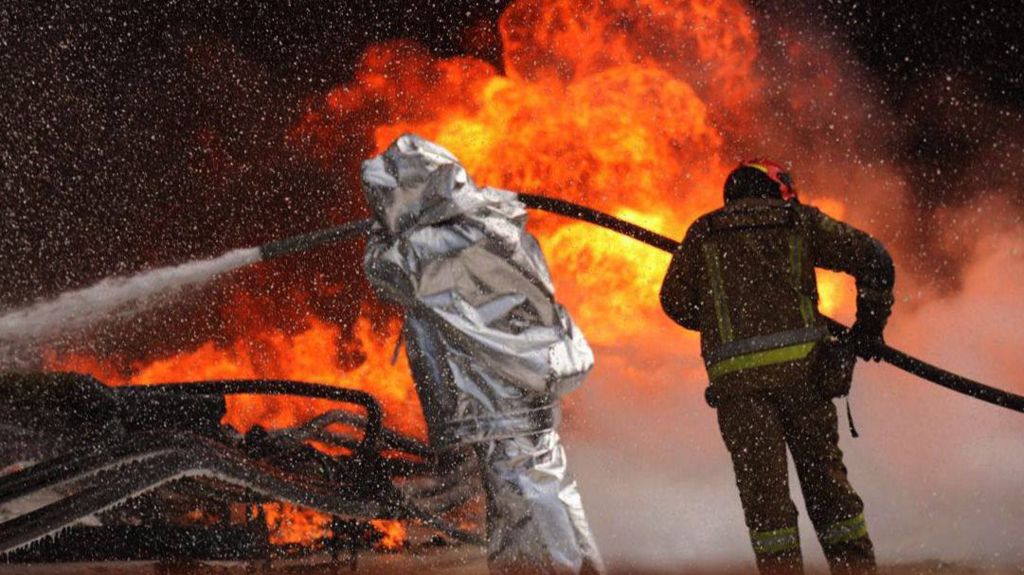
    The humanitarian and environmental crisis within Iran is intensifying. The World Health Organization (WHO) Director-General, Tedros Adhanom Ghebreyesus, expressed grave concern over public health hazards stemming from damaged petroleum facilities. Reports of toxic ‘black rain’ in Tehran have prompted warnings from the Iranian Red Crescent Society, which described recent precipitation as potentially ‘highly dangerous and acidic,’ advising the capital’s 10 million residents to remain indoors.

    Diplomatic efforts to de-escalate the situation are underway. China’s special envoy for Middle Eastern affairs, Zhai Jun, met with UAE Deputy Prime Minister Sheikh Abdullah bin Zayed Al Nahyan. The UAE emphasized it is not a party to the conflict and should not be targeted, while appreciating China’s neutral stance and role in diplomatic shuttle efforts. Zhai reiterated China’s position that the sovereignty of all Gulf nations must be respected, attacks on civilians condemned, and that a ceasefire is the only viable path forward.

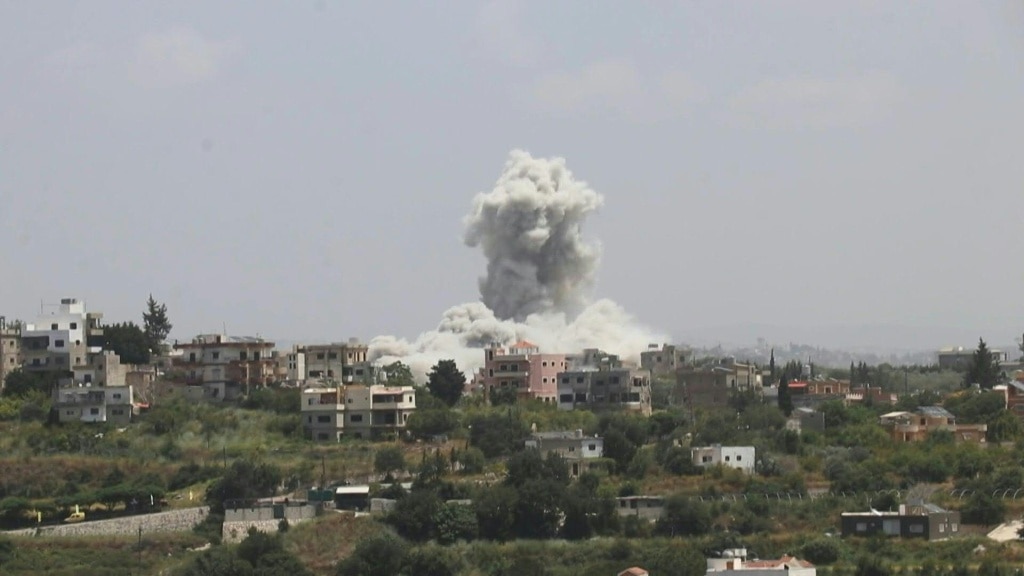
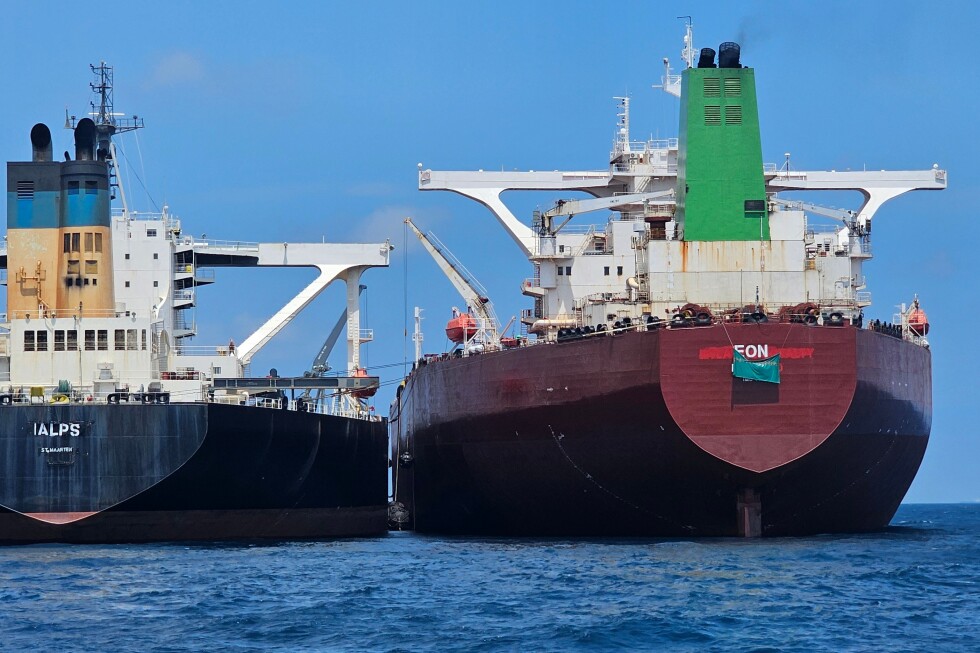
    Meanwhile, regional violence continues unabated. The UAE’s defense systems engaged incoming missiles and drones, with Dubai residents receiving emergency alerts to seek shelter. Israeli strikes extended across Lebanon, including a hit on a residential building in central Beirut. Maritime security agencies reported attacks on commercial vessels near Dubai and in the critical Strait of Hormuz, signaling a further expansion of the conflict’s geographic and economic impact.

  • Russian court convicts 19 people over deadly 2024 Moscow concert hall attack

    Russian court convicts 19 people over deadly 2024 Moscow concert hall attack

    A Moscow military court has delivered verdicts against 19 individuals connected to the devastating 2024 concert hall attack that resulted in 149 fatalities and over 600 injuries. The sentencing concluded on Thursday following a closed-door trial that commenced in August 2025.

    Fifteen defendants received life imprisonment terms, while one was sentenced to 22.5 years incarceration. Three additional perpetrators were given prison terms of 19 years and 11 months each. The trial was conducted under strict security protocols without public access, consistent with Russian judicial procedures for terrorism cases.

    The horrific incident occurred on March 22, 2024, at Crocus City Hall, where assailants opened fire on concert attendees awaiting a performance by a popular rock band before igniting the venue. The Islamic State faction claimed responsibility for the coordinated assault, which stands as one of Moscow’s most lethal terrorist events in recent history.

    Despite the Islamic State’s acknowledgment, Russian authorities maintain alternative theories regarding the attack’s origins. The Investigative Committee, Russia’s premier criminal investigation body, asserts the assault was orchestrated to advance Ukrainian political interests and destabilize Russia. This allegation persists despite vehement denials from Kyiv and absence of publicly presented evidence.

    Among those convicted were four Tajikistani nationals apprehended hours after the attack, who exhibited visible signs of physical trauma during their initial court appearance. Other defendants included three individuals who facilitated vehicle sales to the perpetrators, a landlord who provided accommodation, and ten additional persons accused of maintaining terrorist affiliations, according to reporting by independent Russian media outlet Mediazona.

  • Russia jails 15 for life over 2024 concert hall attack

    Russia jails 15 for life over 2024 concert hall attack

    In a landmark judicial ruling, Russia’s military court has sentenced 15 individuals to life imprisonment for their roles in the devastating 2024 Crocus City Hall attack that claimed 149 lives. The convicted include four Tajik nationals—Shamsidin Fariduni, Dalerdzhon Mirzoyev, Makhammadsobir Fayzov, and Saidakrami Rachabolizoda—who directly perpetrated the mass shooting and arson at the Moscow venue. Eleven accomplices with terrorist affiliations received identical sentences, while four additional defendants received prison terms ranging from 19 to 22 years.

    The March 22 assault, claimed by Islamic State (IS), represents Russia’s deadliest terrorist incident since the 2004 Beslan school siege. Attackers opened fire on concertgoers awaiting a performance by Soviet-era band Picnic before igniting the building, resulting in over 600 injuries and numerous fatalities including six children.

    Despite initial Kremlin insinuations of Ukrainian involvement, no evidence substantiating these claims was presented. Russia’s Investigative Committee subsequently asserted the attack was ‘reliably established’ to have been orchestrated to benefit Kyiv, while also linking defendants to planned operations in Dagestan.

    The sentencing revealed complex societal undercurrents, with two defendants reportedly requesting frontline deployment in Ukraine rather than lifetime incarceration—reflecting Russia’s policy of recruiting prisoners for military service. The verdict has intensified Russia’s anti-migrant stance, straining relations with Central Asian nations whose citizens comprise a significant portion of Russia’s workforce. Post-attack crackdowns have already reduced migrant flows, compounding labor shortages exacerbated by Moscow’s ongoing military campaign in Ukraine.

  • Chinese national arrested over attempt to smuggle 2,000 queen ants from Kenya

    Chinese national arrested over attempt to smuggle 2,000 queen ants from Kenya

    Kenyan authorities have apprehended a Chinese national at Jomo Kenyatta International Airport (JKIA) in Nairobi on charges of attempting to smuggle over 2,000 protected queen garden ants out of the country. Zhang Kequn was intercepted during routine security screening when officials discovered live ants concealed within his luggage destined for China.

    Investigators revealed the ants were meticulously packaged, with 1,948 specimens contained in specialized test tubes and an additional 300 hidden inside three tissue paper rolls. Prosecutors have requested forensic examination of Zhang’s electronic devices as they believe he is connected to an ant-trafficking network previously disrupted in Kenya last year.

    This incident follows a landmark case in May 2023 where four individuals received prison sentences or substantial fines for similar offenses. The Kenya Wildlife Service (KWS), typically focused on protecting larger wildlife, has identified a growing international demand for these ecologically significant insects, particularly in European and Asian exotic pet markets.

    The court has authorized Zhang’s detention for five days to facilitate further investigation into what authorities describe as an expanding network of wildlife trafficking. Senior KWS official Duncan Juma indicated that additional arrests are anticipated as operations extend to other Kenyan towns suspected of involvement in illegal ant harvesting.

    Giant African harvester ants (Messor cephalotes) are protected under international biodiversity treaties due to their crucial role in maintaining soil health and ecosystem balance. Their removal poses significant threats to local environments, making their trade highly regulated worldwide.

  • Senegal is the latest African country to toughen punishment for homosexual acts

    Senegal is the latest African country to toughen punishment for homosexual acts

    DAKAR, Senegal — In a decisive parliamentary move, Senegal has significantly escalated its legal stance against homosexuality through newly approved legislation that doubles prison terms and imposes substantial fines. The West African nation’s legislative body overwhelmingly endorsed the bill during Wednesday’s plenary session, with nearly unanimous support and only three abstentions.

    The controversial legislation, introduced last month by Prime Minister Ousmane Sonko, reclassifies homosexual acts as ‘against nature’ and increases penalties from the previous one-to-five-year prison sentences to rigorous imprisonment ranging from five to ten years. The bill further criminalizes the ‘promotion’ or ‘financing’ of homosexuality, effectively targeting organizations that support sexual and gender minorities.

    Financial penalties have been substantially heightened under the new framework, with fines reaching up to 10 million CFA francs (approximately $17,609). Notably, the legislation maintains homosexuality offenses as misdemeanors rather than felonies. During parliamentary debates, government ministers contended that the 1966 legislation previously governing such acts was insufficiently punitive.

    The legal text groups homosexuality alongside necrophilia and bestiality under ‘acts against nature’ offenses while paradoxically penalizing unsubstantiated accusations of homosexual acts. The bill now awaits presidential assent from President Bassirou Diomaye Faye, who is widely anticipated to enact it into law.

    This development aligns Senegal with approximately thirty African nations that criminalize same-sex relations, including Kenya, Sierra Leone, and Tanzania where similar decade-long sentences prevail. In several African jurisdictions including Somalia, Uganda, and Mauritania, homosexuality can carry capital punishment.

    The legislative action follows weeks of rallies organized by Islamic advocacy groups supporting the measure. Concurrently, Senegalese authorities have intensified crackdowns on alleged LGBTQ+ individuals, resulting in at least a dozen recent arrests. The legislation fulfills a campaign promise by Prime Minister Sonko, who had previously attempted to introduce similar measures while serving in opposition.

  • ‘The situation is dire’: War on Iran squeezes India’s cooking-gas supplies

    ‘The situation is dire’: War on Iran squeezes India’s cooking-gas supplies

    The geopolitical conflict in the Middle East has unleashed unexpected domestic consequences across India, where restaurants and households face severe liquefied petroleum gas (LPG) shortages due to disrupted energy shipments through the Strait of Hormuz. As US-Israeli strikes on Iran continue to destabilize regional energy corridors, approximately 90% of India’s LPG imports—which constitute 60% of total consumption—face transportation challenges through this critical maritime chokepoint.

    Urban centers from Mumbai to Chennai report unprecedented queues outside gas distribution centers, with commercial establishments bearing the brunt of the crisis. The National Restaurant Association of India confirms widespread operational disruptions among its 500,000 member establishments. “The situation is dire. Cooking gas simply isn’t available,” states Association representative Manpreet Singh, noting that numerous restaurants have temporarily closed while others have radically adapted by shortening operating hours, reducing menu offerings, and transitioning to alternative cooking methods including coal, wood, and electrical appliances.

    In Bengaluru, artisan bakery owner Haroon Sait describes the devastating impact: “We can only make coffee and nothing else—it is nothing less than pathetic. Businesses are going to suffer.” Retailers nationwide report surging demand for electric cookers, with many facing inventory shortages amid panic buying.

    The Indian government maintains an opposing narrative, insisting supplies remain adequate for domestic consumers. The petroleum ministry has implemented emergency measures, directing refineries on March 8 to maximize LPG production for household use, increasing domestic output by approximately 25%. Officials attribute distribution challenges to “panic booking and hoarding triggered by misinformation,” emphasizing that the normal delivery cycle for domestic LPG remains approximately 2.5 days.

    Energy analysts reveal a more complex picture. According to Kpler refinery analyst Sumit Ritolia, while crude oil supplies could be partially offset through increased Russian imports (projected to reach 1-1.2 million barrels daily in March), LPG presents particular vulnerability. Even with refineries optimizing operations for 10-20% increased LPG yield, domestic production would only meet 47-50% of demand, maintaining heavy import dependence.

    The crisis has exposed structural vulnerabilities in India’s energy infrastructure and distribution networks, with allegations emerging of opportunistic profiteering through cylinder black-marketing and premium pricing. As restaurants struggle to maintain operations, the situation demonstrates how distant geopolitical conflicts can directly impact everyday life and economic stability in interconnected global systems.

  • Checkpoints, air strikes and hope: a Tehran resident tells her story

    Checkpoints, air strikes and hope: a Tehran resident tells her story

    Amidst the reverberations of conflict, a Tehran resident in her thirties provides a harrowing firsthand account of daily existence in Iran’s capital. Speaking under condition of anonymity for security reasons, she describes a city caught between fragile hope and pervasive fear.

    The economic landscape has deteriorated severely, with many professionals like herself facing complete work stoppages and surviving on dwindling savings. While initial waves of evacuation occurred among those living near strategic targets, migration has slowed due to financial constraints and ambiguous security assurances. Basic commerce continues surprisingly, though rationing has intensified with gasoline limits reduced from 30 to as low as 5 liters per person at some stations.

    Security infrastructure has collapsed dramatically, with even minor police stations shuttered and military bases extensively damaged. The regime’s presence now manifests primarily through proliferating checkpoints where authorities reportedly search phones for derogatory content about leadership. Nightly pro-regime motorcades of approximately 50 vehicles circulate through streets chanting religious slogans, creating a surreal contrast to the widespread destruction.

    The physical impact of aerial assaults emerges through visceral accounts: a friend’s mother residing opposite Gisha’s Public Security Police station had windows completely blown out, while the Niloufar Square police station bombardment was so catastrophic it physically expanded the square’s dimensions. A local shopkeeper salvaged merely few boxes from obliterated premises.

    Emotionally, residents oscillate between desperation and determination. The night rumors spread of Khamenei’s death, rooftop celebrations erupted until security forces responded with random aerial and window-directed gunfire. Many citizens now believe foreign intervention represents the only viable path to regime change, rejecting ceasefire appeals in favor of persistent conflict.

    Sleep patterns vary dramatically across Tehran’s vast expanse. While some areas experience relative quiet, residents near strategic targets like Mehrabad airport spend nights huddled in bathrooms fearing structural collapse, with many resorting to sedatives to manage trauma-induced insomnia.