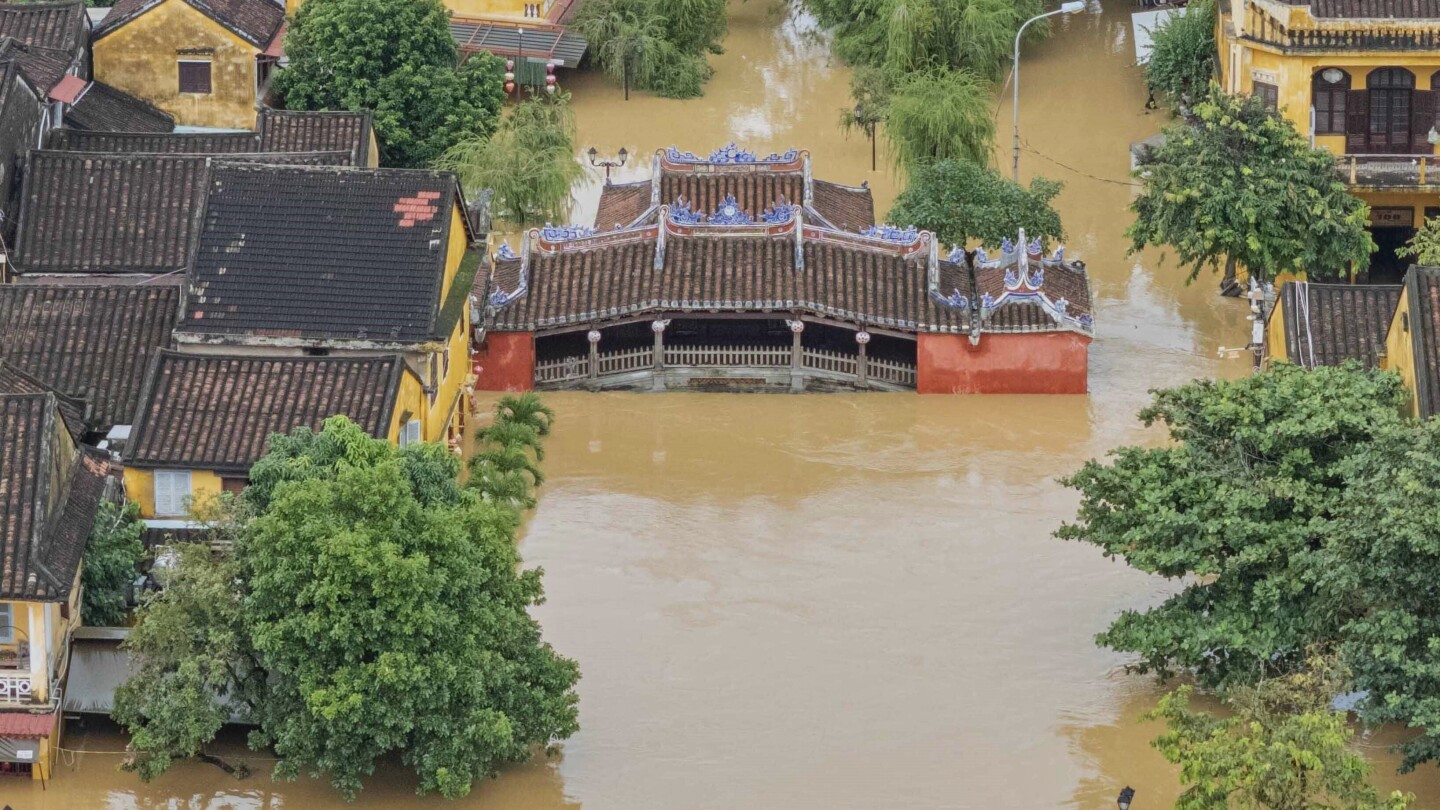
Central Vietnam is grappling with the aftermath of severe floods and landslides that have claimed at least 37 lives, displaced tens of thousands, and left many areas isolated and without power. The disaster, triggered by record-breaking rainfall since late October, has caused widespread destruction, including the erosion of canals, riverbanks, and coastlines, as well as the blockage of several national highways. Rescue teams and aid workers are racing to reach affected communities, particularly in Danang and Hue City, where rivers have reached dangerous levels. Meanwhile, Typhoon Kalmaegi is expected to intensify as it approaches Vietnam’s central coast, with winds potentially reaching 166 kph (103 mph) by Wednesday. The storm, which recently crossed the Philippines, poses an additional threat to the already battered region. Authorities have been distributing food, clean water, medicine, and shelter while assisting families in rebuilding damaged homes. Efforts are also underway to restore power, water, and transport links, clean debris, and prevent disease outbreaks. The government is focusing on repairing irrigation systems and supporting farmers to restart agricultural activities as floodwaters recede. Vietnam has faced a relentless series of storms this year, including Typhoon Ragasa, Typhoon Bualoi, and Typhoon Matmo, which collectively caused over 85 deaths or disappearances and an estimated $1.36 billion in damage. As one of the world’s most flood-prone countries, Vietnam’s vulnerability is exacerbated by climate change, which scientists warn is intensifying storms and rainfall across Southeast Asia.
分类: world
-
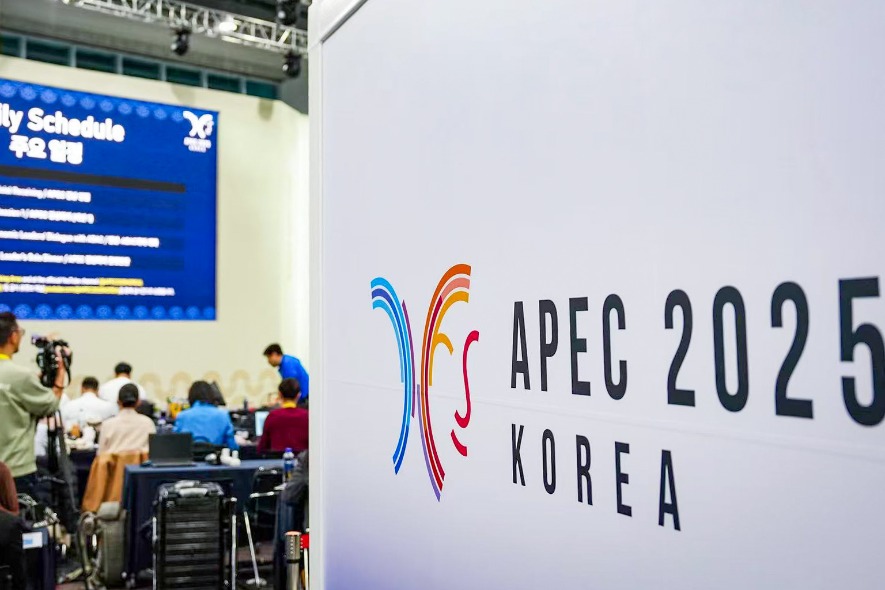
APEC expected to lead global green transition
The recently concluded APEC Economic Leaders’ Meeting in Gyeongju, South Korea, has underscored the Asia-Pacific region’s pivotal role in steering the world toward a sustainable, low-carbon future. Amid ongoing global resistance to climate action, experts emphasize that the region must spearhead efforts to combat environmental challenges. APEC’s ambitious goal, set in 2014, to double renewable energy usage by 2030 from 2010 levels, is already ahead of schedule. Between 2010 and 2022, renewable energy’s share in power generation surged by 63.4%, from 15.58% to 25.46%. Kazutomo Irie, president of the Asia Pacific Energy Research Centre, expressed confidence that APEC will achieve its target in the power sector by 2030. The Gyeongju Declaration, adopted at the meeting, urged member economies to address shared challenges such as energy security, food security, and extreme weather events. Shakeel Ahmad Ramay, CEO of the Asian Institute of Eco-civilization Research and Development, highlighted the region’s growing recognition of green development’s importance amid global climate pressures. This year’s meeting, themed ‘Building a Sustainable Tomorrow: Connect, Innovate, Prosper,’ emphasized collaboration to tackle climate change and promote green growth. Lin Boqiang, head of the China Institute for Studies in Energy Policy, noted that APEC provides a crucial platform for addressing common challenges, especially after the U.S. withdrawal from the Paris Agreement. Despite progress, the region faces hurdles such as insufficient momentum and investment in the green transition. Experts called for deeper international cooperation to enhance investment, facilitate technological exchange, and promote policy coordination. Ramay suggested establishing an apolitical green transition fund to support developing economies. Lin also advocated for reducing trade barriers to enable the entry of affordable clean energy equipment into the Asia-Pacific market, fostering both energy security and clean energy goals.
-
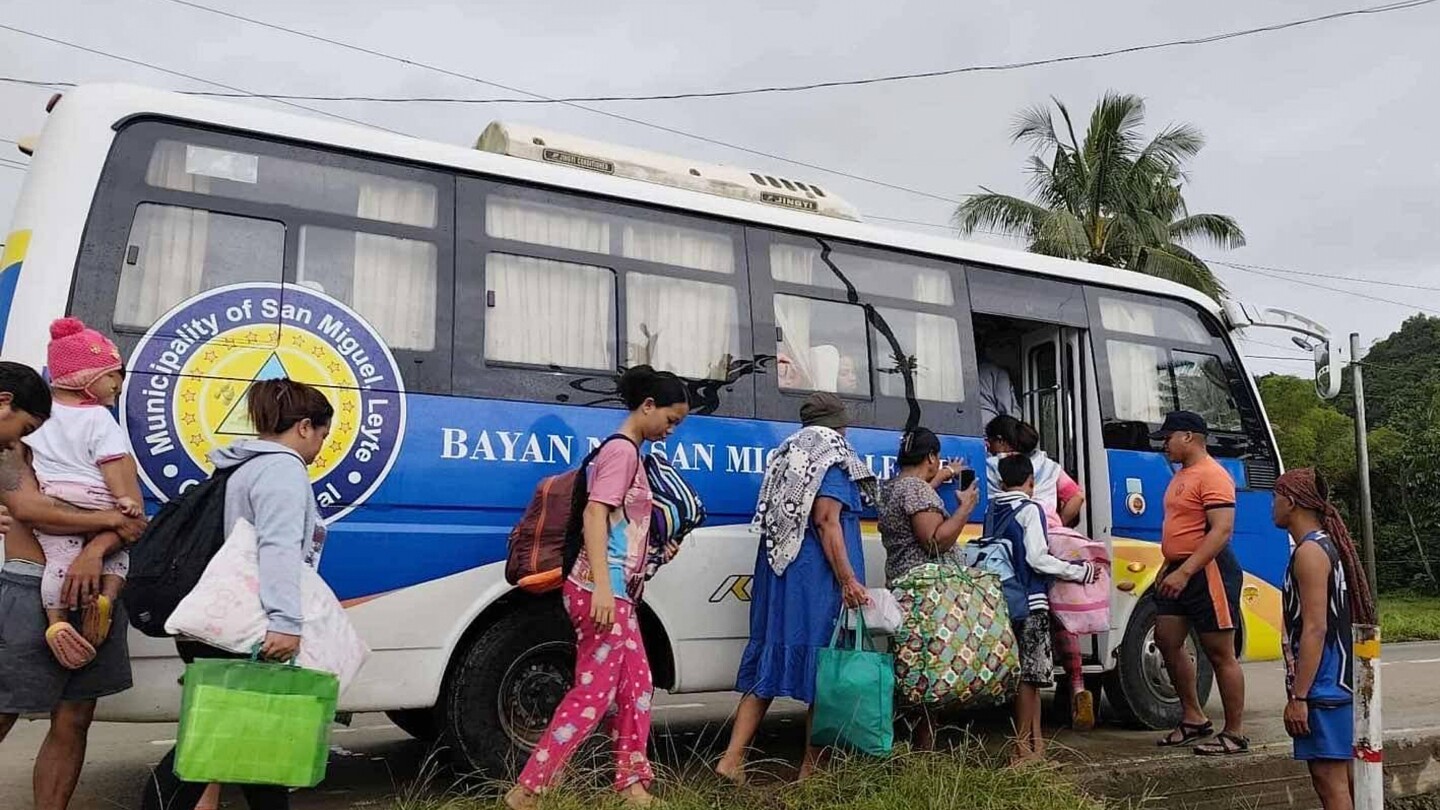
Tens of thousands of people evacuate to safety as typhoon approaches eastern Philippines
Philippine authorities have initiated large-scale evacuations and imposed fishing bans in the east-central region as Typhoon Kalmaegi, locally known as Tino, approaches from the Pacific. The storm, with sustained winds of up to 120 kilometers per hour and gusts reaching 150 kph, was last observed approximately 235 kilometers east of Guiuan in Eastern Samar province. Forecasters predict it will make landfall later Monday, bringing torrential rains and life-threatening storm surges of up to 3 meters (nearly 10 feet). Eastern Samar Governor RV Evardone has issued mandatory evacuation orders, mobilizing army troops, police, firefighters, and disaster-response teams to assist residents. Over 70,000 people in coastal towns such as Guiuan, Mercedes, and Salcedo have been directed to seek refuge in evacuation centers or sturdy buildings. The typhoon is expected to strengthen over the Philippine Sea before impacting central island provinces, including Cebu, which is still recovering from a devastating 6.9-magnitude earthquake in late September. The Philippines, a disaster-prone nation, faces approximately 20 typhoons annually, alongside frequent earthquakes and volcanic activity. The memory of Typhoon Haiyan in 2013, which claimed over 7,300 lives and displaced millions, has heightened public compliance with evacuation orders. ‘Nobody’s complaining because of their experience with Yolanda,’ Governor Evardone remarked, emphasizing the importance of preparedness.
-

China intimidated UK university to ditch human rights research, documents show
Sheffield Hallam University has been accused of compromising academic freedom under pressure from Chinese authorities, according to internal documents obtained by the BBC. Professor Laura Murphy, a leading researcher on human rights and contemporary slavery, alleges that the university halted her sensitive research into forced labor allegations involving Uyghur Muslims in China’s Xinjiang region to maintain access to the lucrative Chinese student market. The documents reveal that Sheffield Hallam faced a two-year campaign of intimidation, including threats from individuals claiming to represent China’s National Security Service, blocking of university websites in China, and a defamation lawsuit. In 2024, the university decided not to publish Murphy’s final research report, citing concerns over professional indemnity insurance and staff safety. Murphy initiated legal action, accusing the university of failing to protect her academic freedom. Sheffield Hallam has since apologized and allowed her to resume her work, but the case has raised concerns about the vulnerability of UK universities to foreign influence. The UK government has warned China against such interference, emphasizing its commitment to academic freedom. The Chinese Embassy in London dismissed the allegations as politically motivated and factually flawed, while Baroness Helena Kennedy, a prominent human rights advocate, called for vigilance against such pressures on academic institutions.
-
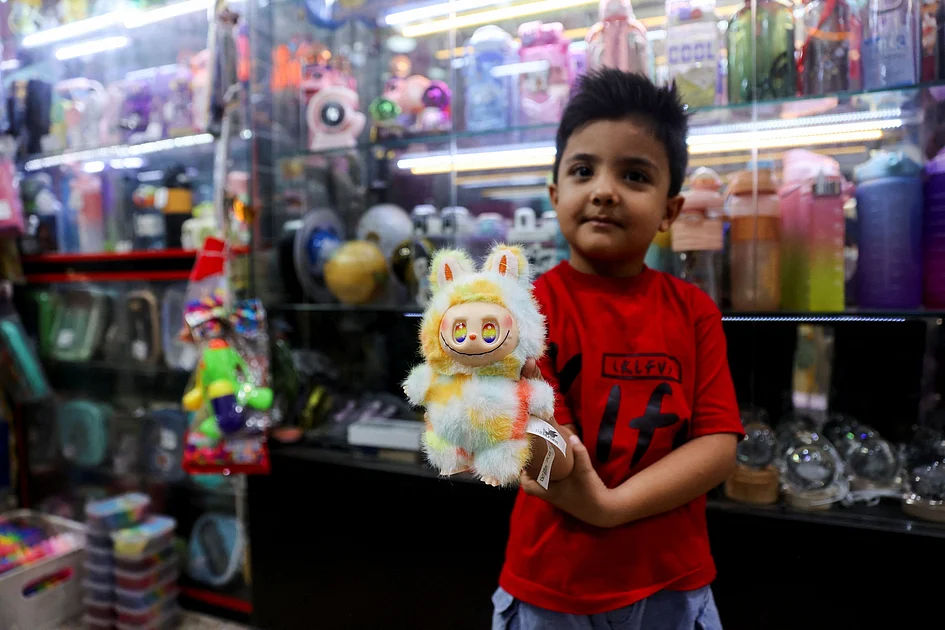
Labubu toys recalled over safety concerns from Kuwait markets
Kuwait’s Ministry of Commerce and Industry has issued a recall for the popular Labubu toy (TOY3378 LABUBU) due to significant safety concerns. The decision comes after the discovery of a manufacturing defect that causes certain parts of the toy to detach easily, posing a potential choking hazard to children. Authorities have urged residents to immediately cease using the product and contact the manufacturer for a refund. Additionally, consumers have been advised to report any incidents or seek further information by reaching out to the relevant authorities. The Labubu doll, a creation of Hong Kong-born, Netherlands-raised illustrator Kasing Lung, has gained widespread popularity for its unique, monster-like design. Inspired by Nordic folklore, Labubu is a central character in Lung’s fictional world, known for her mischievous yet kind-hearted nature. Despite its cultural appeal, the safety risks associated with the toy have prompted swift regulatory action in Kuwait.
-

Hamas says to hand over bodies of three Israeli hostages Sunday night
In a significant development within the ongoing ceasefire agreement between Hamas and Israel, the armed wing of Hamas, the Ezzedine Al-Qassam Brigades, announced on Sunday that it would hand over the bodies of three Israeli hostages. The announcement was made via the group’s Telegram channel, specifying that the transfer would occur at 8 PM Gaza time (1800 GMT). The bodies were reportedly discovered earlier in the day along a tunnel route in the southern Gaza Strip. This move is part of a broader hostage-prisoner exchange aimed at de-escalating tensions in the region. The ceasefire agreement, which has been in effect for several days, seeks to create a temporary pause in hostilities and facilitate humanitarian efforts. The return of the hostages’ bodies marks a critical step in the fragile peace process, though it underscores the deep-seated complexities and human costs of the conflict. Both sides remain cautious as they navigate the delicate balance between military strategy and diplomatic negotiations.
-
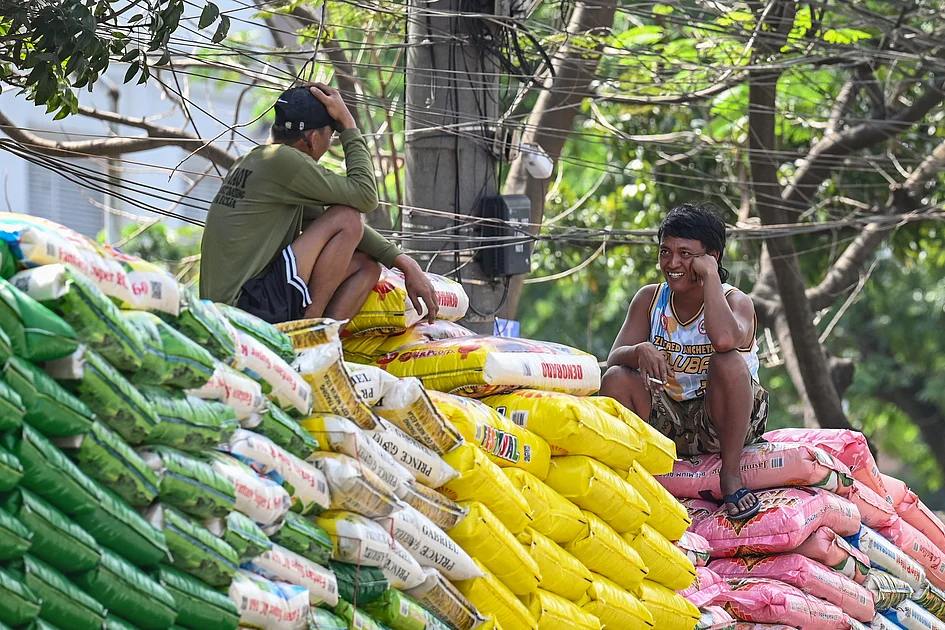
Philippine President Marcos extends rice import ban until end of 2025
Philippine President Ferdinand Marcos Jr. has announced the extension of the rice import ban until the end of 2025, aiming to stabilize farmgate prices and support local rice producers. The initial ban, implemented through Executive Order 93, was in effect from September 1 to October 31, 2025, to counteract the sharp decline in rice prices ahead of the wet harvest season. Agriculture Secretary Francisco Tiu Laurel Jr. stated that the extension is necessary to ensure sustained support for farmers, maintain market stability, and allow a comprehensive evaluation of the policy’s impact. The Department of Agriculture (DA) will formally issue the extension order on November 3, 2025. The ban has already shown positive effects on farmgate prices, which peaked at Php16.50 per kilo in early September before stabilizing at Php13.50. However, retail prices and supply have remained largely unaffected. Laurel emphasized that the extension, combined with initiatives like Sagip Saka and the introduction of a floor price for rice, will continue to shield local farmers from the downward pressure caused by cheaper imports. Factors such as over-importation, poor-quality harvests, and adverse weather conditions have contributed to the depressed farmgate prices, which had fallen to as low as Php8 per kilo in some regions. In June 2024, President Marcos signed EO 62, reducing rice tariffs from 35% to 15% until 2028 to help control retail prices and curb food inflation. The tariff rate is reviewed every four months. The extended import ban is expected to provide a more thorough assessment of its effects on both farmgate and retail prices while safeguarding the livelihoods of local rice farmers.
-
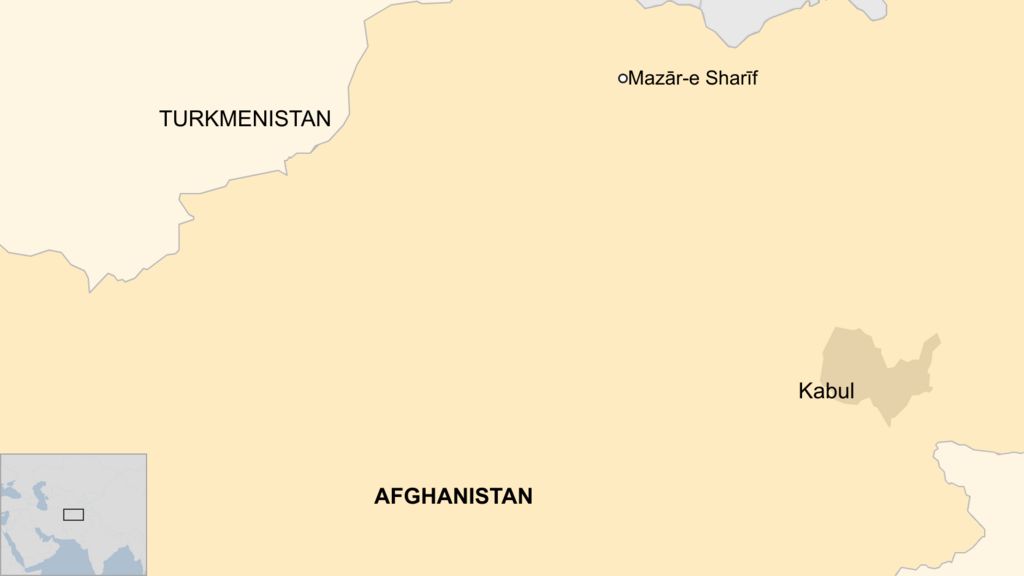
Casualties feared after magnitude-6.3 earthquake hits Afghanistan
A powerful earthquake with a magnitude of 6.3 struck northern Afghanistan near Mazar-e Sharif, one of the country’s largest cities, at approximately 20:30 GMT (01:00 local time). The quake, which occurred at a depth of 28km (17 miles), was reported by the US Geological Survey, which also issued warnings of ‘significant casualties’ and a ‘potentially widespread’ disaster. Mazar-e Sharif, home to over 500,000 people, experienced widespread panic as residents fled their homes, fearing structural collapses. According to AFP, many rushed into the streets as the ground shook. A Taliban spokesman in Balkh, the province where Mazar-e Sharif is the capital, posted on X around 02:00 local time (21:30 GMT), stating that they had received reports of ‘minor injuries and superficial damages’ across all districts of the province. He noted that most injuries resulted from people falling from tall buildings. The spokesman also shared a video on X showing debris scattered around the Blue Mosque, a significant local landmark and religious site believed to house the tomb of the first Shia Imam. The mosque is a gathering place for pilgrims and religious celebrations. This earthquake follows a 6.0 magnitude quake in Afghanistan’s eastern region in late August, which claimed over 1,000 lives. Afghanistan’s susceptibility to earthquakes is attributed to its location on multiple fault lines where the Indian and Eurasian tectonic plates converge.
-

Two Louvre jewel heist suspects a couple with children, reveals France prosecutor
In a shocking revelation, French authorities have identified two suspects in the audacious Louvre jewel heist as a couple with children. The pair, aged 37 and 38, were arrested after their DNA was discovered in the basket lift used during the robbery. The heist, which took place last month, saw a four-man gang steal jewelry worth an estimated $102 million from the Louvre, the world’s most-visited art museum, in just seven minutes. The suspects fled on high-powered scooters after breaking into the museum’s Apollo Gallery, which houses the French crown jewels. The couple, along with two other accomplices, have been charged and remanded in custody, while at least one perpetrator remains at large. The stolen jewels have yet to be recovered. Paris prosecutor Laure Beccuau described the suspects as small-time criminals, not linked to organized crime groups. The man has 11 previous convictions, mostly for theft, while the woman appeared in tears during her court appearance, expressing fear for her children and herself. The investigation continues as authorities work to uncover the full extent of the crime.
-
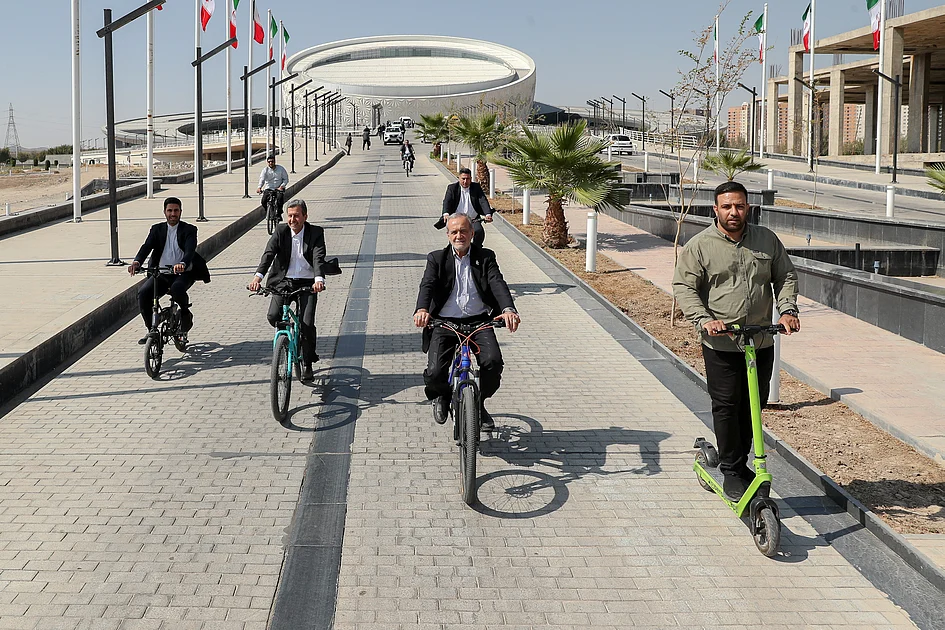
Iran vows to rebuild nuclear sites ‘stronger than before’
Iran has vowed to reconstruct its nuclear facilities ‘stronger than before’ following extensive damage caused by Israeli and US strikes. President Masoud Pezeshkian, during a visit to the country’s nuclear organization, emphasized that the destruction of buildings would not hinder Iran’s nuclear ambitions. He asserted that Iranian scientists retain the necessary expertise to rebuild and advance the program. Pezeshkian’s remarks echo his earlier statements in February, where he warned of rebuilding efforts if sites were attacked. The strikes, which occurred in June, marked an unprecedented escalation, with Israel targeting nuclear, military, and residential areas, resulting in significant casualties among Iranian scientists. Iran responded with ballistic missile attacks on Israeli cities. Amidst the tension, Oman has urged both Iran and the United States to revive stalled diplomatic talks. Omani Foreign Minister Badr Albusaidi called for renewed negotiations during the IISS Manama Dialogue in Bahrain. Iranian government spokeswoman Fatemeh Mohajerani confirmed that Tehran has received messages regarding resuming diplomacy but provided no further details. Oman had previously hosted five rounds of US-Iran talks this year, but the sixth round was disrupted by Israel’s strikes. The conflict has also led to the reinstatement of UN sanctions against Iran, triggered by Britain, Germany, and France over alleged non-compliance with the 2015 nuclear deal.