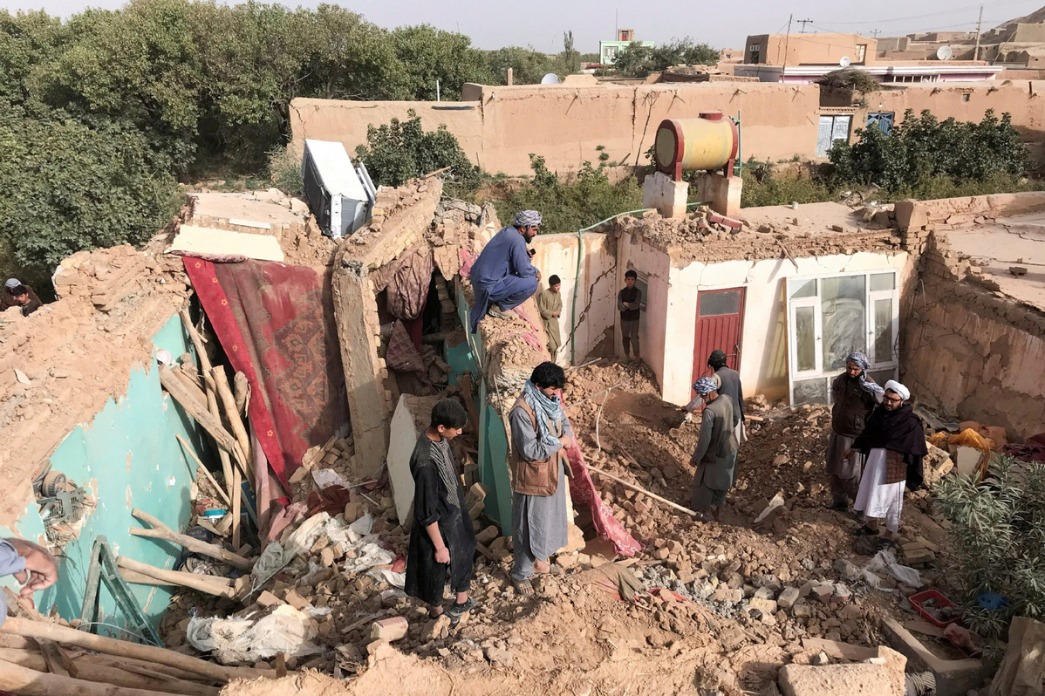
A catastrophic magnitude 6.3 earthquake struck northern Afghanistan in the early hours of Monday, November 3, 2025, resulting in significant loss of life and widespread injuries. According to Qari Taj Mohammad Hemat, deputy spokesman for Afghanistan’s National Disaster Management Authority, the disaster claimed at least 20 lives and left 643 people injured, with 25 in critical condition. The epicenter, located 22 kilometers west-southwest of Khulm, was reported by the United States Geological Survey to have occurred at a depth of 28 kilometers. Rescue operations are underway in the hardest-hit provinces of Balkh and Samangan, where emergency teams are transporting the injured and providing aid to affected families. The Taliban government’s chief spokesman, Zabihullah Mujahid, expressed deep sorrow over the casualties and financial losses, emphasizing the ongoing efforts to assist those impacted. Additionally, the historic Blue Mosque in Mazar-e-Sharif sustained damage, though it remains structurally intact. The United Nations has mobilized teams to assess needs and deliver urgent assistance, noting that this disaster follows a recent deadly earthquake in eastern Afghanistan.
分类: world
-
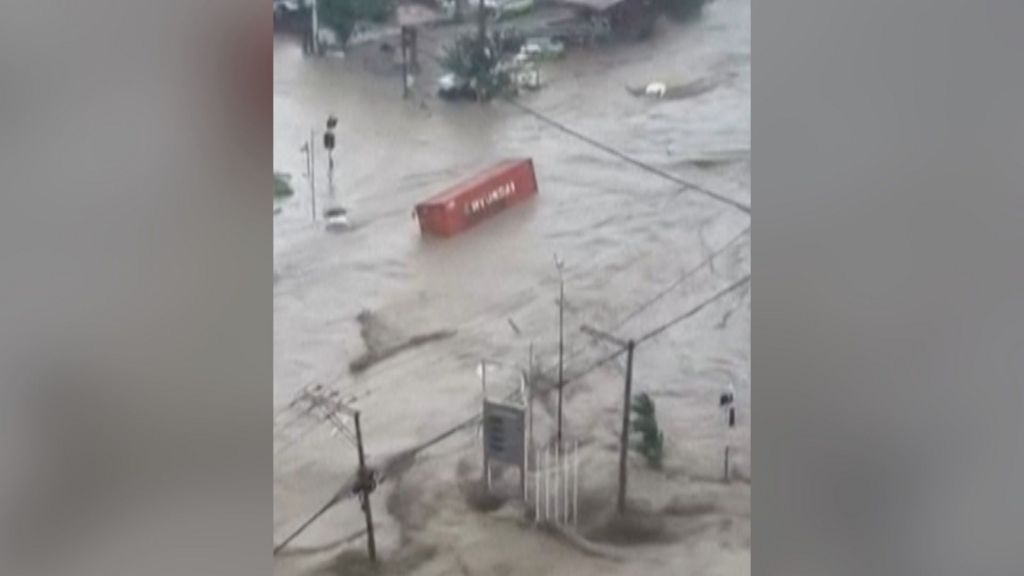
Moment Philippines floods move shipping containers
The Philippines faced severe devastation as Typhoon Kalmaegi unleashed torrential rains and powerful winds, causing widespread flooding in Cebu province. The ferocity of the storm was so intense that it displaced massive shipping containers, highlighting the destructive force of the typhoon. Residents were forced to seek refuge on rooftops as floodwaters inundated their homes and communities. Tragically, the storm claimed at least one life, underscoring the perilous conditions faced by those in its path. Emergency response teams have been mobilized to assist affected areas, but the scale of the damage poses significant challenges. This event serves as a stark reminder of the increasing frequency and intensity of extreme weather events in the region, likely exacerbated by climate change.
-
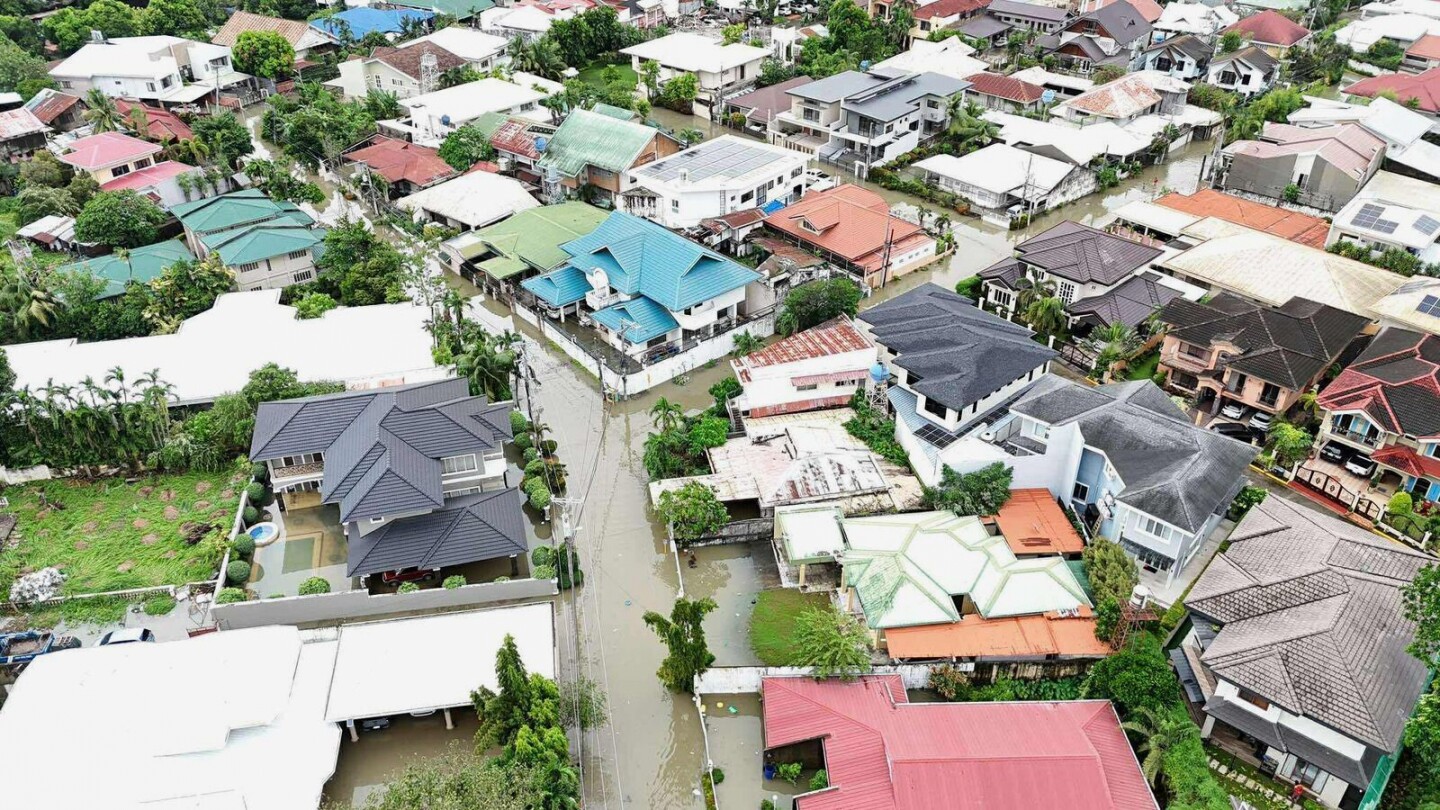
Typhoon leaves at least 2 dead, traps people on roofs and submerges cars in central Philippines
A powerful typhoon, Kalmaegi, swept through the central Philippines on Monday, leaving a trail of devastation in its path. The storm, which made landfall in the eastern province of Southern Leyte around midnight, brought sustained winds of up to 140 kilometers per hour (87 mph) and gusts reaching 195 kph (121 mph). By noon, it had reached Bacolod city in Negros Occidental province, causing widespread destruction and displacing tens of thousands of residents. Initial reports confirmed at least two fatalities: an elderly villager drowned in Southern Leyte, and another was killed by a fallen tree in Bohol province. Flash floods submerged cars and trapped residents on rooftops in several communities, including Liloan and Mandaue in Cebu province. Gwendolyn Pang, secretary-general of the Philippine Red Cross, described the dire situation, noting that rescue efforts were hampered by debris and floating vehicles. The typhoon also triggered a province-wide power outage in Southern Leyte and damaged approximately 300 rural shanties in Homonhon, Eastern Samar. Despite the destruction, no injuries or deaths were reported in the area. Kalmaegi, the 20th tropical cyclone to hit the Philippines this year, is expected to move westward into the South China Sea by Tuesday evening or early Wednesday. Authorities had evacuated over 150,000 people in anticipation of the storm, which brought torrential rains, destructive winds, and storm surges of up to 3 meters (10 feet). The Philippines, one of the world’s most disaster-prone countries, faces about 20 typhoons annually, along with frequent earthquakes and volcanic activity. The central island provinces, including Cebu, are still recovering from a 6.9-magnitude earthquake on September 30, which killed 79 people and displaced thousands. As Kalmaegi continues its path, residents remain on high alert for potential volcanic mudflows on Mount Kanlaon and other hazards.
-
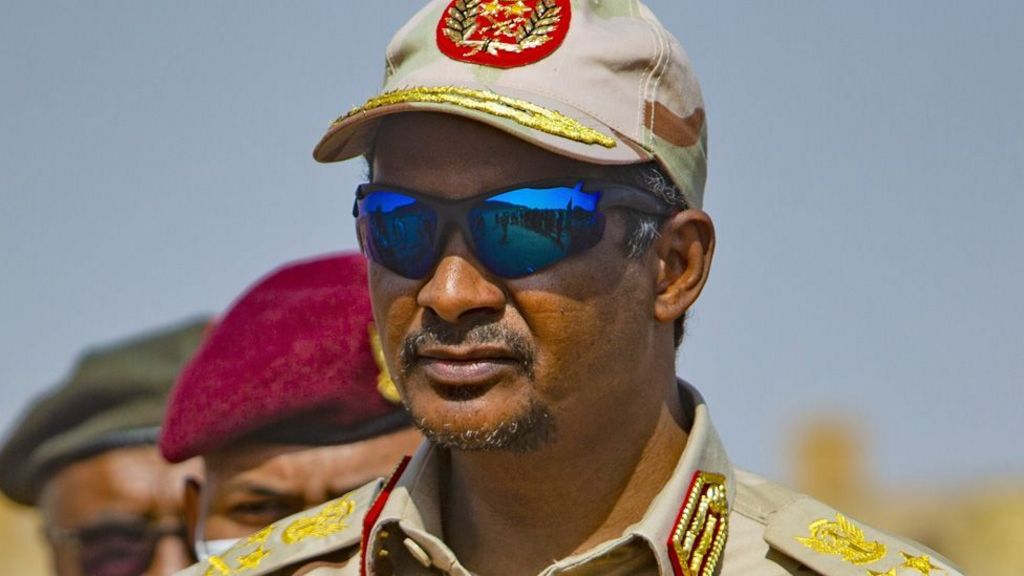
He made his money selling camels and gold. Now this warlord controls half of Sudan
Mohamed Hamdan Dagolo, widely known as ‘Hemedti,’ has ascended to a position of immense power in Sudan, with his paramilitary Rapid Support Forces (RSF) now controlling half of the country. The RSF recently achieved a significant victory by capturing el-Fasher, the last stronghold of the Sudanese army in Darfur. Hemedti, feared by his enemies and revered by his followers, has built a reputation for ruthlessness and strategic acumen, promising to dismantle a discredited state. Born into the Rizeigat community, a camel-herding Arabic-speaking group spanning Chad and Darfur, Hemedti’s early life was marked by poverty and displacement. After dropping out of school, he traded camels across the desert, eventually joining the Janjaweed militia, which gained notoriety for its atrocities during the Darfur conflict. Hemedti’s rise began in earnest when he was appointed head of the RSF in 2013, a force that absorbed the Janjaweed and received modern equipment and training. Under his leadership, the RSF expanded its influence, securing lucrative gold mining operations and forging alliances with foreign powers, including Saudi Arabia, the UAE, and Russia’s Wagner Group. Hemedti played a pivotal role in the ousting of former President Omar al-Bashir in 2019, but his relationship with the Sudanese army deteriorated, leading to a brutal civil war. The RSF has been accused of widespread atrocities, including mass killings, rape, and looting, yet Hemedti remains defiant, positioning himself as a key political player in Sudan’s future. With the RSF now controlling vast territories and wielding significant military power, Hemedti’s ambitions—whether as a president, puppet master, or warlord—continue to shape Sudan’s turbulent landscape.
-
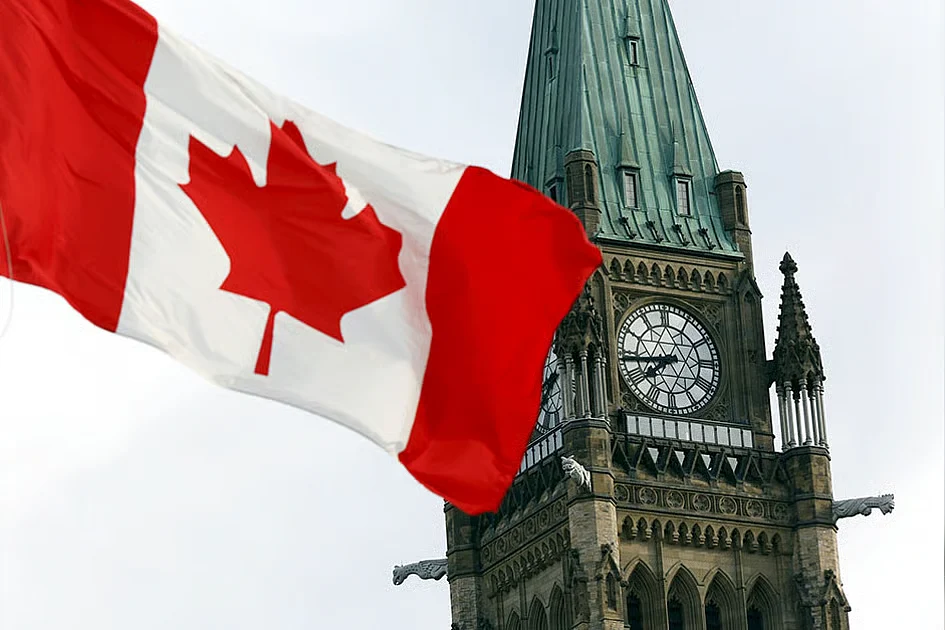
Canada rejects most Indian study permit applicants on fraud concerns
Canada has intensified its scrutiny of international student visa applications, particularly those from India, amid concerns over fraudulent documentation. Government data reveals that in August 2025, a staggering 74% of Indian study permit applications were rejected, a sharp increase from 32% in August 2023. This crackdown is part of Canada’s broader strategy to reduce temporary migration and address systemic fraud in its immigration system.
-
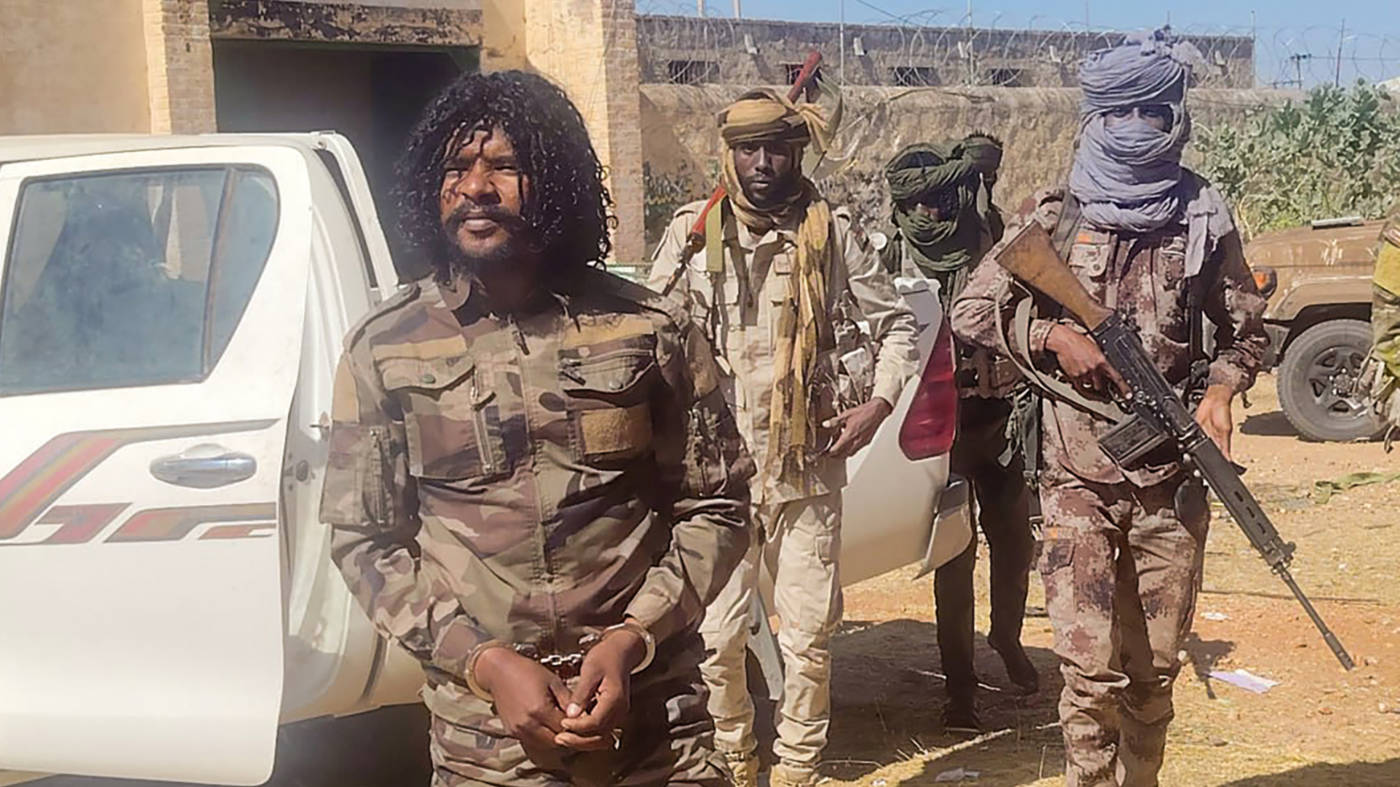
Why is the UAE involved in Sudan’s bloody civil war?
The Rapid Support Forces (RSF), a Sudanese paramilitary group, has been accused of committing mass executions and atrocities in the city of el-Fasher, which it recently seized. Satellite images and video evidence reveal widespread bloodshed, with experts likening the situation to the Rwandan genocide. This massacre is the latest in a brutal civil war between the RSF and the Sudanese Armed Forces (SAF), which has displaced over 13 million people since April 2023. Both factions have been accused of war crimes, including indiscriminate bombings, sexual violence, and torture. The RSF is reportedly backed by the UAE, which has been accused of complicity in genocide at the International Court of Justice. Sudan’s history of conflict dates back to its independence in 1956, with decades of instability under Omar al-Bashir’s regime. The current war began in April 2023, fueled by tensions over integrating the RSF into the national army. The conflict has left thousands dead and nearly 25 million facing acute food insecurity. The UAE’s involvement includes supplying weapons and financial support to the RSF, despite international arms embargoes. The UAE’s strategic interests in Sudan’s agricultural and mineral resources, particularly gold, have driven its intervention. International responses have been slow, with the ICJ dismissing Sudan’s case against the UAE due to jurisdictional issues. The UK and other nations have been criticized for their ambiguous stance on the conflict. A recent peace plan proposed by the US, Egypt, Saudi Arabia, and the UAE offers a temporary truce, but the RSF’s establishment of a parallel government complicates efforts. The situation remains dire, with no end to the humanitarian crisis in sight.
-

‘I dreamed to hug him. Now I hope to bury him’: Gaza’s missing haunt their families
In a somber hall at the Nasser Medical Complex in Khan Younis, southern Gaza, dozens of families gather, their eyes fixed on a screen displaying images of decomposed bodies. These remains, returned by Israeli authorities as part of a prisoner swap deal with Hamas, bear signs of torture and decay. Without DNA testing equipment, families are left to identify their loved ones through photographs—a harrowing process that offers little closure. Wafaa al-Aloul, a mother receiving treatment in Egypt, spends hours scrutinizing the images, searching for her son Mohammed, who disappeared in September. Her story mirrors the anguish of thousands in Gaza, where an estimated 10,000 people remain missing, many believed buried under rubble or forcibly disappeared by Israel. The World Health Organization reports that over 92% of Gaza’s health system, including forensic services, has been destroyed, further complicating identification efforts. Dr. Ahmed Dhahir of Nasser Hospital describes the primitive methods used to document remains, noting that many bodies show signs of fatal abuse. As families cling to hope, the conflict’s toll continues to devastate Gaza’s civilian population.
-
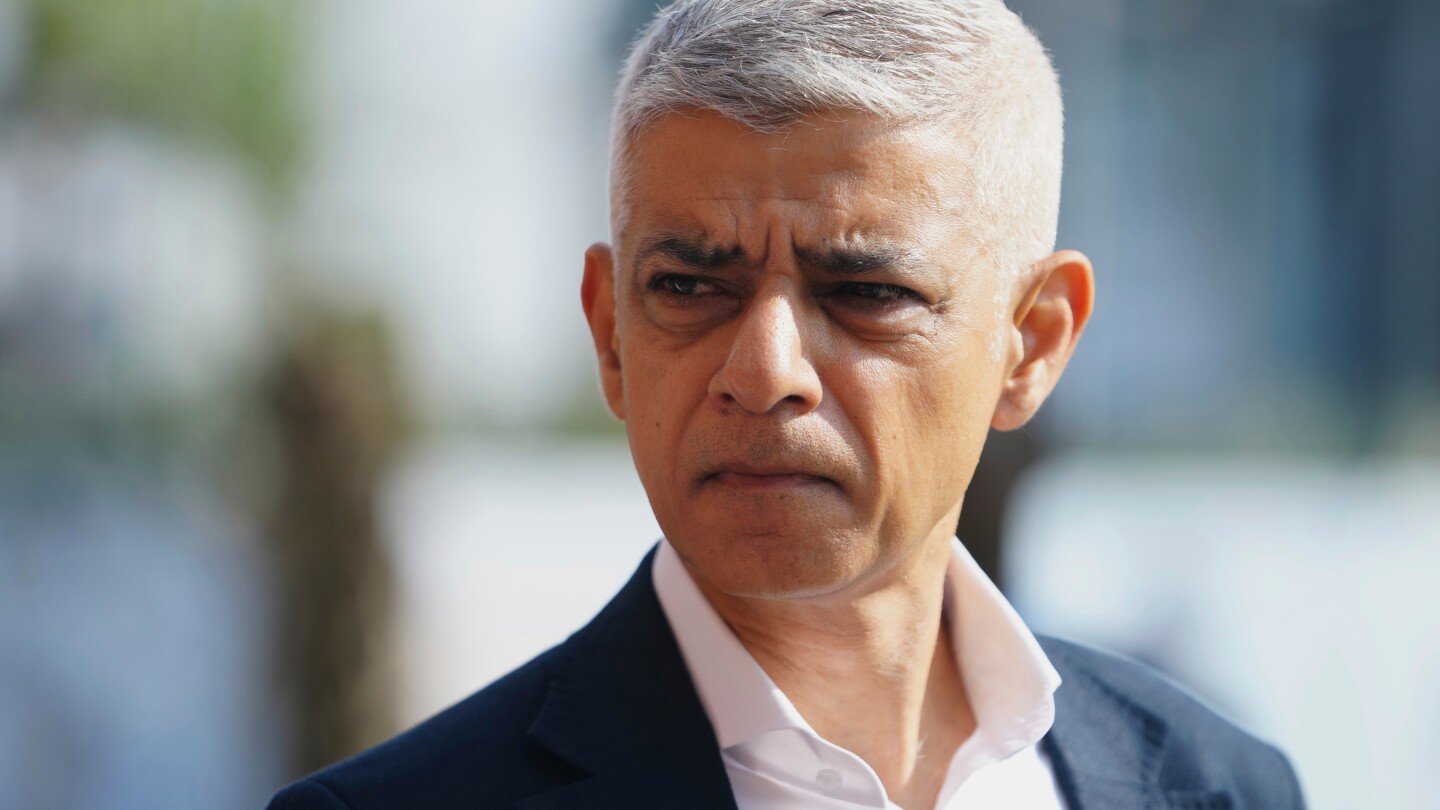
Mayors pledge coordinated climate action ahead of UN conference in Brazil
In a significant move ahead of the U.N. climate conference in Brazil, 300 mayors from around the world convened in Rio de Janeiro on Monday to pledge coordinated climate action. Organized by C40, a network of mayors from major cities, the summit emphasized the urgent need to address the escalating impacts of global warming, particularly rising temperatures that are severely affecting urban populations. Selwyn Hart, the U.N. special adviser and assistant secretary-general for climate change, highlighted the critical role of mayors in the climate crisis, stating that local leaders are essential as the world enters the second decade of implementing the 2015 Paris Agreement. The Paris Agreement aims to limit global temperature rise to 1.5 degrees Celsius above pre-industrial levels, requiring drastic reductions in greenhouse gas emissions. Ana Toni, Brazil’s climate change chief and CEO of COP30, stressed that achieving these goals depends heavily on the active involvement of mayors, who make crucial daily decisions impacting their communities. The summit also addressed the U.S. withdrawal from the Paris Agreement, with London Mayor Sadiq Khan criticizing the Trump administration for its climate policies, labeling the president as a ‘climate wrecker.’ Phoenix Mayor Kate Gallego announced ambitious climate actions from 50 U.S. cities, despite federal setbacks, including initiatives to combat extreme heat through tree planting, cool-surface technology, and heat-relief training. The event concluded with the launch of the Cool Cities Accelerator, a global coalition of 33 cities committed to implementing emergency measures to protect residents from extreme heat, supported by various foundations and organizations.
-

Sugarloaf selfies as William begins Brazil visit
Prince William, the Prince of Wales, embarked on a landmark five-day visit to Brazil, marking his first international trip to a COP summit. The visit began with a symbolic ceremony on Sugarloaf Mountain in Rio de Janeiro, where he was presented with the keys to the city by Mayor Eduardo Paes. The backdrop of the iconic Christ the Redeemer statue added grandeur to the occasion. Prince William, known for his environmental advocacy, traveled to the summit via cable car, surprising tourists who later shared selfies with the royal. His visit is centered on two key environmental initiatives: presenting the Earthshot Prize, an annual award he founded to combat climate change, and delivering a speech at COP30 in the Amazon rainforest. The Earthshot Prize, now in its fifth year, awards £1 million grants to innovative projects addressing global environmental challenges. This year’s shortlist includes groundbreaking initiatives such as an upcycled skyscraper in Sydney and a microplastic filtration system in Bristol. Prince William emphasized the optimism and courage of the nominees, calling them ‘heroes of our time.’ Beyond his formal duties, the prince immersed himself in Brazilian culture, visiting the Maracana Stadium, where he met football legend Cafu, who presented him with a signed Brazil jersey. Cafu, alongside other notable figures, will co-present the Earthshot Prize. The visit also comes amid ongoing royal family controversies, though sources confirm Prince William’s focus remains on his environmental mission. Mayor Paes humorously remarked that Rio now ‘belongs to Prince William’ for the next 72 hours, highlighting the warmth of his reception.
-
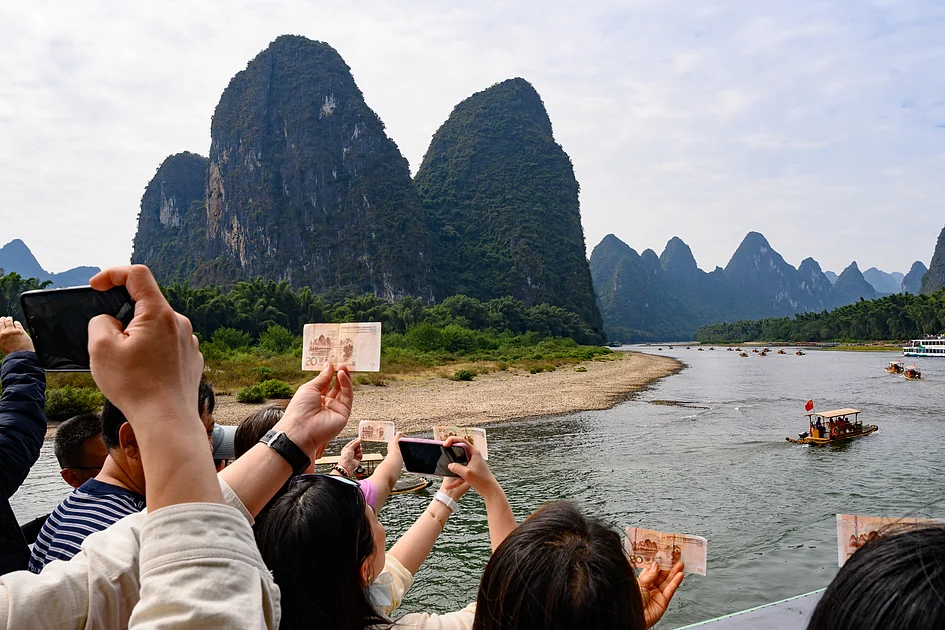
China extends visa-free policy to end-2026 to attract more foreign visitors
In a strategic move to rejuvenate its tourism sector and strengthen international ties, China has announced the extension of its visa-free entry policy until December 31, 2026. Effective November 10, the policy will now include Sweden, alongside existing eligible countries such as France, Spain, and Germany. Visitors from these nations can enter China for purposes including business, tourism, family visits, or transit for up to 30 days without requiring a visa. The policy, which was initially set to expire at the end of this year, has been expanded to cover citizens from most of Europe, Australia, New Zealand, Japan, South Korea, and several South American and Gulf nations. This initiative is part of Beijing’s broader efforts to attract foreign visitors, counter the economic impact of stringent COVID-19 measures, and enhance its engagement with key trading partners like the European Union. Spokesperson Mao Ning of the Chinese Foreign Ministry emphasized the policy’s role in fostering international cooperation and economic recovery, though specific details on additional countries benefiting from the extension remain undisclosed.