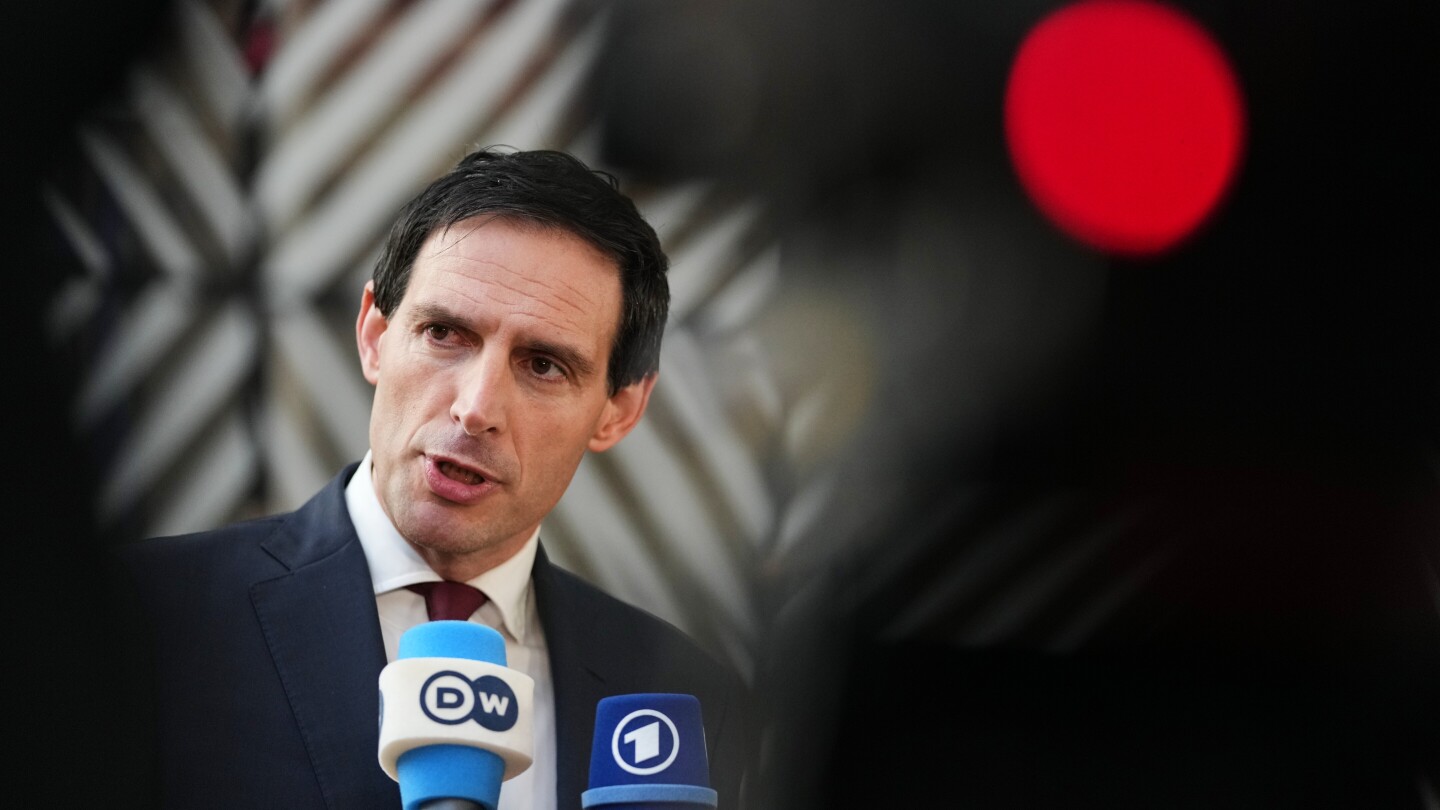
The European Union has finalized a landmark agreement to reduce carbon emissions by 90% by 2040, marking a significant step in its climate policy. However, the deal has sparked criticism for perceived weakening of earlier commitments, particularly due to provisions allowing member states to purchase international carbon credits and reassess climate targets based on economic performance. Hungary, Slovakia, and Poland opposed the agreement, with Poland securing a delay in implementing a carbon trading plan for transport and heating. Environmental groups, including Greenpeace, condemned the deal for enabling ‘carbon laundering’ by outsourcing emission reductions to less-developed countries. Despite these concerns, EU climate ministers hailed the agreement as a necessary compromise amid geopolitical and economic tensions. The European Parliament must now vote on the agreement before it becomes legally binding. EU leaders, including European Commission President Ursula von der Leyen, will present the deal at the upcoming COP30 climate conference in Brazil, aiming to position Europe as a global leader in climate action. The agreement reflects the EU’s balancing act between environmental goals, economic competitiveness, and energy independence, as Europe faces increasing climate-related challenges like wildfires, heatwaves, and floods.
分类: world
-
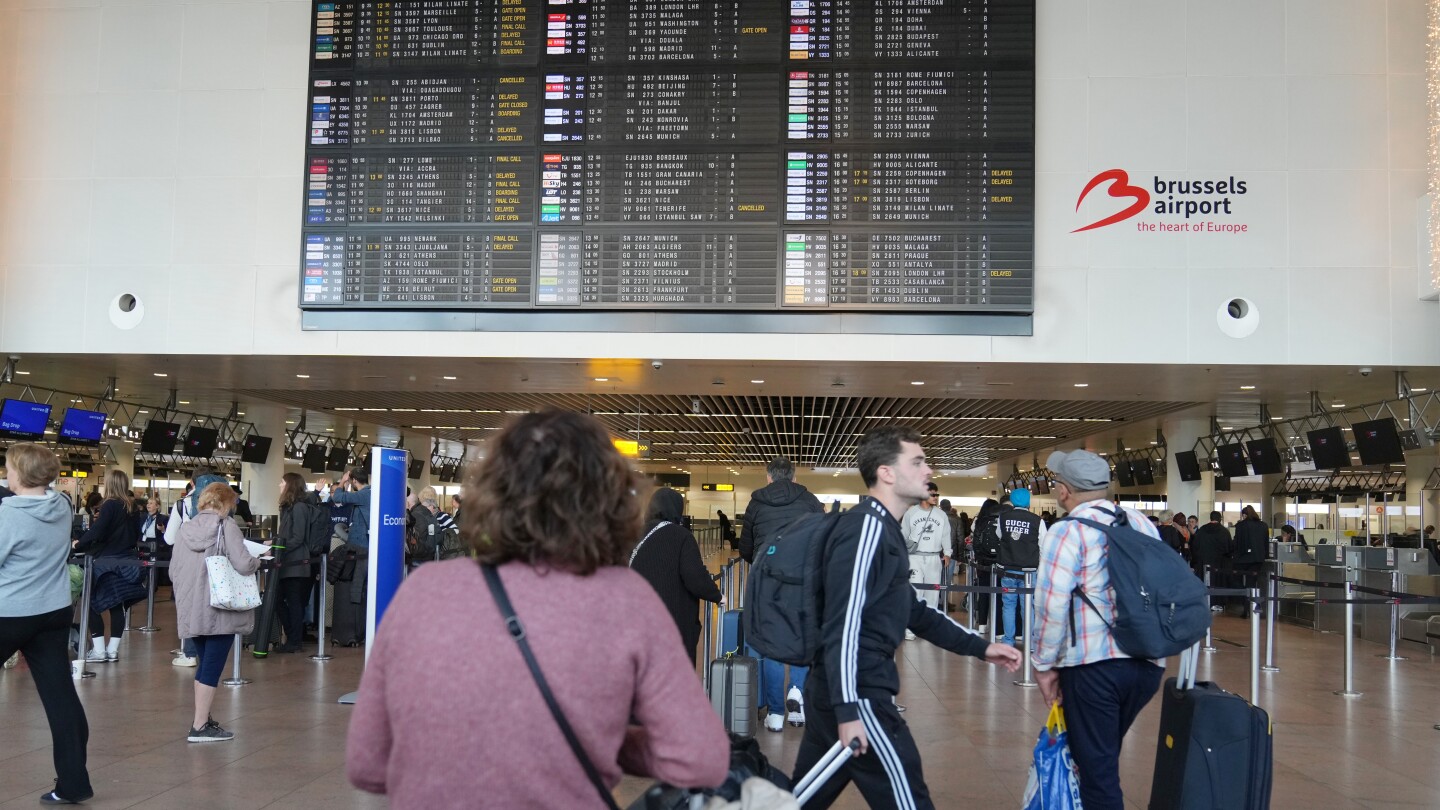
Drone sightings force fresh flight cancellations at Belgium’s main airport
Brussels Airport, Belgium’s primary international hub, faced significant disruptions on Wednesday as dozens of flights were canceled following drone sightings that forced a temporary closure. This unprecedented incident prompted Prime Minister Bart De Wever to call an urgent meeting with senior ministers to address escalating safety concerns. The shutdown, which occurred on Tuesday evening, led to the cancellation of 54 flights and the diversion of 24 others, leaving approximately 400-500 passengers stranded overnight. The airport provided beds, water, and snacks to accommodate affected travelers, emphasizing that passenger and staff safety remains its top priority. This event marks the first time Brussels Airport has been closed due to drone activity, coming just days after unidentified drones were spotted near a military base storing U.S. nuclear weapons. Interior Minister Bernard Quintin highlighted the gravity of the situation, stating that repeated drone incidents pose a direct threat to national security and require a coordinated response. Defense Minister Theo Francken suggested that the drone operations were sophisticated and likely part of a spying operation aimed at destabilization. This incident adds to a growing trend of drone-related disruptions across Europe, including a recent shutdown at Berlin’s Brandenburg Airport. Belgium, home to NATO and EU headquarters, faces heightened security challenges, particularly amid discussions about using frozen Russian assets to support Ukraine, a move that De Wever warned could provoke Russian retaliation.
-
Allies weigh options amid uncertainties
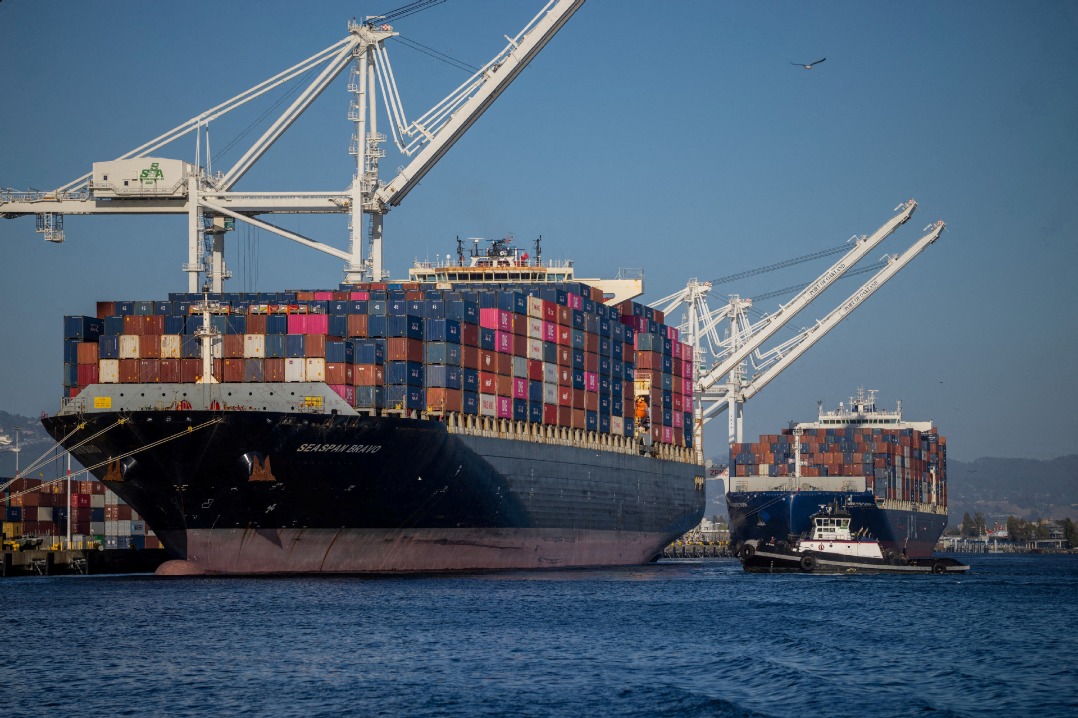
In the face of escalating unpredictability in US trade and foreign policies, key Commonwealth nations such as Canada and New Zealand are actively pursuing strategies to diversify their economic partnerships. Radhika Desai, a political studies professor at the University of Manitoba, highlighted Canada’s precarious position following decades of deepening reliance on the United States. Desai noted that Canadian elites have historically concentrated their economic focus on the US, a strategy she described as a ‘silent surrender.’ This dependence has proven increasingly costly, particularly under the Trump administration, which renegotiated the North American Free Trade Agreement to Canada’s disadvantage. With the potential of a second Trump term, Prime Minister Mark Carney’s perceived inability to challenge Washington has left many Canadians disenchanted. Desai identified two major obstacles to Canada’s shift away from the US: entrenched economic integration and a ruling class resistant to diversification, especially if it involves closer ties with China. Concurrently, Canadian public sentiment has grown increasingly critical of aligning too closely with the US. Desai attributed Washington’s volatility to deeper structural issues within the US, including decades of financialization and deindustrialization, which have made it politically untenable for any candidate to claim economic success. Trump’s focus on tariffs and blame towards trade, China, and immigrants, rather than addressing neoliberalism, has further exacerbated global uncertainties. Desai emphasized that this unpredictability has lasting consequences, with governments worldwide recognizing that the US is unlikely to become a stable economic partner, even under a future Democratic administration. While Canada remains closely tied to the US, Desai believes a gradual realignment towards a multipolar world is inevitable. In a recent move, Prime Minister Carney attended the ASEAN Summit in Kuala Lumpur, aiming to strengthen trade, technology, and energy partnerships with Southeast Asian nations, signaling Canada’s intent to diversify its economic relationships. Meanwhile, the European Union and Australia are advancing their long-awaited Free Trade Agreement, reflecting a shared commitment to an open, rules-based trading system. New Zealand has also been proactive in diversifying its trade partnerships, recently concluding agreements with the UK and the Gulf Cooperation Council, and engaging in negotiations with India. These efforts underscore a broader trend among global allies to enhance supply chain resilience and reduce vulnerability to market-specific shocks.
-
Violence intensifies in Sudan’s North Darfur: UN
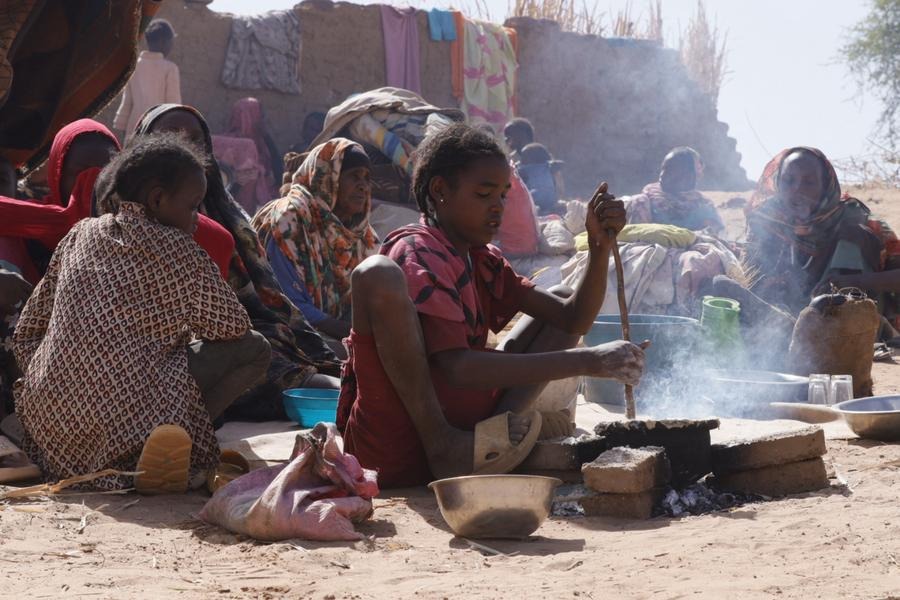
The humanitarian crisis in Sudan’s North Darfur region has deepened as violence escalates following the capture of the state capital, El Fasher, by the Rapid Support Forces. According to the United Nations Office for the Coordination of Humanitarian Affairs (OCHA), multiple air and drone strikes were reported in El Fasher, Tina, and Wana Mountain on Sunday, exacerbating the already dire situation. Local sources have cited civilian casualties, though OCHA has been unable to verify these reports due to restricted access and communication challenges in the affected areas. The World Health Organization (WHO) Director-General, Tedros Adhanom Ghebreyesus, condemned the recent attack on the Kernoi Pediatric and Maternity Hospital in North Darfur, which resulted in at least four deaths and three injuries. He emphasized the urgent need to halt attacks on healthcare facilities globally. Despite the perilous conditions, the UN and its partners are delivering critical aid, including therapeutic feeding and vitamin supplementation programs, while also ensuring safe deliveries and emergency care for pregnant women through mobile clinics. Meanwhile, the security situation in Sudan’s Kordofan region has also deteriorated, with at least 40 civilians killed and dozens injured in an attack on a funeral gathering in El Obeid, the capital of North Kordofan state. OCHA has reiterated its call for an immediate cessation of hostilities and for all parties to protect civilians and adhere to international humanitarian law.
-
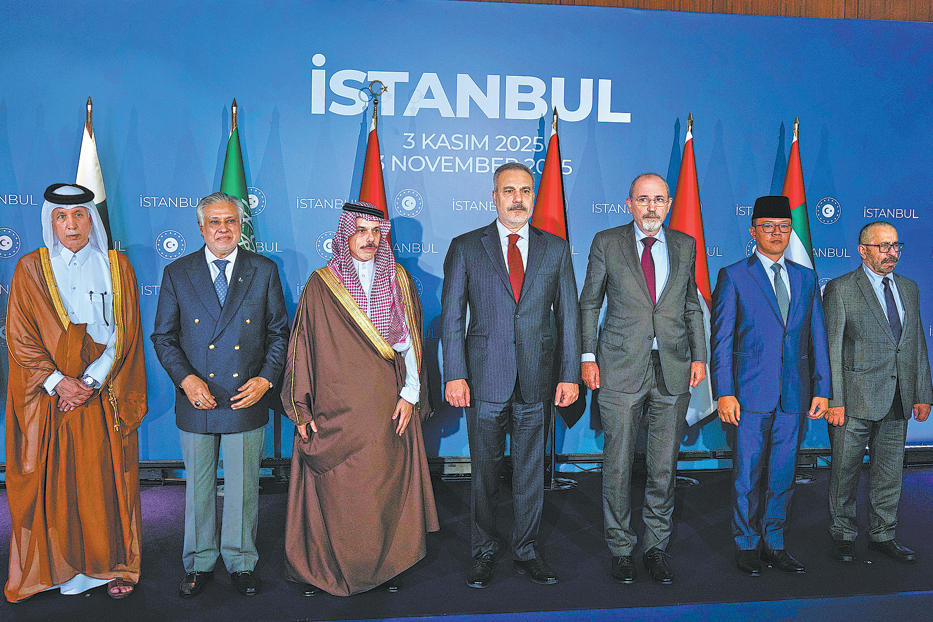
Istanbul gathering discusses Gaza peace force
Foreign ministers from seven Arab and Muslim-majority nations convened in Istanbul on Monday to deliberate on the establishment of an international peace force as part of a Gaza ceasefire agreement. Hosted by Turkish Foreign Minister Hakan Fidan, the meeting included representatives from the United Arab Emirates, Indonesia, Qatar, Pakistan, Saudi Arabia, and Jordan. The ministers unanimously affirmed their support for Palestinian self-governance, emphasizing that ‘Palestine should be governed and secured by Palestinians.’ Fidan criticized Israel for repeated truce violations and the blockade of humanitarian aid, stressing the collective desire to prevent a resurgence of violence in Gaza and to advance the two-state solution. Despite a U.S.-brokered ceasefire in effect since October 10, reports indicate that Israeli airstrikes have continued, resulting in civilian casualties. Jordanian Foreign Minister Ayman Safadi, speaking at the Manama Dialogue in Bahrain, advocated for a UN-mandated stabilization force, though Jordan ruled out deploying its own troops. Meanwhile, the U.S. circulated a draft UN Security Council resolution proposing an international force in Gaza for at least two years, with potential extensions. Qatari Emir Sheikh Tamim bin Hamad Al Thani urged intensified global efforts to aid Palestinian reconstruction. Analysts view the Istanbul meeting as a continuation of diplomatic efforts initiated during the UN General Assembly, with a focus on creating a temporary international task force to stabilize Gaza while ensuring Palestinian autonomy.
-

Pope Leo calls for ‘deep reflection’ about treatment of detained migrants in the United States
In a press conference held outside the papal retreat at Castel Gandolfo, Pope Leo XIV addressed pressing global issues, emphasizing the need for “deep reflection” on the treatment of migrants detained in the United States. The Chicago-born pontiff highlighted the plight of individuals who have lived peacefully for years but are now profoundly affected by current policies. He stressed that spiritual rights of detainees must be upheld, urging authorities to grant pastoral workers access to these individuals, many of whom have been separated from their families. Leo referenced scripture, posing the critical question: “How did you receive the foreigner?” as a call to action for compassionate treatment of migrants. On the topic of U.S. military strikes against suspected drug traffickers off Venezuela’s coast, the Pope expressed concern over escalating tensions, advocating for dialogue over conflict. Regarding the fragile ceasefire in the Middle East, Leo acknowledged the complexity of the situation, particularly in addressing Israeli settler attacks on Palestinians in the West Bank. He emphasized the need for justice and collaboration to ensure the rights of all peoples. The Pope’s upcoming engagements include a meeting with Palestinian President Mahmoud Abbas and his first papal visit to Turkey and Lebanon later this month.
-

Prosecutors in Asia seize yachts, luxury cars and cash from man accused of running cyberscams
In a coordinated international effort, prosecutors in Taiwan, Hong Kong, and Singapore have seized hundreds of millions of dollars in assets linked to Chen Zhi, a Cambodian businessman accused by the U.S. of leading a global cyber-scam syndicate. The crackdown follows an October 14 indictment by U.S. authorities, which charged Chen with wire fraud conspiracy and money laundering conspiracy, alongside the seizure of $14 billion in cryptocurrency. Chen, founder of Cambodia’s Prince Holding Group, allegedly orchestrated a vast network of scams spanning multiple countries, including the U.S., the U.K., and Palau. The U.S. and U.K. governments have jointly sanctioned Chen and his collaborators, while investigations into his operations continue to expand. Singaporean authorities seized over $114 million in financial assets, a yacht, and luxury liquor on October 30. Taiwanese prosecutors confiscated $150 million in assets, including 26 luxury cars and 11 upscale apartments in Taipei, while Hong Kong police announced the seizure of $353 million in cash, stocks, and other funds. U.K. authorities also targeted Chen’s assets, seizing a $15.6 million mansion and a $130 million office building. Chen, a Chinese national with Cambodian citizenship, has close ties to Cambodia’s political elite, having served as an adviser to Prime Minister Hun Manet and former Prime Minister Hun Sen. Despite his prominent status, prosecutors allege that the bulk of his wealth stems from fraudulent activities, including the notorious ‘pig butchering’ scam, which reportedly generated $30 million daily. The Prince Holding Group has yet to respond to requests for comment.
-

‘My skin was peeling’ – the African women tricked into making Russian drones
Adau, a 23-year-old from South Sudan, thought she was embarking on a life-changing opportunity when she signed up for the Alabuga Start programme in Russia. Promised professional training in logistics, catering, and hospitality, she was instead thrust into the harsh reality of working in a drone factory in the Alabuga Special Economic Zone in Tatarstan. Adau’s story is not unique; the programme, which targets young women from Africa, Latin America, and Southeast Asia, has been accused of deceptive recruitment practices and exploiting workers in dangerous conditions.
-
As world leaders enter climate talks, people in poverty have the most at stake
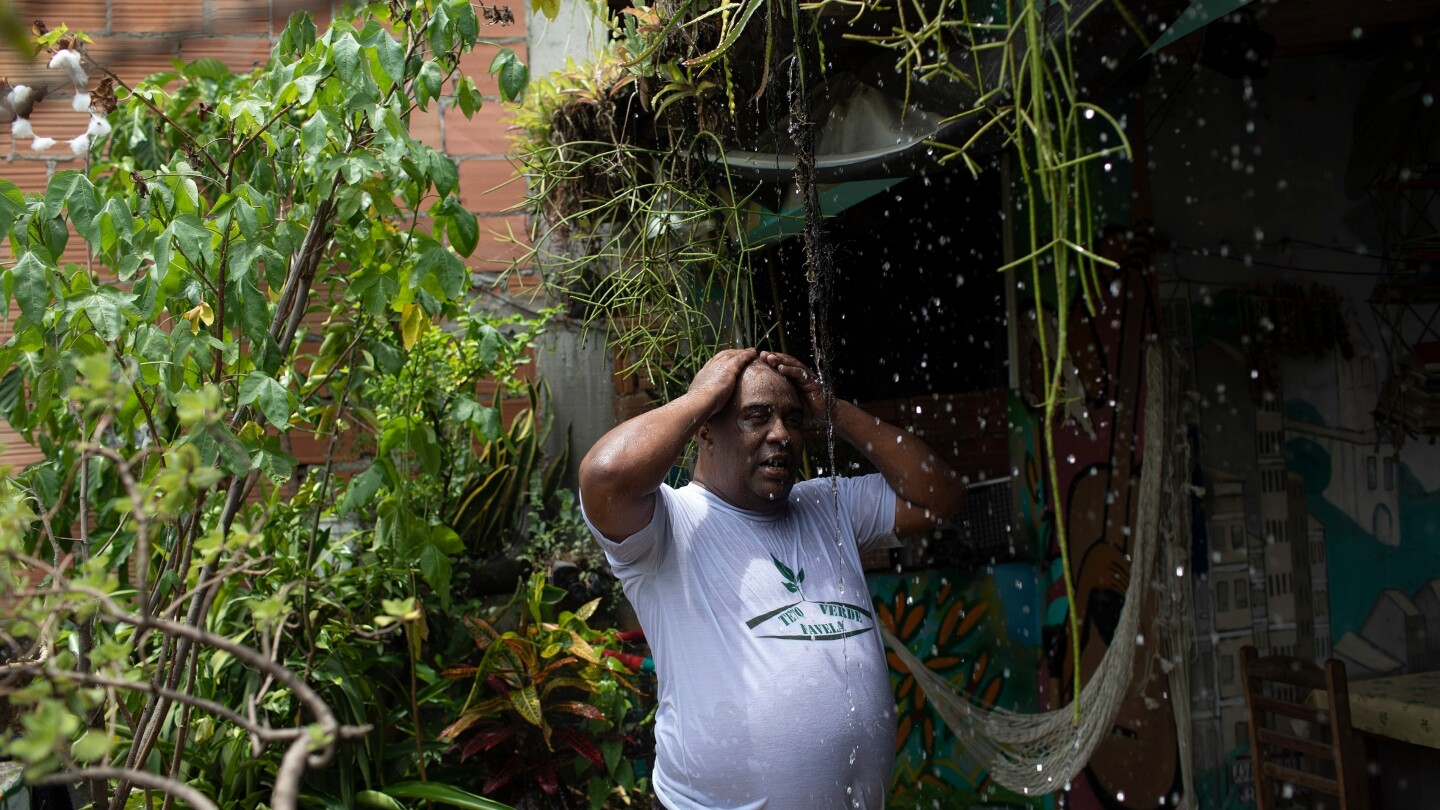
In the Arara neighborhood of northern Rio de Janeiro, summer heatwaves are becoming increasingly severe, leaving residents like Luis Cassiano, a 30-year resident, deeply concerned. Despite having air conditioning, Cassiano often cannot rely on it due to frequent power outages caused by an overloaded system. His green roof, installed a decade ago, provides some relief, keeping his home up to 15 degrees Celsius cooler than his neighbors’. However, the relentless heat remains a significant challenge. ‘The sun in the summer nowadays is scary,’ Cassiano remarked. As world leaders gather in Brazil for climate talks, the plight of communities like Arara underscores the urgent need for action. Poorer areas are more vulnerable to extreme weather and less equipped to cope with its impacts. Effective climate solutions require not only pledges to reduce emissions but also the political will and financial resources to implement them. The United Nations estimates that 1.1 billion people worldwide live in acute poverty, making climate adaptation a critical issue. The choice of Belem, a relatively poor city, to host these talks has been praised for highlighting the intersection of climate change and poverty. Inger Andersen, executive director of the U.N. Environment Programme, noted that Belem represents the reality for the majority of the global population affected by climate change. Even in wealthy countries, the poor face significant climate risks. A U.N. Development Programme report found that 82% of people living in poverty in highly developed countries are exposed to climate hazards such as extreme heat, drought, floods, and air pollution. Carter Brandon, a senior fellow at the World Resources Institute, emphasized that poverty exacerbates vulnerability to climate change, as those affected often lack the resources to relocate or rebuild after disasters. Agriculture is particularly at risk, with crop yields expected to decline significantly in poorer countries. Heriberto Tapia of the UNDP highlighted Africa as a major concern, with over 500 million people in poverty relying on agriculture for their livelihoods. Ismahane Elouafi of CGIAR noted that while technology could help, many farmers cannot afford it. Despite the urgency, some experts are skeptical that COP30 will deliver the necessary funding. Brazilian officials hope that hosting the talks in Belem will remind negotiators of the daily struggles faced by millions due to climate change. However, Kimberly Marion Suiseeya of Duke University expressed doubts about the likelihood of rapid action emerging from the conference. Pedro Conceição of the UNDP stressed that poverty reduction and climate action are interconnected, rejecting the notion that they are separate issues. Bill Gates has called for a shift in focus from emissions reduction to alleviating human suffering, particularly in poor countries. Conceição argued that climate change is not a distant problem but a present reality that must be addressed alongside poverty.
-
What we know about deadly Kentucky cargo plane crash
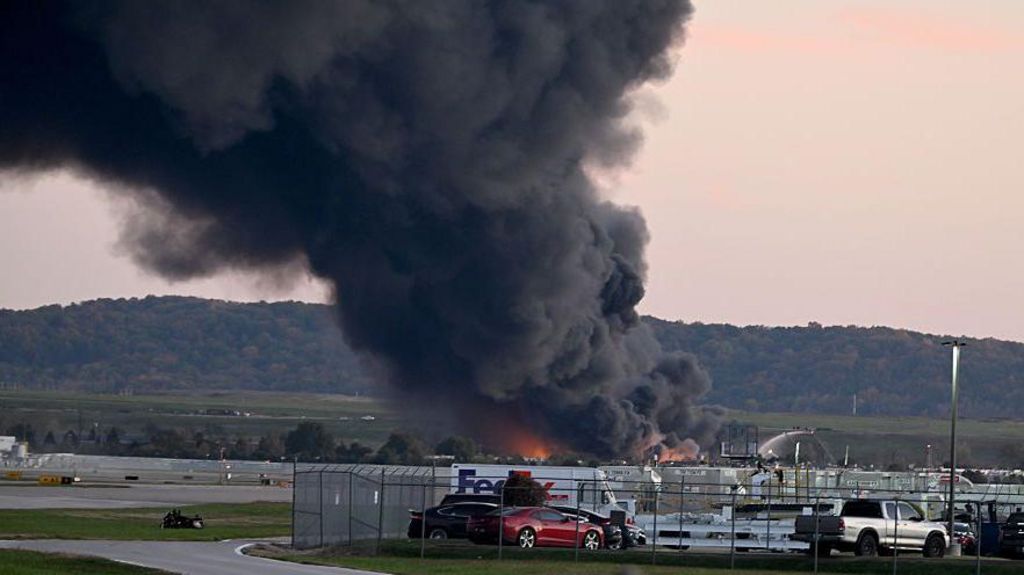
A catastrophic cargo plane crash at Louisville International Airport on Tuesday evening has resulted in at least seven fatalities, with fears that the death toll may rise. The UPS-operated flight 2976, an MD-11F aircraft, veered off the runway during takeoff at approximately 17:15 local time, igniting a massive fire that engulfed nearby buildings. The incident has triggered a large-scale emergency response to contain the blaze and mitigate further risks. Kentucky Governor Andy Beshear confirmed that two businesses, Kentucky Petroleum Recycling and Grade A Auto Parts, were directly impacted by the crash. Unverified footage shows the plane already ablaze as it skidded off the runway. The fire spread rapidly, prompting authorities to issue shelter-in-place orders for residents within a one-mile radius due to concerns over air pollution and potential explosions. All airport operations have been suspended indefinitely. Officials have reported eleven injuries so far, with the number expected to increase. The cause of the crash remains under investigation, though the substantial fuel load on the aircraft, which was en route to Hawaii, likely exacerbated the fire. Louisville Fire Department Chief Brian O’Neal described the scene as “very dangerous” due to the spilled fuel. Searches are ongoing to locate two missing workers from the auto parts business, and it remains unclear how many customers were present at the time of the crash. The MD-11F, a triple-engine cargo plane, has been in service for 34 years. Authorities have assured the public that the aircraft was not carrying hazardous materials.