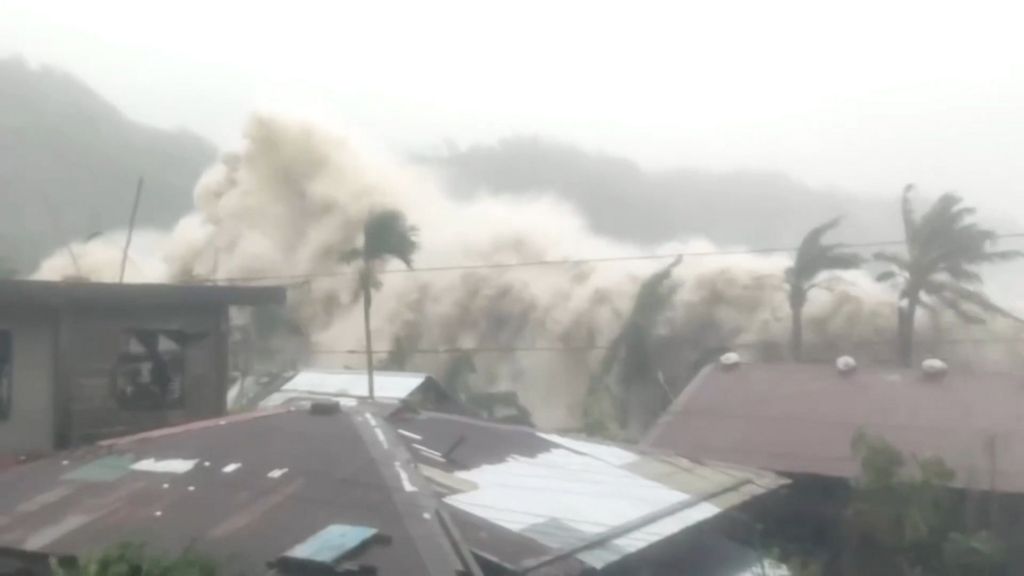
On 9 November, Typhoon Fung-wong unleashed its fury on the Philippines, with powerful waves crashing into the coastline and inundating residential areas. Dramatic footage captured the moment when towering swells surged over houses and palm trees, showcasing the sheer force of the storm. The typhoon, known for its intense winds and heavy rainfall, has caused significant damage to infrastructure and displaced numerous families. Local authorities have issued warnings and are coordinating emergency response efforts to assist affected communities. The event highlights the vulnerability of coastal regions to extreme weather conditions, emphasizing the urgent need for robust disaster preparedness and climate resilience strategies.
分类: world
-

Three years after liberation, Ukraine’s Kherson faces another kind of siege
KHERSON, Ukraine — Once a bustling southern Ukrainian port city, Kherson now lies eerily quiet, its streets largely deserted three years after its liberation from a nine-month Russian occupation. The joy that erupted on November 11, 2022, when residents waved blue-and-yellow flags and embraced their liberators, has faded into a tense stillness. Daily life now unfolds behind walls or underground, as Russian forces continue to strike from across the Dnipro River, and drones patrol the skies above a city scarred by broken windows and empty courtyards. Despite the constant threat, those who remain insist that life, even in a shuttered city, is preferable to living under Russian rule. A recent visit by Angelina Jolie provided a brief morale boost, highlighting the daily survival challenges faced by residents. Once home to nearly 280,000 people, Kherson has become a forgotten front line, where explosions echo daily beneath billboards proclaiming the city’s strength, freedom, and resilience. Amidst the ruins, 55-year-old florist Olha Komanytska tends to her small kiosk, a surreal burst of color in a bomb-scarred center. Her red and white roses spill from tall buckets, a poignant reminder of the city’s former vibrancy. For nearly 30 years, Komanytska and her husband grew flowers in Kherson’s countryside, but their greenhouses were destroyed in the war. Her husband died of a heart condition, which she believes was exacerbated by the stress of the conflict. She now wears a black headscarf in mourning, her eyes filling with tears as she speaks of him. The city’s new rules of survival are harsh: Komanytska can identify every weapon by its sound and has learned to close her kiosk early, walking home pressed against walls to avoid drones. The only time her somber face softens into a smile is when she recalls the city’s liberation. “That day was amazing,” she says, repeating the word as if to make it real again. Kherson’s residents have adapted to their new reality with ingenuity and resilience. Municipal workers stretch protective mesh over streets, repurposed from construction sites to shield civilians from drones. Hospitals are wrapped entirely in netting, with only narrow passages left for staff and patients. Post offices still operate, their entrances blocked by concrete slabs meant to absorb blasts. At bus stops, small cement bunkers stand ready, reminders that shelling can come at any moment. Above the nets, an invisible shield protects Kherson: electronic warfare systems that detect, jam, or disable enemy drones. Max, 28, who serves in the 310th Separate Marine Electronic Warfare Battalion, works tirelessly to intercept up to 250 FPV drones heading toward Kherson in just half a day. His unit intercepts more than 90% of these threats, a testament to the critical role of electronic warfare in the city’s defense. “When you see a strike hit a soldier or a civilian, it hurts you — it weighs on your soul,” Max says. “I think they simply want to destroy us as a nation — not just the military, but everyone — so that we cease to exist.” To preserve a sense of normalcy, some activities, especially for children, have moved underground. Former apartment basements are now cozy rooms where children gather to play chess and checkers, laugh, and make friends. Chess coach Oksana Khoroshavyna notes that the club has become a vital social outlet for children who study online and rarely leave their homes. In another basement, 16-year-old Artem Tsilynko practices boxing with his peers, finding unity and purpose amidst the limitations of life in Kherson. “For me, this place is about unity,” he says. “Even though life in Kherson is so limited — social life, sports life — we still have a chance to train.” Artem has spent nearly a quarter of his life in war, and while fear for his own life has dulled with time, it still returns at night during heavy shelling. “When you’re sitting in the basement, your heart races,” he says. “After that, it’s hard to fall asleep.”
-
As US skips climate talks in Brazil, leaders plead for other nations to unite
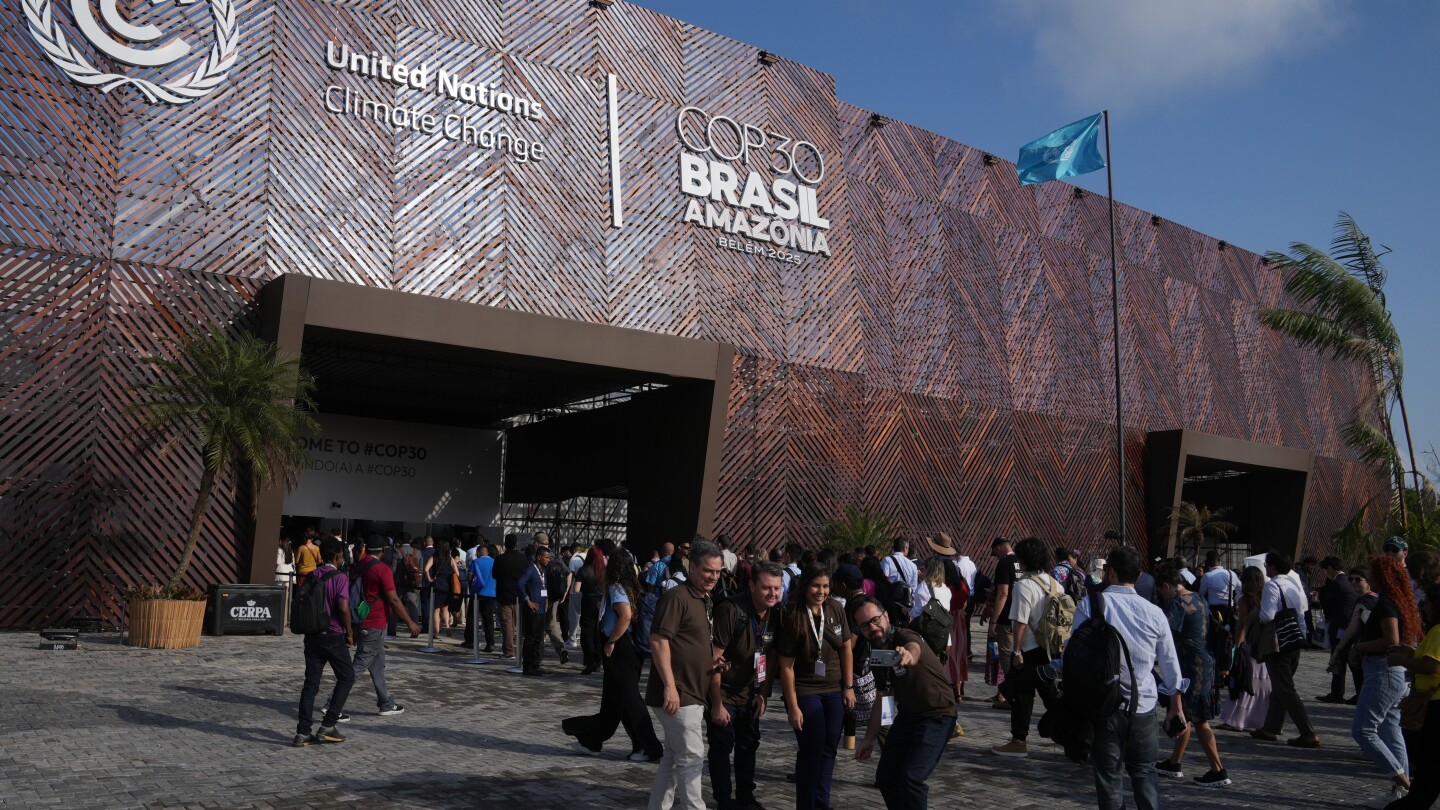
The United Nations climate negotiations, COP30, commenced on Monday in Belem, Brazil, on the fringes of the Amazon rainforest. The conference, hosted by Brazilian President Luiz Inácio Lula da Silva, emphasized the urgent need to accelerate global efforts to combat climate change by significantly reducing carbon emissions. However, the absence of high-level U.S. negotiators cast a shadow over the proceedings, as the Trump administration continues to distance itself from international climate agreements. Lula chose Belem as the host city to highlight the devastating impact of global warming on the Amazon and vulnerable communities, stating, ‘The increase in global temperature is spreading pain and devastation, especially among the most vulnerable populations.’ This year’s talks, dubbed the ‘implementation COP,’ focus on ensuring countries fulfill their commitments under the Paris Agreement. Attendees stressed the importance of global cooperation, with U.N. climate secretary Simon Stiell urging negotiators to ‘fight this climate crisis together.’ Despite the U.S. withdrawal, former U.S. climate envoy Todd Stern noted that American cities, states, and businesses are stepping up to fill the void. The conference also addressed the increasing frequency of extreme weather events, with Lula declaring, ‘Climate change is not a threat of the future. It is already a tragedy of the present time.’
-
Typhoon moves away from Philippines after killing two
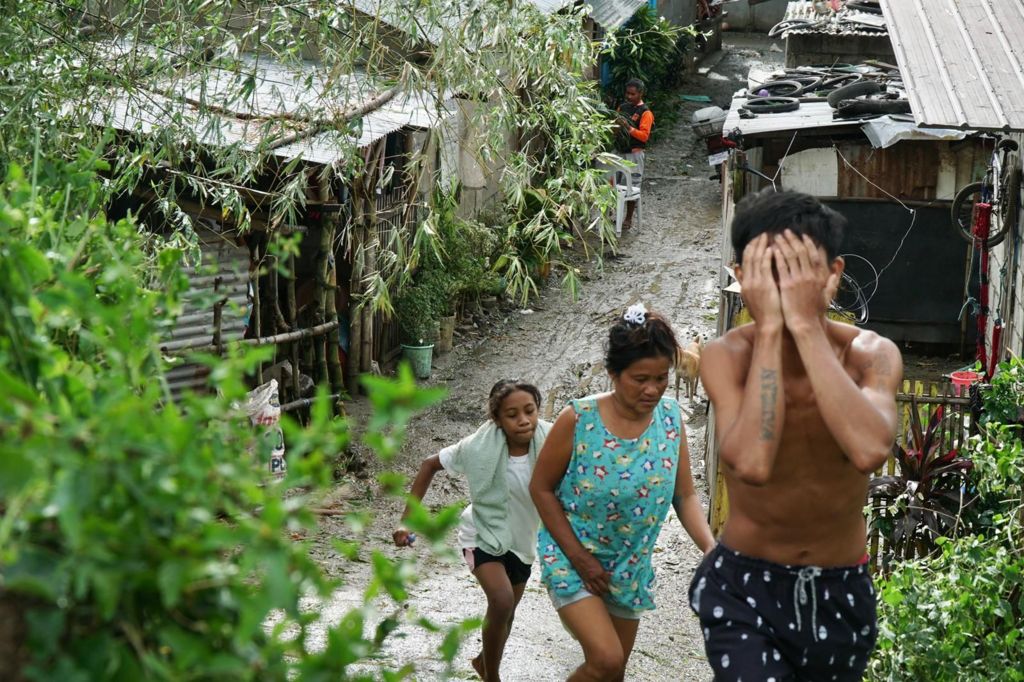
The Philippines has narrowly avoided a catastrophic disaster as Typhoon Fung-wong, once a super typhoon, weakened significantly after making landfall. The storm, which initially carried winds of 185 km/h (115 mph) and gusts of 230 km/h (143 mph), struck Aurora province in Luzon, the country’s most populous island, on Sunday evening. Despite the ferocity of the storm, the damage was less severe than anticipated, thanks to extensive preemptive measures. Approximately 1.4 million people were evacuated before the typhoon hit, and hundreds of flights were canceled. Buildings were secured, and residents in vulnerable areas were urged to move to higher ground. The Philippine government had declared a state of calamity nationwide, granting agencies enhanced powers to access emergency funds and expedite the delivery of essential goods and services. The storm’s impact was felt most acutely in low-lying and coastal areas, where flooding has isolated several communities. Power outages have affected much of Luzon, and roads and bridges have been rendered impassable by high water levels. The civil defense office reported two fatalities: one person drowned, and another woman was found dead under debris in Catbalogan City. Two others sustained injuries. The Philippines, located in a region prone to tropical cyclones, is no stranger to such natural disasters. About 20 tropical cyclones form in the area annually, with half directly affecting the country. While climate change is not believed to increase the number of cyclones, it is thought to intensify their severity, potentially leading to higher wind speeds, heavier rainfall, and increased coastal flooding. The recent back-to-back impacts of Typhoons Kalmaegi and Fung-wong have underscored the country’s vulnerability to such extreme weather events. Kalmaegi, one of the strongest typhoons this year, left at least 204 people dead in the Philippines and more than 100 missing. The storm also claimed five lives in Vietnam, where it caused widespread destruction. Despite the challenges, the Philippines’ proactive response to Typhoon Fung-wong has been credited with minimizing casualties and damage, offering a glimmer of hope in the face of increasingly unpredictable weather patterns.
-

BBC chief Tim Davie quits amid Trump speech editing scandal
In a significant shake-up at the British Broadcasting Corporation (BBC), Director General Tim Davie and Head of News Deborah Turness have stepped down following a scandal involving the editing of a documentary about former US President Donald Trump. The resignations, announced on Sunday, November 9, 2025, come in the wake of allegations that the BBC’s flagship program, Panorama, manipulated a speech by Trump in a misleading manner. The broadcaster confirmed the departures, which have sparked widespread debate about journalistic integrity and editorial standards. The controversy centers on claims that the documentary misrepresented Trump’s statements, raising concerns about bias and the ethical responsibilities of public service media. Davie, who has led the BBC since 2020, expressed regret over the incident, stating that the organization must uphold the highest standards of accuracy and fairness. Turness, a veteran journalist, also acknowledged the need for accountability in her resignation statement. The resignations mark a pivotal moment for the BBC, which faces mounting scrutiny over its editorial practices and its role in shaping public discourse. The incident has also reignited discussions about the challenges of reporting on polarizing political figures in an era of heightened media skepticism.
-
Typhoon Fung-wong blows away from the Philippines, leaving 2 dead and 1.4 million displaced
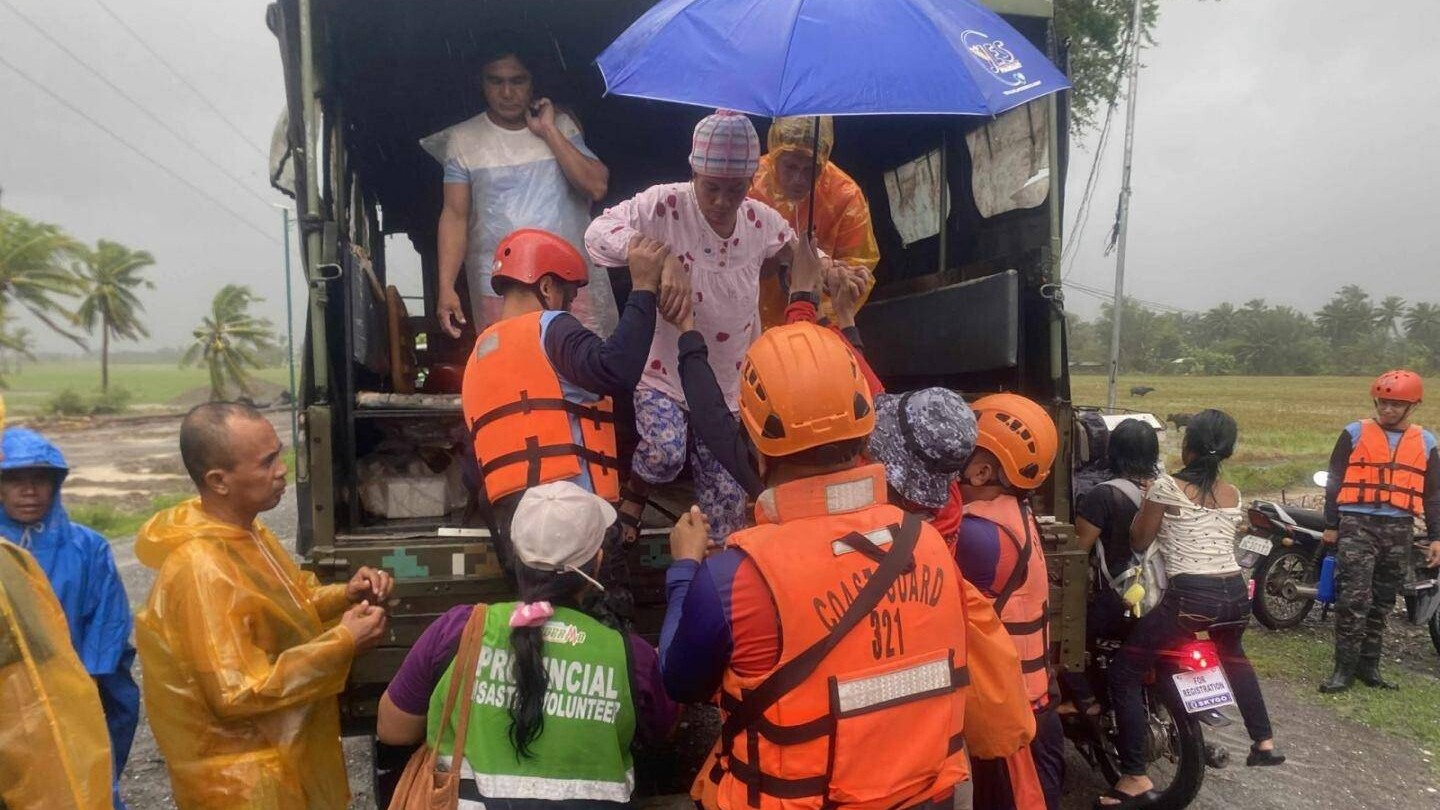
Typhoon Fung-wong, a powerful super typhoon, wreaked havoc across the northern Philippines, causing widespread flooding, landslides, and power outages before moving toward Taiwan on Monday. The storm, with sustained winds of up to 185 kph (115 mph) and gusts reaching 230 kph (143 mph), made landfall in Aurora province on Sunday night. It weakened as it traversed mountainous regions and agricultural plains, eventually exiting into the South China Sea. The disaster claimed at least two lives—one due to flash floods in Catanduanes and another from a collapsed house in Catbalogan city—and displaced over 1.4 million people, with 318,000 still in evacuation centers. The typhoon compounded the devastation left by Typhoon Kalmaegi, which had earlier killed 224 people in central provinces and impacted Vietnam. Philippine President Ferdinand Marcos Jr. declared a state of emergency, while authorities closed schools, government offices, and canceled hundreds of flights and maritime operations. The Philippines, one of the world’s most disaster-prone nations, faces frequent typhoons, earthquakes, and volcanic activity, highlighting the urgent need for robust disaster preparedness and response.
-
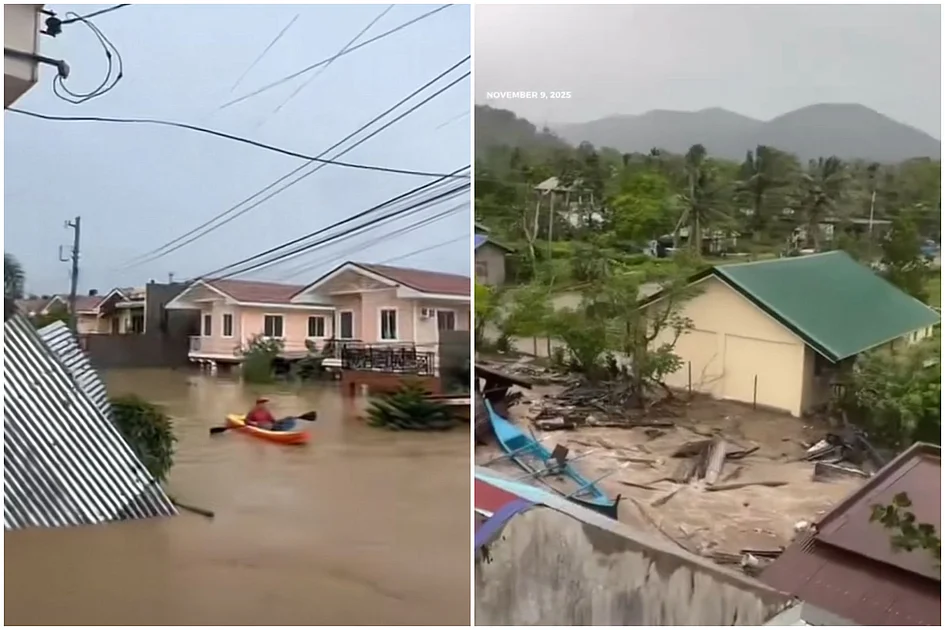
Homes underwater, no power: Filipinos share harrowing videos as back-to-back typhoons hit
The Philippines is facing unprecedented devastation as two powerful typhoons, Kalmaegi and Super Typhoon Fung-wong, have wreaked havoc across the archipelago. Residents have turned to social media to share harrowing videos of their experiences, showcasing the scale of destruction and the resilience of affected communities. Entire neighborhoods are submerged, with only rooftops visible above the floodwaters, as families grapple with fear and uncertainty. In Dinapigue, Isabela, Super Typhoon Fung-wong intensified on November 9, with landfall expected in Aurora province later that evening. Videos posted by residents, such as Princess Joeuana Ramos, depict massive waves crashing through fences and floodwaters carrying debris into homes, accompanied by the panicked cries of those caught in the storm. The situation is compounded by the aftermath of Typhoon Kalmaegi, which struck the Central Visayas region days earlier, claiming at least 188 lives and leaving hundreds missing. In Cebu, residents still reeling from Kalmaegi’s impact shared their struggles online. A viral TikTok post by a woman named Chine showed her family stranded on their rooftop, waiting in vain for rescue. Her caption highlighted public frustration over alleged corruption and inadequate flood-control projects. Another video by @bernheizelflores, viewed over 3.7 million times, showed cars swallowed by muddy torrents, with the caption criticizing the lack of infrastructure planning. Amid the chaos, acts of bravery have emerged as symbols of hope. In one viral clip, residents rescued eight people trapped in a car amid raging floodwaters, embodying the Filipino spirit of bayanihan—communal unity in times of crisis. As the nation begins to assess the damage, the focus shifts to recovery and addressing systemic issues that exacerbated the disaster.
-
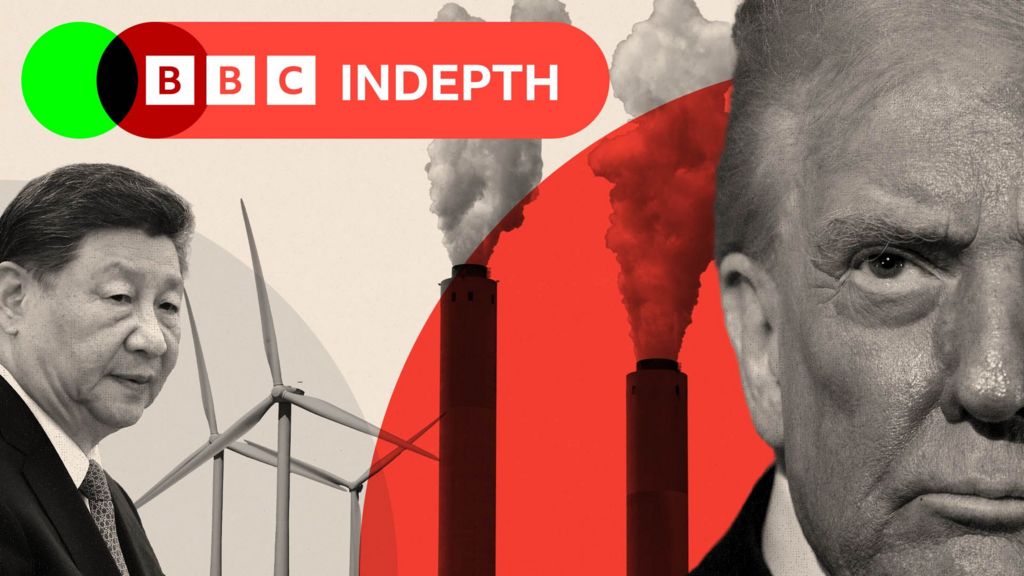
COP30: Trump and many leaders are skipping it, so does the summit still have a point?
A decade ago, the COP21 summit in Paris symbolized a united global front against climate change, with leaders like David Cameron, Xi Jinping, and Barack Obama standing shoulder to shoulder. Fast forward to COP30 in Brazil, and the scene is starkly different. Key figures such as Xi Jinping, Narendra Modi, and US President Donald Trump were notably absent, reflecting a broader disengagement from multilateral climate efforts. Trump’s administration has withdrawn from the Paris Agreement, rolled back clean energy initiatives, and prioritized fossil fuel dominance, positioning the US as a global energy superpower. This shift has created a rift with China, which is aggressively advancing its clean energy agenda, now accounting for 40% of its economic growth. The EU, caught in the middle, faces the dilemma of balancing economic security with climate goals. As global emissions continue to rise, the efficacy of annual COP summits is being questioned, with calls for more focused, smaller-scale discussions. Despite these challenges, COP30 aims to secure funding for rainforest preservation, underscoring the ongoing importance of international climate cooperation.
-
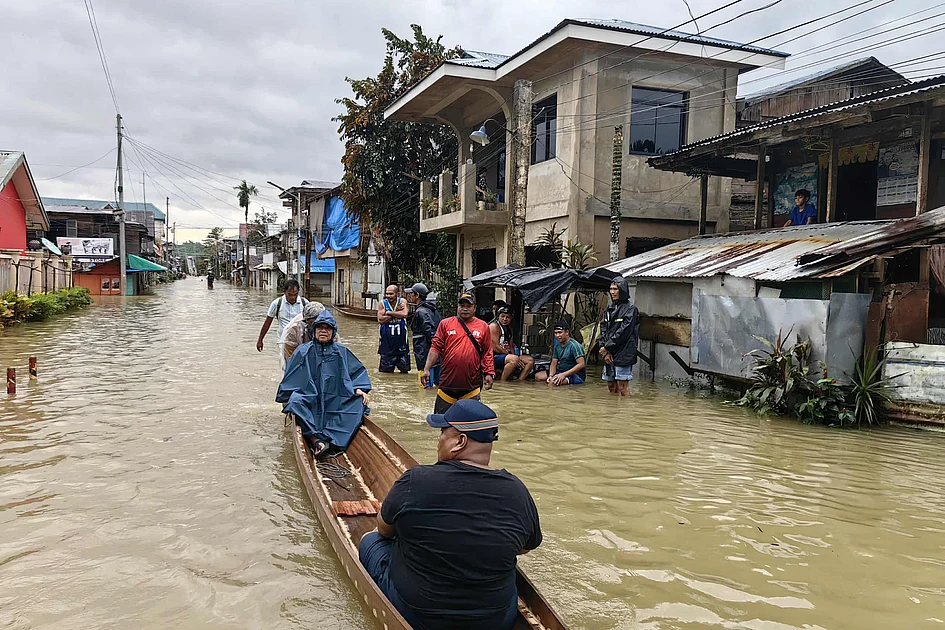
Lives at risk: UAE Filipinos watch in fear as typhoon Fung-wong batters the Philippines
Filipino expatriates in the UAE are gripped with anxiety as Super Typhoon Fung-wong, locally known as Uwan, wreaks havoc across the Philippines. The storm, which intensified rapidly, has already claimed at least two lives and left vast areas of the Bicol region without power. Authorities are racing to evacuate over a million residents from vulnerable areas as the typhoon is expected to make landfall in Aurora province on November 9, 2025. The storm’s ferocity has raised fears of widespread destruction, particularly in regions still recovering from the devastation caused by Typhoon Kalmaegi just days earlier, which killed 188 people and left hundreds missing. For Filipinos abroad, the situation is deeply personal. Fatima S., a 47-year-old nanny in Sharjah, expressed her fears for her family in Isabela province, where light-material homes are highly susceptible to flooding. ‘Every time I hear about the rising waters, I panic. I can’t be there to help. I can only pray and hope they make it through this storm,’ she said. Meanwhile, J.P., a 26-year-old administrative staff member in Dubai, is stranded in Cebu, where power outages have left her reliant on a nearly drained power bank to stay connected with her family. A.T., a 50-year-old writer based in Dubai, is in Metro Manila but remains worried about his family in the Bicol region, where the typhoon continues to unleash its fury. The storm has also disrupted air travel, with AirAsia Philippines and AirAsia Malaysia cancelling over 400 flights to and from Manila on November 9 and 10. Passengers have been advised to monitor flight status updates and rebook their travel within 30 days at no additional cost.
-
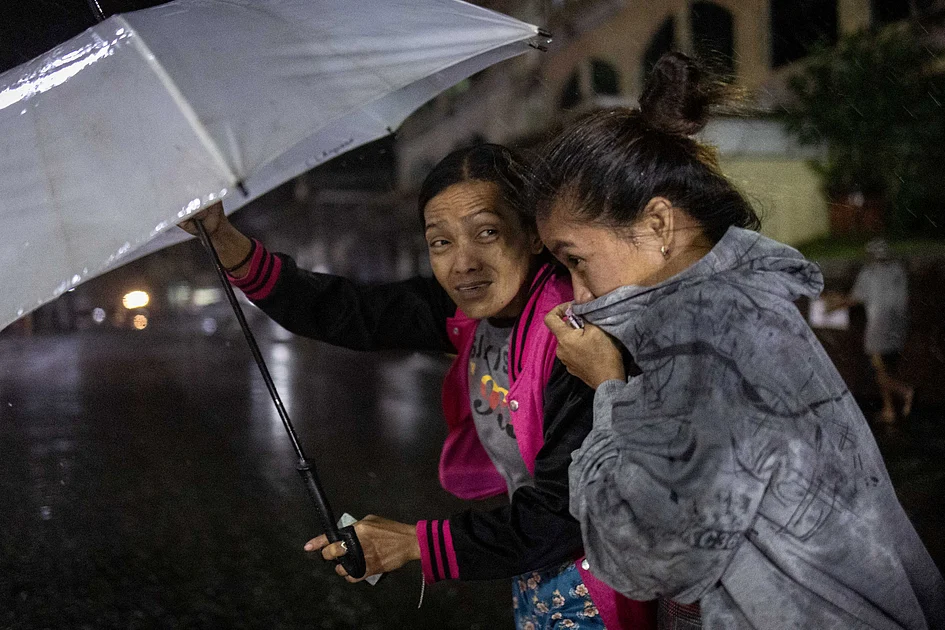
At least 2 killed as Super Typhoon Fung-wong nears landfall in Philippines
Super Typhoon Fung-wong has unleashed devastation across the Philippines, claiming at least two lives and prompting the evacuation of over a million residents from vulnerable areas. The typhoon, with sustained winds of 185 kph (115 mph) and gusts reaching 230 kph (140 mph), is expected to make landfall in Aurora province as early as Sunday night. Authorities have issued the highest storm warnings for Luzon, the country’s most populous island, while Metro Manila and surrounding provinces remain under level 3 alerts. The storm has already caused widespread power outages in the Bicol region and forced the closure of several airports, including Bicol International Airport and Sangley in Metro Manila. Tragically, one person drowned in Catanduanes, and a woman was found dead under the debris of a collapsed home in Catbalogan City. Fung-wong, locally named Uwan, is the 21st storm to hit the Philippines this year, exacerbating the strain on disaster response efforts still recovering from Typhoon Kalmaegi, which claimed 224 lives in the Philippines and five in Vietnam. The typhoon is projected to move northwest by Monday, maintaining its intensity before weakening as it approaches the Taiwan Strait on Wednesday. Defense Secretary Gilberto Teodoro has urged residents to comply with evacuation orders, emphasizing the dangers of non-compliance. The military has redirected 2,000 troops to focus on humanitarian aid and disaster response. In Isabela, northern Luzon, families have sought refuge in evacuation centers, with many expressing fear of the storm’s destructive potential. Christopher Sanchez, a 50-year-old evacuee, shared his concerns, recalling past storms that brought floodwaters above human height. Authorities remain hopeful that proactive measures will minimize casualties.