
The release of two highly anticipated Japanese films in China has been postponed amid escalating diplomatic tensions between the two nations. The delay follows controversial remarks by Japanese Prime Minister Sanae Takaichi regarding Taiwan, which have sparked strong reactions from Beijing. The affected films include the animated comedy ‘Crayon Shin-chan the Movie: Super Hot! The Spicy Kasukabe Dancers’ and the live-action adaptation ‘Cells at Work!’, based on a popular manga series. Chinese state media CCTV reported the postponement, citing a reassessment of the overall outlook for Japanese films in China and the prevailing sentiment among Chinese audiences. While the release of the blockbuster anime ‘Demon Slayer: Infinity Castle’ remains uncertain, ticket sales have reportedly declined as the diplomatic row intensifies. Takaichi’s recent comments in the Japanese parliament, suggesting potential military action if China attacks Taiwan, have further strained bilateral relations. In response, Beijing has advised its citizens to avoid travel to Japan and reconsider studying there, citing safety concerns. The fallout has also impacted Japanese tourism, airline, and retail sectors, with stocks experiencing sharp declines. China views Taiwan as a breakaway province and has not ruled out the use of force to achieve reunification, while many Taiwanese see themselves as part of a separate nation, though most prefer maintaining the current status quo. The postponement of these films underscores the broader cultural and economic repercussions of the ongoing geopolitical tensions.
分类: world
-
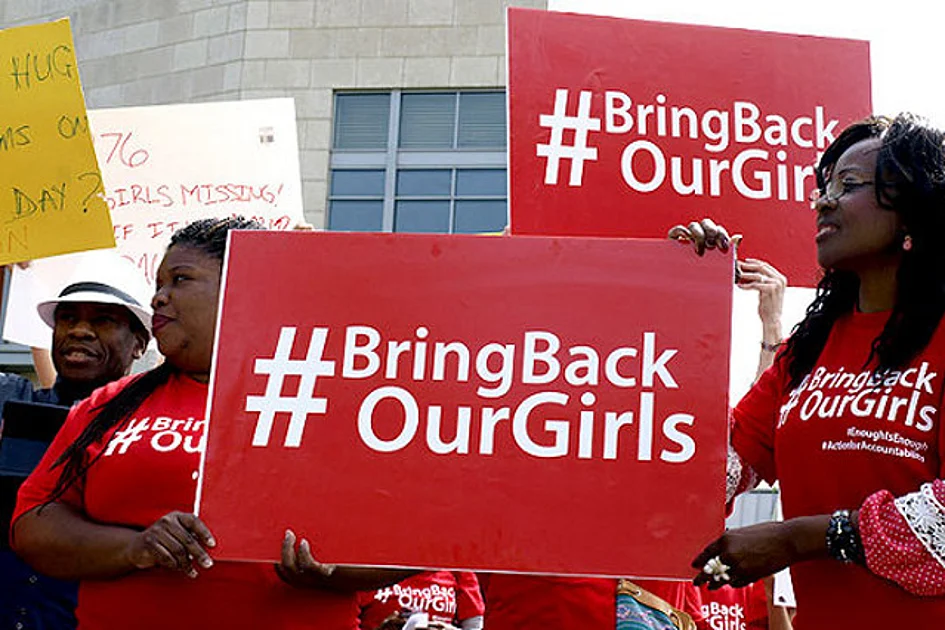
Gunmen kidnap 25 schoolgirls in northwestern Nigeria
In a harrowing early morning raid on Monday, gunmen from a criminal gang stormed the Government Girls Comprehensive Secondary School in Kebbi state, northwestern Nigeria, kidnapping 25 schoolgirls and killing a staff member. Armed with sophisticated weapons, the assailants breached the school’s defenses, abducting the students and fleeing to an unknown location. The attack has reignited fears of a spiraling kidnapping crisis in Nigeria, reminiscent of the infamous 2014 Chibok abduction, where 276 girls were taken by Boko Haram insurgents. Police, military units, and local vigilantes have launched a manhunt to rescue the abducted students and apprehend the perpetrators. This incident marks the second mass school abduction in Kebbi in four years, following a 2021 attack where over 100 students and staff were taken. The region has become a hotspot for kidnappings, with heavily armed gangs exploiting the security vacuum to terrorize communities. Despite efforts by authorities to negotiate peace deals and deploy vigilante groups, the kidnapping crisis continues to escalate, leaving families and communities in despair. Nigeria’s northwest, plagued by armed violence and banditry, remains the epicenter of this growing humanitarian and security crisis.
-
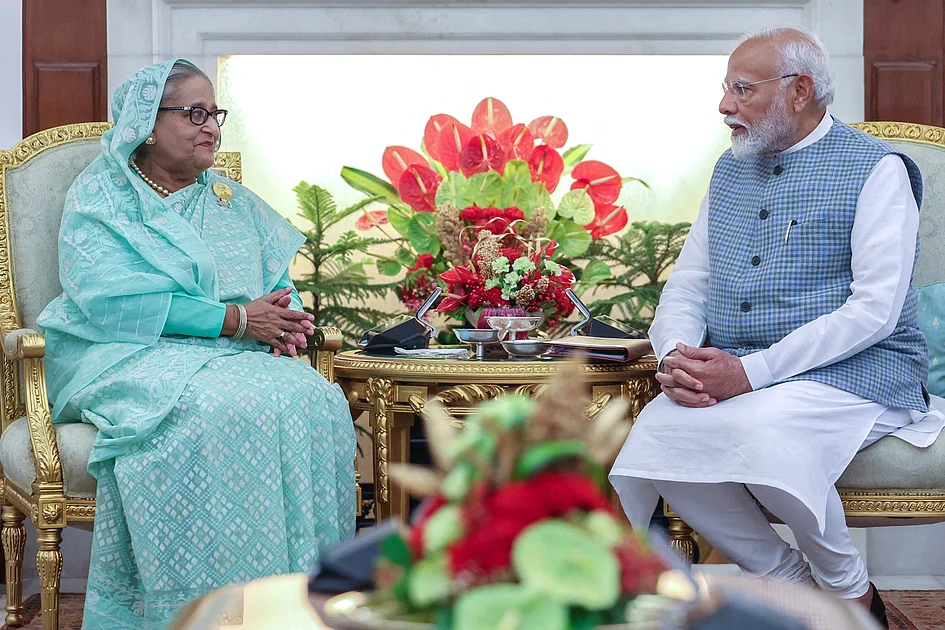
India issues statement after Bangladesh seeks extradition of former PM Hasina
India has formally addressed Bangladesh’s request for the extradition of former Prime Minister Sheikh Hasina, emphasizing its dedication to fostering peace, stability, and democratic progress in the region. The statement, issued by India’s Ministry of Foreign Affairs, follows a recent verdict by Bangladesh’s International Crimes Tribunal, which sentenced Hasina and former Interior Minister Asaduzzaman Khan Kamal to death for their involvement in a violent crackdown on student protests last year. Both individuals are currently fugitives, with Hasina residing in India since fleeing Bangladesh. India reiterated its commitment to constructive engagement with all stakeholders in Bangladesh, underscoring its support for the nation’s democratic and inclusive future. The extradition request, based on a bilateral treaty, comes amid ongoing political unrest in Bangladesh, with elections anticipated in February 2026. The situation remains tense as the country grapples with the aftermath of Hasina’s autocratic rule and the violence surrounding the upcoming polls.
-
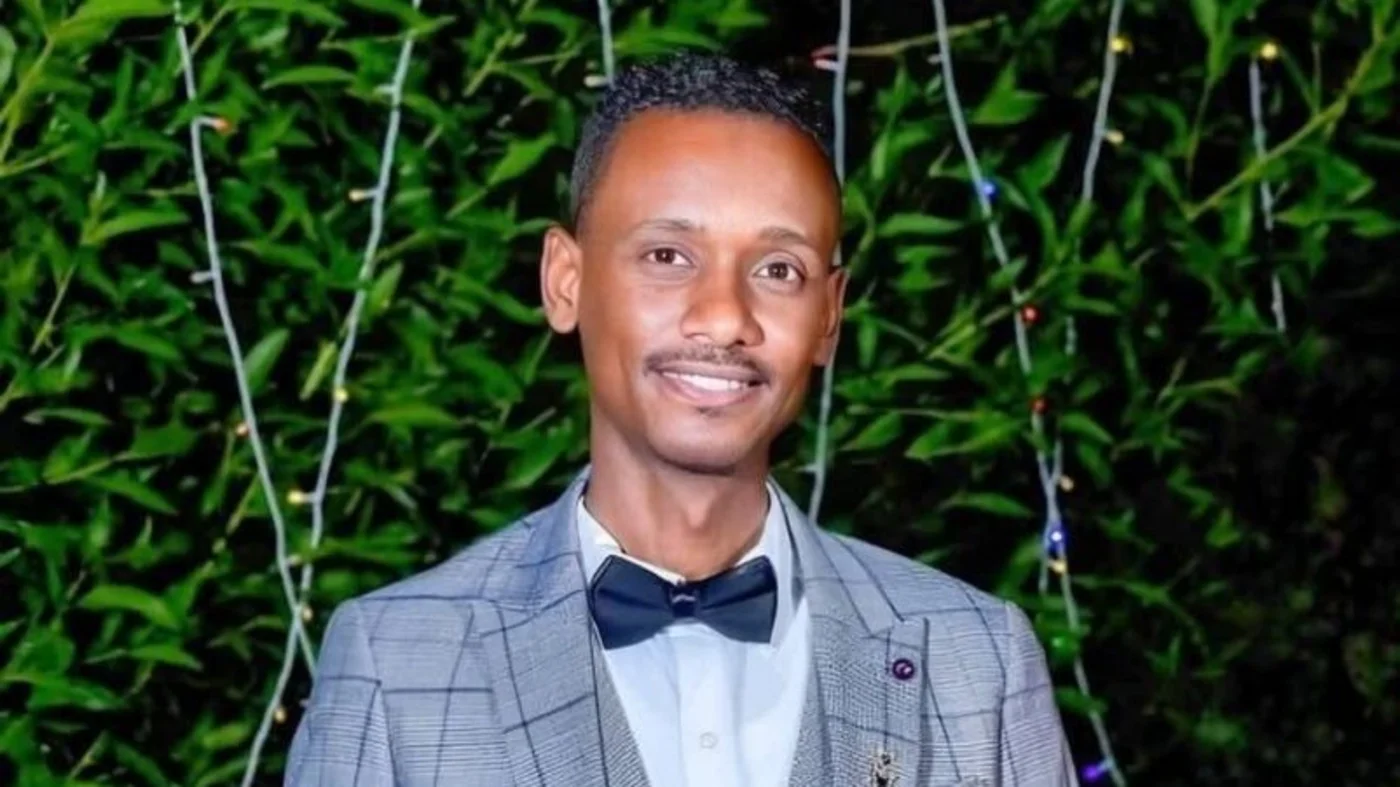
UAE detains prominent Sudanese civil society spokesperson
The United Arab Emirates (UAE) has come under intense international scrutiny following the detention of Nader Maryoud, a prominent Sudanese civil society activist and spokesperson for the pro-democracy Resistance Committees movement in Omdurman. Maryoud was arrested by Emirati authorities two weeks ago without explanation, according to his brother Nizar Maryoud, who described the detention as arbitrary. The arrest occurred shortly after the Salha Resistance Committee issued a statement criticizing the Rapid Support Forces (RSF), a paramilitary group backed by the UAE that has been engaged in a brutal conflict with the Sudanese military since April 2023. The RSF, which has been accused of widespread atrocities including killings, lootings, and sexual violence, was previously in control of the Salha neighborhood until the Sudanese military ousted them in May. Residents have recounted harrowing tales of terror during RSF rule, including the massacre of at least 31 members of the Jame’at tribe. The UAE’s alleged supply of advanced weaponry to the RSF has drawn condemnation from human rights groups and prompted calls for international action. The United Nations Human Rights Council has opened an independent investigation into the atrocities, while the United States and other nations are pressuring the UAE to cease its support for the RSF. Amid growing concerns, activists are calling for the immediate release of Nader Maryoud and other detainees held in UAE prisons, warning against mistreatment during their incarceration.
-
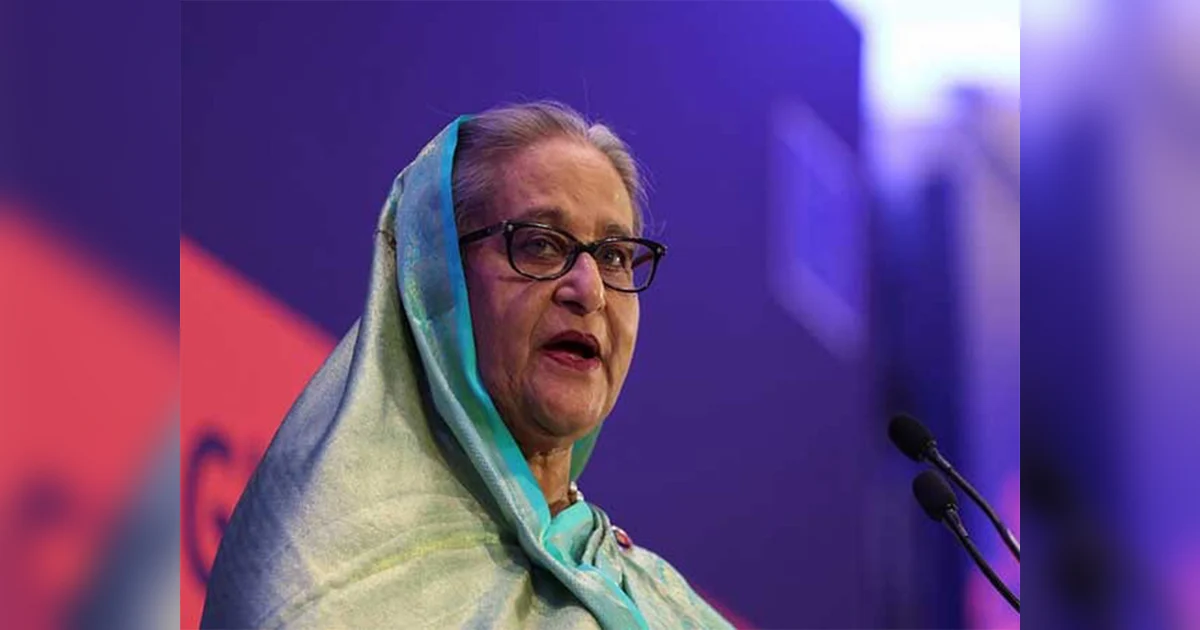
Bangladesh’s Hasina: From PM to crimes against humanity convict
Sheikh Hasina, the former Prime Minister of Bangladesh, once celebrated for her role in the nation’s economic transformation, has been sentenced to death for crimes against humanity. The verdict, delivered on Monday, marks a dramatic fall from grace for the 78-year-old leader, who fled to India in August 2024 following a violent uprising that saw her palace stormed by enraged crowds. Hasina has remained in hiding since, defying court orders to return for her trial. The court in Dhaka found her guilty on three counts, including incitement to kill and failure to prevent atrocities during the 2024 student-led uprising, which resulted in the deaths of up to 1,400 people, according to the United Nations. Chief prosecutor Tajul Islam described Hasina as the central figure behind the crimes committed during the unrest. The trial, which began on June 1, featured harrowing testimonies, including that of a man severely injured by gunfire, and audio recordings allegedly capturing Hasina ordering security forces to use lethal force against protesters. Hasina, who dismissed the trial as a “jurisprudential joke,” was already convicted of contempt of court in July 2024 and sentenced to six months in prison in absentia. She also faces multiple corruption charges involving her family members, including her daughter Saima Wazed, a former UN official, and her niece Tulip Siddiq, a British lawmaker. Both deny the allegations. Hasina’s political career, marked by a bitter rivalry with Khaleda Zia of the Bangladesh Nationalist Party (BNP), saw her rise to power in 1996 and again in 2008, during which she oversaw significant economic growth. However, her autocratic rule ended with the 2024 uprising. Analysts, including Thomas Kean of the International Crisis Group, believe her chances of a political comeback are now negligible. Meanwhile, Zia, aged 80, is set to contest the 2026 elections, with her BNP emerging as a strong contender.
-
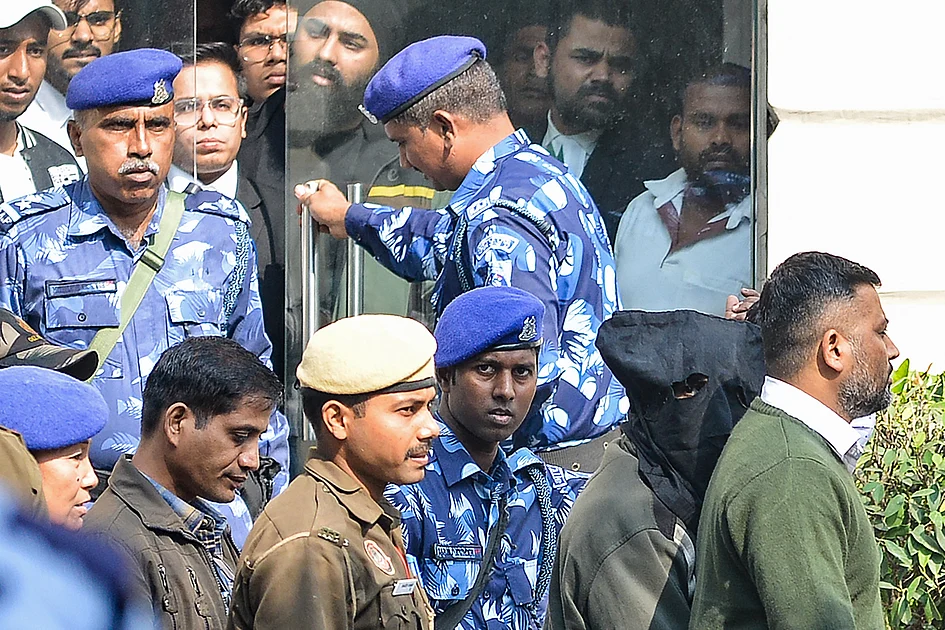
India: New Delhi car bomb accused appears in court
In a significant development following last week’s deadly car bomb attack in New Delhi, Indian anti-terrorism authorities presented suspect Amir Rashid Ali in court on Monday. Ali is accused of conspiring with Umar Un Nabi, the alleged suicide bomber, to orchestrate the terror attack that claimed multiple lives. The National Investigation Agency (NIA) stated that Ali facilitated the purchase of the vehicle used as an improvised explosive device (IED), while Nabi, a medical professor from Haryana, is believed to have carried out the attack. The blast occurred near a bustling metro station close to the historic Red Fort, a site of national significance. Prime Minister Narendra Modi condemned the attack as a ‘conspiracy’ and pledged to bring all perpetrators and their sponsors to justice. The death toll remains disputed, with the NIA reporting 10 fatalities and hospital sources indicating at least 12. The court has ordered Ali to be held in custody for 10 days as investigations continue. The incident has heightened tensions between India and Pakistan, with Indian officials issuing stern warnings to their neighbor. Army Chief General Upendra Dwivedi likened the recent cross-border conflict to a ‘trailer,’ suggesting that India is prepared for further escalation if provoked. The attack underscores the persistent threat of terrorism in the region and raises questions about the motives and networks behind the suspects.
-
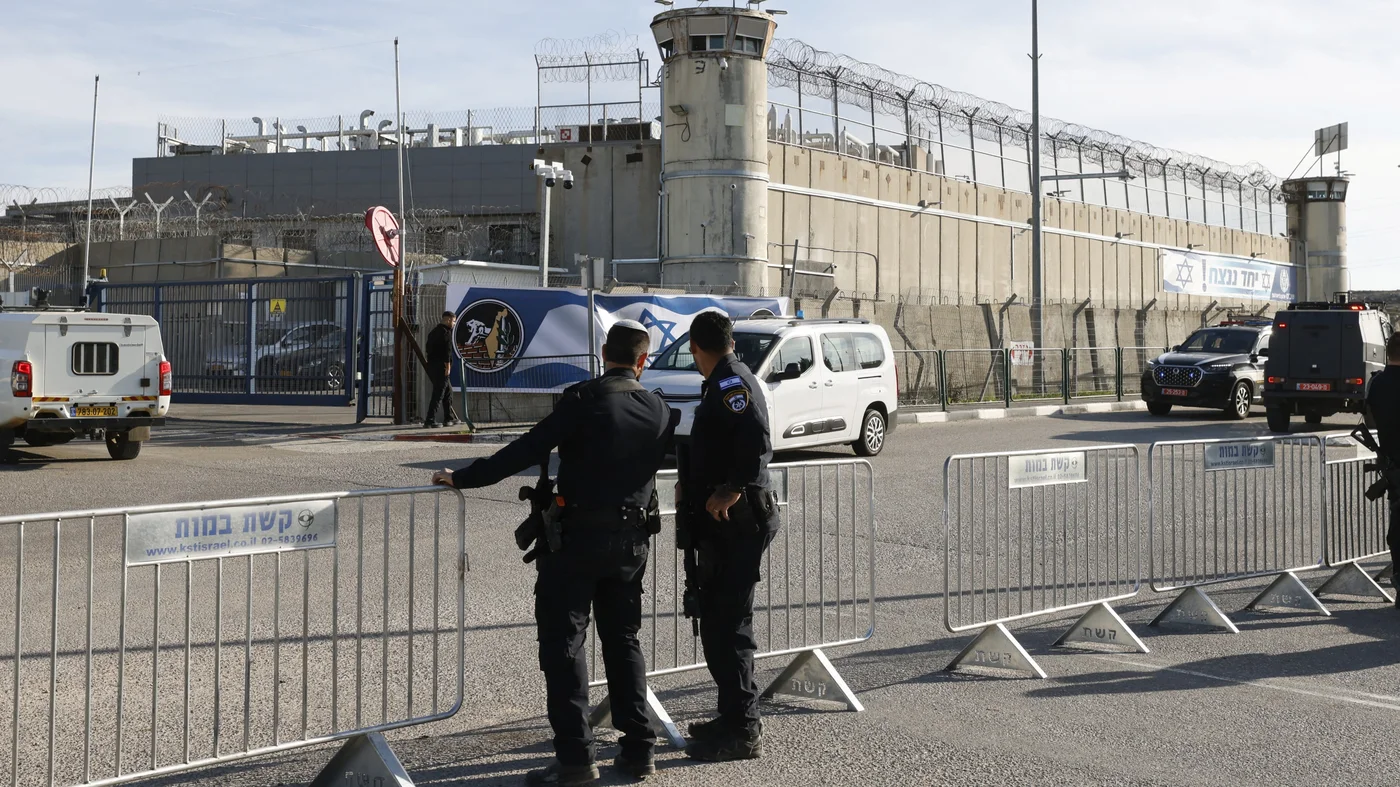
At least 98 Palestinian prisoners died in Israeli custody: Report
A staggering 98 Palestinian prisoners have died in Israeli detention since October 2023, with the actual number likely much higher, according to Physicians for Human Rights Israel (PHRI). The Guardian reported on Monday that most of these fatalities were civilians, with systematic torture and abuse being rampant in detention centers. Causes of death ranged from physical violence to medical neglect and malnutrition. Among the deaths, 52 occurred in military custody, all from the Gaza Strip, while 46 took place in Israel Prison Service (IPS) custody, including detainees from the West Bank and Palestinian citizens of Israel. PHRI compiled its findings from forensic reports, testimonies, eyewitness accounts, and official information requests. The report highlights that Israeli authorities have only provided detailed data for the first eight months of the conflict, revealing a mortality rate of one death every four days. Since May 2024, PHRI has identified an additional 35 deaths, but the true number is believed to be higher, especially as hundreds of Gazan detainees remain unaccounted for. Naji Abbas, PHRI’s director, emphasized that the reported figures do not represent the full picture, as many deaths remain undocumented. Allegations of extrajudicial killings, physical abuse, sexual assault, and starvation have surged since October 2023, with no legal proceedings or accountability for these deaths. PHRI warns that every Palestinian detainee is at risk, regardless of health or age, and accuses Israel of implementing a policy of forced disappearance and lack of transparency. Currently, an estimated 9,250 Palestinian prisoners are held across 23 facilities, excluding unaccounted detainees in military camps. PHRI condemned Israel’s violations of international law, making it nearly impossible to trace the fate of many detainees. Meanwhile, Israeli authorities claim to act in accordance with the law and investigate all deaths in custody.
-

China’s GDI hailed pillar of South-South Cooperation
Experts from Kenya have lauded China’s Global Development Initiative (GDI), introduced four years ago, for its pivotal role in advancing equitable and inclusive growth while strengthening South-South cooperation. The initiative, which has garnered international attention, is being recognized as a cornerstone in fostering collaborative development among nations in the Global South. By prioritizing shared prosperity and sustainable development, the GDI has facilitated partnerships that address global challenges such as poverty, inequality, and climate change. Kenyan analysts highlighted the initiative’s alignment with the United Nations’ Sustainable Development Goals (SDGs), emphasizing its potential to bridge development gaps and promote mutual benefits. The GDI’s emphasis on inclusivity and innovation has also inspired other nations to adopt similar frameworks, further solidifying its impact on international development efforts. As South-South cooperation gains momentum, China’s initiative is increasingly viewed as a model for fostering global solidarity and progress.
-
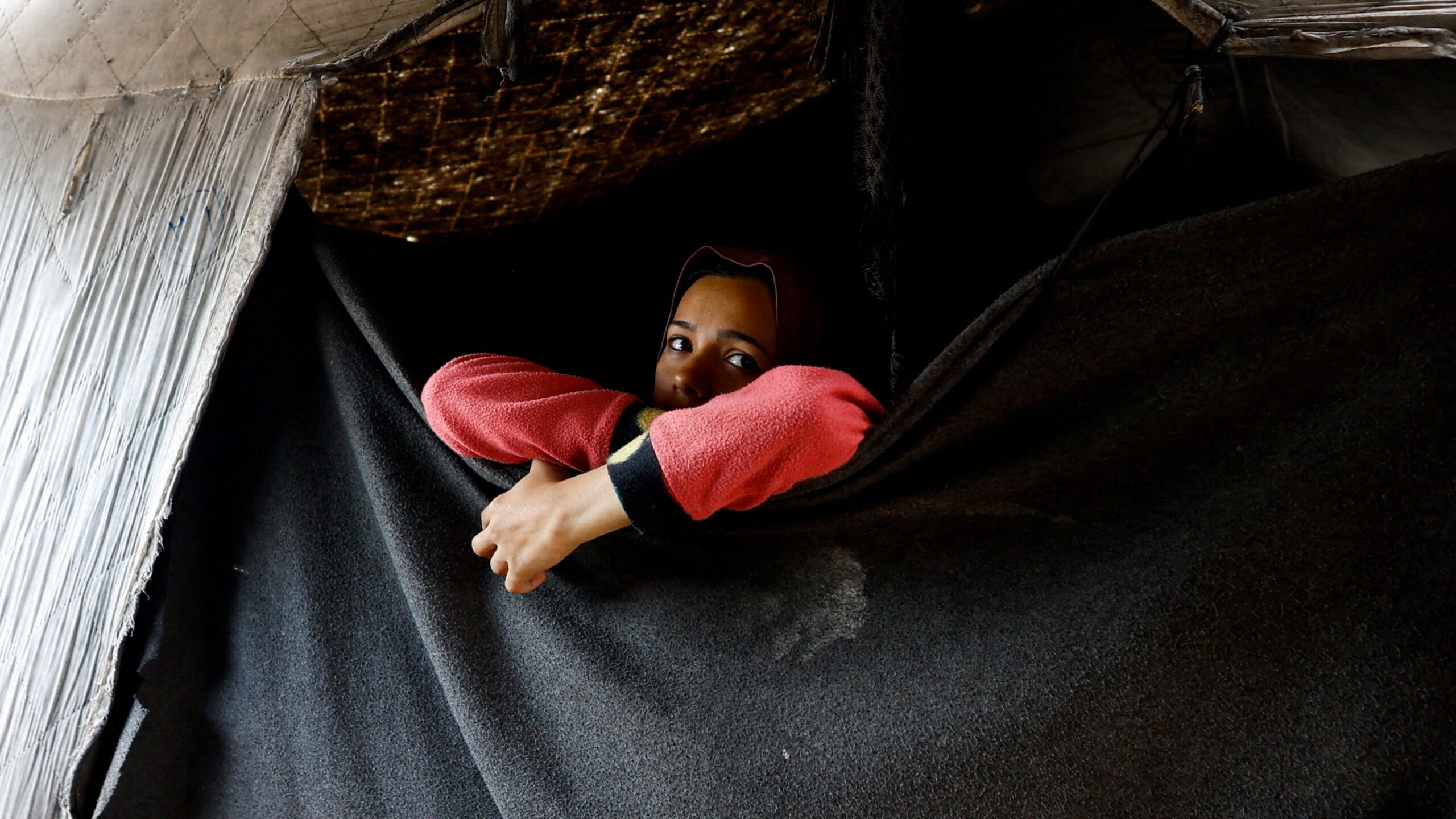
Israel deports Gaza patients from Jerusalem hospitals back to war-torn strip
Israeli authorities have reportedly expelled dozens of Palestinian patients from hospitals in Jerusalem, sending them back to the Gaza Strip on Monday. These patients, along with their families, had initially traveled to Jerusalem for medical treatment before the outbreak of the October 2023 conflict and had remained in the city since. While some had completed their treatment and expressed a desire to return home, concerns have been raised that others were forcibly deported. According to local media, two buses carrying patients and their families arrived at the Kerem Abu Salem crossing between Gaza and Israel on Monday morning. At least 89 individuals, including children born in Jerusalem, were set to be deported. Unnamed sources cited by Arab48 expressed serious concerns about the safety and conditions of the transfer, particularly given the dire state of Gaza’s healthcare system. Many of the patients fear returning to Gaza, where the health infrastructure has been devastated by Israel’s ongoing military campaign. Since the war began, over 94 percent of medical facilities in Gaza have been damaged or destroyed, leaving only a handful of health centers partially operational. Hospitals have been bombed, raided, and stripped of essential supplies, while thousands of medical workers have been killed or detained. The relentless bombardment has overwhelmed the remaining healthcare services, resulting in the deaths of over 9,300 wounded and sick Palestinians since October 2023 due to the collapse of medical care and Israel’s ban on medical evacuations. With the Rafah crossing sealed since Israel’s invasion in May 2024, approximately 20,000 injured and ill individuals are now stranded, awaiting an opportunity to seek treatment abroad.
-
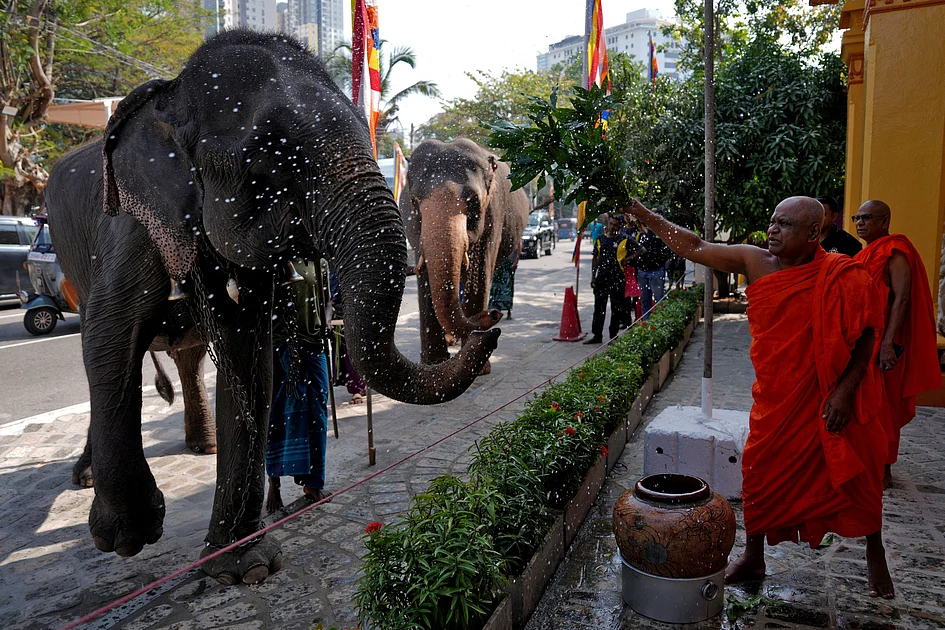
Lanka probes claims of cruelty to elephants gifted by Thailand
Sri Lanka has launched an official investigation into allegations of mistreatment involving two elephants gifted by Thailand decades ago. The elephants, presented as symbols of diplomatic friendship in 1980 and 2001, are reportedly suffering under the care of Buddhist temples. Environment Minister Dammika Patabendi confirmed that a panel of veterinarians has been appointed to assess the animals’ health and living conditions. The probe follows concerns raised by Thailand, which has reportedly expressed interest in repatriating the elephants. Animal rights activists in Sri Lanka have also been contacted by Thai authorities seeking updates on the elephants’ welfare. Elephants hold a sacred status in Sri Lanka, revered as national treasures and Buddhist symbols. However, reports of cruelty by private owners and monks have tarnished this reputation. In 2023, Sri Lanka repatriated a Thai elephant named Muthu Raja, also known as Sak Surin, after allegations of neglect and abuse surfaced. The illegal trade of elephant calves has further exacerbated conservation challenges, with mothers often killed to capture their young. Human-elephant conflicts have also escalated, resulting in significant losses for both species. Sri Lanka is home to an estimated 7,000 wild elephants, but their survival remains under threat.