
Nicki Minaj, the Trinidadian-American rap superstar, has publicly supported former U.S. President Donald Trump’s allegations of Christian persecution in Nigeria. Speaking at a United Nations event organized by the U.S. on Tuesday, Minaj stated, ‘In Nigeria, Christians are being targeted. Churches have been burned, families have been torn apart… simply because of how they pray.’ Her comments align with Trump’s recent threats to deploy U.S. troops to Nigeria if the government fails to address the alleged violence against Christians. However, the Nigerian presidency has countered these claims, emphasizing that the widespread violence in the country affects all citizens, regardless of religious or ethnic background. Minaj, whose real name is Onika Tanya Maraj-Petty, clarified that her advocacy is not about division but about ‘uniting humanity’ and standing against injustice. She expressed gratitude to Trump for prioritizing the issue and acknowledged Nigeria’s rich cultural and faith traditions. U.S. Ambassador to the UN, Mike Waltz, praised Minaj for using her platform to highlight the atrocities. While right-wing campaigners in Washington have accused Islamist militants of systematically targeting Christians, analysts argue that much of the violence is driven by disputes over resources and ethnic tensions rather than religion. Nigeria’s government maintains that terrorists attack all who oppose their ideology, regardless of faith. Minaj’s appearance at the UN marks her most significant political intervention to date. The rapper, who has faced criticism for spreading COVID-19 vaccine misinformation and her ongoing feud with Cardi B, emphasized her commitment to justice, stating, ‘The Barbz & I will never stand down in the face of injustice.’
分类: world
-
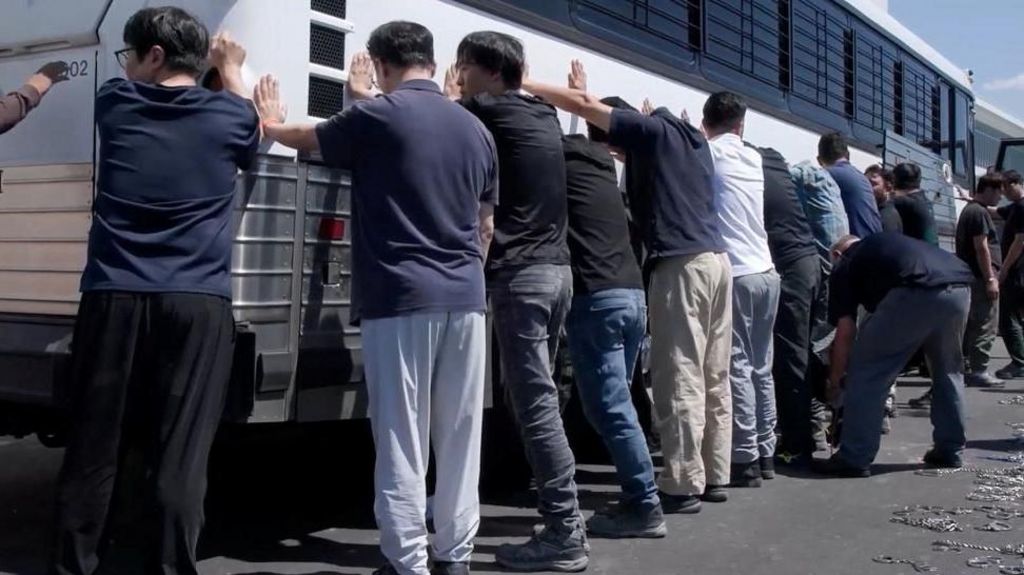
Hyundai boss says White House apologised to him over Georgia raid
In a significant diplomatic development, the White House has issued an apology to Hyundai CEO José Muñoz following a controversial immigration raid at a Georgia-based battery plant jointly operated by Hyundai and LG. The incident, which occurred in September, resulted in the detention of over 300 South Korean workers, sparking widespread outrage in South Korea and straining US-South Korea relations. During a business leaders’ conference in Singapore, Mr. Muñoz revealed that both the White House and the Georgia governor had expressed regret over the raid, with the latter stating that the action was beyond state jurisdiction. The detained workers were reportedly shackled and forced to sit on the factory floor before being held for over a week. They were eventually repatriated after urgent diplomatic negotiations between the US and South Korean governments. Mr. Muñoz emphasized that the raid was based on unfounded claims of illegal immigration and described it as ‘a bad surprise.’ Despite the incident, Hyundai remains committed to its US manufacturing operations. The raid delayed the plant’s opening due to labor shortages, but US President Donald Trump later expressed opposition to the action, highlighting the importance of international expertise in specialized facilities. In a positive turn, the US and South Korea announced a broad trade deal in October, reducing reciprocal tariffs and pledging significant investment in the US.
-
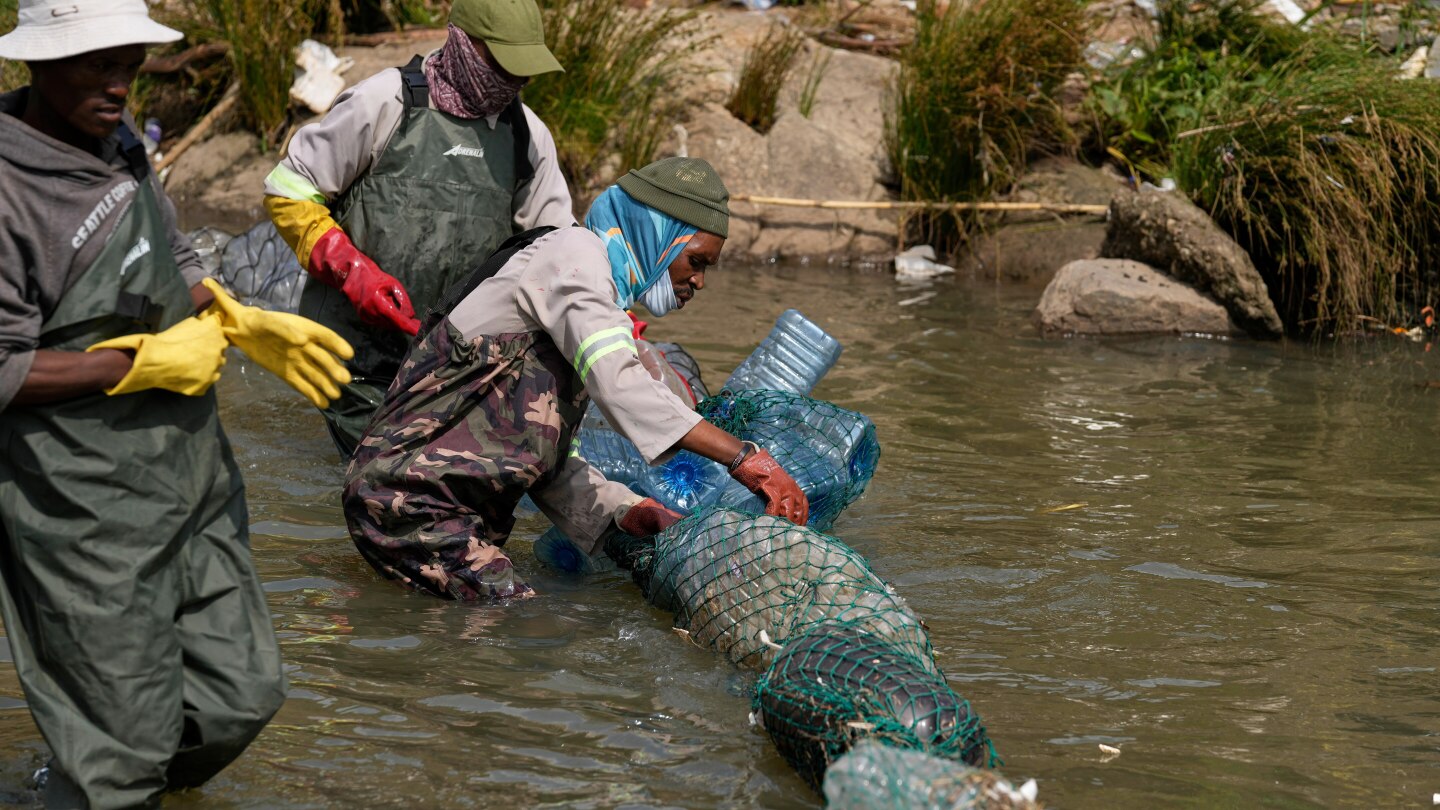
Africa hosts its first G20 and urges the rich world to do more against climate disasters
In the heart of South Africa’s oldest township, Alexandra, volunteers clad in wetsuits wade into the polluted Jukskei River to repair damaged garbage nets, a critical defense against flooding that threatens the shacks of this low-lying community. This scene underscores the urgent climate challenges facing South Africa as it hosts the Group of 20 (G20) summit in Johannesburg, marking the bloc’s first meeting on African soil. The summit aims to prioritize issues affecting impoverished nations, particularly the escalating impacts of climate change. South Africa is poised to call on wealthier nations and international financial institutions to bolster support for developing countries grappling with climate-induced disasters. Alexandra, home to over half a million residents, lies just steps away from Sandton, Johannesburg’s affluent financial hub. Yet, frequent flooding isolates the township, leaving children stranded and unable to attend school. Semadi Manganye, co-founder of the Alexandra Water Warriors, describes the situation as a “big hazard,” highlighting the stark contrast between wealth and poverty in the region. The climate crisis exacerbates inequality, a point emphasized by Binaifer Nowrojee, president of the Open Society Foundations, who notes that poor nations face a dire choice between economic growth and climate action. The World Bank reports that natural disasters have surged nearly eightfold in the poorest countries over the past four decades. Southern Africa, in particular, has endured devastating tropical storms, such as Cyclone Idai in 2019, which caused $2 billion in damages across Mozambique, Malawi, and Zimbabwe. The region also suffered from severe droughts last year, crippling agriculture and deepening poverty. Climate financing remains a contentious issue, with rich nations pledging $300 billion annually by 2035 to aid developing countries, though experts argue $1 trillion per year is needed by 2030. The absence of the United States, one of the world’s largest polluters, from the G20 summit further complicates efforts to reach meaningful climate agreements. Meanwhile, South Africa’s own struggles with inequality and inadequate infrastructure exacerbate the climate crisis. Amnesty International’s recent report criticizes the government for failing millions living in informal settlements, who are disproportionately affected by flooding and other climate-related disasters. Despite these challenges, grassroots initiatives like the Alexandra Water Warriors offer hope. Since its formation in 2021, the group has planted trees, recycled waste, and engaged thousands in climate resilience projects, supported by a mix of public and private funding. As the G20 summit unfolds, South Africa seeks to champion green growth as a pathway to development, emphasizing that sustainable and resilient economies can drive faster progress.
-
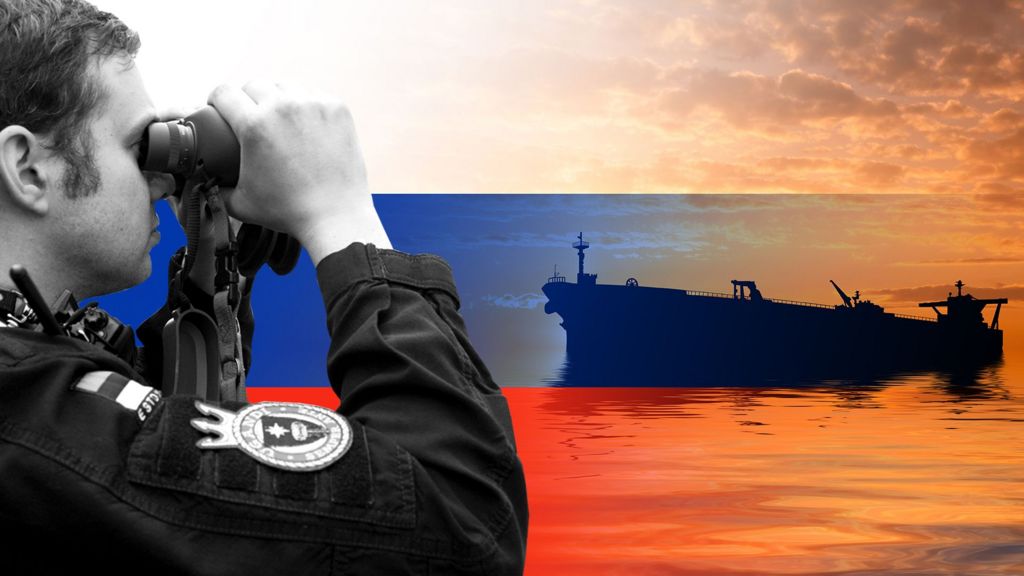
On the front line of Europe’s standoff with Russia’s sanction-busting shadow fleet
In the western Baltic Sea, a Swedish coastguard officer radios a sanctioned oil tanker, seeking details about its insurance, flag state, and last port of call. This exchange is emblematic of Europe’s tense confrontation with Russia’s ‘shadow fleet,’ a network of aging tankers used to circumvent Western sanctions on Russian oil exports. Since the Kremlin’s full-scale invasion of Ukraine, Western nations have imposed strict energy sanctions, prompting Moscow to rely on these vessels, often with obscure ownership and insurance, to maintain its oil trade. European coastguards and navies are increasingly encountering these ships, suspecting them of transporting oil illegally. Some are even accused of undersea sabotage, illicit drone launches, or falsifying location data. The International Maritime Organization (IMO) reports that the number of falsely flagged ships has more than doubled this year, surpassing 450 globally. Many of these vessels are stateless, operating without valid flags or proper insurance, raising concerns about environmental and security risks. For instance, the tanker Unity, previously known as Ocean Explorer, has changed names and flags multiple times, most recently claiming a false flag from Lesotho. Despite being sanctioned by the UK and EU, Unity continues to operate, highlighting the challenges of enforcing maritime laws. The rise of the shadow fleet has alarmed European nations, particularly in the Baltic region, where vessels frequently pass through en route to Russian oil terminals. Estonia’s navy chief, Commodore Ivo Värk, notes a significant increase in such traffic, emphasizing the brazen nature of these operations. While countries like France, Finland, and Estonia have detained some ships, the fear of escalation with Russia limits more aggressive actions. NATO officials stress the importance of monitoring these vessels to deter illegal activities, but the complexity of the situation underscores the fragility of the international rules-based order. As Europe intensifies its surveillance, the shadow fleet continues to grow, posing significant risks to global commerce, security, and the environment.
-
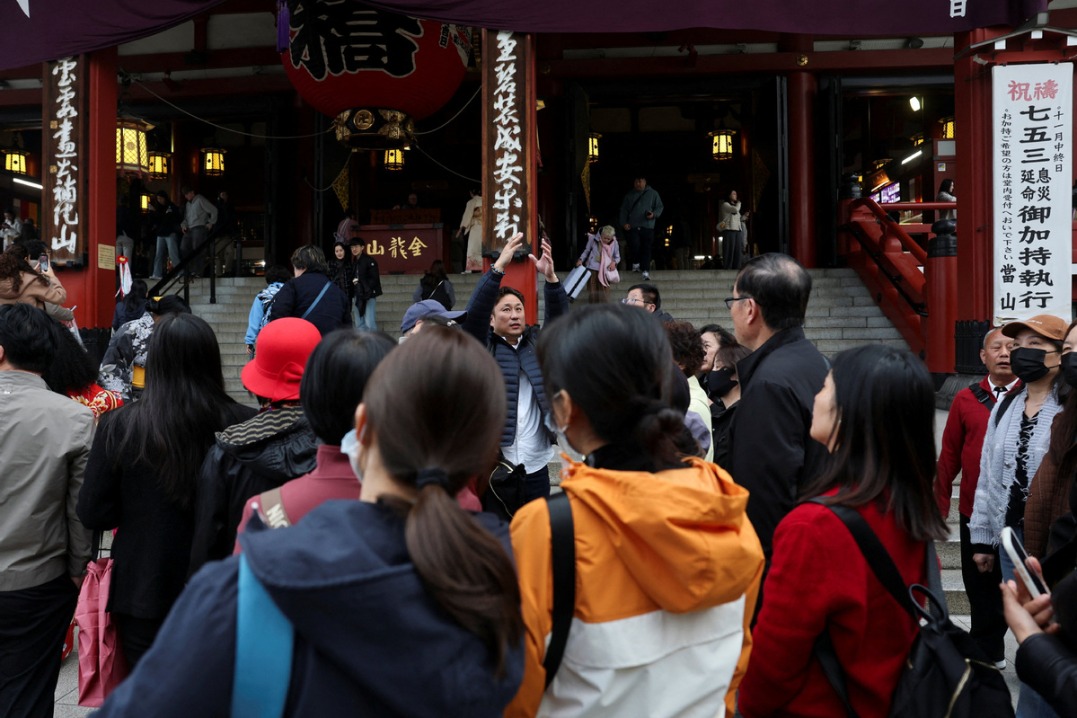
Japan’s tourism battered as Chinese travelers cancel trips
Japan’s tourism sector is facing significant challenges as a wave of cancellations by Chinese travelers follows recent diplomatic tensions. The cancellations come in response to travel advisories issued by Beijing, urging Chinese citizens to avoid Japan due to controversial remarks made by Japanese Prime Minister Sanae Takaichi regarding Taiwan. These comments have sparked strong protests from China, leading to a notable shift in travel preferences among Chinese tourists.
Data from flight booking platforms reveals that South Korea has now become the most sought-after destination for Chinese travelers, with Thailand, Hong Kong, Malaysia, Singapore, and Vietnam also seeing increased interest. Major Chinese travel agencies, including Tuniu Corp and Spring Tour, have reported a surge in cancellations for group tours to Japan. Additionally, Spring Airlines has canceled several flights between Shanghai and Japanese cities, citing alignment with pre-existing plans.
Major Chinese airlines, such as Air China, China Southern Airlines, and China Eastern Airlines, have announced that passengers with tickets for Japan-bound flights before December 31 can avail of free refunds or rescheduling. The Chinese Foreign Ministry has reiterated its stance on defending national interests, urging Japan to retract its statements and address the concerns of the Chinese people.
The travel advisory, issued on Friday, highlights concerns over public safety in Japan and the potential risks to Chinese citizens. Similar alerts were released by China’s Ministry of Education and Ministry of Culture and Tourism. The downturn in Chinese tourism has already impacted Japan’s economy, with tourism-related stocks experiencing declines. Companies like Shiseido, Japan Airlines, and Isetan Mitsukoshi Holdings have seen their shares drop, while the Nikkei 225 Index fell by 3.22%.
According to Japan’s Nomura Research Institute, a significant reduction in Chinese tourists could result in a 0.36% decline in Japan’s GDP, with estimated economic losses reaching 2.2 trillion yen ($14.18 billion). As China remains Japan’s largest trading partner and source of imports, the ongoing tensions could have broader implications for bilateral relations and economic cooperation.
-
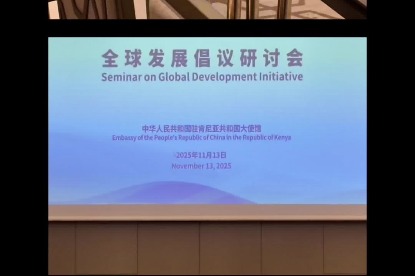
Experts from Kenya hail the Global Development Initiative
Kenyan experts have praised the Global Development Initiative (GDI), introduced four years ago, for its significant contributions to promoting equitable and inclusive growth and enhancing South-South cooperation. The initiative, which aims to address global development challenges, has been lauded for its role in fostering collaboration among developing nations and ensuring sustainable progress. Experts highlighted that the GDI has been instrumental in bridging gaps in infrastructure, technology, and education, particularly in Africa. They emphasized that the initiative aligns with Kenya’s development goals and has provided a platform for mutual learning and resource sharing. The positive reception from Kenyan experts underscores the GDI’s impact in creating a more balanced and interconnected global development landscape.
-
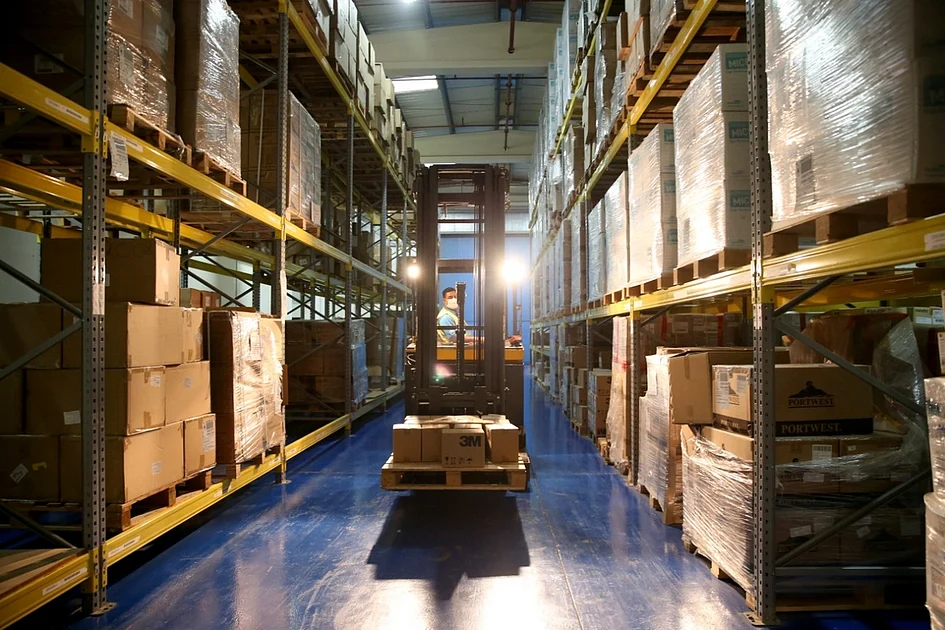
UN faces funding crisis as billions needed to feed world’s hungry
The United Nations’ World Food Programme (WFP) has issued a stark warning about a looming humanitarian crisis, as funding cuts threaten its ability to address global hunger. In a statement released on Tuesday, the WFP revealed that it may only be able to assist approximately one-third of the 318 million people projected to face severe hunger by 2026. The agency estimates that $13 billion is required to provide essential aid to 110 million of the most vulnerable individuals. However, current funding forecasts suggest it may receive only half of that amount. The WFP attributed the escalating crisis to a combination of factors, including conflict, extreme weather events, and economic instability, which have more than doubled the number of people experiencing acute hunger since 2019. The United States, historically the WFP’s largest donor, has significantly reduced its contributions under President Donald Trump, with other major donors, including several European nations, also scaling back their humanitarian budgets. The WFP’s 2026 Global Outlook report highlights a fragmented and underfunded global response, with aid now covering less than half of total needs. The report also notes a surge in attacks on aid workers, further complicating relief efforts. Last week, the WFP and the Food and Agriculture Organization (FAO) identified 16 ‘hunger hotspots’ worldwide, from Haiti to South Sudan, where funding shortfalls are exacerbating already dire conditions. The agencies have so far received only $10.5 billion of the $29 billion required to address the crisis.
-
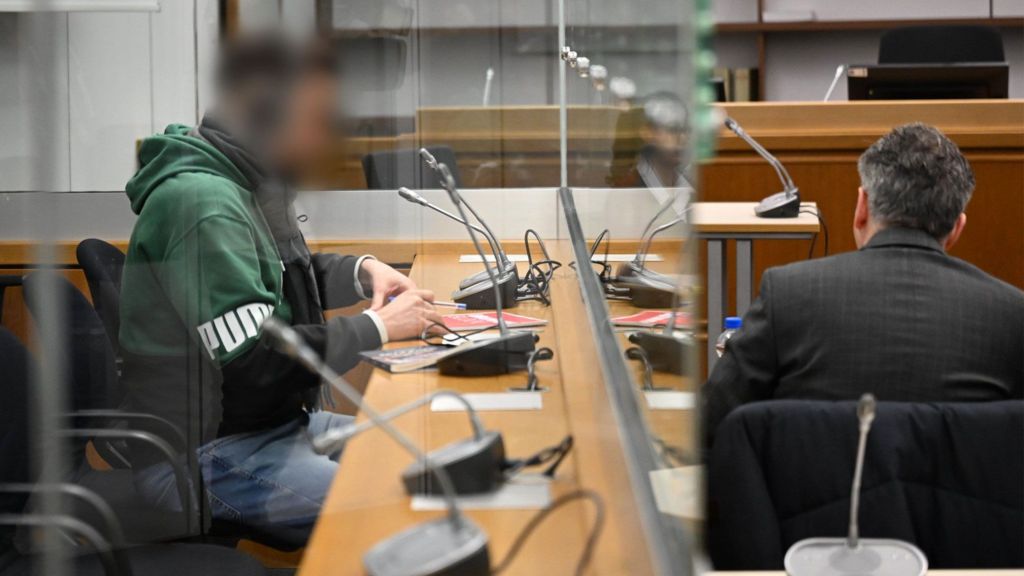
Suspected Hezbollah member goes on trial in Germany
A 35-year-old Lebanese man, identified only as Fadel Z in accordance with German privacy laws, has gone on trial in Celle, northern Germany, accused of being a key operative in Hezbollah’s drone programme. Hezbollah, a Shia Muslim group, has its military wing designated as a terrorist organisation by the European Union. The German Federal Prosecutor’s Office alleges that Fadel Z joined Hezbollah over a decade ago, initially working in public relations before transitioning to a more critical role in 2022 as a ‘foreign operator’ for the group’s drone initiatives, first from Barcelona, Spain, and later from Germany. Prosecutors claim that Hezbollah has been running an extensive drone programme, which escalated following Hamas’s October 7, 2023, attacks on Israel. By June 2024, the group reportedly amassed an arsenal of over 10,000 drone units. Fadel Z is accused of procuring materials worth approximately €1.4 million (£1.2 million) for drone construction, sourced from companies in Europe, China, and the United States. These materials included more than 2,000 petrol and electric motors and over 600 propellers. Prosecutors allege that Fadel Z used front companies registered in his name or under his contacts to place orders and arrange transportation of the goods to Lebanon via container ships or air freight. Two of the engines he purchased were allegedly used in explosive drones launched by Hezbollah at Israel, one of which targeted a retirement home in Herzliya on Yom Kippur in October 2024. Although the explosive detonated, no injuries were reported among the 200 residents. The trial, expected to last until August 2025, comes amid escalating tensions between Israel and Hezbollah, which began after Hezbollah fired rockets at Israeli positions in solidarity with Palestinians in Gaza following Hamas’s attacks. The conflict, which lasted 13 months, resulted in significant casualties and displacement in Lebanon, with Israeli authorities also reporting losses.
-
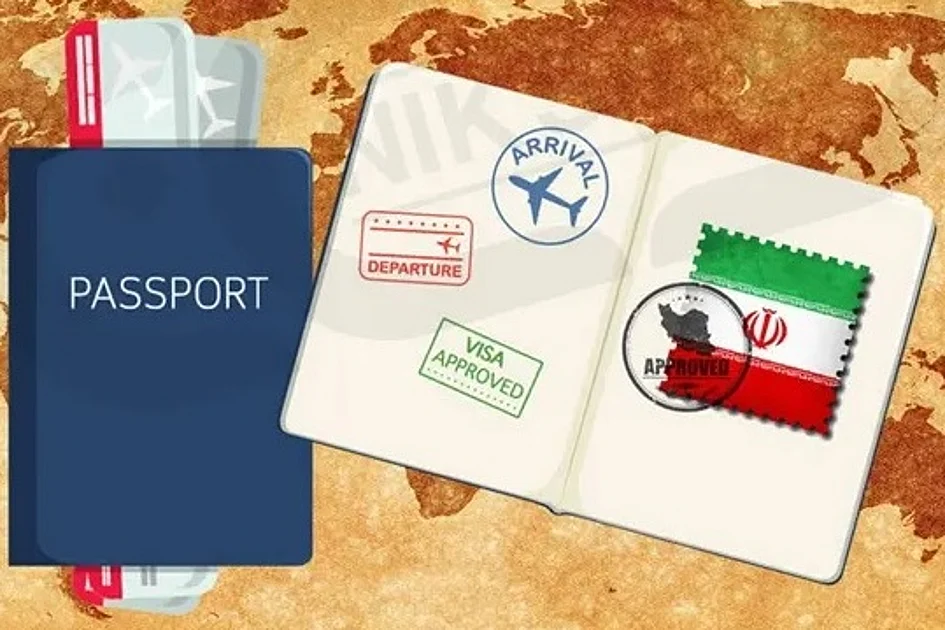
Iran suspends visa-free entry for Indians; here’s why
In a significant policy shift, Iran has suspended its visa-free entry facility for Indian nationals, effective November 22, 2025. The decision follows a surge in fraudulent activities and human trafficking cases involving Indian citizens. The Iranian embassy in India announced the suspension, stating that Indian passport holders will now require a visa to enter or transit through Iran. This move reverses the visa waiver introduced in February 2024 to promote tourism.
The Indian Foreign Ministry has issued a travel advisory, urging citizens to remain vigilant and avoid agents offering visa-free travel. The ministry highlighted several incidents where Indian nationals were lured to Iran under false pretenses, such as promises of employment or onward travel to third countries. Upon arrival, many were kidnapped and held for ransom. The suspension aims to curb the misuse of the visa waiver by criminal elements.
In September 2025, India had already warned its citizens about fake job offers in Iran, emphasizing the need for caution. Randhir Jaiswal, spokesperson for the Ministry of External Affairs, revealed that numerous Indians had fallen victim to criminal gangs exploiting the visa-free facility. The advisory stressed that the visa waiver was exclusively for tourism and did not cover employment-related travel.
Iran, known for its rich cultural heritage and strategic location as a transit hub, had initially introduced the visa waiver to attract Indian tourists. However, the rising incidents of fraud and human trafficking have necessitated this policy reversal. The Indian government continues to advise its citizens to verify employment opportunities thoroughly to avoid falling prey to organized scams.
-
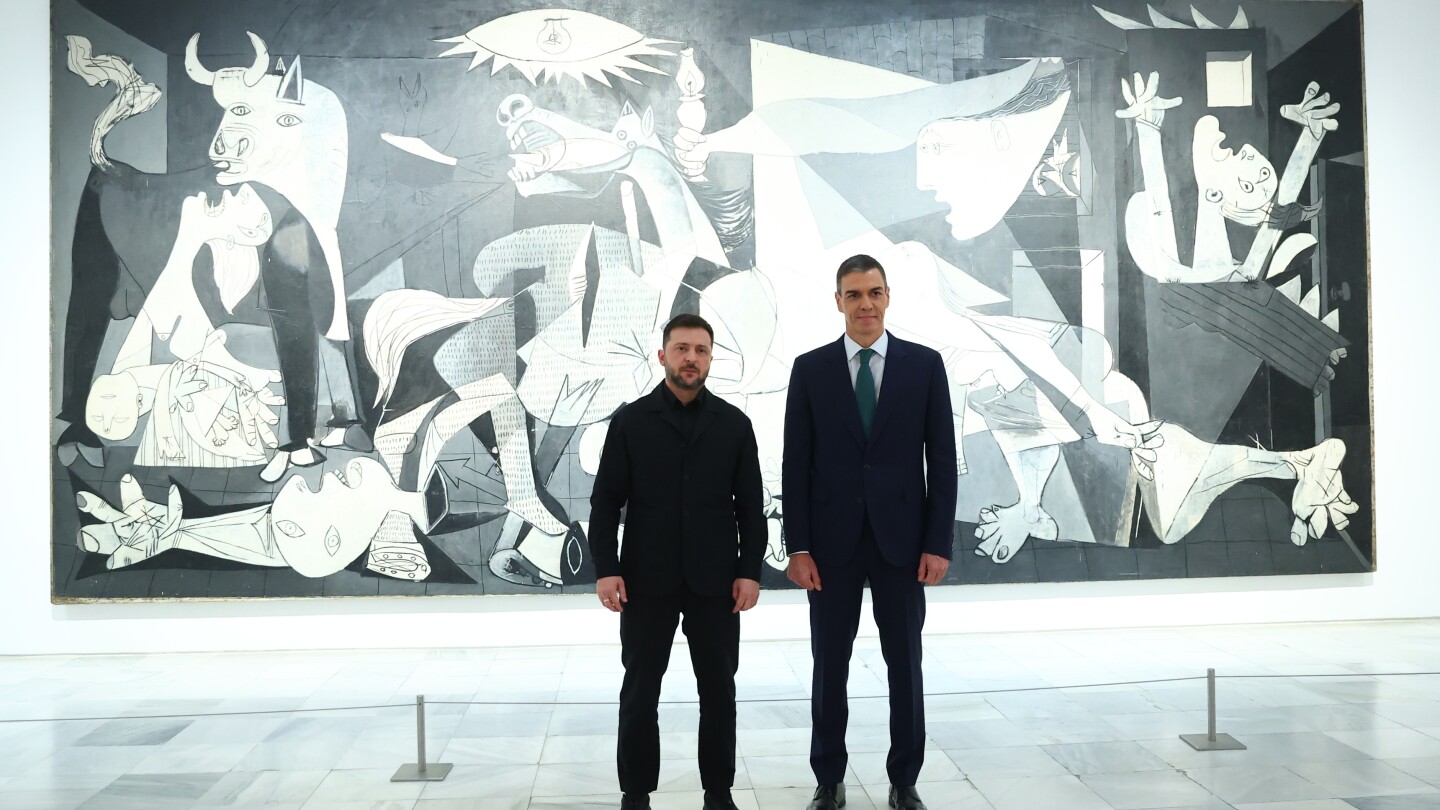
Zelenskyy visits Picasso’s ‘Guernica’ painting after drawing parallel to Ukraine’s bombing
Ukrainian President Volodymyr Zelenskyy embarked on a significant one-day visit to Spain on Tuesday, November 18, 2025, where he took the opportunity to view Pablo Picasso’s iconic anti-war masterpiece, ‘Guernica.’ The painting, renowned for its harrowing depiction of the 1937 bombing of the Basque town of Guernica during the Spanish Civil War, stands as a timeless symbol of the atrocities of war and civilian suffering. Zelenskyy’s visit to the Reina Sofía Museum in Madrid, where the painting is housed, carried profound symbolism, drawing parallels between the devastation of Guernica and the ongoing conflict in Ukraine. Accompanied by Spanish Prime Minister Pedro Sánchez, Zelenskyy’s gesture underscored the shared historical and contemporary struggles against aggression and tyranny. The Ukrainian leader had previously referenced ‘Guernica’ in a poignant address to Spain’s parliament in April 2022, likening the plight of Ukrainians under Russian bombardment to the horrors depicted in Picasso’s work. Zelenskyy’s European tour, including his stop in Spain, highlights Kyiv’s efforts to maintain international solidarity and support as Ukraine continues to resist Russian invasion. The visit also comes amid domestic challenges, including a corruption scandal that threatens to divert attention from the war effort. ‘Guernica,’ which was banned from Spain during the Franco dictatorship and returned in 1981 as a symbol of democratic resilience, remains a powerful reminder of the enduring fight for freedom and justice.