
The Global South Modernization Forum, held in Beijing on November 21, 2025, brought together international experts to discuss tailored development paths for Global South nations. The event, themed ‘Working Together to Advance Modernization: A Shared Vision and the Path to Development,’ emphasized unity, cooperation, and reforms in the global governance system. Li Shulei, a senior official of the Communist Party of China, highlighted the transformative role of Global South countries in reshaping the global economic landscape and fostering international stability. He underscored China’s commitment to the Global South, stating that China will always remain an integral part of this collective. The forum also saw the release of two significant reports by the Chinese Academy of Social Sciences (CASS): the World Modernization Development Report and the Chinese Modernization Development Report. CASS President Gao Xiang emphasized that Chinese modernization aligns with global human development interests and advocated for a cooperative approach to modernization that ensures shared prosperity. Pablo Vommaro of the Latin American Council of Social Sciences criticized the Western-dominated development model, calling for a new civilizational framework that empowers Global South nations. He praised China’s Belt and Road Initiative and Global Governance Initiative as models for sustainable and cooperative modernization. Andrei Chevelev, a former UNESCO official, stressed the need for reforms in international governance to amplify the voices of the Global South. He highlighted the role of initiatives like BRICS, the Shanghai Cooperation Organization, and the Belt and Road Initiative in promoting a more equitable international order. The forum concluded with a call for collective action to address global challenges and advance a shared future for humanity.
分类: world
-
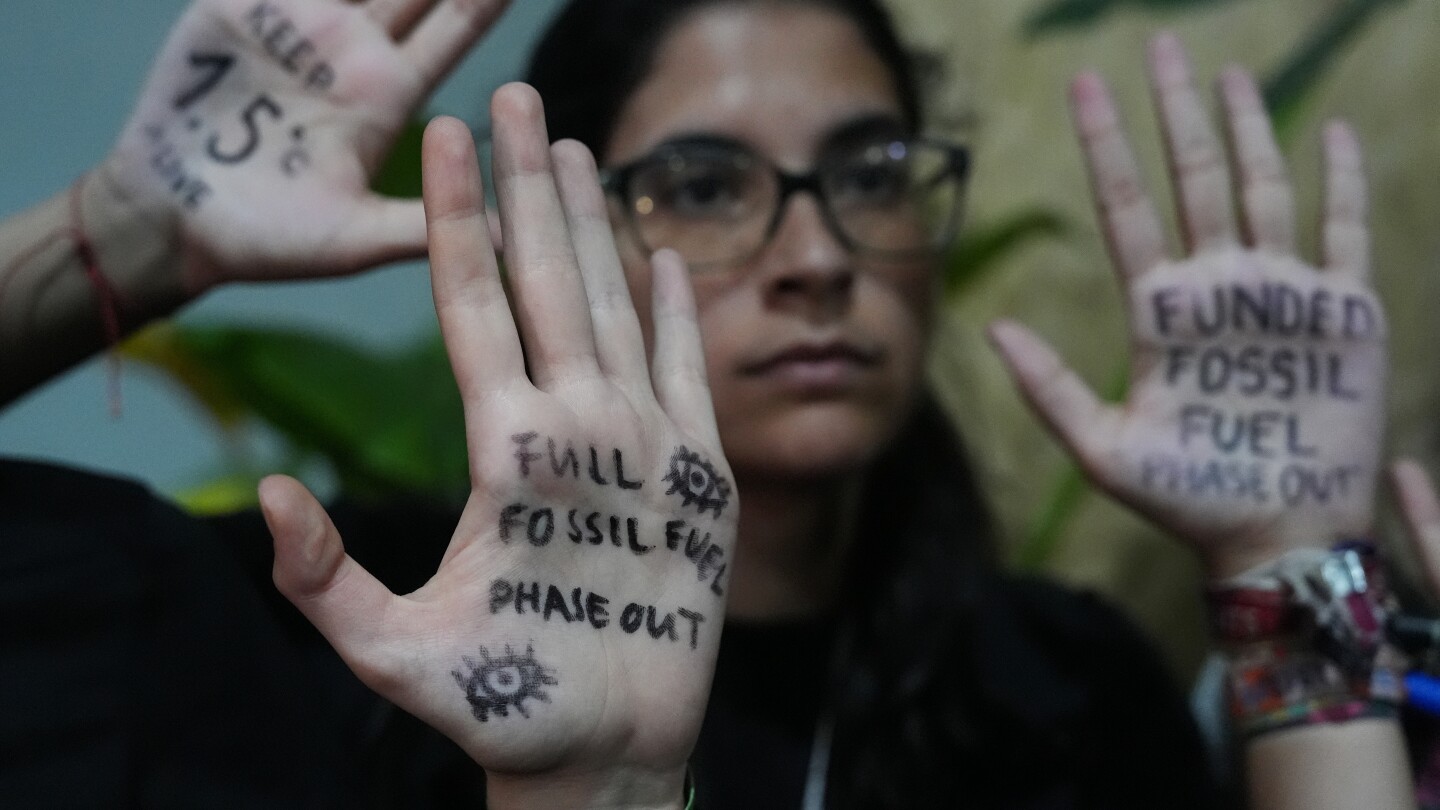
Negotiators at UN climate talks split over when and how to phaseout use oil, gas and coal
The United Nations climate talks in Belem, Brazil, have extended beyond their scheduled conclusion as delegates grapple with contentious issues, particularly the transition away from fossil fuels. Hosted in a city on the edge of the Amazon rainforest, the annual COP30 conference aimed to address global warming but faced significant delays and disagreements. A key point of contention is the omission of explicit language in the draft text outlining a roadmap for phasing out oil, gas, and coal, despite calls from 36 nations, including Panama, for stronger commitments. Panama’s lead negotiator, Juan Carlos Monterrey Gomez, criticized the process, warning it risks becoming a ‘clown show’ due to its lack of clarity. The European Union also rejected the draft, with Climate Commissioner Wopke Hoekstra lamenting its ‘weakness’ and failure to align with scientific imperatives. Small island nations like Tuvalu echoed these concerns, emphasizing the urgent need for a ‘survival roadmap’ to combat climate change. Brazil’s proposals included financial aid for vulnerable nations and stricter emissions reduction plans, but the absence of a detailed fossil fuel phase-out plan drew widespread criticism. Former U.S. Vice President Al Gore accused oil-producing nations like Saudi Arabia and Russia of obstructing progress. Despite acknowledging the irreversible global transition toward low emissions, the draft text fell short of providing concrete timelines or processes. The talks, now behind schedule, continue as negotiators seek common ground amidst mounting pressure to deliver meaningful outcomes.
-
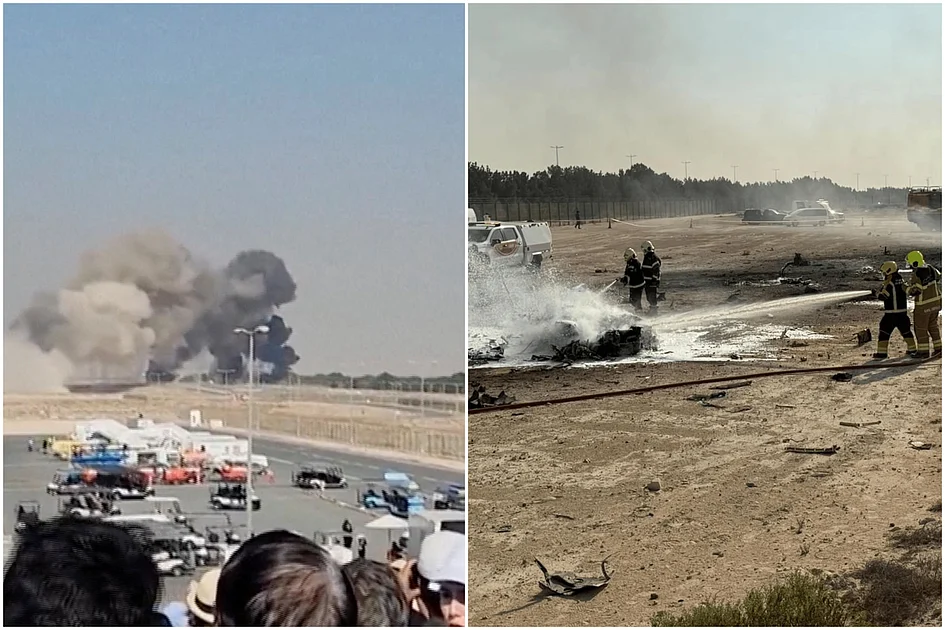
Dubai Airshow crash: UAE offers condolences after Indian Tejas fighter jet pilot’s death
In a somber turn of events at the Dubai Airshow, the United Arab Emirates (UAE) has expressed profound sorrow over the tragic demise of an Indian Tejas fighter jet pilot. The incident, which occurred on Friday, November 21, 2025, has cast a pall over the prestigious aviation event, drawing global attention to the risks inherent in high-stakes aerial demonstrations. The UAE government swiftly issued a statement extending heartfelt condolences to the pilot’s family, the Indian government, and the broader aviation community. The Tejas, a domestically manufactured light combat aircraft, was performing a routine display when the crash transpired, prompting immediate investigations into the cause of the accident. The Dubai Airshow, renowned for showcasing cutting-edge aerospace technology, has temporarily suspended flight displays as a mark of respect. This incident underscores the challenges faced by military aviation and the sacrifices made by pilots in the line of duty. The international community has rallied in solidarity, offering support and condolences to India during this difficult time.
-
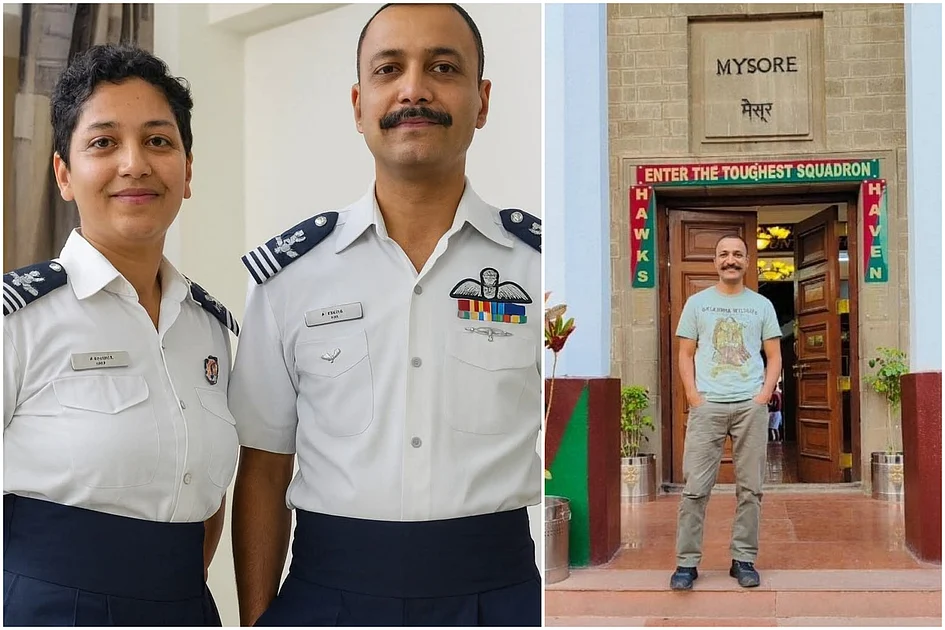
Who was Namansh Syal, Indian Tejas fighter jet pilot who died in Dubai Airshow crash?
A tragic incident unfolded at the Dubai Airshow on Friday afternoon when an Indian Tejas fighter jet, piloted by Wing Commander Namansh Syal, crashed during a display. The 34-year-old pilot, a highly skilled member of the Indian Air Force’s No. 45 Squadron, the Flying Daggers, could not eject in time and perished as the aircraft burst into flames. The event, which was meant to showcase India’s indigenous Light Combat Aircraft (LCA), ended in shock and sorrow for spectators and the nation alike. This marks the second known Tejas accident but the first fatal one at an international airshow. The Chief Minister of Himachal Pradesh, Sukhvinder Singh Sukhu, confirmed Syal’s identity in a heartfelt post on X, describing him as a brave and courageous son of Kangra district. Syal’s family has a strong connection to the Indian Air Force, with his father being a retired officer and his wife currently serving as a senior officer. The Indian Air Force and Defence Minister Rajnath Singh have expressed deep condolences, while Hindustan Aeronautics Ltd (HAL), the manufacturer of the Tejas, mourned the loss of a ‘courageous pilot.’ A court of inquiry has been initiated to determine the cause of the crash. The incident has cast a shadow over India’s participation in the Dubai Airshow, where it has showcased its aerospace innovations for decades.
-
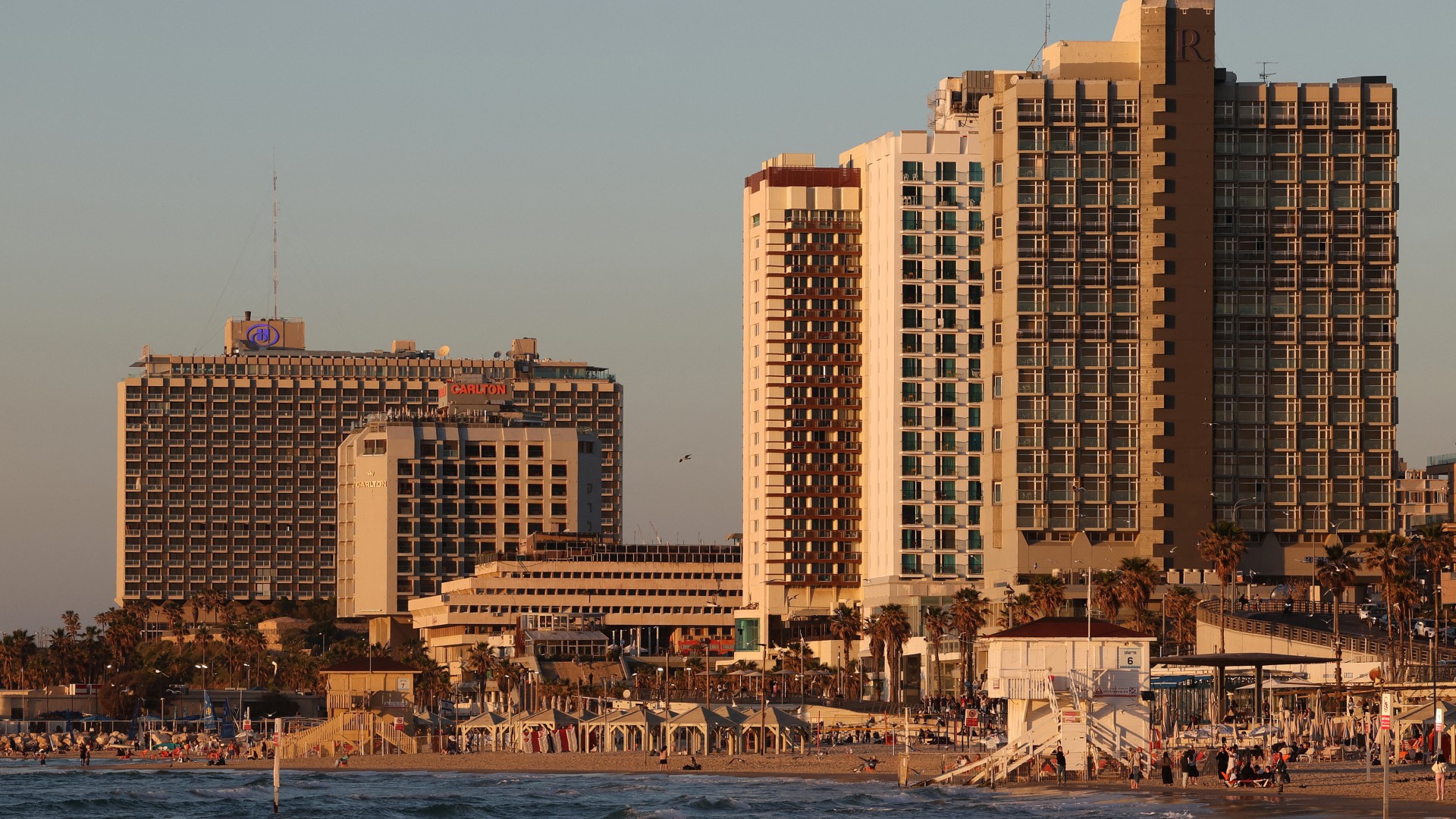
Israel bans Sudanese refugee protests against UAE’s support for RSF
Israeli authorities have prohibited two demonstrations organized by Sudanese refugees aimed at condemning the atrocities committed by the Rapid Support Forces (RSF) in Sudan, a paramilitary group allegedly supported by the United Arab Emirates (UAE). One protest was planned outside the Emirati embassy in Herzliya, north of Tel Aviv, to highlight the UAE’s backing of the RSF, which has been accused of genocide. The Israeli police justified the cancellation by claiming the demonstrations could jeopardize national security and public order. The Association for Civil Rights in Israel challenged the decision in the Supreme Court, arguing it violated freedom of expression. However, the court upheld the police’s stance after the National Security Council warned that the protests could harm Israel’s foreign relations. Anwar Suliman, a Sudanese asylum seeker and organizer, revealed that the UAE had requested the protest be halted, raising concerns about Israel’s alignment with the UAE. Despite the cancellations, Suliman vowed to continue raising awareness about the RSF’s crimes, which include widespread killings, sexual violence, and expulsions in Sudan. The RSF’s recent capture of el-Fasher in Darfur has exacerbated the humanitarian crisis, with reports of 27,000 deaths in just three days. Suliman criticized the lack of Israeli media coverage, attributing it to fear or censorship. Israel’s treatment of Sudanese asylum seekers has also been contentious, with many facing legal and social obstacles despite their refugee status. The Hotline for Refugees and Migrants has documented systemic discrimination against asylum seekers, who are often stigmatized as security threats. The incident underscores the complex interplay between domestic policies, international relations, and human rights advocacy in Israel.
-
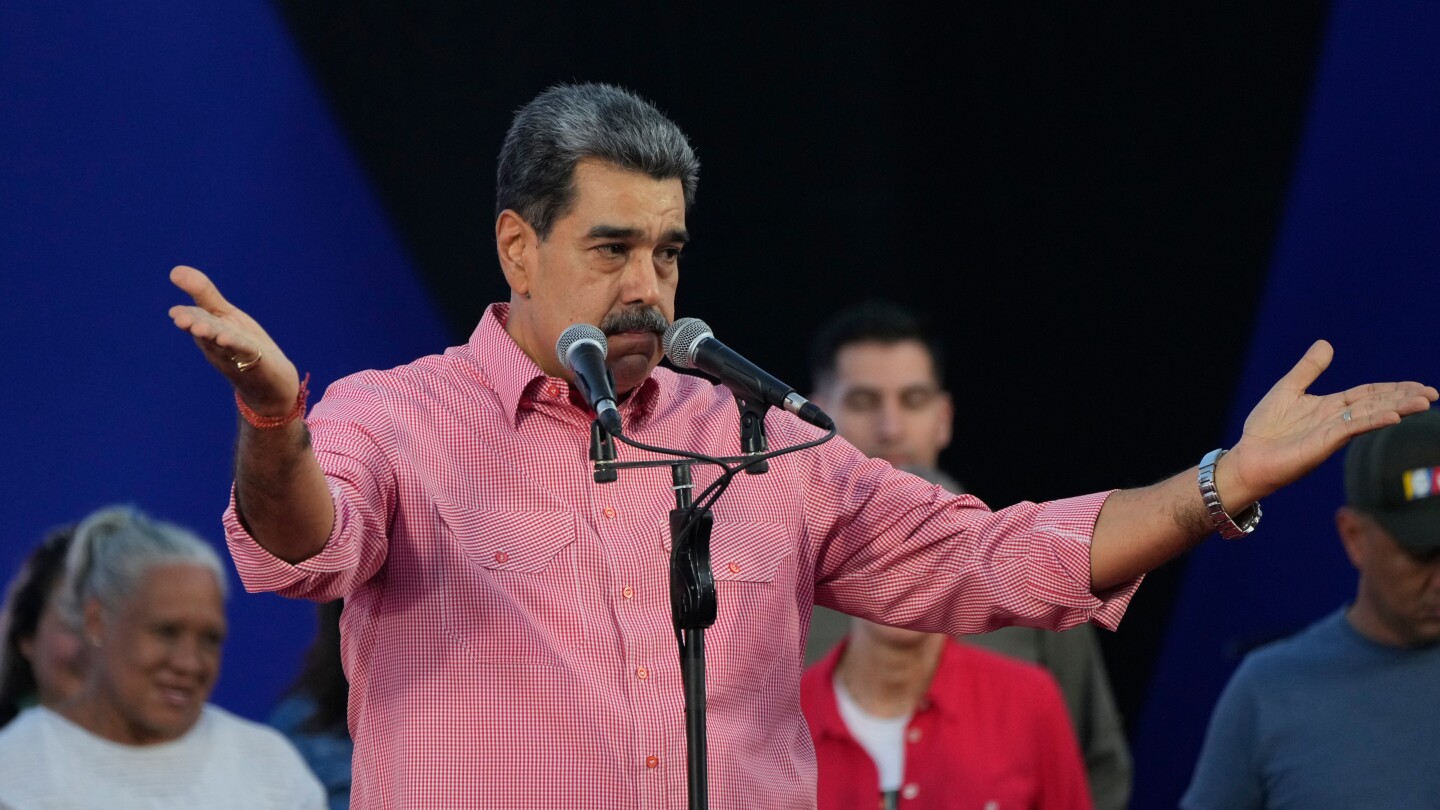
FAA warns all pilots of risks of flying over Venezuela over ‘worsening security situation’
The Federal Aviation Administration (FAA) issued a stern advisory on Friday, urging pilots to exercise heightened vigilance when navigating Venezuelan airspace. This warning stems from the deteriorating security landscape and increased military operations in the region, which could jeopardize aircraft at all altitudes, including those taking off, landing, or stationed on the ground. The FAA’s alert underscores the volatile environment surrounding Venezuela, where unspecified threats loom large. This development coincides with the Trump administration’s intensified pressure on Venezuelan President Nicolás Maduro, whom the U.S. does not recognize as the legitimate leader. Maduro faces narcoterrorism charges in the U.S., further complicating bilateral relations. In a show of force, the U.S. military has deployed the USS Gerald R. Ford aircraft carrier and several destroyers to the Caribbean Sea, marking the largest U.S. military presence in the region in decades. Additionally, the U.S. has conducted bomber flights near Venezuela’s coast, simulating attack scenarios as part of training exercises. The Trump administration has also targeted small boats allegedly involved in drug trafficking, resulting in over 80 fatalities since early September. Mary Schiavo, former inspector general for the Department of Transportation, noted that such FAA warnings are common during military conflicts but emphasized the importance of pilots adhering to them. While the Pentagon redirected inquiries to the FAA, the agency confirmed the warning’s issuance and its 90-day validity, leaving the underlying motivations for the alert open to interpretation.
-
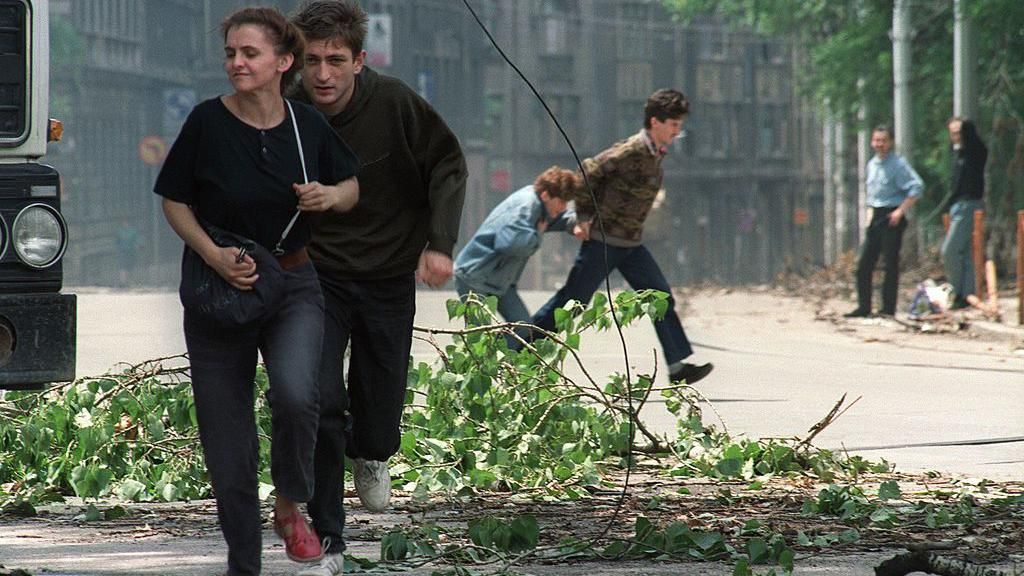
Serbian president denies involvement in alleged Bosnia ‘sniper tourism’
Serbian President Aleksandar Vucic has vehemently denied allegations of his involvement in ‘sniper tourism’ during the siege of Sarajevo, labeling the claims as a ‘lie.’ The accusations stem from a complaint filed by Croatian journalist Domagoj Margetic with Italian prosecutors, who cited 1990s video footage and testimonies from Bosnian officials suggesting Vucic was a ‘war volunteer’ with Bosnian-Serb forces. Vucic, speaking at a UK-Western Balkans business conference in Belgrade, asserted that he had ‘never killed anyone, wounded anyone, or done anything similar,’ and clarified that images purportedly showing him with a sniper rifle actually depicted him carrying a camera tripod. He accused the journalist of attempting to portray him as a ‘monster’ and a ‘cold-blooded murderer.’ The siege of Sarajevo, which lasted from 1992 to 1996, claimed over 11,000 lives as the city was encircled by Serb forces and subjected to relentless shelling and sniper fire. Italian prosecutors recently launched an investigation into claims that wealthy foreigners paid to shoot at civilians during the siege, following a complaint by Italian writer Ezio Gavazzeni, who referenced the 2022 Slovenian documentary ‘Sarajevo Safari.’ Vucic’s spokesperson, Suzana Vasiljevic, dismissed the allegations as ‘malicious disinformation’ aimed at undermining Serbia’s institutional credibility. She emphasized that Vucic was working as a journalist and translator in Pale during the conflict, with no involvement in military activities. While similar allegations of ‘human hunters’ have surfaced over the years, the International Residual Mechanism for Criminal Tribunals in The Hague has stated it lacks information on the matter, and Bosnia’s war crimes prosecutor has yet to issue any indictments. UK special forces veterans who served in Sarajevo have also dismissed the claims as an ‘urban myth.’
-
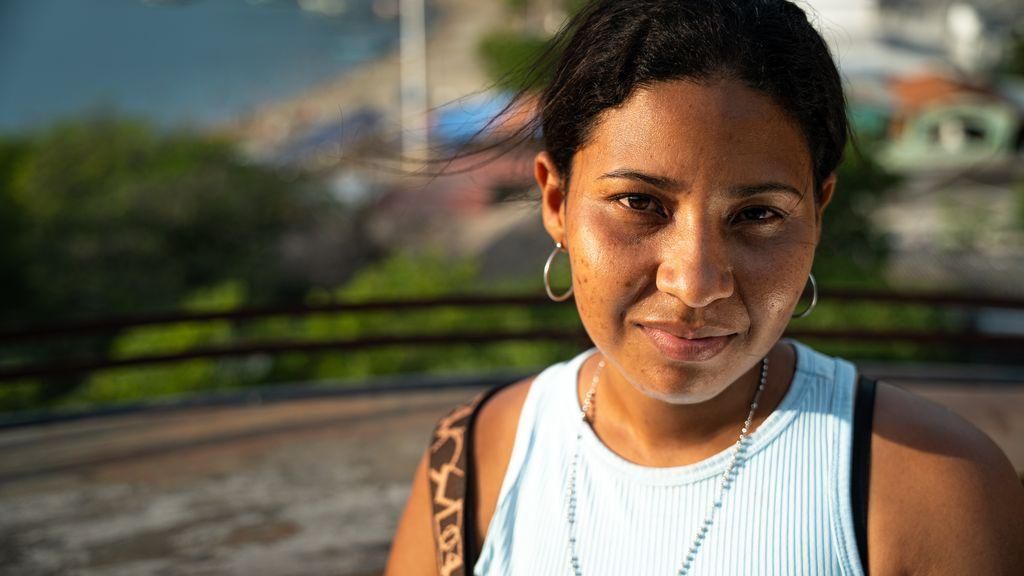
Family of missing Colombian seek answers after US strike on alleged drug boat
The serene fishing village of Taganga on Colombia’s Caribbean coast has become a focal point of international tension following US military strikes targeting alleged drug-trafficking vessels. Lizbeth Perez, the niece of missing fisherman Alejandro Carranza, recalls her last conversation with her uncle in September, describing him as a kind and cheerful man who loved his work. Carranza, a father of five, disappeared after setting out on his boat from La Guajira, Venezuela, on September 14. The next day, US President Donald Trump announced a strike on a vessel departing Venezuela, killing three individuals he labeled as ‘narco-terrorists.’ Carranza’s family remains in anguish, uncertain if he was among the victims. The US has conducted at least 21 strikes in the Caribbean and Pacific since September, resulting in 83 deaths. US Defense Secretary Pete Hegseth defends the campaign as a necessary measure to combat drug trafficking and protect American lives. However, the strikes have drawn condemnation from regional leaders, including Colombian President Gustavo Petro, who accused the US of ‘murder’ and suspended intelligence sharing with Washington. Petro claims Carranza was transporting drugs to fund his daughter’s education but argues that such actions do not warrant a death sentence. Carranza’s family denies his involvement in drug trafficking and has enlisted US lawyer Daniel Kovalik to sue the US government, citing violations of international law. The Trump administration justifies the strikes by invoking war-time powers, claiming the US is in a ‘non-international armed conflict’ with drug cartels. Meanwhile, local fishermen like 81-year-old Juan Assis Tejeda live in fear of being mistakenly targeted. The strikes have also fueled speculation about US intentions to pressure Venezuelan President Nicolás Maduro, whom the US accuses of leading a criminal trafficking organization. As tensions escalate, Caribbean fishing communities brace for an uncertain future, questioning whether diplomacy or conflict lies ahead.
-
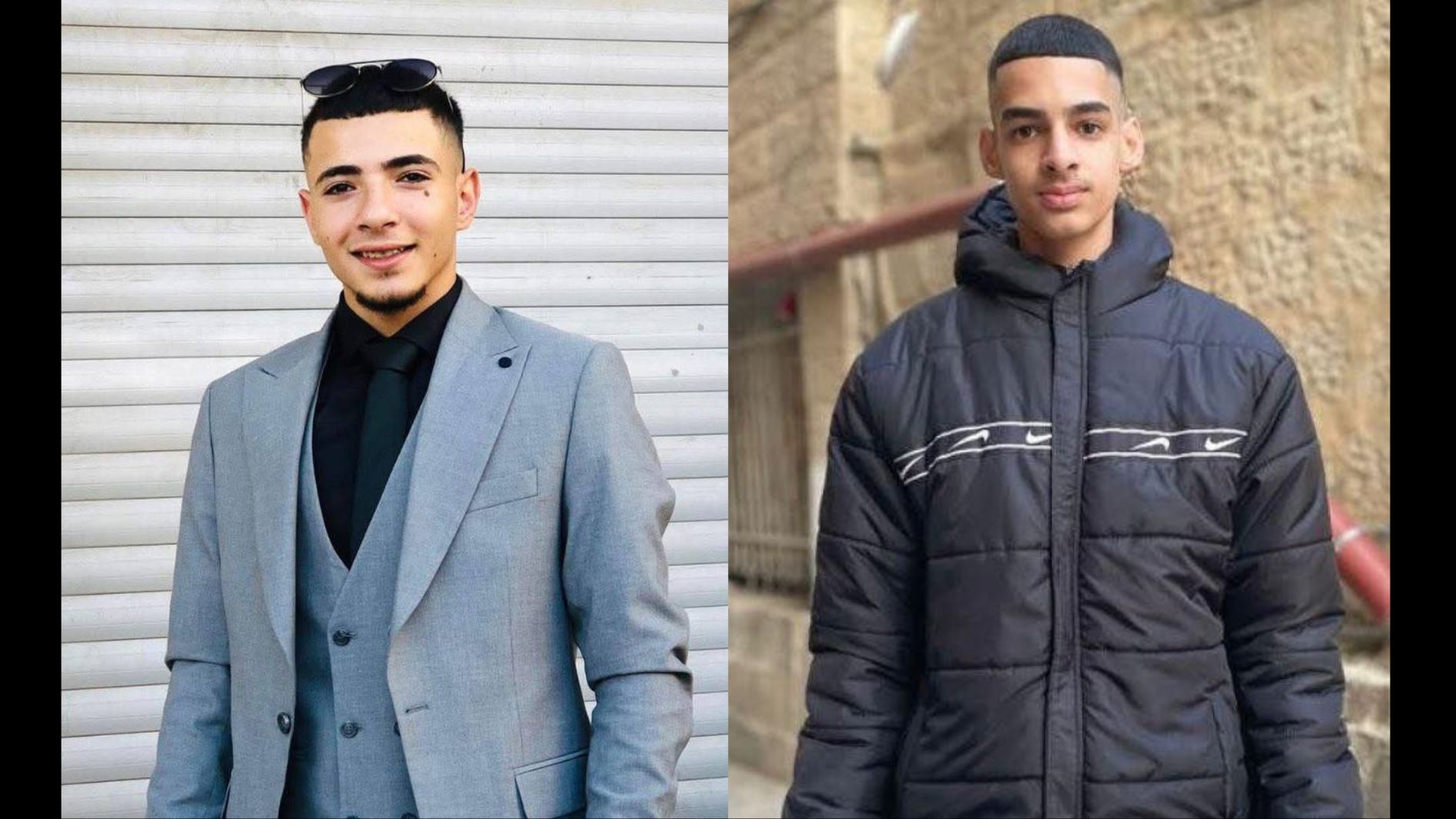
Israeli forces kill two Palestinian teens as settler violence escalates across the West Bank
In a recent escalation of violence in the occupied West Bank, Israeli forces shot and killed two Palestinian teenagers during a raid on the town of Kafr Aqab, north of East Jerusalem. The Palestinian Ministry of Health identified the victims as Amr Khaled Ahmed al-Marbou, 18, and Sami Ibrahim Sami Mashayekh, 16. The incident occurred overnight on Friday, with Israeli forces deploying ground troops and snipers positioned on rooftops opening fire on civilian crowds, resulting in multiple injuries alongside the fatalities. The Palestine Red Crescent Society reported treating two young men severely wounded by live ammunition before they succumbed to their injuries at the Palestine Medical Complex in Ramallah. Israeli police claimed the operation targeted ‘hostile elements’ attempting to harm forces and disrupt public order, citing stone-throwing and fireworks as provocations. However, local residents disputed this narrative, alleging that Israeli soldiers initiated the violence. The killings have intensified tensions in the region, with hundreds attending funeral processions for the teenagers. Meanwhile, settler violence has surged, particularly during the olive harvest season, with reports of arson attacks on Palestinian properties, including farmland, tourist villas, and a vehicle scrapyard in Huwara. Over 350 vehicles were destroyed in the latter incident. The Israeli government has proposed educational programs for settlers, while Shin Bet, the domestic intelligence agency, called for a forceful response to settler violence. The ongoing conflict has claimed 244 lives in the West Bank and East Jerusalem this year, with over 1,076 Palestinians killed since the start of Israel’s military campaign in Gaza.
-
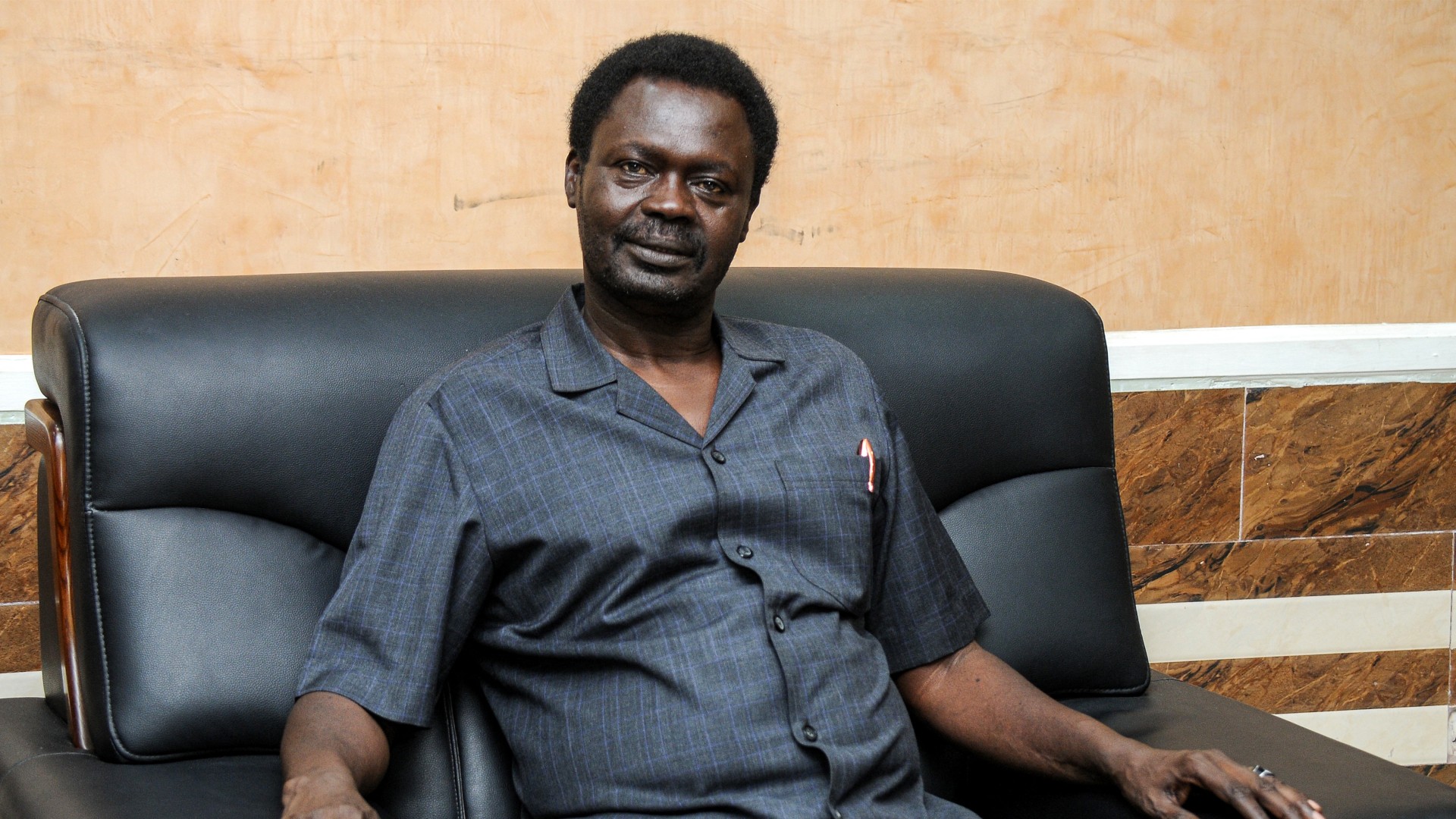
Darfur Governor Minni Minnawi says RSF killed 27,000 Sudanese in el-Fasher
In a shocking revelation, Minni Arkou Minnawi, the governor of Darfur, disclosed to Middle East Eye that approximately 27,000 Sudanese were massacred in just three days following the Rapid Support Forces (RSF) capture of el-Fasher in late October. This staggering figure far exceeds earlier estimates of 2,500 deaths, highlighting the brutal scale of violence unleashed by the paramilitary group. Survivors recounted harrowing tales of summary executions, sexual violence, and widespread atrocities, painting a grim picture of the city’s fall after a 550-day siege. UN aid chief Tom Fletcher, after a weeklong visit to Darfur, described el-Fasher as an “absolute horror show” and a “crime scene.” The RSF, accused of war crimes and genocide, has been implicated in targeting ethnic communities, including the Masalit in West Darfur. Minnawi, speaking from his temporary headquarters in Port Sudan, criticized the international community for its inaction, particularly Britain, which has faced scrutiny for its role in the UN Security Council and alleged complicity in the crisis. He also pointed fingers at the United Arab Emirates (UAE) for supplying advanced weaponry to the RSF, enabling their assault on el-Fasher. Despite mounting evidence, the UAE denies supporting the RSF, a claim Minnawi dismissed as “lip service.” He emphasized that peace negotiations must involve the UAE, not RSF leader Mohamed Hamdan Daglo, whom he labeled a “puppet” of the Emirates. Minnawi, a veteran of Darfur’s decades-long conflict, warned that stopping the UAE’s support is crucial to ending the war, which has displaced over 13 million people and claimed tens of thousands of lives.