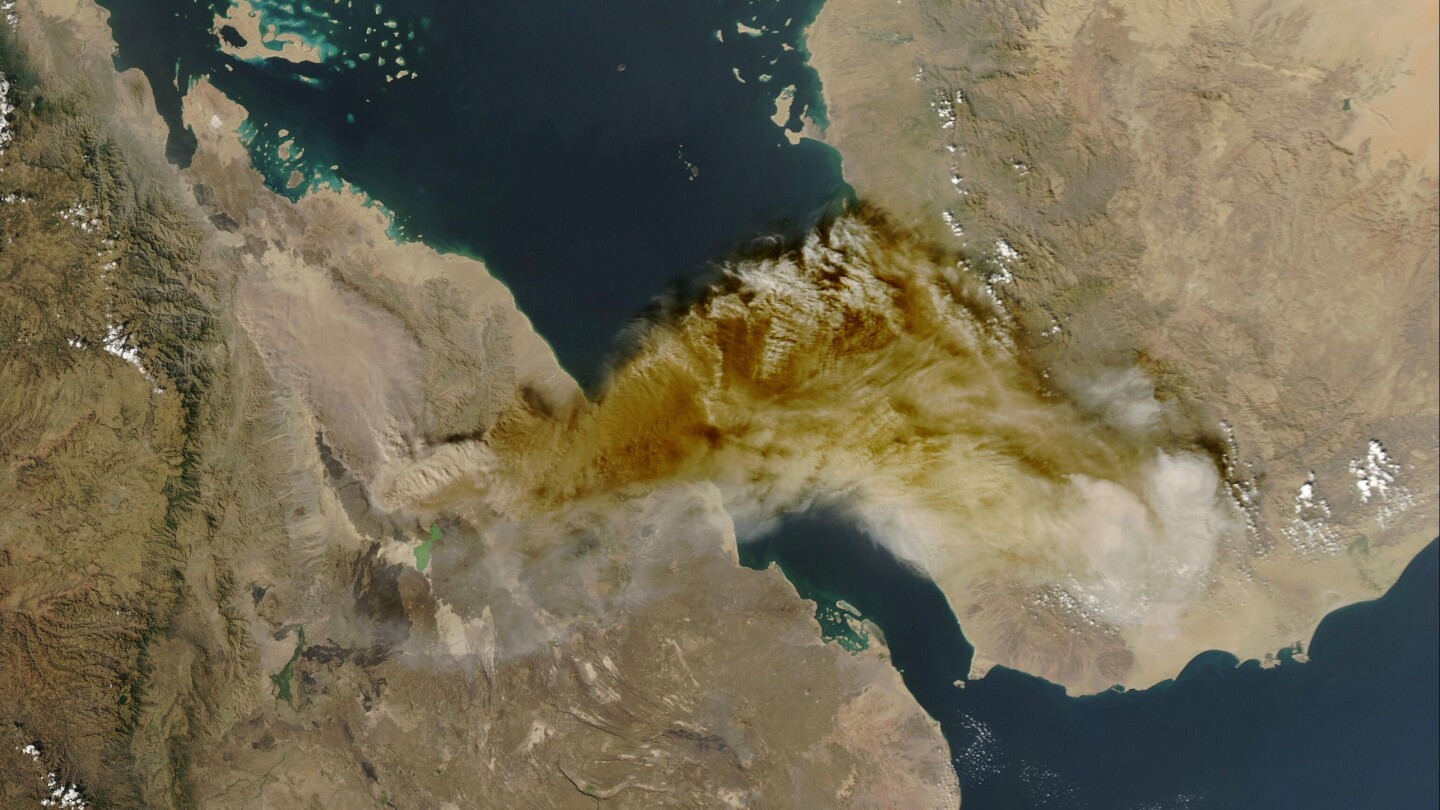
The Hayli Gubbi volcano in northern Ethiopia, dormant for millennia, erupted over the weekend, causing widespread disruption and damage. The volcanic activity, which subsided by Tuesday, left nearby villages in the Afdera district of the Afar region blanketed in ash. Residents reported persistent coughing, while livestock struggled to find clean water and grass due to the ash cover. The eruption also led to significant flight cancellations as ash plumes disrupted high-altitude flight paths. Airlines, including India’s Air India and Akasa Air, canceled dozens of flights, particularly those bound for Middle Eastern destinations like Jeddah, Kuwait, and Abu Dhabi. At least seven international flights at New Delhi’s Indira Gandhi International Airport were canceled, with numerous others delayed. Mobile medical teams were dispatched to affected areas to address health concerns, while livestock officials reported severe challenges for animals in accessing clean water and food. Geologists noted that the eruption, the first in 10,000 years, is linked to Ethiopia’s location along an active rift system. The ash cloud, carried by high-altitude winds, is expected to clear Indian skies by 1400 GMT on Tuesday.
分类: world
-
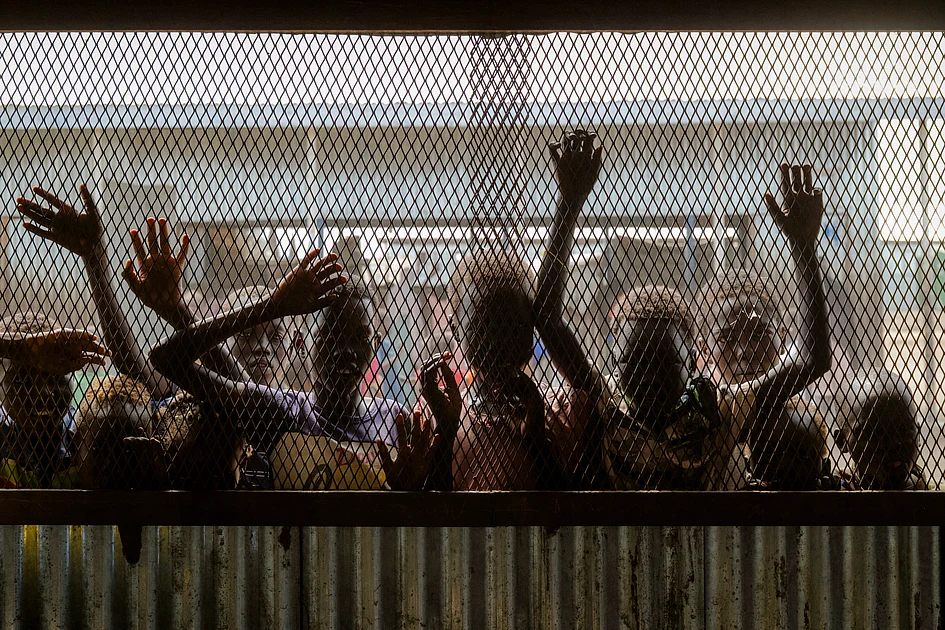
Sudan’s RSF announces three-month unilateral humanitarian truce
In a significant development, Sudan’s Rapid Support Forces (RSF) announced a unilateral three-month humanitarian truce on Monday, responding to international calls for peace. This decision follows a proposal by the Quad—comprising the United States, the United Arab Emirates, Egypt, and Saudi Arabia—for a three-month ceasefire followed by peace talks. RSF leader General Mohamed Hamdan Dagalo emphasized that the truce was a response to efforts by US President Donald Trump and other international stakeholders. However, the RSF’s commitment to peace has been questioned, as it launched drone strikes on army territory shortly after accepting the Quad’s plan. Sudan’s army chief, General Abdel Fattah al-Burhan, rejected the Quad’s proposal, accusing it of weakening the Sudanese army and favoring the RSF. The conflict, which erupted in April 2023 over disagreements on integrating the RSF and the army, has plunged Sudan into famine and resulted in tens of thousands of civilian deaths. The RSF has faced allegations of genocide and brutal attacks on civilians, particularly in Darfur and Kordofan regions. Both Dagalo and Burhan have been sanctioned by the United States for their roles in the violence. The UAE’s Minister of State for International Cooperation, Reem bint Ebrahim Al Hashimy, criticized Burhan for obstructing peace efforts. The international community continues to push for a resolution to the crisis, which has caused widespread suffering and instability in Sudan.
-
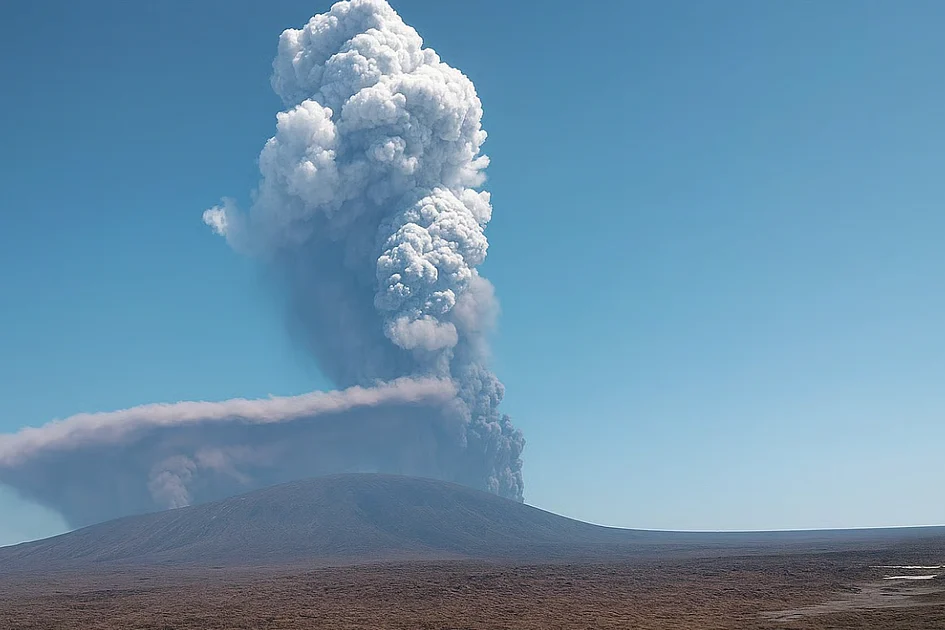
Ethiopia volcano eruption: UAE expert shares images of effect across Middle East
The eruption of the Hayli Gubbi volcano in Ethiopia, dormant for nearly 12,000 years, has released significant amounts of sulfur dioxide gas into the atmosphere, impacting regions across the Middle East. Shawkat Odeh, an expert from the International Astronomical Centre, shared satellite images showing the gas’s dispersion over Yemen and Oman on November 23 and 24. This phenomenon is not unprecedented; Odeh recalled a previous volcanic event that altered the sky’s color, blending blue and red hues to create a striking purple shimmer during sunset. The recent eruption has drawn attention to the far-reaching effects of volcanic activity, even in regions distant from the source. The UAE-based expert’s findings highlight the interconnectedness of global environmental events and their impact on neighboring countries.
-
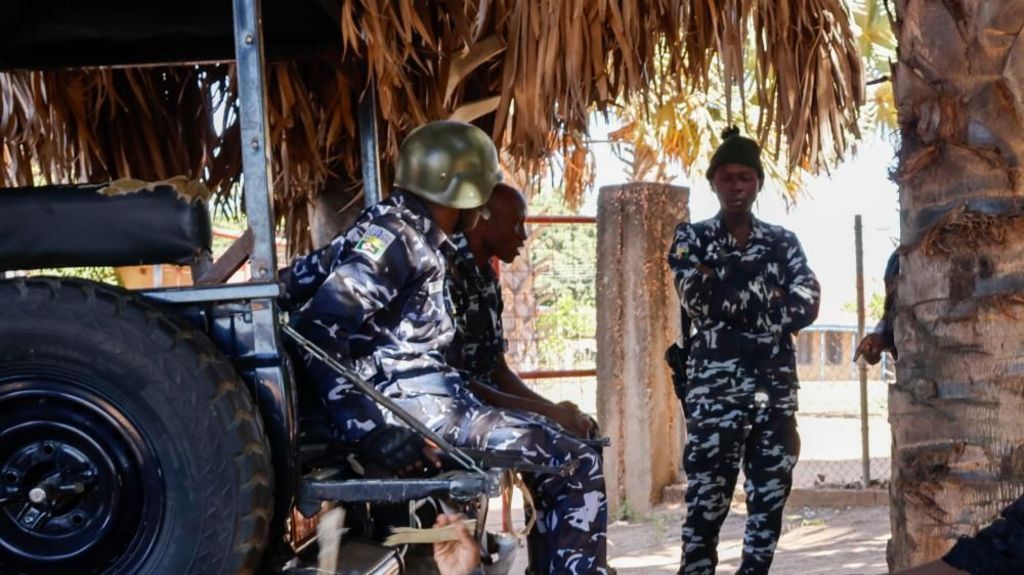
Catholic bishop hits out at Nigeria’s failure to rescue abducted schoolchildren
Nigeria is facing a deepening security crisis as the government faces accusations of inaction following the abduction of over 250 children from a Catholic boarding school in Niger state. Bishop Bulus Dauwa Yohanna, the region’s leading Catholic cleric, criticized the government for making “no meaningful effort” to rescue the students. However, Niger state’s police chief, Adamu Abdullahi Elleman, countered these claims, alleging that the school had failed to cooperate with search and rescue operations. The abductions, attributed to criminal gangs seeking ransom, highlight the widespread insecurity plaguing the country. This incident is the third mass kidnapping in Nigeria within a week, following the abduction of 20 Muslim schoolgirls in Kebbi state and an attack on a church in Kwara state that left two dead and dozens abducted. President Bola Tinubu canceled his attendance at the G20 summit in South Africa to address the crisis, announcing the rescue of 38 worshippers in Kwara state. Meanwhile, the US has threatened military intervention if Nigeria fails to protect its Christian population, with US Secretary of War Pete Hegseth meeting Nigeria’s National Security Adviser to discuss counterterrorism efforts. The Nigerian government denies allegations of religious persecution, attributing the violence to criminality, extremism, and land disputes. Amid the turmoil, many boarding schools have closed, and authorities in Lagos are enhancing security at schools and places of worship.
-
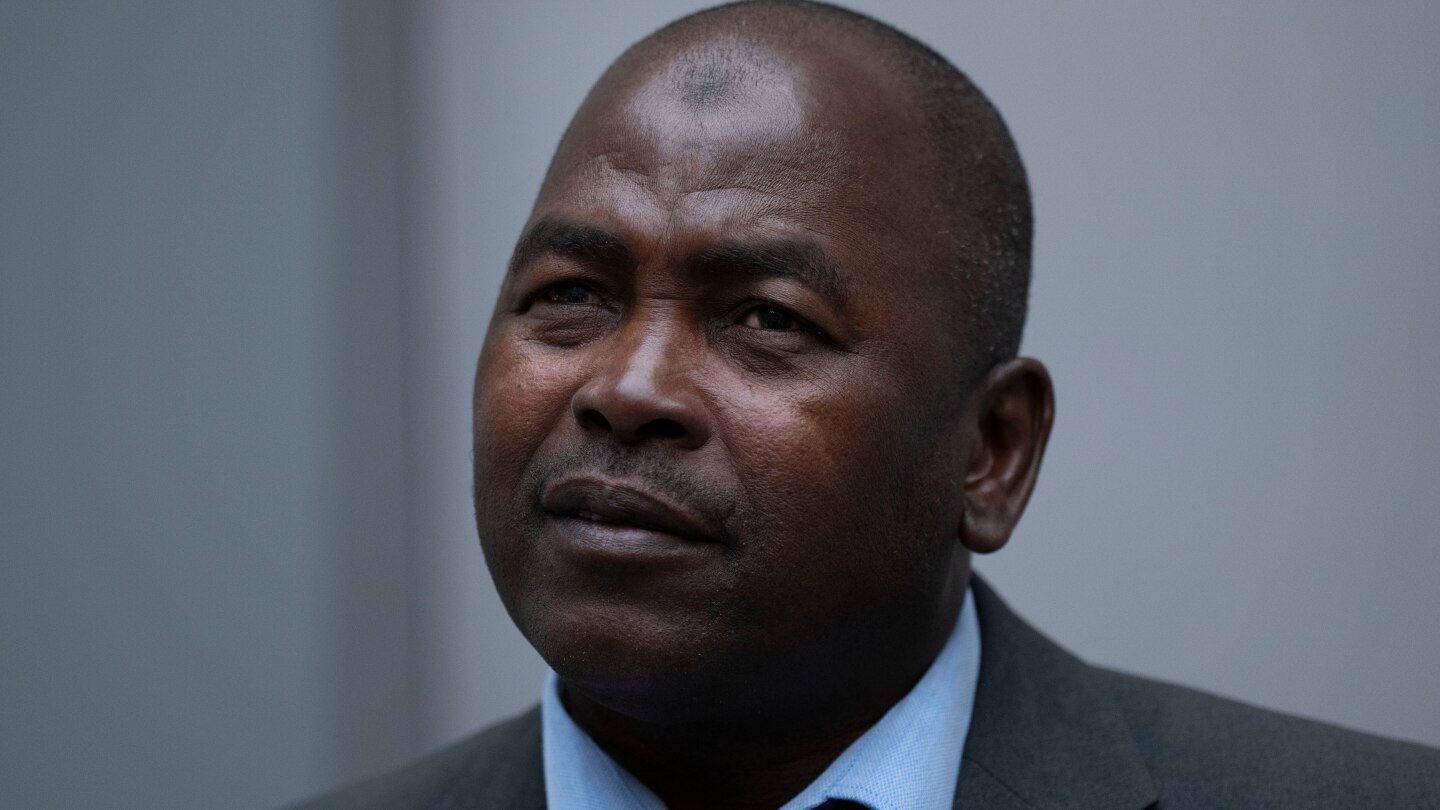
Closing statements begin in ICC trial of alleged Central African Republic militia commander
In a landmark case at the International Criminal Court (ICC) in The Hague, Netherlands, prosecutors on Tuesday delivered closing arguments against Mahamat Said Abdel Kani, an alleged commander of the Seleka rebel group from the Central African Republic (CAR). Said faces multiple charges of crimes against humanity and war crimes, including torture, persecution, and enforced disappearances during the 2013 conflict in Bangui, the nation’s capital. The violence erupted between the predominantly Muslim Seleka rebels, who had overthrown then-President Francois Bozize, and the Christian anti-Balaka militia. Deputy prosecutor Mame Mandiaye Niang detailed the atrocities, stating that women, children, the elderly, and disabled individuals were subjected to horrific abuse, including rape and torture. Said has pleaded not guilty, with his defense team arguing that the evidence is unreliable and insufficient to link him to the crimes. The defense will present its closing arguments later this week. If convicted, Said could face life imprisonment. This trial marks the conclusion of the last active case at the ICC, which has faced significant challenges, including sanctions from the Trump administration and internal investigations into its leadership. The court has previously convicted two senior anti-Balaka leaders in July for similar crimes, highlighting its ongoing efforts to address impunity in CAR.
-
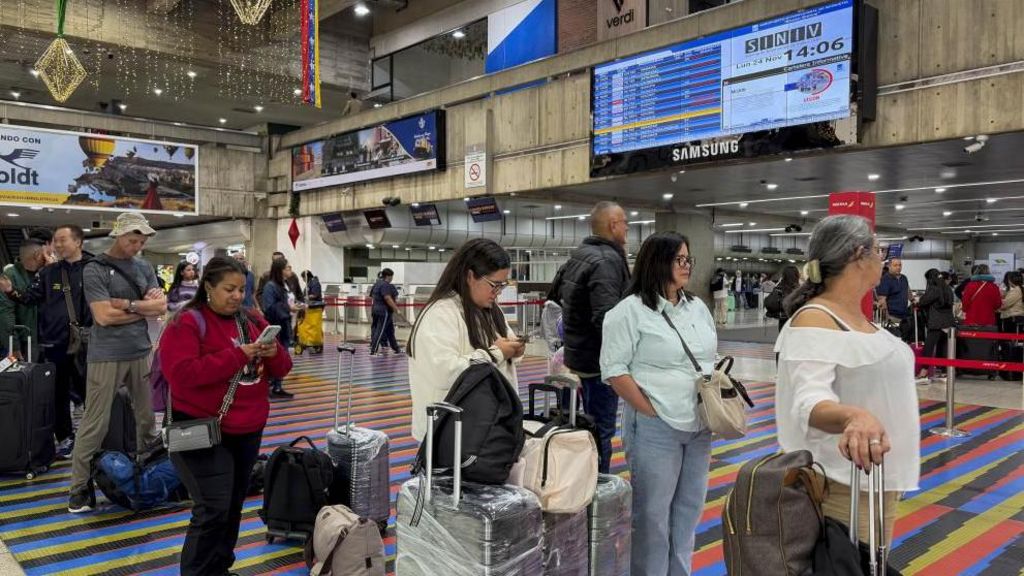
Venezuela demands international airlines resume flights – or else
Venezuela has issued a stern ultimatum to international airlines, demanding they resume flights to the country within 48 hours or face the revocation of their operational permits. This directive comes in the wake of a US Federal Aviation Administration (FAA) advisory warning of increased military activity in the region, prompting several airlines to suspend their services to Venezuela. Among the affected carriers are Spain’s Iberia, Air Europa, and Plus Ultra, Brazil’s Gol, Chile’s Latam, Colombia’s Avianca, Portugal’s TAP, and Turkish Airlines. The FAA’s advisory specifically highlighted the deteriorating security situation around Maiquetía, the site of Venezuela’s primary international airport serving Caracas. While some airlines like Panama’s Copa and Venezuela’s state-owned Conviasa continue operations, the suspensions have significantly reduced international flight traffic. The International Air Transport Association (Iata) has urged Venezuela’s aviation authority, Inac, to reconsider the deadline, emphasizing that such measures would further isolate the country, already one of the least connected in the region. Iata also noted that its member airlines remain committed to resuming operations once conditions permit. The escalating tensions between the US and Venezuela are rooted in the US’s increased military presence in the southern Caribbean, ostensibly aimed at combating drug trafficking. Since September, the US Navy has conducted at least 21 strikes against vessels allegedly involved in drug trafficking, primarily in the Caribbean but also in the Pacific. Venezuelan President Nicolás Maduro has vehemently criticized these actions, accusing the US of attempting to overthrow his government. In a defiant statement during his TV show, Maduro asserted that the US would not succeed in defeating Venezuela. The US, however, regards Maduro as an illegitimate leader, citing his widely disputed 2024 re-election. Despite these tensions, US President Donald Trump has not ruled out direct dialogue with Maduro, hinting at potential future discussions.
-
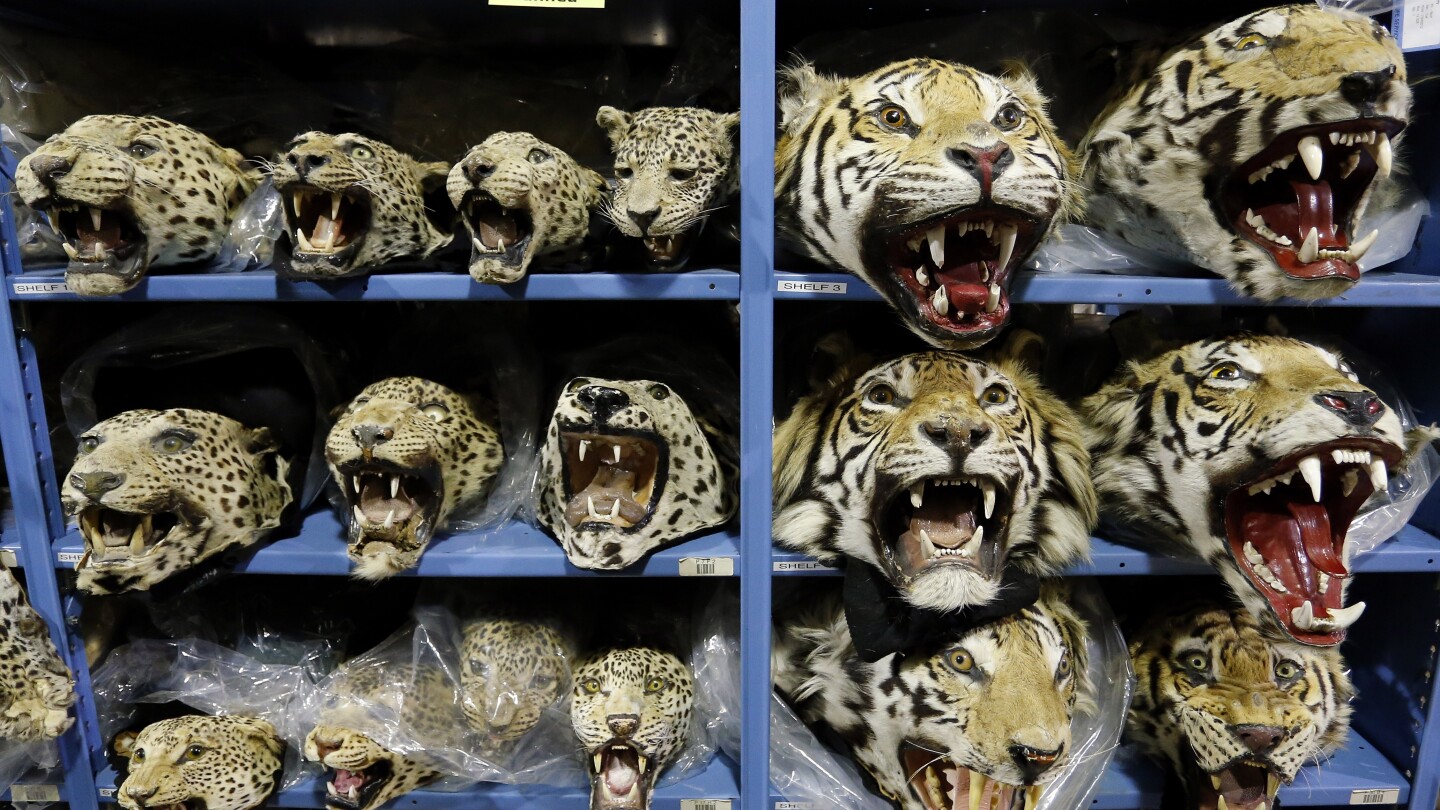
Global tiger trafficking crisis worsens with nine big cats seized monthly
A recent report by TRAFFIC, a wildlife trade monitoring network, has revealed a alarming surge in tiger trafficking, with an average of nine tigers seized each month over the past five years. This crisis poses a significant threat to the survival of one of the planet’s most iconic species. The global wild tiger population, which stood at around 100,000 a century ago, has now dwindled to an estimated 3,700-5,500. Despite decades of international protection, the illegal trade in tigers is accelerating, with a notable shift towards trafficking whole animals, whether living or dead. Experts suggest this trend may be linked to captive-breeding operations, increased exotic pet ownership, and demand for taxidermy. Between 2000 and mid-2025, law enforcement agencies globally recorded 2,551 seizures involving at least 3,808 tigers. The worst years for seizures were 2019 and 2023, with 141 and 139 incidents respectively. Most seizures occurred in countries with wild tiger populations, such as India, China, Indonesia, and Vietnam, but significant incidents were also reported in Mexico, the U.S., and the United Kingdom. The report highlights a dramatic shift in trafficking patterns, with whole animal carcasses and live tigers now accounting for a larger proportion of seizures compared to tiger parts. The report identifies several hotspots for intervention, including India and Bangladesh’s tiger reserves, Indonesia’s Aceh region, and the Vietnam-Laos border. It also notes a growing convergence of species in trafficking incidents, with nearly one in five involving other threatened wildlife such as leopards, bears, and pangolins. The report emphasizes the need for strong international cooperation and intelligence-led, multi-agency enforcement to disrupt organized crime networks. Leigh Henry, director of wildlife conservation at WWF, warned that illegal trade remains the greatest immediate threat to wild tigers and called for urgent investments to combat trafficking at all points along the trade chain.
-
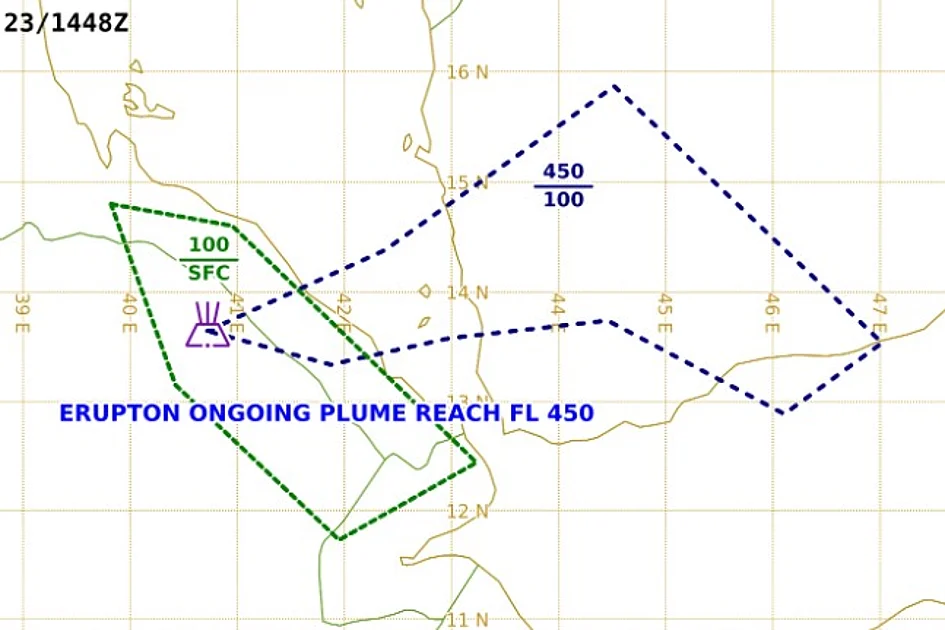
Ethiopian volcano erupts after 12,000-year dormancy; what we know so far
A long-dormant volcano in Ethiopia’s northeastern Afar region, Hayli Gubbi, has erupted for the first time in nearly 12,000 years, according to the Toulouse Volcanic Ash Advisory Centre (VAAC). The eruption, which occurred on Sunday, sent thick plumes of smoke soaring up to 14 kilometers (nine miles) into the sky. Located approximately 800 kilometers (500 miles) northeast of Addis Ababa near the Eritrean border, the volcano lies within the geologically active Rift Valley, where two tectonic plates converge. The Smithsonian Institution’s Global Volcanism Program confirmed that Hayli Gubbi had no recorded eruptions during the Holocene epoch, which began around 12,000 years ago. Volcanologist Simon Carn of Michigan Technological University also corroborated this on Bluesky, stating that the volcano has no history of Holocene activity. The eruption produced a significant ash cloud that drifted over Yemen, Oman, India, and northern Pakistan. Environment authorities in Oman and Saudi Arabia have been monitoring the situation but assured the public of no direct impact. The VAAC’s latest update indicates that the eruption has ceased, and the ash cloud is now moving towards China.
-

France says ‘bon voyage’ to 2 giant pandas as they head back to China
After 13 years of captivating visitors at France’s Beauval Zoo, the celebrated giant pandas Huan Huan and Yuan Zi embarked on their journey back to China on Tuesday. The pair, both 17 years old, were transported in specially designed white crates equipped with windows and breathing holes, departing from Paris’ Charles-de-Gaulle Airport on a 12-hour flight. Their return marks the end of a significant chapter in Franco-Chinese cultural exchange and panda diplomacy. Zoo director Rodolphe Delord, who bid farewell to the pandas during an emotional ceremony, emphasized that the aging duo requires specialized care, which will be provided at the Chengdu Research Base of Giant Panda Breeding, their birthplace. Huan Huan’s recent diagnosis of kidney failure, a common ailment for carnivores of her age, further necessitated their repatriation. French and Chinese veterinary teams collaborated to ensure their safe travel while their health permitted. The pandas gained immense popularity in France since their arrival in 2012, with Huan Huan giving birth to three cubs during their stay. Their firstborn, Yuan Meng, was sent to China in 2022, while their twin daughters, Huanlili and Yuandudu, remain at Beauval Zoo for now. The Chengdu facility will continue to leverage the couple’s legacy to raise awareness about panda conservation. With approximately 2,000 pandas in the wild and 500 in captivity globally, their return underscores ongoing efforts to protect this iconic species.
-
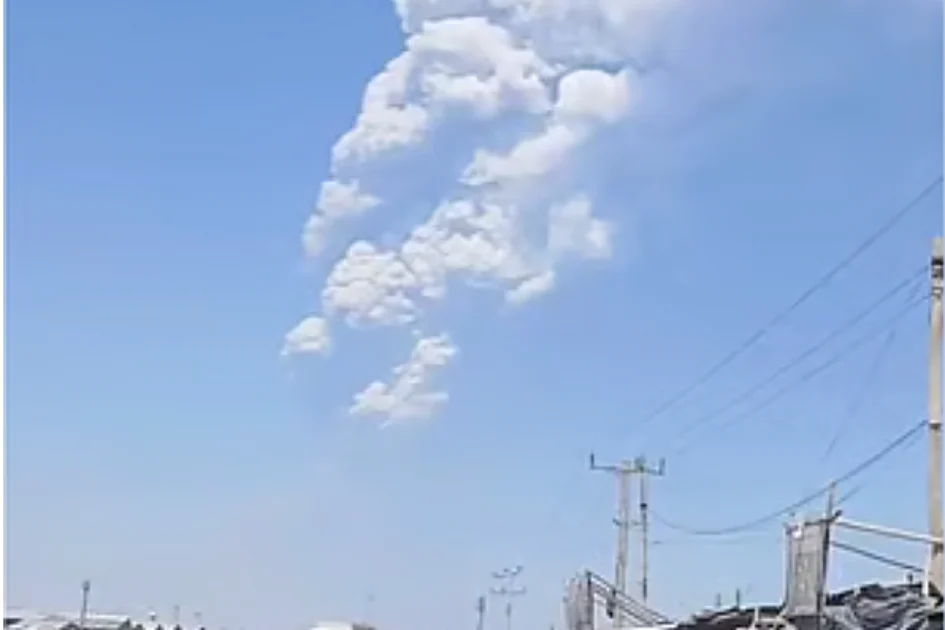
Ethiopia volcano eruption: Oman says volcanic ash detected over the region
In the wake of Ethiopia’s Hayli Gubbi volcano erupting for the first time in over 10,000 years, Oman’s Environment Authority has confirmed the detection of volcanic ash over parts of the Empty Quarter and the Arabian Sea. The ash was observed at an altitude of 35,000 feet, raising concerns about potential disruptions to air travel and public health. However, authorities have reassured the public that no significant impacts have been recorded. Air quality monitoring data indicates no increase in air pollutant concentrations within the Sultanate, and there are no immediate risks to public health or the environment. Specialized teams are continuously monitoring the situation, and the Environmental Emergency Centre has been activated in coordination with the Ministry of Health, Civil Defence, and Civil Aviation Authority. Saudi Arabia has also issued a statement, confirming no adverse effects within its borders. The eruption of Hayli Gubbi, located in the Erta Ale Range, has been described as one of the most extraordinary volcanic events in the region’s history, with ash plumes reaching altitudes of nearly 20,000 feet and drifting across Yemen and Oman.