
The 2025 Kuliang Forum, held in New York, brought together descendants of American families who once lived in Kuliang, Fujian province, to celebrate and strengthen the enduring bonds between China and the United States. Organized by People’s Daily Digital Communication, the event, themed ‘Echoes of History — Peaceful Development through Mutual Success for Better Lives,’ highlighted the historical and cultural connections that continue to inspire bilateral relations. The forum traced the legacy of Kuliang, a summer retreat for Americans in the early 20th century, and expanded its narrative to include the Flying Tigers, cultural exchanges, and modern-day collaborations. Chinese Ambassador to the US Xie Feng emphasized the importance of shared friendship, stating, ‘The bonds that have transcended time and space continue to inspire us till this day.’ He praised the ‘Friends of Kuliang,’ a group of descendants who have revisited their ancestral ties to the region, as a testament to the enduring spirit of cross-cultural understanding. Yu Shaoliang, President of People’s Daily, underscored the forum’s mission to promote China-US friendship and constructive interaction, particularly among younger generations. Personal stories, such as those of Gordon Trimble and Priscilla Brewster Gill, illustrated the deep emotional and familial connections to Kuliang. Trimble, a ‘Kuliang Friend’ and educator, highlighted the role of Kuliang in fostering global citizenship, while Gill shared her lifelong affection for the place she calls home. The forum concluded with a call for continued cooperation and mutual respect, emphasizing that the shared history of Kuliang serves as a foundation for future collaboration between the two nations.
分类: world
-
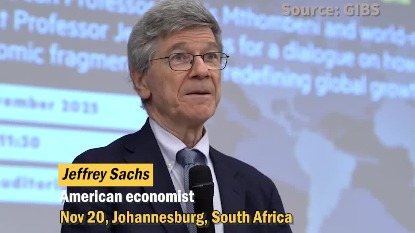
China as a model: Sachs says Africa can achieve 8-10% growth
Renowned economist Jeffrey Sachs has proposed that African nations could significantly boost their economic growth rates to between 8 and 10 percent annually over the next four decades. This ambitious target, which would double the current growth pace, hinges on the adoption of strategies that have been instrumental in China’s remarkable economic ascent. Sachs emphasized that by emulating China’s development blueprint, African countries could unlock unprecedented economic potential and drive sustainable progress. The insights were shared during a recent discussion, highlighting the transformative impact of strategic economic policies and international cooperation. Sachs’ vision underscores the importance of leveraging proven models to foster long-term growth and development in Africa.
-
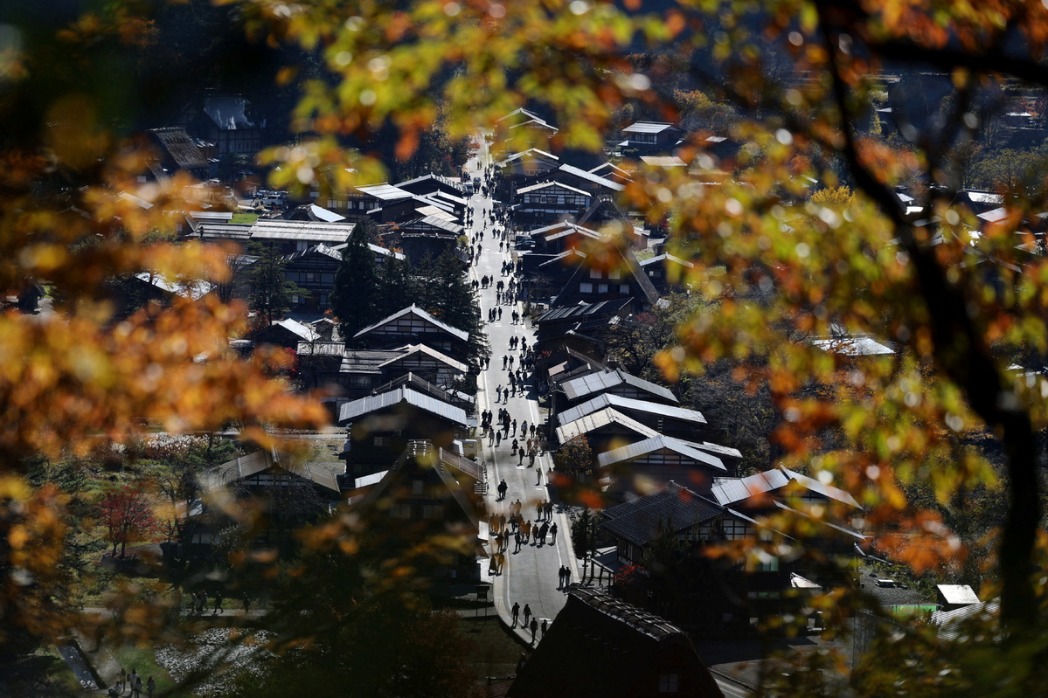
False remarks send shock waves to service sectors
Japanese Prime Minister Sanae Takaichi’s controversial remarks on China’s Taiwan have triggered significant repercussions across Japan’s tourism and service industries, potentially exacerbating the nation’s economic challenges. The Japan Association of Travel Agents (JATA) revealed that member companies catering to Chinese tourists have experienced a surge in cancellations, particularly for educational and corporate group tours. New inquiries and bookings have also been suspended, with JATA closely monitoring the situation. The downturn follows travel advisories issued by Chinese ministries, citing increased crimes against Chinese nationals in Japan and inflammatory rhetoric from Japanese right-wing groups. Major Chinese airlines are offering free refunds and rescheduling for Japan-bound flights booked before December 31. Flight data indicates that all 12 China-Japan routes were canceled as of Monday, with over 540,000 tickets scrapped since mid-November. The Japan External Trade Organization reported the cancellation of all 24 of its events in China, further straining bilateral relations. Chinese tourists, who constitute a quarter of Japan’s foreign visitors, are pivotal to the economy, contributing significantly to retail, hospitality, and luxury sectors. Experts warn that the decline in Chinese tourism could lead to stagflation, impacting trade, exchange rates, and long-term economic growth. Additionally, the postponement of Japanese films and performances in China underscores the cultural fallout. Chinese Foreign Ministry spokeswoman Mao Ning emphasized the need for Japan to rectify its actions and avoid further provocations.
-
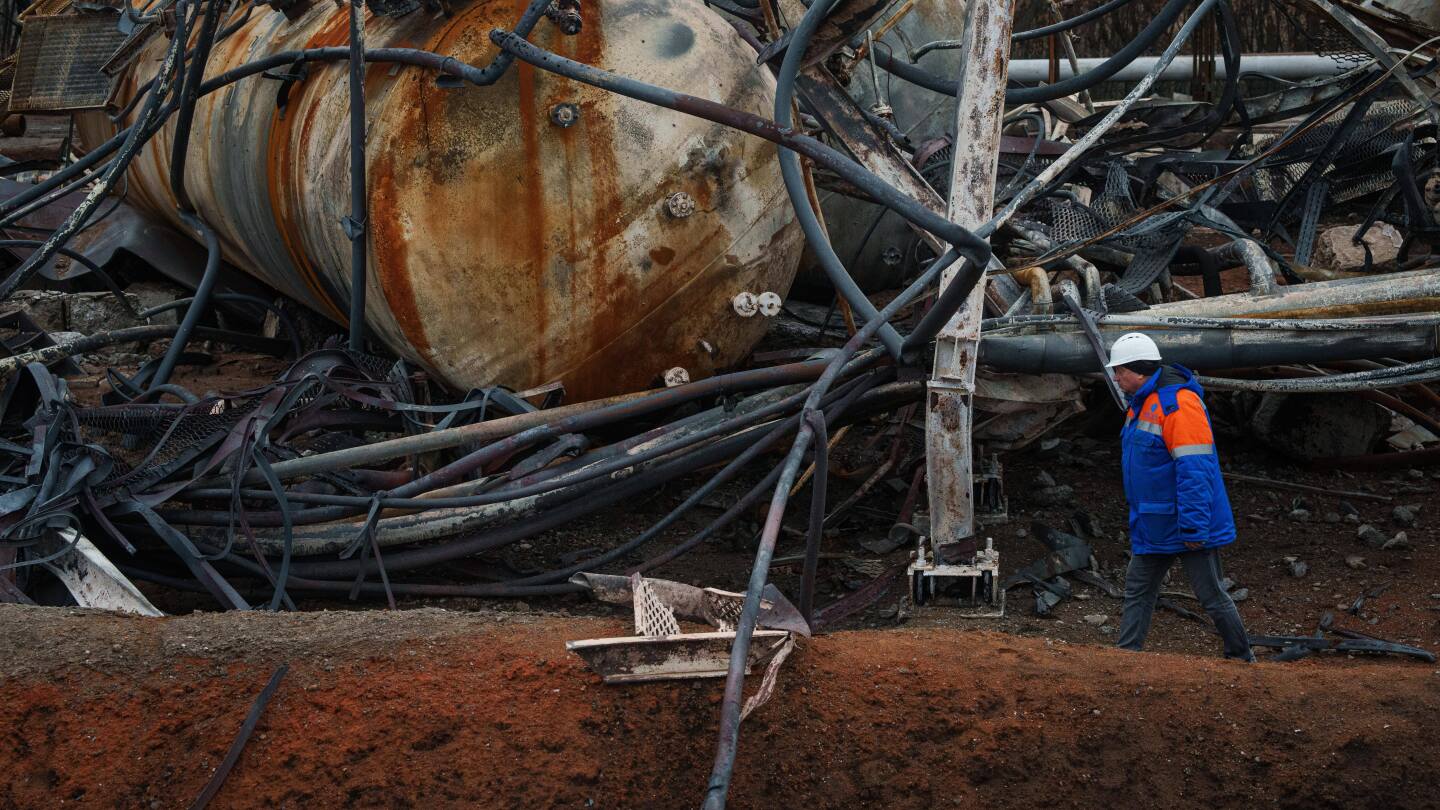
As Russia pummels Ukraine’s energy systems, Kyiv hopes US gas will fill the gap
The aftermath of a devastating Russian drone and missile assault on a Ukrainian gas facility has left the surrounding soil scorched and the infrastructure in ruins. The attack, which occurred on October 30, targeted a reservoir storing liquefied propane gas, leaving several tanks empty and destroyed. Victor, a long-time employee who has worked at the facility for 28 years, expressed his sorrow over the damage, stating, ‘It hurts to look at all this because I saw firsthand its establishment, construction, and development. But we must continue to work.’ The Associated Press was granted exclusive access to Naftogaz’s gas extraction fields in central Ukraine, marking the first time a news outlet has been allowed to document the war damage at these facilities. Due to security concerns, the exact location of the facility remains undisclosed. Russia’s strategic targeting of Ukraine’s gas infrastructure aims to cripple morale and force the country to import expensive gas, which it can scarcely afford. Without these attacks, Ukraine could have covered the majority of its gas consumption through domestic extraction. However, the March and October assaults have left Ukraine needing to import an additional 4.4 billion cubic meters of gas this winter, at an estimated cost of $2 billion. Naftogaz, Ukraine’s state gas company, is negotiating with U.S. government lenders to secure financing for purchasing American liquefied natural gas. The energy crisis has become a critical factor in ongoing peace negotiations, with a senior Ukrainian official emphasizing the urgency of the situation. ‘It is urgent because of Ukraine’s energy situation, urgent because of what Ukrainians need this winter, urgent in terms of the fight,’ the official stated. The destruction of gas infrastructure, which has no military significance, is seen as a deliberate attempt to terrorize Ukrainians by leaving them without heating and electricity during the harsh winter months. Naftogaz CEO Serhii Koretskyi condemned the attacks, describing them as ‘manic terror attacks.’ The damage has pushed Ukraine to increase its gas imports, with Naftogaz securing 70% of the required funds through European loans and grants. The remaining 30% is being sought from U.S. lenders, though the process is time-sensitive. ‘This money was needed the day before yesterday,’ Koretskyi remarked. The attacks have also left gas transport pipes in a tangled wreckage, with workers scrambling to salvage what they could. The repeated assaults on Ukraine’s gas infrastructure have forced the country to rely heavily on imports, with some repairs expected to take months or even years. The situation has raised concerns about the long-term sustainability of Ukraine’s energy sector, with experts suggesting that the government may need to raise gas prices to reduce reliance on loans. However, such a move risks public backlash, especially given the ongoing pressure on the government from a major corruption scandal in the energy sector. Despite the challenges, Ukraine remains committed to rebuilding its gas infrastructure and ensuring energy security for its citizens.
-
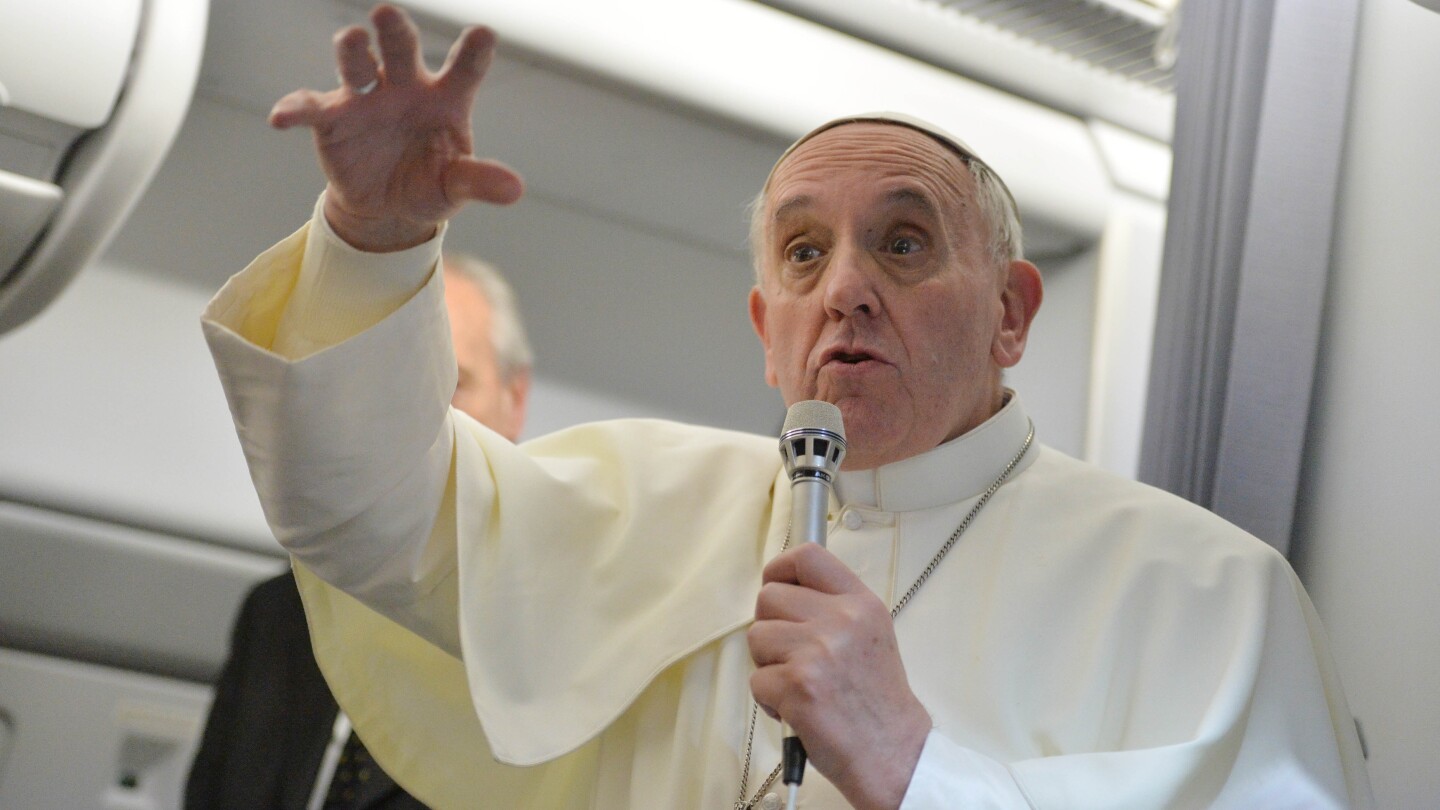
Pope Leo XIV visits Turkey and Lebanon on first foreign trip
Pope Leo XIV, the first American pope in history, has embarked on his inaugural foreign journey, a significant pilgrimage to Turkey and Lebanon. This trip, initially planned by his predecessor Pope Francis, carries profound religious and geopolitical implications. Amid escalating tensions in the Middle East and intense media scrutiny, Leo’s visit aims to strengthen ties with the Orthodox Church in Turkey and offer solace to Lebanon’s beleaguered Christian community, still reeling from the devastating 2020 Beirut port blast. The pope’s diplomatic acumen and linguistic versatility have been on full display as he navigates complex questions from reporters. The trip is being closely monitored by major U.S. networks and international media, highlighting its global significance. In Turkey, Leo will commemorate the 1,700th anniversary of the Council of Nicaea, a pivotal moment in Christian history, while in Lebanon, he will pray at the site of the port explosion and meet with young Lebanese, offering hope amid ongoing crises. Security concerns remain high, but organizers assure the pope’s safety. Leo’s visit underscores the Vatican’s commitment to fostering interfaith dialogue, addressing regional conflicts, and advocating for justice and peace.
-
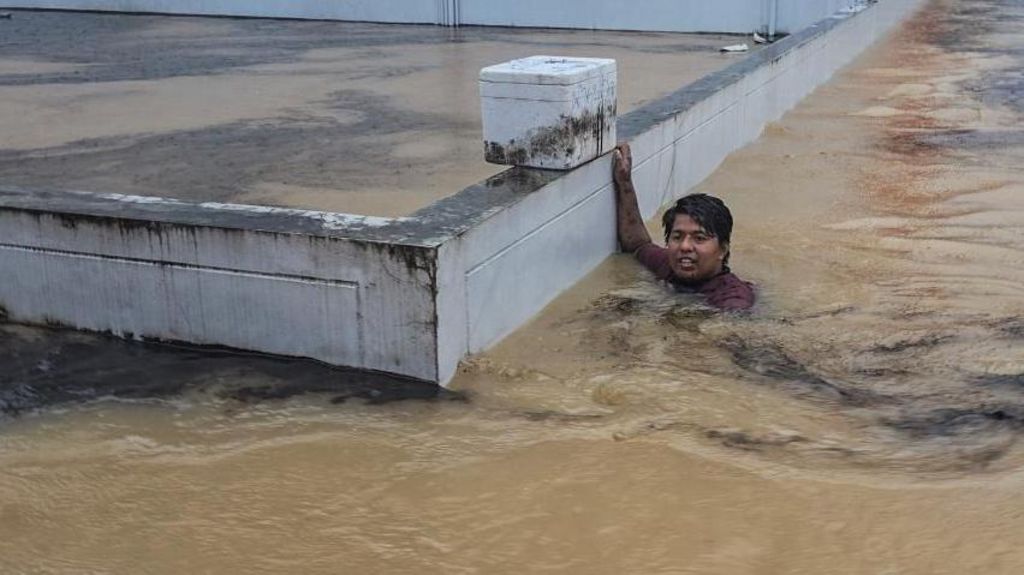
‘Once in 300 years’ rain hits Thai city as floods ravage Southeast Asia
Thailand is grappling with unprecedented floods that have claimed at least 18 lives and disrupted the lives of over 2 million people. The southern region, particularly the city of Hat Yai, has been severely impacted, recording its heaviest rainfall in 300 years—335mm in a single day. The deluge has submerged vehicles and homes, leaving residents stranded on rooftops, desperately awaiting rescue. Despite relief efforts, the majority of those affected remain isolated and unable to access aid. The Thai military has mobilized an aircraft carrier, 14 boats, and field kitchens to deliver essential supplies and medical assistance. However, the scale of the disaster has overwhelmed local resources, with rescue groups receiving thousands of distress calls. Neighboring countries like Vietnam and Malaysia are also facing severe flooding, with Vietnam reporting 91 deaths and Malaysia evacuating over 19,000 people. The situation remains dire as rising waters continue to trap residents, with urgent calls for help flooding social media platforms.
-
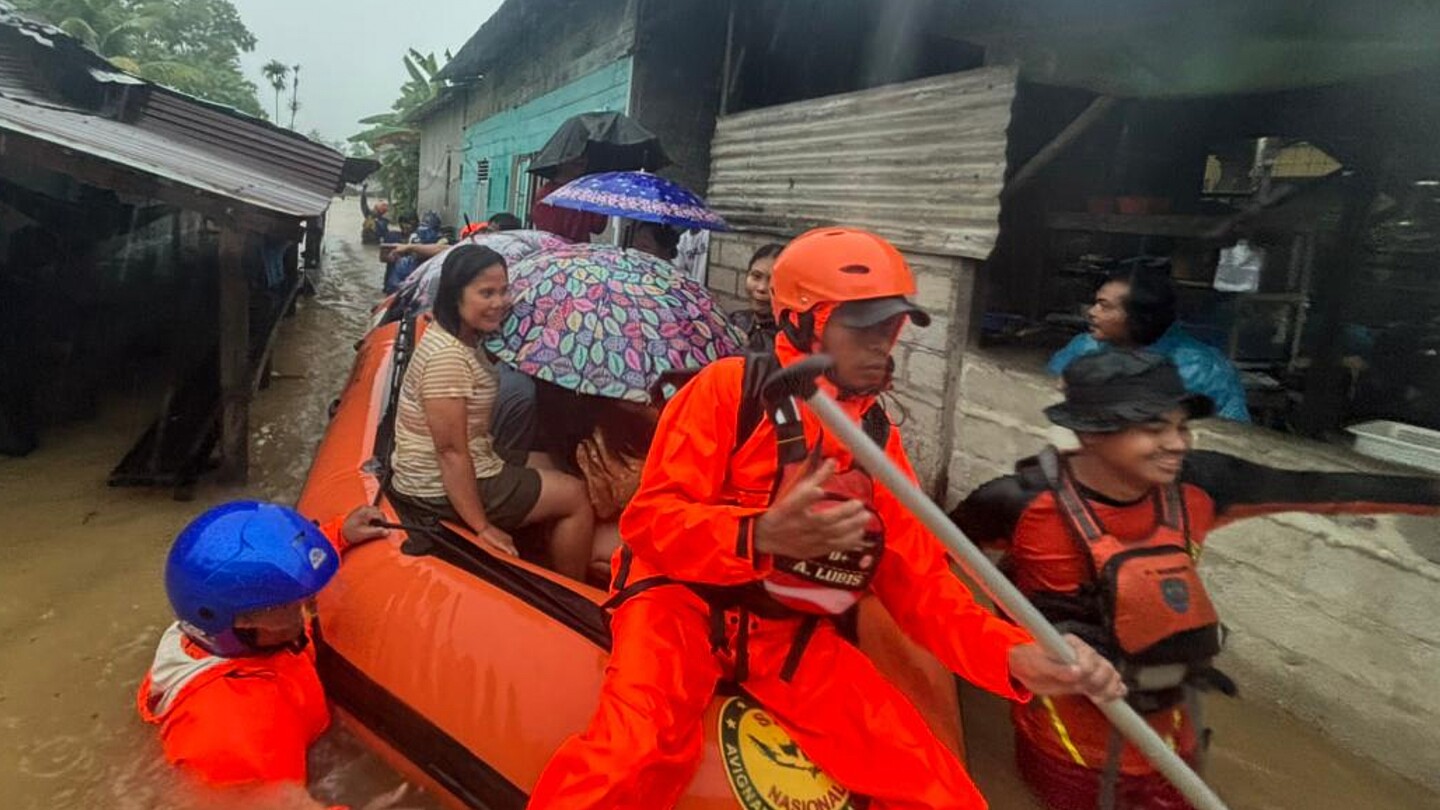
Landslides and flash floods on Indonesia’s Sumatra island leave at least 10 dead and 6 missing
In a tragic turn of events, relentless monsoon rains have triggered catastrophic flash floods and landslides across North Sumatra, Indonesia, resulting in the loss of at least 10 lives and leaving six others unaccounted for. The National Police reported on Wednesday that rescue operations are underway in six regencies of the province, where rivers have overflowed, inundating villages and causing widespread destruction. The hardest-hit areas include Sibolga, where five bodies and three injured individuals have been recovered, and Central Tapanuli, where a family of four perished in a landslide. Nearly 2,000 homes and buildings have been submerged, displacing thousands of residents. The disaster has also uprooted trees, destroyed infrastructure, and blocked major roads, further complicating rescue efforts. Emergency shelters have been established, and authorities are urging residents in high-risk zones to evacuate immediately. The situation remains dire as continued rainfall threatens to exacerbate the crisis. Indonesia, an archipelago of 17,000 islands, is no stranger to such calamities, with heavy seasonal rains from October to March frequently causing flooding and landslides. This latest disaster underscores the urgent need for enhanced disaster preparedness and mitigation strategies in the region.
-
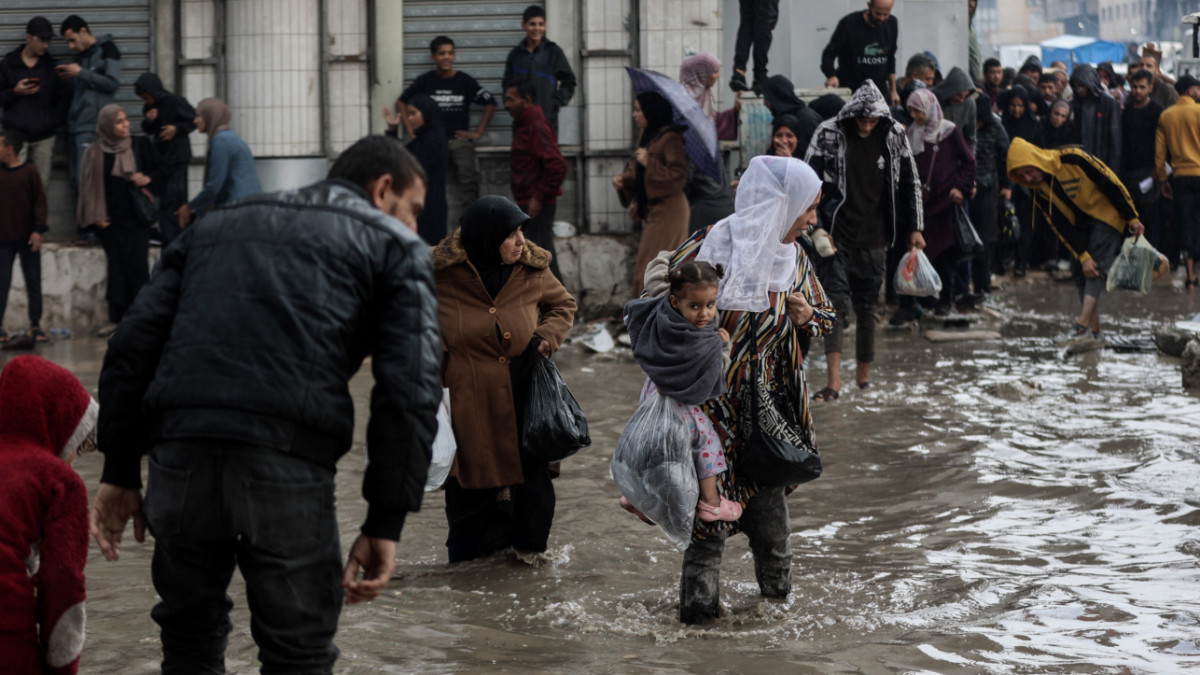
More than 100,000 Palestinians likely killed in Gaza, leading German institute says
A groundbreaking study by Germany’s Max Planck Institute for Demographic Research (MPIDR) has revealed that the death toll in Gaza from Israel’s ongoing war could surpass 100,000 by October 2025. The report, published on Tuesday, indicates that the number of fatalities is significantly higher than the figures reported by the Palestinian health ministry. MPIDR, one of the world’s leading demographic research institutions, estimated that 78,318 people were killed directly due to the conflict between October 7, 2023, and the end of 2024. The study further projected that the death toll would exceed 100,000 by October 2025. The Palestinian health ministry, in contrast, has reported at least 69,733 deaths. The MPIDR study utilized data from multiple sources, including the Gaza health ministry, the Israeli human rights organization B’Tselem, and United Nations agencies. The report highlighted a dramatic decline in life expectancy in Gaza, with a 44% drop in 2023 and a 47% drop in 2024 compared to pre-war levels. The study also noted that the demographic patterns of violent deaths in Gaza resemble those observed in documented genocides, though it refrained from classifying the conflict as such. The authors emphasized that their analysis focused solely on direct conflict-related deaths and did not account for the broader, long-term indirect effects of the war. Despite a US-brokered ceasefire initiated on October 11, Israeli strikes have continued, resulting in at least 339 Palestinian deaths and nearly 500 ceasefire violations, according to Gaza authorities.
-
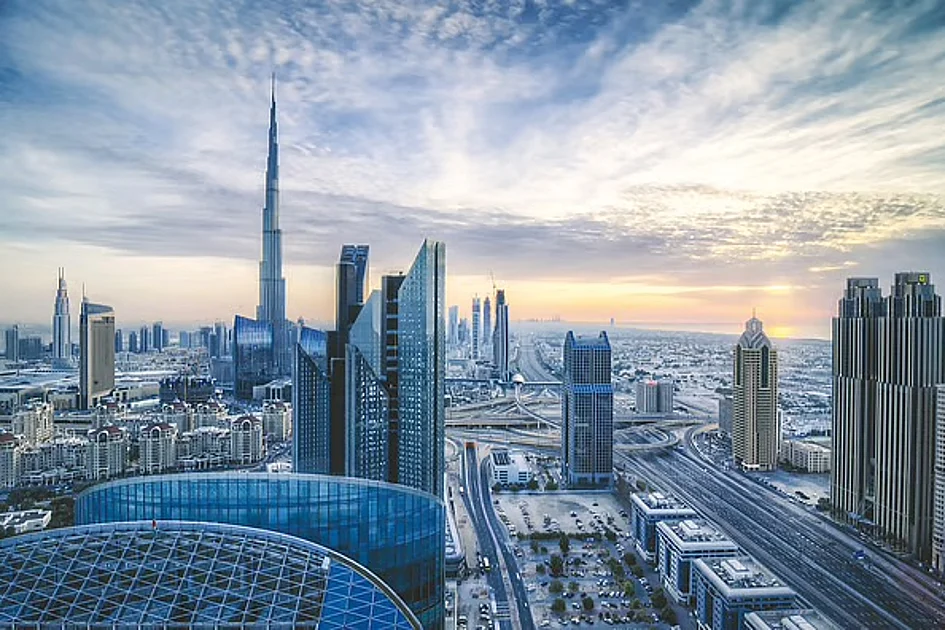
New overhead line to connect UAE with Saudi Arabia in GCC’s new electrical expansion project
In a significant step towards regional energy integration, the Gulf Cooperation Council Interconnection Authority (GCCIA) has announced a major electrical expansion project that will connect the United Arab Emirates (UAE) with Saudi Arabia. The project, unveiled during a ceremony at the GCCIA headquarters in Dammam, Saudi Arabia, includes the construction of a 96-kilometer, double-circuit 400 kV overhead line linking the Al Sila station in the UAE to the Salwa station in Saudi Arabia. Additionally, three main stations—Ghunan, Al Sila, and Salwa—will undergo expansion to enhance the region’s electrical infrastructure. The project is part of a broader initiative to strengthen the GCC’s electrical interconnection network, improve energy security, and support the transition to clean energy. Scheduled to commence in the fourth quarter of 2025, the project is expected to be operational by the end of 2027. The expansion will also include the installation of advanced conversion equipment, such as circuit breakers, electrical reactors, and protection systems, to boost the reliability and efficiency of the Gulf’s electrical network. Furthermore, the project will feature a 530-kilometer 400 kV power line connecting the Al Sila station in the UAE to the Ibri station in Oman, along with the construction of two new transmission stations in Oman’s Ibri and the UAE’s Al Baynunah areas. A dynamic compensator station (STATCOM) will also be installed to enhance network stability and increase transmission capacity to 1,600 megawatts. This ambitious initiative is expected to yield substantial economic and environmental benefits, including reduced operating costs, improved energy trading capabilities, and lower carbon emissions, aligning with the GCC’s sustainability goals.
-

Russian mercenaries accused of cold-blooded killings in Mali – BBC speaks to eyewitnesses
A harrowing account from a Malian shopkeeper has revealed the brutal tactics employed by Russian mercenaries in Mali, highlighting a campaign of terror that has left the local population traumatized. The shopkeeper, identified as Ahmed, described witnessing the cold-blooded murder of two men by Wagner Group fighters, who then threatened to sever his fingers and kill him. This testimony is part of a broader investigation by the BBC into the operations of Russian mercenaries in Mali, which has drawn widespread condemnation from human rights groups.