分类: world

  • ICC judges to rule on provisional release of former Philippine President Rodrigo Duterte

    ICC judges to rule on provisional release of former Philippine President Rodrigo Duterte

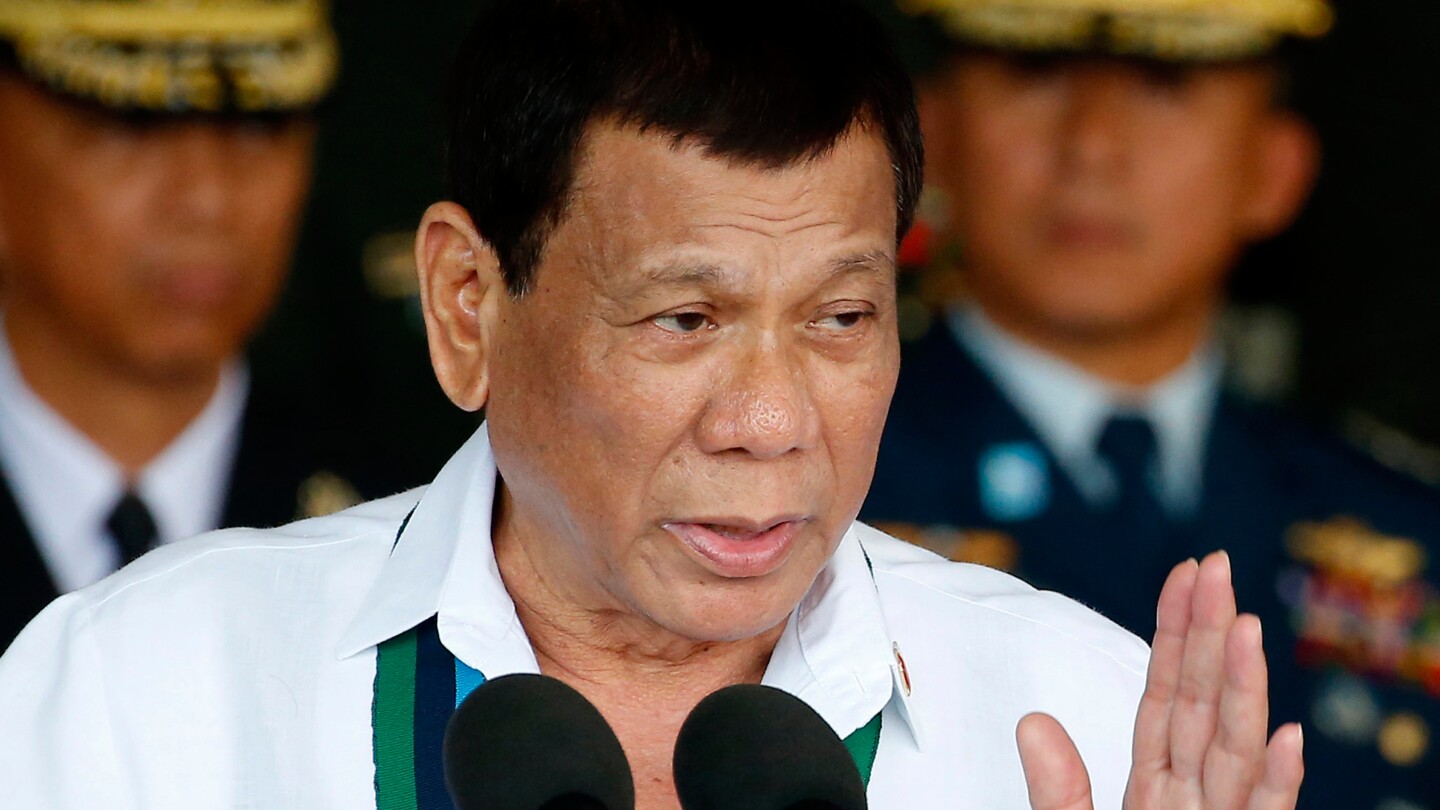
    THE HAGUE, Netherlands — The International Criminal Court is poised to deliver a pivotal ruling on Friday regarding the potential release of former Philippine President Rodrigo Duterte from detention. Appeals judges will determine whether the octogenarian leader should be granted freedom while ongoing proceedings continue regarding charges of crimes against humanity.

    This legal development follows an October decision that maintained Duterte’s custody after judges determined he posed a flight risk and potential witness intimidation threat. ICC prosecutors allege Duterte’s direct involvement in dozens of extrajudicial killings during his controversial war on drugs campaign, first as mayor of Davao City and subsequently as president. Court documents indicate he allegedly instructed and authorized “violent acts including murder” against suspected criminals.

    The human toll of Duterte’s anti-drug campaign remains contested. Official national police statistics report over 6,000 fatalities, while human rights organizations estimate casualties could reach 30,000. Victims’ families celebrated Duterte’s initial arrest in March as a landmark moment for accountability.

    Duterte’s defense team contends their client suffers from significant physical and cognitive decline, describing his continued detention as “cruel” given his alleged inability to assist with his own legal defense. The court previously postponed pretrial proceedings in September pending comprehensive medical evaluation.

    Should appeals judges rule in Duterte’s favor, he would not return to the Philippines but instead be transferred to another ICC member state’s custody during continuing legal proceedings. This case represents a critical test for international justice mechanisms confronting allegations of state-sanctioned violence.

    The legal pathway to this moment began in February 2018 when ICC prosecutors initiated a preliminary investigation into Duterte-era violence. The former president subsequently withdrew the Philippines from the Rome Statute, a move critics characterized as an attempt to evade accountability. ICC judges have consistently maintained jurisdiction, ruling that nations cannot abuse withdrawal procedures to shield individuals from justice for crimes already under consideration.
  • A visit to Somalia’s crumbling hospitals shows the toll of aid cuts and war

    A visit to Somalia’s crumbling hospitals shows the toll of aid cuts and war

    MOGADISHU, Somalia — The precarious state of Somalia’s healthcare system has been thrust into sharp relief following drastic funding cuts from international donors, particularly the United States. The termination of USAID support has triggered a cascade of failures across the nation’s medical infrastructure, leaving vulnerable populations struggling to access basic care.

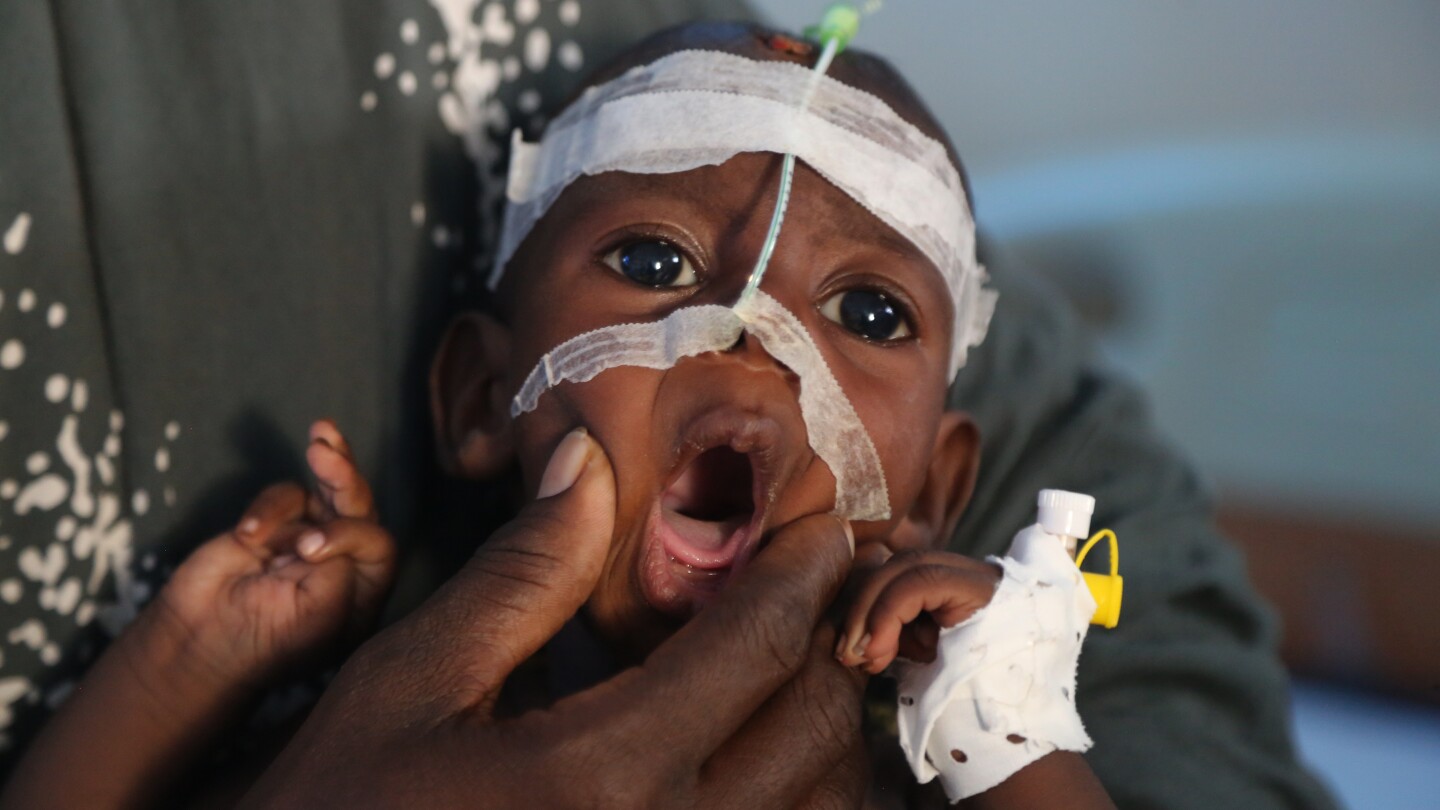
    Yusuf Bulle’s journey from rural southern Somalia to Mogadishu exemplifies the desperate measures families must take for medical treatment. His severely malnourished three-year-old son survived only after a 15-day stay at Banadir Hospital—a facility that remains operational primarily through international partnerships. “Where I come from, there is no hospital,” Bulle stated, highlighting the healthcare desert that characterizes much of the countryside.

    The Trump administration’s dissolution of USAID programs this year has resulted in over 6,000 healthcare workers losing their jobs and approximately 2,000 medical facilities facing operational challenges, according to Deputy Health Minister Mohamed Hassan Bulaale. This represents a catastrophic blow to a nation already ranked among those most vulnerable to donor withdrawal by the Center for Global Development.

    Despite recent security gains against al-Shabab militants through President Hassan Sheikh Mohamud’s “total war” campaign, hospital administrators and civic leaders report that the government’s singular focus on security has come at the direct expense of healthcare and other essential public services.

    Somalia’s healthcare system operates on a precarious financial model. The Ministry of Health received $91 million in this year’s national budget—a significant increase from last year’s $52 million—but almost entirely comprised of donor funds tied to specific projects. Mahad Wasuge of Somali Public Agenda think tank notes that “security remains the first priority” for authorities, even as foreign support diminishes from key benefactors including Britain.

    Historical institutions like Chinese-built Banadir Hospital (1977) and Italian-established De Martino Hospital (1922) now depend critically on United Nations and humanitarian organization support. At Banadir’s malnutrition unit, supervisor Dr. Mohamed Haashi revealed that 37 staff positions were eliminated due to U.S. cuts, with Concern Worldwide currently funding the remaining 13 positions along with essential nutritional supplies.

    The situation at De Martino Hospital illustrates the systemic challenges. Director Dr. Abdirahim Omar Amin expressed concern about impending funding crises when contracts with humanitarian groups expire in 2025. The hospital currently treats numerous diphtheria cases—a vaccine-preventable disease now spreading in rural areas where parents fear militant attacks during vaccination trips.

    “Donors are fatigued,” Amin observed, gesturing to laboratory equipment entirely acquired through international funding. While most services remain free through support from the International Rescue Committee and Population Services International, the hospital technically belongs to the Ministry of Health, which provides minimal direct support.

    The deputy health minister acknowledged developing contingency plans with partners but provided no specifics. The challenges are deeply rooted in Somalia’s history—De Martino Hospital once sheltered displaced people after the 1991 fall of dictator Siad Barre, when many public facilities were destroyed during civil war.

    Despite support from African Union peacekeepers, U.S. airstrikes, and security consultants from nations like Turkey (which funds an ICU-equipped hospital in Mogadishu), the federal government struggles to assert authority. As Wasuge notes, even functional public hospitals “don’t get direct government budget that allows them to provide better healthcare services.”

    National assembly representative Mohamed Adam Dini criticized the government’s “deficient” priorities, noting that “a lot of diseases have been spreading unchecked” due to the absence of both a national healthcare plan and a comprehensive political strategy. For unemployed mother Amina Abdulkadir Mohamed, who recently delivered at De Martino Hospital, the choice was simple: “I was told there is free medication.” In a nation where healthcare remains a privilege rather than a right, such institutions represent the last line of defense for Somalia’s most vulnerable citizens.

  • Sri Lanka closes offices and schools as death toll from landslides and floods rises to 56

    Sri Lanka closes offices and schools as death toll from landslides and floods rises to 56

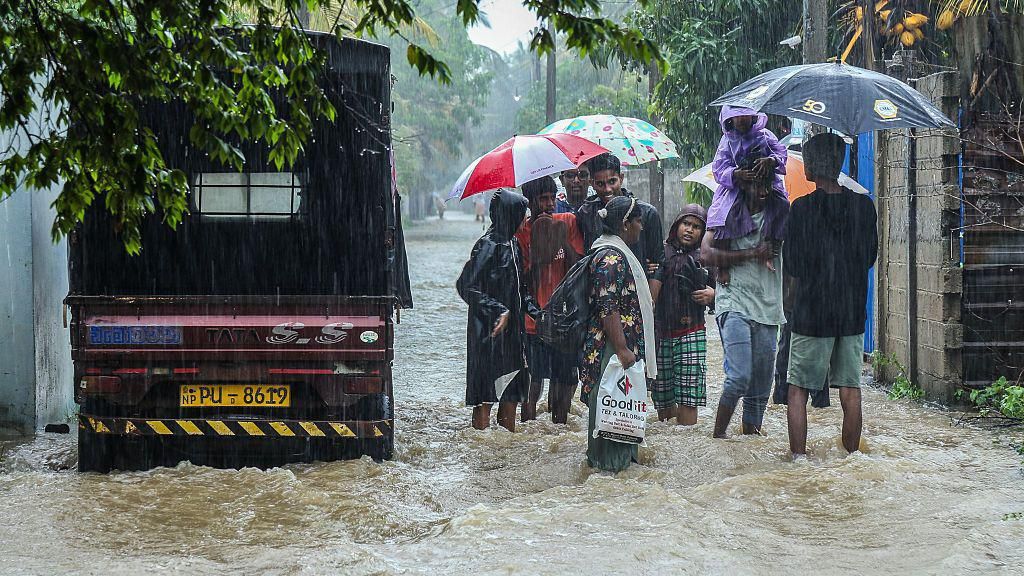
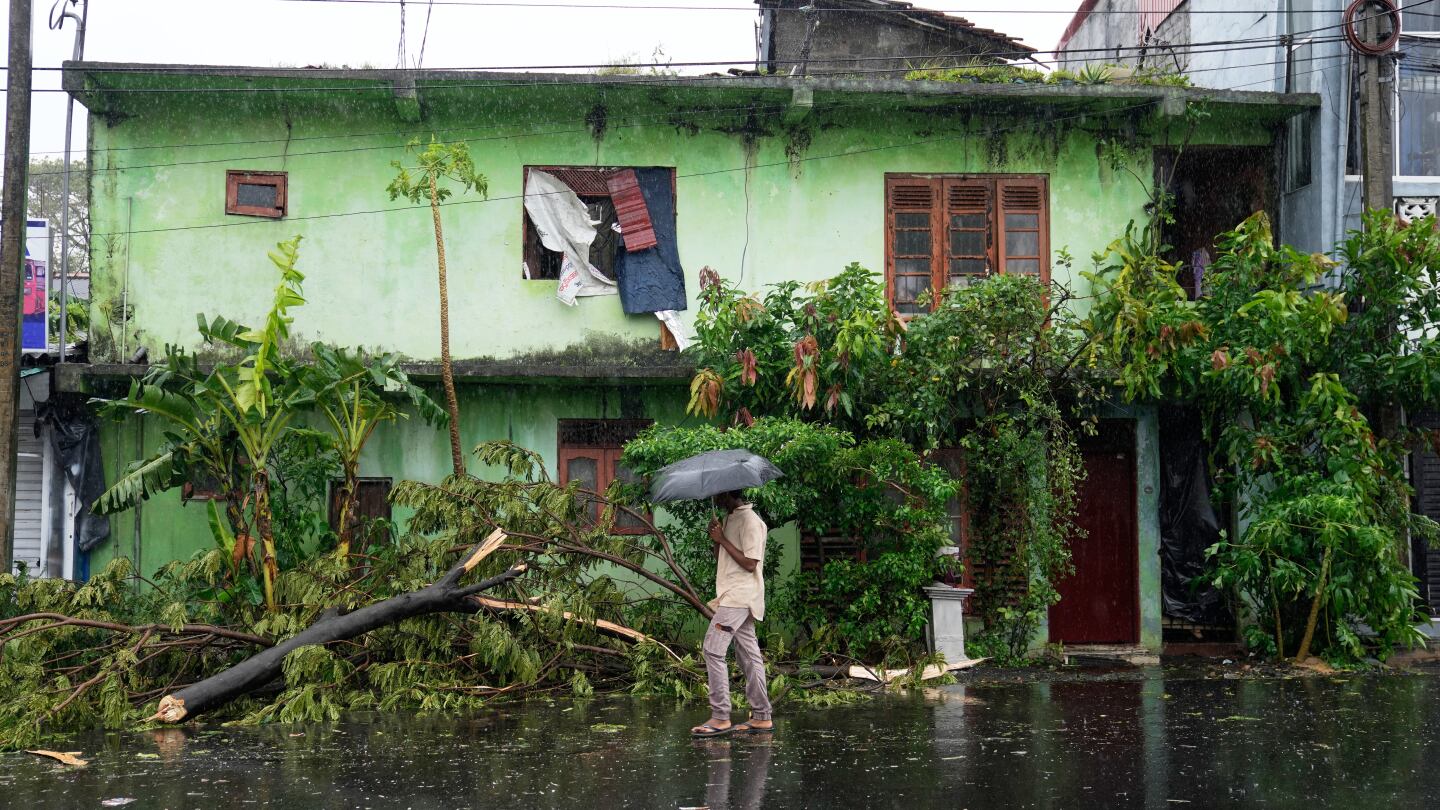
    COLOMBO, Sri Lanka — Sri Lankan authorities have shuttered all government institutions and educational facilities nationwide following catastrophic monsoon conditions that have claimed 56 lives and damaged over 600 residences. The Indian Ocean nation continues to battle the most severe weather system to hit its territory this season, with conditions dramatically intensifying Thursday amid torrential rainfall that submerged entire communities, agricultural lands, and transportation networks while triggering multiple fatal landslides.

    The most devastating incidents occurred in the central highland regions of Badulla and Nuwara Eliya, renowned for their tea plantations, where collapsing mountainsides buried communities under tons of earth and debris. Official reports from the Disaster Management Center confirm at least 25 fatalities in these districts alone, with 21 individuals remaining unaccounted for and 14 hospitalized with injuries.

    Transport infrastructure has suffered critical damage nationwide as overflowing reservoirs and river systems inundated roadways and railway tracks. Transportation authorities have suspended all passenger rail services and implemented widespread road closures after mudslides, rockfalls, and fallen trees rendered key transit routes impassable.

    Rescue operations have intensified with all branches of the military deploying emergency response teams. Aerial footage captured by local media showed Air Force helicopters executing precision rescues of civilians stranded on rooftops amidst raging floodwaters. Naval and police personnel have deployed amphibious vehicles and boats to evacuate residents from submerged neighborhoods. In one tragic incident near Ampara, surveillance cameras recorded a vehicle being swept away by violent currents, resulting in three fatalities.

    The meteorological department has issued continued alerts for additional precipitation, with emergency response teams remaining on highest alert across all affected provinces.

  • At least 40 dead as severe floods hit Sri Lanka

    At least 40 dead as severe floods hit Sri Lanka

    Sri Lanka is grappling with one of its most severe weather-related catastrophes in recent years, as torrential rains have unleashed devastating floods and lethal landslides across the island nation. Official reports from the Disaster Management Centre (DMC) confirm a death toll of at least 40 individuals, with an additional 21 people reported missing.

    The central tea-growing district of Badulla suffered the most significant single incident, where a catastrophic overnight landslide buried multiple homes, claiming 21 lives. Disturbing footage circulating on social media platforms depicts the sheer force of the disaster, showing residential structures being swept away by powerful floodwaters. In response, authorities have established temporary shelters to provide refuge for displaced families.

    Compounding the crisis, meteorological officials warn that conditions are poised to deteriorate further with the approach of Cyclone Ditwah along Sri Lanka’s eastern coastline. Originally forming as a deep depression, the system has intensified into a cyclone that is forecasted to make landfall in India while significantly impacting Sri Lanka’s weather patterns.

    With river levels continuing to rise dangerously, the DMC has issued urgent evacuation advisories for residents in low-lying regions. The Irrigation Department has escalated warnings to red alert status for the Kelani River valley, including areas within the capital Colombo, anticipating critical flooding within the next 48 hours. Forecasters predict excessive rainfall exceeding 200mm in central and northern territories on Friday.

    The widespread disruption has severely impacted transportation networks, with key inter-provincial roads closed and railway services experiencing major interruptions. The educational sector has also been affected, prompting authorities to postpone Advanced Level Examinations for thousands of students.

    While Sri Lanka routinely experiences monsoon conditions, the current scale of devastation is exceptionally rare. The event evokes memories of the country’s worst flooding this century in June 2003, which resulted in 254 fatalities and displaced hundreds of thousands of residents.

  • Israel’s genocide in Gaza continues as Palestinians face ‘slow death’, Amnesty International says

    Israel’s genocide in Gaza continues as Palestinians face ‘slow death’, Amnesty International says

    Amnesty International has issued a stark warning that Israel continues to perpetrate genocide against Palestinians in Gaza, despite a ceasefire entering its second month and the release of all living Israeli captives. The human rights organization emphasized that the temporary calm creates a “dangerous illusion” of normalcy while systematic destruction continues.

    Secretary General Agnes Callamard stated that while Israel has reduced attack scales and permitted limited humanitarian access, the fundamental genocidal conditions persist. This assessment aligns with the United Nations’ top investigative body which ruled Israel guilty of genocide in September, a position supported by numerous world leaders, historians, and human rights experts.

    The US-brokered ceasefire initiated on October 10th has been violated nearly 500 times, resulting in at least 339 Palestinian fatalities from continued Israeli airstrikes. Israel maintains severe restrictions on humanitarian aid, allowing only 200 trucks daily instead of the agreed 600, while keeping Gaza’s Rafah border crossing closed and enforcing a comprehensive naval blockade.

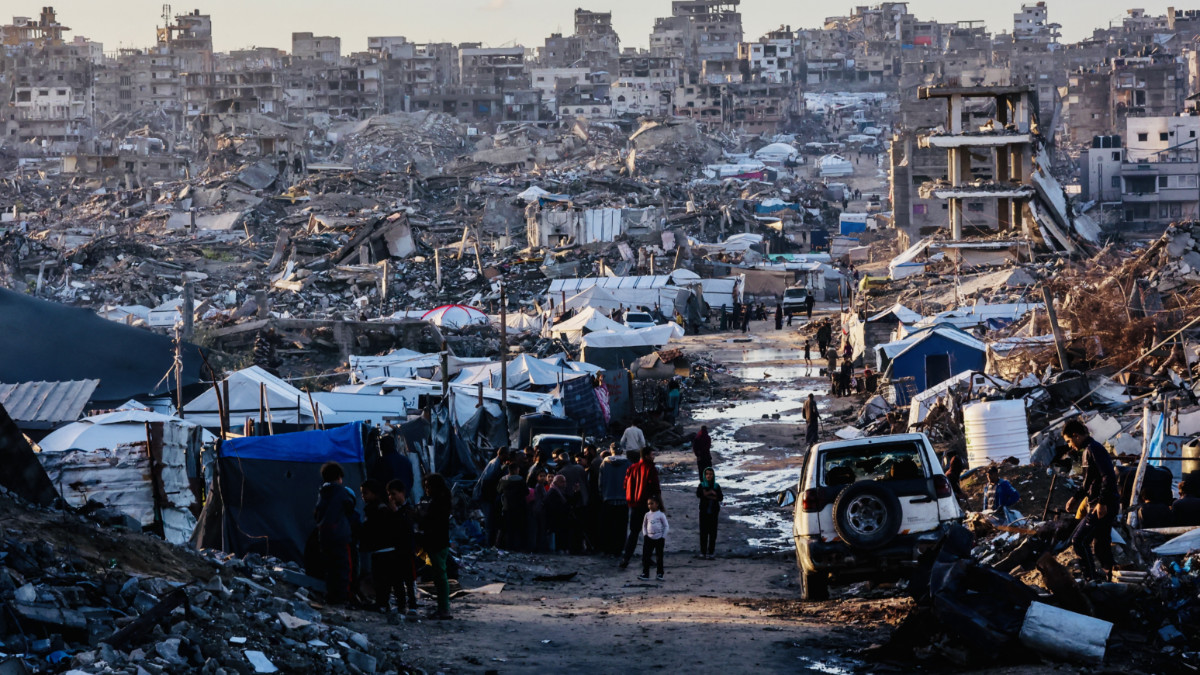
    Amnesty’s report details how Palestinians face “slow death” from starvation, disease, and exposure due to destroyed infrastructure. The organization notes Israel’s systematic destruction of housing units and farmland, with the World Food Programme reporting most households unable to afford basic food items. Gaza’s economy has contracted by 87% from 2023-2024, creating what the UN describes as a “human-made abyss” requiring $70 billion for reconstruction.

    Meanwhile, US and Israeli officials are developing controversial plans to build temporary housing on Palestinian-owned land in Israeli-occupied Rafah, a move criticized by European, UN and Arab officials as effectively partitioning Gaza through reconstruction policies. The Trump administration and Israeli government are simultaneously working to prevent rebuilding in central Gaza areas from which troops were mandated to withdraw.

  • UAE: ‘No visa ban for Pakistani citizens’, official clarifies to Dawn amid reports

    UAE: ‘No visa ban for Pakistani citizens’, official clarifies to Dawn amid reports

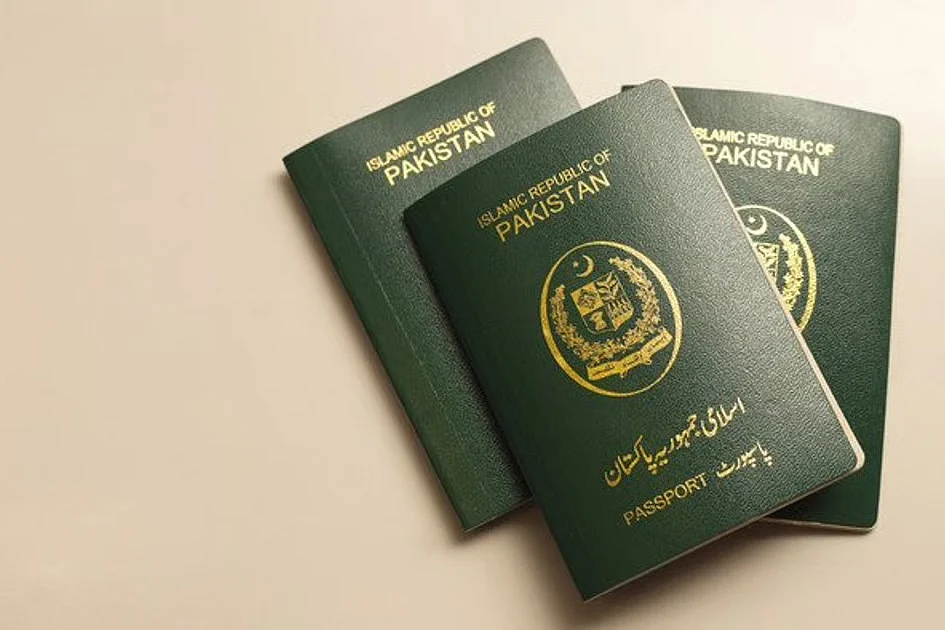
    The United Arab Emirates has formally refuted circulating reports suggesting a visa ban on Pakistani citizens, with embassy officials clarifying that no such restrictions exist. This clarification comes directly from a senior official at the UAE Embassy in Pakistan who spoke anonymously to Dawn newspaper on Thursday, November 27, 2025.

    The diplomatic reassurance follows earlier statements from Pakistan’s Additional Interior Secretary Salman Chaudhry, who had informed a Senate committee that visa issuance appeared limited to diplomatic and official passport holders. The UAE official specifically countered this perception, emphasizing that regular visa processing for Pakistani nationals continues uninterrupted.

    This development occurs within the context of robust bilateral relations between the two nations. Pakistan represents the second-largest expatriate community in the UAE, with approximately 1.7 million citizens residing primarily in Dubai and the Northern Emirates. Historical ties have strengthened through continuous diplomatic engagement and substantial labor migration, with over 230,000 Pakistanis relocating to the UAE during the 2023-24 financial year alone.

    Significant visa facilitation reforms were simultaneously unveiled by newly-appointed UAE Ambassador to Pakistan Salem Mohammed Al Zaabi during a meeting with Pakistan’s Finance Minister Muhammad Aurangzeb. These enhancements include streamlined online visa processing, electronic visas without physical passport stamping, and improved system interoperability between governments. A newly established UAE visa center in Pakistan is currently processing approximately 500 applications daily, demonstrating operational normalization.

    In a parallel development, Pakistan’s Interior Ministry announced in May 2025 stringent measures for deportees, including passport cancellation and travel restrictions for those returning from the UAE and other countries. However, the recent diplomatic exchanges highlight continued cooperation across trade, investment, and technological sectors, reaffirming both nations’ commitment to strengthening their strategic economic partnership.

  • The kidnap gangs, jihadists and separatists wreaking havoc in Nigeria

    The kidnap gangs, jihadists and separatists wreaking havoc in Nigeria

    Nigeria confronts a complex security landscape extending far beyond recent mass abductions, challenging international oversimplifications of its crises. The nation’s security apparatus—comprising 400,000 military personnel and 370,000 police officers—struggles to contain multiple overlapping threats across its vast territory, which exceeds the combined area of France and Germany.

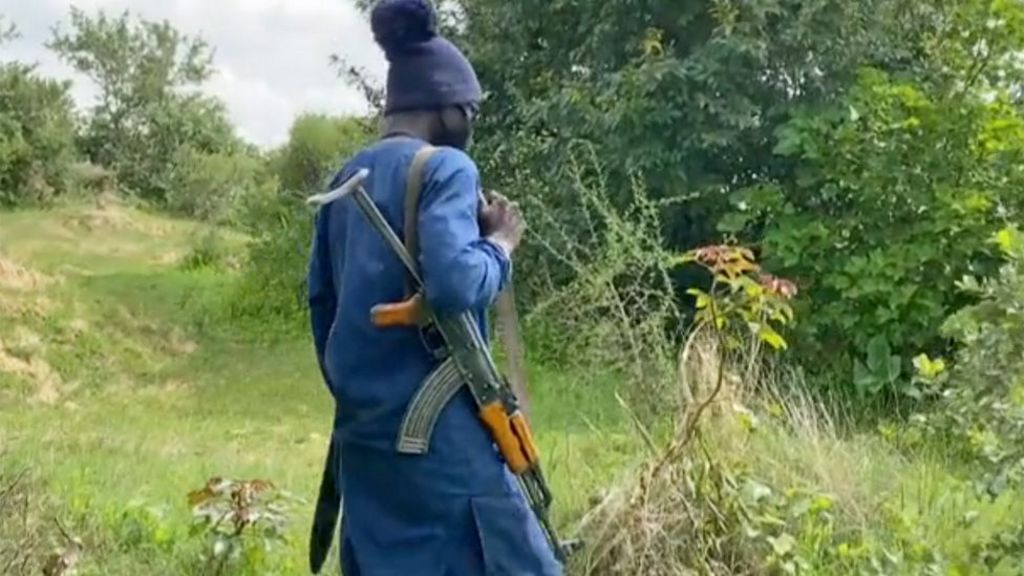
    In the northwest, criminal factions dubbed ‘bandits’ operate with sophisticated mobility. Predominantly from the Fulani ethnic group, these groups have transitioned from pastoral livelihoods to armed criminality using weapons proliferated after Libya’s 2011 collapse. Their tactics involve large-scale motorcycle deployments for rapid strikes and escapes, exemplified in recent school abductions. Though lacking centralized leadership, notable figures like Ado Aleru and Bello Turji have bounties placed against them, with the government designating these groups as terrorists in 2022.

    The northeast remains plagued by Islamist insurgencies. Boko Haram gained global notoriety through the 2014 Chibok schoolgirl abduction and maintains operations despite factionalization. Its splinter group, Islamic State West Africa Province (Iswap), emerged around 2016 rejecting excessive violence against Muslims and focusing on military targets. Both groups continue operating despite internal conflicts, with Iswap recently ambushing and killing Brig Gen Musa Uba in Borno state.

    Central regions experience persistent farmer-herder conflicts primarily over land and water resources, often mischaracterized as religious conflicts. Urbanization has disrupted traditional grazing routes, fueling cycles of retaliation that have spawned ethnic militias engaging in criminal activities.

    Southeast separatist movements continue advocating for Biafran independence, with the Indigenous People of Biafra (Ipob) and its armed Eastern Security Network implicated in violence against civilians and security forces. Recent convictions of leaders Nnamdi Kanu (life sentence for terrorism) and Simon Ekpa (Finland conviction) have not fully dismantled these networks.

    New militant groups compound these challenges. Ansaru operates around Kainji Lake National Park with Islamic State connections, while Lakurawa imposes strict Islamist controls in northwestern border regions. Most alarmingly, Jama’at Nasr al-Islam wal Muslimin (JNIM)—already dominant in Mali and Burkina Faso—may be establishing Nigerian operations with claimed attacks in Kwara state.

    The complexity of Nigeria’s security situation defies simplistic religious framing, involving criminal opportunism, ideological extremism, resource competition, and separatist ambitions across multiple regions simultaneously.

  • US National Guard shooting: What we know about the suspect

    US National Guard shooting: What we know about the suspect

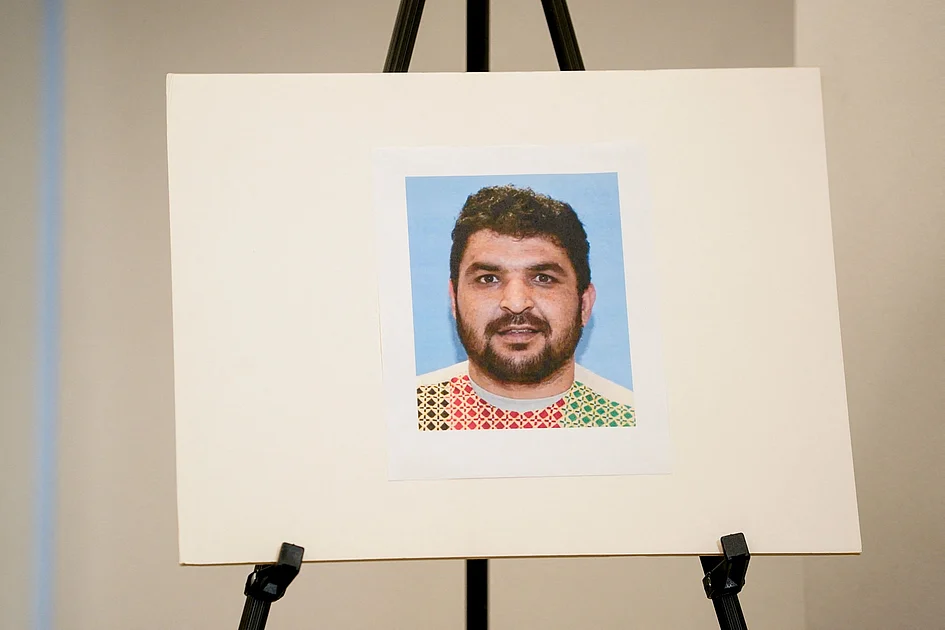
    United States authorities have identified the suspect in Wednesday’s shooting of two National Guard soldiers near the White House as an Afghan national who previously collaborated with American forces during the Afghanistan conflict. Multiple media sources including CNN, The New York Times, and NBC have identified the individual as 29-year-old Rahmanullah Lakanwal, who entered the United States in September 2021 under Operation Allies Welcome.

    The Department of Homeland Security, under Secretary Kristi Noem, confirmed the suspect arrived during the mass evacuation following the Taliban’s takeover of Kabul. Lakanwal reportedly served for a decade in the Afghan military, including assignments supporting US Special Forces operations in Kandahar province—the Taliban’s historical stronghold and a center of intense combat during the twenty-year conflict.

    In response to the incident, which officials have categorized as an ‘act of terror,’ Washington announced enhanced monitoring protocols for Afghan evacuees admitted through the emergency resettlement program. The administration revealed plans for increased oversight of the approximately 190,000 Afghans brought to the United States since the Taliban takeover.

    Operation Allies Welcome, later rebranded as Enduring Welcome in September 2022, was established to provide refuge for Afghans who faced retaliation risks due to their association with US forces. The program included Special Immigrant Visa (SIV) eligibility for those who directly supported US military and civilian personnel, though authorities have not confirmed whether Lakanwal received SIV status.

    The shooting has reignited debate about the vetting processes applied during the emergency evacuation, which involved multiple security agencies including the FBI and National Counterterrorism Center. While all evacuees underwent security screening, this incident has prompted calls for reevaluation of ongoing monitoring procedures for resettled individuals.

    The attack occurs amid continued challenges in relocating remaining Afghan allies, with advocacy groups estimating tens of thousands of eligible individuals still await processing. Recent immigration policy changes have further complicated these efforts, creating additional hurdles for family reunification and refugee admissions.

  • Man who tried to assassinate John Paul II wants to personally welcome pope in Turkey

    Man who tried to assassinate John Paul II wants to personally welcome pope in Turkey

    In a remarkable development intertwining historical violence with contemporary diplomacy, Mehmet Ali Agca—the Turkish national who attempted to assassinate Pope John Paul II in 1981—has arrived in Iznik to welcome Pope Leo XIV. The pontiff is visiting Turkey to commemorate the 1,700th anniversary of the First Council of Nicaea this Friday.

    Agca, who nearly succeeded in killing John Paul II during the 1981 shooting in Vatican City, was subsequently pardoned by the very pontiff he attempted to murder. His criminal history extends beyond this infamous act, having murdered Milliyet newspaper’s editor-in-chief Abdi Ipekci in 1979, for which he initially evaded capture.

    Through statements to the Turkish news agency DHA, Agca expressed his intention to personally greet the new pope during his inaugural foreign visit. “I say ‘welcome’ to the pope. I hope today or tomorrow in Iznik or Istanbul we can sit and talk for two or three minutes,” Agca told local media, adding, “We are happy to receive him as a guest, and we greatly value the Vatican’s contributions to world peace.”

    In a series of controversial claims, Agca described his assassination attempt as part of a “divine plan” that the world misunderstood. He vehemently rejected being labeled a terrorist, instead directing that accusation toward Israeli Prime Minister Benjamin Netanyahu, whom he called a “satanic, Zionist monster.” Agca astonishingly claimed, “The Vatican agrees with me on this,” though no evidence supports this assertion.

    Further complicating historical narratives, Agca alleged that NATO attempted to exploit his actions by falsely linking him to the Soviets, suggesting his role contributed to the downfall of the Soviet empire.

    Following his capture after the assassination attempt, Agca received a life sentence in Italy before being extradited to Turkey in 2000, where he served additional time for Ipekci’s murder and armed robberies. His release in 2010 concluded nearly three decades of imprisonment.

    Turkish intelligence agencies are reportedly monitoring Agca’s movements in Iznik as Pope Leo conducts his official visit, which began Thursday in Ankara with meetings President Recep Tayyip Erdogan. The pontiff’s itinerary includes touring the submerged remains of an ancient basilica in Lake Iznik, believed to be the site where the Council of Nicaea convened in 325 CE—a seminal event that brought together Christian bishops to resolve foundational theological disputes. Pope Leo and Ecumenical Patriarch Bartholomew of the Orthodox Church are expected to jointly commemorate this historic anniversary.

  • Israeli raids stoke renewed takeover fears at West Bank’s Joseph’s Tomb

    Israeli raids stoke renewed takeover fears at West Bank’s Joseph’s Tomb

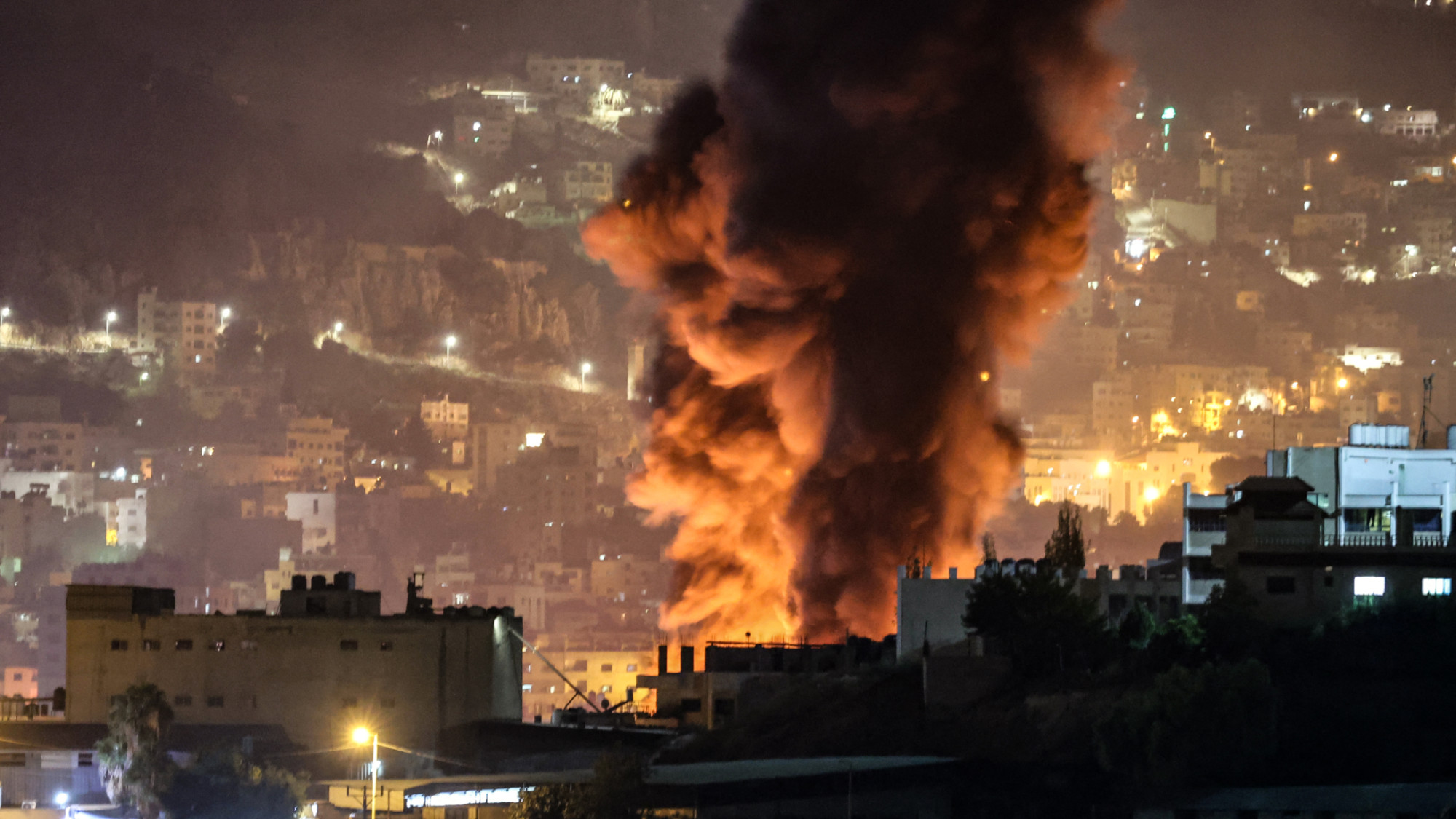
    The ancient site of Joseph’s Tomb near Nablus has become the epicenter of intensified Israeli military and settler activities since October 2023, with recent developments seeing unprecedented international political participation. Last week’s incursion marked a significant escalation when twenty US lawmakers from the National Association of Christian Lawmakers joined settlers and Israeli forces in a heavily guarded visit to the contested religious site.

    Arkansas Senator Jason Rapert, founder of NACL, explicitly endorsed Israeli sovereignty claims during the military-escorted tour, stating: ‘Israel and the Jewish people are the rightful heirs and sovereigns of all these areas.’ The delegation publicly praised the Israeli Defense Forces for their protection during the visit.

    Palestinian analysts interpret these developments as part of a systematic strategy to reassert Israeli control. Veteran journalist Nawaf al-Amer, who has extensively documented the tomb’s contentious history, told Middle East Eye: ‘Since 7 October, the situation has completely shifted. Israel has been carrying out large, scheduled incursions involving significant numbers of settlers, religious figures, political leaders and influential parliamentarians.’

    The site embodies the competing historical narratives that fuel the conflict. Palestinians identify it as the burial place of Sheikh Youssef Dweikat, a local cleric from the early 20th century, while Israelis venerate it as the tomb of the Prophet Joseph, a figure sacred to both Islamic and Jewish traditions.

    This religious significance has been weaponized for political objectives, according to al-Amer: ‘The occupation has attempted to construct a fabricated historical narrative to claim ancient roots in the land, using religious symbolism to serve political aims. Joseph’s Tomb is one example.’

    The current escalation occurs within the broader context of surging settler violence across the West Bank. United Nations data indicates that 2,200 Palestinians have been forcibly displaced from their homes due to settler activities and access restrictions over the past two years, with an additional 40,000 displaced from northern West Bank refugee camps during military operations. Tragically, settlers have killed 21 Palestinians during this period, contributing to the over 1,000 fatalities caused by Israeli forces in the West Bank.

    Historical context reveals that Israel established a yeshiva at the site in the 1980s, maintaining heavy military protection until abandoning its permanent post in 2000. However, monthly settler visits continued under military escort, frequently sparking confrontations with Palestinian residents who view these incursions as pretexts for extending Israeli control.

    The current push to reintroduce the yeshiva, coupled with increased settler activism and international political support, signals a potentially permanent transformation of the status quo at one of the region’s most symbolically charged locations.