分类: world

  • ‘Lost everything’: Southeast Asia flood deaths reach 129; Thailand toll rises to 87

    ‘Lost everything’: Southeast Asia flood deaths reach 129; Thailand toll rises to 87

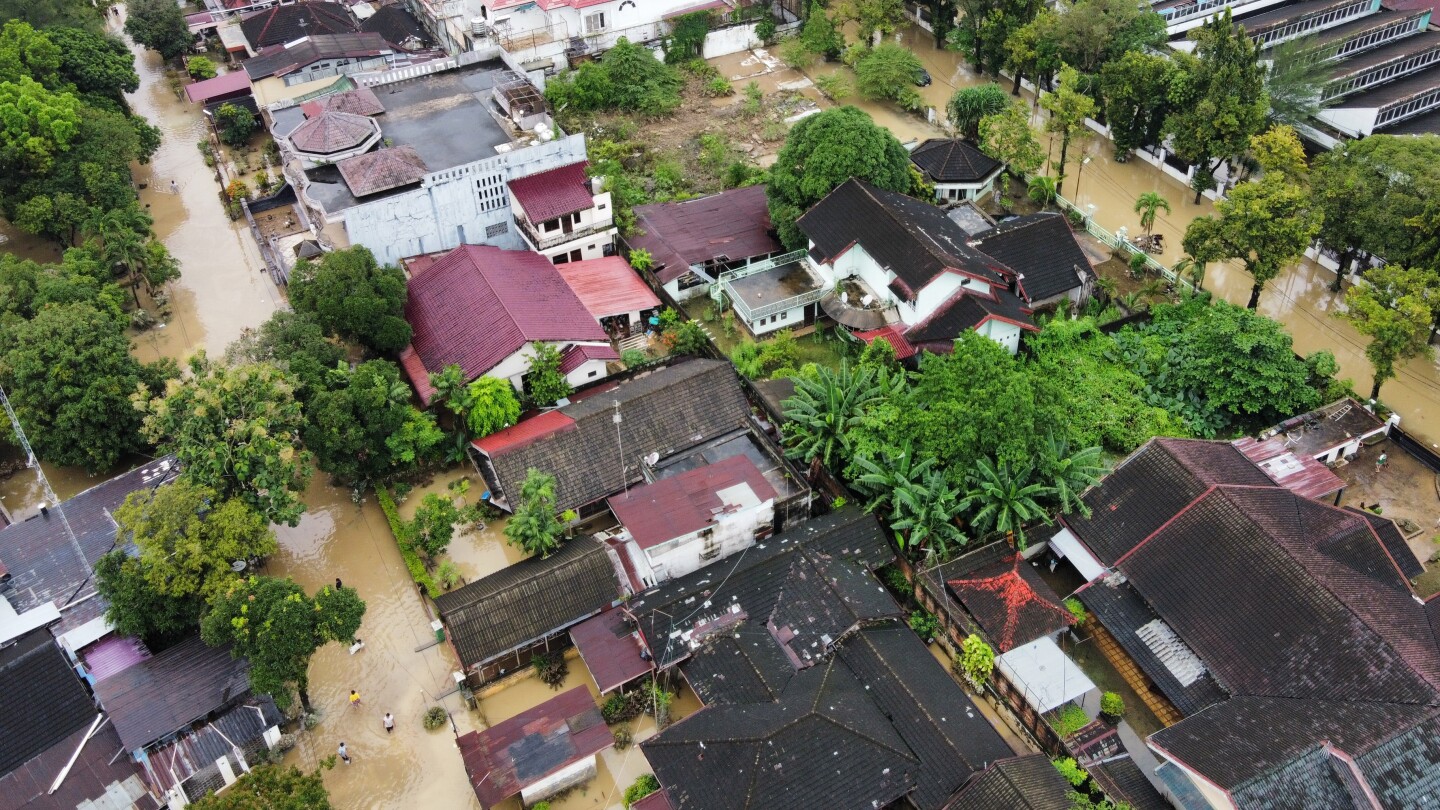
    Southeast Asia confronts a mounting humanitarian crisis as catastrophic flooding propelled by cyclone conditions has resulted in 129 confirmed fatalities across Indonesia, Malaysia, and Thailand. The region has endured a week of relentless torrential rains, exacerbated by the unusual formation of a tropical storm within the Malacca Strait.

    On the severely impacted Indonesian island of Sumatra, the national disaster mitigation agency reported 72 deaths. Spokesman Abdul Muhari confirmed that emergency crews are battling widespread communication blackouts, working to reinstate power infrastructure, and clear vital roadways obstructed by landslide debris. Aerial operations continue to airlift essential aid and rescue personnel into the most isolated and affected zones.

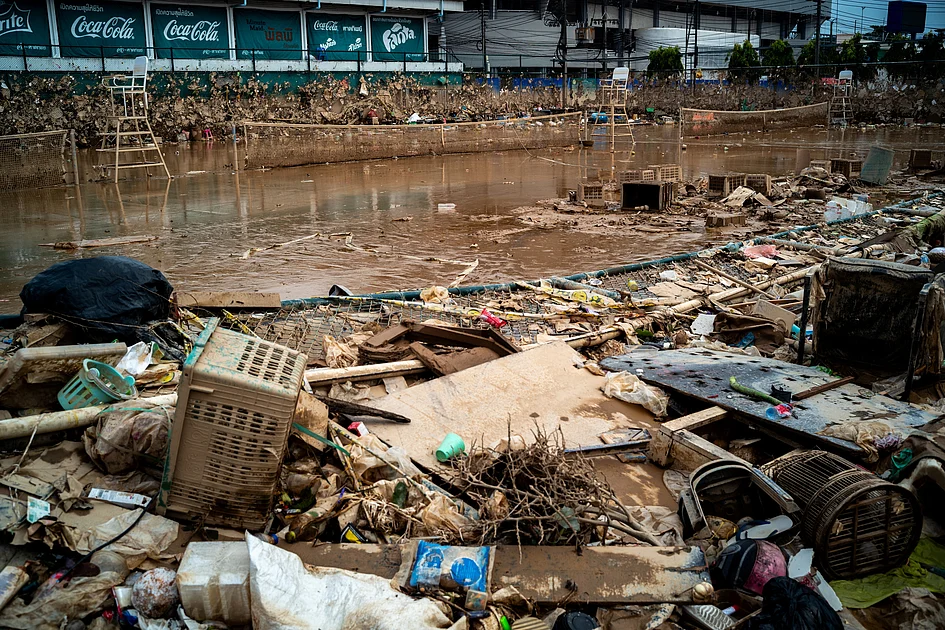
    The southern provinces of Thailand bear the heaviest toll, with official figures rising to 87 fatalities. A significant number of these victims, at least 55, were discovered in the submerged province of Songkhla. In the city of Hat Yai, residents waded through lingering floodwaters to assess the comprehensive destruction to their homes and businesses, with one local resident despairingly stating they had ‘lost everything,’ even as the rains subsided.

    Malaysian authorities reported two confirmed deaths as Tropical Storm Senyar, which made landfall near midnight, has since lost intensity. The meteorological department maintains alerts for potential heavy rain and hazardous winds, issuing warnings for small vessels against perilous sea conditions. While the number of evacuees in shelters has decreased from 34,000 to 30,000, cross-border rescue efforts are underway. The Malaysian foreign ministry successfully evacuated 1,459 of its citizens from over 25 flooded hotels in Thailand and is coordinating missions to retrieve approximately 300 nationals still stranded in inundated areas.


  • Earthquake with 5.1 magnitude strikes central Iran; no casualties reported

    Earthquake with 5.1 magnitude strikes central Iran; no casualties reported

    A moderate seismic event registering 5.1 on the Richter scale struck central Iran in the early hours of Friday, according to official reports from Iranian state television. The earthquake’s epicenter was located near the city of Behabad within Yazd province.

    Initial assessments conducted by local authorities have confirmed no immediate casualties or significant structural damage resulting from the temblor. Emergency response teams were deployed to the affected region to conduct comprehensive evaluations of infrastructure and residential areas.

    This seismic activity occurs against the backdrop of Iran’s unique geological positioning. The nation rests atop several major tectonic fault lines, making it one of the world’s most seismically active regions. Geological surveys indicate the country experiences approximately daily earthquake activity, though most are minor tremors rarely felt by residents.

    The relatively shallow depth of Friday’s quake contributed to its noticeable impact across the central region, though its moderate magnitude prevented potentially catastrophic consequences. Seismologists continue to monitor aftershock patterns while emergency services maintain heightened alert status throughout vulnerable areas.

    Iran’s historical experience with seismic events has led to developed emergency response protocols and building code enhancements in recent decades, though older structures in rural areas remain potentially vulnerable to stronger quakes.

  • Hong Kong fire second deadliest building blaze worldwide in recent years

    Hong Kong fire second deadliest building blaze worldwide in recent years

    A catastrophic fire that engulfed a massive residential complex in Hong Kong has resulted in at least 94 fatalities, establishing itself as the second deadliest building blaze globally in recent decades. Government authorities confirmed the conclusion of firefighting operations on Friday, while numerous individuals remain unaccounted for following the city’s most devastating fire incident in modern history.

    The tragedy has drawn inevitable comparisons to other major international fire disasters. The 2013 Kiss nightclub fire in Brazil remains the deadliest with 242 fatalities, caused by pyrotechnics igniting ceiling materials. London’s 2017 Grenfell Tower disaster, which claimed 72 lives due to flammable cladding, now ranks below the Hong Kong incident in mortality figures.

    Other significant fire events include Romania’s 2015 Colectiv nightclub fire (65 deaths), Shanghai’s 2010 high-rise blaze (58 deaths) from unlicensed welding, and Hanoi’s 2023 apartment block fire (56 deaths) caused by an electrical fault. Each tragedy exposed critical safety failures, from inadequate fireproofing to corruption in safety inspections, leading to widespread reforms in building safety regulations within their respective countries.

    The Hong Kong catastrophe has raised urgent questions about fire safety protocols in high-density urban environments, with investigators beginning the complex process of determining the cause and responsibility for the unprecedented loss of life.

  • Eel populations are falling, and new protections were defeated. Japan and the US opposed them

    Eel populations are falling, and new protections were defeated. Japan and the US opposed them

    SCARBOROUGH, Maine — Freshwater eels, a prehistoric species vital to the global sushi industry, are facing precipitous decline, with some populations plummeting over 90% since the 1980s. This alarming trend prompted the Convention on International Trade in Endangered Species of Wild Fauna and Flora (CITES) to consider stringent trade restrictions during its recent meeting in Uzbekistan.

    Despite scientific consensus on their vulnerability, CITES member nations voted against implementing new protections on Thursday, delivering a significant setback to conservation efforts. The decision highlights the intense conflict between international environmental policy and economic interests in the multi-million dollar eel trade.

    These serpentine fish, which have existed since the dinosaur era, are succumbing to a perfect storm of threats including river dams, hydroelectric turbines, pollution, habitat degradation, climate change, and rampant illegal poaching. Their peculiar life cycle—migrating to oceans to spawn before dying—makes them particularly vulnerable to human activities.

    The culinary value of eels, especially juvenile “elvers,” has skyrocketed alongside their scarcity. In Maine, America’s only significant elver fishery, prices reached unprecedented heights exceeding $1,200 per pound in 2024. This economic incentive has fueled both legal harvesting and illegal trafficking operations.

    The proposed CITES protections would have required export permits and scientific verification that trade wouldn’t harm species survival. Conservation organizations including the Wildlife Conservation Society argued these measures were “vital to strengthen trade monitoring, aid fisheries management, and ensure the species’ long-term survival.”

    However, fishing industries and regulatory bodies from the United States, Japan, and China—nations where eel consumption is culturally and economically significant—successfully opposed the restrictions. They maintained that national management strategies are more effective than international trade bans, with some industry representatives criticizing CITES as “an international body dominated by volunteer scientists and unelected bureaucrats.”

    Environmental groups warn that without coordinated international action, these ancient migratory fish may continue their slide toward extinction, with irreversible consequences for both marine ecosystems and global food cultures.

  • Ukrainian man suspected of Nord Stream pipeline explosions placed in custody in Germany

    Ukrainian man suspected of Nord Stream pipeline explosions placed in custody in Germany

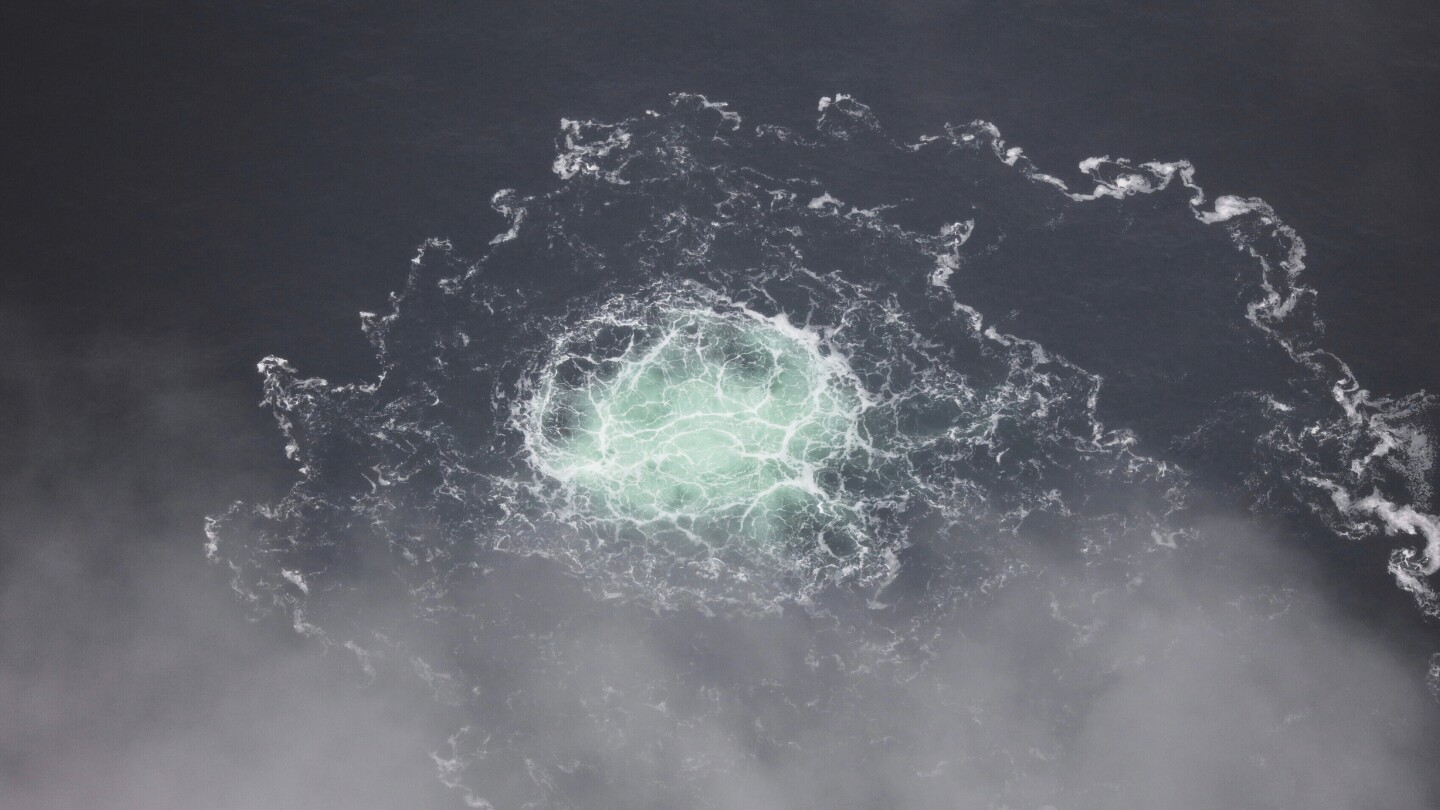
    German authorities have taken into custody a Ukrainian national allegedly responsible for coordinating the September 2022 explosions that severely damaged the Nord Stream gas pipelines. Serhii Kuznietsov, 49, was ordered detained by a Federal Court of Justice judge in Karlsruhe on Friday following an arrest warrant issued by federal prosecutors.

    The sophisticated operation, which targeted critical energy infrastructure beneath the Baltic Sea, involved the use of a yacht chartered from a German company using falsified identification documents. According to investigative findings, Kuznietsov allegedly masterminded the placement of explosives on the pipelines that were designed to transport Russian natural gas to Germany.

    Kuznietsov’s extradition from Italy culminated on Thursday after the Italian Supreme Court approved his transfer on November 19. His initial detention occurred on August 21 at an Adriatic coastal campground where he was vacationing with family members. The suspect has consistently denied involvement, claiming he was serving as an army captain in Ukraine during the time of the explosions.

    This development contrasts sharply with a recent Polish judicial decision that blocked the extradition of another Ukrainian suspect in the same case. A Polish judge had characterized the pipeline attack as legitimate military action in the context of the Ukraine conflict, thereby exempting individuals from criminal liability—a legal interpretation explicitly rejected by Italian authorities in Kuznietsov’s case.

    The 2022 pipeline explosions significantly escalated geopolitical tensions as European nations sought to reduce dependence on Russian energy resources following Moscow’s full-scale invasion of Ukraine. The incident remains one of the most consequential acts of energy infrastructure sabotage in recent European history.

  • Search for British man who fell from cruise ship off Tenerife coast

    Search for British man who fell from cruise ship off Tenerife coast

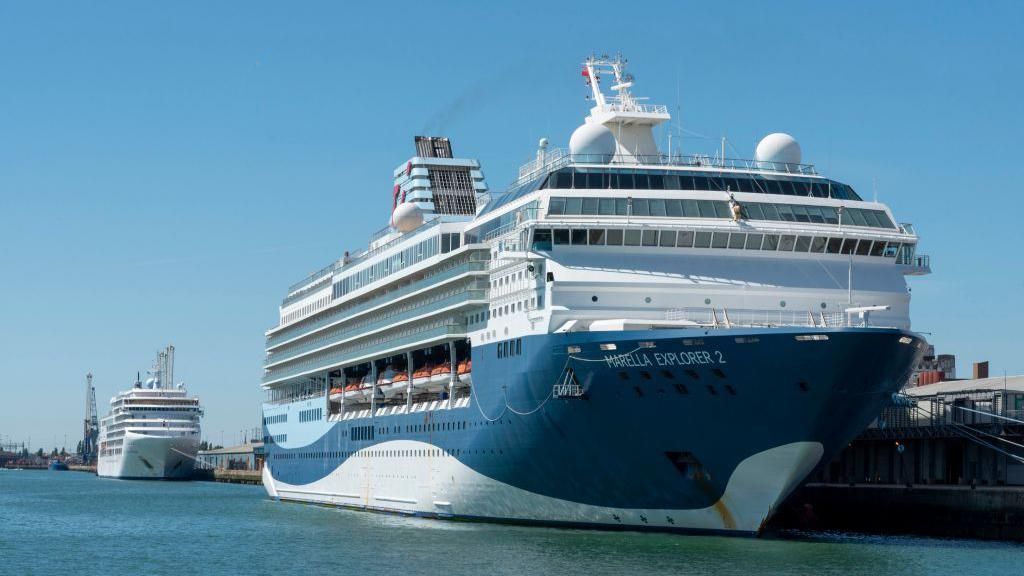
    A multinational maritime search operation is currently underway off the northwestern coast of Tenerife following the distressing incident involving a British national who fell from a cruise vessel. The 76-year-old passenger was reportedly observed entering the water while the Marella Explorer 2, operated by TUI Group, was transiting toward La Gomera island on Thursday morning.

    The Spanish Coast Guard initiated coordinated search and rescue protocols at 09:48 local time (08:48 GMT), mobilizing maritime assets to scour the waters where the incident occurred. The Malta-registered cruise ship, which specializes in adult-only voyages, immediately participated in initial search efforts before proceeding to its scheduled docking in Santa Cruz de Tenerife during Friday’s early hours.

    Marella Cruises, TUI’s cruise division, confirmed the company is providing comprehensive support to the passenger’s family while maintaining close collaboration with Spanish authorities. The vessel was completing an inter-island journey from Madeira, Portugal to Spain’s Canary Islands archipelago when the overboard incident transpired.

    According to TUI’s specifications, the Marella Explorer 2 represents modern cruise hospitality with capacity for 1,814 passengers distributed across 907 cabins and 14 decks. The Foreign Office has been contacted regarding the incident involving the British citizen, though official statements remain pending as search operations continue.

  • ‘Scared and desperate’ – the South Africans who claim they were duped by Zuma’s daughter to fight for Russia

    ‘Scared and desperate’ – the South Africans who claim they were duped by Zuma’s daughter to fight for Russia

    A disturbing case of international deception has emerged as South African citizens find themselves trapped in Ukraine’s war-torn Donbas region after being allegedly recruited under false pretenses. Multiple sources confirm that approximately two dozen men were lured to Russia with promises of security training programs, only to be forced into combat operations alongside Russian forces.

    The recruitment scheme allegedly involves high-profile political figures, including Duduzile Zuma-Sambudla, daughter of former South African President Jacob Zuma and current MP for the uMkhonto weSizwe (MK) opposition party. While Zuma-Sambudla denies intentional wrongdoing, claiming she herself was deceived, victims’ families provide chilling accounts of their relatives’ ordeal.

    One identified only as ‘Sipho’ for safety reasons described through voice messages how recruits were presented with contracts in Russian they couldn’t understand, then transported to frontlines within Ukraine. His brother Xolani, campaigning for his return in South Africa, reveals the group initially believed they were signing up for legitimate bodyguard training for the MK party.

    The situation has triggered formal investigations by South Africa’s elite Hawks police unit, examining potential charges including human trafficking, illegal recruitment, and fraud. The case has further complicated diplomatic relations, with the South African government acknowledging distress calls from 17 confirmed citizens in Donbas but remaining largely silent on rescue efforts.

    Family members report the recruits face extreme danger, with one reportedly wounded by shrapnel and others describing regular drone attacks. The victims consistently express desperation to return home, with Sipho noting in audio recordings: ‘Things you see in the movies, we’re seeing it live.’

    The scandal has exposed internal divisions within the Zuma family, with half-sister Nkosazana Zuma-Mncube filing police reports alleging her relative knowingly deceived recruits. The MK party has scheduled a press conference to address what it terms the ‘Russia-Ukraine matter,’ while international attention grows regarding mercenary recruitment practices in conflict zones.

  • Scores killed as floods sweep several Asian nations

    Scores killed as floods sweep several Asian nations

    A devastating wave of extreme weather has unleashed catastrophic flooding across multiple Asian nations, resulting in a mounting humanitarian crisis with significant loss of life. The archipelago nation of Indonesia has borne the heaviest toll, with official reports confirming at least 80 fatalities. Concurrently, the island nation of Sri Lanka has suffered profound casualties, recording 56 deaths according to emergency response officials. The severe weather system, characterized by torrential, unrelenting rainfall, has triggered widespread flooding and destructive landslides over the past week. These events have submerged entire communities, severed critical transportation networks, and displaced thousands of residents from their homes. Emergency services in both countries are engaged in extensive search and rescue operations, battling challenging conditions to reach isolated populations. The scale of the destruction points to a severe regional disaster, overwhelming local infrastructure and response capabilities. This event underscores the increasing vulnerability of densely populated regions to intense climatic phenomena, raising urgent questions about disaster preparedness and climate resilience strategies in South and Southeast Asia.

  • Pope Leo XIV receives enthusiastic welcome from Turkey’s Catholics as he opens key day in first trip

    Pope Leo XIV receives enthusiastic welcome from Turkey’s Catholics as he opens key day in first trip

    ISTANBUL, Turkey — Pope Leo XIV commenced his inaugural papal visit to Turkey with profound spiritual significance, engaging directly with the nation’s Catholic minority during Friday’s morning proceedings. The pontiff received enthusiastic welcomes at Istanbul’s Cathedral of the Holy Spirit, where congregants chanted “Papa Leo” and “Viva il Papa” in a display of reverence for the newly elected spiritual leader.

    The core objective of Leo’s pilgrimage centers on the commemoration of the Nicaean Creed’s 1,700th anniversary—a foundational document of Christian faith formulated during the 325 AD Council of Nicaea. This theological milestone represents one of Christianity’s most enduring unifying documents, accepted across Catholic, Orthodox, and major Protestant traditions despite historical doctrinal divisions.

    The commemorative ceremonies will occur in Iznik (modern-day Nicaea), approximately 93 miles southeast of Istanbul, where Pope Leo will jointly preside with Ecumenical Patriarch Bartholomew, the spiritual authority for global Orthodox Christians. This collaborative leadership underscores the ongoing ecumenical efforts toward Christian unity that have characterized interfaith dialogue for centuries.

    The pontiff’s arrival on Thursday included diplomatic discussions with Turkish President Recep Tayyip Erdogan, during which Leo emphasized peace-building initiatives and Turkey’s potential role as a regional stabilizing force. This visit marks the pope’s first international journey since assuming the papacy, signaling the Vatican’s continued commitment to interfaith dialogue and historical reconciliation.

  • Damage and more rain hamper search for flood and landslide victims in Indonesia

    Damage and more rain hamper search for flood and landslide victims in Indonesia

    Rescue operations across Indonesia’s Sumatra island face significant challenges as damaged infrastructure and continuing severe weather compound a growing humanitarian crisis. The death toll has risen to 79 with dozens more reported missing following devastating flash floods and landslides triggered by Tropical Cyclone Senyar.

    In North Sumatra province, where the most severe impact occurred, torrential monsoon rains on Tuesday caused rivers to overflow their banks. The resulting deluge swept through mountainous villages, carrying away residents and submerging over 3,200 homes and buildings. Provincial police spokesperson Ferry Walintukan reported Friday that at least 48 fatalities had been confirmed with 88 individuals still unaccounted for across 12 affected cities and districts.

    The disaster response has been severely hampered by multiple factors including widespread mudslides, power outages, compromised telecommunications, and critical damage to transportation networks. Rescue teams are struggling to access isolated communities where bridges and roads have been completely washed out, preventing the delivery of heavy excavation equipment necessary for search operations.

    West Sumatra province has reported similarly catastrophic damage, with flash floods across 15 cities and districts claiming 22 lives and leaving 10 people missing. The provincial disaster mitigation agency confirmed that more than 17,000 homes have been completely submerged, forcing approximately 23,000 residents to evacuate to government-operated temporary shelters. Agricultural losses include extensive damage to rice fields and livestock, with public facilities throughout the region rendered inoperable.

    In Aceh province, three villages in Central Aceh district suffered particularly severe landslides triggered by the torrential rains, resulting in at least nine confirmed fatalities with two individuals still missing.

    Meteorological authorities attribute the extreme weather conditions to Tropical Cyclone Senyar, which formed in the Strait of Malacca. Achadi Subarkah Raharjo, Director of Aviation Meteorology at Indonesia’s Meteorology, Climatology, and Geophysical Agency, warned that the cyclone system continues to create unstable atmospheric conditions that may persist for several days. The agency has extended its extreme weather warning due to strong water vapor supply and shifting atmospheric dynamics affecting multiple regions including Aceh, North Sumatra, West Sumatra, and Riau.

    The current disaster highlights Indonesia’s particular vulnerability to seasonal weather events. The archipelago nation of 17,000 islands has millions of inhabitants living in mountainous regions or near fertile flood plains that are increasingly susceptible to climate-related disasters.