分类: world

  • China-funded infrastructure projects completed in West Bank

    China-funded infrastructure projects completed in West Bank

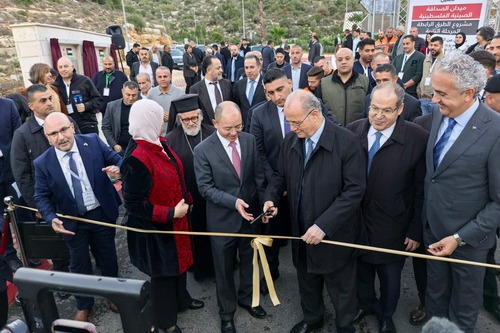
    In a significant demonstration of international cooperation, Chinese and Palestinian officials convened in Ramallah on November 26, 2025, to inaugurate two major infrastructure initiatives funded by China. The completion ceremony for the China-Palestine Friendship Square and the extended Beijing Road marked a new chapter in bilateral relations between the two nations.

    The ceremonial unveiling was conducted jointly by Zeng Jixin, head of the Chinese Office in Palestine, and Palestinian Prime Minister Mohammad Mustafa. The projects represent substantial Chinese investment in Palestinian infrastructure development, with the expanded Beijing Road now stretching over 11 kilometers through the West Bank city.

    Zeng emphasized during his address that these developments implement the strategic consensus reached by both countries’ leadership. “Beijing Road has transformed into a vital artery serving local communities—a roadway of convenience for daily life, a bridge connecting hearts through friendship, and a pathway toward future progress,” he stated. The Chinese diplomat highlighted how these projects exemplify China’s approach to supporting development initiatives through its modernization expertise.

    Prime Minister Mustafa expressed profound appreciation for China’s ongoing support, noting the decades-long relationship between the two nations. “China has consistently stood with the Palestinian people throughout our struggle for independence and development across multiple sectors,” he remarked to Xinhua after the ceremony. He specifically acknowledged China’s timely assistance in enhancing Palestinian living standards.

    Local residents already experience tangible benefits from the infrastructure upgrades. Bilal Mansour, a driver utilizing the new roadway, described the dramatic transformation: “This area was previously a barren hillside surrounded by rubble and dust. China’s assistance has fundamentally changed our daily reality—travel time between Birzeit and Ramallah’s city center has been reduced from thirty minutes to just over ten minutes.”

    The Beijing Road project commenced with its initial section opening in September 2020, while extension construction began in September 2024. The newly expanded route now integrates a network of 14 roads, significantly improving connectivity between central Ramallah and the Al-Jadwal area.
  • Ukraine’s naval drones strike Russian oil tankers in the Black Sea off the Turkish coast

    Ukraine’s naval drones strike Russian oil tankers in the Black Sea off the Turkish coast

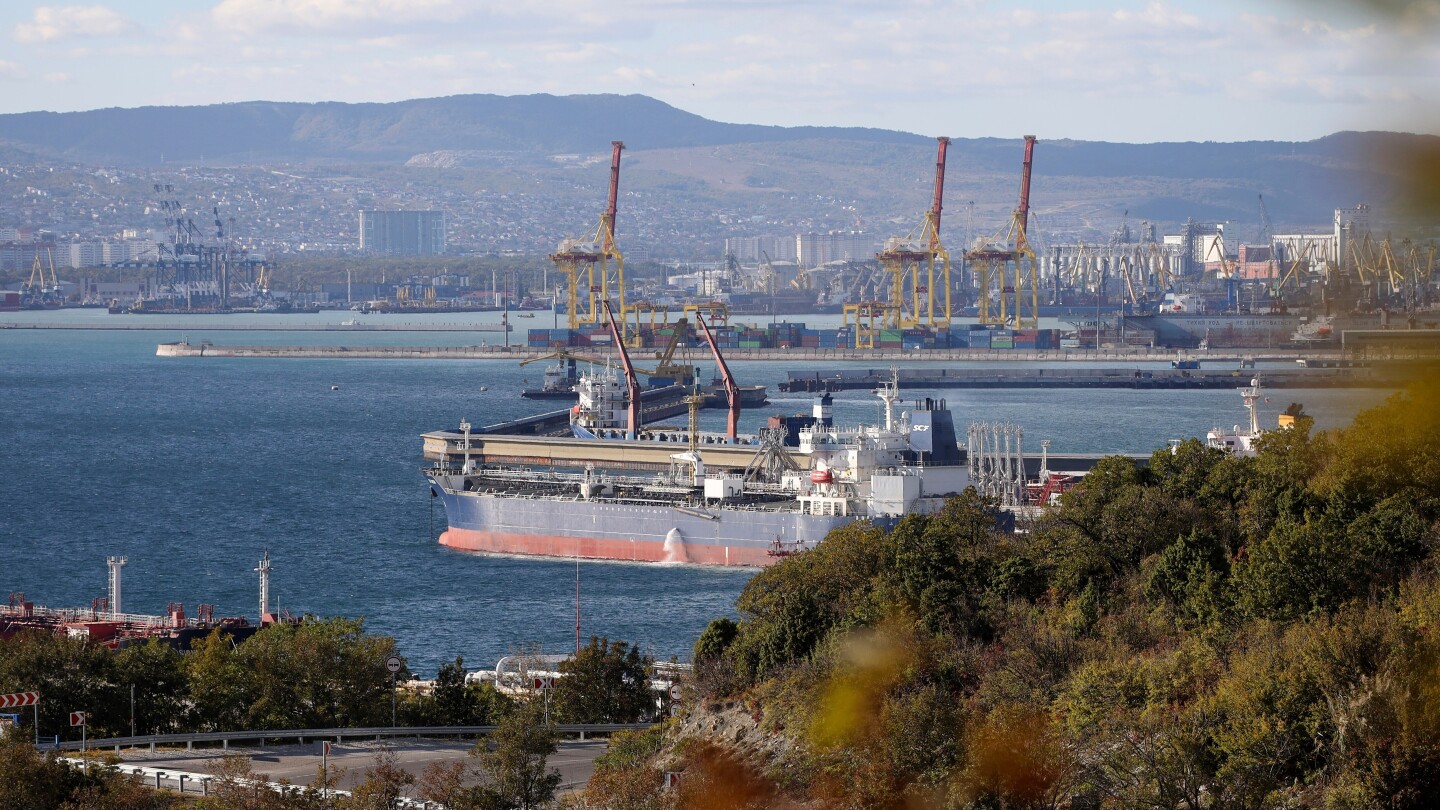
    Ukrainian security forces have executed a precision naval operation against Russian oil transport capabilities in the Black Sea. According to an anonymous SBU official speaking to The Associated Press, domestically manufactured Sea Baby naval drones targeted two sanctioned Russian oil tankers—Kairos and Virat—in rapid succession on Friday afternoon. The operation occurred within Turkey’s exclusive economic zone near the Kocaeli province coastline.

    The Gambian-flagged Kairos sustained significant fire damage in its enclosed areas, prompting the safe evacuation of all 25 crew members by Turkish rescue teams. The Virat, while reportedly struck in its engine room, did not require evacuation. Turkish Transport Minister Abdulkadir Uraloglu confirmed authorities received a distress call describing the incident as a ‘drone attack,’ though initial assessments considered multiple potential causes including mines or missiles.

    Both vessels form part of Russia’s elaborate ‘shadow fleet’—a network of ships specifically designed to circumvent international sanctions imposed after the 2022 invasion of Ukraine. OpenSanctions database records indicate the Virat received sanctions from the United States in January 2023, followed by the EU, Switzerland, UK, and Canada. The Kairos was similarly sanctioned by the EU in July 2023, with subsequent restrictions from the UK and Switzerland.

    Ukrainian intelligence officials emphasized this operation represents continued efforts to disrupt Russia’s financial capacity to wage war. The Sea Baby drones, which Ukraine recently unveiled as upgraded capabilities with extended Black Sea reach, reportedly disabled vessels capable of transporting approximately $70 million worth of oil. This strategic strike demonstrates Ukraine’s growing naval drone warfare sophistication while highlighting ongoing challenges in enforcing international sanctions against Russian energy exports.

  • UN says Israel’s killing of two Palestinians in occupied West Bank looks like ‘summary execution’

    UN says Israel’s killing of two Palestinians in occupied West Bank looks like ‘summary execution’

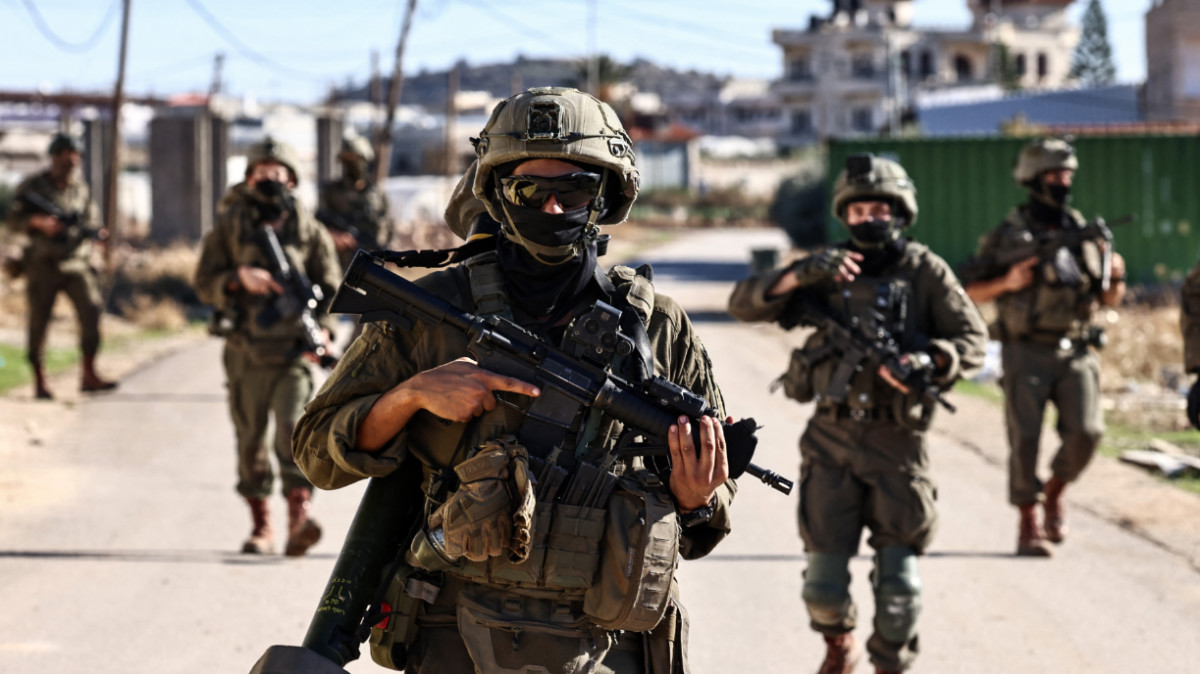
    The United Nations has expressed profound alarm over an incident in the occupied West Bank, describing the fatal shooting of two Palestinian men by Israeli border police as an ‘apparent summary execution.’ The event, which occurred on Thursday in Jenin’s Abu Dhahir neighborhood, was captured in a widely circulated social media video. The footage depicts the two individuals emerging from a building with raised arms and lifted shirts, visibly unarmed and demonstrating no threat, before being shot dead by Israeli troops.

    The victims were identified by the Palestinian health ministry as 26-year-old Al-Muntasir Billah Mahmoud Qassem Abdullah and 37-year-old Yousef Ali Yousef Asa’sa. Following the killings, Israeli forces withheld their bodies. Officers involved, reportedly from a Border Police unit, asserted they fired after the men failed to follow instructions. While the Israeli army and police, who were conducting a joint operation, acknowledged the shootings and promised an investigation, National Security Minister Itamar Ben Gvir publicly endorsed the officers’ actions. On social media platform X, Ben Gvir declared the officers ‘acted exactly as expected’ and stated ‘terrorists must die.’

    UN Human Rights Office spokesman Jeremy Laurence, addressing reporters in Geneva, emphasized that such summary executions constitute a war crime under the Geneva Convention and international law. He revealed that UN rights chief Volker Turk is demanding ‘independent, prompt and effective investigations’ to ensure full accountability for those responsible. Laurence further highlighted a disturbing trend of surging killings of Palestinians by Israeli security forces and settlers in the West Bank, which consistently occur without accountability. He raised serious concerns about the credibility of any government-led investigation, particularly following statements from a senior official that sought to absolve security forces of responsibility.

    The Palestinian Authority condemned the killings as a ‘brutal’ war crime, while Hamas labeled them part of a ‘systematic campaign of extermination.’ This incident is situated within a broader context of intensified Israeli military operations in the West Bank since October 7, 2023. Over the past two years, more than 1,000 Palestinians have been killed and thousands arrested across the occupied territory. The current event occurred during a wide-scale Israeli assault focused on the northern West Bank city of Tubas and its environs, echoing earlier large-scale operations in Jenin and Tulkarm that resulted in significant displacement and destruction.

  • Russian drone strikes hit Kyiv residential areas despite peace moves

    Russian drone strikes hit Kyiv residential areas despite peace moves

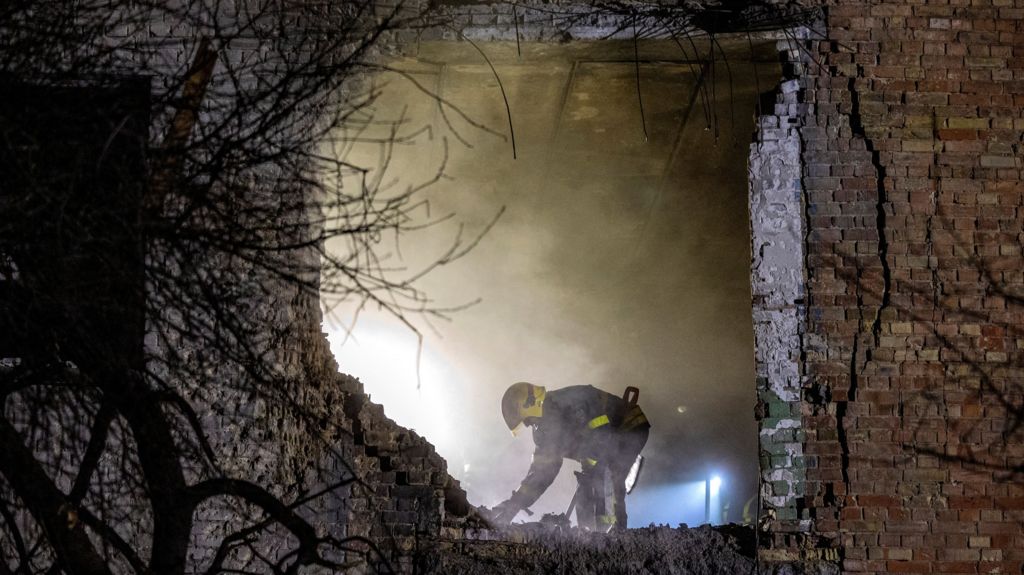
    A renewed aerial offensive struck Ukraine’s capital early Saturday, resulting in casualties and significant damage to residential areas as peace negotiations between Ukrainian and U.S. officials gained momentum.

    According to Kyiv municipal authorities, Russian forces launched coordinated drone and missile attacks targeting multiple districts across the city. The assault claimed at least one life and left seven civilians wounded, including a 13-year-old adolescent. Emergency responders recovered the body of a male victim from the devastated Sviatoshynskyi sector in western Kyiv.

    Mayor Vitaly Klitschko confirmed extensive structural damage, with strikes igniting substantial blazes in high-rise residential complexes. Firefighting teams successfully contained a major conflagration in the central metropolitan zone while combating flames engulfing lower levels of an apartment tower west of the urban core.

    Tymur Tkachenko, head of Kyiv’s military administration, reported through Telegram that defensive systems engaged hostile drones over the capital while ground forces responded to impacts on peripheral targets. The eastern municipality of Brovary similarly sustained attacks targeting civilian infrastructure, leaving two women among the injured.

    This escalation follows Thursday’s diplomatic developments where President Vladimir Putin reiterated Moscow’s non-negotiable terms for ceasing hostilities, demanding complete Ukrainian withdrawal from disputed territories. Concurrently, a revised U.S. peace proposal—initially favoring Russian positions—underwent substantial modifications during bilateral talks in Geneva.

    President Volodymyr Zelensky characterized the upcoming negotiations as critical for transforming diplomatic progress into concrete security guarantees. A U.S. delegation including Special Envoy Steve Witkoff is anticipated in Moscow next week to advance discussions on the draft settlement framework.

  • Death toll from floods and landslides on Indonesia’s Sumatra island rises to 248, authorities say

    Death toll from floods and landslides on Indonesia’s Sumatra island rises to 248, authorities say

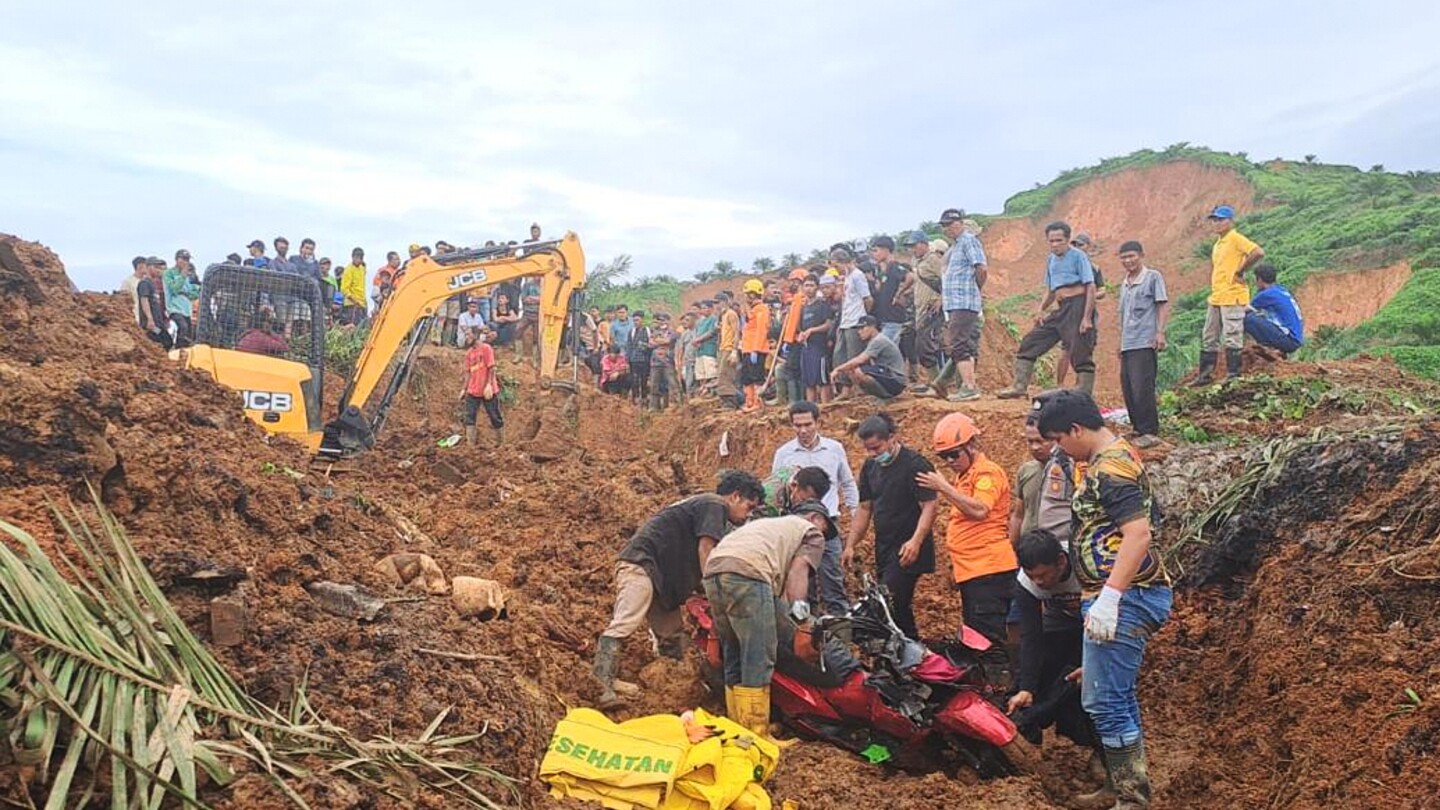
    Indonesian emergency response teams confronted severe logistical challenges on Saturday as they attempted to reach isolated communities devastated by a dual earthquake and tsunami disaster. The catastrophe has claimed at least 248 confirmed lives with approximately 100 individuals still unaccounted for, according to the National Disaster Management Agency.

    The hardest-hit regions, including Central Tapanuli in North Sumatra province and Agam district in West Sumatra, remain largely inaccessible due to extensively damaged transportation networks. Critical infrastructure including bridges and roadways sustained substantial damage, while communication systems failures have further complicated relief operations. The absence of heavy machinery has significantly impeded rescue efforts in the most affected zones.

    Aerial support missions have been deployed to deliver essential supplies and aid to cut-off communities. The disaster agency confirmed that recent monsoon conditions exacerbated the situation, with overflowing rivers triggering flash floods that swept through mountainous villages. These secondary natural events submerged numerous residential structures and government buildings beneath floodwaters.

    Official reports indicate nearly 3,000 families have been displaced from their homes, with many seeking refuge in government-established emergency shelters. The combination of seismic activity, tsunami impact, and subsequent flooding has created a complex humanitarian crisis across multiple districts of Sumatra.

  • 3 reasons China wants green leadership – and 2 reasons it doesn’t

    3 reasons China wants green leadership – and 2 reasons it doesn’t

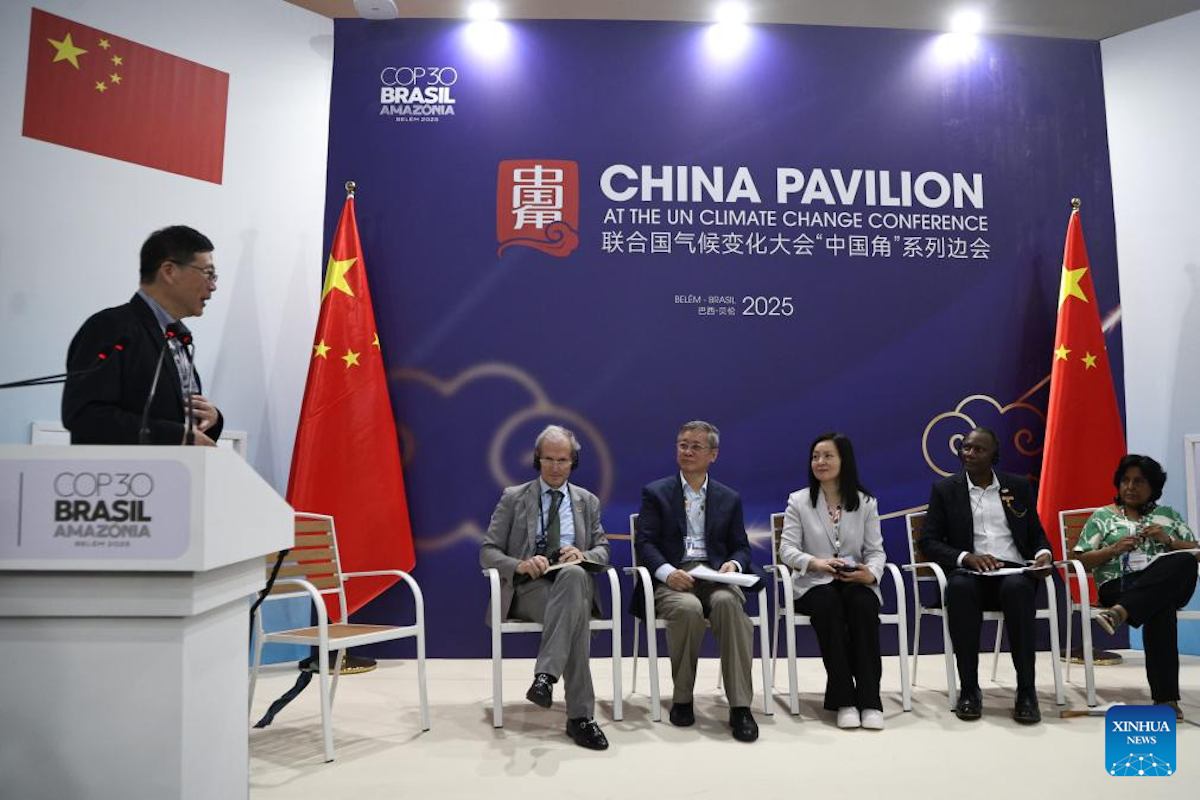
    As global delegates convened for the UN’s COP30 climate summit, China positioned itself to assume a revitalized leadership role in international climate governance—a strategic vacuum created by diminished U.S. engagement following the Trump administration. Beijing’s climate diplomacy, however, reveals a complex interplay of ambitions and deliberate limitations.

    China presented itself as a clean-technology superpower, reframing climate discussions around technological innovation and trade dynamics. The nation’s renewable energy capacity has tripled over the past decade, reaching 1,876,646 megawatts by 2024, with solar generation growing twentyfold since 2015. With $290 billion invested in renewable energy during 2024—$80 billion more than the combined total of the EU, UK, and US—China demonstrated substantial commitment to low-carbon transition.

    Economic priorities significantly influence China’s climate strategy. The export of green technologies—including batteries, solar components, electric vehicles, and wind-power systems approaching $1 trillion since 2018—represents a crucial growth vector. Facing industrial overcapacity and new trade barriers in Western markets, China aggressively pursued emerging markets in Southeast Asia, particularly Indonesia and India, using climate forums to oppose trade restrictions and advocate for free movement of clean technologies.

    Geopolitical considerations further shape China’s approach. Through initiatives like the Belt and Road Initiative and the China-Pacific Island Countries Climate Change Cooperation Center established in 2022, Beijing leverages climate cooperation to strengthen strategic partnerships and security alliances, particularly in the Pacific region where it competes with traditional Western powers.

    Despite this apparent leadership push, China maintains significant constraints. The nation struggles to meet existing emission reduction pledges, with analyses indicating insufficient commitments and slow progress amid economic challenges including weak industrial output, high youth unemployment, and substantial local government debt. China explicitly rejects historical responsibility for climate change, noting that while its cumulative emissions since 1850 have surpassed EU nations, they remain below US levels.

    Beijing declined to commit to the $1.3 trillion annual climate finance goal from developed economies, opposed fossil fuel phase-out roadmaps, and abstained from supporting Brazil’s tropical forest preservation fund. China maintains its developing nation status while selectively advancing climate agendas that align with its economic and geopolitical interests, indicating a leadership model based on technological and trade advantages rather than comprehensive emission reduction commitments.

  • Paris’ Louvre raises ticket prices by 45% for non-EU tourists to fund renovations

    Paris’ Louvre raises ticket prices by 45% for non-EU tourists to fund renovations

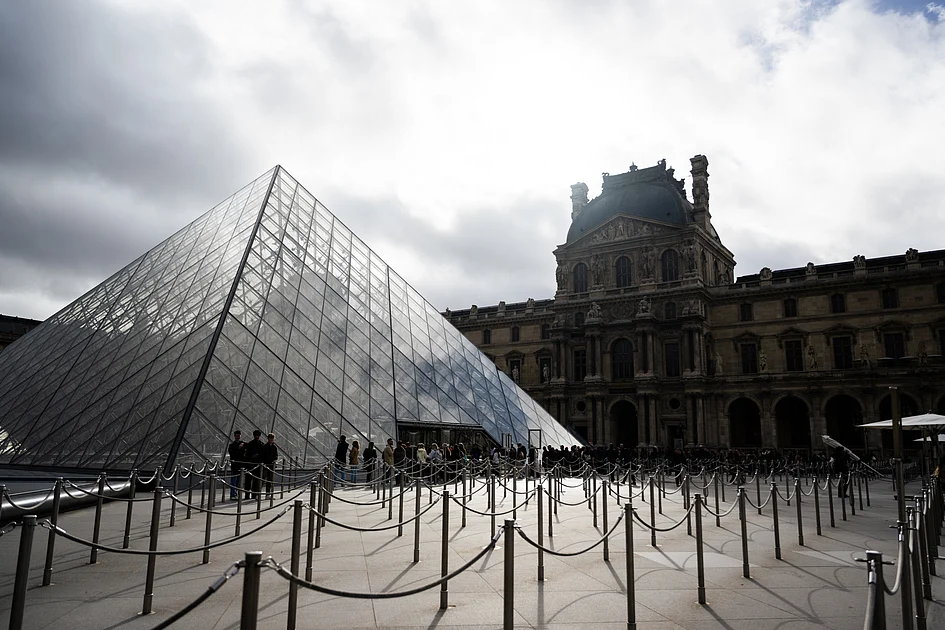
    The Louvre Museum in Paris has announced a substantial 45% increase in admission fees for visitors from outside the European Union and European Economic Area, effective January 14th. This strategic move aims to generate crucial funding for extensive renovation projects and security enhancements following a recent high-profile jewel theft that exposed systemic vulnerabilities.

    Non-EU/EEA visitors will now pay €32 ($37), with British tourists included in this revised pricing structure. The decision comes after October’s daring daylight heist where burglars stole crown jewels valued at approximately $102 million, revealing significant security deficiencies at the world’s most visited museum. Subsequent inspections identified structural weaknesses that necessitated the partial closure of one wing.

    Museum administration, responding to recommendations from France’s state auditor, has prioritized security improvements alongside ongoing renovations. The comprehensive plan includes installation of 100 external surveillance cameras by late 2026 as part of a six-year refurbishment initiative.

    The Louvre welcomed nearly 9 million visitors last year, with foreign tourists comprising approximately three-quarters of total attendance. The price adjustment is projected to generate an additional €15-20 million annually to support these essential upgrades.

    This pricing strategy reflects a broader trend among French cultural institutions, with the Palace of Versailles, Sainte Chapelle, Paris Opera House, and Chambord Chateau also expected to implement similar increases in the coming year.

    Judicial proceedings continue regarding October’s theft, with French authorities having arrested and charged four primary suspects plus additional individuals suspected of complicity. The stolen jewels remain unrecovered as investigations persist.

  • UAE expresses solidarity with Sri Lanka; conveys condolences over cyclone victims

    UAE expresses solidarity with Sri Lanka; conveys condolences over cyclone victims

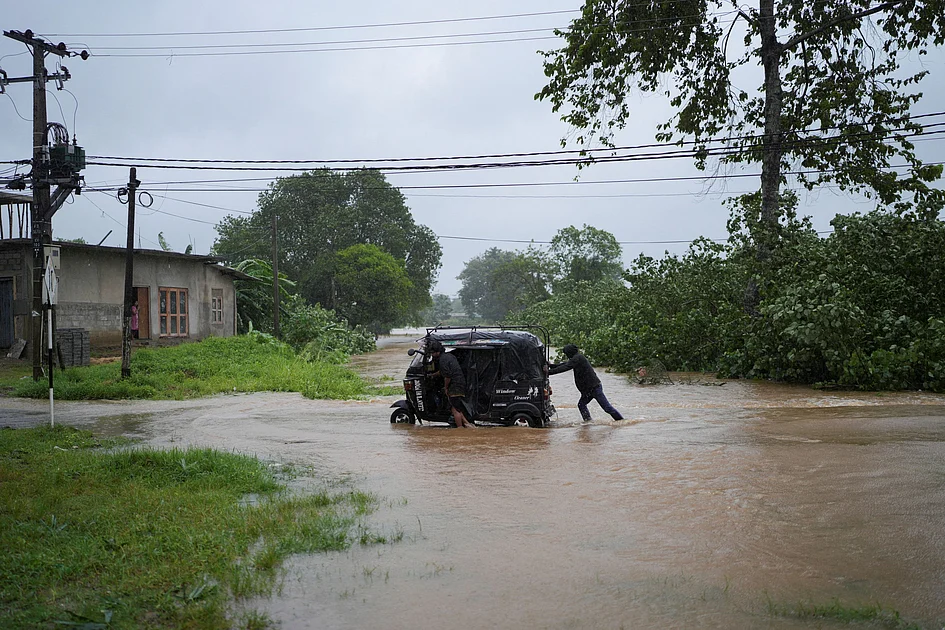
    The United Arab Emirates has formally conveyed its profound sympathy and solidarity with the Democratic Socialist Republic of Sri Lanka in the wake of a catastrophic cyclone that inflicted severe damage across the island nation. Cyclone Ditwah, which made landfall on Friday, November 28, 2025, has resulted in a significant humanitarian crisis, with official reports confirming 69 fatalities and 34 individuals still unaccounted for.

    The UAE Ministry of Foreign Affairs (MoFA) issued an official statement expressing heartfelt condolences to the families who lost loved ones, while simultaneously reaffirming its support for the Sri Lankan government and citizens during this period of national tragedy. The cyclone’s impact has been exacerbated by extreme weather conditions, including torrential rainfall exceeding 300 millimeters within a 24-hour period, which triggered devastating landslides and widespread flooding.

    Sri Lankan defense forces have initiated large-scale rescue operations to reach hundreds of residents stranded by rapidly rising floodwaters. The natural disaster has caused substantial infrastructure damage and displaced thousands of citizens from their homes, creating urgent needs for emergency shelter and humanitarian assistance. The UAE’s message of international solidarity highlights the importance of global cooperation in addressing climate-related disasters and supporting affected communities through recovery efforts.

  • Filipino travellers to enjoy visa-free entry to Oman starting 2026

    Filipino travellers to enjoy visa-free entry to Oman starting 2026

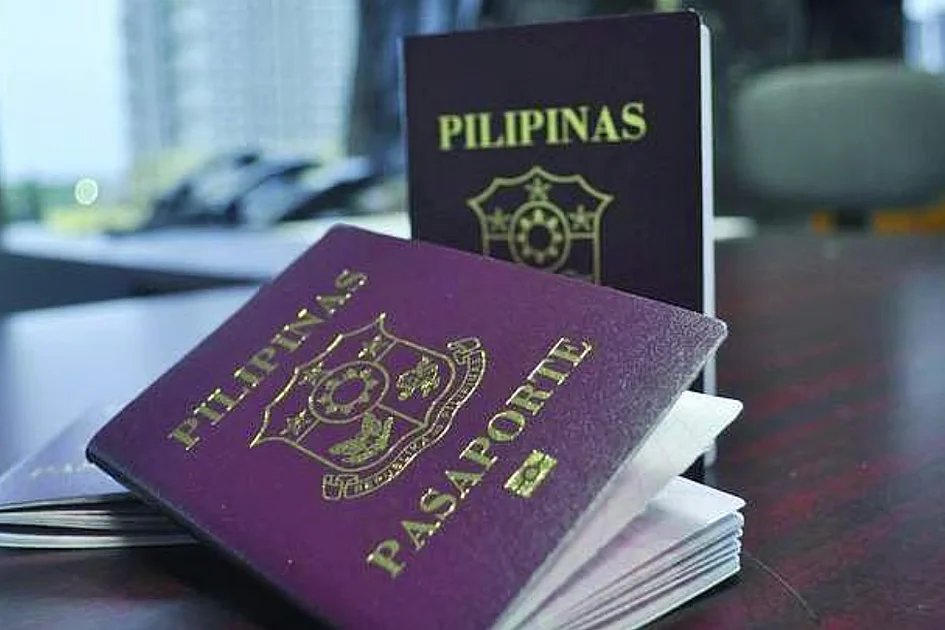
    In a significant diplomatic development enhancing travel freedom, the Sultanate of Oman will implement visa-free entry for Philippine passport holders beginning in 2026. The announcement was formally made by Oman’s Ambassador to the Philippines, Nasser Said Abdullah Al Manwari, during the recent celebration of Oman’s National Day held in Makati City on November 19.

    This groundbreaking policy will permit Filipino citizens to visit Oman for tourism purposes for durations of up to fourteen days without requiring any visa authorization. Ambassador Manwari emphasized the historic nature of this decision, noting that Oman becomes the first nation in the Middle Eastern region to extend such a privilege to Philippine nationals. “This is the first country in the Middle East that will waive the visa for the Filipino people. So you can enjoy Oman anytime without visa,” the Ambassador stated in remarks reported by GMA News.

    The strategic move is fundamentally designed to stimulate tourism growth and strengthen bilateral relations between the two nations. Ambassador Manwari projected a substantial surge in visitor numbers from the Philippines following the policy’s implementation. To accommodate the anticipated increase in travel demand, Omani authorities are actively pursuing the expansion of air connectivity beyond the existing direct flights between Manila and Muscat. Development plans include establishing a new direct flight route to Cebu and engaging additional airlines to service these routes, contingent on addressing capacity considerations at Manila’s Ninoy Aquino International Airport (NAIA).

    Beyond the logistical preparations, Ambassador Manwari extended a personal invitation to Filipino travelers, promoting Oman’s diverse attractions, from majestic mountain ranges and pristine coastal areas to vast desert landscapes. He characterized the country as a uniquely captivating destination within the Middle East, promising an extraordinary experience for visitors.

  • Pope Leo’s Turkey visit inspires ‘new crusade’ conspiracy theories

    Pope Leo’s Turkey visit inspires ‘new crusade’ conspiracy theories

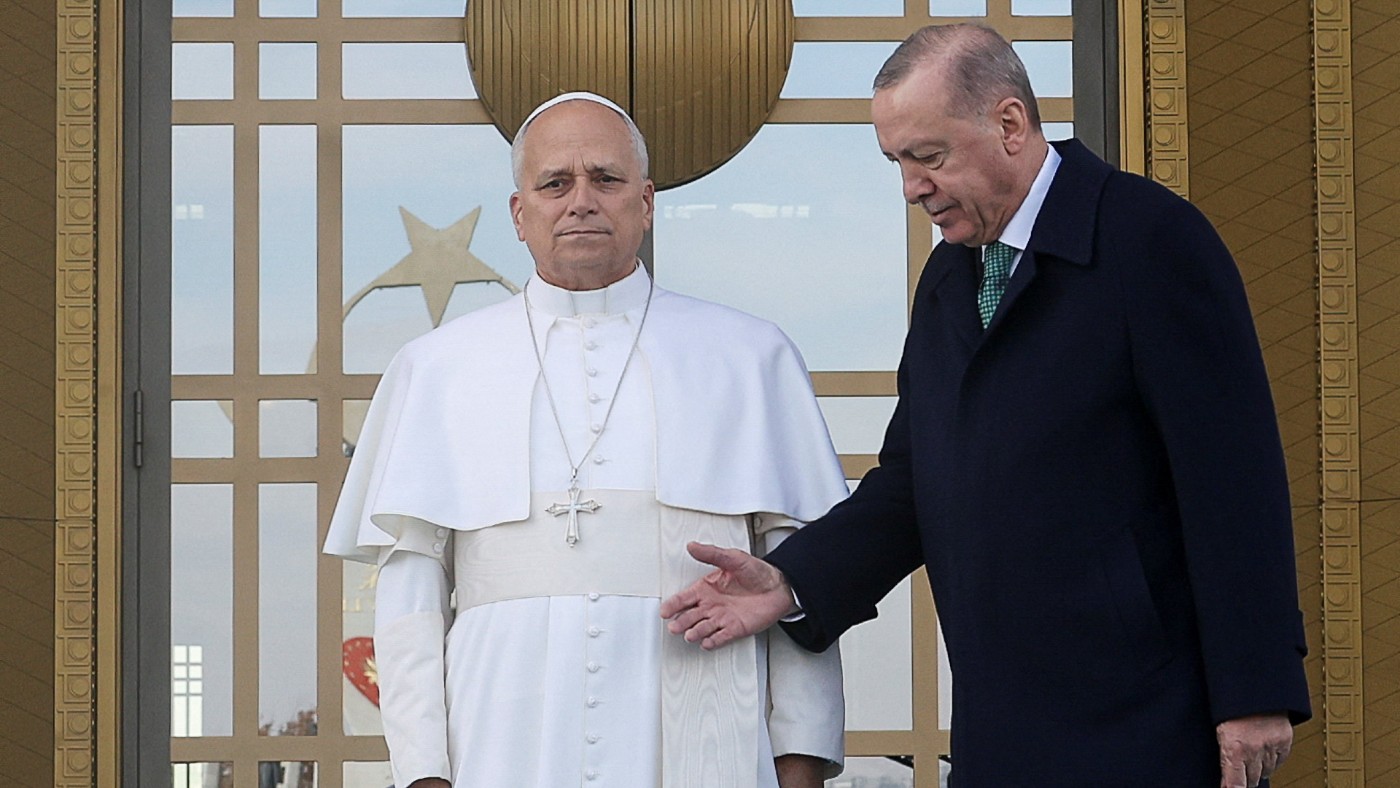
    Pope Leo’s historic visit to Turkey for the 1,700th anniversary of the Council of Nicaea has ignited a firestorm of controversy, with Turkish nationalists and secularists accusing the Catholic leader of hidden political agendas and attempting to revive Crusader-era ambitions. The pontiff’s first foreign trip included a solemn tour of the submerged ancient basilica in Lake Iznik, identified as the original site where Christian bishops convened in 325 CE to establish foundational religious doctrines. Joined by Ecumenical Patriarch Bartholomew of the Greek Orthodox Church, the leaders held joint prayers commemorating one of early Christianity’s most significant gatherings.

    The diplomatic gesture, however, triggered an intense backlash across Turkish media and social platforms. A historically inaccurate map depicting western Turkey annexed by Greece circulated widely on social media platform X, originally sourced from Greek news outlet Pentapostagma in 2022. The viral image portrayed Istanbul as an ‘independent ecumenicity,’ referencing the patriarchate based in the city.

    Criticism emerged from various public figures including retired military officer Gokhan Avci, who called the Pope’s military honor reception ‘utterly disgraceful,’ and folk singer Sabahat Akkiraz who questioned whether Iznik had ‘become the Vatican without us knowing.’ Former Admiral Cihat Yayci claimed the visit represented a ‘political-religious project aimed at re-establishing Rome’ deliberately timed with the anniversary of the Crusades’ launch against Islamic lands.

    Journalist Erdem Atay escalated concerns by suggesting the visit might lead Christians to demand territory from Turkey, specifically mentioning Heybeli Island, Imbros, Tenedos, and Iznik as potential claims. Both Yayci and Atay referenced historical rejections of ‘Vatican demands’ by Ottoman sultans and modern Turkey’s founder Mustafa Kemal Ataturk.

    Official sources familiar with Vatican affairs dismissed these claims as unfounded, noting the Catholic and Orthodox churches have been formally divided since the Great Schism of 1054 and only began reconciliation efforts in the 1960s. The Turkish Orthodox Church’s spokesperson objected to the Pope using the title ‘ecumenical,’ considering it disrespectful to Turkey’s constitutional integrity.

    Turkish officials remain divided on the visit’s implications, with some viewing it as an opportunity to showcase religious freedom and shared heritage preservation, while others worry about conspiracy theories spreading among nationalist and conservative groups. The last-minute cancellation of US Vice President JD Vance’s participation reportedly eased concerns among Turkish officials about further speculation.