分类: world

  • Thailand begins cleanup after worst flooding in decade kills 145

    Thailand begins cleanup after worst flooding in decade kills 145

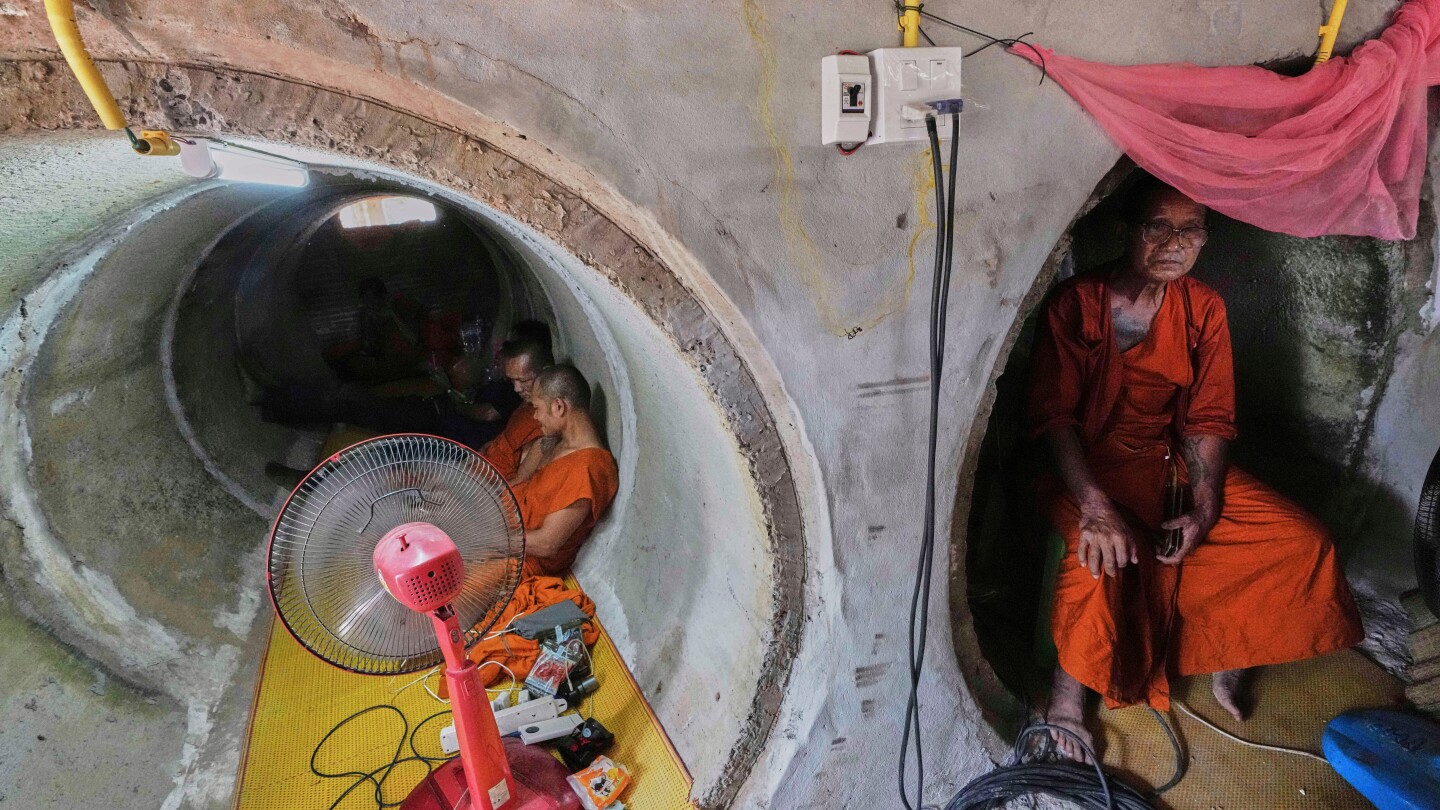
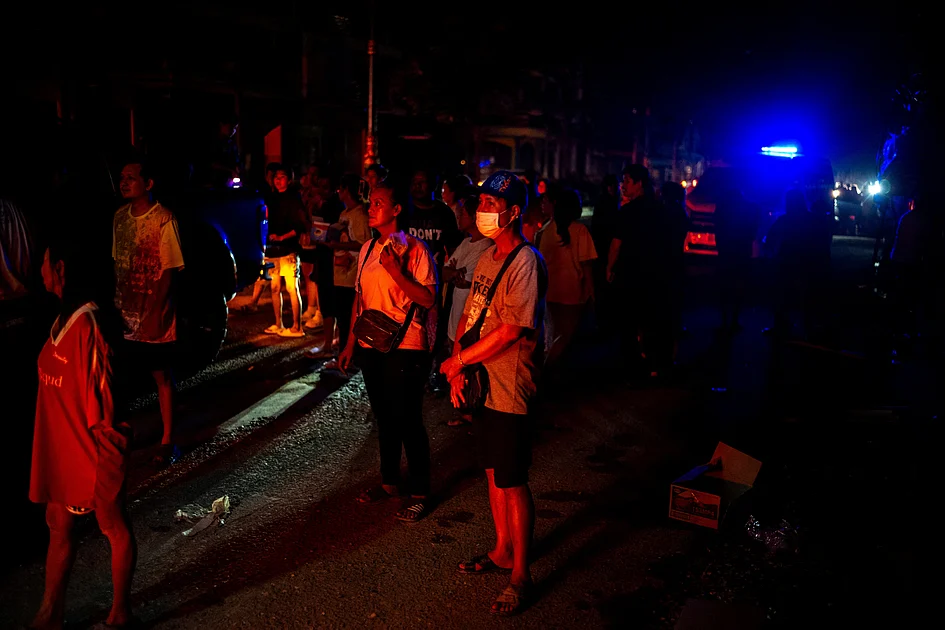
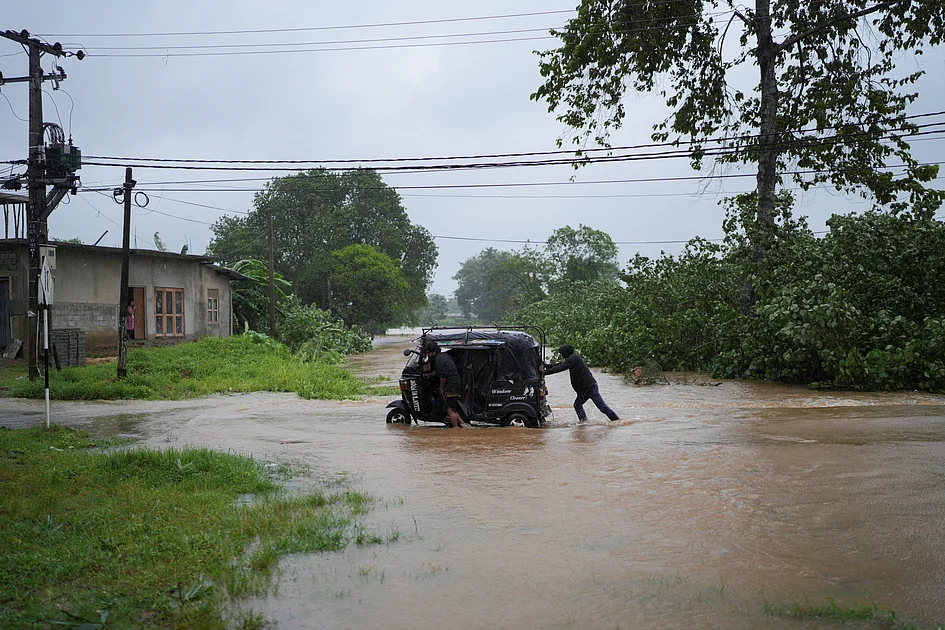
    Southeast Asia confronts a devastating humanitarian crisis as unprecedented monsoon rains have triggered catastrophic flooding across the region, resulting in a confirmed death toll exceeding 300 individuals. Southern Thailand has initiated massive cleanup operations following what officials describe as the most severe deluge in a decade, which has claimed at least 145 lives in the country alone.

    The scale of the disaster overwhelmed local infrastructure, with hospital morgues in Thailand’s Songkhla province reaching capacity and necessitating the use of refrigerated trucks for body storage. Floodwaters reached astonishing heights of three meters (9.8 feet) in certain areas, stranding thousands of residents who required emergency rooftop rescues.

    Thai Prime Minister Anutin Charnvirakul personally visited evacuation shelters in the severely affected Hat Yai district, offering a public apology for the disaster occurring during his administration. “I genuinely must apologize to them for allowing this to happen during my government’s tenure,” Charnvirakul stated during a press briefing broadcast on AmarinTV. The government has announced comprehensive relief measures, including financial compensation of approximately $62,000 for households that suffered fatalities.

    The catastrophe has sparked significant public criticism regarding the official response to the emergency. Opposition lawmakers have accused the administration of fundamental errors in crisis management and situation assessment. This criticism has already resulted in the suspension of two local officials over their alleged failure in handling the disaster.

    Neighboring Indonesia reported even more severe casualties, with officials confirming at least 200 fatalities and approximately 90 individuals still missing following simultaneous flooding and landslides on Sumatra island. Malaysia recorded two additional flood-related deaths in northern Perlis state.

    Climate scientists note that this year’s monsoon season, typically occurring between June and September, has been significantly intensified by both tropical storm activity and broader climate change patterns. Warmer atmospheric conditions retain increased moisture capacity, generating more intense precipitation events, while elevated ocean temperatures have amplified the strength of storm systems moving across the region.
  • Over 200 dead in Indonesia floods: Disaster agency

    Over 200 dead in Indonesia floods: Disaster agency

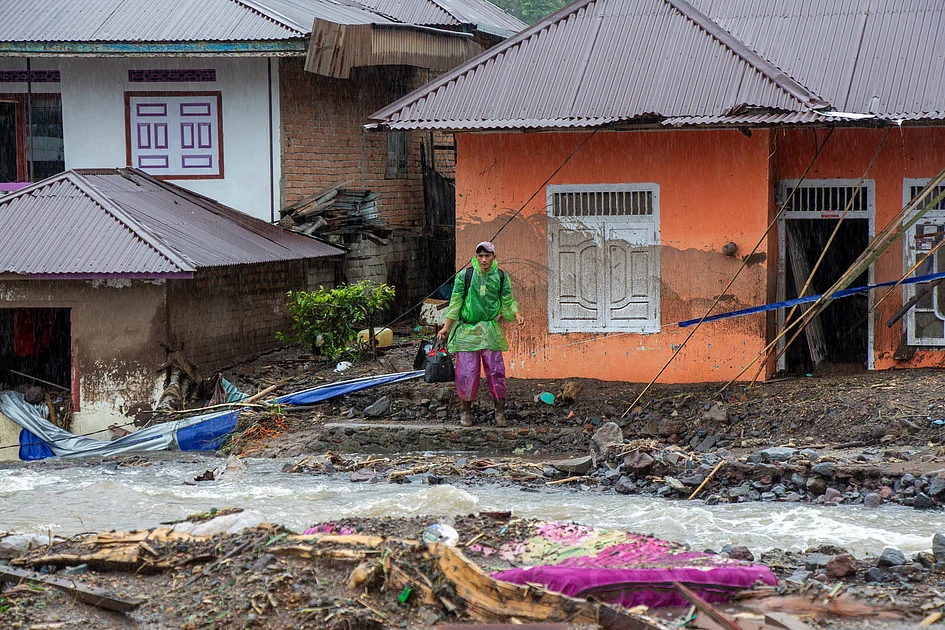
    Indonesian disaster response authorities have confirmed a devastating death toll exceeding 200 individuals following severe flooding and landslides across multiple provinces. The catastrophe has inflicted the most severe impact on North Sumatra, where 116 fatalities have been officially recorded, while Aceh province reports at least 35 deaths according to the latest agency figures.

    In West Sumatra, the situation remains particularly dire. Regional Disaster Mitigation Agency spokesman Ilham Wahab provided a grave assessment late Friday, indicating that 61 casualties have been confirmed in the province with approximately 90 individuals still unaccounted for amid ongoing search operations. This represents a significant increase from earlier estimates that placed the provincial death toll at 23.

    The widespread natural disasters have triggered massive emergency response efforts across the affected regions. Rescue teams continue to battle challenging conditions to locate missing persons and provide critical assistance to survivors. The scale of destruction suggests substantial infrastructure damage alongside the tragic human cost, though comprehensive assessments of material losses remain ongoing.

    This tragedy strikes Indonesia during its rainy season, when the archipelago nation frequently experiences severe weather events. However, the current devastation appears exceptionally severe, raising questions about environmental factors and disaster preparedness measures. International attention is now turning toward relief efforts as the country mourns its significant losses and confronts the substantial recovery challenges ahead.

  • Death toll rises to 123 in Sri Lanka Cyclone Ditwah: Disaster authority

    Death toll rises to 123 in Sri Lanka Cyclone Ditwah: Disaster authority

    Two major safety crises have emerged across Asia, with Indonesia reeling from a devastating natural disaster while India takes decisive action on aviation safety.

    In Indonesia, rescue operations continue following catastrophic flooding that has resulted in more than 200 confirmed fatalities according to the country’s National Disaster Mitigation Agency. The floods, triggered by torrential rainfall that overwhelmed drainage systems, have submerged entire communities, destroyed critical infrastructure, and displaced thousands of residents. Emergency response teams are battling challenging conditions to reach isolated areas where survivors remain stranded without access to clean water, food, or medical supplies. The scale of destruction has prompted the government to declare a state of emergency in affected regions and request international assistance for recovery efforts.

    Meanwhile, India’s aviation authority has issued a sweeping directive grounding all Airbus A320 family aircraft pending immediate safety modifications. The Directorate General of Civil Aviation’s emergency order affects numerous domestic carriers operating one of the world’s most popular narrow-body aircraft. Aviation experts indicate the mandated modifications address potential issues with critical flight control systems that could compromise aircraft safety during certain operational conditions. Airlines must complete comprehensive inspections and implement all necessary technical upgrades before these aircraft can return to service, potentially causing significant disruption to India’s air travel network. The regulatory action demonstrates India’s increasingly stringent approach to aviation safety following recent incidents involving aircraft systems.

  • India regulator tells airlines not to fly Airbus A320 family pending modifications

    India regulator tells airlines not to fly Airbus A320 family pending modifications

    Twin crises in Asia’s aviation and natural disaster sectors have emerged with devastating impact. In Indonesia, catastrophic flooding has resulted in a staggering death toll exceeding 200 individuals, according to the country’s national disaster management agency. The floods, triggered by torrential rainfall and inadequate drainage infrastructure, have submerged entire communities across multiple regions, creating one of the most severe weather-related disasters in recent Indonesian history.

    Concurrently, India’s aviation regulator has issued a sweeping directive mandating the immediate grounding of all Airbus A320 family aircraft until critical safety modifications are completed. The unprecedented order affects numerous domestic and international carriers operating within Indian airspace, potentially disrupting travel for thousands of passengers. The directive specifically requires comprehensive inspections and upgrades to certain cockpit systems that regulators identified as potential safety concerns following recent incident reports.

    Both events highlight systemic challenges facing rapidly developing nations: Indonesia’s struggle with climate resilience and infrastructure preparedness, and India’s proactive approach to aviation safety oversight. The Indonesian government has deployed military personnel and emergency response teams to affected regions while appealing for international humanitarian assistance. Meanwhile, Airbus representatives have reportedly engaged with Indian authorities to expedite the modification process and minimize operational disruptions.

  • ‘No more delays’: Victims’ families hail keeping ex-Philippine president Duterte detained

    ‘No more delays’: Victims’ families hail keeping ex-Philippine president Duterte detained

    Two distinct major incidents in Southeast Asia have drawn international attention to regional disaster response and aviation safety protocols. In Indonesia, national disaster management authorities have confirmed a devastating human toll, with fatalities from severe flooding surpassing 200 individuals. The catastrophic event, triggered by torrential monsoon rains, led to widespread inundation, destructive landslides, and the displacement of thousands of residents, overwhelming local emergency services and infrastructure.

    Concurrently, in a significant move for aviation safety, India’s national air regulator has issued a directive mandating the immediate grounding of all Airbus A320neo family aircraft operated by airlines within its jurisdiction. This decisive action is pending crucial modifications to the aircraft’s Pratt & Whitney PW1100G engines, a model previously scrutinized for technical issues that could potentially lead to in-flight engine failures. The directive underscores a proactive approach to risk mitigation, prioritizing passenger safety above operational disruptions. Airlines are compelled to comply with the order, halting flights until the requisite engineering updates and inspections are thoroughly completed and certified.

  • Land mine explosion that wounded Chinese man on Cambodia-Thailand border provokes concerns

    Land mine explosion that wounded Chinese man on Cambodia-Thailand border provokes concerns

    A Chinese national sustained injuries from a landmine explosion while allegedly attempting to cross illegally from Cambodia into Thailand’s contested border region on Saturday, according to an official announcement from the Thai army. The incident has reignited diplomatic tensions between the Southeast Asian neighbors, with Thailand reiterating allegations that Cambodian forces have been planting anti-personnel devices in the disputed territory.

    Army Spokesperson Major General Winthai Suvaree identified the injured individual as 26-year-old Shi Jingui from China’s Yunnan Province, stating the explosion occurred in an area Thailand claims as part of its eastern Sa Kaeo province. The region, described by Thai authorities as ‘contaminated with land mines,’ is currently undergoing scheduled clearance operations. While official statements provided no specific details regarding the nature of Shi’s injuries, the Chinese Embassy in Bangkok confirmed the individual was in stable condition.

    This latest incident exacerbates existing tensions between the two nations, following similar explosions earlier this year that wounded Thai soldiers and triggered five days of intensive cross-border fighting in late July. The longstanding territorial disputes over border demarcation have strained bilateral relations for decades.

    Recent mine incidents threatening the ceasefire agreement that ended the brief conflict prompted Thailand earlier this month to indefinitely pause implementation of the U.S.-brokered ceasefire terms until Cambodia apologizes for an explosion that injured four Thai soldiers, including one who required amputation of his right foot.

    The Thai army stated it became aware of Saturday’s incident when Border Patrol Police heard an explosion shortly before dawn. Authorities deployed a drone to assess the situation, located the injured man, and dispatched demining and security personnel to retrieve him for medical treatment.

    Thailand maintains that collected evidence proves the mines are newly laid, accusing Cambodia of violating international agreements banning anti-personnel mines. Cambodia has consistently denied these allegations, asserting that the devices could be remnants from decades of internal armed conflicts that concluded with the official surrender of Khmer Rouge guerrillas in 1999.

    Despite the accusations, Cambodia’s Defense Ministry spokesperson Maly Socheata recently affirmed her country’s commitment to ‘working closely with Thailand to promote peace and stability between the two countries, especially ensuring the security and safety of civilians.’ However, Thai army spokesperson Winthai countered that Cambodia ‘has not cooperated with Thailand in clearing mines along the shared border, despite Thailand’s repeated proposals in bilateral meetings.’

  • Nigeria blames jihadist groups for wave of kidnappings but others accuse criminal gangs

    Nigeria blames jihadist groups for wave of kidnappings but others accuse criminal gangs

    Nigeria confronts a severe security emergency as conflicting narratives emerge regarding perpetrators behind a recent wave of mass abductions. While the government attributes these kidnappings to jihadist organizations Boko Haram and Islamic State West Africa Province (ISWAP), independent analysts present contradictory evidence pointing to local criminal networks.

    The crisis intensified through three major incidents within one week: On November 17, 25 students and a teacher were abducted from Government Girls Comprehensive Secondary School in Kebbi state; November 18 witnessed 38 worshippers kidnapped from Christ Apostolic Church in Kwara state; and November 21 saw the most devastating attack with approximately 250 children and 12 staff members taken from St. Mary’s Catholic School in Niger state. While most victims from the first two incidents have been released, the majority from the Niger state kidnapping remain captive.

    Presidential spokesman Sunday Dare asserted to BBC that ‘abundant data nationally and internationally reveals clearly that ISWAP are all over the place,’ maintaining that both ISWAP and remnants of Boko Haram are responsible. However, the government has not produced concrete evidence supporting these claims.

    Contrary to official statements, security analysts and the Armed Conflict Location & Event Data Project (ACLED) identify Fulani militia groups—locally termed ‘bandits’—as the actual perpetrators. These decentralized criminal networks operate primarily in northwestern Nigeria, distinct from the jihadist groups concentrated in the northeast. According to ACLED’s analysis, the school abduction in Niger state appears partially motivated by political objectives against the government, while the church attack in Kwara state aligns with Fulani expansionist agendas and displacement campaigns for illegal mining operations.

    The kidnapping epidemic represents a lucrative criminal enterprise in Nigeria, where ransom payments remain illegal but widely suspected to occur. Presidential spokesman Dare ambiguously referenced ‘kinetic, non-kinetic, negotiations, etc.’ as successful processes for securing releases, avoiding direct confirmation of ransom payments.

    This security crisis has attracted international attention, particularly after former US President Donald Trump threatened military intervention if Christian targeting continues. However, Nigerian officials and experts emphasize that victims span all religious affiliations, contradicting narratives of sectarian targeting.

    The situation echoes Nigeria’s tragic history with mass abductions, notably the infamous Chibok schoolgirls incident where many children remained captive for years or died in captivity. Current President Bola Tinubu has promised to rescue remaining abductees but provided no timeline for resolution.

  • Whitetip sharks obtain protection: UN

    Whitetip sharks obtain protection: UN

    In a landmark conservation decision, the oceanic whitetip shark has received the highest level of international protection at the ongoing UN wildlife conference in Samarkand, Uzbekistan. The species becomes the first among more than 70 proposed shark and ray species to be uplisted to Appendix I of the Convention on International Trade in Endangered Species (CITES), effectively banning all commercial international trade of these sharks and their products.

    The decision, adopted during the 20th Meeting of the CITES Conference of Parties (November 24-December 5), has been hailed by conservationists as a historic breakthrough for marine protection. The oceanic whitetip has experienced catastrophic population declines of 80-90% within just three generations due to relentless hunting for its fins and meat.

    Barbara Slee, senior program manager at the International Fund for Animal Welfare, described the move as “our last hope for the oceanic whitetips,” emphasizing that these ancient predators have roamed oceans for millions of years but faced systematic slaughter. Luke Warwick, director of shark and ray conservation at the Wildlife Conservation Society, called the decision “a watershed moment for all sharks and rays,” noting it represents the first time CITES has granted full protection with a complete international trade ban to any shark species.

    The protection comes amid alarming scientific evidence about global shark declines. A recent study in Science Advances revealed that over 37% of shark species now face extinction threats due to overexploitation. Another study in PLOS One documented severe ecological stress in coastal marine protected areas, with researchers observing a disturbing trend of “fishing down the food web” where removal of large species forces targeting of increasingly smaller species, pushing ecosystems toward collapse.

    Lester Gittens, lead delegate from the Bahamas, stressed both economic and ecological imperatives for protection: “Sharks support jobs across our islands and further declines benefit no one. We cannot allow ourselves to become numb to the term critically endangered—the next category is extinct in the wild.”

    The Appendix I listing is expected to eliminate incentives for illegal fishing and provide the species with critical recovery opportunities. With over 3,000 delegates attending the conference, further discussions will address additional proposals for shark and ray species protections.

  • G20 summit lauded for amplifying African voice

    G20 summit lauded for amplifying African voice

    The recently concluded G20 Leaders’ Summit in Johannesburg has received widespread acclaim from South African officials and policy experts for its unprecedented focus on African priorities and reinforcement of multilateral cooperation. Supra Mahumapelo, Chairperson of the South African Parliament’s Portfolio Committee on International Relations, emphasized that the presidency successfully positioned African concerns at the forefront of the global agenda, creating what he described as “a strategic diplomatic focus on Africa that will never disappear in future global history.

    The summit, which concluded with South Africa formally passing the presidency to the United States, produced a landmark declaration that extensively addresses continental issues. The comprehensive document includes commitments on Africa’s debt sustainability, support for the African Union, development of the African Continental Free Trade Area, and policies on artificial intelligence and strategic mineral beneficiation.

    According to Sizo Nkala, Senior Researcher at the University of Johannesburg’s Centre for Africa-China Studies, the declaration represents “the most Africa-focused G20 Declaration we have seen since its inception in 1990.” He noted that Africa was referenced 52 times throughout the document, reflecting South Africa’s Pan-Africanist approach and the continent’s growing influence in global forums following the African Union’s permanent membership.

    The declaration captures critical issues affecting both Africa and the Global South, including climate finance, food security, and reform of international financial institutions. Despite Africa’s abundance of critical minerals, Nkala highlighted that these resources have not been sufficiently leveraged to benefit African citizens, while many nations continue to face acute food insecurity and substantial debt-servicing burdens.

    The diplomatic process itself drew praise for building consensus among diverse global actors, with the declaration receiving overwhelming approval on the first day of proceedings. Aleta Miller, UN Women South Africa Country Representative, noted that while disagreements emerged during negotiations, member states successfully found common ground, demonstrating the continued strength of multilateral cooperation in addressing global challenges.

  • South Asia gains lifeline from COP30

    South Asia gains lifeline from COP30

    The landmark agreement reached at COP30 in Belem, Brazil, represents a critical turning point for climate-vulnerable nations across South Asia. After extended negotiations concluding on November 22, 2025, global leaders committed to tripling financial support for developing countries grappling with escalating climate impacts. This enhanced funding mechanism promises to deliver essential resources for disaster-resilient infrastructure, agricultural adaptation programs, and comprehensive social assistance initiatives throughout the region.

    Climate experts emphasize the agreement’s profound significance for South Asian nations confronting existential threats. Anjal Prakash, Research Director at the Indian School of Business’s Bharti Institute of Public Policy, noted that “regions severely affected by heat waves, flooding, and sea-level rise” including India, Bangladesh, and Pakistan will receive crucial support. The pact not only addresses immediate adaptation needs but also strengthens the region’s negotiating position for advocating climate justice and equitable carbon space through newly established global mechanisms.

    William Yu, CEO of the World Green Organisation, welcomed the agreement as a necessary step toward building resilience against climate disasters that potentially cost billions annually. The commitment comes as World Bank research identifies South Asia as exceptionally vulnerable due to population density, geographical exposure, and rising temperatures. Their recent report projects that by 2030, approximately 1.8 billion people (89% of the region’s population) will face extreme heat exposure, while 462 million remain at risk of severe flooding.

    Despite this progress, significant challenges persist. Pakistan’s Climate Change Secretary Aisha Humera Moriani highlighted the “disproportionate climate burden” borne by nations with minimal historical emissions. Experts caution that economic crises, political transitions, deforestation, and insufficient renewable energy funding continue to constrain the region’s adaptive capacity, underscoring the urgent need for effective implementation of COP30 commitments.