分类: world

  • Sri Lanka declares emergency as cyclone death toll hits 132; 176 missing

    Sri Lanka declares emergency as cyclone death toll hits 132; 176 missing

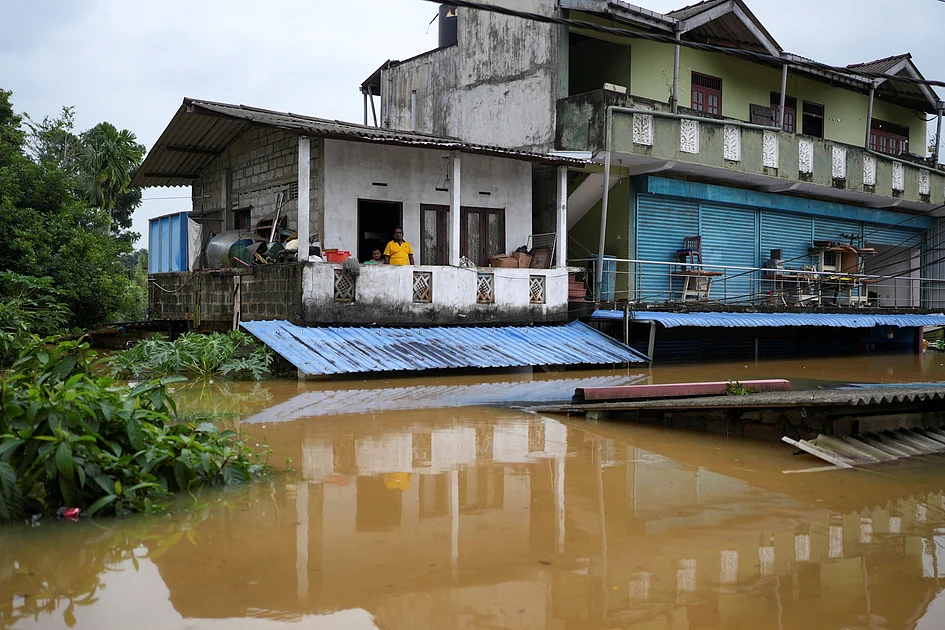
    Sri Lanka has activated emergency protocols following the devastating impact of Cyclone Ditwah, which has claimed 132 lives with 176 individuals still unaccounted for. President Anura Kumara Dissanayake invoked special powers to coordinate large-scale relief operations as the nation grapples with its most severe natural disaster since 2017.

    The cyclone’s torrential rains have precipitated catastrophic flooding and landslides across the island nation, resulting in the destruction of over 15,000 residential properties. Official reports confirm that approximately 78,000 displaced citizens have sought refuge in government-operated temporary shelters, overwhelming existing infrastructure and resources.

    Military forces have executed complex rescue missions, including a 24-hour operation that successfully extracted 69 stranded bus passengers from Anuradhapura district. Among those rescued was a German tourist, highlighting the international dimension of the tragedy. Survivors recounted harrowing experiences of roof collapses and aborted helicopter rescues due to dangerous weather conditions.

    Critical infrastructure has suffered extensive damage, with approximately one-third of the country experiencing power outages and water purification system failures. Remote districts including Badulla and Kandy remain largely inaccessible due to submerged roads and fresh landslides, creating isolated communities without essential supplies.

    International response initiatives have commenced, with India leading assistance efforts by dispatching two aircraft laden with relief supplies. An Indian naval vessel stationed in Colombo contributed its rations to support victims, while Prime Minister Narendra Modi pledged additional aid resources.

    The Sri Lankan government has formally requested international assistance and established channels for financial contributions from overseas citizens. Meteorological reports indicate the cyclone is now progressing toward southern India, where Chennai Airport has preemptively cancelled 54 flights in anticipation of severe weather conditions.

    This catastrophe represents the most lethal natural event to strike Sri Lanka in eight years, eclipsed only by the 2003 floods that resulted in 254 fatalities and the 2017 disaster that claimed over 200 lives.
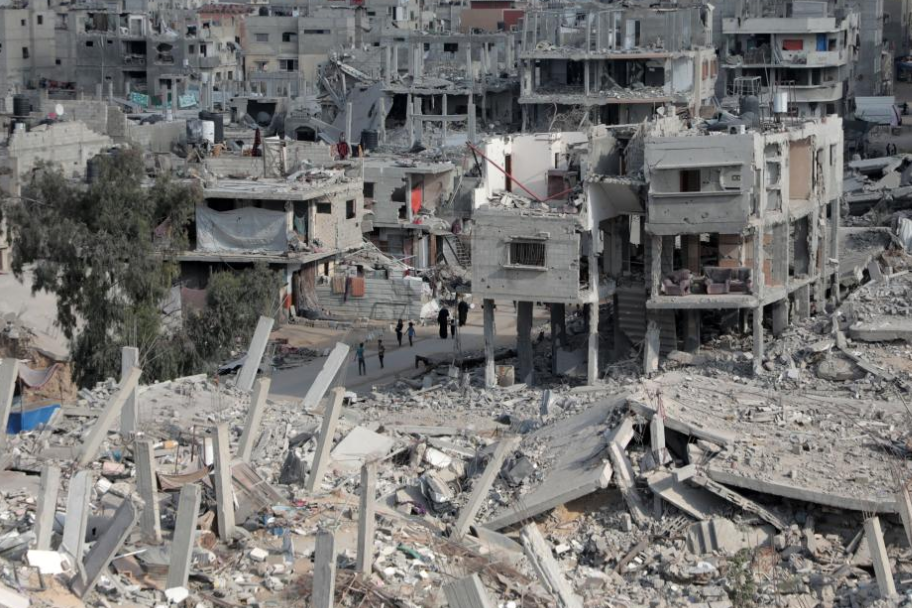

  • Palestinian death toll in Gaza tops 70,000, say health authorities

    Palestinian death toll in Gaza tops 70,000, say health authorities

    Health authorities in Gaza reported on Saturday that the Palestinian death toll has surpassed 70,100 since the onset of Israeli military operations in October 2023. The Gaza-based health ministry released an official statement confirming the devastating milestone, marking one of the deadliest conflicts in recent Middle Eastern history.

    The announcement comes amid ongoing hostilities that have transformed much of the coastal territory into landscapes of destruction. Visual evidence from Khan Younis in southern Gaza, captured in October 2024 photographs, shows entire city blocks reduced to rubble, with multi-story buildings completely collapsed and infrastructure devastated.

    The conflict, now entering its fourteenth month, continues to generate international concern regarding humanitarian conditions within the besieged territory. Medical facilities, already strained by years of blockade, have reported being overwhelmed by casualties while facing critical shortages of medical supplies, equipment, and functional facilities due to targeted attacks and general destruction.

    This latest death toll figure represents a catastrophic human cost that has drawn widespread international condemnation and repeated calls for ceasefires from various global organizations and nations. The numbers continue to climb daily as offensive operations persist across multiple regions of the Strip, with recent operations expanding into previously declared safe zones.

    The comprehensive toll includes combatants and civilians alike, with health officials noting that women and children constitute a significant percentage of the fatalities. Independent verification of exact numbers remains challenging due to access restrictions and the collapse of normal administrative functions within the territory.

  • UAE offers condolences to Indonesia over Sumatra flood victims

    UAE offers condolences to Indonesia over Sumatra flood victims

    The United Arab Emirates has formally expressed profound sympathy and solidarity with the Republic of Indonesia in the wake of devastating natural disasters that struck Sumatra Island. Catastrophic flooding and landslides, triggered by intense cyclonic rainfall, have resulted in massive casualties and widespread displacement throughout the region.

    In an official statement released by the UAE Ministry of Foreign Affairs, the Emirates conveyed its deepest condolences and heartfelt compassion to both the Indonesian government and the families affected by this tragedy. The communication emphasized the UAE’s steadfast support for Indonesia during this period of national mourning and recovery efforts.

    The scale of the disaster continues to escalate as Indonesian disaster management authorities reported a sharp increase in casualties. The death toll has surged to 303 confirmed fatalities as of Saturday, representing a significant rise from the previous count of 174 victims. Rescue operations face substantial challenges reaching the most severely impacted zones where over 100 individuals remain unaccounted for.

    The geographical isolation of affected communities combined with damaged infrastructure has complicated emergency response efforts. Disaster relief teams are working tirelessly to overcome these obstacles while providing essential aid to survivors and coordinating recovery operations across the devastated regions of Sumatra.

  • Multiple-entry, 2-month visit visa: Qatar to extend permits for GCC residents

    Multiple-entry, 2-month visit visa: Qatar to extend permits for GCC residents

    Qatar has unveiled a significant expansion of its visa facilitation program for Gulf Cooperation Council (GCC) residents, announcing the extension of visit permits from one month to two months with multiple-entry privileges. The new regulations, set to take effect on November 30, 2025, through the Haya digital platform, represent a strategic move to enhance regional tourism integration.

    The initiative, announced by Qatar Tourism, aims to capitalize on the nation’s post-FIFA World Cup 2025 infrastructure and event hosting capabilities. The enhanced visa scheme will enable GCC residents to more conveniently attend Qatar’s growing calendar of sports tournaments, cultural exhibitions, and entertainment events. This policy adjustment particularly supports the upcoming Arab Cup 2025 tournament, facilitating smoother entry procedures for regional spectators.

    The Haya platform serves as a comprehensive digital ecosystem for visa processing and event management, offering five distinct electronic visa categories: standard tourist visas (A1), GCC resident visas (A2), electronic travel notification visas (A3), companion visas for GCC citizen guests (A4), and visa waivers for US citizens (F1). This streamlined approach significantly simplifies trip planning for international visitors while maintaining robust security protocols.

    Tourism analysts view this development as part of Qatar’s broader strategy to position itself as a regional hub for major international events. The extended visa duration and multiple-entry feature address previous limitations that potentially constrained visitor mobility within the GCC region, particularly affecting those wishing to combine Qatari events with visits to neighboring countries.

  • Former Dubai waiter arrested over attack on Kapil Sharma’s cafe: Indian media

    Former Dubai waiter arrested over attack on Kapil Sharma’s cafe: Indian media

    Indian authorities have apprehended a suspect with connections to Dubai in connection with a series of targeted shootings at a Canadian restaurant owned by renowned Indian comedian Kapil Sharma. The arrest marks a significant development in an international investigation spanning multiple continents.

    According to reports from The Indian Express, Delhi Police Crime Branch officers took 28-year-old Bandhu Man Singh Sekhon into custody on November 25th in his hometown of Ludhiana, Punjab. Sekhon stands accused of conspiring with criminal elements to orchestrate attacks on Kap’s Café, located in Ontario, Canada, which occurred in July and August of this year.

    The investigation reveals a complex transnational narrative. Sekhon reportedly completed his Master’s in Computer Applications in Punjab before briefly relocating to Dubai in 2018, where he worked in the hospitality sector as a waiter. After returning to India within months, he subsequently moved to Canada in 2023, working variously as a pharmacist and ride-hailing driver before allegedly becoming involved with criminal networks.

    Law enforcement officials identified Sekhon as a close associate of Goldy Dhillon, a gangster who has claimed responsibility for three separate shootings at the comedian’s establishment. The attacks are believed to be part of an organized extortion attempt targeting the high-profile business venture.

    During the arrest operation, authorities recovered significant evidence including a pistol and eight live cartridges from Sekhon’s possession. The suspect’s criminal involvement reportedly extended to previous legal troubles in Canada, where he was arrested in March in a separate extortion case and subsequently released with a GPS monitoring device.

    Kapil Sharma, one of India’s most prominent comic entertainers and host of The Kapil Sharma Show, maintains strong connections to the UAE, regularly performing to capacity crowds in Dubai and Abu Dhabi. His international profile has made his business ventures potential targets for criminal elements seeking extortion opportunities.

    The ongoing investigation involves coordination between Indian, Canadian, and potentially UAE authorities as they work to dismantle the transnational criminal network believed responsible for the attacks.

  • Airbus A320 recall: Why pilots could’ve lost control mid-air without upgrade

    Airbus A320 recall: Why pilots could’ve lost control mid-air without upgrade

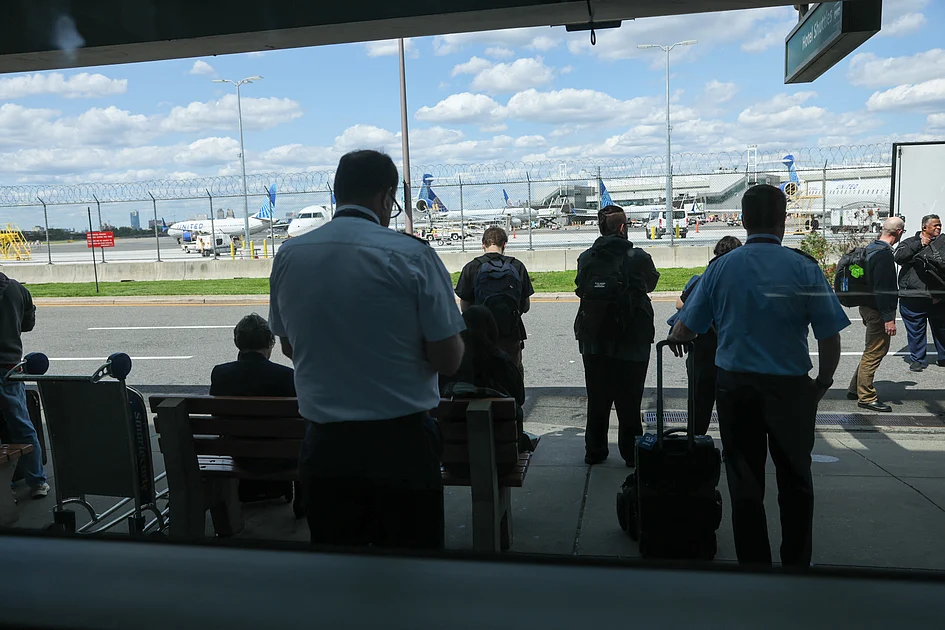
    A sweeping global aviation alert has triggered widespread flight cancellations and delays after Airbus issued an unprecedented recall affecting approximately 6,000 A320 family aircraft. The emergency directive, prompted by a potentially catastrophic software vulnerability, represents one of the largest safety actions in the manufacturer’s 55-year history.

    The urgent recall stems from an October incident involving JetBlue Flight 1230, which experienced an uncommanded altitude drop and emergency landing in Tampa, Florida. Subsequent investigation revealed that intense solar radiation could corrupt critical flight control data in certain software configurations, potentially causing unexpected elevator movements that might push aircraft to their structural limits.

    Regulatory agencies worldwide, including the European Union Aviation Safety Agency and US Federal Aviation Administration, have mandated carriers to complete software upgrades before returning affected aircraft to service. The remediation process varies significantly—while most planes require just hours for software replacement, approximately 1,000 aircraft need weeks-long hardware modifications.

    The impact has been particularly severe in Asia, where the A320 family forms the backbone of short-haul aviation. Major carriers including Wizz Air and Air India have confirmed operational disruptions, with Air Arabia stating it’s working to minimize passenger impact. Etihad Airways has already completed necessary updates across its 39 A320-family aircraft and resumed normal operations.

    According to Cirium data, 376 A320-family aircraft currently operate across the Middle East, with UAE carriers operating 106 affected planes. The recall affects more than half of Airbus’ global A320 fleet, which totals approximately 11,300 aircraft worldwide, recently surpassing Boeing’s 737 as the most-delivered commercial aircraft model.

  • Flooding in southern Asia leaves hundreds dead

    Flooding in southern Asia leaves hundreds dead

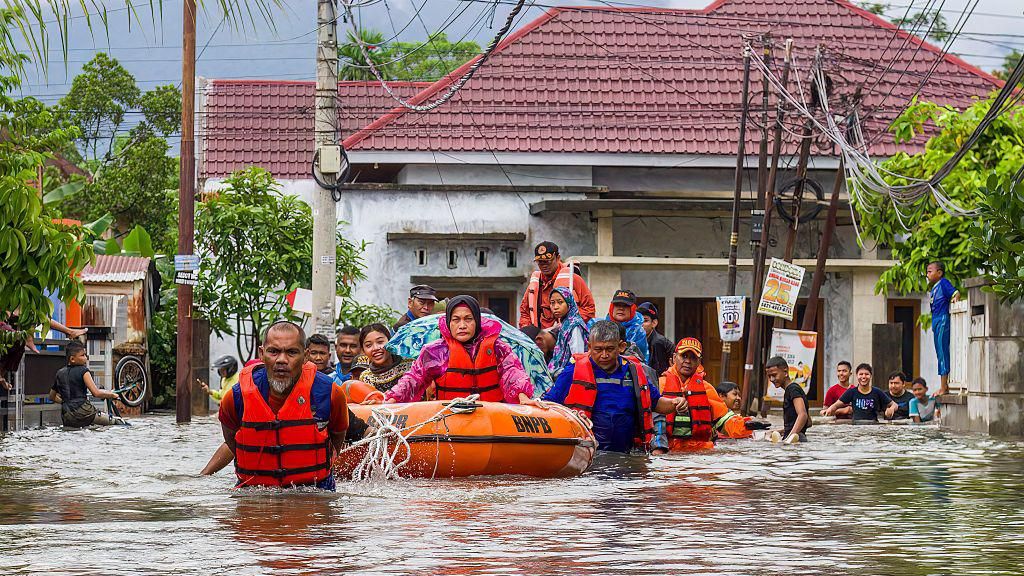
    Southeast Asia confronts one of its most devastating natural disasters in years as catastrophic flooding and landslides have claimed approximately 700 lives across Indonesia, Thailand, Malaysia, and Sri Lanka. Triggered by torrential monsoon rains intensified by rare tropical cyclones, the calamity has left hundreds missing and millions affected throughout the region.

    The crisis began Wednesday when unprecedented rainfall struck Indonesia’s Sumatra island, with the tropical cyclone Senyar generating catastrophic conditions. In Aceh Province’s Pidie Jaya Regency, resident Arini Amalia described how ‘the current was very fast, in a matter of seconds it reached the streets, entered the houses.’ She returned the following day to find her home completely submerged. Another survivor, Meri Osman, recounted being swept away by currents and clinging to a clothesline until rescue arrived.

    Indonesia reports the highest death toll with over 300 confirmed fatalities and nearly 300 individuals still missing. Rescue operations face significant challenges due to persistent adverse weather conditions, leaving thousands stranded and awaiting evacuation.

    Thailand experiences its worst flooding in a decade, particularly in southern Songkhla province where waters rose 3 meters (10 feet). The city of Hat Yai recorded 335mm of rainfall within 24 hours—the heaviest deluge in three centuries. With over 160 fatalities nationwide, the disaster has affected 3.8 million people. Emergency services have been overwhelmed, with hospitals resorting to refrigerated trucks for body storage as morgues reached capacity.

    In Sri Lanka, Cyclone Ditwah exacerbated already severe conditions, causing landslides that have killed at least 132 people with hundreds more missing. The government has declared a state of emergency as approximately one-third of the nation faces electricity and water shortages. Over 15,000 homes have been destroyed, forcing 78,000 residents into temporary shelters.

    Malaysia’s northern Perlis state has been severely impacted with two confirmed deaths and tens of thousands displaced. Meteorological experts attribute the extreme weather to an unusual interaction between Typhoon Koto in the Philippines and Cyclone Senyar in the Malacca Strait, compounded by climate change altering traditional monsoon patterns through increased rainfall intensity and duration.

  • Governments endorse greater protections for sharks amid concerns about overfishing

    Governments endorse greater protections for sharks amid concerns about overfishing

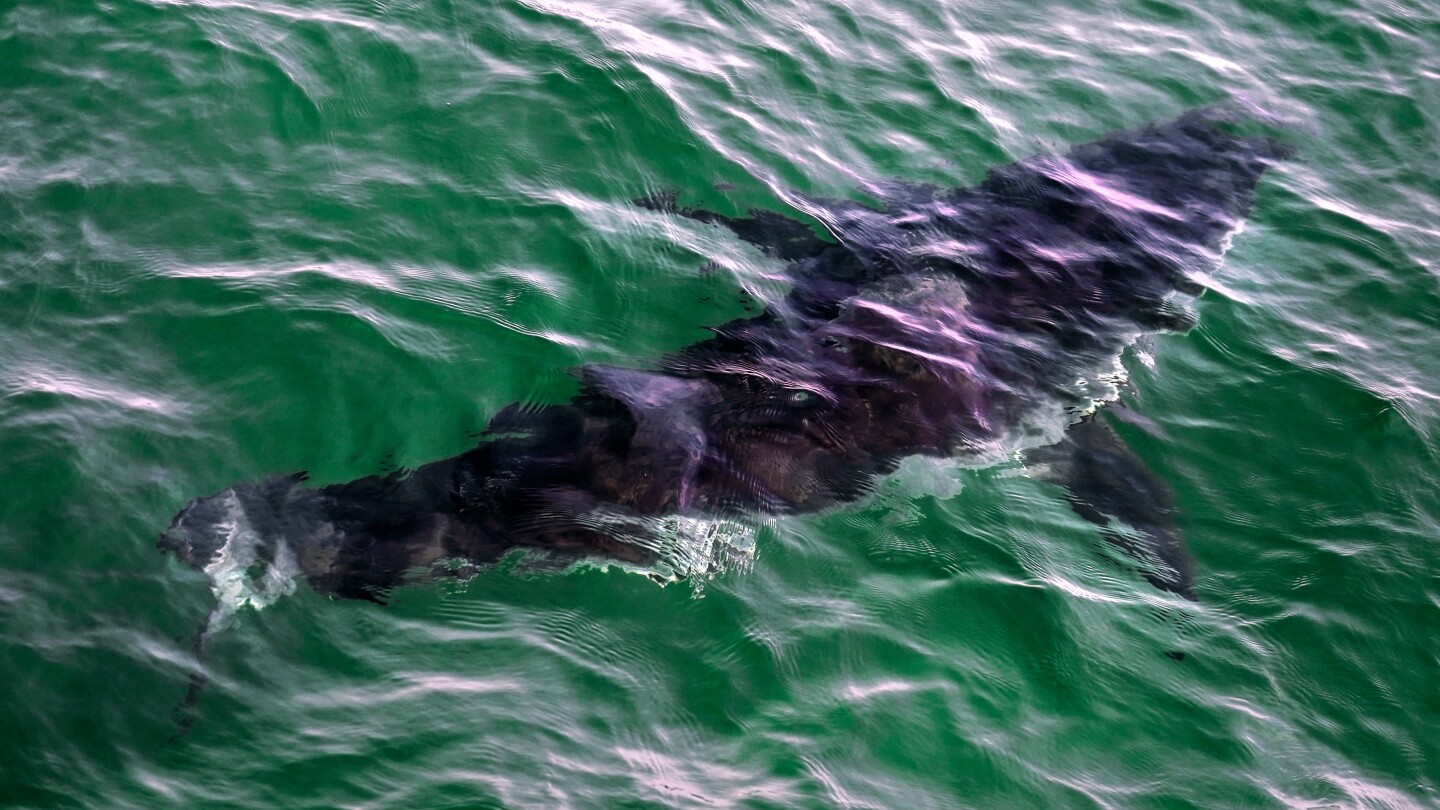
    In a historic conservation decision, international governments have enacted sweeping trade protections for more than 70 species of sharks and rays at the ongoing Convention on International Trade in Endangered Species (CITES) summit in Uzbekistan. The landmark measures, ratified on Friday, represent one of the most significant marine conservation victories in recent years.

    The newly adopted protections establish complete trade bans for several critically endangered species including oceanic whitetip sharks, manta rays, devil rays, and whale sharks. Additionally, the conference implemented strengthened regulatory frameworks for gulper sharks, smoothhound sharks, and tope sharks, mandating that any trade must demonstrate legal sourcing, sustainability, and full traceability.

    Perhaps most significantly, delegates agreed to implement zero-annual export quotas for multiple species of guitarfishes and wedgefishes, effectively halting international commercial trade for these vulnerable species.

    Conservation leaders hailed the decisions as transformative. Luke Warwick, Director of Shark and Ray Conservation at the Wildlife Conservation Society, characterized the outcome as “a landmark victory that belongs to the Parties who championed these protections.” He noted unprecedented cooperation across Latin American, African, Pacific, and Asian nations in passing every proposed shark and ray protection measure.

    The urgent need for these protections stems from severe overfishing pressures driven by global demand for shark fins, meat, oil, and gills—a billion-dollar industry that has pushed more than 37% of shark and ray species toward extinction. Annually, over 100 million sharks are killed, far outpacing their reproductive capabilities.

    Barbara Slee, Senior Program Manager at the International Fund for Animal Welfare, emphasized the significance of this policy shift: “For too long, sharks that have roamed our oceans for millions of years have been slaughtered. These new protections will help shift that balance and recognize these sharks as more than just fishery commodities.”

    This achievement continues CITES’ recent success in shark conservation, building upon protections established for over 90 shark species at the 2022 Panama conference. While the treaty has faced criticism regarding implementation challenges in developing nations, this decision demonstrates growing international consensus on marine conservation priorities.

    The conference also addressed other conservation matters, maintaining existing protections for elephants and rhinos while approving regulated trade of saiga horn from Kazakhstan—a controversial decision following the antelope’s reclassification from critically endangered to near threatened status due to successful recovery efforts.

  • Pope Leo visits Istanbul’s Blue Mosque

    Pope Leo visits Istanbul’s Blue Mosque

    In a significant demonstration of interfaith dialogue, Pope Leo XIV visited Istanbul’s iconic Sultan Ahmed Mosque, commonly known as the Blue Mosque, marking his first visit to a Muslim place of worship since assuming the papacy in May. The Pontiff demonstrated profound reverence by bowing upon entering the magnificent structure, though notably refrained from praying within the mosque—a departure from the practices of his two immediate predecessors.

    The Vatican characterized the visit as undertaken ‘in a spirit of reflection and listening, with deep respect for the place and for the faith of those who gather there in prayer.’ The carefully orchestrated tour was conducted alongside local Muslim leaders, emphasizing mutual respect and understanding.

    This symbolic gesture forms a central component of the Pope’s four-day diplomatic journey to Turkey, with subsequent travels planned to Lebanon. The visit continues the interfaith bridge-building legacy planned by his predecessor, Pope Francis, which Pope Leo XIV has embraced wholeheartedly since his election.

    Following the mosque visit, the Pope received a formal welcome at St. George’s Cathedral from Patriarch Bartholomew, spiritual leader of the Eastern Orthodox Church, further highlighting the trip’s ecumenical dimensions.

    The Blue Mosque, officially named after Ottoman Sultan Ahmed I who commissioned its construction between 1603-1617, stands as an architectural marvel adorned with thousands of brilliant blue and turquoise ceramic tiles. The monument attracts millions of annual visitors and has served as a historic venue for papal interfaith engagement, having hosted Pope Francis in 2014 and Pope Benedict XVI in 2006.

    The tradition of papal mosque visits began with Pope John Paul II’s groundbreaking 2001 visit to Damascus’ Umayyad Mosque. Pope Leo’s continuation of this tradition occurs against a backdrop of his warning against global conflict escalation, with him emphasizing that ‘the future of humanity is at stake.’

    In Lebanon, where approximately one-third of the population identifies as Christian, the Pontiff is scheduled to engage with diverse faith leaders and youth representatives. The journey will culminate in a solemn Mass at the Beirut waterfront, site of the devastating 2020 port explosion that claimed over 200 lives and injured 7,000 others, serving as both memorial and prayer for healing and reconciliation.

  • UAE National Day travel faces delays amid Airbus A320 major recall

    UAE National Day travel faces delays amid Airbus A320 major recall

    A major global aviation safety directive has cast a shadow over UAE National Day travel plans, mandating urgent inspections for approximately 6,000 Airbus A319, A320, and A321 aircraft worldwide. The European Union Aviation Safety Agency (EASA) issued an Emergency Airworthiness Directive following the discovery that intense solar radiation can corrupt critical flight control data.

    The safety alert emerged after an October 30 incident involving a JetBlue A320 en route from Cancun to Newark, where the aircraft experienced an uncommanded nose-down movement, forcing an emergency diversion to Tampa that resulted in injuries to 15 passengers. Subsequent investigation revealed solar radiation had compromised the aircraft’s Elevator Aileron Computer (ELAC) system, potentially triggering similar dangerous maneuvers when autopilot is engaged.

    EASA now requires airlines to install radiation-hardened ELAC units or revert to earlier certified software before affected aircraft can carry passengers. While empty ferry flights to maintenance facilities remain permitted, any non-compliant aircraft after the November 29 deadline (03:59 UAE time November 30) cannot operate commercial services.

    The directive coincides with both the UAE National Day long weekend and the beginning of winter school holidays, creating perfect storm conditions for travel disruption at Dubai International (DXB) and Al Maktoum International (DWC) airports. The India-UAE corridor, among DXB’s busiest routes, faces particular strain as Indian carriers must address approximately 200-250 affected aircraft from their 560-strong A320-family fleet.

    Major carriers including IndiGo, Air India, and Air India Express have acknowledged potential schedule changes while implementing around-the-clock modifications. Air India reported completing over 40% of required updates, expressing confidence in meeting EASA’s timeline while warning passengers of possible delays. Aviation authorities recommend travelers verify flight status through official channels and arrive at airports at least three hours before scheduled departures.

    Airbus and airline officials emphasize that the hardware and software modifications typically require only a few hours per aircraft, though the massive scale of the global operation presents significant logistical challenges during one of the region’s peak travel periods.