分类: world

  • Gaza faces deepening humanitarian crisis despite ceasefire

    Gaza faces deepening humanitarian crisis despite ceasefire

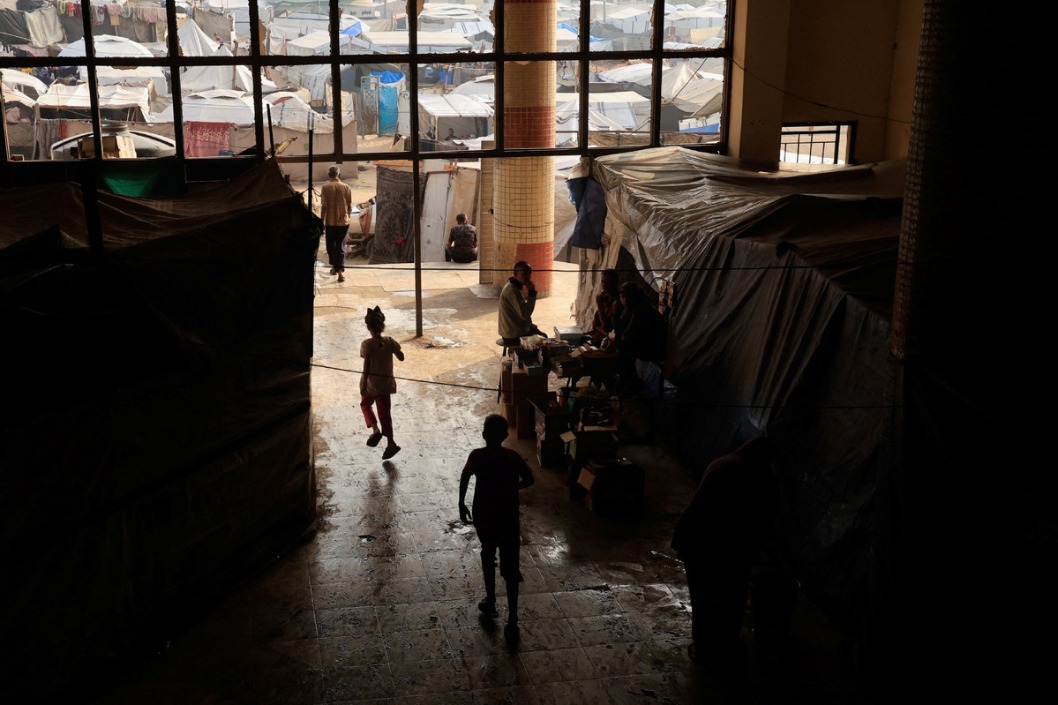
    Despite a ceasefire agreement enacted on October 10, 2025, the Gaza Strip continues to descend into a severe humanitarian emergency. Two months into the truce between Israel and Hamas, approximately two million residents remain trapped in dire conditions, primarily living in temporary tents and shelters with no substantial improvement in basic living standards.

    Critical infrastructure continues to deteriorate at an alarming rate. Water and sewage systems are failing, massive piles of waste and rubble block access routes, and municipal services are collapsing due to an extreme fuel shortage. The Union of Municipalities in Gaza issued a stark warning that Israeli authorities persist in blocking fuel deliveries, having allowed only a five-day supply since the ceasefire began. This restriction severely impedes road clearing, debris removal, and support for displaced families.

    The healthcare system is operating with the same limited resources available during active conflict. Medical facilities face critical shortages of medicines, equipment, and specialized staff. According to Bassam Zaqout, Director of Medical Relief in Gaza, no reconstruction of damaged health facilities has occurred. Israeli restrictions on medical delegations are exacerbating shortages of personnel, pharmaceuticals, and laboratory tools. Health authorities specifically warn that 4,000 glaucoma patients risk permanent vision loss without urgent supplies and specialized care.

    This unfolding humanitarian disaster occurs alongside renewed violence. Palestinian security sources reported Israeli shelling and airstrikes in central and southern Gaza, including near the Bureij refugee camp and east of Rafah. Health officials report three fatalities in the past 24 hours, bringing the post-ceasefire death toll to 357, with 908 wounded. Since the conflict’s escalation in October 2023, the cumulative casualties stand at 70,103 killed and 170,985 wounded.

    The Hamas-run government media office has accused Israel of 591 ceasefire violations, describing these actions as flagrant breaches of international humanitarian law. They have called for intervention from the United States, international mediators, and the UN Security Council.

    Meanwhile, Gaza’s Civil Defense Authority faces a grim task with approximately 10,000 bodies believed buried beneath destroyed structures. With only one excavator available for recovery operations, spokesperson Mahmoud Basal urgently appealed for additional heavy equipment to retrieve the deceased amid extremely challenging conditions.
  • Gaza children face adult responsibilities as war leaves families without breadwinners

    Gaza children face adult responsibilities as war leaves families without breadwinners

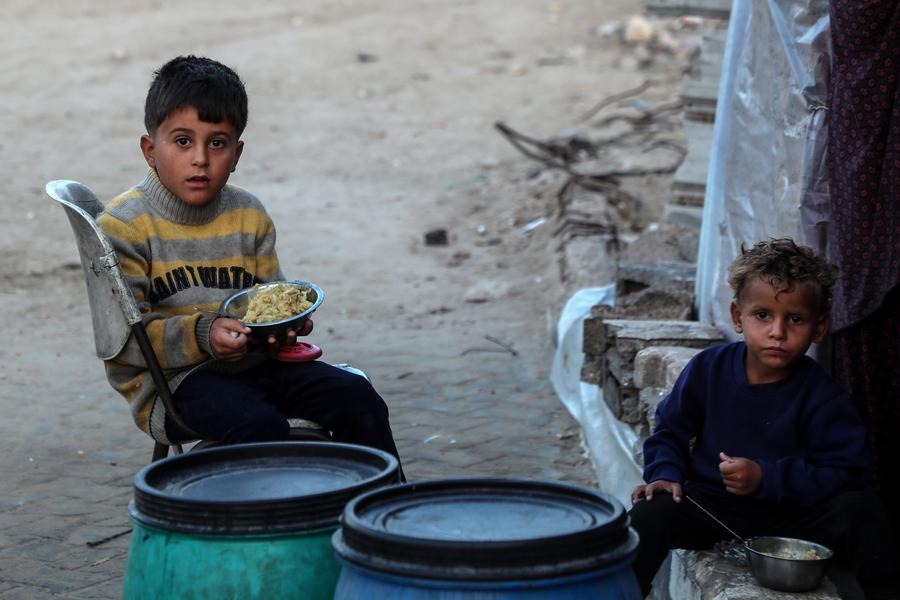
    In the war-ravaged streets of Gaza, a profound generational crisis is unfolding as children increasingly assume adult responsibilities amid the ongoing humanitarian catastrophe. The conflict that erupted in October 2023 has created a devastating reality where minors have become primary breadwinners for families decimated by violence and loss.

    Eleven-year-old Mahmoud Abu Awda navigates through muddy, damaged streets of Gaza City clutching a small plastic box of biscuits and canned goods. His worn-out shoes sink into puddles left by winter rains as he attempts to sell enough to sustain his family. “I became the eldest and the only provider after my father was killed,” Abu Awda explains. “My mother is sick, and my brothers are still very young.”

    The phenomenon extends throughout the Gaza Strip. In Khan Younis, 13-year-old Yasmin Khader scavenges through piles of garbage adjacent to her family’s makeshift displacement camp, collecting plastic scraps for sale. Her academic aspirations of becoming a doctor vanished when her father perished in an airstrike. “Now I work because there is no one else to support my mother and sister,” she states.

    Meanwhile, in Gaza City’s Rimal neighborhood, Abbas al-Ghazali, also 13, sells water bottles despite sharply declining sales during winter months. He carries his schoolbag with him while working, occasionally reading books during breaks. “I used to be an excellent student,” he remarks wistfully.

    According to local authorities, the conflict has produced severe developmental consequences for Gaza’s youth. The Hamas-run government media office reports thousands of children lacking safe shelter or environments conducive to healthy development. With education disrupted for over two years and numerous schools damaged or destroyed, child labor has surged dramatically. Public spaces including markets and streets have become commonplace workplaces for children forced from classrooms.

    Psychologist Ghadeer Al-Muqayyad, specializing in child development in Gaza City, emphasizes that the conflict has thrust children into situations exceeding their emotional and physical capacities. “These children endure trauma, loss, displacement, and exposure to violence, which can result in symptoms of post-traumatic stress,” she explains. Prolonged stress increases risks of anxiety, behavioral challenges, and emotional withdrawal among minors.

    The rise in child labor exposes vulnerable youth to dangerous conditions while threatening their long-term wellbeing. Al-Muqayyad stresses that “reintegrating children into safe learning environments is essential to reducing the psychological impact of the conflict”—a challenging prospect given the ongoing humanitarian crisis and infrastructure damage throughout the region.

  • Death toll in Indonesia floods passes 500

    Death toll in Indonesia floods passes 500

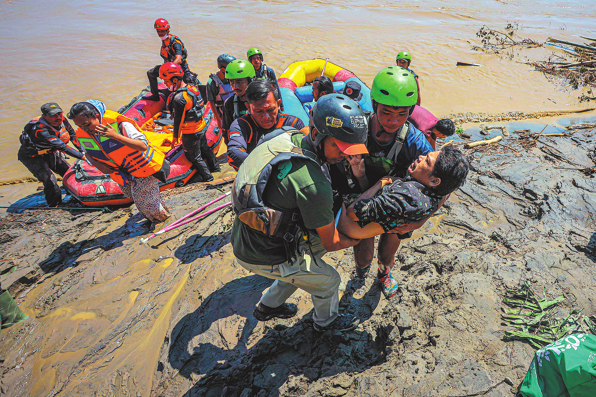
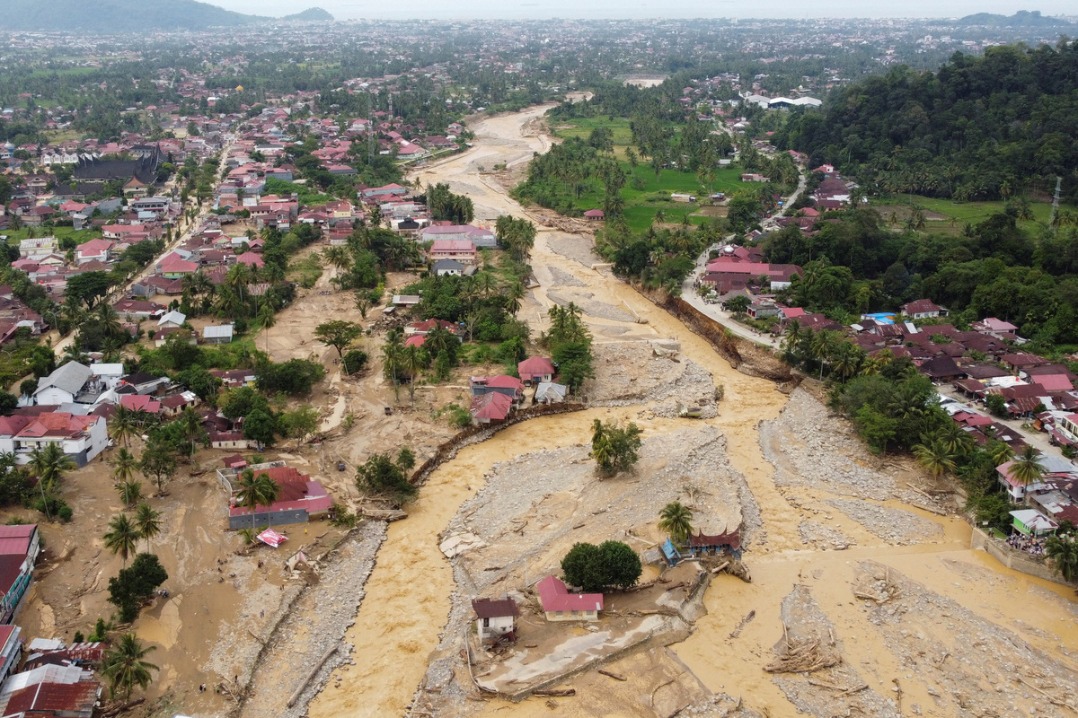
    Indonesia confronts one of its most devastating natural disasters in recent history as catastrophic flooding claims over 500 lives with approximately 500 individuals still unaccounted for. The disaster, triggered by an unusual cyclone formation over the Malacca Strait, has created a humanitarian emergency across three provinces affecting an estimated 1.4 million residents.

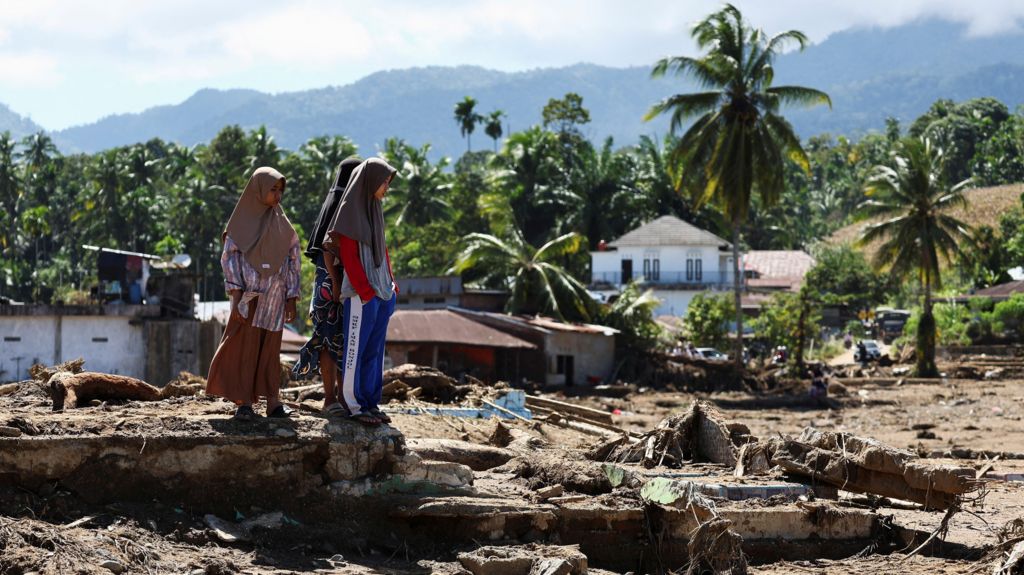
    The northern regions of Aceh, North Sumatra, and West Sumatra provinces have borne the brunt of the destruction, with numerous communities remaining completely isolated due to infrastructure collapse. Critical supply routes have been severed by massive floodwaters that residents describe as tsunami-like in their intensity and destructive power.

    Emergency response teams face monumental challenges in delivering essential aid, with many areas only accessible by foot or motorcycle due to extensive road damage. Satellite imagery reveals widespread devastation including completely destroyed bridges, mud-choked thoroughfares, and enormous accumulations of debris.

    The human toll continues to mount as survivors report increasingly desperate conditions. Many have endured days without adequate food supplies, with reports emerging of conflicts over basic necessities like instant noodles. Communication blackouts have left thousands unable to contact family members, creating additional psychological distress alongside physical deprivation.

    While government agencies have deployed Starlink satellite devices to restore limited connectivity, the scale of the disaster has overwhelmed response capabilities. Growing criticism targets perceived inadequacies in disaster preparedness and bureaucratic obstacles hindering effective aid distribution.

    President Prabowo Subianto, during his visit to affected areas in North Sumatra, acknowledged the ongoing challenges while emphasizing national resilience. “We face this disaster with resilience and solidarity,” he stated, adding that authorities were employing all available resources to address the crisis despite significant logistical constraints.

    This catastrophic event forms part of a broader pattern of severe weather events affecting multiple Asian nations, including Thailand, Malaysia, and Sri Lanka, all reporting weather-related casualties in recent days.

  • Southeast Asia eyes aid for climate adaptation

    Southeast Asia eyes aid for climate adaptation

    Southeast Asia is grappling with an escalating climate emergency as catastrophic storms and unprecedented flooding displace tens of thousands, compelling regional experts to demand immediate action on adaptation financing. The convergence of climate change and inadequate infrastructure has created a perfect storm of devastation across vulnerable nations.

    Recent meteorological data reveals alarming patterns, with the Association of Southeast Asian Nations Specialized Meteorological Center projecting above-normal rainfall throughout the region until January. This phenomenon is amplified by a persistent negative Indian Ocean Dipole—a critical climate pattern characterized by contrasting sea-surface temperatures that significantly influences regional weather systems.

    The human toll has been staggering: Indonesian authorities report over 300 fatalities from Sumatran floods and landslides, while Thailand’s southern provinces mourn 145 lives lost. Malaysian emergency services have evacuated more than 20,000 citizens, and Vietnam contends with 108 casualties from mid-November’s torrential rains that triggered devastating floods and landslides.

    Climate experts emphasize that adaptation has become the paramount priority for developing economies. Dr. Sheeba Chenoli, University of Malaya geography associate professor, stresses that while global climate strategies predominantly focus on emission reductions, adaptation requires hyper-localized approaches. “Flood hazard mapping and similar initiatives must be community-based,” she asserts, “because only local populations possess the intimate knowledge of what truly needs implementation.”

    The recent UN climate conference in Brazil produced significant commitments, including pledges to double adaptation finance by 2025 and triple it by 2035. However, Dr. Serina Abdul Rahman of the National University of Singapore argues that ASEAN nations should have initiated robust adaptation measures much earlier, criticizing “elitist approaches to knowledge, science and policymaking” that exclude valuable traditional ecological knowledge.

    Deforestation emerges as a critical exacerbating factor, with Southeast Asia experiencing the tropics’ fastest forest loss despite containing 15% of the world’s tropical forests. Indonesia alone accounts for over 60% of regional deforestation, dramatically increasing vulnerability to landslides during extreme rainfall events.

    Cesar Carlito Baclagon, regional finance campaigner at environmental organization 350.org, frames adaptation as a fundamental survival strategy: “Building resilient, locally grounded systems isn’t merely precautionary—it’s what makes continued existence possible. These communities deserve not just to endure but to thrive.” This perspective underscores the growing consensus that climate action must integrate adaptation and sustainable development, particularly across the Global South where climate impacts are most severe yet resources remain scarcest.

  • Cyclone deaths cross 200 in Sri Lanka

    Cyclone deaths cross 200 in Sri Lanka

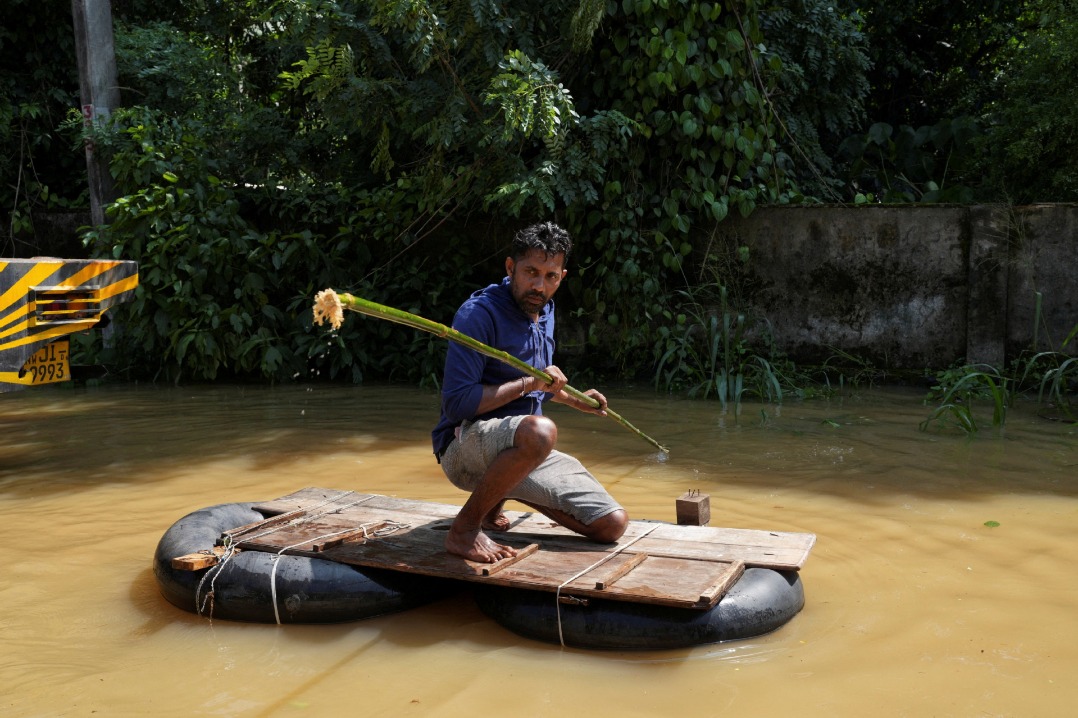
    COLOMBO — Sri Lanka confronts a mounting humanitarian crisis as the official death count from Cyclone Ditwah has surged beyond 200 individuals, with hundreds more reported missing. The devastating storm system unleashed torrential rains and triggered catastrophic mudslides across the island nation throughout the past week, particularly ravaging its central regions.

    Disaster response authorities reported on Sunday that at least 212 fatalities have been confirmed while 218 people remain unaccounted for. The full scale of destruction is gradually emerging as emergency crews work to clear roadways obstructed by debris and landslides, gaining access to previously isolated communities.

    The capital city Colombo experienced severe flooding in its northern districts as the Kelani River swelled dramatically, submerging low-lying residential areas. Official sources from the Disaster Management Centre noted that although the cyclone has moved away, continued heavy precipitation in upstream areas continues to threaten riverside communities.

    Personal accounts highlight the human tragedy unfolding across affected regions. Selvi, a 46-year-old resident of Colombo’s Wellawatta suburb, described abandoning her inundated home with her family’s possessions. ‘My house is completely flooded. I don’t know where to go, but I hope there is some safe shelter where I can take my family,’ she told reporters.

    The national blood supply system has reached critically low levels according to medical officials. Lakshman Edirisinghe, director of the National Blood Transfusion Service, indicated that daily requirements of approximately 1,500 units have plummeted to just 236 units due to weather-related disruptions to collection campaigns.

    President Anura Kumara Dissanayake has declared a state of emergency and formally requested international assistance to address the widespread devastation. The government’s response operations continue to face significant challenges in reaching affected populations.

    In a separate development, thousands of demonstrators in the Philippines protested alleged corruption in flood-control infrastructure projects. The unrest reflects regional concerns about climate resilience and governmental accountability as Southeast Asian nations increasingly confront extreme weather events.

  • Flooding recovery efforts underway in Indonesia, Sri Lanka and Thailand as death tolls rise

    Flooding recovery efforts underway in Indonesia, Sri Lanka and Thailand as death tolls rise

    Southeast Asian nations are confronting a monumental humanitarian crisis as catastrophic flooding and landslides have claimed nearly 1,000 lives across the region. The devastating weather systems have unleashed widespread destruction throughout Indonesia, Thailand, and Sri Lanka, with recovery operations intensifying amid compromised infrastructure and communication networks.

    Indonesian authorities report the highest casualty figures with 469 confirmed fatalities, while President Prabowo Subianto visited the hardest-hit Sumatra island regions where 474 individuals remain missing and approximately 290,700 people have been displaced. The catastrophe has rendered many areas completely inaccessible due to damaged transportation routes and severed communication lines, necessitating emergency aerial supply missions to reach isolated communities.

    In Thailand, Prime Minister Anutin Charnvirakul has initiated comprehensive recovery and compensation programs for twelve southern provinces where unprecedented flooding has impacted 3.8 million citizens across 1.4 million households. Simultaneously, Sri Lankan rescue teams continue searching for 370 missing persons while providing shelter for nearly 148,000 displaced residents in temporary facilities, primarily in the central tea-growing highlands that suffered extensive landslide damage.

    President Subianto emphasized the critical need for enhanced climate resilience during his assessment of the disaster zones, stating that local governments must prioritize environmental protection and preparation for increasingly extreme weather patterns. The regional disaster has highlighted the urgent necessity for coordinated climate adaptation strategies as meteorological experts attribute the unprecedented rainfall to changing climate conditions.

  • Singapore executes three men for drug offences over two days

    Singapore executes three men for drug offences over two days

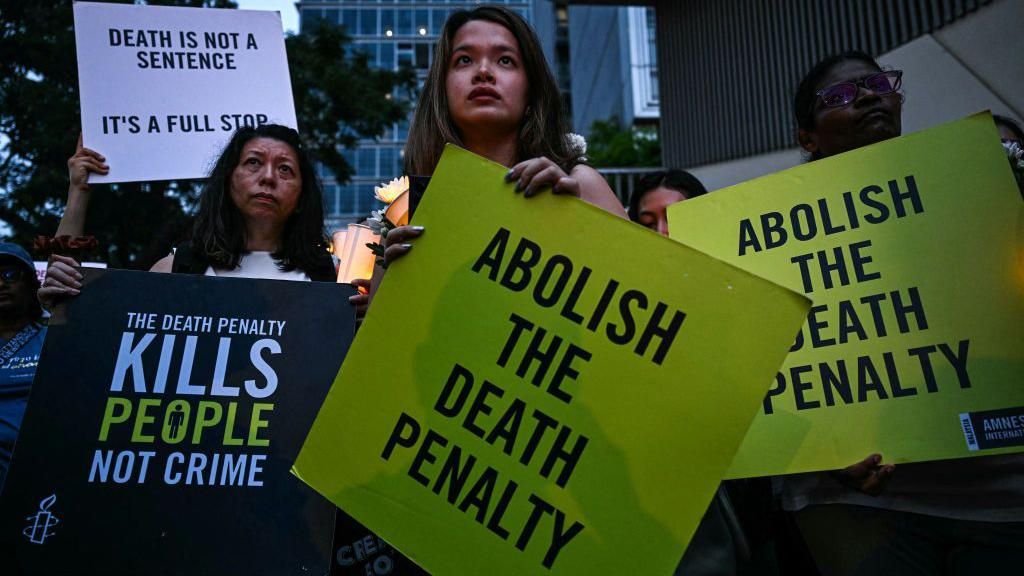
    Singapore has carried out three executions for drug-related offenses within a single week, elevating the nation’s total number of state-sanctioned deaths to 17 this year—the highest figure recorded since 2003. The executions occurred just days before a significant constitutional challenge questioning the legality of the mandatory death penalty for drug crimes is scheduled to be heard.

    Under Singapore’s stringent anti-narcotics legislation, individuals found guilty of trafficking more than 15 grams of diamorphine, 30 grams of cocaine, 250 grams of methamphetamine, or 500 grams of cannabis face compulsory capital punishment. The government defends these measures as essential deterrents against drug-related crimes, which remain a critical concern across Southeast Asia.

    A coalition of seven activists has mounted a legal challenge arguing that the mandatory death penalty violates constitutional guarantees to life and equal protection. They contend that the current framework contradicts the constitutional provision that “no person shall be deprived of his life or personal liberty save in accordance with law.”

    Among those executed was Saminathan Selvaraju, a Malaysian logistics driver convicted in 2013 of transporting 301.6 grams of heroin. Saminathan maintained his innocence, claiming that multiple drivers had access to the company vehicle used in the offense and that immigration documents bearing his signature were forged. His defense was rejected by the court, and his plea for clemency was denied.

    Singapore’s use of the death penalty has drawn international criticism. The European Union delegation in Singapore issued a statement condemning the executions, emphasizing that drug offenses do not meet the international legal threshold for “most serious crimes” warranting capital punishment. Activist groups, including the Transformative Justice Collective, have labeled Singapore’s policy “barbaric” and out of step with global norms.

    Despite external pressure, the Singaporean government remains resolute. Home Affairs Minister K. Shanmugam has asserted that abolishing the death penalty could lead to increased drug-related violence, harm, and fatalities, particularly among vulnerable populations. A 2023 government-sponsored survey indicated that 69% of Singaporean residents support capital punishment for major drug trafficking offenses.

    The constitutional challenge, set for hearing imminently, represents a pivotal moment in the ongoing debate over justice, human rights, and drug policy in one of Asia’s most developed—and strictest—legal jurisdictions.

  • Pope Leo XIV’s visit highlights Christian resilience in Lebanon despite regional turmoil

    Pope Leo XIV’s visit highlights Christian resilience in Lebanon despite regional turmoil

    BEIRUT — While Christian populations across the Middle East have faced significant decline due to conflict and extremist violence, Lebanon presents a striking exception to this regional trend. Despite enduring numerous national crises, Lebanon’s Christian community continues to maintain substantial political influence and religious freedom, creating a unique sanctuary in a region where Christian populations have dwindled dramatically.

    The recent visit of Pope Leo XIV to Lebanon underscores the Vatican’s recognition of Lebanon’s distinctive religious pluralism and serves as an encouragement for Christians to remain in the region. This stands in stark contrast to neighboring countries like Iraq and Syria, where Christian communities faced devastating persecution following the U.S.-led invasion of 2003 and the subsequent rise of the Islamic State group. IS forces systematically destroyed churches, confiscated properties, and declared caliphates across Iraq and Syria, triggering massive Christian emigration.

    In Syria, recent church bombings in Damascus and concerns about the Islamist-led government under interim President Ahmad al-Sharaa have prompted many remaining Christians to consider leaving. Yet in Lebanon, Christians demonstrate remarkable resilience, clinging to their ancestral homeland despite economic and political challenges.

    Lebanon’s sectarian power-sharing system, while frequently criticized for political deadlock, has effectively protected minority rights. The country’s political structure mandates that the president be a Maronite Christian, making Lebanon the only Arab nation with a Christian head of state. Christians also hold key positions including army command, central bank leadership, and senior security agency roles.

    “More than half the advantage comes from Lebanon’s political system when it comes to Christians,” noted Monsignor Abdo Abou Kassm, director of the Catholic Center for Information. “There is a democratic system where people can express their opinions freely without getting killed, oppressed or sent to exile.”

    Christian roots in Lebanon trace back to the faith’s earliest days, with monastic communities historically seeking refuge in mountain caves to avoid persecution. Today, Christians constitute approximately one-third of Lebanon’s 5 million people, representing the highest percentage of Christians in any Middle Eastern nation. The country recognizes 18 religious sects, with Maronite Catholics forming the largest Christian group followed by Greek Orthodox.

    The historical ties between Lebanon and the Vatican run deep, with tradition holding that St. Peter established churches along Lebanon’s coast. Two men of Phoenician origin from Tyre were elected popes in the 8th century, and uninterrupted correspondence between the Maronite Church and the papacy dates back to 1215.

    Despite Lebanon’s 1975-90 civil war that largely pitted Christians against Muslims, the Taif Agreement established equal parliamentary and cabinet representation between Christians and Muslims. Today, Muslims and Christians largely coexist peacefully, with Sunni Muslim cleric Khaldoun Oreimet acknowledging, “Christians are not only a community but an integral part of this land.”

    The papal visit occurs amid ongoing regional tensions, including regular Israeli airstrikes and criticism from Christian politicians toward Hezbollah’s military actions. Many Christian leaders, including Maronite Church head Cardinal Bechara Rai, advocate for Lebanese neutrality in regional conflicts, emphasizing the devastating impact of foreign wars on Lebanese soil.

    As Christian legislator Camille Dory Chamoun stated, “Our Lebanese identity is as important as our Christian identity. We have seen that we are paying a very high price for other people’s wars on our land.”

  • Death toll from floods, landslides in Indonesia rises to 442

    Death toll from floods, landslides in Indonesia rises to 442

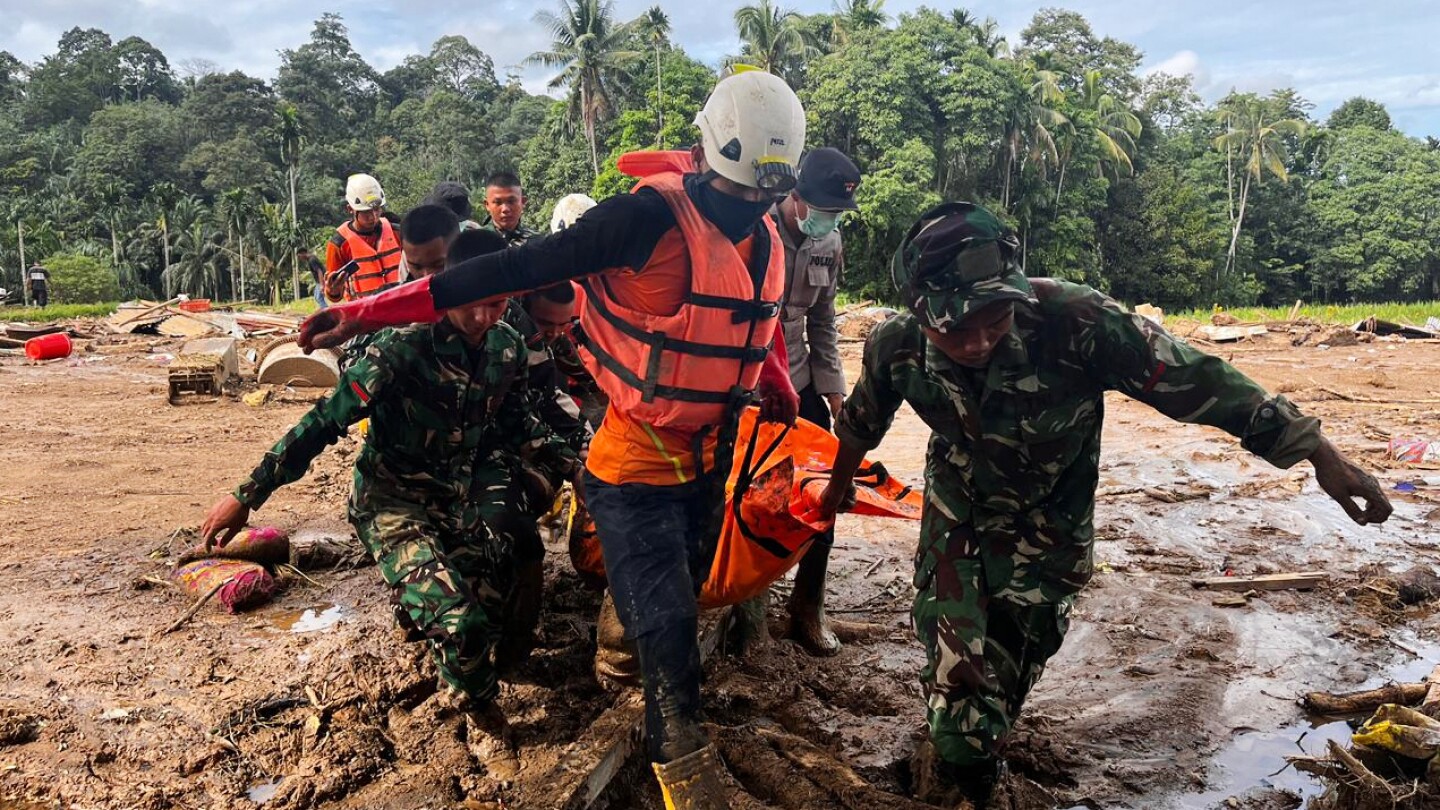
    Indonesian authorities have reported a sharp increase in casualties from devastating flash floods and landslides that struck Sumatra Island, with the official death toll reaching 442 as of Sunday. The National Disaster Management Agency (BNPB) confirmed the grim figures following one of the most severe natural disasters to hit the archipelago nation in recent years.

    North Sumatra Province has borne the brunt of the catastrophe, accounting for 217 confirmed fatalities with an additional 209 individuals still unaccounted for. BNPB Chief Suharyanto disclosed that rescue teams operating in South Tapanuli Regency continue to discover more victims as operations intensify.

    The neighboring provinces continue to report staggering losses, with Aceh Province documenting 96 deaths and 75 missing persons, while West Sumatra has recorded 129 fatalities alongside 118 missing individuals. The widespread destruction follows torrential rainfall that triggered massive flooding and catastrophic landslides across multiple regions.

    In response to the escalating humanitarian crisis, Indonesian President Prabowo Subianto has issued directives to mobilize all available national resources for emergency response operations. Coordinating Minister for Human Development and Cultural Affairs Pratikno emphasized the government’s commitment to prioritizing rapid rescue and relief efforts amid the ongoing devastation.

    The disaster has prompted large-scale search and rescue missions involving military personnel, emergency services, and volunteer organizations working against challenging conditions to locate survivors and recover victims across the affected regions.

  • Japanese ‘One Piece’ singer stopped mid-show after China-Japan feud

    Japanese ‘One Piece’ singer stopped mid-show after China-Japan feud

    A series of sudden cancellations of Japanese musical performances in Shanghai has ignited widespread criticism and highlighted growing diplomatic strains between China and Japan. The incidents occurred against the backdrop of escalating tensions following Japanese Prime Minister Sanae Takaichi’s recent comments regarding Taiwan.

    On Friday, singer Maki Otsuki was abruptly cut off mid-performance during her rendition of the popular anime ‘One Piece’ theme song at a Shanghai music festival. Stage lights and audio were suddenly terminated, after which crew members hurried her offstage. The following day, pop icon Ayumi Hamasaki performed to a completely empty 14,000-seat stadium after organizers canceled her concert, citing ‘force majeure’ circumstances.

    These disruptions coincide with heightened diplomatic friction stemming from Prime Minister Takaichi’s suggestion last month that Japan might consider military intervention should China attack Taiwan. Beijing, which considers Taiwan a breakaway province, has consistently maintained its right to use force for reunification.

    Otsuki’s management attributed the interruption to ‘unavoidable circumstances’ while acknowledging the professionalism of local staff. The three-day music festival subsequently canceled all remaining events after comprehensive consideration of various factors, according to Kyodo News.

    The incident has sparked diverse reactions across social media platforms. Some fans created memes comparing Otsuki’s removal to the unexpected extraction of former Chinese leader Hu Jintao during a Communist Party meeting in 2022. Critics questioned why cultural events were being targeted when the diplomatic dispute involves governmental matters.

    US Ambassador to Japan George Glass expressed regret that ‘there are people who can’t feel the power of music,’ while Hamasaki herself performed to empty seats as a tribute to her team and expressed her belief that entertainment should serve as a bridge between peoples.

    Meanwhile, Chinese social media displayed nationalist sentiments, with some users questioning why Japanese events were permitted during periods of diplomatic tension. The cancellations follow recent announcements postponing releases of popular Japanese anime films in China, indicating the cultural sphere is increasingly affected by bilateral relations.