分类: world

  • Visa-free entry announced for Saudi, Russian citizens in both countries

    Visa-free entry announced for Saudi, Russian citizens in both countries

    In a landmark diplomatic development, Saudi Arabia and the Russian Federation have formally established a mutual visa exemption program for their citizens. This unprecedented agreement marks Russia as the first nation worldwide to receive visa-free access for ordinary passport holders traveling to the Kingdom.

    The Saudi Ministry of Foreign Affairs characterized the accord as a significant enhancement of bilateral relations between these “brotherly and friendly countries.” The arrangement permits citizens from both nations to enter each other’s territories without visas for purposes including tourism, business engagements, and family visits. Travelers may remain for durations of up to 90 consecutive days or accumulate 90 days through multiple visits within a single calendar year.

    This diplomatic breakthrough is projected to generate substantial opportunities across multiple sectors, including tourism expansion, economic collaboration, cultural exchanges, and strengthened people-to-people connections. The agreement reflects both nations’ commitment to facilitating international mobility while fostering deeper geopolitical ties.

    Important limitations remain in effect: citizens intending to work, pursue educational opportunities, perform Hajj pilgrimages, or establish residency must still obtain appropriate visas. This clarification maintains regulatory oversight for long-term stays while enabling short-term mobility.

    The visa waiver program emerges alongside Saudi Arabia’s recent immigration policy adjustments, including a 30-day grace period extension for visit visa holders requiring legal departure from the Kingdom. This parallel development demonstrates the nation’s progressive approach to international travel administration and border management.
  • Dozens missing as deadly landslide hits two boats in Peru

    Dozens missing as deadly landslide hits two boats in Peru

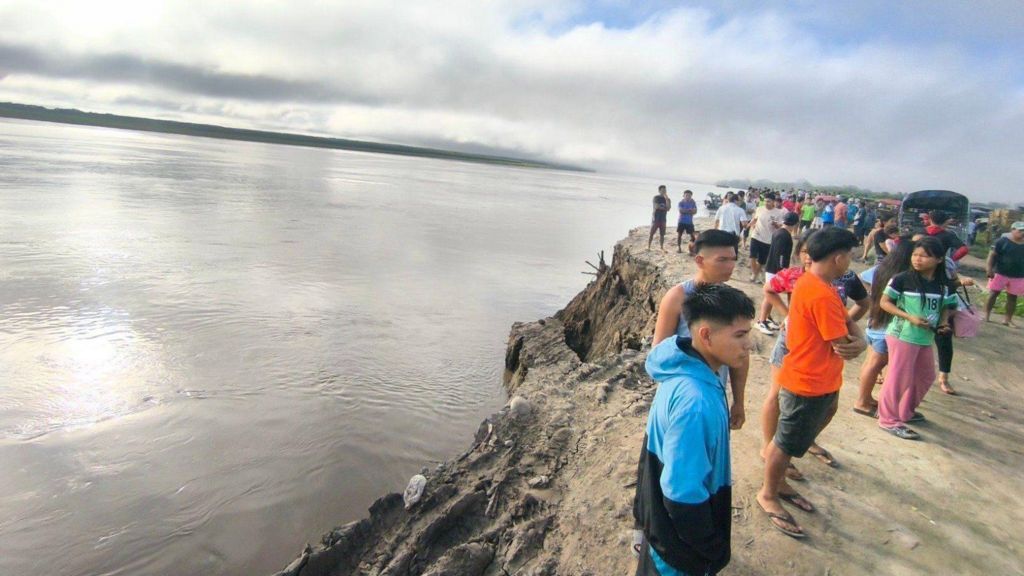
    A catastrophic landslide has struck a river port in Peru’s Amazon rainforest, resulting in a significant loss of life with at least 12 fatalities and approximately 50 individuals reported missing. The disaster occurred in the early hours of Monday morning near Iparia in the Ucayali region, sinking one ferry and critically damaging another passenger vessel during disembarkation procedures.

    According to official reports from Peru’s National Emergency Operations Center, the tragedy was triggered by severe riverbank erosion along the Ucayali River, which serves as the primary headwater for the Amazon River system. The incident took place at approximately 05:00 local time (10:00 GMT) when both vessels were docked with passengers preparing to exit.

    Rescue operations involving national police and Peruvian Navy personnel face substantial challenges due to rapidly flowing river currents that complicate search and recovery efforts. Hospital facilities in the region are currently treating multiple injured survivors pulled from the wreckage.

    Passenger manifests indicate those aboard included children, educators, and medical professionals, with concerns mounting that minors may be among the missing. One vessel had embarked from Pucallpa traveling northward on Sunday, scheduled to serve multiple riverside communities including Caco Macaya, Curiaca del Caco, and Pueblo Nuevo del Caco.

    Authorities are coordinating with grieving families gathered at the disaster site to establish precise accounting of those still unaccounted for as recovery operations continue under difficult conditions.

  • UN delegation praises UAE field hospital in Gaza for humanitarian efforts

    UN delegation praises UAE field hospital in Gaza for humanitarian efforts

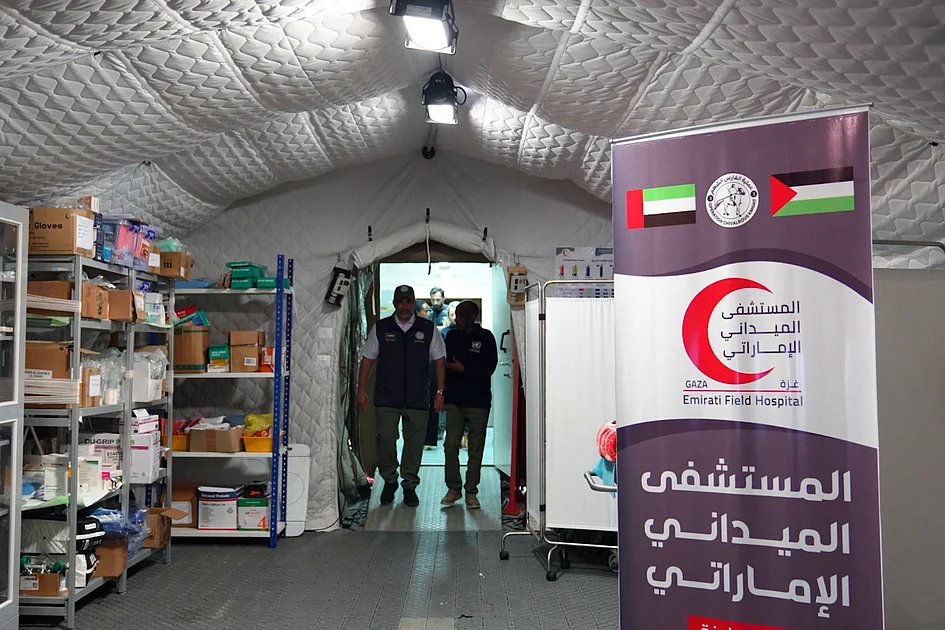
    A high-level United Nations delegation conducted an extensive evaluation of the United Arab Emirates’ field medical facility in the Gaza Strip, expressing profound admiration for its comprehensive humanitarian operations. The delegation, headed by Dr. Ramiz Alakbarov, UN Resident and Humanitarian Coordinator for Palestinian territories, thoroughly examined the hospital’s continuous 24/7 emergency medical services and trauma care capabilities for wounded civilians.

    The inspection extended beyond medical facilities to include operational warehouses supporting Operation Chivalrous Knight 3, where delegates received detailed briefings on logistical coordination, equipment management, and distribution mechanisms ensuring efficient aid delivery to vulnerable populations. The delegation observed sophisticated preparation processes designed to maximize humanitarian impact while minimizing operational bottlenecks.

    Dr. Alakbarov particularly emphasized the UAE’s innovative approach to holistic humanitarian support, highlighting the recently organized mass wedding ceremony as an exemplary initiative that provides psychological relief and emotional restoration amidst ongoing adversity. He characterized the UAE’s multifaceted assistance program as representing an advanced paradigm in humanitarian crisis response that effectively addresses both immediate physical needs and longer-term community resilience.

    The UN coordinator further noted that the UAE’s sustained commitment to alleviating civilian suffering establishes a benchmark for international humanitarian solidarity, combining emergency medical response with strategic vision to foster hope and stability within conflict-affected communities.

  • Pope prays for peace in crisis-hit Lebanon and region

    Pope prays for peace in crisis-hit Lebanon and region

    Pope Leo XIV commenced the second day of his landmark visit to Lebanon with a powerful appeal for regional peace, delivering his message from the revered Saint Charbel Monastery in Annaya. The pontiff’s motorcade navigated mountainous roads north of Beirut amid exuberant celebrations, with thousands of Lebanese citizens cheering, ululating, and showering his path with rice in traditional welcome.

    The newly elected Pope, making his first international journey since assuming the papacy, arrived from Turkey on Sunday with a mission to restore faith among Lebanon’s disillusioned youth. Speaking within the candle-lit stone monastery, he specifically invoked peace for Lebanon and the broader Levant region while acknowledging the country’s profound challenges.

    Leo’s visit occurs against a backdrop of severe economic collapse spanning six years, widespread government corruption, and persistent security concerns despite a November 2024 ceasefire. Israel has recently intensified strikes within Lebanese territory, while the United States maintains pressure on Beirut to disarm Iran-backed Hezbollah militants.

    The pontiff directly addressed Lebanon’s leadership crisis, urging officials to serve their ‘long-suffering people’ and halt the mass emigration draining the country of its youth and families. His message resonated deeply with citizens who lined rain-drenched streets for hours to catch a glimpse of the papal motorcade.

    Monday’s itinerary included addresses to bishops at the Harissa shrine overlooking the Mediterranean, an inter-religious gathering at Beirut’s Martyrs’ Square with representatives from Lebanon’s 18 recognized denominations, and a youth meeting at the Maronite patriarchate in Bkerke. Authorities declared both Monday and Tuesday official holidays, implementing enhanced security measures including comprehensive road closures and drone photography bans.

    The visit marks the first papal journey to Lebanon since Benedict XVI’s 2012 tour, generating substantial anticipation within the multi-confessional nation. Pope Leo’s approach mirrors his cautious diplomacy in Turkey, balancing political sensitivities while advocating for religious diversity and national unity.

  • Israel says killed 40 fighters over past week in Gaza tunnels operation

    Israel says killed 40 fighters over past week in Gaza tunnels operation

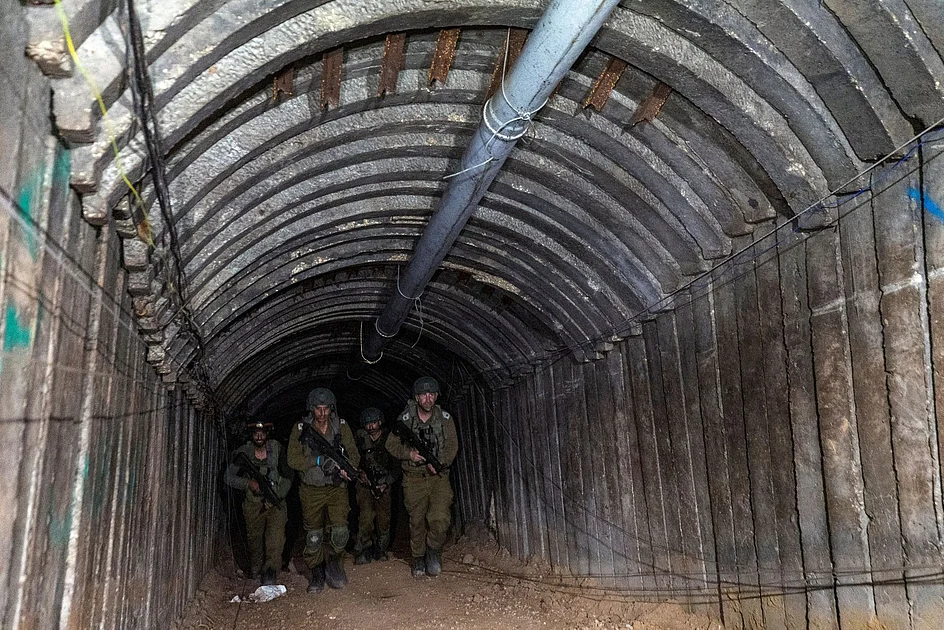
    The Israeli military has reported eliminating over 40 Hamas operatives during intensive tunnel clearance operations in southern Gaza’s Rafah region over the past week. According to official statements released Sunday, these targeted missions focused on dismantling underground networks beneath Israeli-controlled zones where dozens of militants remain entrenched.

    The operations, concentrated in eastern Rafah for 40 consecutive days, have resulted in the destruction of numerous tunnel shafts and terrorist infrastructure sites both above and below ground. This development comes amid delicate negotiations regarding the fate of an estimated 60-80 Hamas fighters trapped in tunnels on the Israeli-controlled side of the Yellow Line demarcation boundary established under the current ceasefire agreement.

    Hamas official Husam Badran stated the group’s fighters ‘cannot accept surrendering or handing over their weapons to the occupation,’ while accusing Israel of stalling the transition to the next phase of the US-brokered truce. The ceasefire, mediated by Egypt, Turkey, and Qatar alongside American diplomats, took effect October 10 but remains precarious with mutual violations alleged by both sides.

    The conflict originated with Hamas’s October 7, 2023 attack that killed 1,221 Israelis. Israel’s subsequent military campaign has resulted in at least 70,103 Palestinian fatalities according to Gaza’s health ministry, with 356 additional deaths reported since the ceasefire began. The humanitarian situation in Gaza remains critically severe as diplomatic efforts continue to address both the immediate tunnel standoff and broader regional stability concerns.

  • Indian analyst urges more China-India flights, exchanges

    Indian analyst urges more China-India flights, exchanges

    Prominent Indian political analyst Sudheendra Kulkarni has issued a compelling appeal for significantly enhanced aviation connectivity and cultural exchanges between China and India, characterizing current bilateral efforts as merely “a very small step” toward realizing the full potential of this critical relationship.

    As founder and chairman of the Forum for a New South Asia and former aide to Indian Prime Minister Atal Bihari Vajpayee, Kulkarni possesses substantial expertise in Sino-Indian relations. In an exclusive interview with China Daily, he articulated a visionary framework for bilateral engagement that matches the demographic and economic scale of both nations.

    Kulkarni emphasized that with both countries representing populations of 1.4 billion people experiencing rapid economic growth, the existing aviation infrastructure remains woefully inadequate. Rather than maintaining the current limited flight operations, he proposed an ambitious expansion to approximately 100 direct flights connecting twenty different cities across both nations.

    The seasoned analyst underscored that robust people-to-people exchanges constitute the fundamental bedrock of stronger diplomatic and economic ties. He specifically highlighted student exchange programs as particularly valuable mechanisms for fostering mutual understanding and long-term cooperation between the two Asian giants.

    Kulkarni’s recommendations arrive at a crucial juncture in China-India relations, suggesting that enhanced civilian connectivity could potentially facilitate improved diplomatic engagement between the world’s two most populous nations.

  • Four dead in Russian attack as diplomatic efforts to end war continue

    Four dead in Russian attack as diplomatic efforts to end war continue

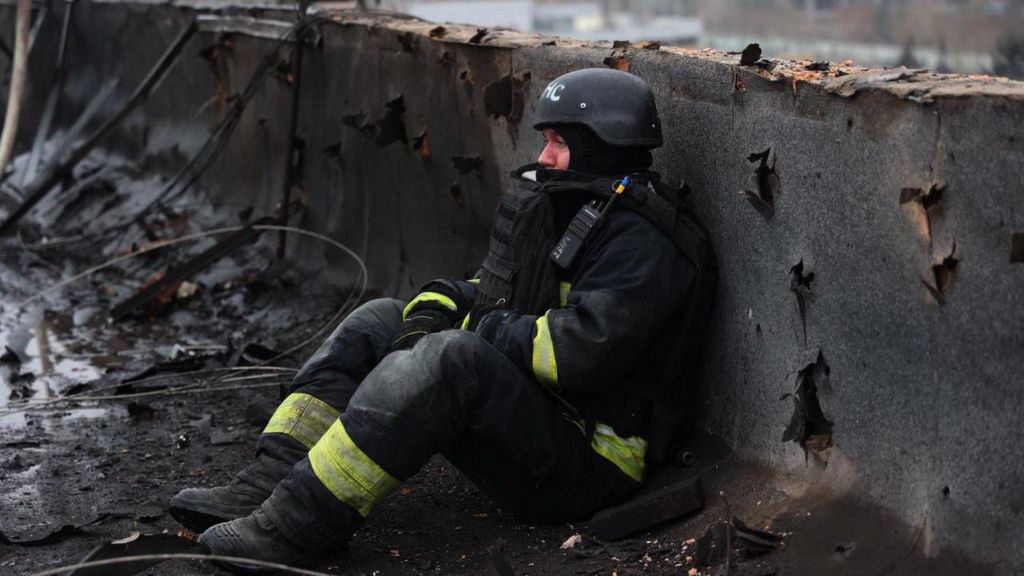
    A Russian ballistic missile struck the eastern Ukrainian city of Dnipro on Monday morning, resulting in four fatalities and 40 injuries according to local authorities. Unverified footage circulating online captured a massive detonation adjacent to a major highway, with subsequent reports confirming severe damage to commercial structures, retail establishments, and multiple vehicles.

    This assault occurs against the backdrop of intensified diplomatic efforts to broker peace in the ongoing conflict. U.S. Special Envoy Steve Witkoff is scheduled to meet Russian President Vladimir Putin in Moscow on Tuesday, following Sunday’s discussions with Ukrainian representatives in Florida. The Florida negotiations involved high-profile participants including U.S. Secretary of State Marco Rubio and Jared Kushner, former son-in-law to Donald Trump.

    Ukrainian President Volodymyr Zelensky characterized the preliminary talks as “highly constructive” while acknowledging persistent “challenging issues” requiring resolution. This assessment aligned with Secretary Rubio’s description of the meetings as “productive” though necessitating additional diplomatic work.

    The missile attack highlights the continuing vulnerability of Ukrainian population centers despite ongoing peace initiatives. Dnipro, situated approximately 100 kilometers from active combat zones, has endured repeated aerial assaults since Russia’s full-scale invasion commenced in February 2022.

    Substantial disagreements continue to divide the warring parties, particularly regarding territorial control of the Donbas region. Moscow maintains its demand for Ukrainian withdrawal from Donbas, with President Putin threatening military enforcement if necessary. President Zelensky has countered that Russia demonstrates contempt for genuine peace efforts through such ultimatums.

    Additional complications emerge regarding Ukraine’s prospective security arrangements, with Kyiv seeking NATO membership guarantees opposed by both Russia and former President Trump. Concurrently, Zelensky faces domestic political challenges following a corruption investigation that prompted the resignation of his chief of staff Andriy Yermak and dismissal of two cabinet ministers.

    As diplomatic maneuvers continue, Zelensky has embarked on a European tour to secure support from French President Emmanuel Macron, with subsequent travels planned to Ireland. These visits address growing concerns among European allies regarding potential exclusion from negotiation processes and perceived shifts in U.S. diplomatic positioning.

    The human cost of the conflict remains staggering, with tens of thousands of military casualties, thousands of civilian deaths, and approximately seven million displaced persons since the invasion’s commencement. This violence represents the most recent escalation in hostilities originating from Russia’s 2014 annexation of Crimea following Ukraine’s political realignment.

  • 3.3-magnitude earthquake strikes Bahrain, UAE’s NCM reports

    3.3-magnitude earthquake strikes Bahrain, UAE’s NCM reports

    A minor seismic event registering 3.3 magnitude occurred near Bahrain in the early hours of Monday, December 1, 2025, according to official reports from the UAE’s National Centre of Meteorology (NCM). The earthquake, which struck at precisely 3:58 AM local time, originated at a depth of approximately 8 kilometers beneath the Earth’s surface. While the tremor was reportedly felt by residents within Bahrain territory, neighboring United Arab Emirates experienced no detectable impact from the geological activity. The NCM’s seismic monitoring systems successfully tracked and recorded the event, providing crucial data for regional earthquake preparedness networks. This incident highlights the ongoing geological activity within the Arabian Gulf region, though seismic events of this magnitude typically cause minimal to no structural damage. The timely reporting by meteorological authorities demonstrates the effectiveness of cross-border seismic monitoring cooperation among Gulf nations. No casualties or property damage have been reported in connection with this earthquake, and no tsunami warnings were issued following the event. The occurrence serves as a reminder of the region’s active seismic profile while reassuring residents through demonstrated monitoring capabilities and inter-agency communication systems.

  • Gaza faces deepening humanitarian crisis despite ceasefire

    Gaza faces deepening humanitarian crisis despite ceasefire

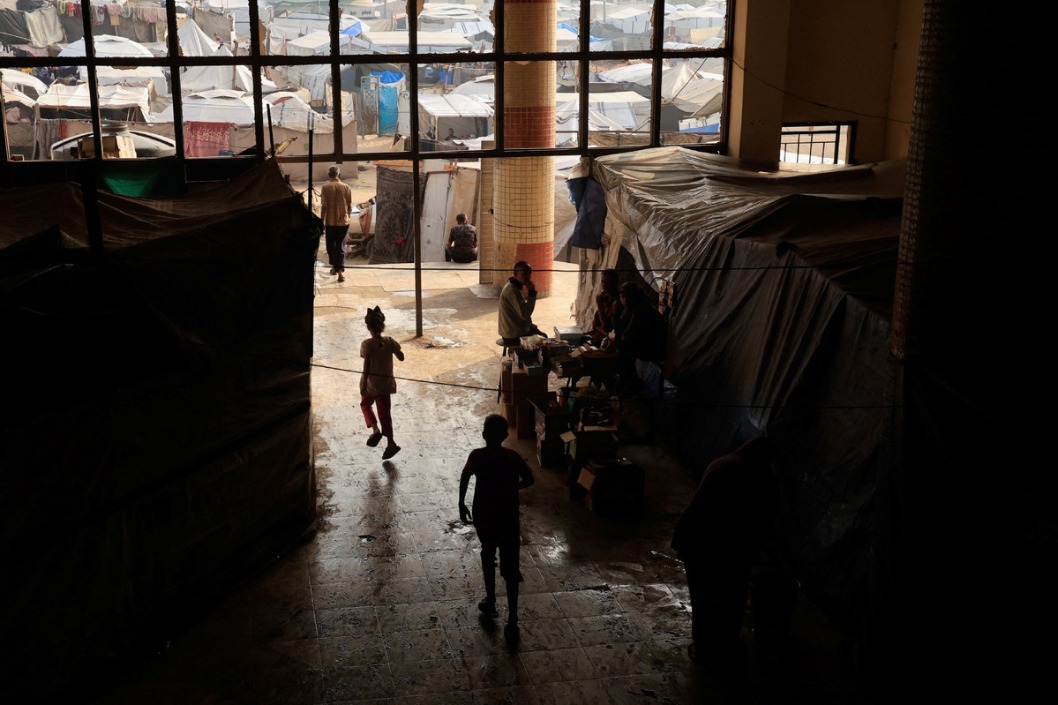
    Despite a ceasefire agreement enacted on October 10, 2025, the Gaza Strip continues to descend into a severe humanitarian emergency. Two months into the truce between Israel and Hamas, approximately two million residents remain trapped in dire conditions, primarily living in temporary tents and shelters with no substantial improvement in basic living standards.

    Critical infrastructure continues to deteriorate at an alarming rate. Water and sewage systems are failing, massive piles of waste and rubble block access routes, and municipal services are collapsing due to an extreme fuel shortage. The Union of Municipalities in Gaza issued a stark warning that Israeli authorities persist in blocking fuel deliveries, having allowed only a five-day supply since the ceasefire began. This restriction severely impedes road clearing, debris removal, and support for displaced families.

    The healthcare system is operating with the same limited resources available during active conflict. Medical facilities face critical shortages of medicines, equipment, and specialized staff. According to Bassam Zaqout, Director of Medical Relief in Gaza, no reconstruction of damaged health facilities has occurred. Israeli restrictions on medical delegations are exacerbating shortages of personnel, pharmaceuticals, and laboratory tools. Health authorities specifically warn that 4,000 glaucoma patients risk permanent vision loss without urgent supplies and specialized care.

    This unfolding humanitarian disaster occurs alongside renewed violence. Palestinian security sources reported Israeli shelling and airstrikes in central and southern Gaza, including near the Bureij refugee camp and east of Rafah. Health officials report three fatalities in the past 24 hours, bringing the post-ceasefire death toll to 357, with 908 wounded. Since the conflict’s escalation in October 2023, the cumulative casualties stand at 70,103 killed and 170,985 wounded.

    The Hamas-run government media office has accused Israel of 591 ceasefire violations, describing these actions as flagrant breaches of international humanitarian law. They have called for intervention from the United States, international mediators, and the UN Security Council.

    Meanwhile, Gaza’s Civil Defense Authority faces a grim task with approximately 10,000 bodies believed buried beneath destroyed structures. With only one excavator available for recovery operations, spokesperson Mahmoud Basal urgently appealed for additional heavy equipment to retrieve the deceased amid extremely challenging conditions.

  • Gaza children face adult responsibilities as war leaves families without breadwinners

    Gaza children face adult responsibilities as war leaves families without breadwinners

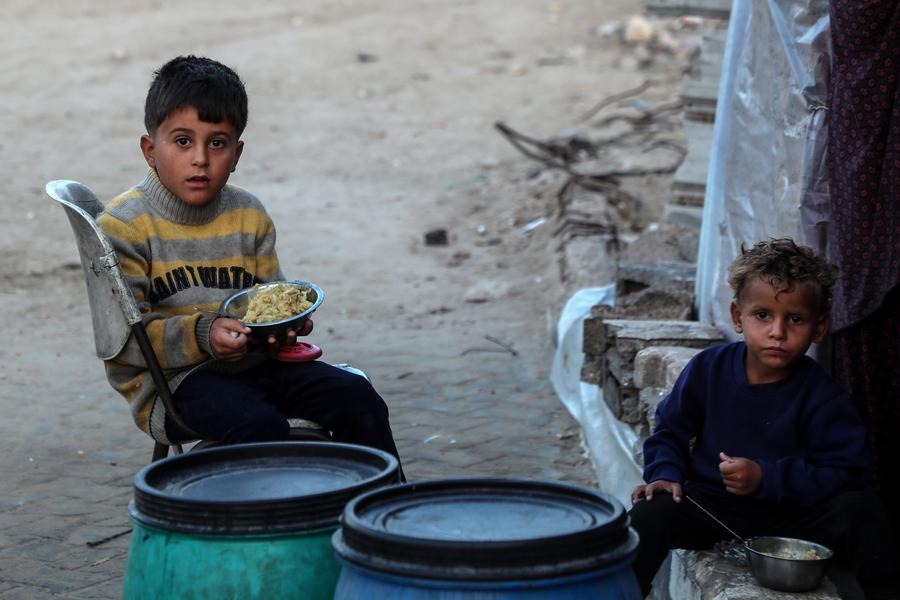
    In the war-ravaged streets of Gaza, a profound generational crisis is unfolding as children increasingly assume adult responsibilities amid the ongoing humanitarian catastrophe. The conflict that erupted in October 2023 has created a devastating reality where minors have become primary breadwinners for families decimated by violence and loss.

    Eleven-year-old Mahmoud Abu Awda navigates through muddy, damaged streets of Gaza City clutching a small plastic box of biscuits and canned goods. His worn-out shoes sink into puddles left by winter rains as he attempts to sell enough to sustain his family. “I became the eldest and the only provider after my father was killed,” Abu Awda explains. “My mother is sick, and my brothers are still very young.”

    The phenomenon extends throughout the Gaza Strip. In Khan Younis, 13-year-old Yasmin Khader scavenges through piles of garbage adjacent to her family’s makeshift displacement camp, collecting plastic scraps for sale. Her academic aspirations of becoming a doctor vanished when her father perished in an airstrike. “Now I work because there is no one else to support my mother and sister,” she states.

    Meanwhile, in Gaza City’s Rimal neighborhood, Abbas al-Ghazali, also 13, sells water bottles despite sharply declining sales during winter months. He carries his schoolbag with him while working, occasionally reading books during breaks. “I used to be an excellent student,” he remarks wistfully.

    According to local authorities, the conflict has produced severe developmental consequences for Gaza’s youth. The Hamas-run government media office reports thousands of children lacking safe shelter or environments conducive to healthy development. With education disrupted for over two years and numerous schools damaged or destroyed, child labor has surged dramatically. Public spaces including markets and streets have become commonplace workplaces for children forced from classrooms.

    Psychologist Ghadeer Al-Muqayyad, specializing in child development in Gaza City, emphasizes that the conflict has thrust children into situations exceeding their emotional and physical capacities. “These children endure trauma, loss, displacement, and exposure to violence, which can result in symptoms of post-traumatic stress,” she explains. Prolonged stress increases risks of anxiety, behavioral challenges, and emotional withdrawal among minors.

    The rise in child labor exposes vulnerable youth to dangerous conditions while threatening their long-term wellbeing. Al-Muqayyad stresses that “reintegrating children into safe learning environments is essential to reducing the psychological impact of the conflict”—a challenging prospect given the ongoing humanitarian crisis and infrastructure damage throughout the region.