分类: world

  • Indonesia to repatriate 2 convicted Dutch drug traffickers, including one on death row

    Indonesia to repatriate 2 convicted Dutch drug traffickers, including one on death row

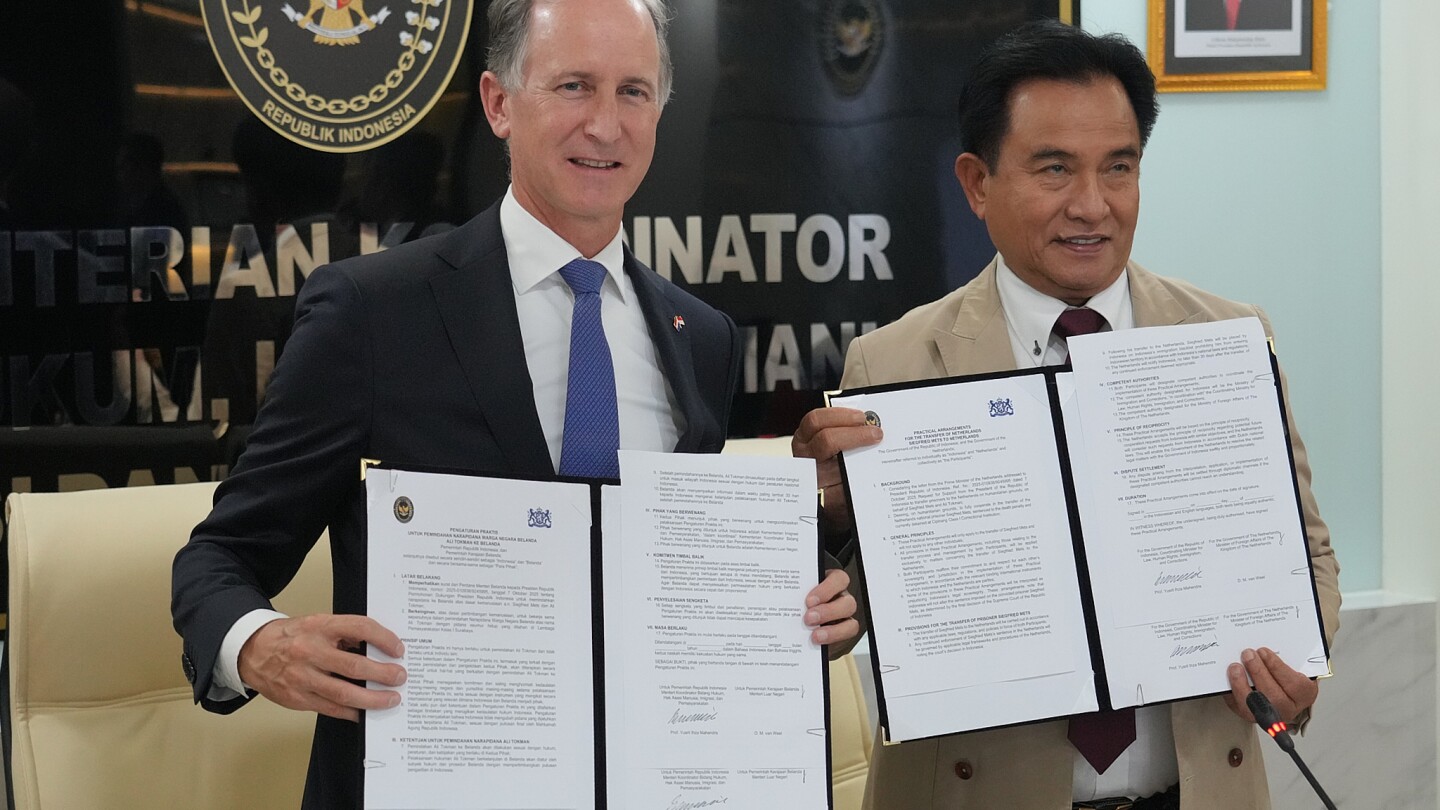
    In a significant diplomatic development, Indonesia and the Netherlands have formalized an agreement to repatriate two Dutch citizens convicted of serious drug offenses in Indonesia. The arrangement, signed simultaneously in Jakarta and Amsterdam on Tuesday, involves 74-year-old Siegfried Mets, who faces capital punishment, and 65-year-old Ali Tokman, currently serving a life imprisonment sentence.

    The transfer initiative emerged following a formal appeal from Dutch King Willem-Alexander and the Netherlands’ foreign ministry, citing the detainees’ deteriorating health conditions as primary humanitarian grounds. Indonesian Senior Law Minister Yusril Ihza Mahendra, who endorsed the agreement during a ceremonial signing in Jakarta, confirmed that President Prabowo Subianto had authorized the arrangement with an anticipated transfer date of December 8.

    Siegfried Mets received the death penalty for his involvement in smuggling 600,000 ecstasy tablets from the Netherlands to Indonesia in February 2008, having spent 17 years in Jakarta’s detention facilities. Ali Tokman was apprehended at Surabaya Airport in December 2014 after customs officials discovered approximately 6 kilograms of MDMA in his possession, serving 11 years of his life term.

    Dutch Foreign Minister David van Weel concurrently signed the agreement in Amsterdam, with diplomatic delegations from both nations witnessing the proceedings. Marc Gerritsen, Netherlands Ambassador to Indonesia, expressed profound gratitude for Indonesia’s humanitarian consideration, noting that the transfer would enable both detainees to be nearer to their families while demonstrating strengthened bilateral cooperation in judicial matters.

    This development aligns with President Prabowo’s administration pattern of facilitating foreign prisoner repatriations through bilateral agreements. Previous transfers include a Filipina facing drug-related execution, five Australians convicted of heroin trafficking, and two British nationals sentenced for drug smuggling offenses.

    Despite maintaining some of the world’s strictest narcotics regulations, Indonesia remains a significant trafficking hub according to the United Nations Office on Drugs and Crime. Recent data from Indonesia’s Ministry of Immigration and Corrections indicates approximately 530 individuals await execution on death row, primarily for drug-related crimes, including nearly 100 foreign nationals. The country last performed executions in July 2016, involving one Indonesian and three foreign citizens.
  • 2 former South African apartheid police officers are convicted of killing an activist 38 years ago

    2 former South African apartheid police officers are convicted of killing an activist 38 years ago

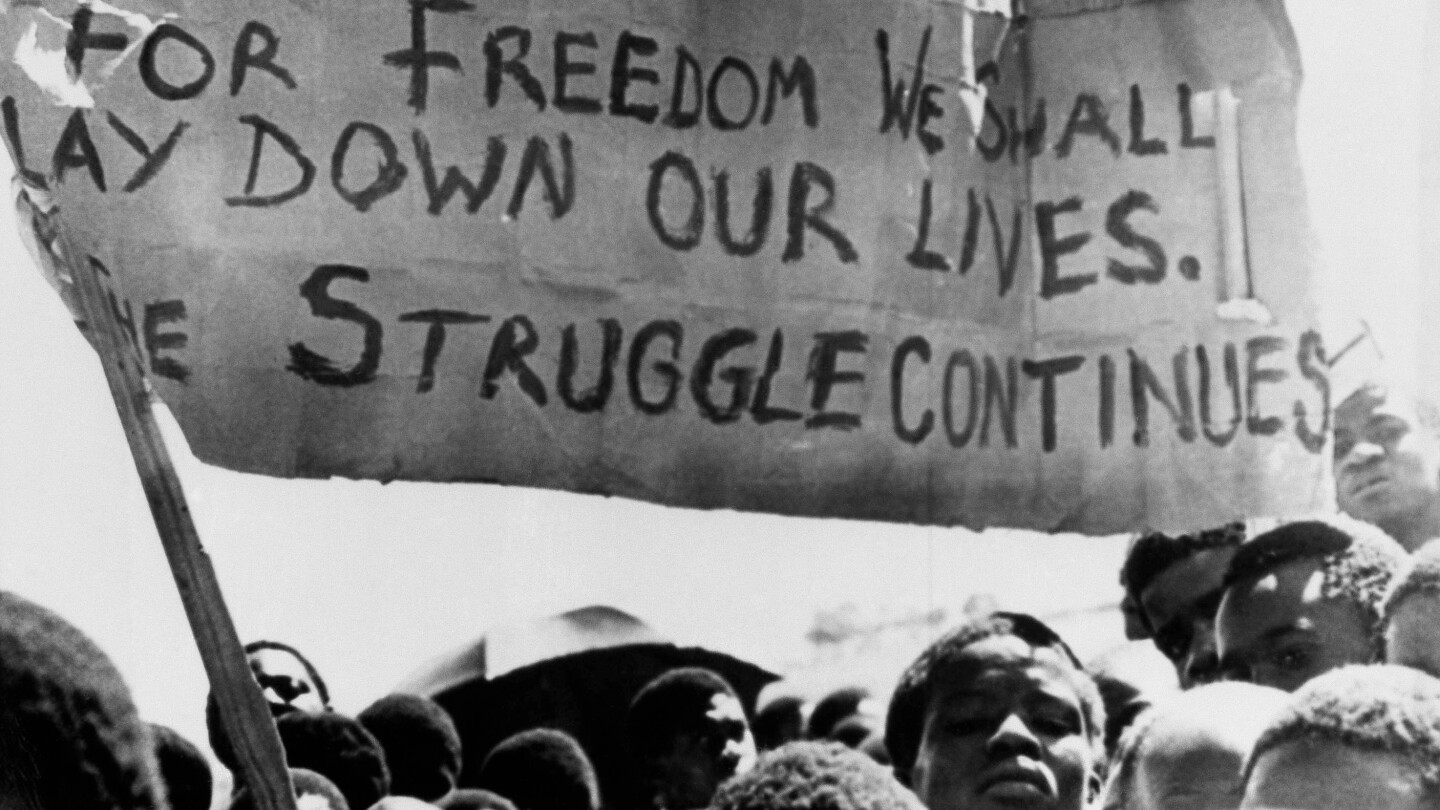
    In a landmark ruling that addresses historical injustices, two former apartheid-era police officers in South Africa have been found guilty of the 1987 murder of anti-apartheid activist Caiphus Nyoka. The Gauteng High Court in Johannesburg delivered the verdict on Tuesday, convicting Abraham Engelbrecht and Pieter Stander, both in their sixties, while acquitting a third former officer.

    The case, which remained unresolved for over three decades, was reopened following a stunning public confession in 2019 by former Reaction Unit member Johan Marais. Marais pleaded guilty to Nyoka’s killing and received a 15-year prison sentence last July.

    Court documents and a 1988 pathology report reveal the brutal nature of Nyoka’s death. The student leader was shot at least twelve times when police units stormed his family home before dawn. Forensic evidence indicates he was initially shot while sitting up in bed, with subsequent shots fired into his chest, arms, and hands after he had fallen.

    During apartheid, authorities cleared the officers of wrongdoing by claiming self-defense—a common tactic used to conceal political assassinations. The case was examined by South Africa’s Truth and Reconciliation Commission in 1997, but no perpetrators came forward at that time.

    This conviction occurs amidst renewed efforts to address apartheid-era crimes. Recent developments include a October ruling that anti-apartheid leader Albert Luthuli was beaten to death by security police in 1967, contradicting the original finding of a train accident. Authorities have also announced new investigations into the 1977 death of Steve Biko and potential obstruction of justice by post-apartheid governments.

  • Southeast Asia floods kill 1,200, leaving hundreds of thousands stranded

    Southeast Asia floods kill 1,200, leaving hundreds of thousands stranded

    Southeast Asia confronts one of its most devastating natural disasters in recent history as catastrophic flooding claims over 1,200 lives across four nations. The region faces immense humanitarian challenges with hundreds of thousands displaced and critical supply chains disrupted.

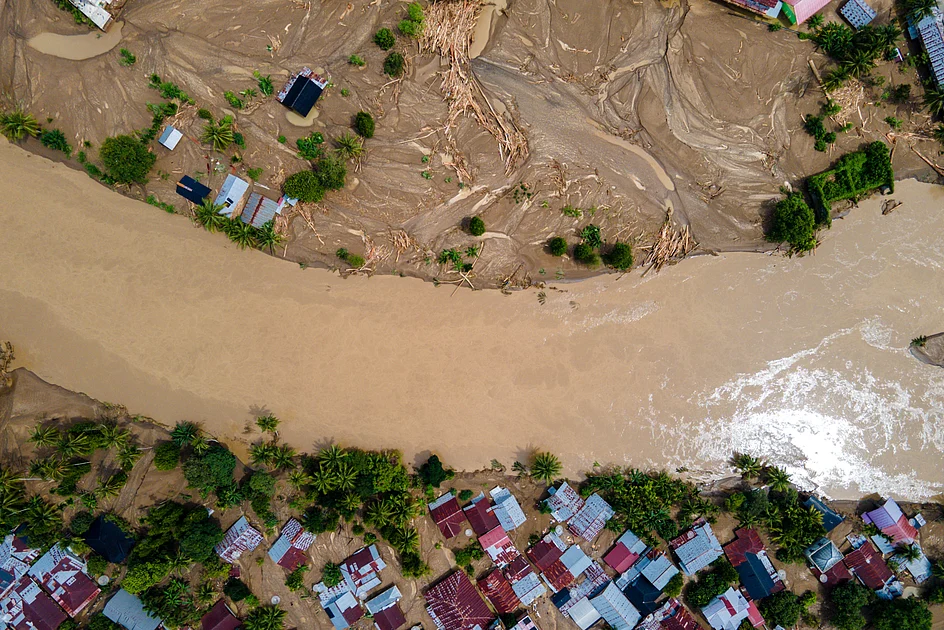
    Unprecedented monsoon deluges, intensified by dual tropical cyclones, unleashed destruction across Sri Lanka, Indonesia’s Sumatra island, southern Thailand, and northern Malaysia last week. Although floodwaters have begun receding, the aftermath reveals widespread devastation that has overwhelmed local response capabilities.

    Indonesia’s Aceh province emerges as among the hardest-hit areas, where survivors describe tsunami-like waves that swept through communities without warning. “The water was unstoppable, resembling a tsunami wave,” recounted Zamzami, a 33-year-old East Aceh resident. Critical infrastructure damage has severed road access, creating severe supply shortages and dramatic price inflation for essential goods, with chili peppers reaching approximately $18 per kilogram.

    The Indonesian government has initiated large-scale relief operations, distributing 34,000 tonnes of rice and 6.8 million liters of cooking oil to Aceh, North Sumatra, and West Sumatra provinces. Agriculture Minister Andi Amran Sulaiman emphasized the urgency: “There can be no delays” in assistance delivery.

    Humanitarian organizations warn of impending food crises if supply routes remain compromised. Islamic Relief cautioned that “communities across Aceh face severe risk of food shortages and hunger” without restored access within seven days. The organization deployed 12 tonnes of supplies via Indonesian naval vessels arriving Tuesday.

    Meanwhile, Sri Lanka confronts parallel devastation with at least 390 confirmed fatalities and 352 individuals missing. President Anura Kumara Dissanayake has declared a national state of emergency, characterizing the event as “the most challenging natural disaster in our history” and appealing for international support. Military forces from India and Pakistan have joined evacuation and supply delivery operations.

    Meteorological experts note that climate change contributes to more intense precipitation events, as warmer atmospheric conditions retain increased moisture while elevated ocean temperatures amplify storm intensity. This scientific context underscores the growing frequency and severity of such extreme weather phenomena across vulnerable regions.

  • Dubai-based BlueChip Group scam mastermind arrested in India

    Dubai-based BlueChip Group scam mastermind arrested in India

    Indian authorities have apprehended Ravindra Nath Soni, the elusive mastermind responsible for orchestrating one of the United Arab Emirates’ most substantial investment fraud schemes. The 44-year-old founder of Dubai-based BlueChip Group was captured on November 30, 2025, in Dehradun, Uttarakhand, concluding an intensive 18-month international manhunt.

    Kanpur police confirmed the arrest following coordinated technical surveillance and human intelligence operations. Additional Deputy Commissioner of Police Anjali Vishwakarma characterized the detention as a “significant breakthrough” in the extensive financial crime investigation. Indian media reports indicate a reward of Rs10,000 had been offered for information leading to Soni’s capture.

    The BlueChip Group collapse, initially exposed by Khaleej Times in June 2024, represents a sophisticated Ponzi scheme that targeted predominantly Indian expatriates in the UAE. Operating from the Al Jawhara Building in Bur Dubai, the enterprise promised investors guaranteed monthly returns of 3% (equivalent to 36% annually) on minimum investments of $10,000 locked for 18-month periods.

    The elaborate fraud unraveled in March 2024 when payments abruptly ceased, leaving hundreds of investors facing collective losses exceeding $100 million (Dh367 million). Victims received dishonored checks while the company’s offices were abandoned overnight, with Soni and senior staff members vanishing simultaneously.

    Investigation findings reveal BlueChip as merely the latest in a series of fraudulent ventures operated by Soni from identical Bur Dubai premises. Between 2018-2020, he previously managed Acme Management Consultancy and Acme Global General Trading, both entities similarly disappearing after allegedly appropriating millions in investor funds.

    Court documents indicate Soni faces multiple existing fraud charges across jurisdictions. A Dubai court had previously issued an arrest warrant in June 2024 for his failure to repay Dh10.05 million to a check-holder. Additionally, he was ordered by Dubai courts in 2023 to compensate another victim with Dh2.05 million.

    In India, Soni was arrested in 2022 in Aligarh for operating a “double-your-money” scheme and faces separate charges in Panipat, Haryana, for fraud and criminal intimidation. Financial forensic investigations disclosed that BlueChip transferred $41.35 million to an unidentified cryptocurrency wallet shortly before the operation collapsed.

    International business partners had previously dissociated from Soni’s operations, with Cyprus-based trading platform provider MetaQuotes terminating its agreement with BlueChip in 2023 citing “fraudulent practices.” Authorities are currently tracing financial pathways and seizing bank accounts and assets connected to the accused.

    Affected investors expressed cautious relief at the development, with one Dubai-based victim who lost Dh1.2 million noting: “This is a big relief, but the fight is not over until we recover our money.”

  • ‘Hung by my wrists and beaten’: Israeli-Russian woman says Iraqi militants tortured her in captivity

    ‘Hung by my wrists and beaten’: Israeli-Russian woman says Iraqi militants tortured her in captivity

    Elizabeth Tsurkov, an Israeli-Russian academic held captive for 903 days by Iran-backed militants in Iraq, has provided a harrowing account of her ordeal to the BBC. The Princeton University doctoral student, kidnapped in March 2023 while conducting fieldwork in Baghdad, endured extreme torture including electrocution, whipping, sexual abuse, and being suspended from ceilings with her hands cuffed behind her back.

    Ms. Tsurkov described how her captors—believed to be members of Kataib Hezbollah, a US-designated terrorist organization—initially didn’t know about her Israeli citizenship. When they accessed her phone and discovered her nationality, the brutal interrogation intensified. She resorted to inventing false confessions based on her captors’ conspiracy theories, attempting to satisfy their demands while protecting Iraqi activists she knew.

    Her release in September came after what she describes as a direct US intervention. According to Ms. Tsurkov, Trump-appointed special envoy Mark Savaya delivered an ultimatum to Iraqi Prime Minister Mohammed Shia al-Sudani: secure her release within a week or face the elimination of Kataib Hezbollah’s leadership. She was freed within days, though Iraqi officials credited their own security services’ efforts.

    Now recovering in Israel, Ms. Tsurkov faces significant physical and psychological challenges. She notes the irony that her PTSD symptoms align with Israel’s collective trauma following the October 7 attacks. Despite being a longtime critic of Israeli policy and advocate for Palestinian rights, she expresses deepened pessimism about regional peace prospects, noting that the Gaza border communities attacked on October 7 were home to many peace activists.

    The academic remains determined to complete her PhD while confronting the lasting effects of her captivity, including the psychological impact of having internalized elements of her false confessions. She describes her survival as a combination of luck and resilience in extraordinarily unlucky circumstances.

  • Israel urged not to derail ceasefire deal for Gazans

    Israel urged not to derail ceasefire deal for Gazans

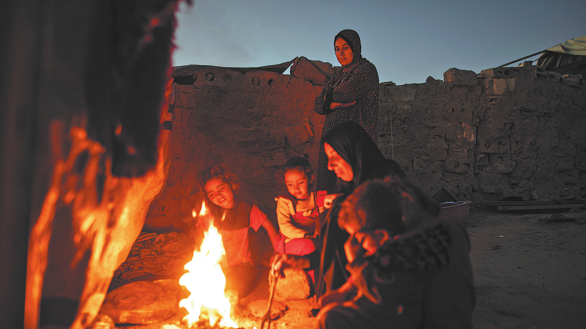
    Qatar’s senior diplomatic official has called on Israel to prevent the delay in recovering two slain hostages’ bodies from obstructing the implementation of the US-brokered Gaza ceasefire agreement. Majed bin Mohammed Al Ansari, adviser to Qatar’s prime minister and foreign ministry spokesman, emphasized in a Sunday interview with The New Arab that Palestinian teams continue recovery efforts while stressing the critical need to advance the agreement’s second phase.

    Al Ansari stated that mediators are working to ‘cut off any Israeli excuses’ that might derail the process, acknowledging significant challenges including Israel’s repeated violations of current and past truces. Qatar’s mediation focuses on three primary objectives: conflict resolution, humanitarian aid delivery, and preventing annexation of Palestinian territories.

    However, Israel’s Hostages and Missing Families Forum strongly criticized the Qatari position, reminding mediators that hostage return constitutes the agreement’s fundamental core. The controversy emerges amid a devastating human cost, with Gaza’s death toll surpassing 70,000 despite the supposed ceasefire.

    Regional diplomatic efforts intensified as officials from Qatar, Egypt, and Türkiye convened in Cairo last week to address implementation obstacles. Meanwhile, Palestinian Prime Minister Mohammad Mustafa reaffirmed Palestine’s sovereignty over Gaza and the West Bank during meetings with Denmark’s foreign minister.

    The UN Committee against Torture recently condemned Hamas’ October 2023 attacks while expressing deep concern over Israel’s ‘disproportionate response’ causing massive civilian casualties. Reconstruction conferences have stalled due to insufficient guarantees against continued destruction, as Israel and Hamas trade accusations over truce violations.

    Separately, Israeli Prime Minister Benjamin Netanyahu sought a presidential pardon in his corruption trial, arguing proceedings hinder his governance capabilities, adding domestic political complexity to the regional crisis.

  • Gunmen kill a government official and 3 others after vehicle ambush in northwestern Pakistan

    Gunmen kill a government official and 3 others after vehicle ambush in northwestern Pakistan

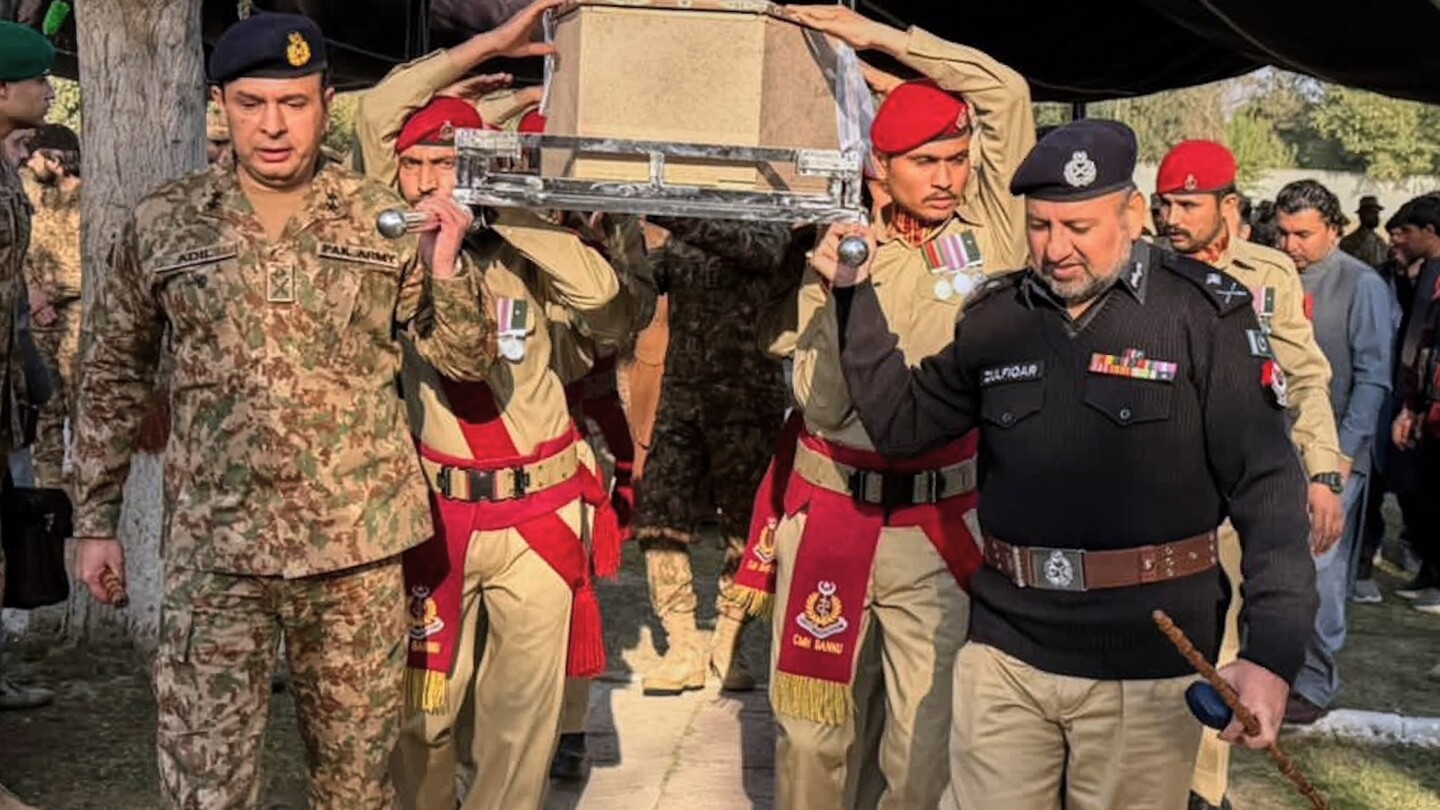
    In a targeted assault on Tuesday, suspected militants ambushed and killed a senior government administrator in Pakistan’s volatile northwest region, marking the latest episode in an escalating pattern of violence. The attack occurred in Bannu district within Khyber Pakhtunkhwa province, approximately near the sensitive Afghan border region.

    According to police official Alam Khan, the ambush claimed the lives of administrator Shah Wali, two of his security personnel, and an unfortunate civilian bystander. Wali had been serving in the strategically significant Miran Shah area, known for its proximity to conflict zones.

    This lethal incident follows closely on the heels of another security tragedy—a suicide bombing targeting police personnel in Lakki Marwat district that killed a high-ranking police officer just one day prior. While no militant organization has immediately claimed responsibility for these coordinated attacks, authorities indicate the Pakistani Taliban (Tehrik-e-Taliban Pakistan or TTP) as the primary suspect.

    The TTP, while operationally distinct from Afghanistan’s Taliban government, maintains ideological alignment with the neighboring regime. Pakistani security officials consistently accuse the group of exploiting Afghanistan’s territory as a safe haven since the Taliban’s 2021 takeover—an allegation Kabul vehemently denies.

    This surge in violence exacerbates already strained diplomatic relations between Pakistan and Afghanistan. Tensions reached critical levels last month when the Taliban government accused Pakistan of executing a drone strike in Kabul on October 9th. Subsequent cross-border clashes resulted in numerous casualties among military personnel, civilians, and militants until Qatar mediated a temporary ceasefire on October 19th.

    Although the truce remains technically intact, recent diplomatic negotiations in Istanbul concluded without substantive agreement, leaving the region in a precarious state of unresolved conflict and ongoing security challenges.

  • Ryukyu’s historical tributary ties with China highlighted

    Ryukyu’s historical tributary ties with China highlighted

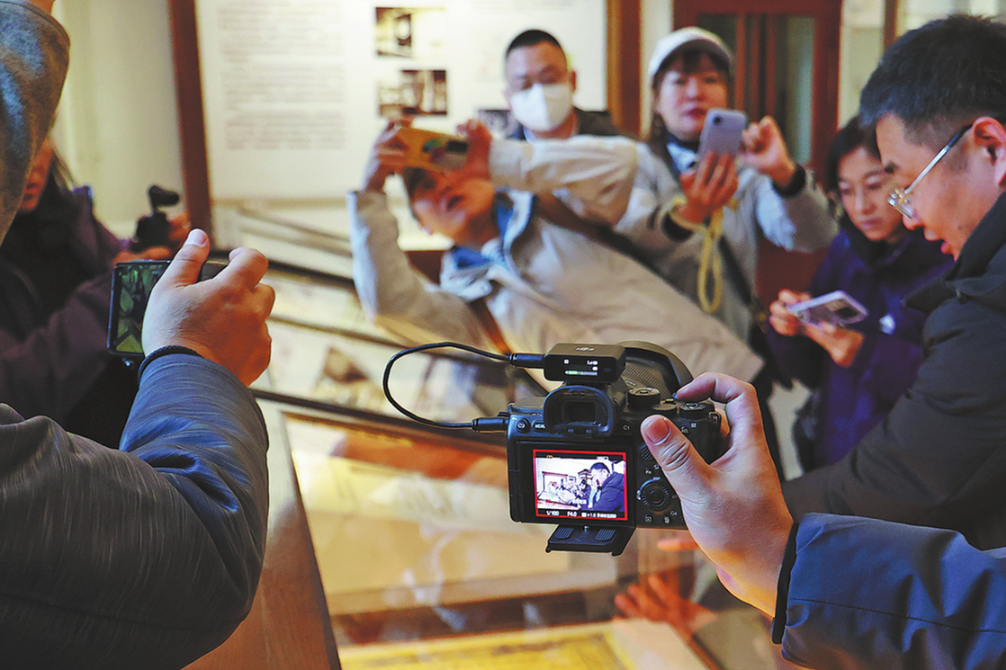
    A significant historical exhibition currently underway at Dalian’s Lushun Museum in Liaoning Province presents compelling evidence of the Ryukyu Islands’ historical status as a tributary state to China during both the Ming (1368-1644) and Qing (1644-1911) dynasties. The exhibition features a meticulously crafted replica of a 1629 imperial edict from Emperor Chongzhen of the Ming Dynasty, with the original document preserved in the museum’s archival collection.

    The imperial decree, issued during the second year of Emperor Chongzhen’s reign, formally confirms Shang Feng’s legitimate succession to the Ryukyu throne following the death of King Shang Ning. The historical document praises the deceased monarch’s demonstrated loyalty and service to the Ming court while instructing the new ruler to exercise prudent governance, protect his domain, and maintain Ryukyu’s established tributary obligations to the Chinese empire.

    The edict concludes with an elaborate enumeration of imperial gifts designated for Ryukyu and officially authorizes Ming envoys to confer Emperor Chongzhen’s formal investiture upon the new king. This exhibition not only highlights the extensive historical and political connections between imperial China and the Ryukyu archipelago but also documents historical instances of Japanese aggression toward the islands, which are situated northeast of China’s Taiwan region.

    The display provides visitors with tangible historical evidence of the sophisticated tributary system that characterized East Asian international relations for centuries, offering crucial context for understanding contemporary geopolitical discussions regarding the region’s historical dynamics.

  • More than 1,200 dead from floods in Indonesia, Sri Lanka and Thailand as rescue efforts intensify

    More than 1,200 dead from floods in Indonesia, Sri Lanka and Thailand as rescue efforts intensify

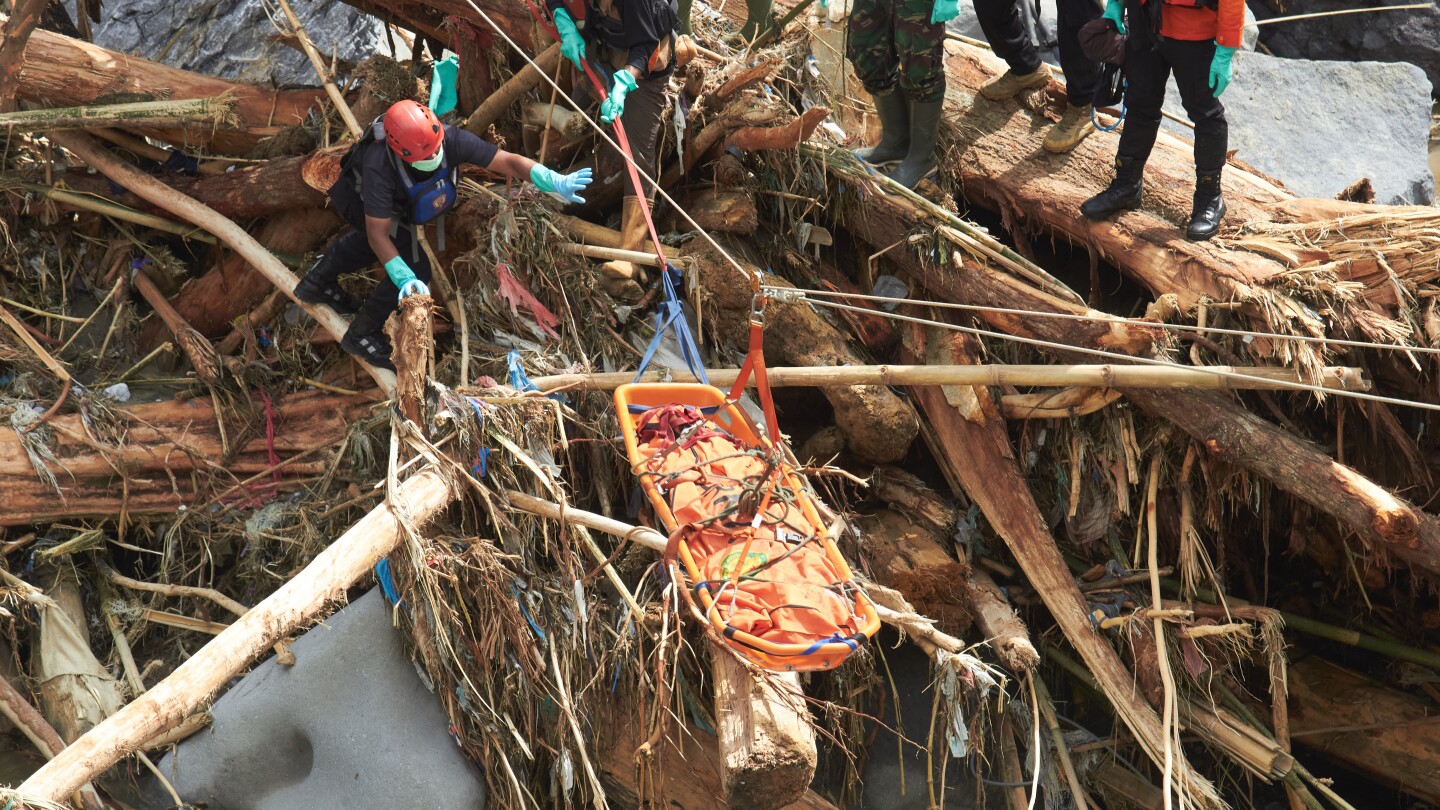
    Emergency response teams across Southeast Asia are battling challenging conditions to reach survivors and recover victims following devastating monsoon floods that have claimed over 1,200 lives across Indonesia, Sri Lanka, and Thailand. The catastrophic weather event has left more than 800 people missing as rescue operations face significant obstacles due to damaged infrastructure and continuing adverse weather patterns.

    In the hardest-hit nation of Indonesia, catastrophic flooding has resulted in at least 659 confirmed fatalities with 475 individuals still unaccounted for. Rescue personnel on Sumatra island confront severely compromised access routes where roads have been completely washed away and critical bridges have collapsed. Despite deployment of helicopter and marine assets, officials report deteriorating weather conditions and infrastructure damage are substantially hampering relief efforts.

    Sri Lanka faces similarly dire circumstances with 390 confirmed deaths and 352 people missing in the wake of Cyclone Ditwah. The country’s Disaster Management Center reported that military-led rescue teams continue searching devastated regions despite multiple access challenges created by landslide-blocked roads and destroyed bridge networks.

    Thailand has recorded 181 fatalities with cleanup operations now underway across southern provinces where massive flooding affected approximately 1.5 million households representing nearly 4 million residents. Government authorities have initiated infrastructure restoration efforts while simultaneously establishing emergency public kitchens and preparing compensation distributions totaling 239 million baht ($7.4 million) for 26,000 affected citizens.

    Regional meteorological agencies warn of potentially worsening conditions with additional rainfall forecast in coming days, particularly concerning for Sri Lanka where residents in central Kandy are already relying on bottled water from natural springs due to compromised water systems.

  • Devastating toxic spill seen as test of whether African countries will stand up to China

    Devastating toxic spill seen as test of whether African countries will stand up to China

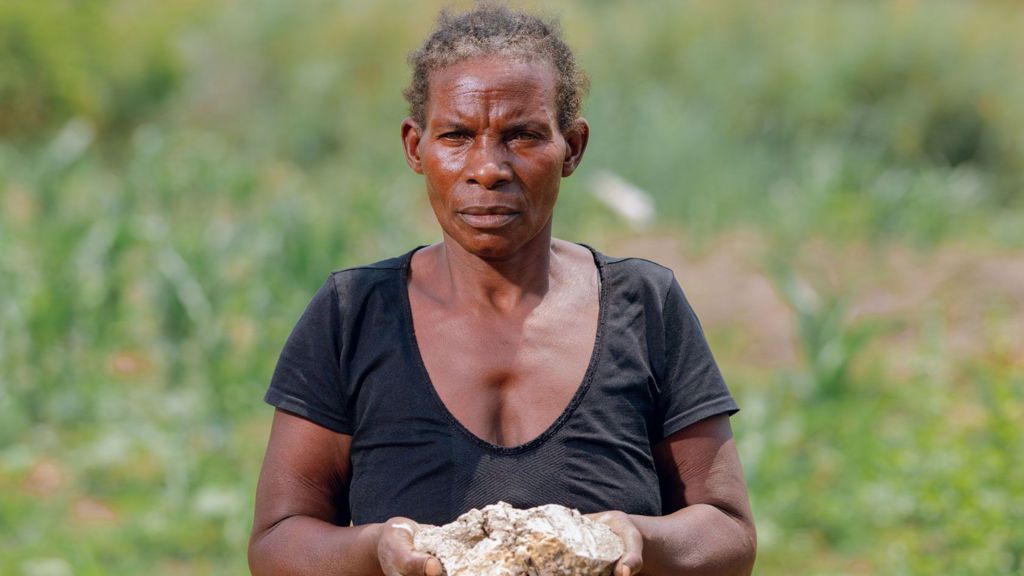
    A catastrophic dam failure at a Chinese-operated copper mine in Zambia’s Copperbelt Province has unleashed an environmental disaster with far-reaching consequences for both human health and diplomatic relations. The collapse of the tailings dam at Sino-Metals Leach Zambia—a subsidiary of a Chinese state-owned corporation—released between 50,000 to 1.5 million tonnes of toxic debris into surrounding waterways, according to conflicting government and environmental assessments.

    The toxic spill has contaminated Zambia’s longest river, the Kafue, a crucial drinking water source, while devastating local agriculture and fisheries. Heavy metals including arsenic, mercury, and lead have permeated farmland and water systems, creating immediate health risks and potential long-term ecological damage. Medical experts warn these contaminants can cause kidney damage, cancers, and gastrointestinal illnesses, with concerns that seasonal rains may distribute pollutants downstream toward the capital Lusaka.

    Despite Chinese embassy claims that pollution remained contained and water acidity normalized, local testimony reveals profound impacts. Farmers report complete crop failure and soil contamination, while fishermen describe aquatic ecosystems devoid of life. Affected communities describe worsening malnutrition, health complications, and economic devastation.

    The incident has triggered one of Zambia’s largest environmental lawsuits, with 176 farmers seeking $80 billion in damages from Sino Metals and NFC Africa. This legal action represents a critical test case for holding Chinese corporations accountable in Africa, where China maintains substantial economic influence through mineral extraction investments exceeding $1.7 billion in Zambia alone.

    Complex power dynamics underlie the crisis, with Zambia owing China approximately $5 billion in debt while simultaneously engaging with American diplomatic and economic overtures. This triangular relationship may empower Zambian authorities to demand greater accountability, according to regional analysts.

    Remediation efforts face significant challenges, with experts predicting complete environmental recovery could require over a decade. While Sino Metals has provided limited compensation to some households and promised restoration measures, implementation remains inconsistent. The Zambian government has mandated mitigation strategies including lime treatment and reforestation, but structural tensions between consultants and the mining company have delayed comprehensive cleanup operations.

    The disaster highlights broader tensions in China-Africa relations, where Chinese investment provides crucial employment and infrastructure while facing accusations of neocolonial practices, environmental negligence, and failure to develop local workforce capabilities. As Zambia navigates this crisis, its handling may signal a new era of African agency in negotiating with global superpowers.