分类: world

  • Search for missing flight MH370 to resume this month, Malaysia says

    Search for missing flight MH370 to resume this month, Malaysia says

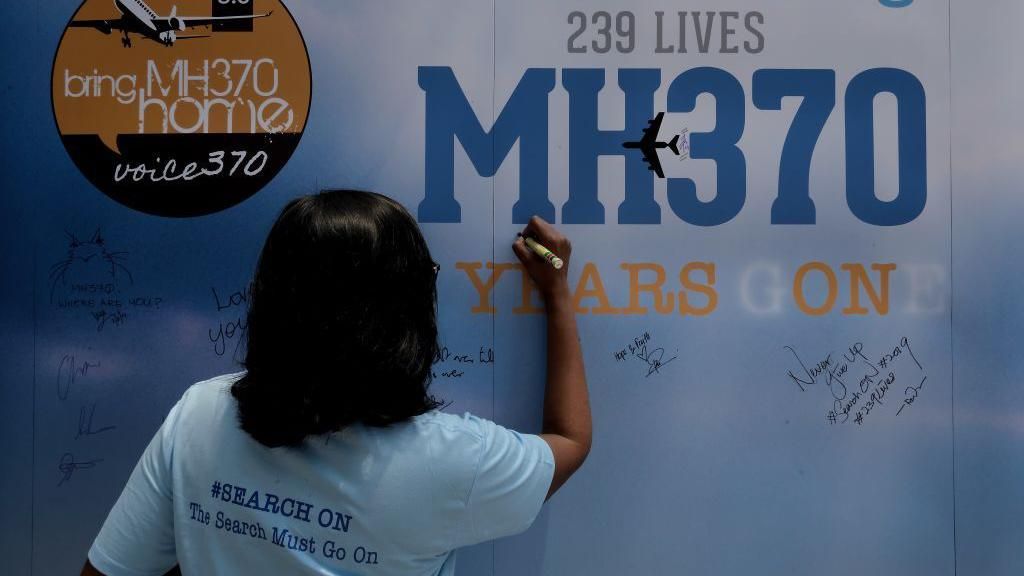
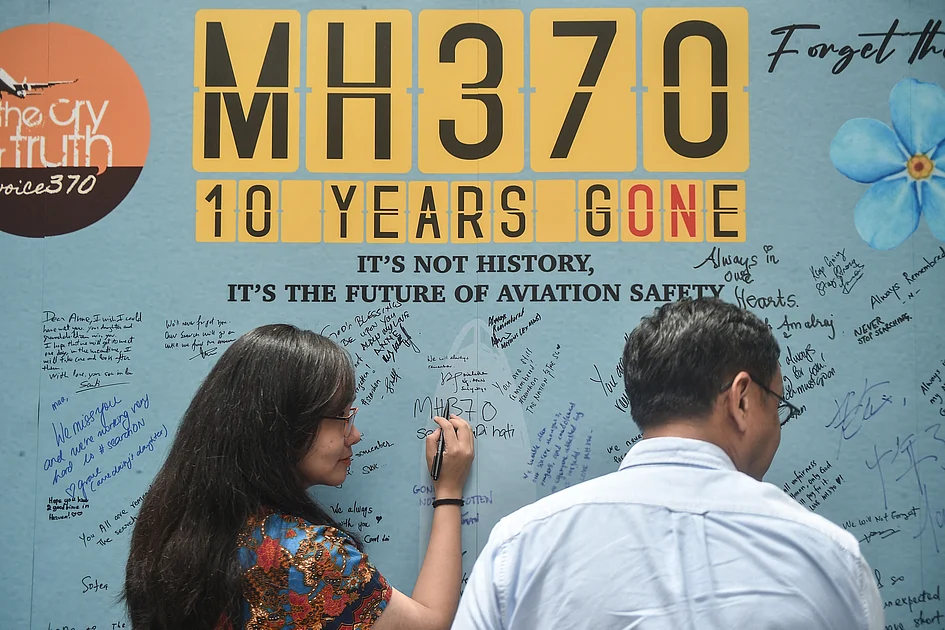
    Malaysian authorities have announced the imminent resumption of the search for Malaysia Airlines Flight MH370, scheduling operations to commence on December 30th. This development marks the latest chapter in what remains one of aviation’s most perplexing unsolved mysteries.

    The Transport Ministry of Malaysia confirmed that Ocean Infinity, a marine robotics company, will undertake renewed seabed exploration activities. The search mission is planned to span 55 days, though operations will be conducted intermittently to accommodate logistical considerations and potential weather challenges.

    This renewed effort follows a suspended search operation earlier this year in April, when adverse weather conditions in the southern Indian Ocean forced the temporary halt of investigative activities. The upcoming search represents continued determination to solve the disappearance that has baffled aviation experts and devastated families for over a decade.

    Flight MH370, operating a Boeing 777 aircraft, vanished during its scheduled flight from Kuala Lumpur to Beijing in March 2014. The aircraft was transporting 239 individuals comprising 227 passengers and 12 crew members when it disappeared from radar contact, triggering the most extensive and costly aviation search in history.

    The upcoming search operation demonstrates ongoing international commitment to resolving aviation mysteries and improving flight safety protocols worldwide. While previous searches have covered vast areas of the Indian Ocean, technological advancements and refined data analysis have created renewed optimism among investigators and family members of those lost.
  • Humanitarians answer Gaza Civil Defense call for help: UN

    Humanitarians answer Gaza Civil Defense call for help: UN

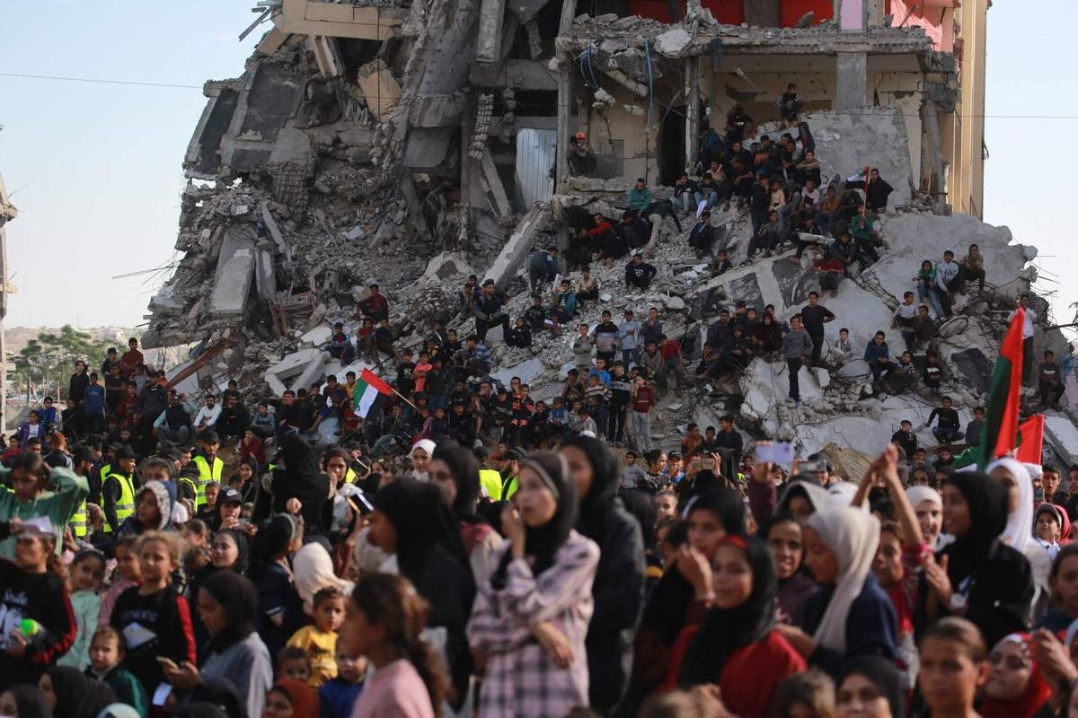
    United Nations humanitarian agencies have responded to emergency distress calls from Gaza’s Civil Defense teams, coordinating rescue operations for injured civilians in the Tufah neighborhood of Gaza City. This intervention comes amid persistent reports of Israeli military operations across all five governorates of the besieged territory.

    The UN Office for the Coordination of Humanitarian Affairs (OCHA) confirmed the rescue mission occurred Monday following an urgent request from local emergency services. While specific details regarding the nature of the emergency remain undisclosed, the operation highlights the critical role international organizations play in mitigating the ongoing humanitarian catastrophe.

    Concurrently, the World Health Organization has successfully facilitated the medical evacuation of 18 critically ill patients alongside 54 companions for overseas treatment. Despite these efforts, WHO officials report that over 16,500 patients still require life-saving medical care unavailable within Gaza’s decimated healthcare infrastructure.

    With winter conditions approaching, humanitarian organizations are intensifying efforts to distribute cold-weather essentials across the strip. Relief partners have already provided tens of thousands of vital items including winter clothing, footwear, blankets, and towels to vulnerable children and families over the past two months.

    OCHA has reiterated its urgent appeal for the opening of all available border crossings and transit corridors to enable patient transfers to the West Bank and facilitate unimpeded access for international emergency medical teams. The office also expressed growing concern about recent Israeli military operations in the northern West Bank governorates of Tubas and Jenin, where reports indicate significant civilian displacement, infrastructure destruction targeting water networks, and the closure of commercial establishments.

    Disturbingly, OCHA documentation reveals that nearly two dozen Palestinian families have been forcibly displaced from their homes in the past 48 hours alone, with their properties subsequently converted into military observation posts.

  • What to know about missing Malaysian Airlines Flight MH370 as search resumes

    What to know about missing Malaysian Airlines Flight MH370 as search resumes

    KUALA LUMPUR, Malaysia — A renewed search operation for Malaysia Airlines Flight MH370, which vanished over a decade ago in one of aviation’s most perplexing mysteries, is set to recommence on December 30. The Malaysian government has authorized American marine robotics firm Ocean Infinity to conduct a final 55-day seabed exploration in a last-ditch effort to locate the missing aircraft.

    The Boeing 777 disappeared on March 8, 2014, during its routine flight from Kuala Lumpur to Beijing with 239 passengers and crew aboard. The final communication from the cockpit—’Good night, Malaysian Three Seven Zero’—marked the last verified contact before the aircraft veered off course, disabled its transponder, and ultimately vanished from radar systems.

    Previous multinational search efforts, constituting the most extensive underwater operation in aviation history, scoured approximately 120,000 square kilometers of the southern Indian Ocean between 2014 and 2018. Despite these monumental efforts, only minimal debris fragments—discovered along African coastlines years later—provided tangible evidence of the aircraft’s fate.

    The new search parameters will focus on a targeted 15,000-square-kilometer zone identified through advanced drift analysis and satellite data re-examinations. Ocean Infinity will operate under a ‘no-find, no-fee’ arrangement, with a $70 million compensation package contingent upon successful wreckage discovery. The company has deployed cutting-edge autonomous underwater vehicles and collaborated with oceanographic experts to refine search coordinates.

    Numerous theories continue to circulate regarding the aircraft’s disappearance, ranging from mechanical failure and onboard fire to deliberate human intervention. Malaysian investigators previously eliminated crew and passenger involvement but acknowledged potential ‘unlawful interference’ in their 2018 final report.

    The passenger manifest represented 14 nationalities, with Chinese citizens comprising the majority. Among those lost were technology professionals, artists, and families traveling with young children, creating a multinational tragedy that captured global attention.

    Ocean Infinity’s previous search attempt in April was postponed due to adverse weather conditions. The upcoming operation will employ intermittent search patterns across what experts believe represents the most probable crash site location, leveraging technological advancements unavailable during initial search phases.

  • Deadly floods in Indonesia, Sri Lanka, Thailand and Malaysia kill more than 1,400 people

    Deadly floods in Indonesia, Sri Lanka, Thailand and Malaysia kill more than 1,400 people

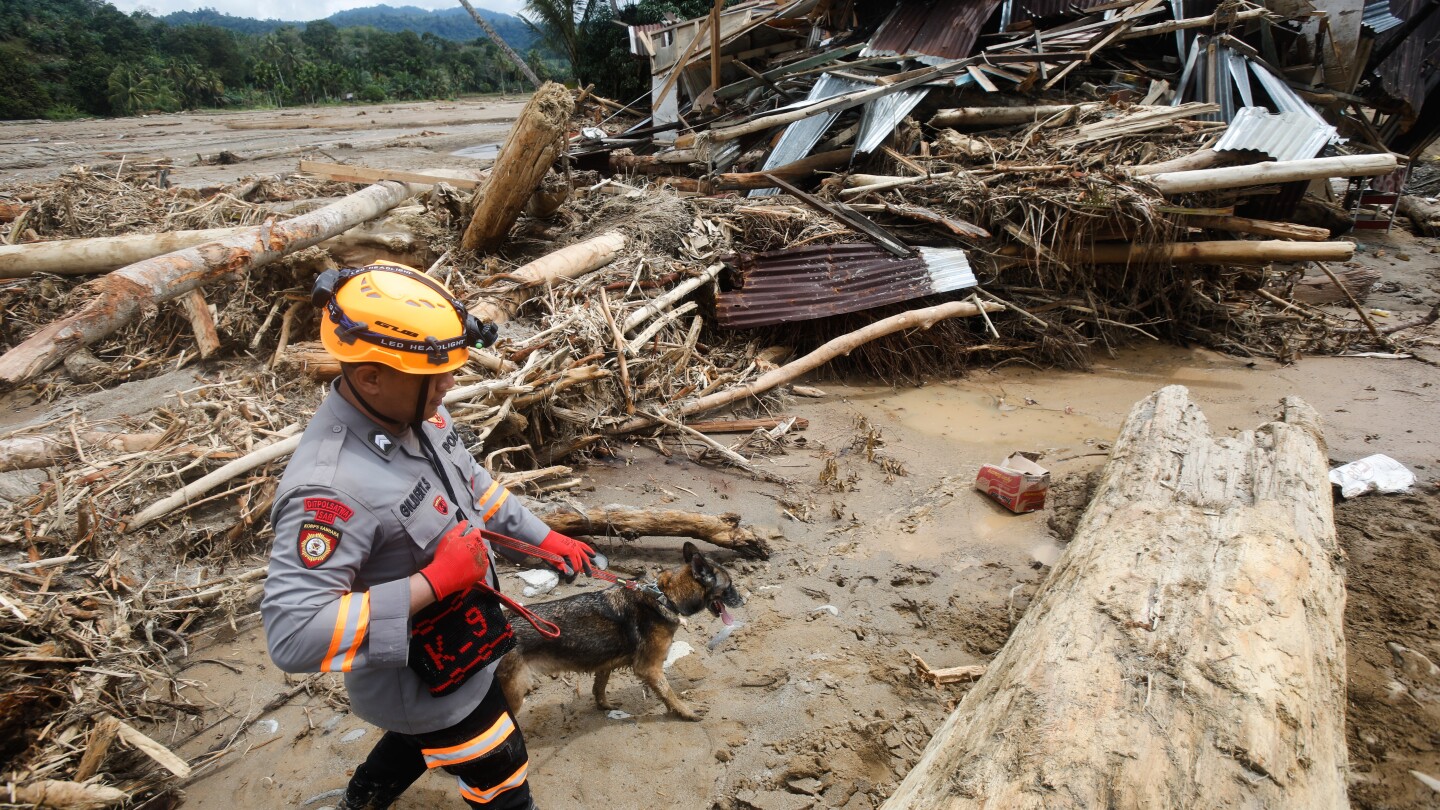
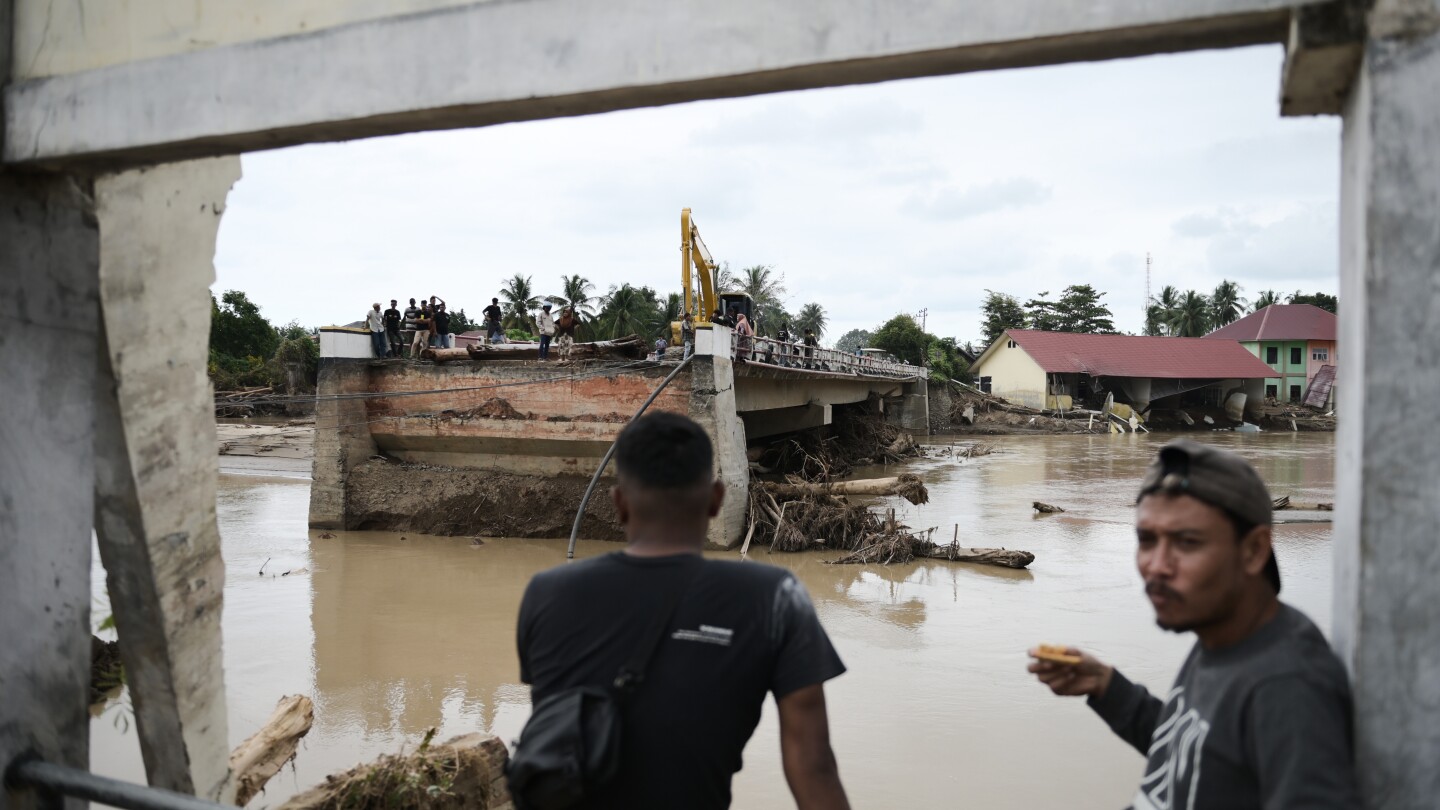
    A series of devastating floods and landslides triggered by unprecedented rainfall has plunged multiple Southeast Asian nations into crisis, with the collective death toll surpassing 1,400 across Indonesia, Sri Lanka, Thailand, and Malaysia. The catastrophe has not only resulted in massive human casualties but has also exposed profound economic disparities influencing regional disaster response capabilities.

    Indonesia remains the epicenter of the tragedy, reporting a staggering 753 fatalities. Rescue operations face immense challenges as washed-out roads, collapsed bridges, and persistent landslides hinder access to isolated communities in the hardest-hit provinces of North Sumatra, West Sumatra, and Aceh. With approximately 650 individuals still missing and over 1.5 million residents displaced, the National Disaster Management Agency is racing against time amid ongoing power and telecommunications outages. The government has deployed three hospital ships to assist overwhelmed local medical facilities, where approximately 2,600 injured are receiving treatment.

    While Indonesian President Prabowo Subianto has visited affected areas and pledged reconstruction support, his administration has notably refrained from declaring a national emergency or formally seeking international assistance. This stands in contrast to Sri Lanka, where President Anura Kumara Dissanayake has actively engaged diplomatic channels for support.

    The disaster has laid bare stark contrasts in national recovery capacities. Middle-income economies like Indonesia and Thailand have demonstrated stronger fiscal capabilities, mobilizing extensive rescue operations, deploying military assets, and channeling emergency funds. Thailand’s government spokesperson announced the successful restoration of utilities in most southern regions and the disbursement of over $31 million in compensation to affected households.

    Conversely, Sri Lanka, still recovering from a severe economic crisis, faces significantly constrained conditions. With limited resources, foreign exchange shortages, and weakened public services, the island nation’s disaster response remains heavily reliant on external support. Prime Minister Harini Amarasuriya has urgently appealed to international diplomats for relief and reconstruction assistance. The flooding is expected to severely impact Sri Lanka’s economic stability, particularly affecting rice-growing regions and vegetable suppliers, potentially forcing the depletion of scarce foreign currency reserves despite being under an International Monetary Fund bailout program.

    The international community has begun responding with India, Pakistan, and the United Arab Emirates launching relief efforts, while other nations have pledged additional support for the region’s recovery.

  • Myanmar opium cultivation hit highest level in a decade, UN report says

    Myanmar opium cultivation hit highest level in a decade, UN report says

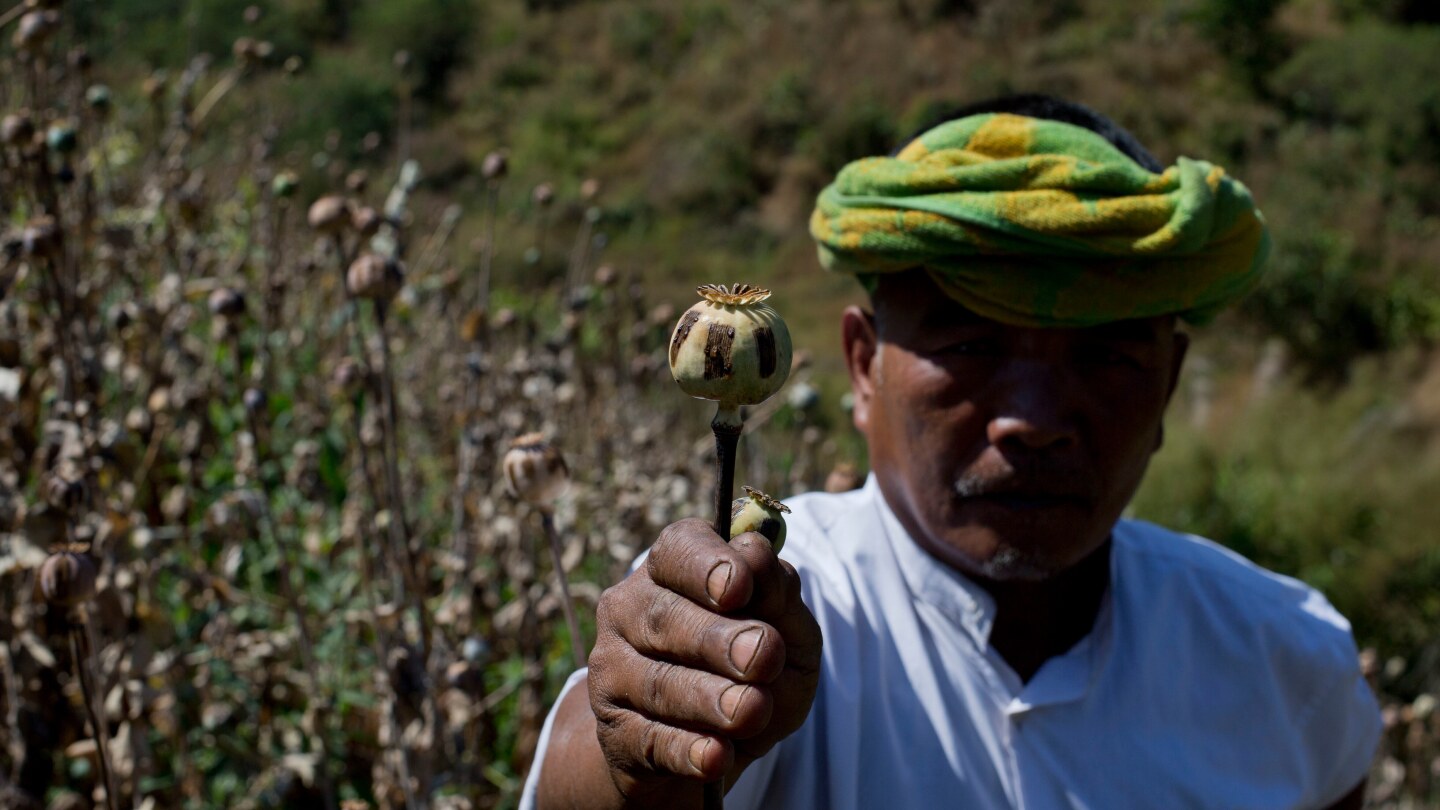
    Myanmar has witnessed a dramatic surge in opium poppy cultivation, reaching its highest level in ten years according to the United Nations Office on Drugs and Crime (UNODC). The 2025 Myanmar Opium Survey reveals cultivation areas expanded by 17% to 53,100 hectares (131,212 acres), solidifying the nation’s position as the world’s primary source of illicit opium following production declines in Afghanistan.

    The report identifies Myanmar’s ongoing civil war, widespread poverty, and economic instability as key drivers behind this expansion. Since the military ousted Aung San Suu Kyi’s elected government in February 2021, farmers have increasingly turned to poppy cultivation as a means of survival. The conflict has created conditions where illicit drug production thrives, with the opium economy now estimated at $641 million to $1.05 billion—representing approximately 0.9% to 1.4% of the country’s 2024 GDP.

    Economic factors have significantly contributed to this growth, with fresh opium prices more than doubling from $145 per kilogram in 2019 to approximately $329 per kilogram currently. Despite a 13% decrease in average yields due to intensifying conflict in some regions, overall production still increased by 1% to about 1,010 metric tons (1,113 tons).

    UNODC Representative for Southeast Asia and the Pacific Delphine Schantz described Myanmar as being at a “critical moment,” noting that “this major expansion in cultivation shows the extent to which the opium economy has re-established itself over the past years—and points to potential further growth in the future.”

    The survey also revealed emerging trends in international drug trafficking, with evidence suggesting Myanmar-sourced heroin is beginning to reach European markets previously supplied by Afghanistan. Several seizures involving passengers traveling from Southeast Asia to Europe indicate growing demand beyond the region to fill the void left by Afghanistan’s production collapse under the Taliban’s ban.

    Myanmar additionally maintains its status as the world’s largest methamphetamine producer, with the synthetic drug being distributed across Asia and the Pacific through various transportation routes. The northeastern region of Myanmar, part of the infamous “Golden Triangle” where Myanmar, Laos, and Thailand converge, continues to be a hub for illicit drug production due to limited government control and the presence of ethnic minority militias involved in the drug trade.

    Schantz emphasized the cyclical nature of the problem, stating: “Driven by the intensifying conflict, the need to survive and the lure of rising prices, farmers are drawn to poppy cultivation. Unless viable alternative livelihoods are created, the cycle of poverty and dependence on illicit cultivation will only deepen.”

  • Deadly conflict in the Sahel sends herders fleeing to Africa’s coastal cities

    Deadly conflict in the Sahel sends herders fleeing to Africa’s coastal cities

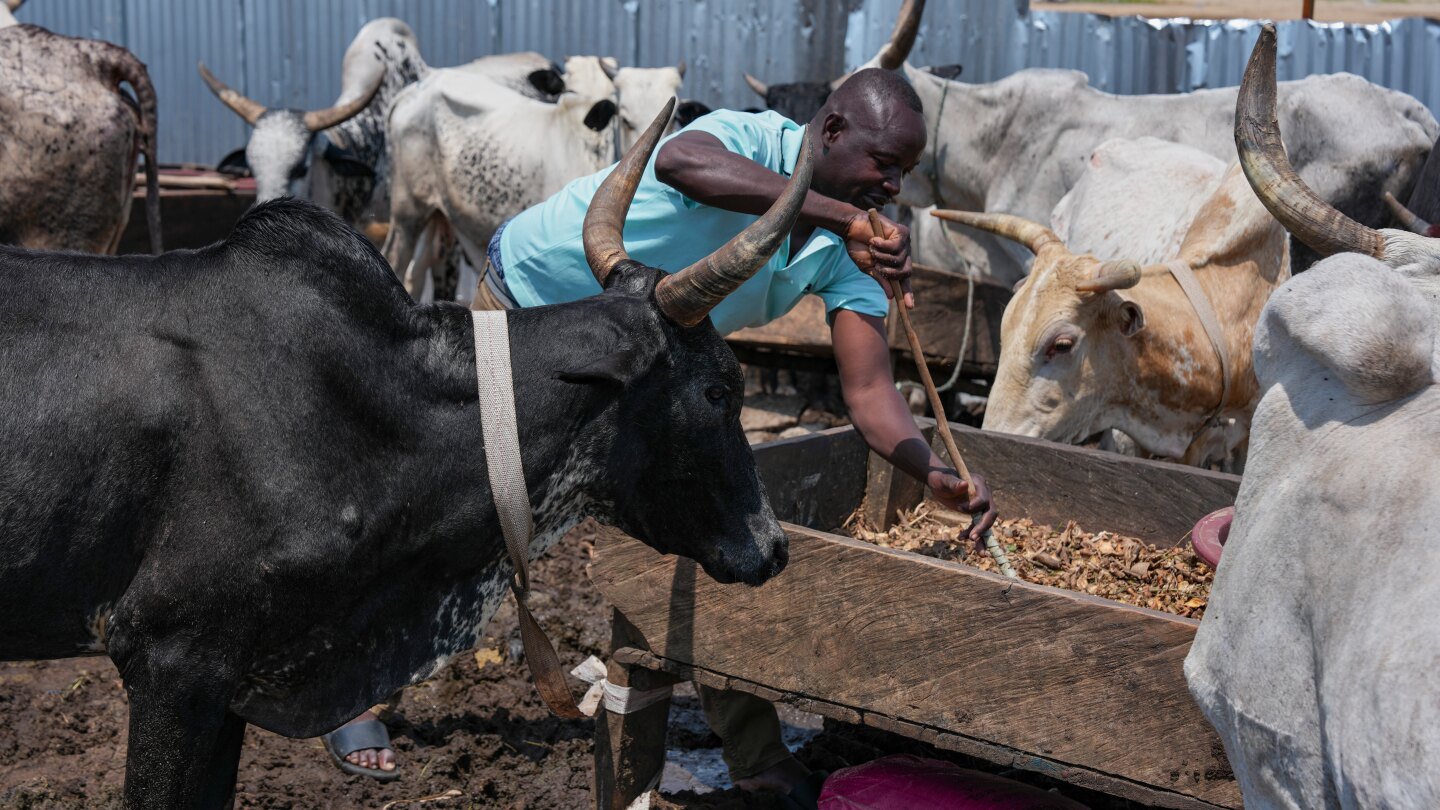
    ABIDJAN, Ivory Coast — For generations, Nouhoun Sidibè’s family identity was intertwined with pastoral life in northern Burkina Faso. That legacy shattered in 2020 when armed militants stormed his home, seizing his entire livestock inventory within minutes. The 49-year-old father of four suddenly joined thousands of displaced herders across Africa’s Sahel region—a vast semi-arid territory south of the Sahara desert experiencing escalating violence.

    For three subsequent years, Sidibè wandered through Burkina Faso seeking employment in a nation grappling with intensified attacks from armed factions, including al-Qaida affiliates. Finding no sustainable work, he eventually crossed into neighboring Ivory Coast in 2023. Now residing in a cramped, amenity-deficient settlement on Abidjan’s swampy outskirts, he assists cattle merchants with vaccinations—a stark departure from his former leadership role.

    “I feel profoundly disoriented. I was a community leader; now I labor for others,” Sidibè confessed to The Associated Press, embodying the identity crisis facing nomadic pastoralists compelled to abandon their traditions.

    This migration surge reflects the Sahel’s expanding security deterioration, which originated in Mali’s 2012 uprising and subsequently engulfed Burkina Faso and Niger. Ivory Coast—a regional economic hub with relative stability—has become a primary destination for those fleeing violence. UNICEF data reveals over 72,000 individuals sought refuge here from Mali and Burkina Faso between January and March 2024 alone, dramatically exceeding previous migration figures.

    Security analysts indicate armed groups systematically target herders to finance operations and dominate territories. Many displaced are ethnic Fulani Muslims, frequently accused of militant sympathies despite also suffering attacks. “A Fulani without cattle loses his fundamental identity,” explained Amadou Sonde, director of Burkinabè Fulani Associations in Ivory Coast, who assists newcomers finding urban employment.

    Academic researchers note some pastoralists transition into real estate or commerce, but most struggle with urbanization’s challenges. Tanané Ibrahim, who fled Burkina Faso after militants confiscated even his poultry, described urban adaptation difficulties: “Cities demand exhausting labor for minimal wages. After expenses, nothing remains.”

    With military juntas in Sahel nations increasingly overwhelmed by multifront assaults, experts foresee prolonged displacement. “This crisis shows no imminent resolution,” affirmed Oluwole Ojewale, conflict specialist at the Institute of Security Studies. For Sidibè and thousands like him, the pastoral freedom they cherished remains an unrecoverable memory.

  • Search for long-missing Malaysia Airlines flight MH370 to resume

    Search for long-missing Malaysia Airlines flight MH370 to resume

    Malaysian authorities have announced the recommencement of the search for Malaysia Airlines Flight MH370, setting December 30 as the launch date for a renewed 55-day operation. This development marks the latest chapter in what remains aviation’s most perplexing disappearance, originating from the aircraft’s vanishing in March 2014 with 239 passengers and crew aboard.

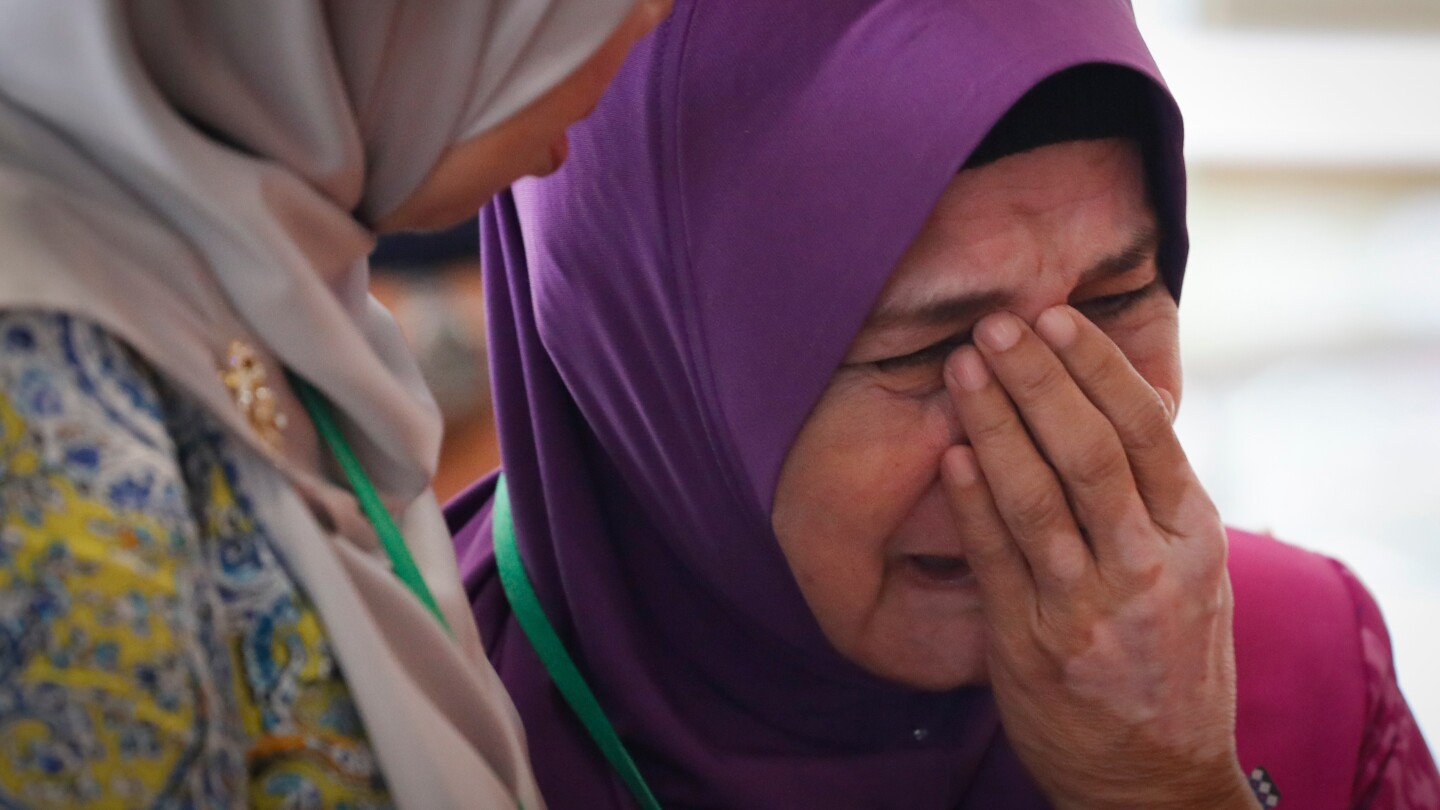
    The transport ministry emphasized Malaysia’s unwavering dedication to delivering closure for affected families, acknowledging the profound and enduring grief that has persisted over the past decade. The upcoming search operation, led by marine exploration specialist Ocean Infinity, operates under a performance-based contractual arrangement where the firm will receive $70 million exclusively upon successful wreckage discovery.

    This renewed initiative follows a previously attempted search in March that encountered immediate suspension due to adverse weather conditions. Historical efforts include an extensive multinational operation spanning 2014-2017 that deployed 60 vessels and 50 aircraft from 26 nations, followed by Ocean Infinity’s independent three-month search in 2018, both concluding without definitive results.

    Flight MH370’s disappearance occurred less than sixty minutes after its departure from Kuala Lumpur en route to Beijing, with subsequent radar tracking indicating a significant deviation from the planned flight path. The 2018 official investigation suggested deliberate manipulation of aircraft controls but stopped short of determining causation, maintaining that only physical evidence could provide conclusive answers.

    The decade-long mystery has generated extensive conspiracy theories ranging from pilot suicide to hijacking scenarios, while simultaneously representing an enduring source of anguish for families awaiting resolution. The upcoming search signifies both technological advancement in marine exploration and persistent global commitment to solving aviation’s most compelling mystery.

  • Deadly Asian floods are no fluke. They’re a climate warning, scientists say

    Deadly Asian floods are no fluke. They’re a climate warning, scientists say

    Southeast Asia is experiencing catastrophic flooding of historic proportions, with climate scientists confirming these devastating events represent a dangerous new normal rather than anomalous weather patterns. The region has recorded over 1,200 fatalities across Indonesia, Sri Lanka, and Thailand, with more than 800 individuals still missing following relentless rains and landslides that have overwhelmed national response capabilities.

    Climate scientists point to alarming environmental triggers that set the stage for 2025’s extreme weather. Atmospheric carbon dioxide levels surged by the largest margin ever documented in 2024, creating what the UN’s World Meteorological Organization describes as a ‘turbocharged’ climate system. Asia is warming at nearly double the global average rate, resulting in stronger, wetter storms with increased frequency and unpredictability.

    The human toll is staggering: entire villages in Indonesia remain isolated after critical infrastructure was destroyed, thousands in Sri Lanka lack access to clean water, and Thailand’s leadership has publicly acknowledged deficiencies in their emergency response. Malaysia continues recovery efforts from its worst flooding in recent memory, which claimed three lives and displaced thousands. Vietnam and the Philippines have endured a year of consecutive destructive storms that have left hundreds dead.

    Professor Benjamin Horton of City University Hong Kong explains the scientific mechanisms: ‘Warmer ocean temperatures provide enhanced energy for storm formation while rising sea levels amplify storm surges. Although total storm numbers may not increase dramatically, their severity and unpredictability certainly will.’

    The region’s disaster preparedness systems have proven inadequate against these climate-fueled catastrophes. Aslam Perwaiz of the Asian Disaster Preparedness Center notes that governments traditionally prioritize disaster response over proactive preparation, leaving them vulnerable to increasingly unpredictable weather patterns. Unregulated development and ecosystem degradation have exacerbated flooding impacts, with deforestation particularly concerning in Indonesia where affected provinces have lost forest coverage exceeding New Jersey’s size since 2000.

    The economic consequences are devastating. Vietnam estimates $3 billion in losses from natural disasters during the first eleven months of 2025, while Thailand’s agricultural sector alone suffered approximately $47 million in damages since August. Southern Thailand’s November flooding caused an estimated $781 million in losses, potentially reducing national GDP by 0.1%.

    Despite contributing minimally to global carbon emissions, Southeast Asian nations bear disproportionate climate impacts while struggling with limited financial resources. At the recent COP30 conference in Brazil, countries pledged to triple climate adaptation funding and make $1.3 trillion in annual climate financing available by 2035—commitments that remain insufficient compared to developing nations’ needs and uncertain in their implementation.

    As Southeast Asia stands at a climate crossroads, expanding renewable energy while maintaining fossil fuel dependence, communities face the harsh reality that extreme weather has become their permanent reality.

  • Amnesty accuses Sudanese paramilitary of war crimes in assault on refugee camp

    Amnesty accuses Sudanese paramilitary of war crimes in assault on refugee camp

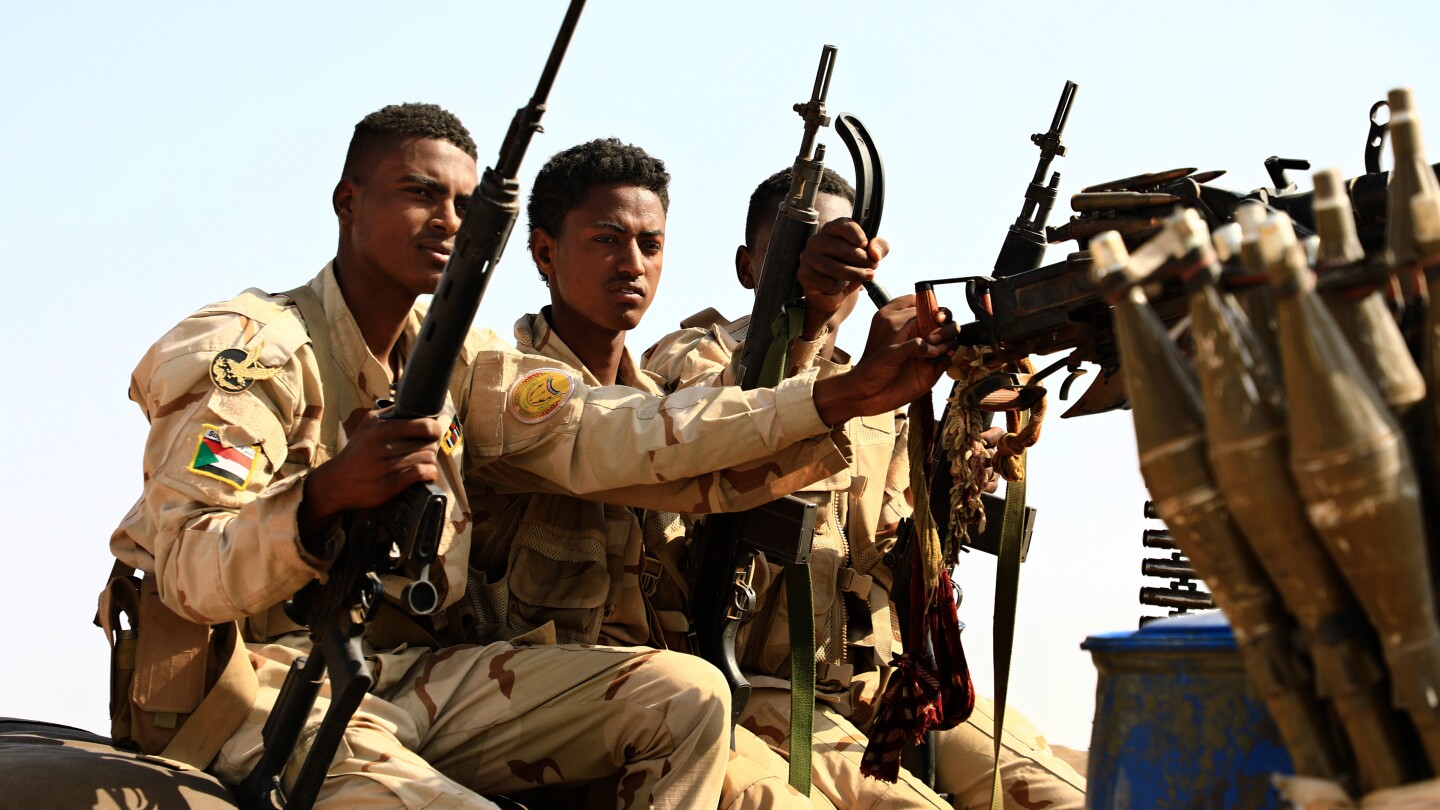
    Amnesty International has issued a damning report documenting systematic war crimes committed by Sudan’s Rapid Support Forces (RSF) during their April assault on Zamzam camp, the nation’s largest displacement settlement in the Darfur region. The comprehensive investigation reveals a pattern of atrocities including civilian executions, hostage-taking, and the deliberate destruction of essential infrastructure including mosques, schools, and medical facilities.

    The paramilitary group’s multi-day offensive on the camp, situated near el-Fasher—North Darfur’s provincial capital which subsequently fell to RSF control in October—represents what Amnesty describes as a sustained campaign targeting vulnerable populations. According to eyewitness accounts compiled by the organization, RSF fighters engaged in indiscriminate shooting in populated areas, sexual violence against women and girls, and the widespread burning of residential structures and markets.

    The attack, which occurred on April 11-12, effectively emptied the two-decade-old camp that had provided sanctuary to approximately 500,000 people originally displaced by earlier conflicts. Survivors recounted harrowing details to investigators, including the targeted killing of 47 individuals who had sought refuge in homes, clinics, and places of worship. One shell reportedly struck near a mosque during wedding ceremonies, causing multiple casualties.

    This incident occurs within the broader context of Sudan’s devastating 30-month civil war between the RSF and national military forces, which has claimed an estimated 40,000 lives and created the world’s most severe humanitarian crisis with over 14 million displaced. Both sides face allegations of atrocities, though the RSF—which evolved from the notorious Janjaweed militias responsible for early 2000s genocide in Darfur—faces particular international scrutiny.

    Amnesty Secretary-General Agnès Callamard condemned the ‘horrific and deliberate assault on desperate, hungry civilians,’ while simultaneously criticizing the United Arab Emirates for its alleged material support to the RSF. The UAE has consistently denied arms transfer accusations.

    International response continues to intensify, with the U.S. government accusing the RSF of genocide in Darfur and the International Criminal Court conducting active investigations into suspected war crimes throughout the conflict.

  • Indonesia to repatriate two Dutch men, including one on death row

    Indonesia to repatriate two Dutch men, including one on death row

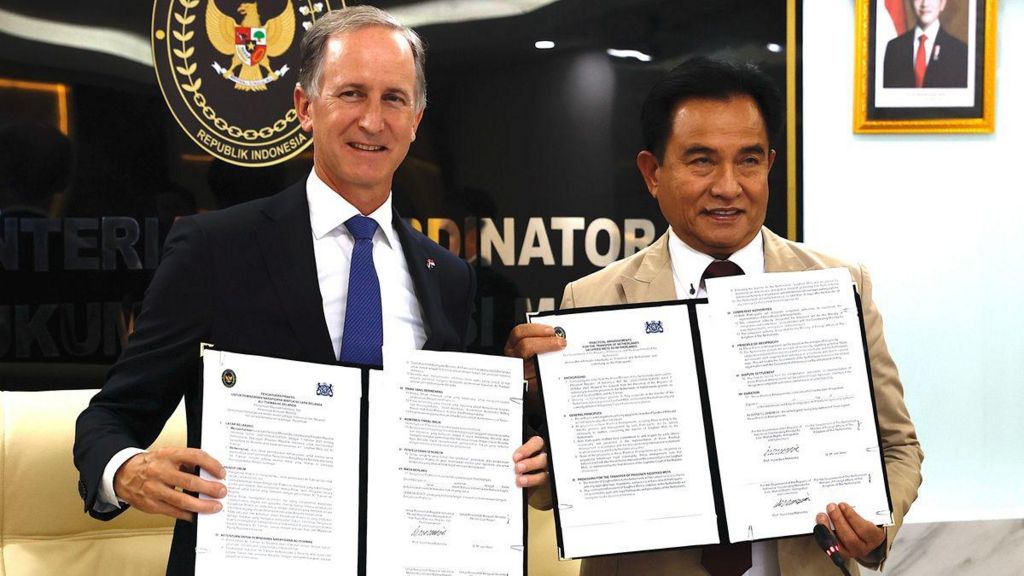
    In a significant diplomatic development, Indonesia and the Netherlands have formalized an agreement facilitating the repatriation of two elderly Dutch nationals incarcerated for drug-related offenses. The arrangement, signed on Tuesday in Jakarta, underscores a growing pattern of humanitarian transfers from Indonesia’s penal system.

    Seventy-four-year-old Siegfried Mets, who faced execution following his 2008 conviction for smuggling 600,000 ecstasy tablets, and 65-year-old Ali Tokman, originally sentenced to death in 2015 for trafficking 6kg of MDMA before receiving life imprisonment, will be transferred to Dutch custody. Both individuals have been experiencing deteriorating health conditions, which formed the central justification for their transfer.

    The signing ceremony featured virtual participation from Dutch Foreign Minister David van Weel, while Indonesian Coordinating Minister for Law and Human Rights Yusril Ihza Mahendra represented the host nation. Marc Gerritsen, Netherlands Ambassador to Indonesia, expressed profound gratitude for Indonesia’s decision to allow the prisoners to spend their remaining years nearer to family members.

    Indonesian authorities confirmed the prisoners’ scheduled departure to Amsterdam on December 8, with their future legal status now falling under Dutch jurisdiction. This transfer follows Indonesia’s October approval of the repatriation request, which the Dutch government formally submitted citing compelling humanitarian considerations.

    This case represents part of a broader trend wherein Indonesia has permitted the return of foreign nationals convicted of serious drug crimes. Recent months have seen similar repatriations involving British and French citizens, including 69-year-old Lindsay Sandiford, whose death sentence in Bali garnered international attention, and Serge Atlaoui, returned to France in February after nearly two decades on death row.

    According to Indonesia’s Law Ministry, approximately 500 prisoners currently await execution nationwide, with drug offenses constituting a substantial proportion of capital cases. The repatriation agreement specifically addresses two of the five Dutch citizens serving criminal sentences in Indonesian facilities.