分类: world

  • ID of Thai agricultural worker’s remains leaves 1 final hostage in Gaza

    ID of Thai agricultural worker’s remains leaves 1 final hostage in Gaza

    In a significant development within the ongoing ceasefire agreement, militants in Gaza have returned the remains of Sudthisak Rinthalak, a 42-year-old Thai agricultural worker, to Israeli authorities. This transfer, confirmed by both Israeli and Thai officials on Thursday, marks a pivotal step in the hostage repatriation process, leaving only one Israeli hostage’s remains yet to be returned under the current deal.

    Rinthalak was employed at Kibbutz Be’eri, a community devastated during the Hamas-led incursion into southern Israel on October 7, 2023. Israeli officials stated he was killed during the initial attack, and his body was subsequently taken by the militant group Islamic Jihad. He was officially declared dead on May 16, 2024. His remains were handed over on Wednesday, following a previous transfer where the remains did not match the last two hostages.

    The Thai Foreign Ministry, through spokesperson Nikorndej Balankura, confirmed that Rinthalak’s family has been notified. The ministry extended gratitude to the Israeli government for its assistance, which has now led to the resolution of all 31 Thai nationals taken hostage at the war’s outset. The fate of these individuals is now clear: 28 were returned alive, while three, including Rinthalak, were confirmed deceased. Tragically, beyond the hostages, the Thai Foreign Ministry also reports that 46 Thai citizens have been killed during the conflict, highlighting the severe impact on foreign workers in the region.

    The sole remaining hostage whose remains are outstanding is identified as Israeli police officer Ran Gvili. Officials noted that Gvili heroically assisted in evacuations during the Nova music festival attack before being killed in a subsequent engagement.

    Since the U.S.-brokered ceasefire commenced on October 10, a total of 20 living hostages and the remains of 27 others have been repatriated to Israel. In a reciprocal measure, Israel has released the bodies of hundreds of Palestinians back to Gaza, though many remain unidentified. This exchange is a cornerstone of the ceasefire’s first phase, a agreement that both sides have accused the other of violating. The broader context of the war, ignited by the October 7th attack that killed approximately 1,200 people and saw over 250 taken hostage, continues to cast a long shadow. While nearly all hostages or their remains have been returned through various deals, the human cost is staggering. The Hamas-run Gaza Health Ministry, whose data is generally considered reliable by international observers, reports the Palestinian death toll has surpassed 70,100, a number that continues to climb due to ongoing Israeli strikes in response to alleged truce violations and the recovery of victims from earlier stages of the conflict.
  • Oman helps free Filipino, Indian, Russian crew of Eternity C from Houthis

    Oman helps free Filipino, Indian, Russian crew of Eternity C from Houthis

    In a significant humanitarian breakthrough, Oman has successfully negotiated the liberation of eleven seafarers from the sunken cargo vessel Eternity C, who had been detained by Houthi forces in Yemen. The multinational crew—comprising nine Filipino nationals, one Indian, and one Russian—was transported via Omani Royal Air Force aircraft from Sana’a to Muscat on Wednesday, marking the culmination of a complex diplomatic effort.

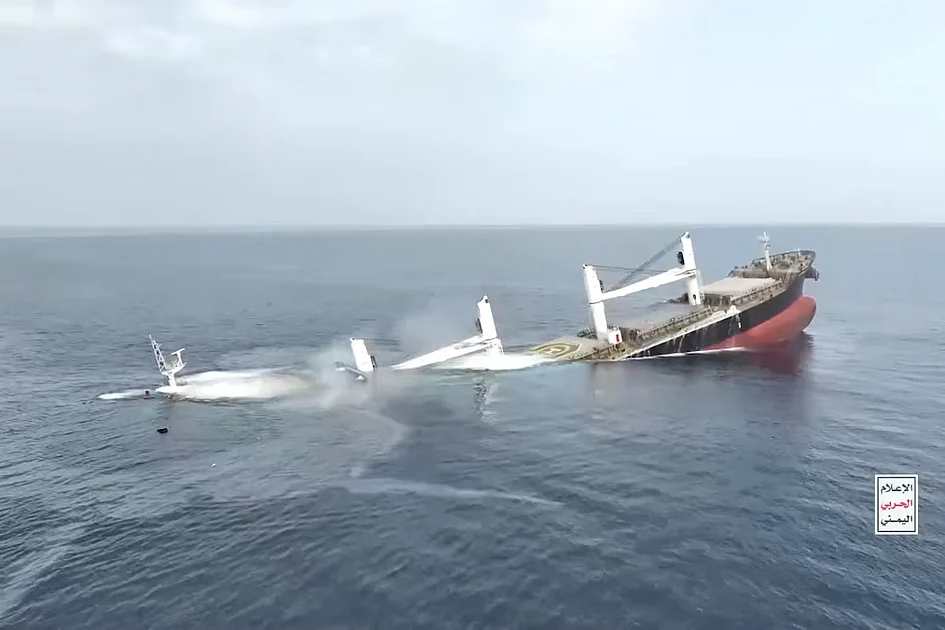
    The Liberia-flagged, Greek-operated Eternity C met its fate in July after sustaining repeated assaults from Houthi militants employing sea drones and rocket-propelled grenades in the Red Sea. Following the attack, crew members were initially rescued from the waters but were subsequently taken into custody by the Iranian-backed group, with one security guard reportedly among those held.

    Oman’s Foreign Ministry formally confirmed the operation, stating its humanitarian efforts valued the cooperation of all relevant parties involved. The development comes after the U.S. Mission in Yemen had previously characterized the seafarers’ detention as a kidnapping and demanded their unconditional release.

    This incident revives concerns about maritime security in critical Red Sea shipping lanes, where Houthi forces conducted over 100 vessel attacks between November 2023 and December 2024. The group claims these operations represent solidarity with Palestinians amid the Gaza conflict. Just days prior to the Eternity C incident, another vessel, the Magic Seas, was similarly targeted, though its entire crew was successfully rescued before the ship foundered.

    The freed crew members are expected to receive necessary support in Oman before their eventual repatriation to their respective home countries.

  • UAE: New GCC civil aviation authority to be headquartered in Emirates

    UAE: New GCC civil aviation authority to be headquartered in Emirates

    In a landmark decision during the 46th GCC Summit in Bahrain on December 3, 2025, member states unanimously approved the creation of a Gulf-wide civil aviation authority. The new regulatory body will be headquartered in the United Arab Emirates, marking a significant step toward regional integration. This strategic move aims to streamline aviation operations across the Gulf Cooperation Council nations while enhancing regulatory coherence and operational efficiency. The initiative aligns with the Summit’s broader objectives of strengthening ties between Saudi Arabia, UAE, Oman, Qatar, Kuwait, and Bahrain through improved connectivity and collaborative governance. Concurrently, leaders endorsed a comprehensive framework for the GCC Railway project, targeting full operational connectivity between all six nations by 2026. This rail network promises to revolutionize regional travel by significantly reducing transit times and facilitating cross-border mobility. The summit also highlighted progress on the ‘one-stop’ travel system, currently in pilot phase between UAE and Bahrain, which consolidates immigration, customs, and security checks at single checkpoints. This system, when fully implemented, will eliminate redundant inspections and create seamless travel experiences for Gulf citizens. These developments represent the most substantial infrastructure integration efforts in the GCC’s history, potentially transforming economic and social exchanges across the Arabian Peninsula.

  • Yemen’s UAE-backed STC seizes control of city in Hadhramaut offensive

    Yemen’s UAE-backed STC seizes control of city in Hadhramaut offensive

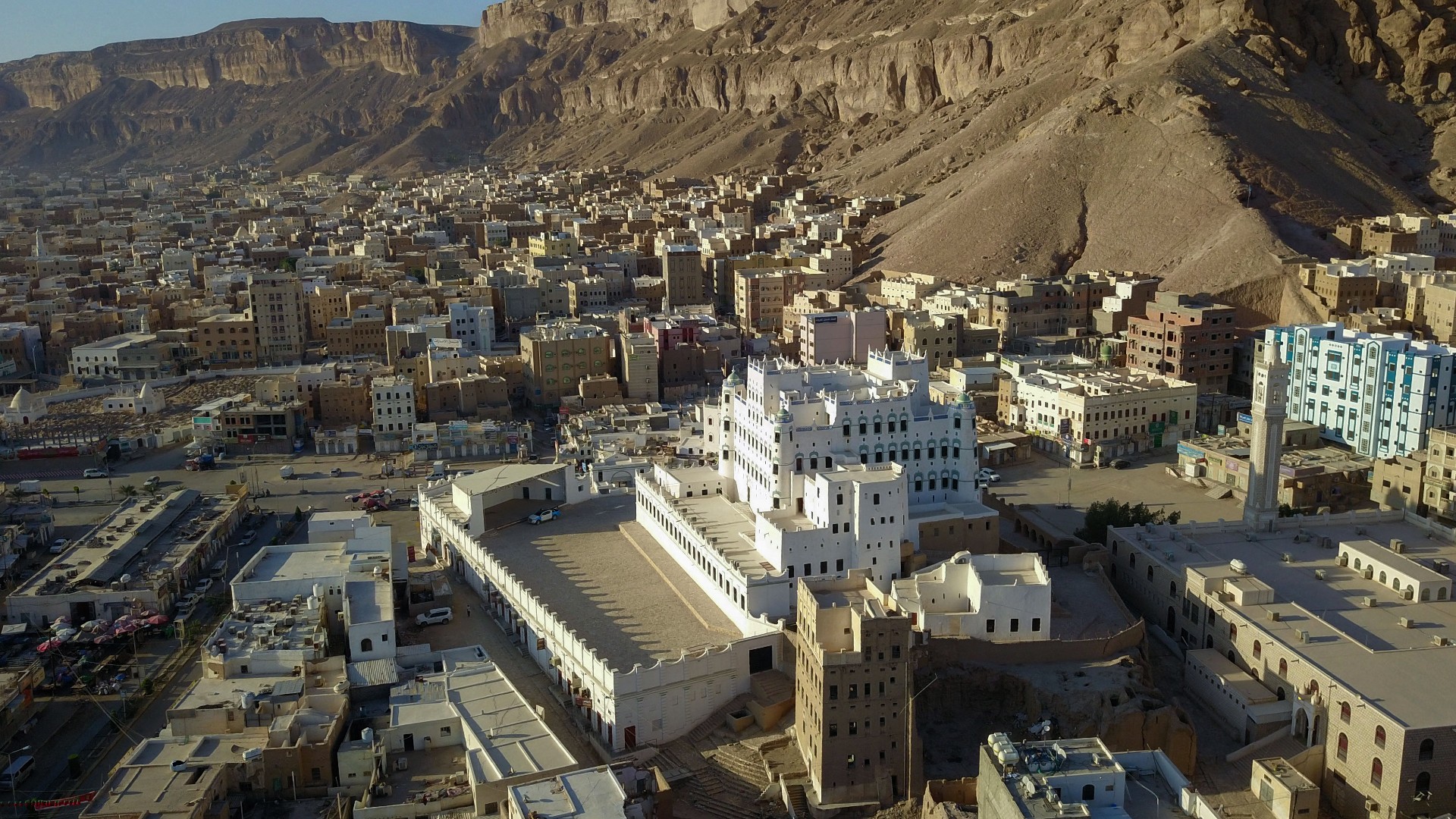
    In a significant escalation of Yemen’s complex civil war, forces aligned with the UAE-supported Southern Transitional Council (STC) have successfully captured Seiyun, a major urban center in Yemen’s resource-rich Hadhramaut province. The military advance, part of an operation dubbed “The Promising Future,” has heightened tensions between Emirati-backed and Saudi-supported factions within southern Yemen.

    Geopolitical analysts identify Hadhramaut as a critically strategic prize, constituting approximately one-third of Yemen’s territory and containing an estimated 80% of the nation’s limited oil reserves. The STC-aligned Hadrami Elite Forces, spearheading the offensive, have openly threatened the Saudi-backed Hadramout Tribes Alliance, accusing them of advancing “foreign agendas” that undermine southern Yemen’s independence aspirations.

    Commander Abu Ali al-Hadrami of the Elite Forces declared his troops would not “stand idly by while attempts are made to impose a new reality in Hadramout by force.” This provocation prompted a stern response from Sheikh Amr bin Habrish, leader of the tribal coalition, who vowed to resist any “foreign or non-local military presence in Hadhramout” with armed force.

    The confrontation turned violent on Wednesday as STC forces clashed with regional troops affiliated with Yemen’s Presidential Leadership Council at Seiyun’s presidential palace and international airport, resulting in at least three fatalities. Meanwhile, Yemen’s primary oil producer, PetroMasila, suspended operations after armed tribesmen entered its facilities.

    International observers report concerning evidence of external military support, with STC forces utilizing UAE-supplied artillery systems and armored vehicles. Intelligence sources suggest an Emirati-orchestrated strategy to secure Hadhramaut’s oil fields and critical supply routes connecting to the Saudi border, further complicating the already fragmented conflict landscape.

  • Turkey to drill for oil off Somalia coast by 2026

    Turkey to drill for oil off Somalia coast by 2026

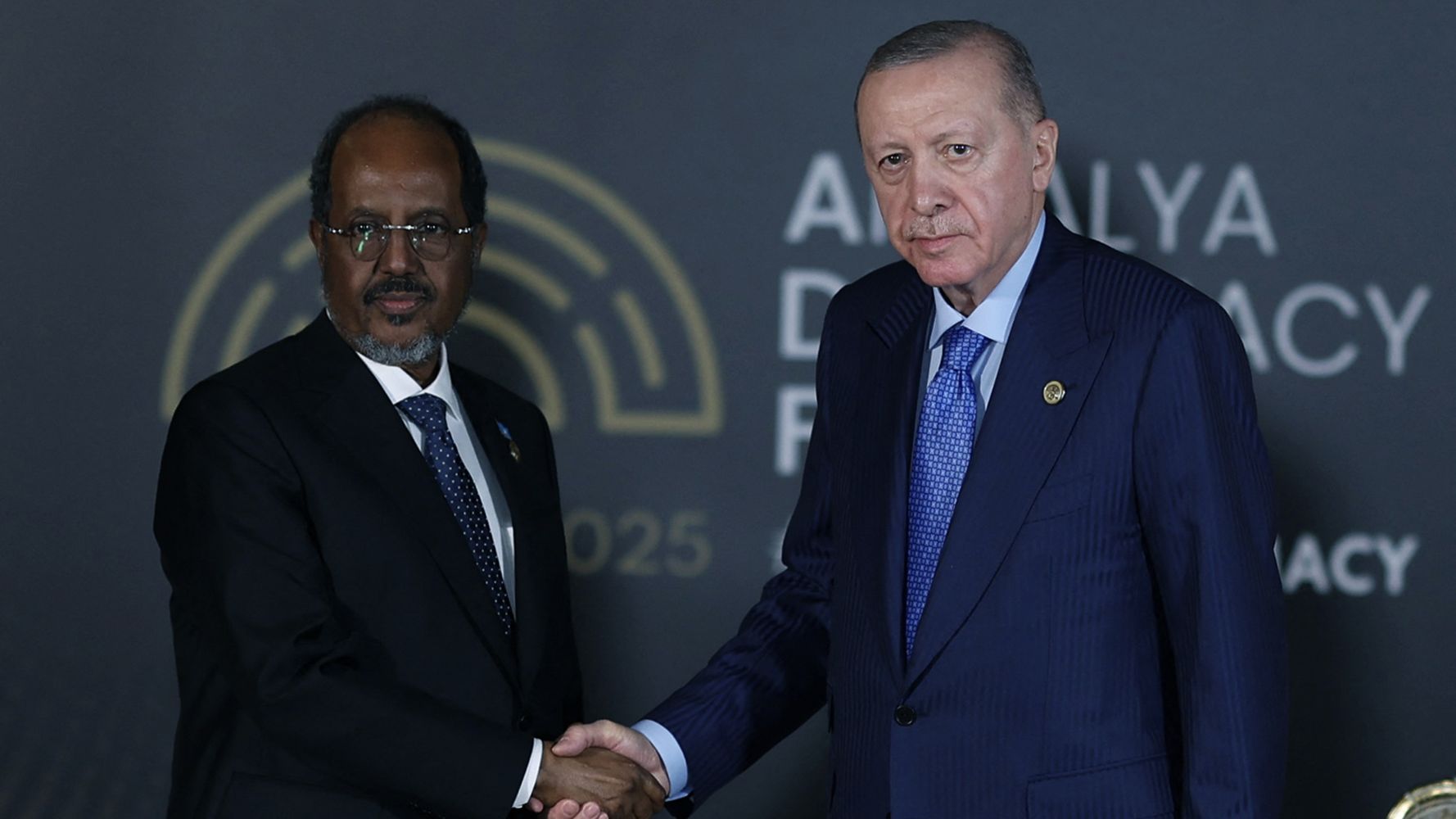
    The Republic of Turkey has formally announced its strategic ambition to commence offshore hydrocarbon drilling operations in Somali maritime territories by 2026. This development follows the completion of an extensive seismic survey conducted by the research vessel Oruc Reis, which meticulously analyzed three designated zones encompassing 15,000 square kilometers in total during its ten-month mission.

    Energy Minister Alparslan Bayraktar disclosed to press members on Wednesday that the comprehensive data acquisition phase has concluded. Preliminary interpretations of the seismic data suggest promising subsurface formations, with a full analytical report scheduled for official release in January 2025. The minister outlined the subsequent phase, indicating that Turkey will deploy its newly acquired fleet of advanced drilling vessels to undertake complex operations in ultra-deep waters reaching depths of approximately 3,000 meters.

    This ambitious energy venture is not without significant challenges. Minister Bayraktar explicitly acknowledged the dual hurdles of substantial infrastructural deficits and persistent security concerns within the region. The absence of basic access roads to onshore sites necessitates complete infrastructure development before extraction can begin. Security protocols already implemented during the seismic survey, which included naval frigate escorts for the Oruc Reis, will be further enhanced for drilling operations.

    The Turkey-Somalia bilateral agreement encompasses both offshore and onshore energy exploration rights. While offshore drilling presents technological challenges due to extreme depths, onshore operations face logistical obstacles. A Somali official source confirmed that infrastructure development tenders will be issued imminently to ensure road access is established prior to the 2026 operational timeline.

    Geological assessments by international agencies, including the U.S. Energy Information Administration, estimate Somalia’s potential hydrocarbon reserves could exceed 30 billion barrels of oil equivalent. However, realizing this potential requires monumental investment estimates ranging from $500 million for initial exploration to several billion dollars for full field development.

    This energy partnership forms part of Turkey’s broader strategic engagement with Somalia dating back to 2011. Ankara has provided over $1 billion in humanitarian assistance, constructed its largest global embassy in Mogadishu, operates critical infrastructure including the airport and seaport, maintains a significant military training facility (Turksom), and has professionally trained approximately one-third of Somalia’s national armed forces.

  • Israel to build wall deep inside West Bank that ‘accelerates annexation’

    Israel to build wall deep inside West Bank that ‘accelerates annexation’

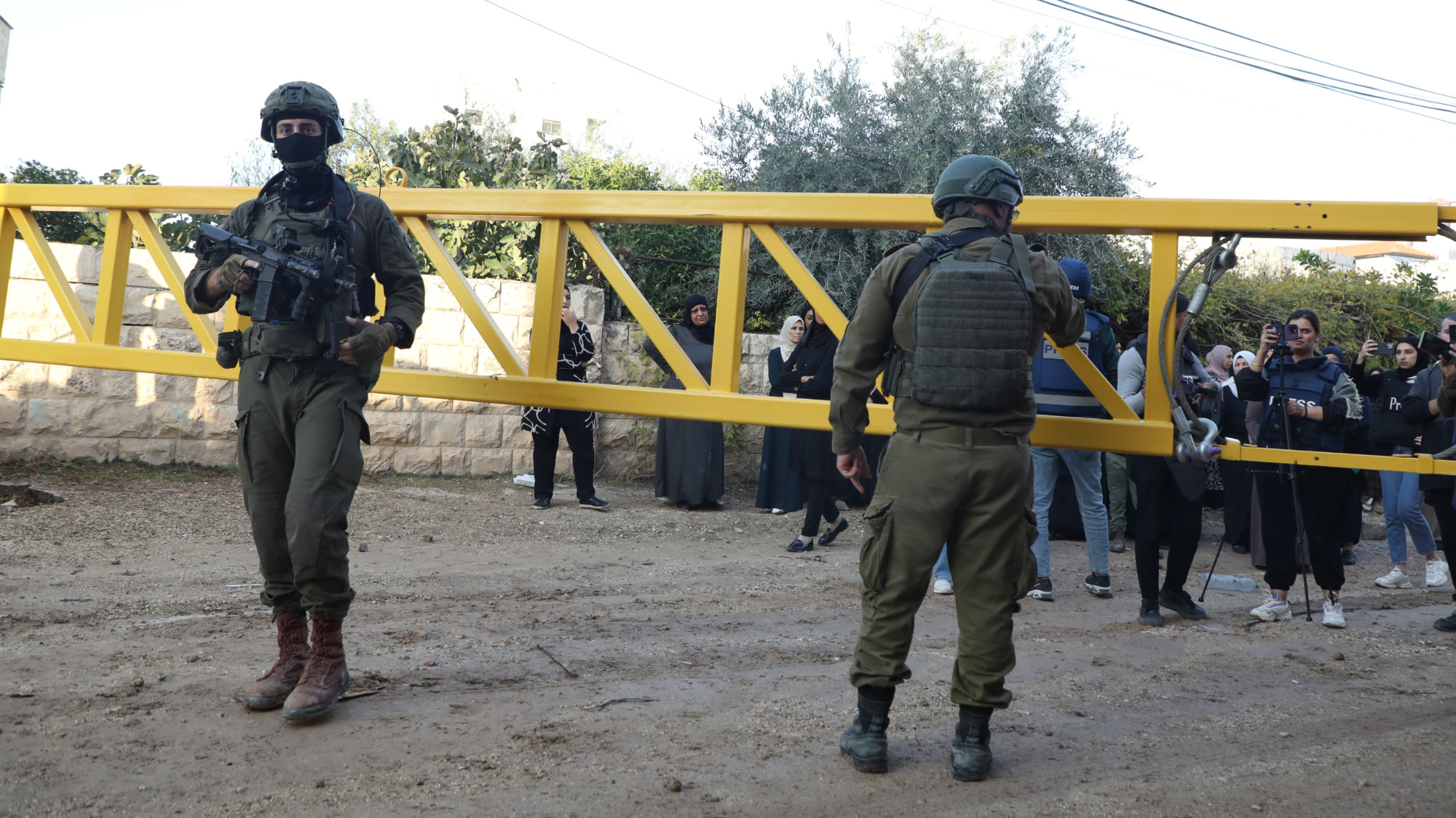
    Israeli military authorities are advancing plans to construct an additional separation barrier deep within the occupied West Bank’s northern Jordan Valley region. This 22-kilometer security structure will position itself approximately 12 kilometers west of the Jordanian border, creating significant concerns among experts about territorial redesign and de facto annexation.

    The proposed barrier mirrors the existing separation wall’s impact by severing connections between Palestinian communities and disconnecting agricultural families from their farmlands. Particularly affected will be the herding community of Khirbet Yarza, where approximately 70 residents relying on thousands of sheep will become encircled within an isolated enclave.

    Jamal Juma, coordinator of the Anti-Apartheid Wall Campaign, characterized the initiative as “extremely dangerous,” stating it represents accelerated annexation efforts targeting the Jordan Valley region. According to Juma, this construction forms part of a broader campaign affecting herding communities throughout the West Bank.

    United Nations documentation indicates that violent settler attacks have displaced over 2,200 Palestinians since October 2023, predominantly from herding backgrounds. Juma further asserts that these geographic re-engineering efforts aim to confine Palestinian populations into controlled cantons while establishing Israeli dominance over the West Bank.

    The Israeli military plans to establish a 50-meter-wide security corridor alongside the barrier, requiring demolition of all existing Palestinian infrastructure including homes, agricultural structures, storage facilities, and water pipelines. Anonymous security sources estimate approximately 60 structures will be affected.

    Major General Avi Bluth, head of Israel’s Central Command, justifies the barrier as necessary for preventing weapons smuggling and protecting Israeli settlers. Military authorities argue that Palestinian structures in the area increase sabotage risks against security forces, making their removal an operational necessity.

    Local residents fear catastrophic economic consequences as the barrier will prevent access to farmlands and livestock grazing areas. Tubas Governorate, representing 370 square kilometers of primarily agricultural land supporting significant livestock populations, faces particular hardship.

    Anti-wall activist Rashid Khudairi reports that approximately 70% of Tubas farmlands will become inaccessible, severely impacting economic stability. Many northern Jordan Valley communities will become completely separated from Tubas and the broader West Bank.

    The International Court of Justice previously deemed Israel’s existing 700-kilometer separation wall illegal under international law in a 2004 advisory opinion, ruling that the barrier should be dismantled due to its violations of international statutes.

  • Exclusive drone footage shows devastated Ukrainian town almost encircled by Russian forces

    Exclusive drone footage shows devastated Ukrainian town almost encircled by Russian forces

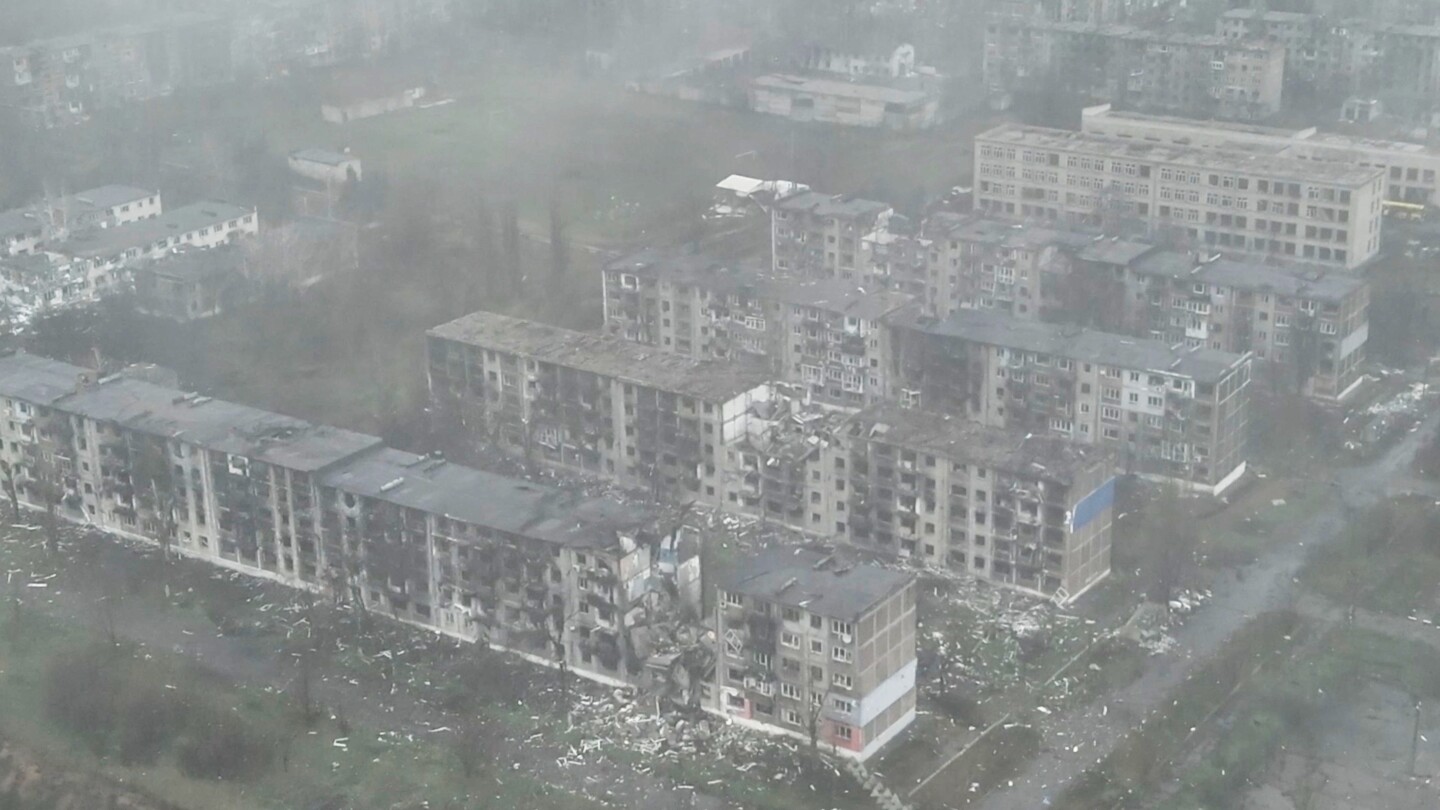
    KYIV, Ukraine — Exclusive aerial footage captured by The Associated Press reveals the near-total destruction of Myrnohrad, a strategically significant Ukrainian town now almost completely encircled by Russian forces in the Donetsk region. Located merely 12 kilometers from the contested logistics hub of Pokrovsk, the settlement shows virtually no intact structures, with recent bombardment so intense that smoke continues to rise from fresh impact sites.

    Military officials describe a desperate situation where Ukrainian marines from the 38th Brigade continue to mount a defense despite overwhelming odds. Oleksii Hodzenko, press officer for the brigade’s drone battalion, stated Russian forces are attempting to ‘erase the town from the face of the earth’ through relentless aerial assaults using 500-kilogram glide bombs, attack drones, and sustained artillery barrages.

    The tactical situation has deteriorated to the point where standard military logistics have become nearly impossible. While Ukrainian command confirms supply lines are being maintained through innovative methods—including ground-robot drones delivering essential provisions—personnel rotations occur only rarely, leaving defenders entrenched for weeks without relief.

    This devastation follows Russia’s disputed claim of capturing Pokrovsk, a declaration firmly rejected by Ukraine’s military leadership. Colonel Volodymyr Polevyi of the 7th Corps Assault Brigade confirmed ongoing combat operations in Pokrovsk’s northern districts, contradicting Moscow’s victory assertions.

    The humanitarian toll is catastrophic. Myrnohrad, once home to 46,000 residents, now stands largely empty after more than two years of full-scale invasion, mirroring the fate of numerous eastern Ukrainian communities.

    Amid the battlefield developments, Kremlin officials signaled that recent territorial gains have strengthened Russia’s diplomatic position. Presidential aide Yurii Ushakov stated military successes have positively influenced negotiations regarding a U.S.-drafted peace proposal.

    Ukrainian forces continue to appeal for sustained Western military support, emphasizing that adequate assistance remains critical to preventing broader regional escalation.

  • Cambodia launches 4-month visa-free trial for Chinese tourists

    Cambodia launches 4-month visa-free trial for Chinese tourists

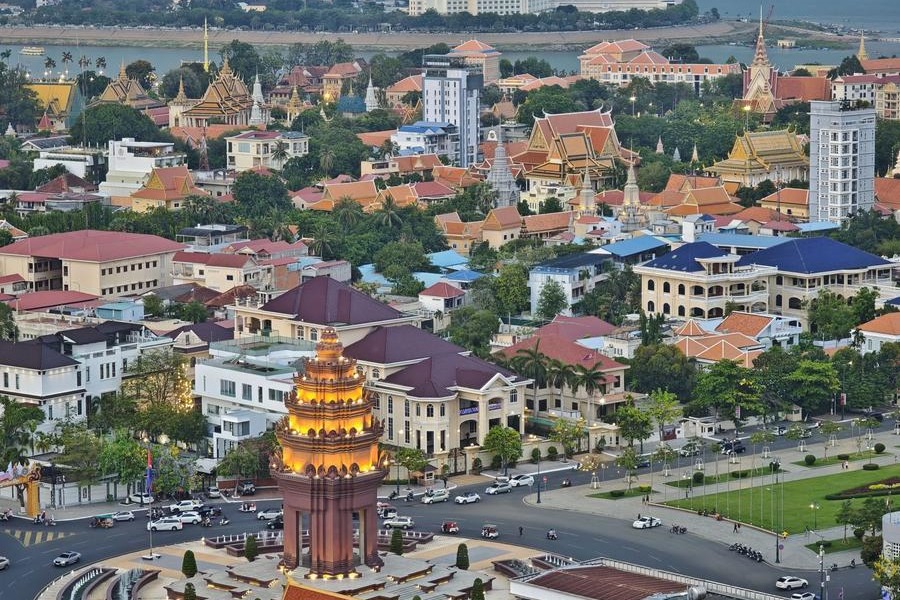
    In a significant move to boost tourism recovery, Cambodia has unveiled a landmark visa exemption pilot program exclusively for Chinese nationals. The Cambodian Ministry of Tourism announced on December 3 that Chinese tourists will enjoy visa-free entry from June 15 to October 15 next year.

    Under the newly approved initiative, Chinese travelers arriving directly from China can stay in Cambodia for up to 14 days without requiring pre-arrival visa applications or paying associated fees. The program permits multiple entries throughout the four-month trial period, though travelers must complete electronic arrival documentation upon entry.

    The strategic decision reflects Cambodia’s commitment to revitalizing its tourism sector, which saw approximately 4.8 million international visitors in the first ten months of 2025. Chinese tourists constituted about one million of these arrivals, signaling strong recovery momentum despite not yet reaching pre-pandemic levels. In 2019, Cambodia welcomed 2.3 million Chinese visitors, representing nearly one-third of all international tourist arrivals.

    Tourism Minister Huot Hak emphasized the broader economic implications, noting on November 27 that increasing Chinese tourism not only stimulates the hospitality industry but also generates cross-sector investment opportunities. The current visa options for Chinese visitors—including visa-on-arrival, e-visa, and embassy-issued visas—will remain available alongside this new exemption program.

    This targeted approach demonstrates Cambodia’s recognition of China’s critical role in its tourism economy and aligns with regional trends of facilitating easier travel for high-volume tourist markets.

  • UAE Fifa fans to get priority US visa interview slots for World Cup 2026

    UAE Fifa fans to get priority US visa interview slots for World Cup 2026

    The United States Embassy has unveiled a groundbreaking initiative to facilitate visa processing for UAE residents planning to attend the FIFA World Cup 2026. In response to concerning backlog issues, the U.S. Department of State has developed the FIFA Priority Appointment Scheduling System (PASS), designed specifically for verified ticket holders.

    Current non-priority visa interview wait times at U.S. diplomatic missions in Abu Dhabi and Dubai have extended beyond one year, with many applicants receiving scheduled dates that fall considerably after the tournament’s conclusion. This situation has created significant apprehension among football enthusiasts who have already invested in match tickets and travel arrangements.

    Through the PASS mechanism, successful ticket applicants will gain access to expedited interview slots once they complete their visa application procedures. Embassy officials emphasized that while the system prioritizes scheduling, it does not guarantee visa approval. All applicants must still satisfy standard eligibility criteria under U.S. immigration legislation, with each case undergoing individual assessment.

    The implementation of PASS is scheduled for early 2026, strategically timed to ensure adequate processing periods before the tournament’s commencement. This diplomatic measure particularly benefits residents from countries requiring B1/B2 visitor visas, addressing a critical logistical challenge for international fans attending the globally anticipated sporting event.

  • Yemen’s Houthis release mariners held since July ship attack

    Yemen’s Houthis release mariners held since July ship attack

    DUBAI, United Arab Emirates — Yemen’s Iranian-backed Houthi rebels have released eleven international mariners who had been detained since July following a deadly attack on the commercial vessel Eternity C in the Red Sea. The seafarers, comprising nationals from India and the Philippines, were transferred to Omani custody on Wednesday amid ongoing regional tensions.

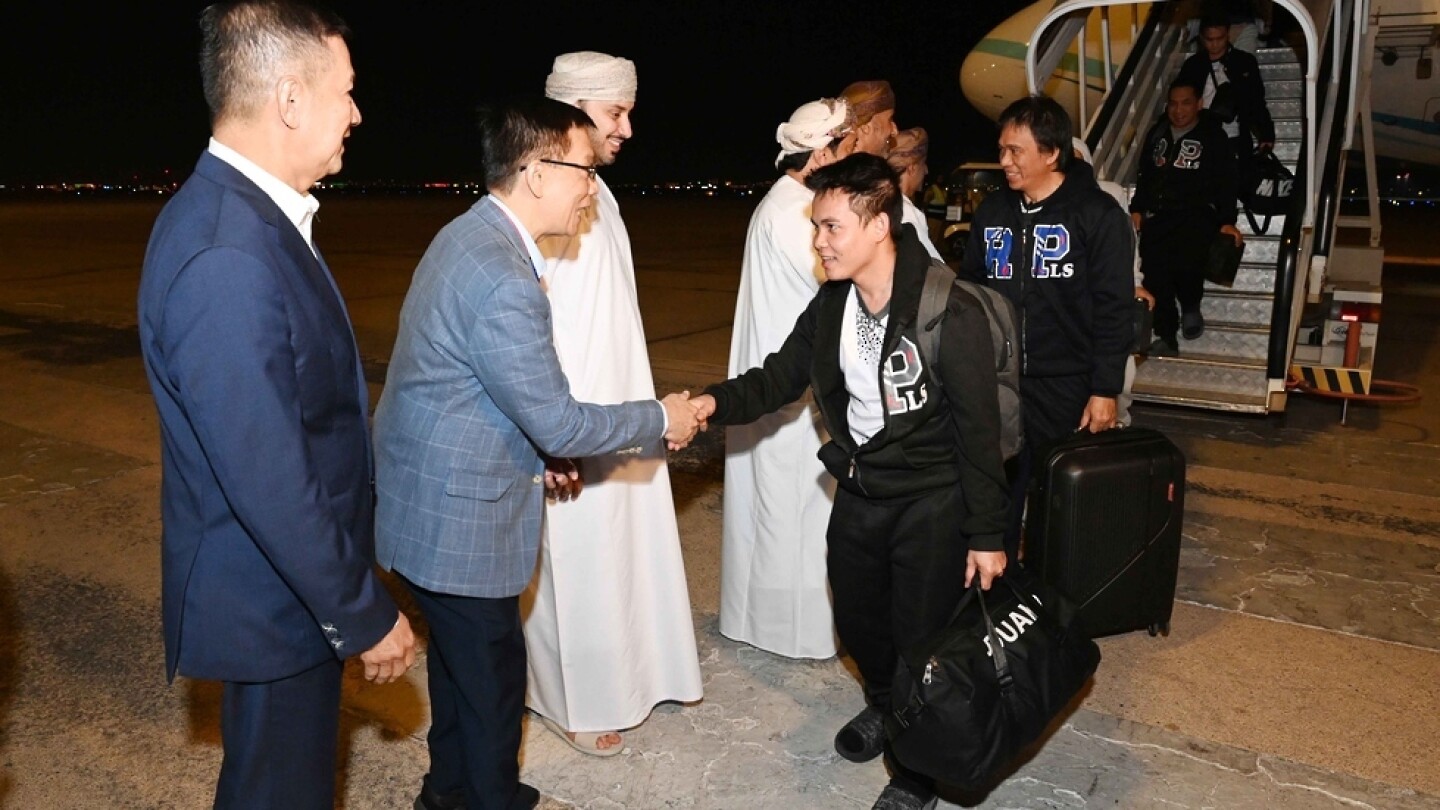
    The release operation involved a Royal Oman Air Force jet that landed in Sanaa, the Houthi-controlled Yemeni capital, before transporting the mariners to Muscat. Omani authorities confirmed receiving the individuals “in preparation for their return to their home countries” and released photographs showing diplomats from both nations greeting the arrivals.

    This development comes despite contradictory narratives regarding the mariners’ status. While the Philippines Foreign Ministry had previously characterized them as “held hostage,” the Houthi leadership maintained the men were “guests, not detainees” who had been rescued after abandoning their damaged vessel. Notably, the rebels’ media channels displayed images of only ten individuals, leaving the whereabouts of the eleventh mariner temporarily unverified.

    The July attack that precipitated this captivity resulted in four fatalities and the eventual sinking of the Eternity C. This incident forms part of a broader pattern of maritime aggression, with Houthi forces having targeted over 100 ships through missile and drone strikes since commencing their campaign, resulting in at least nine mariner deaths and four sunken vessels.

    The timing of this release remains strategically ambiguous, occurring during a period of reduced hostilities following the implementation of a ceasefire in the Gaza conflict. Previous Houthi ceasefires have similarly correlated with pauses in their maritime offensive operations.