分类: world

  • Sri Lanka extreme weather death toll rises to 479

    Sri Lanka extreme weather death toll rises to 479

    Sri Lanka confronts a mounting humanitarian crisis as official figures released Thursday confirm the death toll from Cyclone Ditwah has reached 479 individuals. The nation’s Disaster Management Center (DMC) reported an additional 350 persons remain unaccounted for as search and rescue operations persist.

    The catastrophic weather system has inflicted damage on a staggering scale, directly impacting over 1.6 million citizens across 455,405 households. Structural assessments reveal complete destruction of 1,289 residential buildings, with more than 44,500 dwellings sustaining partial damage. The agricultural infrastructure has suffered particularly severe blows, with damage reported to 1,777 water tanks, 483 dams, 1,936 irrigation canals, and 328 farm access roads according to the commissioner-general of essential services.

    The international community has initiated response measures to support relief efforts. Chinese leadership has formally expressed condolences to the island nation while activating emergency humanitarian assistance protocols. The aid package includes financial support alongside essential supplies such as life preservation equipment, temporary shelters, and bedding materials.

    Simultaneously, the Asian Development Bank has authorized an immediate $3 million disaster relief grant to facilitate emergency operations throughout affected regions. This financial injection aims to bolster ongoing rescue initiatives and provide critical support to displaced populations struggling with the aftermath of one of Sri Lanka’s most devastating natural disasters in recent history.

  • From 35 to 184: UAE passport strength reflects nation’s rising influence

    From 35 to 184: UAE passport strength reflects nation’s rising influence

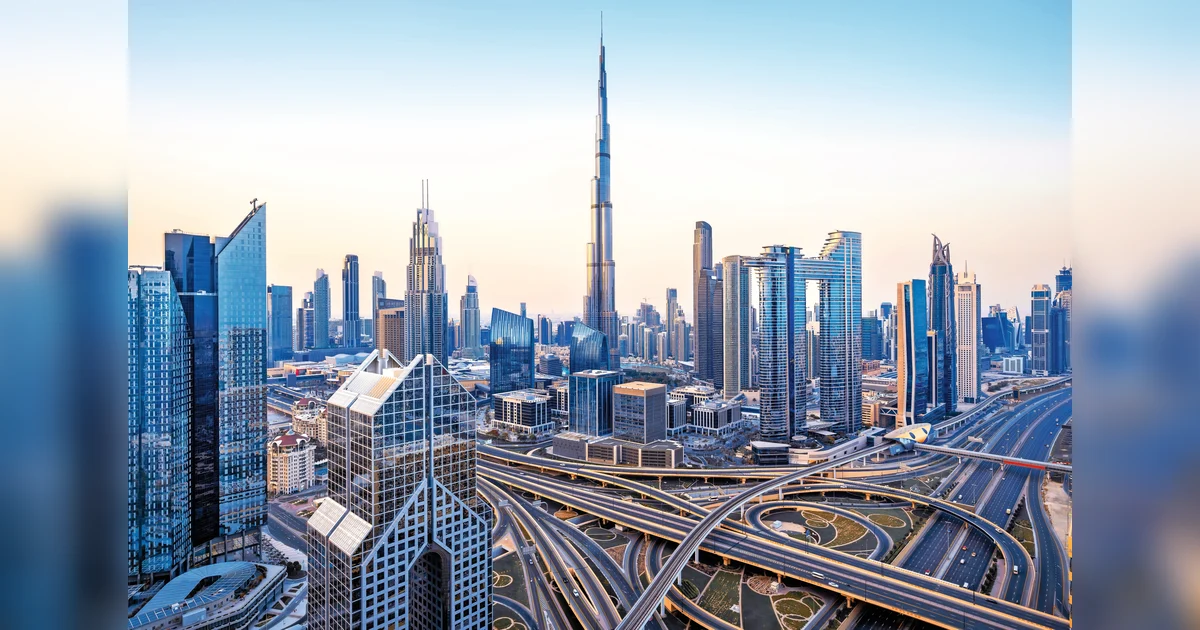
    The United Arab Emirates has achieved a remarkable diplomatic milestone, with its passport evolving from a regional travel document into one of the world’s most powerful instruments of global mobility. Current indices reveal the extraordinary transformation: the UAE passport now offers visa-free or visa-on-arrival access to 184 global destinations, positioning it among the top ten globally and earning the top spot on Arton Capital’s ranking with a mobility score of 179.

    This ascent represents the most significant improvement recorded in the two-decade history of the Henley Passport Index. The journey from just 35 visa-free destinations in 2015 to the current 184 marks a dramatic 34-position leap that reflects the nation’s growing international stature. The UAE stands as the first Arab nation to secure visa-free access to all 34 European Union countries and remains the only Middle Eastern presence in the global top ten, now ranking alongside established passport powerhouses like Canada and Estonia.

    The transformation stems from strategic diplomatic efforts initiated through the Ministry of Foreign Affairs’ UAE Passport Force initiative in 2017. This comprehensive program focused on establishing new partnerships across political, economic, commercial, and cultural spheres. Through sustained diplomacy, high-level exchanges, and negotiated visa-waiver agreements particularly with European, Asian, and Latin American nations, the UAE systematically enhanced its global connectivity.

    Beyond benefiting Emirati citizens, this diplomatic achievement improves mobility for the country’s substantial expatriate population. With over 80% of the UAE’s 11 million residents being expats representing 190 nationalities, the strengthened passport facilitates smoother international travel procedures, business mobility, and enhanced access to global hubs. The nation’s reputation as a diplomatic and economic center often translates into easier entry procedures and visa-on-arrival options for residents traveling internationally.

    This passport evolution mirrors the UAE’s broader emergence as a regional powerhouse driven by economic diversification, foreign investment, major infrastructure projects, and notable security stability. The enhanced global mobility symbolizes the country’s mature international standing and its successful integration into the global community through strategic relationship-building and diplomatic excellence.

  • Macron vows to fight for French journalist’s release in Algeria after court appeal fails

    Macron vows to fight for French journalist’s release in Algeria after court appeal fails

    PARIS — In a significant development impacting Franco-Algerian relations, an Algerian appellate court has confirmed the seven-year imprisonment sentence for French sports journalist Christophe Gleizes, dashing hopes for his imminent release. The verdict, delivered on Wednesday, sustains the original conviction of “glorifying terrorism” under Algeria’s stringent anti-terrorism legislation.

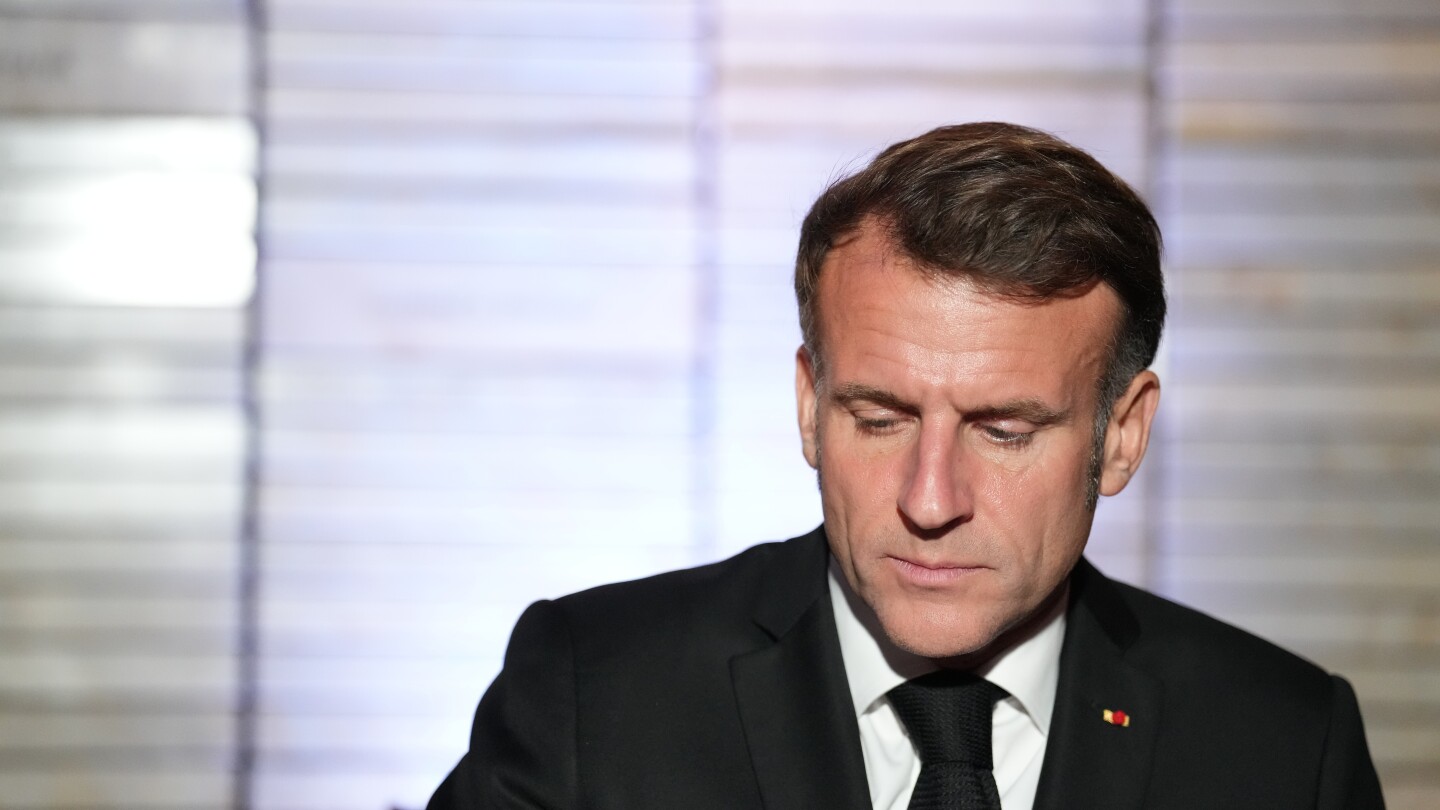
    French President Emmanuel Macron has reaffirmed his administration’s commitment to securing Gleizes’ freedom, declaring through an official statement that France “will continue to take action with the Algerian authorities to obtain his release and his return to France as soon as possible.” This diplomatic stance follows the disappointing appellate outcome that occurred on Wednesday.

    The case originated six months ago when Gleizes, a 36-year-old freelance journalist, conducted an interview with a soccer official allegedly connected to a prohibited separatist organization. Algerian prosecutors successfully argued that the journalist violated counter-terrorism statutes and possessed materials intended for propaganda purposes—charges that have drawn substantial criticism from international human rights organizations and French media outlets.

    During appellate proceedings in Tizi Ouzou, Gleizes reportedly admitted guilt and acknowledged “many journalistic mistakes,” according to his Algerian legal representative, Amirouche Bakouri. The journalist appealed for prosecutorial clemency and forgiveness, emphasizing his desire to reunite with his family in France.

    The recent improvement in Franco-Algerian relations, highlighted by last month’s release of French-Algerian novelist Boualem Sansal, had generated optimism among diplomatic circles regarding Gleizes’ potential release. With judicial appeals now exhausted, the journalist’s fate rests exclusively with Algerian President Abdelmadjid Tebboune’s prerogative of pardon.

    The French soccer league has joined the call for Gleizes’ liberation, urging member clubs and supporters to amplify appeals for his release. Notably, Gleizes remains the only French journalist currently imprisoned worldwide according to media advocacy groups.

  • UAE: A nation forged by vision, unity and transformation

    UAE: A nation forged by vision, unity and transformation

    Fifty-four years following its establishment, the United Arab Emirates continues to craft one of modernity’s most extraordinary national development narratives. This federation, initially composed of youthful emirates with constrained resources in 1971, has undergone a profound metamorphosis into a globally influential hub for innovation, cultural dynamism, and sustainable progress.

    The nation’s economic evolution represents a cornerstone of its success. Early leadership strategically directed initial oil revenues toward constructing essential infrastructure—encompassing transportation networks, educational institutions, healthcare facilities, and housing developments—thereby establishing a foundation for enduring prosperity. Historical economic data reveals staggering growth: since gaining independence, the UAE’s economy expanded approximately 231-fold to reach Dh1.45 trillion by 2013. Current estimates for 2025 indicate a GDP approaching $569 billion, with per capita figures exceeding $51,290 nominally and $82,000 in purchasing power parity terms, positioning the nation among global wealth leaders.

    A pivotal achievement in this transformation has been economic diversification. Whereas petroleum previously constituted over 85% of national output, the non-oil sector now contributes more than 77% of real GDP according to Federal Competitiveness and Statistics Centre data. This strategic shift manifests powerfully in foreign trade, with non-oil commerce reaching Dh835 billion solely in 2025’s first quarter. Robust activity spans tourism, logistics, financial services, advanced manufacturing, and renewable energy sectors.

    The UAE’s ambitions extend beyond terrestrial boundaries into space exploration. The successful arrival of the Hope Probe at Mars in 2021 marked a historic milestone, making the Emirates the first Arab nation and fifth entity globally to reach the Red Planet. The space program continues advancing ambitiously with 2025’s launch of six satellites, including the inaugural radar satellite UnionSat. Through a landmark collaboration with Thales Alenia Space, the Mohammed bin Rashid Space Center has secured permanent participation in NASA’s Gateway lunar station, facilitating Emirati astronaut involvement in future lunar missions. The scheduled 2026 Rashid Rover 2 expedition to the Moon’s far side and the Emirates Mission to the Asteroid Belt further demonstrate the nation’s commitment to establishing world-class expertise in space technology.

    Concurrently, the UAE has cultivated an exceptional environment for entrepreneurship. The Global Entrepreneurship Monitor 2024-25 report ranks the nation first worldwide for the fourth consecutive year, leading high-income countries in 11 of 13 key indicators including entrepreneurial financing accessibility and supportive government policies. Complementary analysis by TASC Corporate Services awarded near-perfect scores (930/1000) for business friendliness, highlighting Golden Visas, competitive taxation, and innovation-tailored ecosystems. Approximately 70% of adults perceive strong entrepreneurial opportunities, with 78% of new entrepreneurs prioritizing social and environmental impact—evidence of a maturing, purpose-driven enterprise culture.

    Central Bank projections indicate 4.4% real GDP growth for 2025, with some international agencies forecasting up to 6.2%. This optimism stems from diversified economic structures, political stability, and strategic investments in future-growth sectors including green energy, artificial intelligence, and advanced manufacturing.

    Infrastructure development remains another hallmark achievement. From rudimentary desert tracks, the UAE has engineered some of the planet’s most sophisticated urban centers, transportation networks, and logistical hubs. Jebel Ali Port ranks among the world’s largest and most efficient seaports, while aviation leaders Emirates, Etihad, and Air Arabia have transformed the nation into a global crossroads. Digital infrastructure and smart city initiatives further establish the UAE as a twenty-first-century urbanization model.

    Demographic expansion mirrors national development, growing from several hundred thousand residents in 1971 to approximately 10 million by 2025. This population comprises over 200 nationalities fostering a vibrant multicultural society that embodies leadership principles valuing unity through diversity.

    This transformative journey honors the legacy of founding visionaries, particularly the late Sheikh Zayed bin Sultan Al Nahyan, whose conviction that “a country’s real wealth lies in its people” continues guiding national policy. As the Arab world’s second-largest economy advances from hydrocarbon dependence to hydrogen innovation, from regional trade hub to global technological leader, and from Earth to extraterrestrial exploration, its narrative of limitless possibility continues unfolding with confident ambition.

  • 4.1 magnitude earthquake hits Afghanistan, Bangladesh

    4.1 magnitude earthquake hits Afghanistan, Bangladesh

    Two separate seismic events measuring 4.1 magnitude struck Afghanistan and Bangladesh simultaneously in the early hours of Thursday, according to reports from the National Center for Seismology (NCS).

    The Bangladesh tremor occurred at 5:44 AM Indian Standard Time (IST) at a depth of 30 kilometers, with its epicenter located at coordinates 23.95°N latitude and 90.72°E longitude. The seismic activity was recorded through the BhooKamp monitoring application and officially confirmed via the NCS social media channels.

    Nearly simultaneously, Afghanistan experienced an earthquake of identical magnitude but significantly greater depth. The Afghan seismic event registered at 3:05 AM IST with its epicenter at 36.54°N latitude and 71.66°E longitude, occurring at a substantial depth of 140 kilometers beneath the Earth’s surface.

    Seismological experts note the critical difference in depth between the two events. The Bangladesh earthquake, classified as a shallow-focus event, typically produces more noticeable surface shaking due to reduced energy dissipation before reaching populated areas. Conversely, the Afghan quake’s deeper origin likely resulted in less intense ground-level impact despite its identical magnitude.

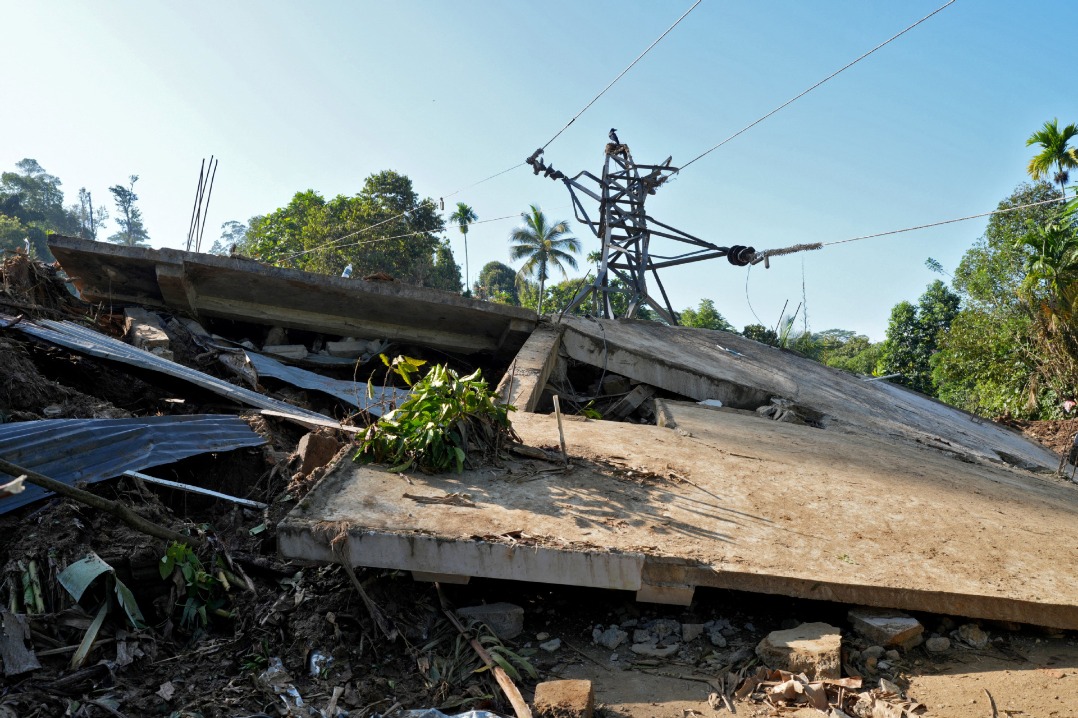
    This seismic activity occurs against a backdrop of recent earthquake-related tragedies in the region. On November 21, a 5.5-magnitude earthquake in Bangladesh caused structural failures in Dhaka’s Armanitola area, resulting in three fatalities and ten injuries when a building’s rooftop railing collapsed.

    Afghanistan continues to demonstrate particular seismic vulnerability due to its position within the geologically active Hindu Kush Mountain range. The region experienced a devastating earthquake on November 3 that claimed 27 lives, injured 956 people, and damaged significant cultural heritage sites including historically important mosques.

    The Red Cross recognizes this mountainous region as perpetually seismically active, with annual earthquake occurrences being geologically inevitable. Monitoring organizations continue to emphasize the importance of earthquake preparedness throughout South Asia, particularly in areas with high population density and infrastructure vulnerability.

  • UN warns of new wave of atrocities in Sudan’s Kordofan region

    UN warns of new wave of atrocities in Sudan’s Kordofan region

    The United Nations’ human rights chief Volker Türk has issued an urgent warning about escalating violence in Sudan’s resource-rich Kordofan region, expressing grave concerns that the area could witness atrocities mirroring the recent horrors witnessed in el-Fasher. This alert comes as the protracted conflict between the Sudanese military and the paramilitary Rapid Support Forces (RSF) enters a dangerous new phase, shifting strategically toward the oil-producing heartlands of central and southern Sudan.

    According to documented evidence, the town of Bara in North Kordofan has already suffered devastating casualties, with at least 269 fatalities recorded since late October through aerial bombardments, artillery shelling, and extrajudicial killings. Telecommunications blackouts across the region have severely hampered verification efforts, suggesting the actual death toll may be substantially higher. Particularly disturbing incidents include an RSF drone strike on November 3 that killed 45 predominantly female victims in an el-Obeid tent settlement, followed by military airstrikes on Saturday claiming 48 lives, mostly civilians, in Kauda, South Kordofan.

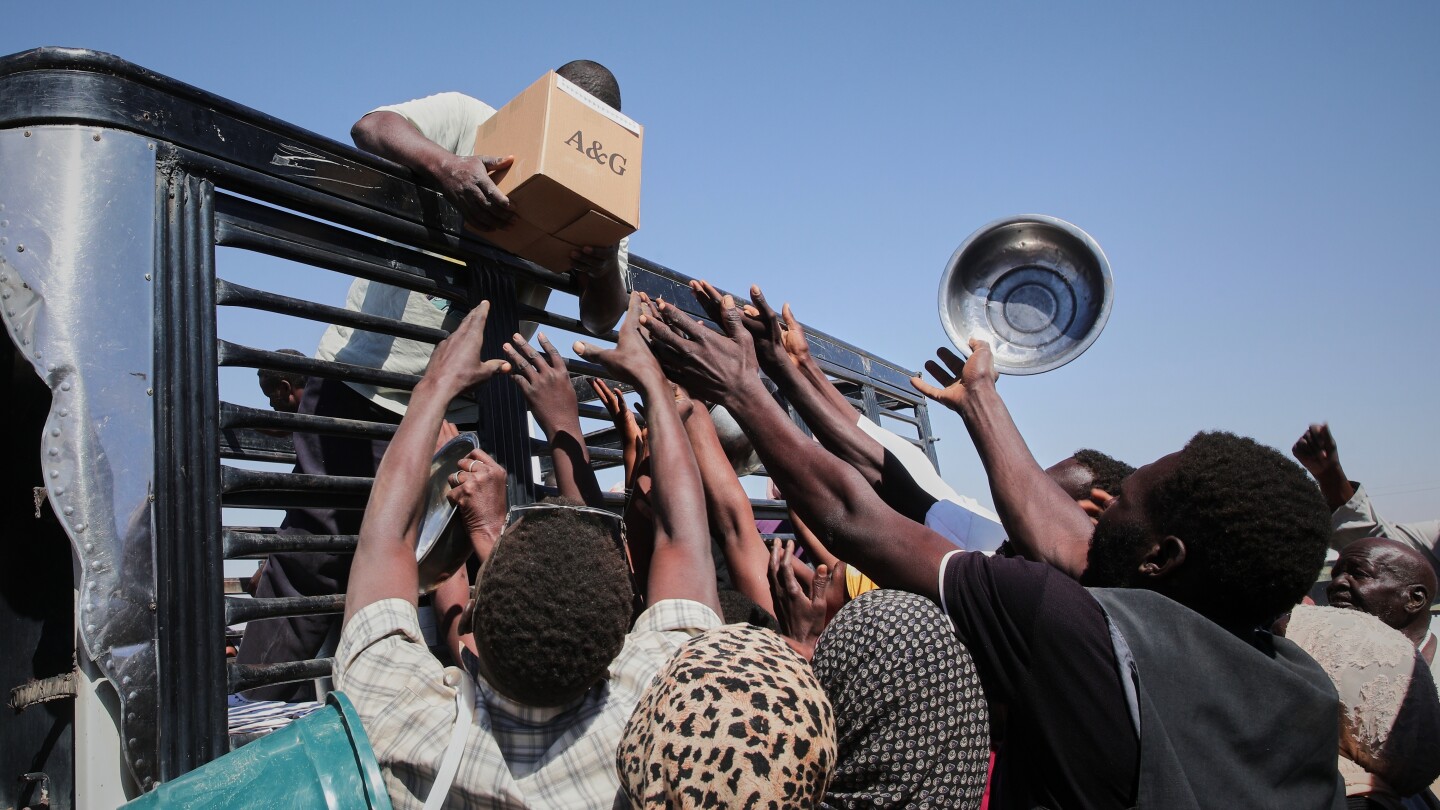
    The RSF’s recent capture of Babanusa’s strategic army headquarters represents a significant tactical advancement, though these claims remain unverified independently. This development has raised alarms among medical professionals associated with the Sudan Doctor’s network, who report that dozens of women and children sheltering within the military compound now face imminent danger. The humanitarian situation has reached catastrophic proportions, with the UN estimating over 44,000 displaced from Kordofan alone, while communities in Kadugli and Dilling face famine conditions under RSF sieges.

    Türk has implored influential nations to immediately intervene by halting weapons transfers that fuel the conflict and restoring telecommunications to facilitate lifesaving assistance. The two-year civil war has already created the world’s most severe displacement crisis with over 14 million affected and an estimated 40,000 fatalities—though actual numbers are believed to be considerably higher according to human rights organizations.

  • UK and Norway form naval alliance to hunt Russian submarines

    UK and Norway form naval alliance to hunt Russian submarines

    In a significant strategic move, the United Kingdom and Norway have formalized a comprehensive defense pact aimed at safeguarding critical undersea infrastructure from growing Russian naval activities. The agreement, signed at RAF Lossiemouth in northern Scotland, establishes a joint fleet operation between the two NATO allies specifically designed to monitor and deter Russian submarine operations in the North Atlantic.

    The Lunna House Agreement—named after the World War Two Norwegian resistance base in the Shetland Isles—comes amid a documented 30% increase in Russian vessel sightings in UK waters over the past two years. British officials express particular concern about the vulnerability of undersea data cables and energy pipelines, which form the backbone of Britain’s communications and energy networks.

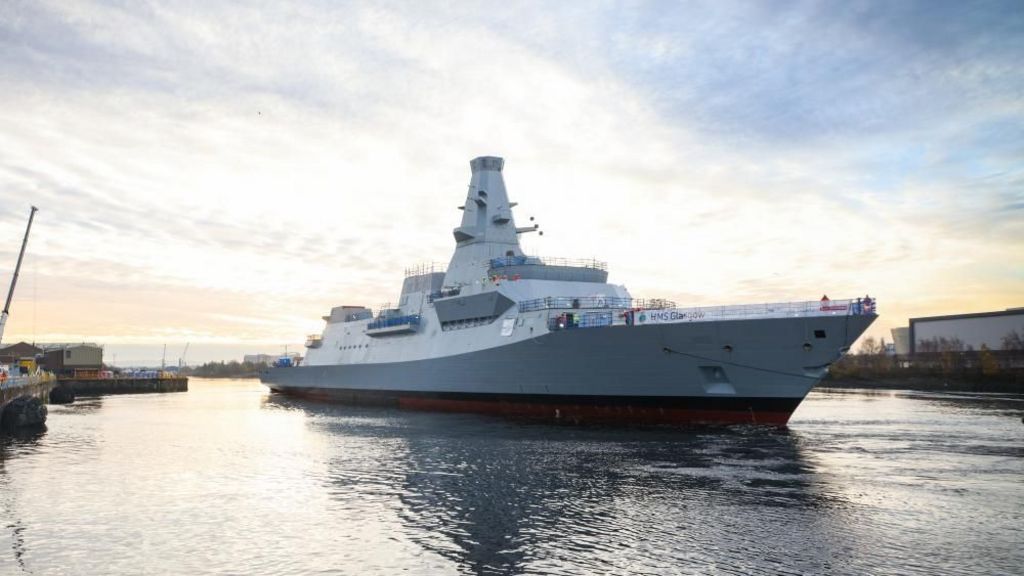
    The collaborative fleet will comprise at least 13 advanced anti-submarine warfare vessels, including at least five Norwegian ships and the Royal Navy’s new Type-26 frigates. These warships will patrol the critical waters between Greenland, Iceland, and the United Kingdom—a region known as the GIUK Gap that serves as a strategic chokepoint for Russian naval movements.

    Prime Minister Keir Starmer hailed the partnership as “historic,” emphasizing its role in strengthening collective security. The agreement extends beyond joint patrols to include comprehensive military cooperation: shared war gaming exercises, deployment of UK-built Sting Ray torpedoes, training of Royal Marines in Norwegian sub-zero conditions, and technological collaboration on uncrewed mine hunting systems.

    Notably, the Royal Navy will integrate advanced Norwegian Naval Strike Missiles capable of neutralizing enemy vessels at ranges exceeding 100 miles. This enhancement addresses recent parliamentary concerns about UK over-reliance on American defense resources.

    The pact responds to heightened anxieties following multiple incidents involving Russian vessels, including the spy ship Yantar, which has been accused of targeting RAF aircraft with lasers and suspected of mapping undersea infrastructure. While Russia maintains that Yantar serves as an oceanic research vessel, Western intelligence agencies regard it as a significant threat to transatlantic security.

    This bilateral agreement builds upon a £10 billion warship deal signed in September and represents a concrete NATO response to evolving undersea threats in the aftermath of Russia’s invasion of Ukraine.

  • Video: US fighter jet crashes in California, pilot ejects moments before impact

    Video: US fighter jet crashes in California, pilot ejects moments before impact

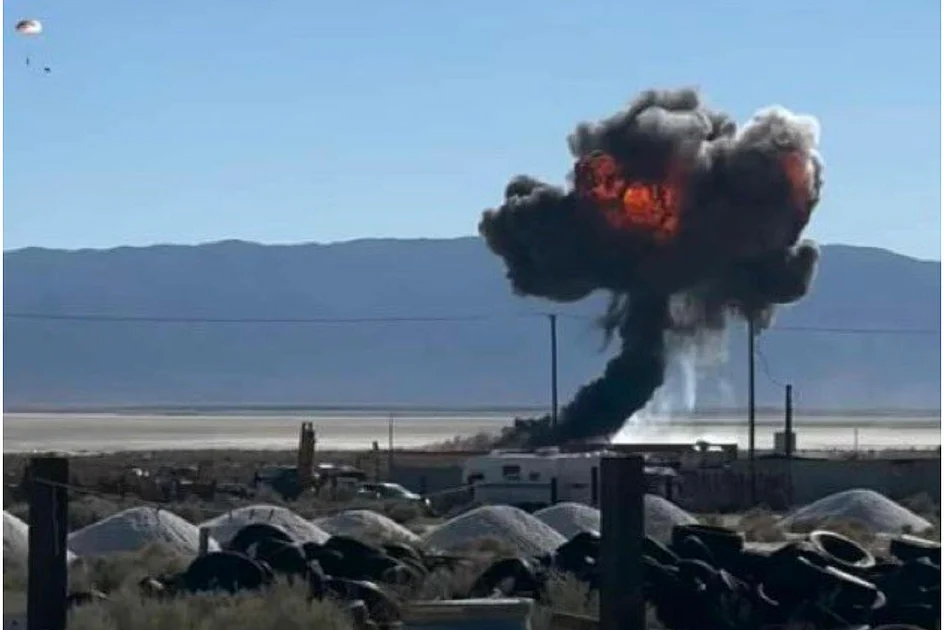
    A United States Air Force Thunderbirds F-16C Fighting Falcon crashed during a training mission in the Mojave Desert near Trona, California, on Wednesday morning. The pilot successfully ejected moments before the aircraft impacted a dry lake bed, sustaining non-life-threatening injuries and achieving stable condition while receiving medical attention.

    The incident occurred at approximately 10:45 AM local time within controlled military airspace. The cause of the crash remains under investigation by military authorities. The violent impact generated a significant explosion and plume of smoke, with the sonic boom audible across the surrounding region, according to witness accounts and emergency responders.

    Dramatic video footage circulating on social media platforms captured the precise moment of ejection, showing the pilot’s parachute deploying just as the fighter jet erupted into flames. The aircraft crashed approximately two miles south of Trona Airport, though airport manager George Bass confirmed the jet was not utilizing airport facilities. Bass noted that military aircraft maintain a regular presence in the area for training exercises.

    The Thunderbirds, based at Nellis Air Force Base near Las Vegas approximately 200 miles east of the crash site, represent the Air Force’s premier aerial demonstration team. Established in 1953, the unit is renowned for executing precision maneuvers with minimal separation between aircraft, sometimes flying within 18 inches of each other during complex aerial routines.

    This incident marks the latest in a series of military aviation accidents in the region. In 2022, a Navy pilot died when an F/A-18E Super Hornet crashed in a remote area near Trona. The Thunderbirds themselves experienced a fatal training accident in 2018 when Major Stephen Del Bagno was killed during a Nevada training exercise. The F-16C model involved in Wednesday’s crash carries an estimated value of $18.8 million per 2021 Air Force figures.

  • Asia flood death toll surpasses 1,500 as calls grow to fight deforestation

    Asia flood death toll surpasses 1,500 as calls grow to fight deforestation

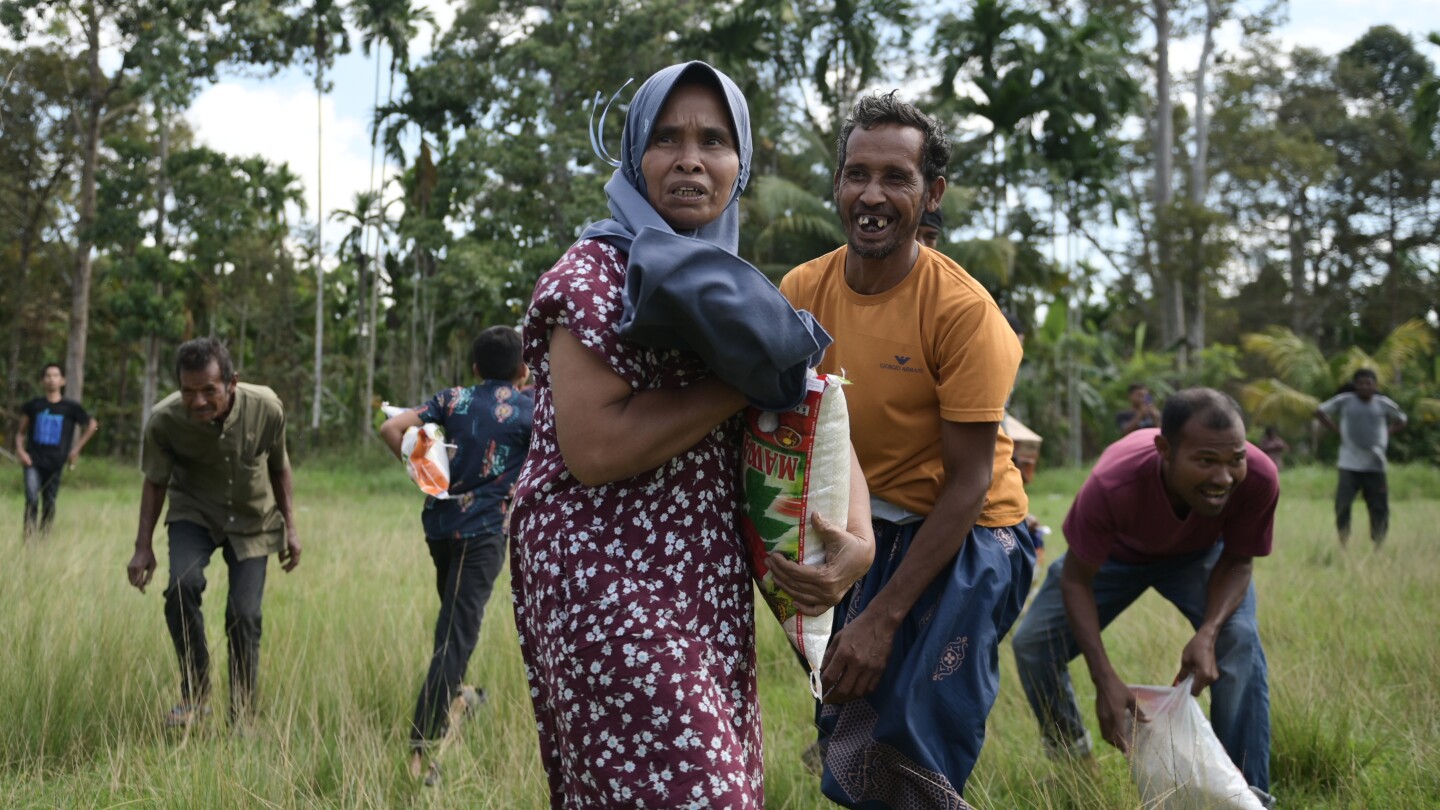
    Environmental experts are pointing to decades of systematic deforestation as a critical factor exacerbating last week’s catastrophic flooding across Southeast Asia, where the death toll has now exceeded 1,500 people. The disaster has left hundreds missing and thousands struggling with severe shortages of food and clean water in isolated regions.

    In Indonesia, where 837 fatalities have been confirmed, environmental organizations have documented alarming forest loss patterns. WALHI, Indonesia’s leading environmental advocacy group, revealed that over 240,000 hectares of primary forest vanished in 2024 alone. Global Forest Watch further quantified the long-term devastation, reporting that flood-affected provinces have lost approximately 19,600 square kilometers of forest since 2000—an area exceeding the size of New Jersey.

    Eyewitness accounts from Padang describe massive quantities of neatly cut timber scattered across beaches and flood zones, suggesting widespread illegal logging operations rather than natural tree displacement. “These were clean, neatly cut pieces of wood—they looked like the result of illegal logging,” observed Ria Wati, a 38-year-old resident.

    The ecological crisis has prompted significant government response. President Prabowo Subianto has pledged comprehensive policy reforms following his visit to devastated areas, emphasizing that “protecting our forests is crucial.” Environment Minister Hanif Faisol Nurofiq has launched investigations into eight companies suspected of environmental violations that may have worsened the disaster, with lawmakers calling for permit revocations.

    As rescue operations continue across Indonesia, Sri Lanka (479 deaths), and Thailand (185 deaths), the region faces not only immediate humanitarian challenges but also mounting pressure to address the underlying environmental degradation that turned severe weather into a catastrophic event.

  • Turkey’s energy minister warns of threat to oil and gas supplies after tankers targeted

    Turkey’s energy minister warns of threat to oil and gas supplies after tankers targeted

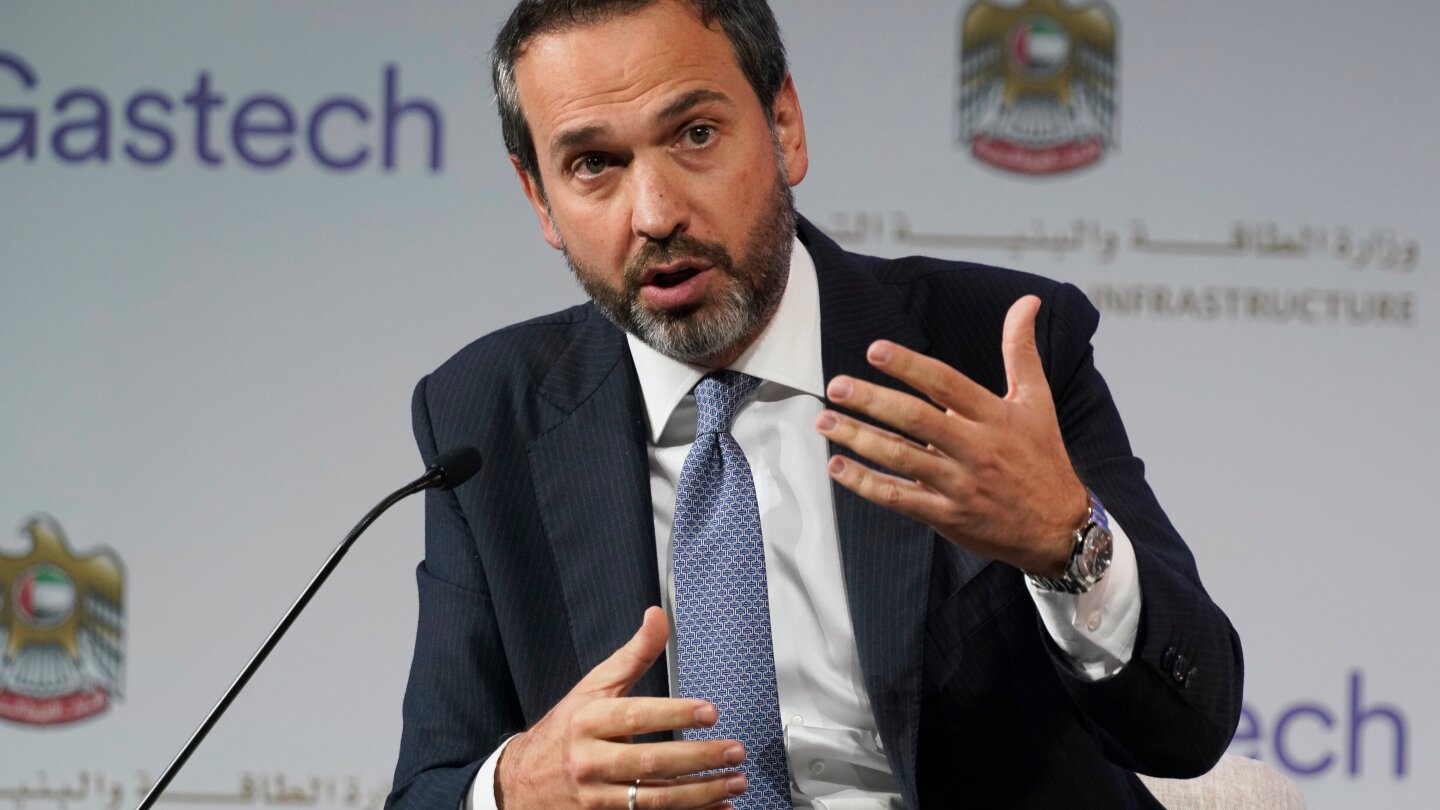
    ISTANBUL — Turkish Energy Minister Alparslan Bayraktar has issued an urgent appeal for safeguarding critical energy infrastructure in the Black Sea following a series of naval drone strikes targeting Russian oil tankers near Turkey’s coastline. The recent attacks, claimed by Ukrainian forces, have raised significant concerns about the security of energy transportation routes and underwater pipelines in the region.

    Speaking at a press conference on Wednesday, Minister Bayraktar emphasized the dual vulnerability of maritime shipping and two crucial subsea pipelines—Blue Stream and Turk Stream—that transport natural gas from Russia to Turkey. Drawing parallels to the 2022 Nord Stream pipeline sabotage incident, Bayraktar highlighted Turkey’s substantial dependence on imported energy resources.

    “We implore all involved parties to exempt energy infrastructure from military conflicts, as these facilities directly impact civilian daily life,” Bayraktar stated. “Maintaining uninterrupted energy flows through the Black Sea and the strategic Bosphorus and Dardanelles straits remains imperative for regional stability.”

    Ukrainian authorities confirmed targeting two tankers on November 28, with a third vessel struck Tuesday en route to the Turkish port of Sinop. President Recep Tayyip Erdogan condemned these incidents as serious threats to “navigation safety, human life, and environmental protection” within Turkey’s exclusive economic zone.

    The situation presents complex geopolitical challenges for Turkey, a NATO member that relies on Russian hydrocarbons for nearly half its total energy consumption. This dependency has drawn pressure from Washington, including during President Erdogan’s September meeting with Donald Trump, where the former U.S. president encouraged reduced Turkish energy ties with Moscow.

    Despite these pressures, Bayraktar defended Turkey’s energy relationship with Russia, noting Moscow’s historical reliability as a supplier since Turkey’s gas transition in the 1980s. However, he acknowledged the necessity of diversifying Turkey’s energy portfolio: “While Russia has proven dependable, maintaining a balanced supply framework remains crucial. We are actively pursuing competitive gas from multiple sources to avoid overreliance on any single nation.”

    Concurrently, Turkey continues expanding energy cooperation with Russia beyond hydrocarbons. The Russian state corporation Rosatom is constructing the Akkuyu nuclear power plant on Turkey’s Mediterranean coast, projected to generate approximately 10% of Turkey’s electricity upon completion. However, the project faces significant challenges including Western sanctions-related delays and a reported $2 billion financing obstruction at JP Morgan due to frozen Russian assets.

    Bayraktar revealed that project administrators have sought Chinese components to replace unavailable Western technology and are now seeking mediation to release frozen funds for project continuation. The minister anticipates the first electricity generation from Akkuyu by next year, despite ongoing complications arising from geopolitical tensions.