分类: world

  • Legacy of Flying Tigers honored in California

    Legacy of Flying Tigers honored in California

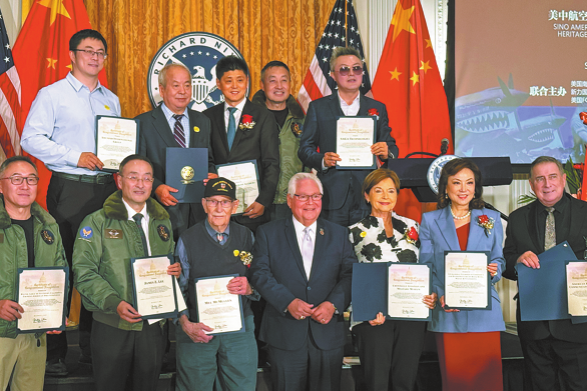
    YORBA LINDA, California – Descendants of WWII veterans, community leaders, and officials convened at the Richard Nixon Presidential Library and Museum this week to commemorate the 80th anniversary of World War II’s conclusion and celebrate pivotal milestones in Sino-American relations. The gathering served as a powerful reminder of the shared wartime history that continues to inspire cross-cultural exchanges between the two nations.

    Nell Chennault Calloway, granddaughter of General Claire Lee Chennault who commanded the legendary Flying Tigers squadron, emphasized history’s role as a reliable guide for future diplomacy. “History records our past and offers inspiration for the future,” Calloway stated, recalling President Nixon’s groundbreaking 1972 China visit as a transformative moment after decades of estrangement. She reiterated Nixon’s toast to Premier Zhou Enlai: “We have great differences today. What brings us together is that we have common interests which transcend those differences.”

    Jeffrey Greene, chairman of the Sino-American Aviation Heritage Foundation, highlighted the extraordinary significance of the Flying Tigers’ operations in China. “For the Chinese people and American pilots, this represents the most important chapter in our bilateral history—it brought our nations together in an unprecedented way,” Greene explained. He recounted how American volunteer pilots collaborated with Chinese forces against Japanese bombing campaigns, with Chinese civilians courageously rescuing downed US airmen despite facing lethal retaliation.

    California State Senator Bob Archuleta framed the Flying Tigers’ legacy as a living lesson for contemporary global challenges. “History proves we accomplish more through cooperation than conflict, and through mutual respect rather than division,” Archuleta noted. “This story demonstrates the power of building bridges instead of barriers, and seeking understanding rather than suspicion.”

    The commemoration also honored centenarian Flying Tigers veteran Mel McMullen and Zhang Sujiu, daughter of China’s renowned “peace general” Zhang Zhizhong, recognizing them as living connections between historical cooperation and present-day diplomacy. The event underscored how wartime collaboration established foundations for subsequent diplomatic breakthroughs, with Jane Zhang of the Nixon library observing that the Flying Tigers’ friendship helped enable Nixon’s “icebreaking” journey that opened a new chapter in US-China relations.

  • Russia unleashes massive drone and missile attack on Ukraine as diplomatic talks continue

    Russia unleashes massive drone and missile attack on Ukraine as diplomatic talks continue

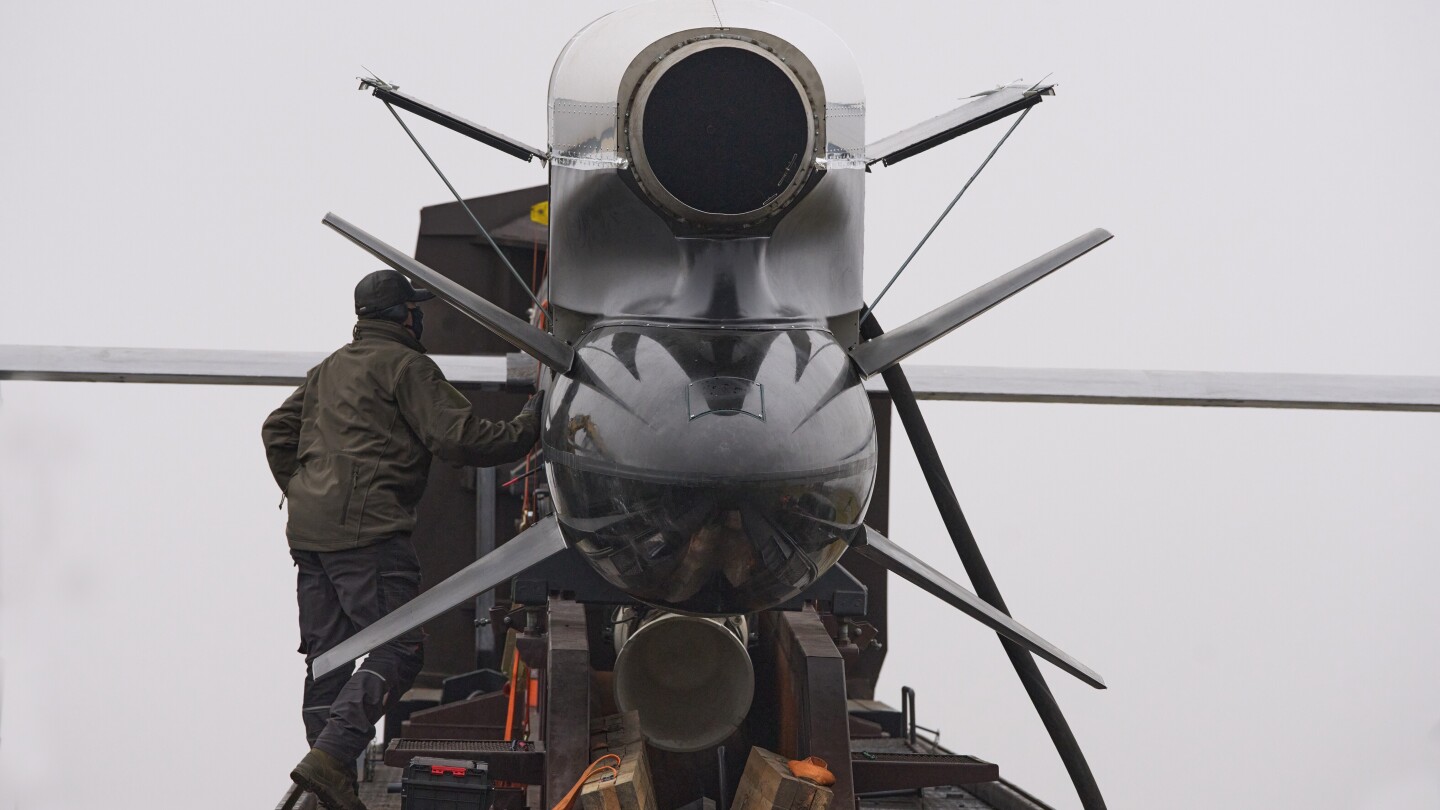
    In a significant escalation of hostilities, Russian forces executed a comprehensive aerial offensive against Ukraine during the overnight hours into Saturday. The assault involved an extensive deployment of 653 drones and 51 missiles, triggering nationwide air raid alerts as Ukrainians commemorated Armed Forces Day.

    Ukrainian air defense systems demonstrated remarkable effectiveness by intercepting and neutralizing 585 drones and 30 missiles, though 29 locations sustained direct impacts. According to Internal Affairs Minister Ihor Klymenko, the attacks resulted in at least eight casualties, with three individuals wounded in the Kyiv region specifically. The geographical scope of the assault extended as far west as the Lviv region.

    Energy infrastructure emerged as a primary target, with Ukraine’s national energy operator Ukrenergo reporting substantial damage to power stations across multiple regions. President Volodymyr Zelenskyy confirmed that energy facilities constituted the main focus of the offensive, noting additionally that a drone strike completely destroyed the railway station in Fastiv, located within the Kyiv oblast.

    Concurrently, Russia’s Defense Ministry claimed to have shot down 116 Ukrainian drones over Russian territory. Unverified footage circulated on Telegram channels appeared to show fires at the Ryazan Oil Refinery following an alleged Ukrainian drone strike, though Ukrainian authorities declined immediate comment on the incident.

    This exchange of aerial attacks occurs against the backdrop of ongoing diplomatic efforts. U.S. and Ukrainian negotiators prepared for a third day of discussions aimed at establishing a security framework for postwar Ukraine. Both parties acknowledged that meaningful progress toward any comprehensive agreement would ultimately require Russia’s genuine commitment to sustainable peace negotiations.

    The strategic pattern continues with Ukraine targeting Russia’s oil export revenue through refinery strikes, while Russian forces attempt to compromise Ukraine’s energy grid ahead of winter—a tactic Ukrainian officials characterize as weaponizing environmental conditions against civilian populations.

  • New records substantiate truths of war

    New records substantiate truths of war

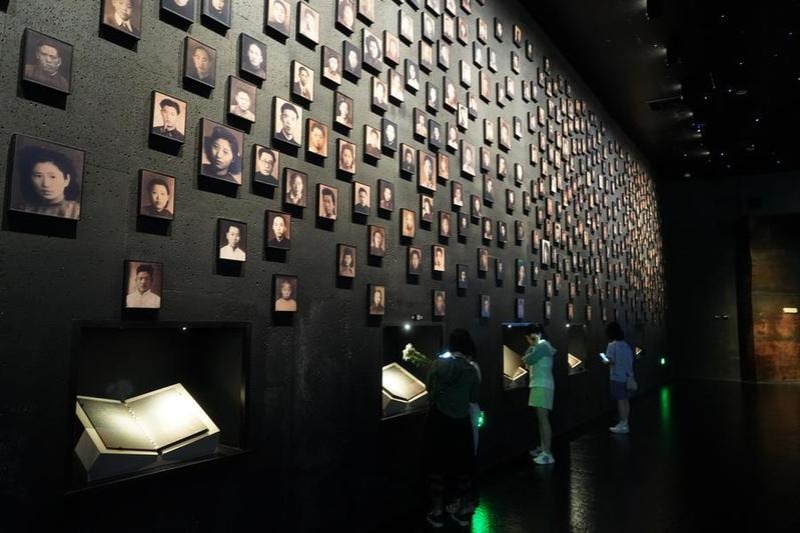
    In a significant development for historical documentation, the Memorial Hall of the Victims in Nanjing Massacre by Japanese Invaders has unveiled 13 newly acquired sets of cultural relics and historical materials. These artifacts, presented on the 88th anniversary of the tragic events, offer compelling evidence from multiple perspectives that substantiates the historical truth of one of World War II’s most horrific chapters.

    The collection features unprecedented primary sources including personal letters from Japanese soldiers, post-occupation photographs of Nanjing, archival materials of a Chinese military doctor killed in defense operations, a Japanese army album, and international publications in English and French. Particularly striking are two soldier letters that describe atrocities in chilling detail, with one January 1938 correspondence expressing disturbing satisfaction at the execution of Chinese prisoners and disposal of bodies in the Yangtze River.

    Researchers emphasize the critical importance of these materials in countering revisionist narratives. Professor Wang Weixing of Jiangsu Provincial Academy of Social Sciences noted the psychological significance of the perpetrators’ language, describing how the soldiers casually referenced killing as ‘enjoyable’ activities. The photographic evidence, donated by a father-son duo from Henan province, captures specific dates and locations of destruction following the Japanese occupation in December 1937.

    International publications from the period provide third-party verification, including a French newspaper documenting Nanjing’s population before the massacre and American magazines exposing Japanese war crimes. Nanjing University historian Zhang Sheng highlighted how these materials effectively counter arguments made by Japanese right-wing groups regarding population figures.

    The evidence collectively represents a multinational effort to preserve historical memory, with contributions coming from Japanese, Chinese, and Chinese-American donors. This comprehensive documentation serves both as memorial to the victims and as an educational resource for future generations about the importance of historical accountability.

  • Ukrainian women embrace combat roles as technology reshapes the battlefield

    Ukrainian women embrace combat roles as technology reshapes the battlefield

    KHARKIV, Ukraine — The evolution of modern warfare technology has created unprecedented combat opportunities for women in Ukraine’s military forces. What began as limited frontline roles for female soldiers has transformed dramatically since Russia’s full-scale invasion nearly four years ago.

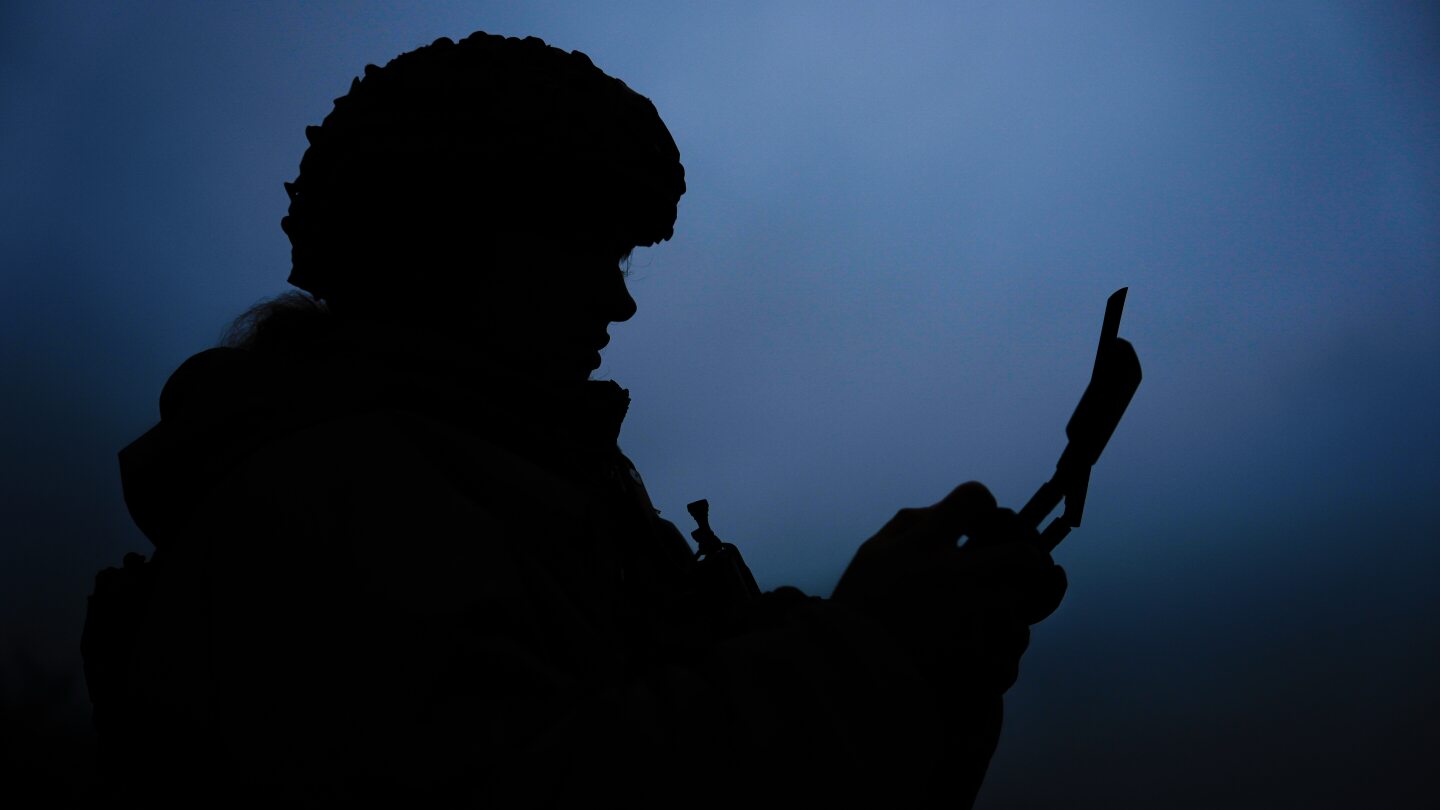
    This technological revolution is exemplified by soldiers like the 26-year-old known by her call sign ‘Monka,’ who abandoned her restaurant management career abroad to return home and serve. She now operates as a first-person view (FPV) drone pilot in the Unmanned Systems Battalion of Ukraine’s Third Army Corps.

    Military officials confirm this represents a significant trend: technological advancements in warfare have enabled more women to assume combat positions previously dominated by men. Defense Ministry statistics reveal over 70,000 women served in Ukraine’s military in 2025—a striking 20% increase from 2022 figures—with more than 5,500 deployed directly on front lines.

    The proliferation of drone technology has been particularly transformative. Remote warfare capabilities have created combat roles that don’t require physical strength as a primary qualification, instead prioritizing technical aptitude, precision, and strategic thinking.

    Several military units have launched targeted recruitment campaigns toward women through partnerships with organizations like the Dignitas Foundation. The Khartiia Corps reports a 20% increase in female recruits since 2024, with dozens successfully integrating into combat technological roles.

    Despite progress, challenges persist within Ukraine’s traditionally conservative military structure. Some female soldiers report encountering prejudice and being steered toward support roles instead of combat positions. A 25-year-old soldier identified as Yaha described being initially directed to kitchen duty when she requested drone training.

    Yet determination prevails. Women like 20-year-old Chibi, an FPV technician with brightly colored hair, overcome skepticism through technical excellence. Working from damp basements near front lines, she prepares drones for battlefield deployment despite initial doubts about her capabilities.

    Olha Meloshyna, spokesperson for Ukraine’s Unmanned Systems Forces, emphasizes that drone operations remain highly dangerous, as Russian forces actively target operators. Currently, women constitute 4.2% of this specialized force—a significant proportion given their voluntary enlistment.

    The military’s ongoing recruitment campaign aims to bring 15,000 new personnel into drone-related roles, with women actively encouraged to apply. As Meloshyna notes: ‘No drone is autonomous. It needs human involvement. And the more personnel we have, the more drones will fly toward Russia.’

  • New clashes break out between Pakistan and Taliban

    New clashes break out between Pakistan and Taliban

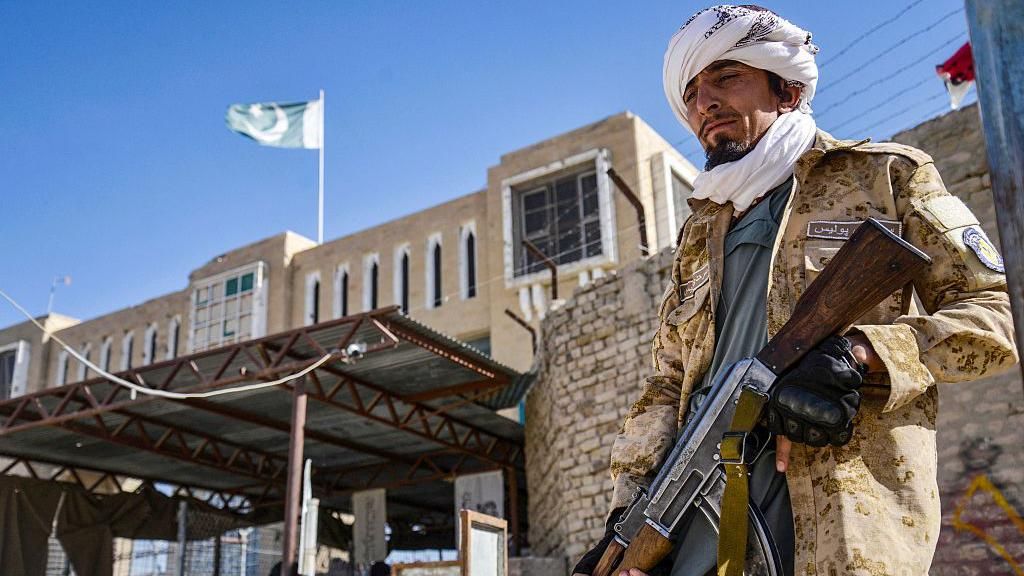
    A fragile ceasefire between Pakistan and Afghanistan’s Taliban government has shattered with renewed cross-border hostilities erupting near the strategic frontier city of Spin Boldak. The overnight exchange of fire marks the latest escalation in tensions along the volatile 1,600-mile Durand Line demarcation.

    Local medical authorities in Kandahar confirmed receiving four casualties from the border skirmishes, though the total death toll remains unverified. Eyewitness accounts describe panicked civilians fleeing Spin Boldak and adjacent towns, with footage capturing families evacuating via vehicles and on foot amid the resurgence of violence.

    Both nations engaged in mutual recriminations through official channels. Mosharraf Zaidi, spokesperson for Pakistani Prime Minister Shehbaz Sharif, denounced what he termed “unprovoked firing” by Taliban forces, asserting that Pakistan’s military had delivered “an immediate, befitting & intense response” to protect territorial sovereignty.

    Conversely, Taliban representatives countered that Pakistani forces had “initiated attacks,” compelling their defensive retaliation. This mutual blame game underscores the deep-seated distrust between the neighboring nations, despite recent diplomatic interventions.

    The clashes occur scarcely two months after Qatar and Turkey brokered a ceasefire agreement that had temporarily halted the most severe fighting since the Taliban’s 2021 ascension to power. The breakdown of this arrangement highlights the precarious nature of border security arrangements.

    Underlying the immediate violence are persistent allegations from Islamabad that Taliban-ruled Afghanistan provides sanctuary to militant groups operating against Pakistani interests. Kabul consistently denies these charges, instead attributing them to Pakistan’s “own security failures.”

    The timing proves particularly diplomatically sensitive, coming just days after both parties concluded inconclusive fourth-round peace talks in Saudi Arabia. While sources indicate both sides had nominally committed to maintaining the ceasefire during these negotiations, the practical implementation appears to have collapsed amidst ongoing strategic disagreements.

  • Lured by lucrative job offers and sent to fight for Russia. Kenyans want their sons back

    Lured by lucrative job offers and sent to fight for Russia. Kenyans want their sons back

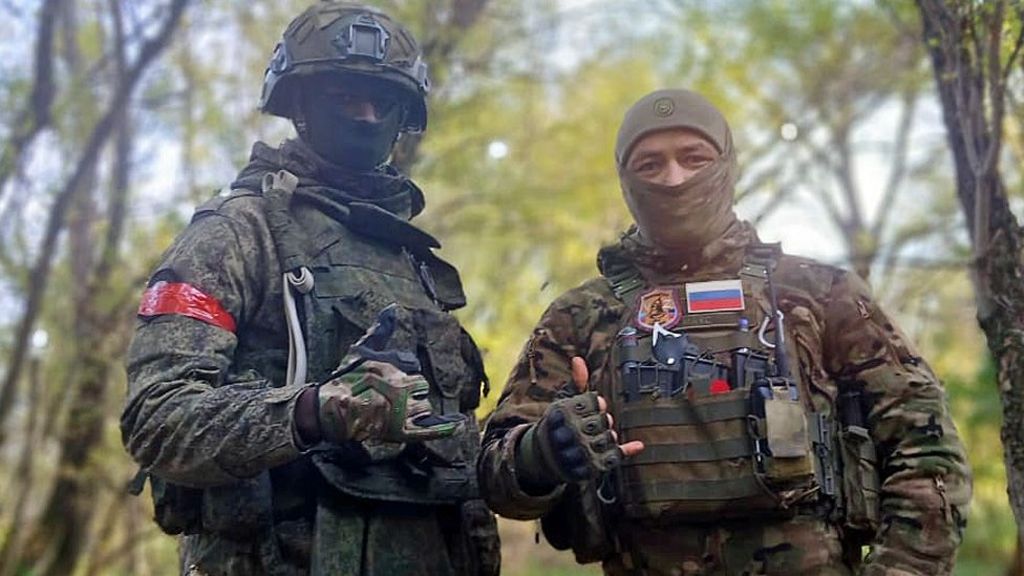
    A young Kenyan man’s pursuit of economic stability ended in tragedy after being deceived into military service in Russia’s war against Ukraine. David Kuloba, 22, initially believed he had secured a lucrative security guard position through a Kenyan recruitment agency—a dream opportunity for someone from Nairobi’s informal Kibera settlement who had been surviving on casual labor.

    Despite his mother Susan’s explicit warnings about Russia’s dangers, Kuloba departed in August 2023, enticed by promises of over $7,000 upon arrival. The reality proved horrifying: instead of security work, he received two weeks of combat training before being deployed to Russian-controlled Ukrainian territory.

    In his final communication on October 4, Kuloba sent his mother voice messages and military documentation, anticipating his possible death. He requested she present these materials to the Russian embassy if he didn’t survive. Subsequent attempts to locate him yielded only vague responses from his recruiter, who initially claimed he was missing before suggesting compensation might be available—without providing any evidence of his fate.

    This case reflects a broader pattern of exploitation. Another Kenyan father revealed his son—recruited as a driver—returned traumatized after being wounded in combat. He described witnessing ‘scattered bodies’ and signing poorly understood contracts under false pretenses.

    Kenyan authorities acknowledge approximately 200 citizens are currently fighting for Russian forces, with recruitment networks remaining active despite government actions. Parliamentary majority chief whip Sylvanus Osoro confirmed several agencies are under investigation, with three licenses suspended and two others being scrutinized. New legislation is being drafted to enhance oversight of overseas recruitment practices.

    The phenomenon extends beyond Kenya, with multiple African nations reporting similar cases of economic migrants being funneled into military service. Many families remain silent due to stigma or legal concerns, though South Africa has seen prominent scandals involving alleged recruitment by politically connected figures.

    Ukrainian officials maintain that foreign fighters supporting Russia will be treated as enemy combatants, offering surrender as the only safe exit strategy. For families like the Kulobas, however, answers remain elusive amid diplomatic complexities and unverified casualties.

  • Israel uses video from Gaza genocide to market arms to European, Asian countries

    Israel uses video from Gaza genocide to market arms to European, Asian countries

    Israeli defense contractors showcased their military technology to representatives from numerous European and Asian nations during Israel’s Defense Tech Week, explicitly highlighting the combat performance of these systems in Gaza operations. The two-day event, co-sponsored by Israel’s Defense Ministry and Tel Aviv University, attracted over 2,000 participants despite growing international condemnation of Israel’s military campaign that has resulted in more than 70,100 Palestinian casualties.

    According to The Wall Street Journal, marketing materials included combat footage depicting Israeli attack drones striking targets within Gaza. This demonstration occurred against the backdrop of what numerous human rights experts, UN officials, and world leaders have characterized as genocidal violence against Palestinians, with daily casualties continuing due to ceasefire violations.

    The attendance roster revealed significant diplomatic contradictions. While the UK government had formally banned Israeli officials from its premier arms fair in London, British embassy representatives nevertheless toured the Israeli event examining weapons systems promoted based on their Gaza deployment. Similarly, Norwegian officials participated despite their government’s sovereign wealth fund—the world’s largest—having recently divested from Caterpillar Inc. and five Israeli banks over human rights concerns in Gaza.

    This participation demonstrates the limited practical impact of diplomatic censure, particularly as global defense spending increases. Israeli arms exports reached a record $14.7 billion in 2024, with the Defense Ministry acknowledging that ‘operational achievements’ in Gaza significantly drove demand. European nations accounted for 54% of these exports, while sales to Arab states party to normalization agreements (Abraham Accords) surged from 3% to 12% year-over-year.

    Major transactions included Germany’s historic $4.6 billion acquisition of the Arrow 3 missile defense system—Israel’s largest-ever defense export deal—and Romania’s $2 billion air-defense purchase from Rafael. Greece similarly approved a $757 million rocket artillery procurement, reflecting strengthened Israel-Greece security cooperation driven by mutual concerns regarding Turkey.

    Despite Pew Research indicating dramatically declining global perceptions of Israel—particularly among younger demographics worldwide—governmental demand for Israeli military technology continues unabated, revealing the complex interplay between geopolitical ethics and security priorities.

  • Israeli general says Bibas family was not abducted by Hamas

    Israeli general says Bibas family was not abducted by Hamas

    In a significant revelation, outgoing Head of Israel’s Hostages and Missing Persons Headquarters Major-General Nitzan Alon has disclosed that the prominent Bibas family was not actually abducted by Hamas during the October 7th attacks. Speaking exclusively to Yedioth Ahronoth, Alon stated that Israeli authorities had identified the actual captors as the Mujahideen Brigades, a smaller Palestinian faction, and had communicated this information to Hamas leadership to assist in recovery efforts.

    The Bibas family—comprising 34-year-old Yarden, his 32-year-old wife Shiri, and their two young sons, four-year-old Ariel and nine-month-old Kfir—became one of the most emotionally charged symbols of the captivity crisis. Tragically, Shiri and the children died while held in Gaza, though conflicting accounts persist regarding their cause of death. Israeli officials previously claimed Hamas fighters killed them directly, while Hamas maintains they perished in Israeli airstrikes.

    Alon elaborated on the complex operational challenges, noting that Hamas faces ‘genuine difficulty’ in locating remaining captives due to ‘the chaos on their side immediately after 7 October.’ Despite these obstacles, Israel maintains belief in the possibility of recovering the last missing individual.

    The broader context reveals staggering numbers: 251 people were initially abducted during the October attacks. Through various ceasefire agreements and diplomatic gestures, 168 captives returned alive to Israel, while 87 were confirmed dead in captivity—many under contested circumstances involving Israeli military actions. In exchange, Israel released 3,985 Palestinian prisoners.

    Currently, at least 9,250 Palestinians remain detained in Israeli prisons, with nearly half held under indefinitely renewable administrative detention orders without formal charges or trial. Israel’s practice of withholding information about detainees from Gaza suggests the actual figure may be substantially higher.

  • Chinese sailor forced to halt Antarctic expedition after robbery

    Chinese sailor forced to halt Antarctic expedition after robbery

    In a devastating blow to polar exploration, Chinese sailor Zhai Mo’s historic Antarctic circumnavigation attempt has been abruptly suspended following a brutal attack on his vessel while anchored in Papua New Guinea waters. The incident, which occurred despite prior security assurances from local authorities, has left the expedition’s sailing craft completely unseaworthy and forced an indefinite postponement of the ambitious 36,000-nautical-mile journey.

    The assault on ‘Zhai Mo No 1’ represents more than mere vandalism—it constitutes a systematic dismantling of the vessel’s operational capabilities. Upon returning from a mandatory customs clearance procedure in the capital city, Captain Zhai and his five crew members discovered their ship ransacked with critical navigation systems, engines, generators, and life-saving equipment either stolen or deliberately destroyed. In a particularly malicious act, perpetrators opened the vessel’s bottom valves, causing extensive flooding throughout all compartments.

    This expedition, which embarked from Shanghai’s Bailianjing wharf on October 10, aimed to achieve humanity’s first complete circumnavigation of Antarctica along the Antarctic Circle while promoting polar ecological conservation and maritime culture. The vessel had previously completed a successful Arctic Ocean circumnavigation, making its current state of disrepair particularly tragic.

    While local law enforcement has intercepted one boat involved in the raid and recovered some stolen equipment, multiple perpetrators remain at large with investigations ongoing. The Chinese embassy in Papua New Guinea has activated emergency protocols, coordinating with local authorities and the Chinese community to provide assistance to the stranded crew members, all of whom are confirmed safe despite the traumatic experience.

    The incident raises significant questions about maritime security in remote waters and represents a substantial setback for international polar exploration efforts. The team must now reevaluate their entire Antarctic mission while assessing whether the extensive damage to their vessel and equipment can be overcome for future expeditions.

  • New materials reinforce Nanjing war truth

    New materials reinforce Nanjing war truth

    In a significant development for historical documentation, the Memorial Hall of the Victims in Nanjing Massacre by Japanese Invaders has publicly revealed thirteen previously undisclosed sets of cultural artifacts and archival materials. This revelation coincides with the 88th anniversary commemorations of the tragic events that unfolded in Nanjing during 1937-1938.

    The comprehensive collection includes multiple categories of evidentiary materials: personal correspondence from Japanese military personnel, photographic documentation of post-occupation Nanjing, archival records of a Chinese military physician killed during the defense operations, an Imperial Japanese Army photographic album, and international publications in English and French detailing wartime atrocities.

    Among the most compelling evidence are two letters written by Japanese soldiers that provide firsthand perpetrator accounts of systematic executions. One particularly disturbing document, dated January 8, 1938, describes in graphic detail the daily execution of Chinese prisoners at a riverside location, with bodies disposed of in the Yangtze River. The soldier’s casual description of these acts as ‘very interesting’ and ‘so satisfying’ offers chilling insight into the psychological mindset of the perpetrators.

    Historical researchers have verified the authenticity of these documents through cross-referencing with previously published materials, including address information matching records in Japanese historical publications. According to Wang Weixing, research fellow at the Jiangsu Provincial Academy of Social Sciences, these letters constitute ‘ironclad evidence’ of Japanese military operations during the massacre period.

    The collection also features eight photographic images donated by Chinese citizens from Henan province, documenting key locations and events during the occupation period. These include images of architectural damage from artillery bombardment, the Japanese military’s formal entry ceremony, and engineering operations conducted during the siege.

    International perspectives are represented through publications including the November 22, 1938 edition of American magazine LOOK, which featured a exposé titled ‘Killing for Fun’ with photographic evidence of Japanese military conduct. Additional evidentiary value comes from French and English publications that document demographic information contradicting revisionist claims about Nanjing’s population at the time of occupation.

    Academic experts emphasize that these materials provide crucial third-party verification of historical events, particularly significant given ongoing attempts by certain factions to deny or minimize the scale of atrocities. The evidence directly counters arguments regarding population figures that have been used to question the established historical record.

    The memorial hall’s expanded collection strengthens the historical narrative through multiple evidentiary streams, ensuring that the memory of victims is preserved with factual accuracy and that future generations may access comprehensive documentation of these historical events.