分类: world

  • As sea drones force Russia to retreat, Ukraine examines ways to launch more complex attacks

    As sea drones force Russia to retreat, Ukraine examines ways to launch more complex attacks

    KYIV, Ukraine — The strategic landscape of Black Sea naval operations has undergone a radical transformation through Ukraine’s innovative deployment of unmanned maritime systems, according to exclusive insights from the nation’s elite drone warfare unit. The commander of Group 13, Ukraine’s specialized sea-drone division operating under military intelligence protocols, revealed that Russian naval forces have been compelled into dramatically restricted operations due to persistent drone threats.

    In a secured location with his identity protected, the officer known by call sign ’13th’ described how Ukraine’s drone campaigns have created an effective maritime blockade situation. “Russian vessels now rarely venture beyond 25 miles from their ports,” he stated. “Their primary activity consists of rapid missile launches followed by immediate retreat—a significant tactical constraint directly attributable to our drone operations.

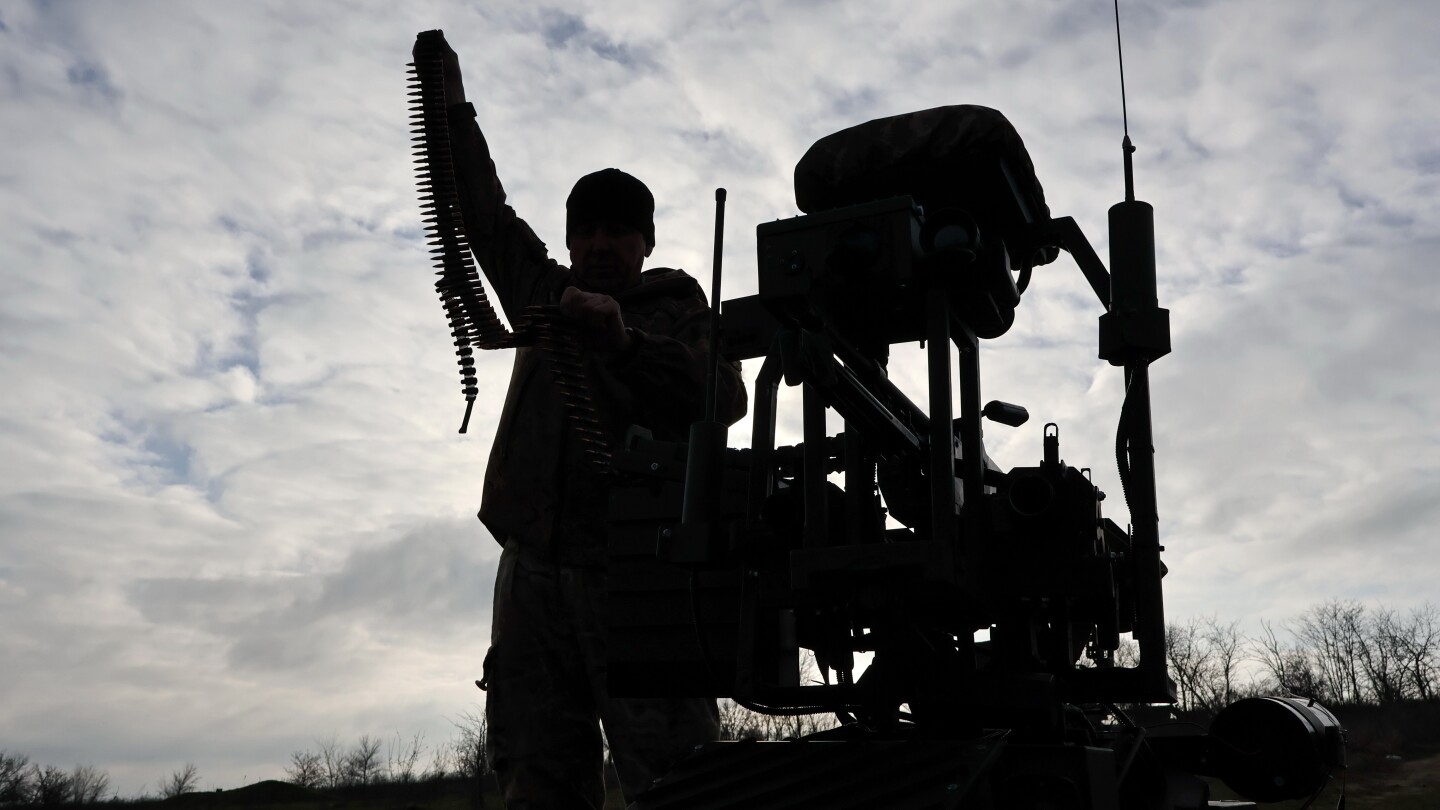
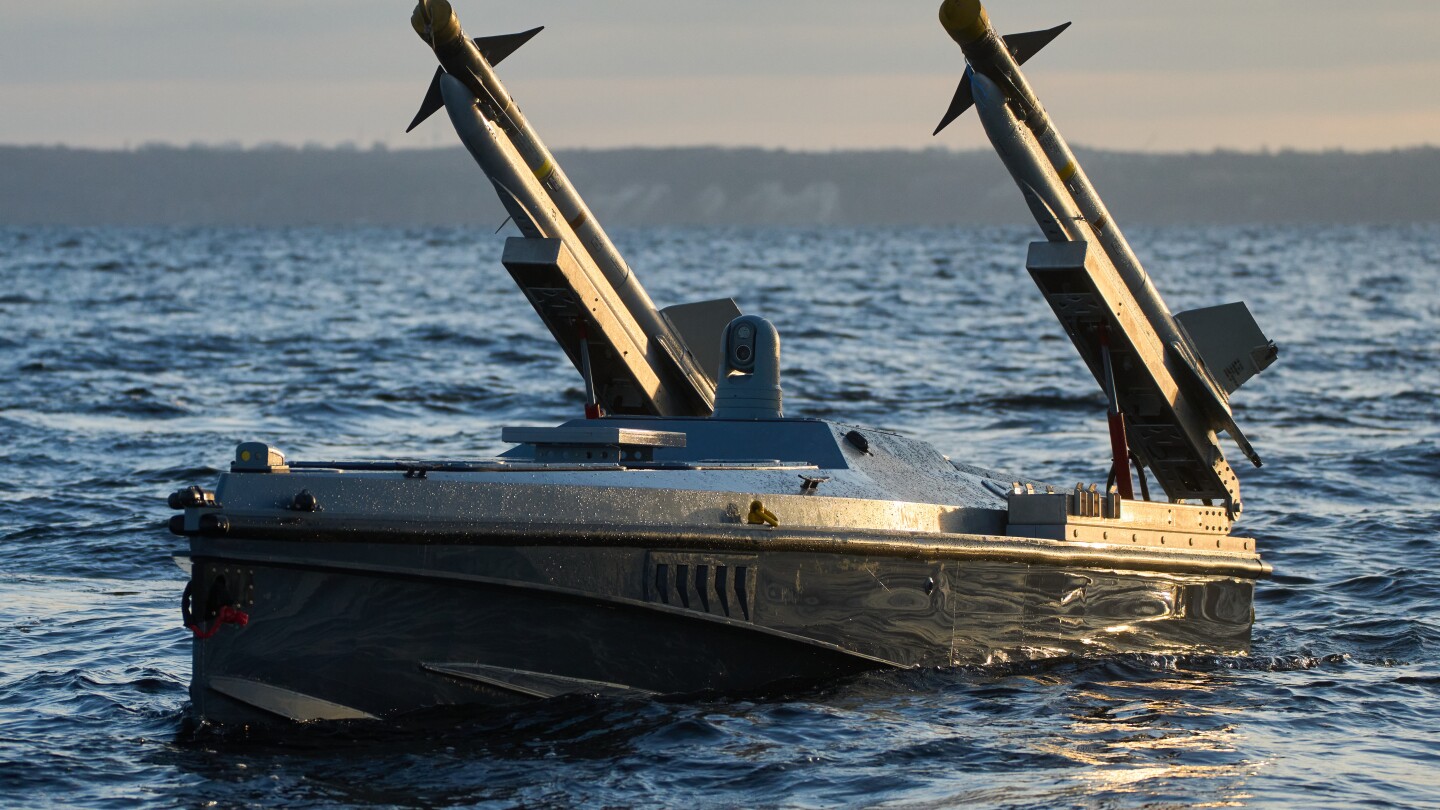
    The technological evolution of Ukraine’s drone arsenal includes two primary variants: the compact V5 ramming drone and the more sophisticated V7 weapons platform. These systems are operated via portable console units featuring joystick controls and multiple safety mechanisms. In a notable advancement, operators have successfully modified V7 drones to carry adapted Sidewinder air-to-air missiles, achieving the unprecedented May 2023 downing of a Russian fighter jet—an event the commander characterized as a “revolutionary moment in naval warfare.”

    Looking toward 2024, the officer outlined plans for increasingly sophisticated strikes incorporating artificial intelligence systems. “We are transitioning toward autonomous target identification capabilities,” he explained. “Future drones will independently distinguish military from civilian vessels and make critical engagement decisions using extensive operational data collected throughout the conflict.”

    Ukraine is simultaneously pursuing international partnerships to enhance its drone capabilities. Recent agreements with Greece include collaborative production of maritime UAVs, expanded training exercises, and intelligence sharing regarding maritime security threats. Similar cooperation initiatives with other NATO members are underway as Ukraine seeks to maintain technological superiority.

    Despite Russia’s adaptive countermeasures, the commander affirmed that Ukraine’s drone program maintains strategic effectiveness. “We have created a situation where we consistently limit enemy movements while developing next-generation capabilities,” he concluded. “The current equilibrium represents not stagnation but preparation for the next phase of autonomous naval warfare.”
  • Philippines: 13,000 families affected by Tropical Depression Wilma

    Philippines: 13,000 families affected by Tropical Depression Wilma

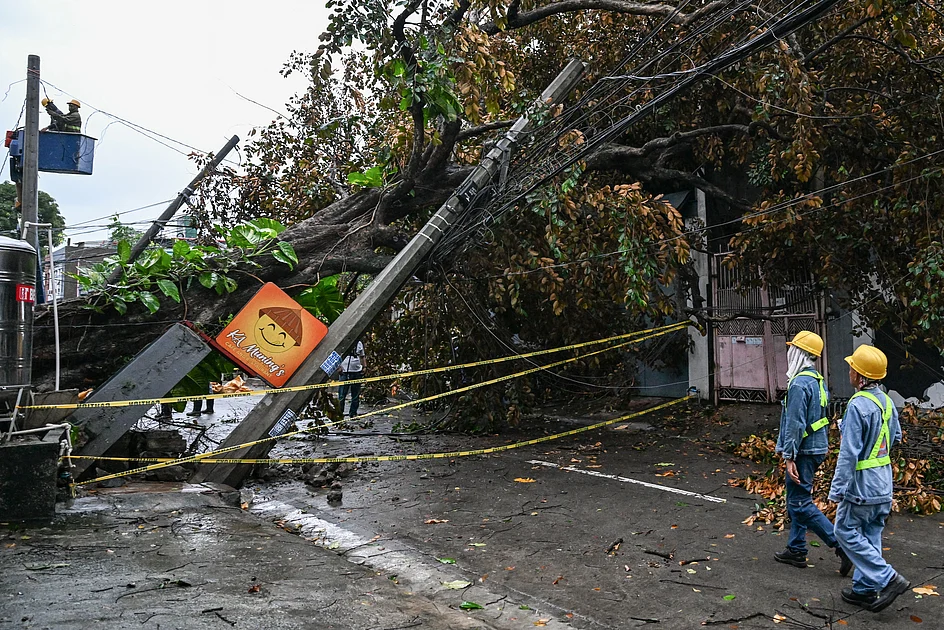
    MANILA – Severe weather conditions triggered by Tropical Depression Wilma, combined with a shear line and the northeast monsoon (amihan), have significantly impacted the Philippines, affecting over 13,000 families. The National Disaster Risk Reduction and Management Council (NDRRMC) reported on Sunday that the adverse conditions have disrupted lives across six regions, 14 provinces, and 34 cities and municipalities.

    The agency’s latest situational assessment indicates that 13,470 families, comprising 35,401 individuals, have been affected. In a positive development, authorities have confirmed no initial reports of casualties or critical infrastructure damage. The primary impact has been on maritime transportation, with widespread disruptions across the nation’s seaports.

    According to the NDRRMC, operations at 118 seaports have been suspended due to hazardous conditions. This has resulted in significant travel interruptions, stranding an estimated 8,447 passengers. The maritime gridlock also affects commerce, leaving 2,688 rolling cargoes stationary and stranding 98 vessels and 24 motorbancas (small local boats). Air travel, however, remains unaffected, with all airports operating normally.

    As a precautionary measure, a large-scale evacuation was undertaken, moving 14,719 individuals to safety from the most vulnerable areas, including MIMAROPA, Regions 7, 8, CARAGA, and the Negros Island Region. The council documented eight flooded areas across Regions 5, 8, and CARAGA. Additionally, seven road sections have been affected by the weather, though all remain passable with caution.

    The Philippine government has mobilized immediate relief efforts, distributing assistance valued at approximately Php76,472 to support displaced and affected families as they contend with the aftermath of the severe weather systems.

  • Triple drone strikes on Sudan kindergarten, hospital kill dozens

    Triple drone strikes on Sudan kindergarten, hospital kill dozens

    In a devastating escalation of Sudan’s ongoing civil conflict, coordinated drone strikes targeted civilian infrastructure in the army-held town of Kalogi, South Kordofan state, resulting in one of the deadliest single incidents since fighting began. The triple assault, which occurred on Thursday, systematically hit a kindergarten followed by a medical facility and then struck again as rescuers attempted to evacuate children from the rubble.

    Local administrator Essam al-Din al-Sayed, communicating via Starlink due to severed conventional communications, confirmed to AFP that the attacks were executed with precision timing to maximize casualties. The United Nations Children’s Fund (UNICEF) verified that over 10 children between ages five and seven perished in the kindergarten bombing, while Sudan’s foreign ministry placed the total death toll at 79 civilians, including 43 children.

    The Sudanese government has attributed responsibility to the paramilitary Rapid Support Forces (RSF) and their allies from the Sudan People’s Liberation Movement-North faction under Abdelaziz al-Hilu. This allegation comes as the RSF expands its offensive beyond its recent capture of El-Fasher—the army’s final western stronghold—into the strategically vital and oil-rich Kordofan region.

    UN representatives have condemned the attack as a gross violation of international humanitarian law. UNICEF Representative for Sudan Sheldon Yett emphasized that ‘targeting educational facilities where children seek safety constitutes an egregious breach of fundamental human rights,’ while demanding immediate humanitarian access to the affected regions.

    The conflict, which erupted in April 2023 between the national army and RSF paramilitaries, has already claimed tens of thousands of lives and displaced nearly 12 million people. The Kordofan region has become the latest flashpoint, with over 40,000 residents fleeing in the past month alone according to UN estimates. Military analysts suggest the RSF’s eastern push aims to dismantle the army’s defensive perimeter around central Sudan, potentially setting the stage for assaults on major urban centers including the capital Khartoum.

    Verification of battlefield reports remains severely hampered by communication blackouts, restricted access for journalists and aid workers, and persistent security threats throughout the region.

  • Java island zoo releases photos of the first panda cub born in Indonesia

    Java island zoo releases photos of the first panda cub born in Indonesia

    JAKARTA, Indonesia — In a landmark achievement for wildlife conservation, Indonesia’s Taman Safari zoo has welcomed the nation’s first native-born giant panda cub. The male offspring, named Satrio Wiratama with the affectionate nickname Rio, entered the world on November 27th at the zoo’s specialized facility in West Java’s Cisarua region.

    The cub’s birth represents the culmination of a decade-long international partnership between Indonesia and China that began with the arrival of parent pandas Hu Chun and Cai Tao in 2017. These magnificent creatures were transferred as part of a comprehensive 10-year conservation agreement designed to protect this vulnerable species.

    Rio’s early development indicators are exceptionally promising according to zoo officials. The cub demonstrates robust health through consistent vocalizations, successful nursing patterns, and steady weight progression. Veterinary specialists are conducting round-the-clock monitoring to ensure optimal development during these critical early weeks. The upcoming developmental milestones include improved thermoregulation capabilities, fur maturation, visual awakening, and initial mobility exercises.

    Indonesian President Prabowo Subianto formally announced the cub’s symbolic name during a meeting with Wang Huning, China’s prominent political advisor. The name Satrio Wiratama embodies the shared dedication between both nations toward endangered species preservation, reflecting themes of hope and resilience.

    The parent pandas reside in a specially designed habitat that zoo officials describe as ‘palace-like accommodations,’ situated approximately 70 kilometers from Jakarta. While public viewing remains temporarily restricted to prioritize the cub’s welfare, the zoo administration has invited collective support for Rio’s continued healthy development.

    This birth holds particular significance within the context of panda conservation biology. Giant pandas face substantial reproductive challenges in captive environments, with fewer than 1,900 individuals remaining across their native habitats in China’s Sichuan, Shaanxi, and Gansu provinces. China’s panda loan initiatives with international zoos have historically functioned as instruments of cultural diplomacy while simultaneously advancing global conservation efforts.

  • Sri Lanka issues landslide warnings as cyclone toll hits 618

    Sri Lanka issues landslide warnings as cyclone toll hits 618

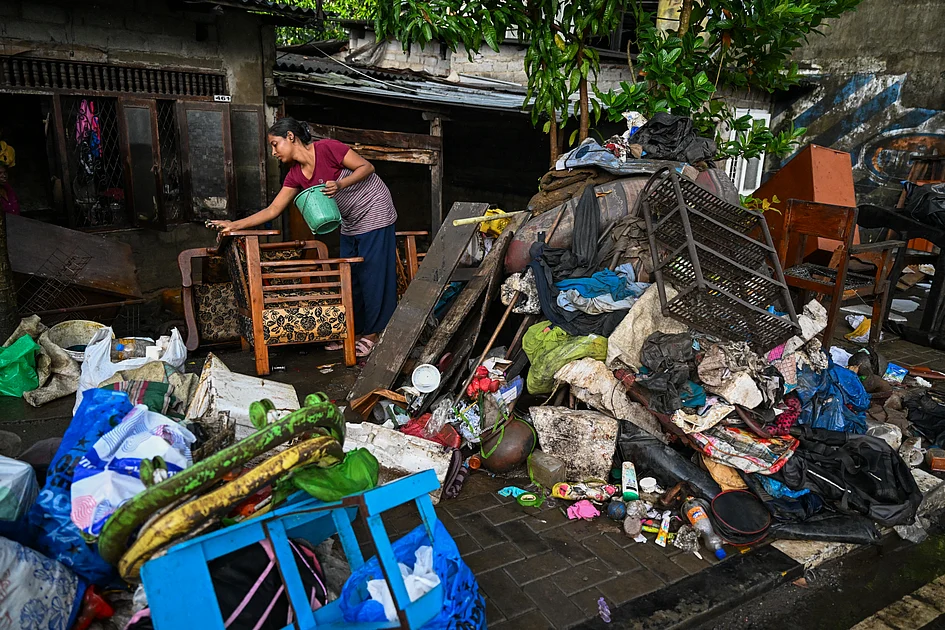
    Sri Lankan authorities escalated landslide alerts on Sunday as torrential rains continued to batter regions already crippled by Cyclone Ditwah, with the official death count climbing to 618 casualties. The catastrophic weather system has impacted over two million residents—representing nearly ten percent of the nation’s population—through devastating floods and landslides marking the most severe natural disaster this century.

    The Disaster Management Centre (DMC) reported that ongoing monsoon conditions are exacerbating the situation, saturating hillsides and increasing instability across central mountainous zones and northwestern midlands. Aviation units are conducting critical supply missions to isolated communities in the country’s interior, where landslide debris has severed access routes.

    International assistance continues to arrive, with the Sri Lanka Air Force receiving a humanitarian shipment from Myanmar on Sunday. Official statistics reveal 209 individuals remain missing, while the number of displaced persons in government shelters has decreased to 100,000 from a peak of 225,000 as floodwaters gradually recede.

    Structural damage assessment indicates over 75,000 homes suffered impairment, including approximately 5,000 completely destroyed properties. In response, the government unveiled a comprehensive compensation initiative on Friday to facilitate reconstruction of residences and revitalization of businesses devastated by the calamity.

    Financial support measures include offers of up to 10 million rupees ($33,000) for survivors to acquire safer land and construct new dwellings, alongside one million rupees compensation for families of deceased or permanently disabled victims. The central bank has mandated commercial lenders to restructure outstanding loans amid recovery efforts.

    The disaster strikes as Sri Lanka demonstrates fragile economic recovery from its 2022 financial collapse. President Anura Kumara Dissanayake acknowledged to parliament that while economic indicators had improved, the nation lacks sufficient resilience to independently manage reconstruction costs potentially reaching $7 billion. The International Monetary Fund is evaluating Sri Lanka’s request for an additional $200 million in emergency funding beyond its existing $2.9 billion bailout program.

  • Sri Lankans in UAE unite behind ‘Tears to Smiles’ campaign for Cyclone Ditwah victims

    Sri Lankans in UAE unite behind ‘Tears to Smiles’ campaign for Cyclone Ditwah victims

    The Sri Lankan diaspora in the United Arab Emirates has mobilized an extensive humanitarian response following Cyclone Ditwah’s catastrophic impact on their homeland. Multiple professional associations, alumni networks, and the Sri Lankan Welfare Association (SLWA) have united to coordinate relief efforts for victims of the devastating storm that claimed 618 lives and caused an estimated $7 billion in reconstruction costs.

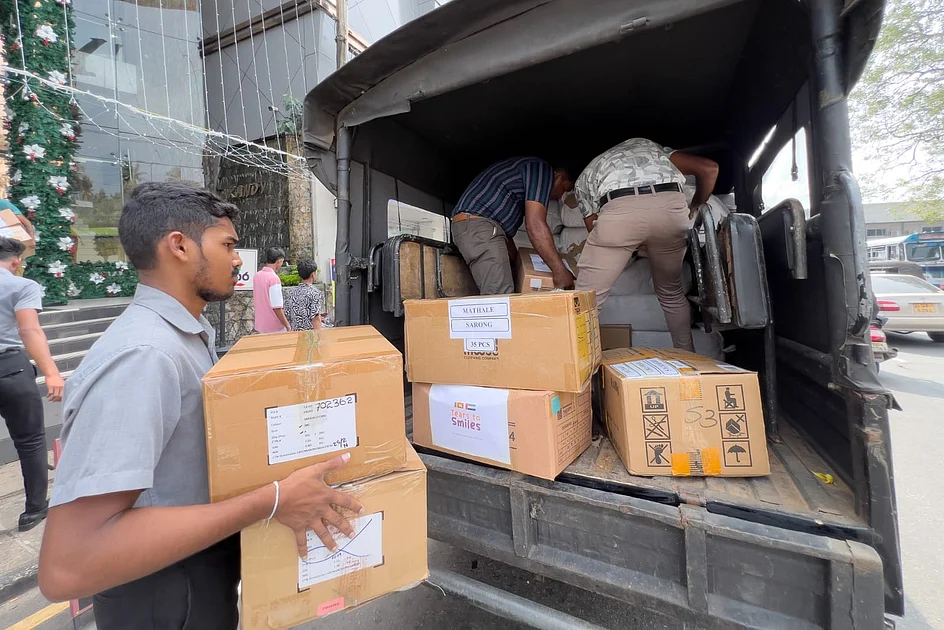
    Central to these efforts is the ‘Tears to Smiles’ initiative launched December 1st, which aims to provide essential clothing packages to affected communities across Sri Lanka’s hardest-hit districts. The campaign has already demonstrated significant progress, with 530 gift packs valued at Dh42,000 distributed to flood victims in Badulla, Matale, and Anuradhapura regions—representing 53% of their initial 1,000-pack target.

    The Sri Lankan Bankers Association (SLBA)-UAE is collaborating with diplomatic missions to establish transparent, coordinated support channels ensuring direct assistance reaches those most affected. Association President M. Isthiaq Raziq emphasized the importance of systematic coordination with authorities in Sri Lanka to maximize the effectiveness of their relief operations.

    Community leaders expressed profound gratitude toward UAE leadership for their substantial support while highlighting the collective determination of expatriates to aid recovery efforts. Sanjaya R. Jirasinha of SLWA-Sahana noted the campaign demonstrates that affected compatriots ‘are not alone,’ while representatives from banking, management, and travel sectors reaffirmed their commitment to ongoing support through coordinated action with Sri Lankan diplomatic posts in the UAE.

  • Gaza talks at ‘critical moment’, ceasefire not complete, Qatar’s prime minister says

    Gaza talks at ‘critical moment’, ceasefire not complete, Qatar’s prime minister says

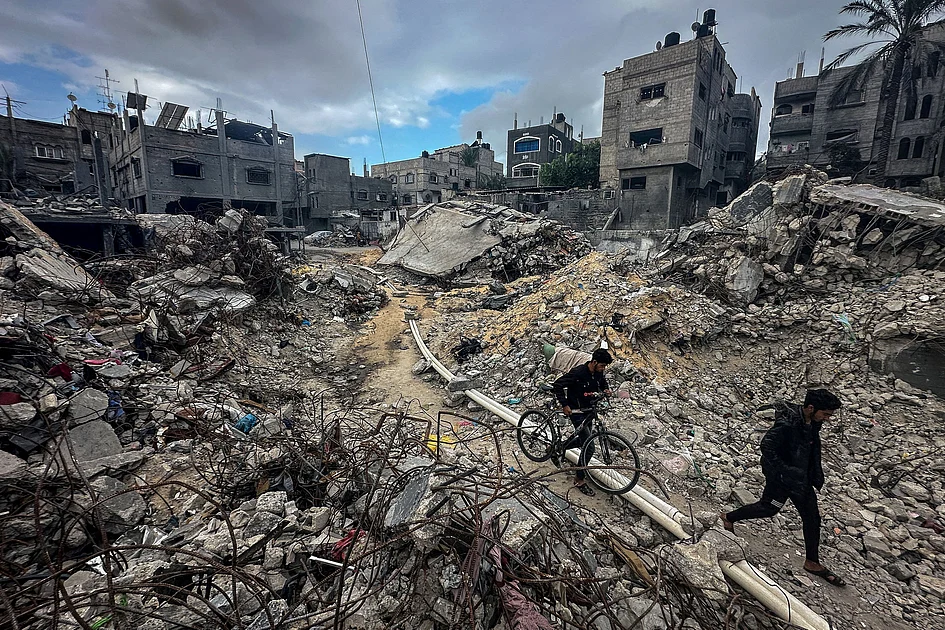
    Qatari Prime Minister Sheikh Mohammed bin Abdulrahman al-Thani declared on Saturday that negotiations to solidify the U.S.-backed truce in Gaza have entered a critically sensitive phase. Speaking with measured urgency, the Qatari leader emphasized that current conditions cannot yet be classified as a complete ceasefire, noting that a genuine cessation of hostilities requires full Israeli military withdrawal and restored stability enabling free civilian movement throughout Gaza.

    The Prime Minister, whose nation has served as a pivotal mediator in the conflict, confirmed ongoing diplomatic efforts to advance the next phase of the truce arrangement. These efforts specifically focus on establishing unimpeded civilian movement within the besieged territory, a fundamental requirement for sustainable peace.

    Despite the overall reduction in violence since the October 10 truce implementation, hostilities have not fully ceased. Palestinian health authorities reported seven fatalities in northern Gaza communities on Saturday, including a seventy-year-old woman allegedly killed in a drone strike. Israeli military officials countered these claims, stating their forces—positioned behind established withdrawal boundaries—engaged and eliminated three militants who crossed demarcation lines in separate incidents. The military explicitly denied conducting any drone strikes in the area.

    Parallel negotiations continue regarding the implementation of former U.S. President Donald Trump’s conflict resolution proposal. This plan envisions establishing an interim technocratic Palestinian administration in Gaza, supervised by an international ‘board of peace’ and supported by a multinational security force. However, discussions concerning the composition and mandate of this proposed force have encountered significant obstacles.

    The initial phase of Trump’s proposal nears completion following recent developments. Hamas has released all twenty surviving hostages and returned twenty-seven bodies in exchange for approximately 2,000 Palestinian prisoners and detainees. An Israeli delegation met with mediators in Cairo to negotiate the return of the final remaining deceased hostage, after which Israel committed to opening the Rafah Crossing for both exit and entry operations.

    Both conflicting parties continue to exchange allegations of truce violations, with Israel maintaining targeted operations against what it identifies as Hamas infrastructure, underscoring the fragile nature of the current arrangement.

  • Russian strikes kill 1 as US and Ukraine officials wrap up third day of diplomatic talks

    Russian strikes kill 1 as US and Ukraine officials wrap up third day of diplomatic talks

    Ukrainian civilians faced another wave of lethal attacks over the weekend as Russian forces launched coordinated missile, drone, and artillery strikes across multiple regions. The assaults resulted in at least three fatalities and significant damage to critical infrastructure, occurring simultaneously with high-level diplomatic discussions between U.S. and Ukrainian officials.

    In the northern Chernihiv region, local authorities confirmed one civilian death from a drone attack Saturday night. Meanwhile, the central industrial city of Kremenchuk suffered combined missile and drone strikes targeting energy facilities, causing widespread power and water disruptions. Kremenchuk represents a strategic industrial center housing one of Ukraine’s largest oil refineries.

    Eastern Ukraine’s Kharkiv region witnessed particularly intense shelling on Sunday, with regional police reporting two additional deaths and seven injuries from Russian artillery fire.

    Western intelligence assessments indicate Russia continues its systematic campaign to degrade Ukraine’s energy infrastructure, marking the fourth consecutive winter where civilian access to heating, electricity, and running water has been weaponized as part of Moscow’s military strategy.

    The violence unfolded alongside continued diplomatic efforts, with Ukrainian President Volodymyr Zelenskyy confirming a ‘substantive phone call’ with American officials engaged in talks with Ukrainian delegates in Florida. Zelenskyy emphasized Ukraine’s commitment to ‘working in good faith with the American side to genuinely achieve peace’ in a social media statement.

    Outgoing U.S. envoy Keith Kellogg, speaking at the Reagan National Defense Forum, characterized peace negotiations as being in ‘the last 10 meters,’ citing territorial disputes in the Donbas region and control of the Zaporizhzhia Nuclear Power Plant as remaining obstacles. The facility, under Russian occupation since early in the invasion, requires constant power to maintain safety systems for its six shutdown reactors.

    In a separate development, Kremlin spokesman Dmitry Peskov expressed approval of the Trump administration’s newly released national security strategy, describing its statements against confrontation and in favor of dialogue as ‘encouraging.’ The document signals Washington’s intention to rebuild strategic stability with Moscow and end the Ukraine conflict as a core U.S. interest.

  • Chernobyl radiation shield ‘lost safety function’ after drone strike, UN watchdog says

    Chernobyl radiation shield ‘lost safety function’ after drone strike, UN watchdog says

    The structural integrity of Chernobyl’s protective containment shield has been critically compromised following a military drone strike earlier this year, according to a recent safety assessment by the International Atomic Energy Agency (IAEA). The massive steel structure, designed to prevent radioactive leakage from the site of the 1986 nuclear disaster, has reportedly lost its primary containment capabilities after sustaining severe damage during the February incident.

    While Ukrainian authorities attributed the attack to Russian forces—a claim vehemently denied by the Kremlin—international nuclear safety experts emphasize that the situation, though serious, does not warrant public panic. Professor Jim Smith, a renowned environmental scientist from the University of Portsmouth with extensive research experience in Chernobyl’s aftermath, clarified that the immediate radiation risk remains contained due to multiple protective layers.

    The original concrete sarcophagus, constructed immediately after the catastrophic meltdown, maintains its function of containing radioactive dust beneath the newer protective shell. This secondary shield—designed with a 100-year lifespan to replace the aging initial structure—suffered damage to its outer cladding during the attack, creating vulnerabilities that require urgent repair.

    IAEA Director General Rafael Grossi stressed that ‘timely and comprehensive restoration remains essential to prevent further degradation and ensure long-term nuclear safety.’ Although inspectors confirmed no permanent damage to load-bearing structures or monitoring systems, the agency has prioritized repairs to maintain the facility’s containment integrity.

    Concurrently, the UN nuclear watchdog has expanded its safety assessments across Ukraine’s energy infrastructure amid ongoing conflict. Recent airstrikes on strategic industrial hubs like Kremenchuk have heightened concerns about critical electrical substations that power nuclear safety systems. Grossi emphasized these facilities are ‘absolutely indispensable’ for maintaining reactor cooling and other essential safety mechanisms throughout Ukraine’s nuclear network.

  • India: Tourists among at least 23 killed in Goa nightclub fire

    India: Tourists among at least 23 killed in Goa nightclub fire

    A devastating fire erupted at a nightclub in India’s popular coastal state of Goa, resulting in at least 23 fatalities including several foreign tourists. The tragedy occurred shortly after midnight at the Birch nightclub in Arpora, North Goa district, marking one of the deadliest nightlife incidents in recent memory.

    Goa Chief Minister Pramod Sawant confirmed the catastrophic death toll in an early Sunday statement, characterizing the event as ‘a very painful day for all of us in Goa.’ Sawant personally visited the disaster site and immediately ordered a comprehensive investigation, vowing that ‘those found responsible will face most stringent action under the law.’

    Preliminary reports from local authorities indicate three victims succumbed to burn injuries while the majority died from suffocation in the chaotic blaze. Distressing video footage captured by Press Trust of India showed emergency personnel carrying injured and deceased patrons down the establishment’s narrow stone staircase as police, paramedics, and horrified onlookers crowded the streets.

    The Chief Minister revealed the nightclub had been operating without proper permissions, stating unequivocally that ‘this tragic incident should never have happened.’ While initial speculation points to a possible cylinder blast as the ignition source, police officials emphasize that definitive conclusions await thorough investigation.

    Local legislator Michael Lobo confirmed that rescue operations continued throughout the night, with firefighters and police working tirelessly at the scene. In response to the catastrophe, officials have announced immediate fire safety audits at all similar entertainment venues across the region.

    This incident represents the latest in a series of deadly fires that have plagued India due to widespread non-compliance with safety regulations, inadequate building standards, and chronic overcrowding. The tragedy strikes particularly hard in Goa, a former Portuguese colony renowned for its vibrant nightlife, pristine beaches, and relaxed coastal atmosphere that attracts millions of international visitors annually.

    The disaster echoes similar recent fire catastrophes across India, including a May blaze in Hyderabad that killed 17 people, a April hotel fire in Kolkata claiming 15 lives, and last year’s amusement park inferno in Gujarat that resulted in 24 fatalities—all incidents attributed to insufficient safety measures and regulatory failures.