分类: world

  • People in Benin felt ‘total fear’ at attempted coup

    People in Benin felt ‘total fear’ at attempted coup

    Citizens of Cotonou, Benin’s economic hub, are grappling with profound shock and widespread terror following a destabilizing attempt by renegade soldiers to seize power from the democratically elected government. The incident, which unfolded with alarming speed, has cast a pall of fear over the city, with residents describing an atmosphere of ‘total fear’ as gunfire erupted and the specter of political chaos loomed.

    Eyewitness accounts detail scenes of panic as the attempted coup forced civilians to seek refuge indoors, disrupting daily life and commerce. The swift and decisive response from forces loyal to President Patrice Talon ultimately thwarted the insurrection, but the event has exposed underlying tensions within the West African nation. This attack on Benin’s institutions marks a serious challenge to its stability, which has been regarded as a democratic anchor in a region increasingly plagued by military takeovers and jihadist insurgencies.

    The failed coup has drawn international condemnation, with regional bodies and global powers reiterating support for constitutional order. Analysts are now scrutinizing the potential motivations behind the attempt, from internal political grievances to the broader regional trend of democratic backsliding. The event serves as a stark reminder of the fragile nature of governance in the region and has prompted a nationwide security crackdown as authorities work to identify and apprehend all conspirators involved.

  • One hundred abducted schoolchildren released in Nigeria

    One hundred abducted schoolchildren released in Nigeria

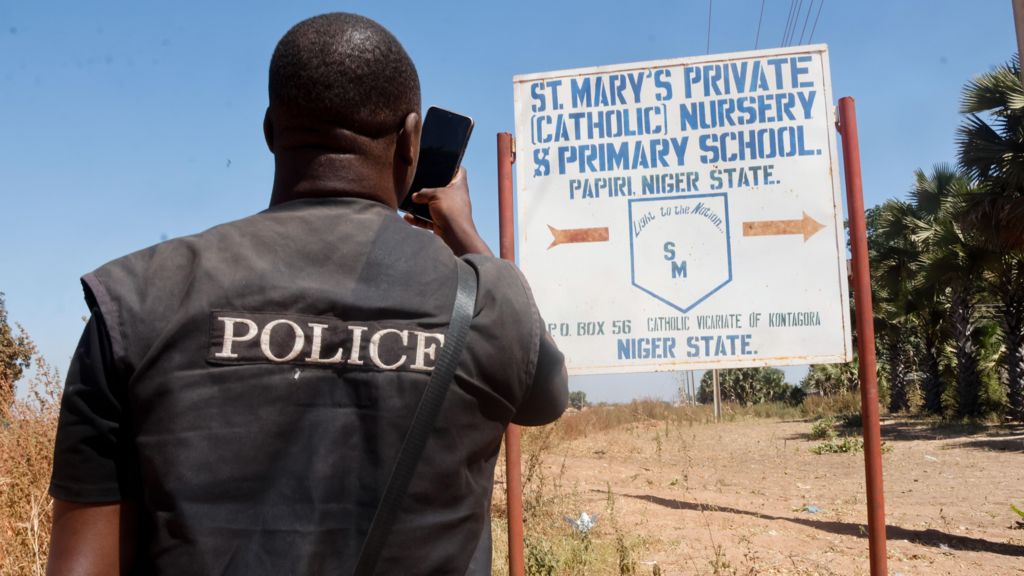
    Approximately 100 students kidnapped from St Mary’s Catholic school in Nigeria’s central Niger state last month have been successfully released, according to official confirmations from both religious and law enforcement authorities. The development marks a partial resolution to one of the latest mass abductions that have gripped the nation.

    Niger State Police Commissioner Adamu Abdullahi Elleman and Bishop Bulus Dauwa Yohanna, the local Catholic leader overseeing the school, independently verified to BBC that they received official notification regarding the children’s liberation. Government authorities indicated that the reunification process between the freed students and their families would commence on Monday, though specific operational details remain classified.

    The November 21st assault on St Mary’s Catholic school in Papiri resulted in the abduction of more than 250 students alongside 12 staff members, representing merely one incident in an escalating pattern of coordinated kidnappings targeting educational and religious institutions across northern and central Nigeria.

    Critical aspects surrounding the release operation remain shrouded in secrecy. Authorities have not disclosed whether the children’s freedom was achieved through tactical military intervention or negotiated settlement, nor have they confirmed if financial ransoms were exchanged. Abdullahi Sule, Governor of neighboring Nasarawa state, acknowledged the federal government’s pivotal involvement while emphasizing that operational sensitivities prevent full transparency regarding the rescue methodology.

    The liberation follows last week’s visit to Papiri by National Security Adviser Nuhu Ribadu, who personally assured community representatives led by Bishop Yohanna that authorities were prioritizing the safe recovery of all captives.

    This incident occurs within a broader context of intensified attacks against soft targets. Mere days before the St Mary’s abduction, parallel incidents unfolded at the Christ Apostolic Church in Kwara state (resulting in two fatalities and 38 kidnappings) and Government Girls’ Secondary School in Kebbi state (where two were killed and 25 Muslim students captured). While victims from these prior attacks have since gained freedom, the systematic targeting continues unabated.

    Just last week, armed assailants seized approximately 20 individuals across two separate events—including worshipers at a newly established church in Kogi state and wedding participants in predominantly Muslim Sokoto state.

    Analytical consensus predominantly attributes these kidnappings to criminal syndicates seeking monetary gains, though presidential representatives have alternatively suggested jihadist involvement. Nigeria’s official prohibition of ransom payments intends to disrupt terrorist financing, though widespread noncompliance reportedly persists.

    The security crisis attracted international scrutiny when former US President Donald Trump recently threatened potential military intervention should Christian persecutions continue. Nigerian officials counter that violence affects all religious communities equally, rejecting allegations of sectarian targeting.

  • Thailand launches airstrikes along border with Cambodia as tensions reignite

    Thailand launches airstrikes along border with Cambodia as tensions reignite

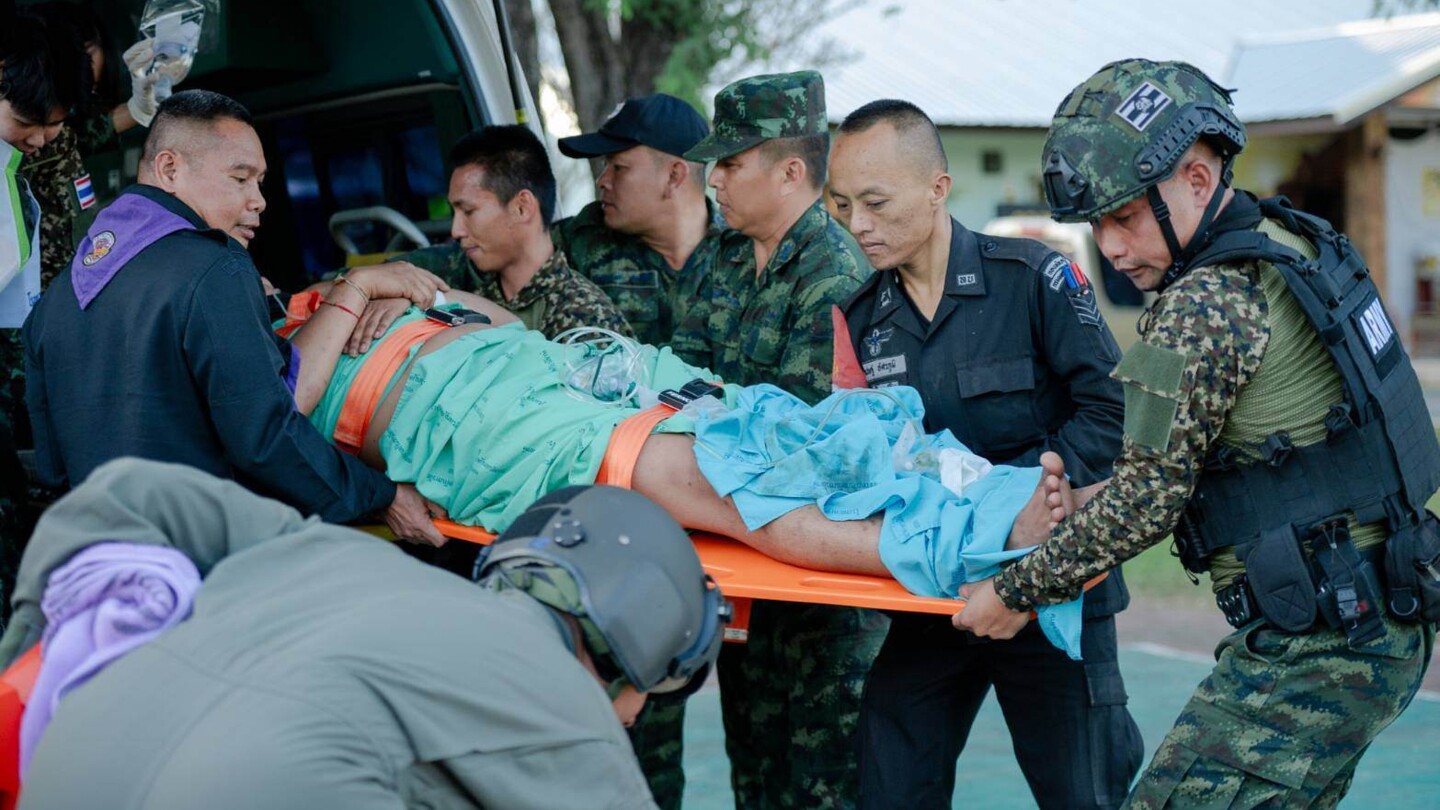
    BANGKOK — Military tensions reignited along the Thailand-Cambodia border on Monday as both nations exchanged airstrikes and artillery fire while mutually accusing each other of initiating hostilities. The escalation represents a significant breach of the U.S.-mediated ceasefire agreement established in October following deadly clashes in July that resulted in dozens of military and civilian casualties.

    Thai military authorities reported one soldier killed and four wounded, claiming Cambodian forces initiated the conflict with cross-border attacks. In response, Thailand deployed aircraft to strike what it identified as Cambodian military positions. “Our forces conducted aerial operations against multiple military targets to suppress Cambodian supporting fire attacks,” stated Thai Army spokesperson Major General Winthai Suvaree, adding that civilian evacuations were underway in affected border regions.

    Cambodia’s Defense Ministry provided a contradictory account, with spokesperson Maly Socheata asserting that Thai military forces launched the initial assault. “Cambodia did not retaliate during the Monday morning attacks,” Socheata emphasized, while urging Thailand to “immediately cease all hostile activities threatening regional peace and stability.”

    The Cambodian Education Ministry implemented emergency measures, closing several border-area schools. Social media documentation showed students being hurriedly evacuated, with many transported via motorcycles as families sought safety from the renewed violence.

    This latest outbreak follows Sunday’s border skirmish that both sides similarly attributed to the other nation. The fragile U.S.-brokered truce, negotiated through President Donald Trump’s administration, had already been jeopardized last month when Thai troops sustained injuries from landmine explosions, prompting Thailand to indefinitely suspend its implementation of the ceasefire agreement.

    The current confrontation draws upon centuries of historical enmity between the neighboring nations, with modern territorial disputes originating from a 1907 French colonial-era map that Thailand contests. The International Court of Justice’s 1962 ruling granting Cambodia sovereignty over the Preah Vihear temple area remains a particularly sensitive issue in bilateral relations.

    Despite the October ceasefire agreement, the fundamental border demarcation disputes remain unresolved, continuing to fuel tensions between the Southeast Asian neighbors.

  • UN calls on Taliban to lift ban on Afghan women in its offices

    UN calls on Taliban to lift ban on Afghan women in its offices

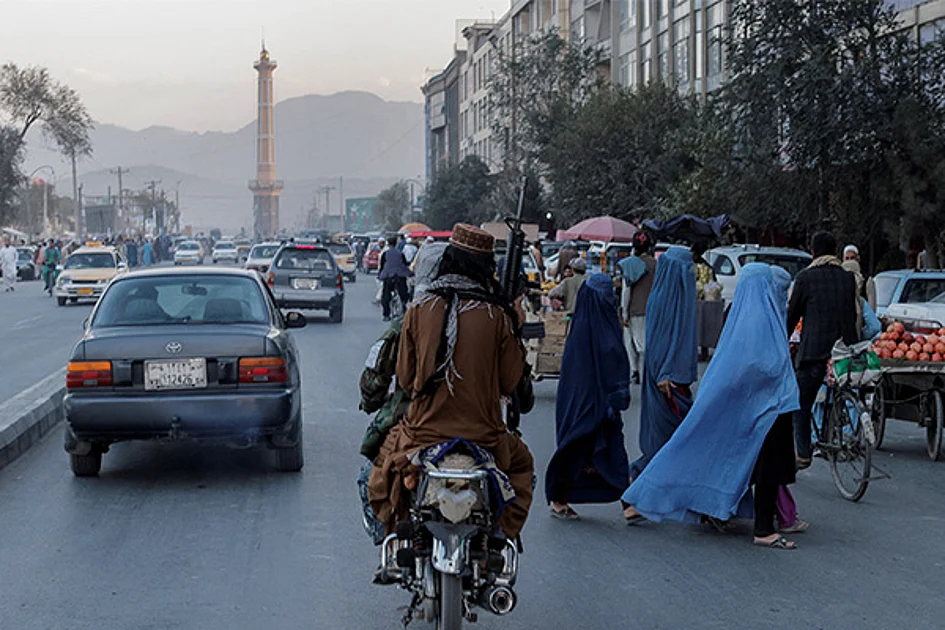
    The United Nations issued a formal appeal to Taliban authorities on Sunday, demanding the immediate reversal of restrictions prohibiting Afghan women from working within UN offices throughout Afghanistan. Susan Ferguson, UN Women’s special representative in the country, emphasized that these measures jeopardize critical humanitarian operations and violate fundamental human rights principles.

    Since assuming power in 2021, the Taliban regime has systematically excluded women from most professional sectors, including education beyond age 12, access to public spaces, and employment opportunities. The specific ban on female UN staff, implemented in September, has forced hundreds of women to work remotely for three consecutive months despite their crucial role in delivering emergency assistance.

    These female professionals have been instrumental in coordinating relief efforts for earthquake victims and supporting Afghan migrants forcibly returned from Pakistan and Iran. Ferguson stressed that their physical presence remains essential for providing culturally appropriate aid to women and girls, who often cannot be reached by male colleagues due to cultural constraints.

    The UN refugee agency has already suspended cash assistance programs for returned migrants, acknowledging that without female staff, they cannot adequately interview or assist the over 50% of returnees who are women. The Taliban administration has not responded to international requests for commentary regarding these restrictions.

  • Israel army says killed two Palestinians after attempted ramming attack

    Israel army says killed two Palestinians after attempted ramming attack

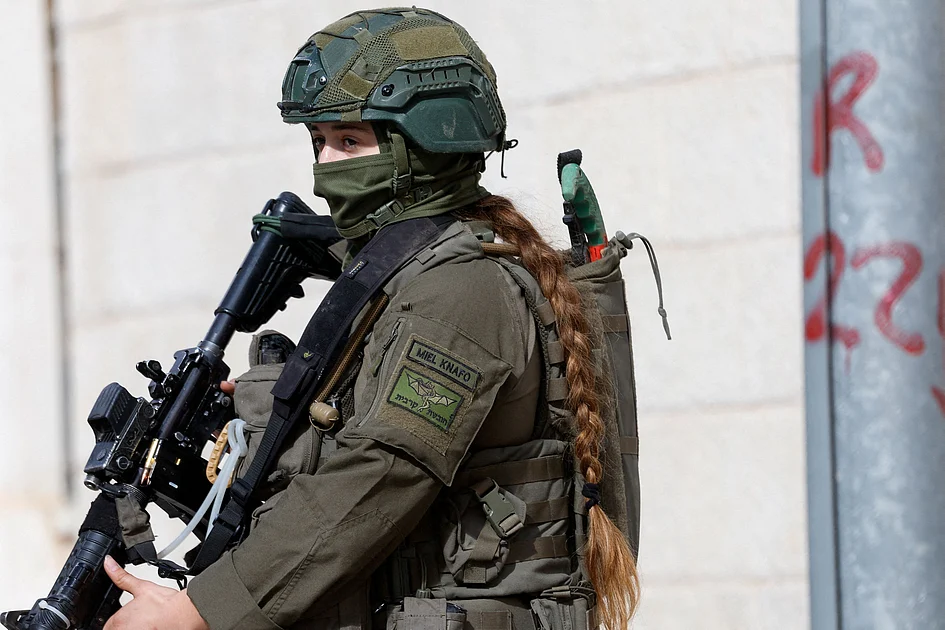
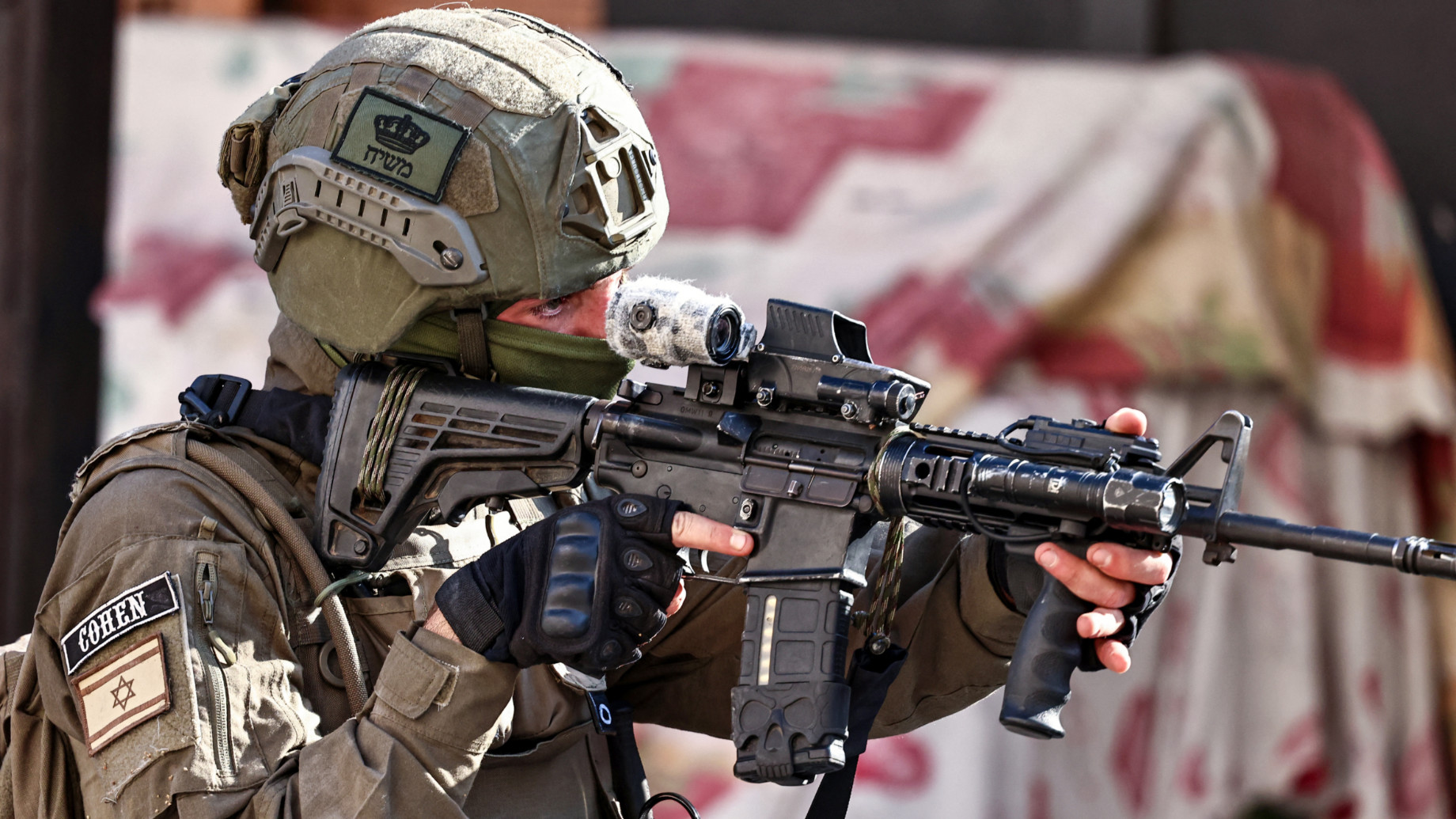
    Israeli military forces fatally shot two Palestinian individuals during a confrontation near Hebron in the occupied West Bank on Saturday night, according to conflicting accounts from Israeli and Palestinian authorities. The Israel Defense Forces stated the incident began when a vehicle accelerated toward soldiers stationed at a security checkpoint in the Bab al-Zawiya area, prompting troops to open fire and “eliminate” what they described as a terrorist threat.

    Palestinian authorities identified the deceased as 17-year-old Ahmad Khalil Al-Rajabi and 55-year-old Ziad Jabara Abu Dawoud, the latter reportedly employed as a sanitation worker. The Palestinian Red Crescent confirmed the older victim’s civilian occupation. Initial military investigations suggest the sanitation worker was traveling separately from the alleged attacker and was “uninvolved” in the incident, according to Israel’s army radio.

    This lethal encounter occurs against a backdrop of intensifying violence throughout the West Bank since the commencement of the Israel-Hamas conflict in October 2023. Despite a fragile truce between Israel and Hamas, tensions remain critically elevated in the occupied territory. According to documentation by AFP based on Palestinian health ministry statistics, more than 1,000 Palestinians have lost their lives in the West Bank since the Gaza war began—many identified as militants but including substantial numbers of civilians. Official Israeli figures report at least 44 Israeli casualties, comprising both military personnel and civilians, during the same period in Palestinian attacks or military operations.

    The incident underscores the persistent volatility in the region, where checkpoint confrontations frequently result in lethal outcomes. Both sides maintain sharply divergent narratives regarding the circumstances of violent incidents, complicating efforts toward de-escalation and reconciliation.

  • Waterspout spotted after Storm Byron hits Cyprus

    Waterspout spotted after Storm Byron hits Cyprus

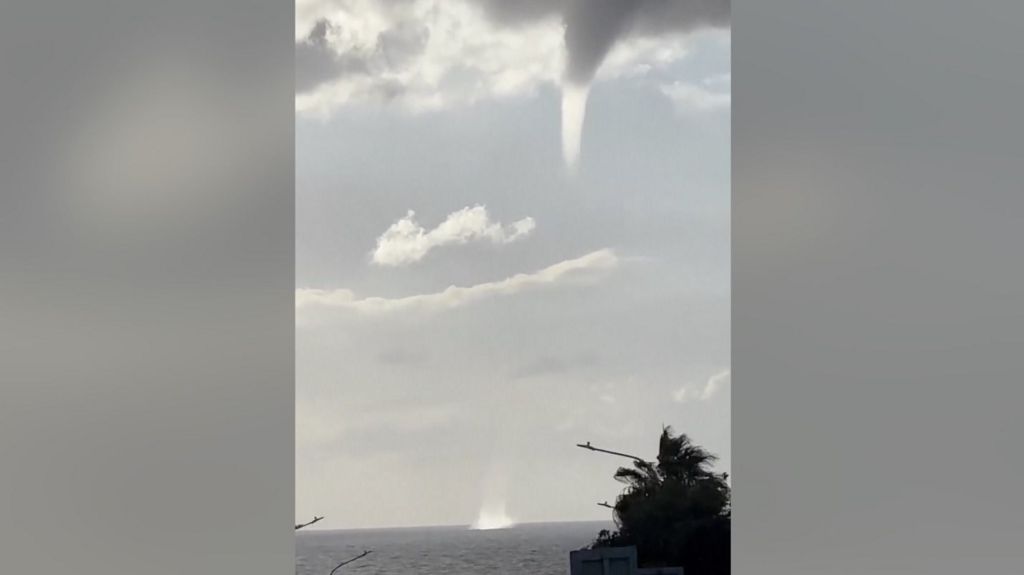
    The eastern Mediterranean island of Cyprus witnessed a powerful meteorological spectacle in the wake of Storm Byron this week, as a formidable waterspout was observed swirling off its coastline. This event underscores the intense and dynamic weather patterns affecting the region.

    A waterspout, defined as a rotating column of condensed water droplets and air, forms over substantial bodies of water such as oceans or large lakes. These phenomena occur when cool air moves across warmer water surfaces, creating a significant temperature gradient that fosters the development of a vortex. While often less powerful than their terrestrial tornado counterparts, waterspouts can still pose considerable hazards to marine navigation and coastal infrastructure.

    The appearance of this waterspout follows the passage of Storm Byron, a potent weather system that brought heightened wind speeds, precipitation, and turbulent conditions to the island nation. Such storms can create the ideal atmospheric instability required for waterspout formation. Local meteorological services have been monitoring these developments closely, advising residents and mariners to exercise heightened caution during and after such severe weather events. The occurrence serves as a stark reminder of the powerful and sometimes unpredictable forces of nature that can emerge from significant storm systems.

  • Venezuela swears in 5,600 troops after US military build-up

    Venezuela swears in 5,600 troops after US military build-up

    In a significant show of military readiness, Venezuela formally inducted 5,600 new soldiers into its armed forces during a ceremony held Saturday at Fuerte Tiuna, the nation’s largest military complex in Caracas. This mobilization comes as a direct response to what Caracas perceives as escalating military aggression from the United States.

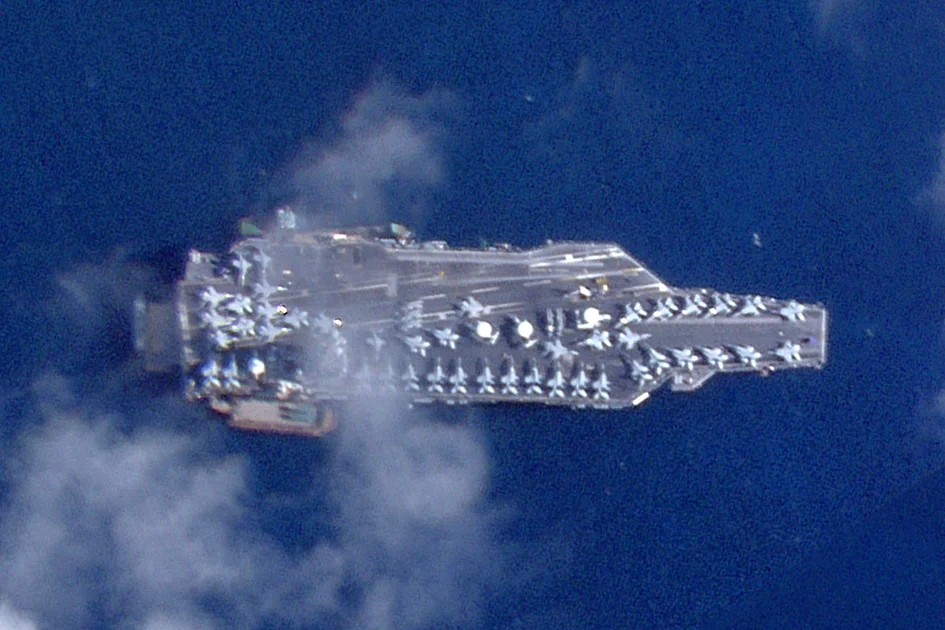
    The United States has recently deployed a substantial naval presence to the Caribbean, including the world’s largest aircraft carrier, under the official justification of intensifying anti-narcotics operations. Washington has designated President Nicolas Maduro’s government as a terrorist organization, labeling it the ‘Cartel of the Suns,’ and has conducted strikes on over 20 vessels, resulting in at least 87 fatalities.

    Colonel Gabriel Rendon, speaking at the swearing-in ceremony, declared a firm stance against foreign intervention, stating, ‘Under no circumstances will we allow an invasion by an imperialist force.’ President Maduro has characterized the US military build-up as a transparent attempt to orchestrate a coup d’état and seize control of Venezuela’s vast oil reserves, prompting his call for accelerated military recruitment.

    This external tension is shadowed by deepening internal political strife. The nation continues to grapple with the aftermath of July’s highly contested presidential election. A recent tragic development saw the death of Alfredo Diaz, a former opposition governor, in prison. He was detained on charges of terrorism and incitement, becoming at least the sixth opposition figure to die in custody since November 2024. Human rights NGO Foro Penal, which defends political prisoners, reported that Diaz had been held in isolation for a year with severely restricted access.

    Nobel Peace Prize laureate and opposition leader Maria Corina Machado, alongside opposition candidate Edmundo Gonzalez Urrutia, issued a joint statement condemning a ‘sustained pattern of state repression.’ They alleged that these deaths involved the denial of medical care, inhumane detention conditions, isolation, and torture. According to Foro Penal, Venezuela currently holds at least 887 individuals as political prisoners, many arrested following protests that resulted in 28 deaths and approximately 2,400 arrests, though nearly 2,000 have since been released.

  • Israeli soldiers kill Palestinian man and teenager in West Bank

    Israeli soldiers kill Palestinian man and teenager in West Bank

    A violent incident at an Israeli military checkpoint in Hebron, occupied West Bank, resulted in the deaths of two Palestinians on Saturday evening, according to official sources. Israeli security forces opened fire on a vehicle allegedly accelerating toward their position, killing the 17-year-old driver and an uninvolved bystander.

    The Israeli military stated that soldiers responded to a perceived threat when a vehicle accelerated toward their checkpoint position. While confirming the driver’s death, officials acknowledged an “uninvolved person” was also fatally wounded in the incident. Palestinian authorities identified the victims as Ahmed Khalil al-Rajabi, the teenage driver, and Ziad Naim Abu Dawood, a 55-year-old municipal street cleaner who was working nearby at the time of the shooting.

    Palestinian news agency Wafa reported that Abu Dawood was left bleeding at the scene for an extended period before his body was eventually transferred to the Red Crescent. The incident prompted widespread condemnation and a general strike across Hebron on Sunday, with businesses shuttering in protest. Municipal workers joined the strike after confirming Abu Dawood was a city employee killed while performing his duties.

    The shooting occurs amid sharply escalating violence throughout the West Bank over the past year. Recent data from the Palestinian health ministry indicates 51 Palestinian minors have been killed by Israeli forces since January. According to the Colonisation and Wall Resistance Commission, November witnessed approximately 2,144 attacks by Israeli forces and settlers against Palestinians and their property, representing a significant escalation in regional tensions.

  • Frank Gehry’s Guggenheim Abu Dhabi ‘orphaned’ as tributes pour in for the visionary

    Frank Gehry’s Guggenheim Abu Dhabi ‘orphaned’ as tributes pour in for the visionary

    The global architecture community mourns the passing of Frank Gehry at 96, with particular resonance felt in Abu Dhabi where his final and largest museum project approaches completion. The Guggenheim Abu Dhabi, currently in its final construction phase on Saadiyat Island, continues its steady progression toward a 2026 opening despite the architect’s absence.

    Apostolos Kyriazis, Associate Professor of Architecture and Urbanism at Abu Dhabi University, describes the situation as leaving the monumental project ‘orphaned,’ yet emphasizes that Gehry’s detailed planning ensures the museum’s completion remains uncompromised. ‘His passing will not jeopardise the completion of the museum,’ Kyriazis stated. ‘Gehry was there when needed to conceptualise and elaborate its implementation.’

    The design itself represents a profound reinterpretation of Gulf architectural heritage. The structure’s dynamic composition of stacked cones and cubes evokes traditional elements like the burjeel (wind tower) and arish (palm frond courtyard house), creating what Kyriazis characterizes as ‘both light, playful and elegant.’ The museum’s scale already dominates Saadiyat Island’s cultural district, dwarfing neighboring institutions including the Louvre Abu Dhabi.

    Beyond physical structures, Gehry’s legacy in the UAE encompasses his transformative influence on architectural education. Kyriazis, who has taught Gehry’s work for years, notes how the architect reshaped how students understand form, space and digital design potential. ‘His buildings dance. They are light, elastic, and swing on the wind,’ he explained. ‘There are no more edges and outlines.’

    Global tributes have highlighted Abu Dhabi’s significant place in Gehry’s legacy. The Solomon R. Guggenheim Foundation posted an official tribute stating ‘Frank’s genius magnified the Guggenheim’s mission and showed why museum architecture matters.’ Meanwhile, architect Alex Dantziguian noted the rising Guggenheim Abu Dhabi ‘will stand as a tribute to his work.’

    Art journalist Judith Benhamou recalled Gehry’s recent November visit to Abu Dhabi, expressing sadness that he wouldn’t witness the museum’s opening. The architectural visionary’s influence extends beyond physical structures, inspiring what Kyriazis describes as ‘a new generation of dreamers’ who will continue pushing boundaries in design and urban aesthetics.

  • As sea drones force Russia to retreat, Ukraine examines ways to launch more complex attacks

    As sea drones force Russia to retreat, Ukraine examines ways to launch more complex attacks

    KYIV, Ukraine — The strategic landscape of Black Sea naval operations has undergone a radical transformation through Ukraine’s innovative deployment of unmanned maritime systems, according to exclusive insights from the nation’s elite drone warfare unit. The commander of Group 13, Ukraine’s specialized sea-drone division operating under military intelligence protocols, revealed that Russian naval forces have been compelled into dramatically restricted operations due to persistent drone threats.

    In a secured location with his identity protected, the officer known by call sign ’13th’ described how Ukraine’s drone campaigns have created an effective maritime blockade situation. “Russian vessels now rarely venture beyond 25 miles from their ports,” he stated. “Their primary activity consists of rapid missile launches followed by immediate retreat—a significant tactical constraint directly attributable to our drone operations.

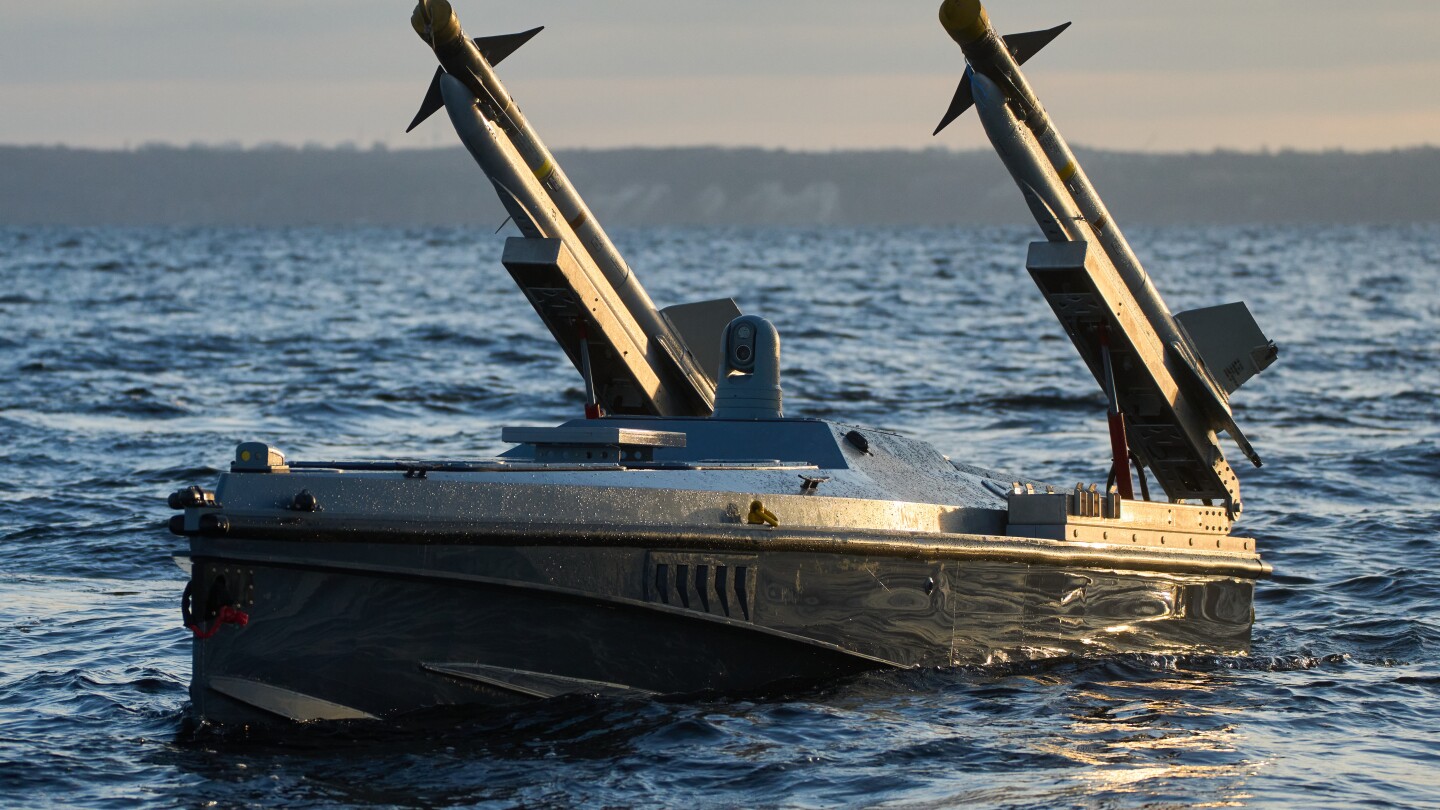
    The technological evolution of Ukraine’s drone arsenal includes two primary variants: the compact V5 ramming drone and the more sophisticated V7 weapons platform. These systems are operated via portable console units featuring joystick controls and multiple safety mechanisms. In a notable advancement, operators have successfully modified V7 drones to carry adapted Sidewinder air-to-air missiles, achieving the unprecedented May 2023 downing of a Russian fighter jet—an event the commander characterized as a “revolutionary moment in naval warfare.”

    Looking toward 2024, the officer outlined plans for increasingly sophisticated strikes incorporating artificial intelligence systems. “We are transitioning toward autonomous target identification capabilities,” he explained. “Future drones will independently distinguish military from civilian vessels and make critical engagement decisions using extensive operational data collected throughout the conflict.”

    Ukraine is simultaneously pursuing international partnerships to enhance its drone capabilities. Recent agreements with Greece include collaborative production of maritime UAVs, expanded training exercises, and intelligence sharing regarding maritime security threats. Similar cooperation initiatives with other NATO members are underway as Ukraine seeks to maintain technological superiority.

    Despite Russia’s adaptive countermeasures, the commander affirmed that Ukraine’s drone program maintains strategic effectiveness. “We have created a situation where we consistently limit enemy movements while developing next-generation capabilities,” he concluded. “The current equilibrium represents not stagnation but preparation for the next phase of autonomous naval warfare.”