分类: world

  • Border clashes between Thailand and Cambodia intensify with airstrikes and artillery attacks

    Border clashes between Thailand and Cambodia intensify with airstrikes and artillery attacks

    Tensions along the contested Thai-Cambodian border have dramatically escalated with renewed military engagements, including alleged airstrikes and heavy artillery exchanges. The Cambodian Defense Ministry reported Thursday that Thai fighter jets dropped three bombs in border regions, accusing Thailand of violating international laws through deployment of heavy weapons and troop incursions. Thailand’s military countered that these actions were responses to Cambodian artillery and mortar attacks on their positions the previous night.

    The conflict has resulted in significant human casualties, with approximately two dozen reported fatalities this week and hundreds of thousands displaced on both sides. Thailand confirmed nine soldier deaths since Monday, while Cambodia reported eleven civilian fatalities and seventy-four wounded. The fighting has damaged residential areas near the border, with Thailand claiming destruction of Cambodian military infrastructure including a strategic crane near the historic Preah Vihear temple.

    International concern continues to mount, with Pope Leo XIV expressing deep sadness at the renewed conflict and civilian suffering. The United Nations Educational, Scientific and Cultural Organization (UNESCO) voiced strong concern about fighting near the World Heritage-listed Preah Vihear temple, offering technical assistance for its protection.

    The current escalation follows the collapse of a July ceasefire brokered by Malaysia under pressure from U.S. President Donald Trump, who threatened trade privilege suspensions. Despite the agreement, minor cross-border violence and propaganda campaigns persisted. President Trump expressed confidence in his ability to reinstate peace, planning Thursday phone discussions with both nations’ leaders.

    The border dispute originates from competing territorial claims based on a 1907 French colonial-era map and was exacerbated by a 1962 International Court of Justice ruling that granted Cambodia sovereignty over the temple area, a decision that remains contentious in Thailand.

  • Goa nightclub owners held in Thailand over deadly fire

    Goa nightclub owners held in Thailand over deadly fire

    Indian authorities have confirmed the detention in Thailand of two brothers sought in connection with a catastrophic nightclub fire in Goa that resulted in 25 fatalities. Gaurav and Saurabh Luthra, proprietors of the Birch By Romeo Lane establishment, were apprehended in Phuket after fleeing India shortly following the Sunday morning incident.

    Nagesh Singh, India’s Ambassador to Thailand, stated publicly on Thursday that the brothers will be repatriated to India. This development occurred one day after a Delhi court rejected their petition for protection from arrest, prompting the Goa state government to formally request the revocation of their passports through India’s Ministry of External Affairs.

    The devastating blaze erupted in the early hours of Sunday within a popular nightlife district of the tourist-centric state. Preliminary investigations indicate pyrotechnics ignited inside the venue triggered the rapid conflagration. Among the deceased, most were club employees while five victims were identified as international tourists.

    While the Luthra brothers have maintained public silence since the tragedy, their legal representative asserted in court proceedings that they were subjected to a ‘witch hunt.’ Saurabh Luthra, identified on social media as chairman of the operating company, posted a statement Monday expressing ‘profound grief’ and promising the management’s ‘unwavering solidarity’ with affected families alongside commitments of full cooperation.

    Goa Chief Minister Pramod Sawant disclosed Wednesday that six individuals have already been arrested regarding the incident, with additional arrests anticipated. Indian investigators revealed that upon raiding the brothers’ Delhi residence hours after the fire, they discovered the suspects had already fled the country, necessitating Interpol assistance in the international manhunt.

    Goa, renowned for its beaches and vibrant tourism industry, faces renewed scrutiny over safety regulations in its entertainment venues following this tragic event.

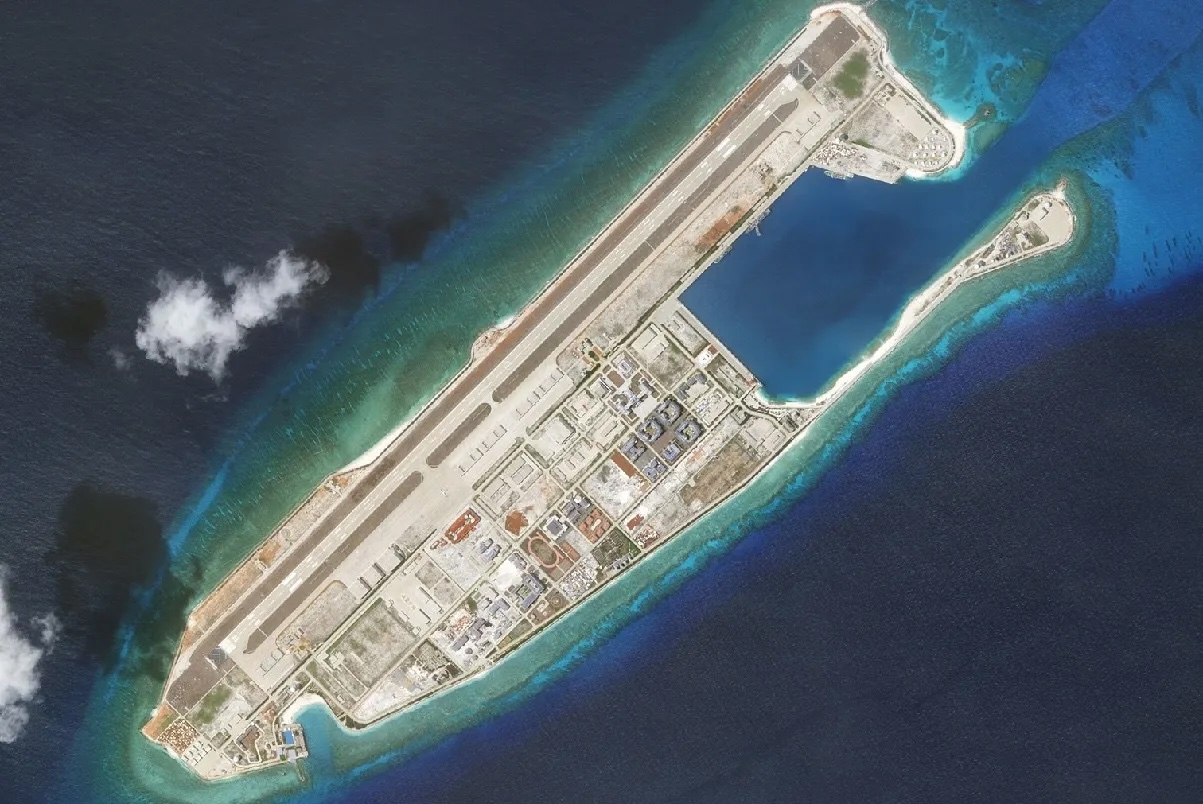
  • China builds an electromagnetic kill zone in the South China Sea.

    China builds an electromagnetic kill zone in the South China Sea.

    China has significantly enhanced its electronic warfare capabilities across the Spratly Islands, transforming the South China Sea into a strategically contested electromagnetic battlespace according to recent analyses. Between 2023 and 2025, Beijing has quietly deployed advanced surveillance and jamming infrastructure on its artificial island bases, fundamentally altering the regional security balance.

    Satellite imagery analysis by the Asia Maritime Transparency Initiative reveals sophisticated antenna arrays and mobile electronic warfare vehicles positioned on Fiery Cross, Mischief, and Subi reefs. The installations include at least six purpose-built sites with monopole antennas oriented seaward, complemented by vehicle-mounted jamming systems targeting specific electromagnetic frequencies. Infrastructure developments include specialized shelters at Subi Reef and a circular concrete platform at Mischief Reef designed for rapid antenna deployment.

    The technological upgrades extend to two new radomes at Subi Reef, creating overlapping intelligence, surveillance, and reconnaissance (ISR) coverage patterns matching previous installations on other reefs. These developments are complemented by fortified coastal emplacements capable of hosting artillery or mobile weapons systems.

    A November 2025 US-China Economic and Security Review Commission report highlights how these capabilities directly threaten the networked systems that form the core of US military operations. The People’s Liberation Army has developed sophisticated capacity to disrupt, degrade, or paralyze US reconnaissance, communications, and targeting systems—potentially impairing access to satellites and networked sensors during both peacetime and conflict scenarios.

    Technical assessments indicate China could utilize these outposts as regional electronic warfare hubs, enabling communications jamming, radar disruption, and geolocation of foreign forces. Mobile jammers, high-frequency direction-finding arrays, and satellite communication interception sites provide triangulation capabilities and sensor overwhelming capacity.

    Operational concepts reportedly focus on crippling US Navy carrier strike groups by targeting critical sensors and data-sharing systems. Priority targets include the AN/SPY-1 phased-array radar on Aegis ships, vulnerable to jamming and drone-generated false returns. China also aims to disrupt the E-2C Hawkeye’s coordination role and exploit signal transponders to compromise the Cooperative Engagement Capability network.

    Recent incidents suggest these capabilities may already be operational. The October 2025 loss of a US Navy MH-60R Sea Hawk helicopter and F/A-18 Super Hornet fighter from the USS Nimitz within 30 minutes of each other potentially resulted from electronic warfare interference with aircraft systems, though official investigations remain inconclusive.

    Strategically, these developments support China’s efforts to establish a submarine bastion in the South China Sea, creating a protective reconnaissance and defensive network for its nuclear ballistic missile submarines. This system enables submarine maneuverability while evading foreign tracking and maintaining nuclear deterrence patrols.

    In contrast, US Lieutenant General John Caine acknowledged in April 2025 congressional testimony that US joint forces remain inadequately protected against advanced electronic warfare capabilities, noting America has ‘lost some muscle memory’ after decades operating in permissive electromagnetic environments.

  • Israel used Palantir technology in its 2024 Lebanon pager attack, book claims

    Israel used Palantir technology in its 2024 Lebanon pager attack, book claims

    A newly published biography has revealed that Israel deployed sophisticated software from the American technology firm Palantir during its controversial 2024 pager bombings in Lebanon. The operation, which targeted communications devices belonging to Hezbollah members, resulted in significant casualties and has drawn condemnation from international human rights experts.

    According to author Michael Steinberger’s ‘The Philosopher in the Valley: Alex Karp, Palantir, and the Rise of the Surveillance State,’ Israel significantly expanded its utilization of Palantir’s technology following the outbreak of conflict in Gaza in October 2023. The book details how this partnership culminated in ‘Operation Grim Beeper,’ where hundreds of Hezbollah fighters were injured by exploding pagers and walkie-talkies that had been covertly rigged with explosives.

    The September 17 attacks saw thousands of pagers detonate simultaneously across Lebanon. Many devices displayed ‘error’ messages and emitted intense vibrations before explosion, effectively drawing victims—including both combatants and civilians—into proximity at the moment of detonation. Subsequent explosions occurred the following day during public funerals for those killed in the initial attacks.

    The aftermath left 42 people dead and thousands wounded, with many survivors sustaining life-altering injuries to their eyes, faces, and hands. While Israeli officials celebrated the operation’s success, United Nations experts condemned the tactics as ‘terrifying’ violations of international law.

    Steinberger’s account notes that Israel’s demand for Palantir’s assistance became so substantial that the company dispatched a team of engineers from London to support Israeli users. This revelation comes amid growing scrutiny of technology companies’ involvement in military operations against Palestinians and neighboring states.

    A July report by UN Special Rapporteur Francesca Albanese accused several tech firms, including Palantir, of profiting from ‘crimes including illegal occupation, apartheid and genocide in occupied Palestine.’ The report specifically cited Palantir’s provision of ‘automatic predictive policing technology’ and its ‘Artificial Intelligence Platform,’ which enables real-time battlefield data integration for automated decision-making.

    Albanese called on UN member states to suspend trade agreements with entities endangering Palestinians and urged international courts to pursue investigations against corporate executives for potential complicity in international crimes. Middle East Eye has reached out to Palantir for comment regarding these allegations.

  • Blend of unusual weather conditions brings trillions of gallons in persistent rain to the Northwest

    Blend of unusual weather conditions brings trillions of gallons in persistent rain to the Northwest

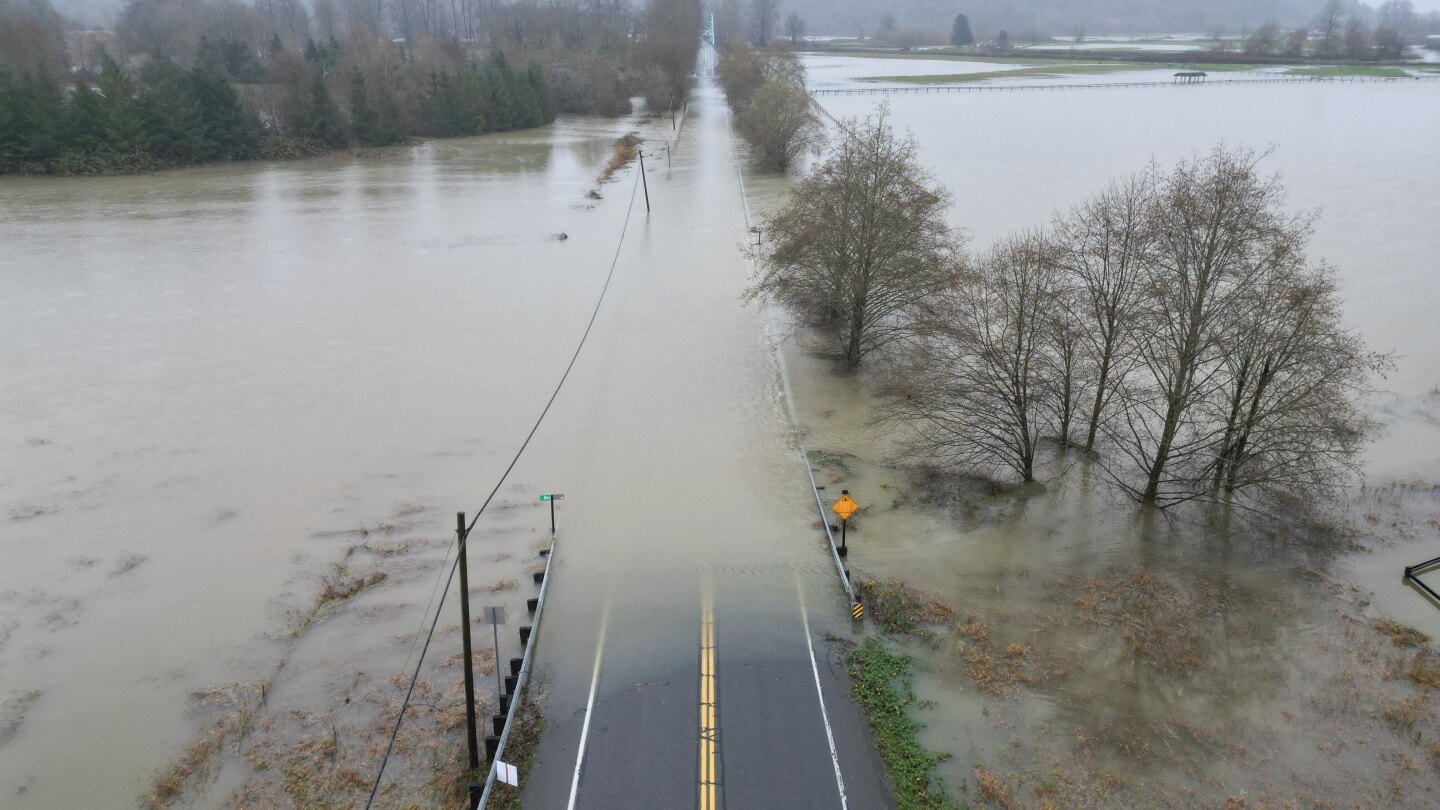
    Meteorologists have identified an extraordinary confluence of climatic factors behind the devastating atmospheric rivers that have inundated Washington state with nearly 5 trillion gallons (19 trillion liters) of rainfall over seven days, pushing river systems toward record flood levels.

    The persistent moisture band, described as a relentless “fire hose” by National Weather Service’s western region acting science chief Matt Jeglum, is expected to maintain intensity through Thursday before gradually diminishing. Forecast models indicate the Pacific Northwest may not see relief from this exceptional pattern until Christmas week.

    These atmospheric rivers—elongated corridors of tropical moisture transport—typically occur several dozen times annually in the region. However, current events demonstrate unprecedented scale and intensity fueled by a chain of unusual conditions. The moisture originated several hundred miles north of Hawaii, where abnormally warm ocean temperatures several degrees above normal provided additional energy and vapor content.

    Former NOAA chief scientist Ryan Maue, now a private meteorologist, noted the system’s continual reloading mechanism: “The amount of rainfall in the three-week period could reach 20 to 30 inches. That’s quite extreme.”

    Scientific analysis reveals the event’s connection to broader climatic patterns. The initial trigger occurred two weeks ago near Indonesia, where tropical cyclone flooding interacted with the Madden Julian Oscillation—a tropical weather pattern experiencing its strongest December intensity in decades. This created an unbroken moisture channel extending toward the Americas, subsequently diverted northward by unusual pressure systems and temperature differentials involving Russian warmth and Alaskan cold.

    Climate scientists emphasize the role of human-induced warming in intensifying such events. A Climate Central analysis determined ocean temperatures beneath these atmospheric rivers are ten times more likely to be abnormally warm due to climate change, while elevated Pacific Northwest air temperatures are four to five times more likely. Previous research published this year already indicated atmospheric rivers have expanded their coverage area by 6-9% and increased frequency by 2-6% since 1980.

    Washington state climatologist Guillaume Mauger confirmed the Skagit River watershed faces particularly severe flood risks following combined rainfall from Monday and Wednesday’s systems. The event’s magnitude, while extraordinary, reflects emerging patterns in our warming climate where traditional weather phenomena gain destructive potential through thermodynamic enhancement.

  • Watch: Video shows US military seizing oil tanker off Venezuela coast

    Watch: Video shows US military seizing oil tanker off Venezuela coast

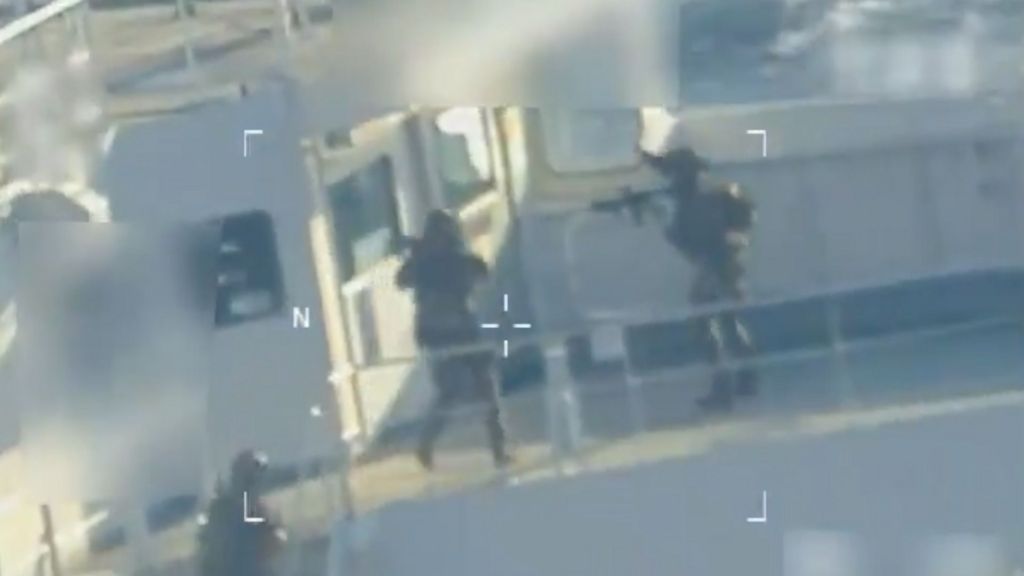
    The United States military has executed a high-seas interdiction operation, seizing an oil tanker allegedly involved in transporting sanctioned crude from Venezuela and Iran. The operation, visually documented in a recently released video, showcases U.S. naval forces overtaking the vessel off the coast of Venezuela.

    The footage was publicly disclosed by U.S. Attorney General Pam Bondi, who served as the primary source for the operation’s details. According to the official statement, the vessel was actively engaged in a scheme to circumvent international sanctions by illicitly moving oil originating from two heavily sanctioned regimes: Venezuela’s state-owned petroleum company and Iranian exports.

    This maritime seizure represents a significant enforcement action within the ongoing maximum pressure campaigns against both Caracas and Tehran. The strategic interception underscores the U.S. government’s commitment to enforcing its comprehensive sanctions regime through military means when necessary. The operation likely involved coordination between the Department of Justice, the Department of Defense, and possibly intelligence agencies to track and apprehend the tanker.

    The incident is expected to escalate already heightened tensions in Caribbean waters, potentially drawing diplomatic protests from both Venezuela and Iran. It also demonstrates the tangible methods being employed to disrupt the revenue streams that sustain these governments, moving beyond mere financial sanctions to active physical interception of prohibited commodities.

  • Gaza family mourns boys killed by Israel along Yellow Line

    Gaza family mourns boys killed by Israel along Yellow Line

    In a devastating incident that underscores the ongoing violence in Gaza, two young Palestinian brothers were killed by an Israeli drone strike while gathering essential firewood near a contested demarcation zone. The tragedy occurred on November 29th in Bani Suheila, east of Khan Younis, despite an official ceasefire agreement.

  • Rainstorm floods Gaza tents as UN expert slams Israel’s ‘slow genocide’

    Rainstorm floods Gaza tents as UN expert slams Israel’s ‘slow genocide’

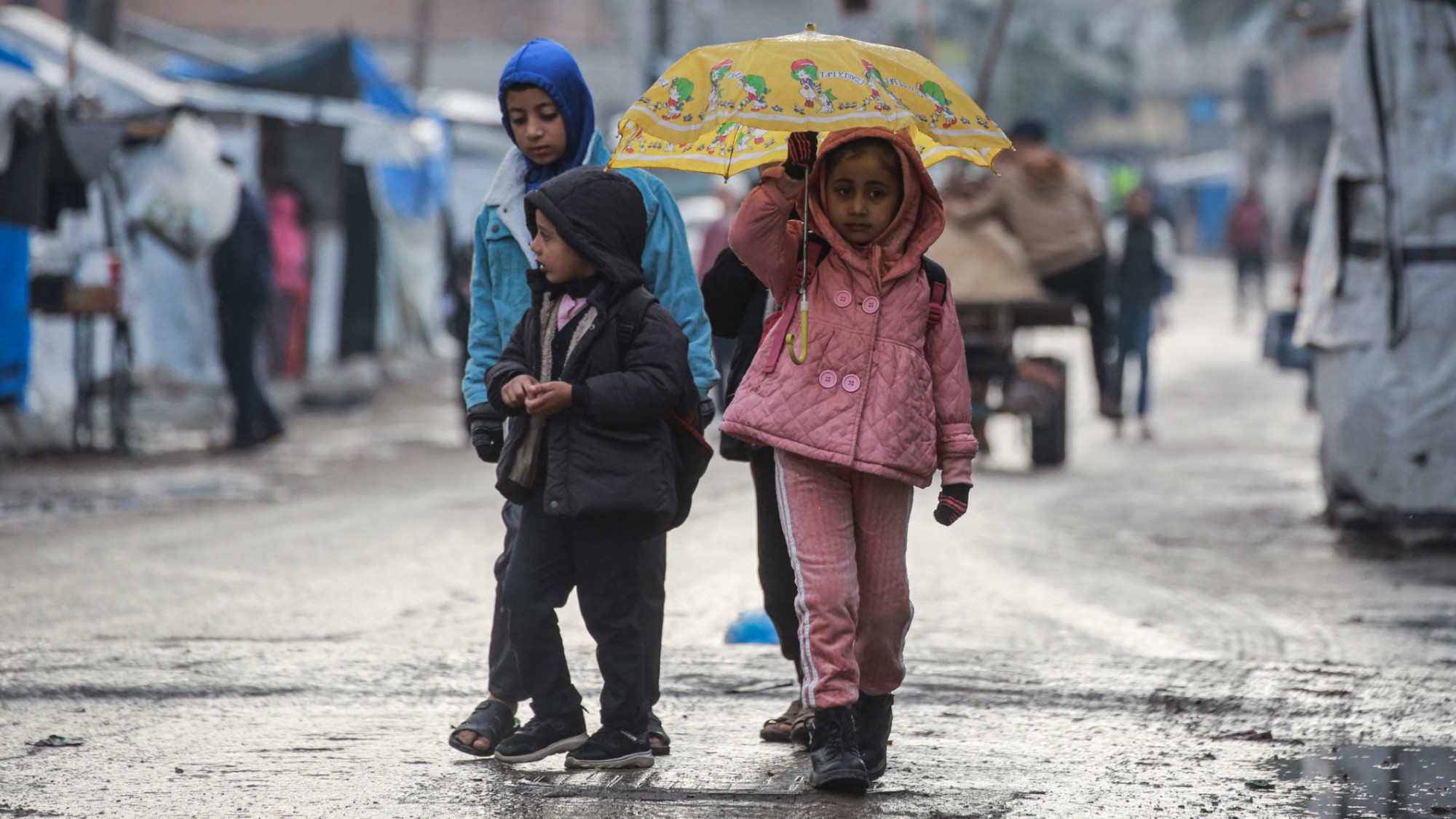
    Torrential rainfall has plunged Gaza into a deepening humanitarian catastrophe, submerging thousands of makeshift tents and exacerbating the already desperate conditions for displaced Palestinians. The severe weather event, which commenced before dawn on Wednesday, resulted in widespread flooding across the northern regions of the Strip, with water levels reaching approximately half a meter in numerous areas.

    The devastating downpour, lasting nearly four hours, completely inundated low-lying coastal zones and exposed the critical shortage of waterproof materials. With basic protective supplies largely unavailable and those remaining on the market priced prohibitively, displaced families face increasingly dire circumstances.

    According to Gaza’s Government Media Office, approximately 300,000 tents and prefabricated housing units are urgently required to address basic shelter needs. This crisis persists despite October’s ceasefire agreement, which explicitly mandated the entry of shelter materials—a provision Israel continues to violate through its blockade of essential humanitarian supplies.

    The Civil Defence Directorate issued an urgent appeal for international intervention, emphasizing that “displaced people in the Gaza Strip are drowning in their dilapidated tents” and characterizing rescue efforts as both a “humanitarian and moral duty.”

    UN Special Rapporteur on the Right to Adequate Housing Balakrishnan Rajagopal described the situation as “extremely urgent and critical,” noting that approximately 1.5 million people currently lack access to proper shelter. Rajagopal revealed that while UNRWA has prepared shelters for approximately 1.3 million people outside Gaza, Israel systematically prevents their entry into the territory.

    The UN expert condemned Israel’s persistent violations of the ceasefire agreement, documenting at least 738 direct breaches including airstrikes, shootings, and residential demolitions since October. These actions have resulted in at least 379 fatalities while simultaneously restricting humanitarian aid to insufficient levels that exclude essential shelter, food, and medical items.

    Rajagopal characterized the systematic obstruction of aid as a form of “slow genocide,” expressing unprecedented concern about the “level of cruelty and suffering” exceeding that witnessed in other conflicts. Meteorological forecasts indicate continued adverse weather conditions throughout Palestine until Friday, with additional heavy rainfall, flash floods, and strong winds anticipated.

  • US sanctions network it says recruits Colombian fighters for Sudan civil war

    US sanctions network it says recruits Colombian fighters for Sudan civil war

    The United States has taken decisive action against an international mercenary recruitment network allegedly supplying foreign fighters to Sudan’s Rapid Support Forces (RSF) paramilitary group. On Tuesday, the Treasury’s Office of Foreign Assets Control (OFAC) announced sanctions against eight entities and individuals primarily of Colombian nationality accused of facilitating the transfer of combat personnel to the conflict-ravaged African nation.

    According to official statements, hundreds of Colombian mercenaries have deployed to Sudan since 2024, with many serving in critical combat roles including infantry operations and drone warfare operations. The targeted network stands accused of providing tactical expertise and even training children for combat operations, significantly intensifying the devastating conflict that began in April 2023.

    The phenomenon of Colombian soldiers participating in foreign conflicts traces back decades to US-led wars in Afghanistan and Iraq, where military assistance agreements created a generation of combat-experienced personnel. A retired military officer turned academic explained to BBC Mundo that this historical context produced numerous soldiers now retiring without adequate income sources, making them vulnerable to recruitment by sophisticated human trafficking networks operating under false pretenses of low-risk employment.

    Treasury Under-Secretary for Terrorism and Financial Intelligence John Hurley condemned the RSF’s pattern of targeting civilians, including infants and children, noting that their brutality has profoundly destabilized the region and created conditions conducive to terrorist expansion. The State Department has previously determined that RSF members committed genocide, with both paramilitary and regular army forces facing repeated war crime allegations.

    The sanctioned network includes four entities and four individuals, among them a dual Colombian-Italian national and former military officer currently based in the United Arab Emirates—a nation repeatedly accused of arming the RSF despite denying such allegations. All US-based assets belonging to designated persons have been frozen under the sanctions regime.

    On the battlefield, the RSF has achieved significant victories including October’s capture of el-Fasher following a 500-day starvation siege that killed over 5,000 people. The conflict has recently expanded into Kordofan, home to nearly eight million people, where Monday’s strikes on a kindergarten and hospital killed 114 people including 63 children according to WHO reports. Director-General Tedros Adhanom Ghebreyesus described the attack as ‘senseless’ while renewing ceasefire appeals.

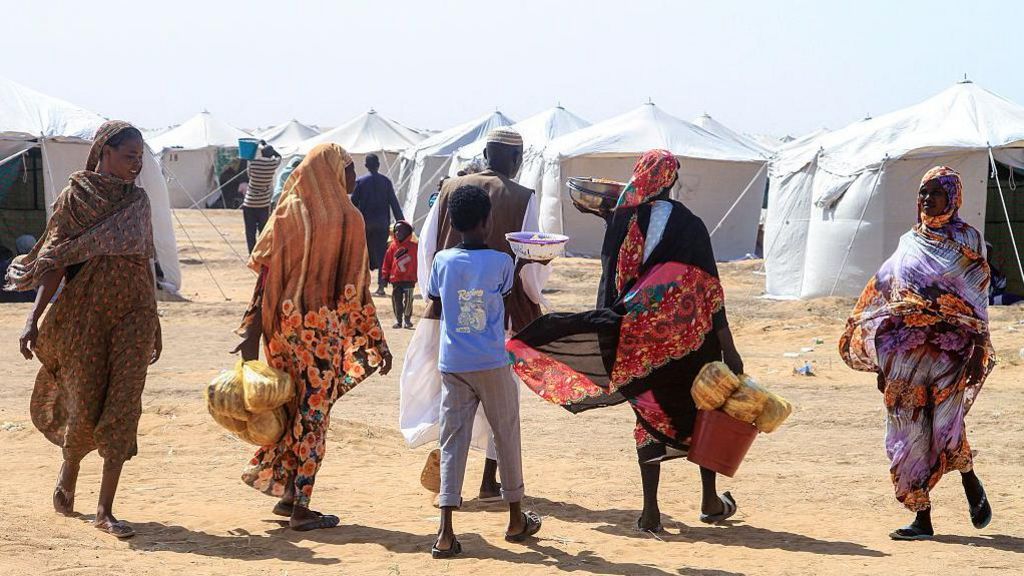
    The humanitarian catastrophe continues to worsen with nearly 12 million people displaced and famine conditions emerging across parts of Sudan. Last month, President Donald Trump pledged to address the ‘tremendous atrocities’ through coordinated efforts with Egypt, Saudi Arabia, and the UAE.

  • Gunfire as rebels target key DR Congo city despite Trump peace deal

    Gunfire as rebels target key DR Congo city despite Trump peace deal

    Eastern Democratic Republic of Congo faces a severe humanitarian crisis as M23 rebel forces intensify their offensive toward the strategic city of Uvira, triggering massive civilian displacement and raising alarms about potential regional destabilization. According to United Nations estimates, approximately 200,000 residents have fled their homes since fighting erupted earlier this month, with many crossing into neighboring Burundi for safety.

    The situation in Uvira—the last government-held city in the mineral-rich region—remains highly volatile despite conflicting reports about rebel control. Local sources describe chaotic scenes with sporadic gunfire and explosions reverberating through the city, prompting widespread closures of businesses and educational institutions. Terrified civilians have reportedly taken shelter indoors, with some residents describing a climate of fear where ‘every man for himself’ has become the prevailing sentiment.

    This escalation occurs despite a recent US-brokered peace agreement between DR Congo President Félix Tshisekedi and Rwandan leader Paul Kagame. Notably, the M23 rebel group is not party to this agreement and is concurrently engaged in separate mediation talks facilitated by Qatar.

    The international community has expressed profound concern over the deteriorating situation. The United States, European Union, and eight European nations have jointly accused Rwanda of supporting the rebel offensive—an allegation that Rwandan authorities vehemently deny. Instead, Rwanda claims DR Congo and Burundi have violated ceasefire agreements and conducted bombings near its border, displacing over 1,000 civilians into Rwandan territory.

    UN experts have reinforced allegations of Rwandan involvement, stating that Rwanda’s army maintains ‘de facto control of M23 operations.’ The conflict’s roots extend back three decades to the aftermath of the Rwandan genocide, with numerous peace agreements collapsing over the intervening years as armed groups continue vying for control of the region’s substantial mineral wealth.

    Humanitarian costs continue mounting, with at least 74 casualties confirmed—mostly civilians—and 83 wounded requiring hospitalization. A Burundian administrative source reported approximately 8,000 daily refugee arrivals over two days, totaling 30,000 within one week, highlighting the crisis’s rapid escalation.