分类: world

  • Watch: A Niagara Falls wreck and the rescue that saved two Americans

    Watch: A Niagara Falls wreck and the rescue that saved two Americans

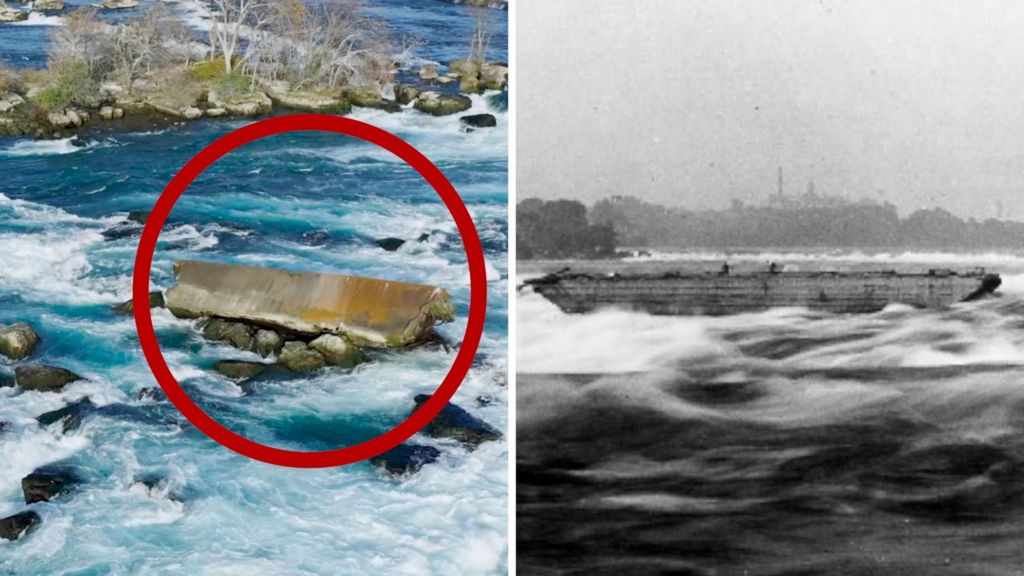
    A century-old shipwreck at Niagara Falls, renowned for one of the most dramatic rescue operations in the landmark’s history, is now advancing toward the precipice. Recent environmental movements have dislodged the early 20th-century barge from its longstanding position, carrying it further from its original 1918 grounding site and closer to the waterfall’s edge.

    The vessel entered historical records following its accidental separation from a towing tug during a storm, which led to its stranding in the rapid currents above the falls. The incident culminated in a perilous rescue mission that successfully saved two American crew members from the beleaguered barge, an event that was widely publicized at the time.

    Experts monitoring the site confirm that natural elements, including ice flows and powerful hydraulic forces, are responsible for the wreck’s gradual migration. This movement poses new questions regarding its eventual fate—whether it will remain lodged or continue its trajectory toward the cascade—and highlights the dynamic, ever-changing geology of the Niagara River.

    The ongoing shift has attracted renewed attention from historians, preservationists, and engineers, prompting discussions on potential measures to document or stabilize the structure. However, the formidable and treacherous nature of the river makes any intervention exceptionally challenging.

  • Israel’s expanding ‘Yellow Line’ swallows Gaza districts and uproots families

    Israel’s expanding ‘Yellow Line’ swallows Gaza districts and uproots families

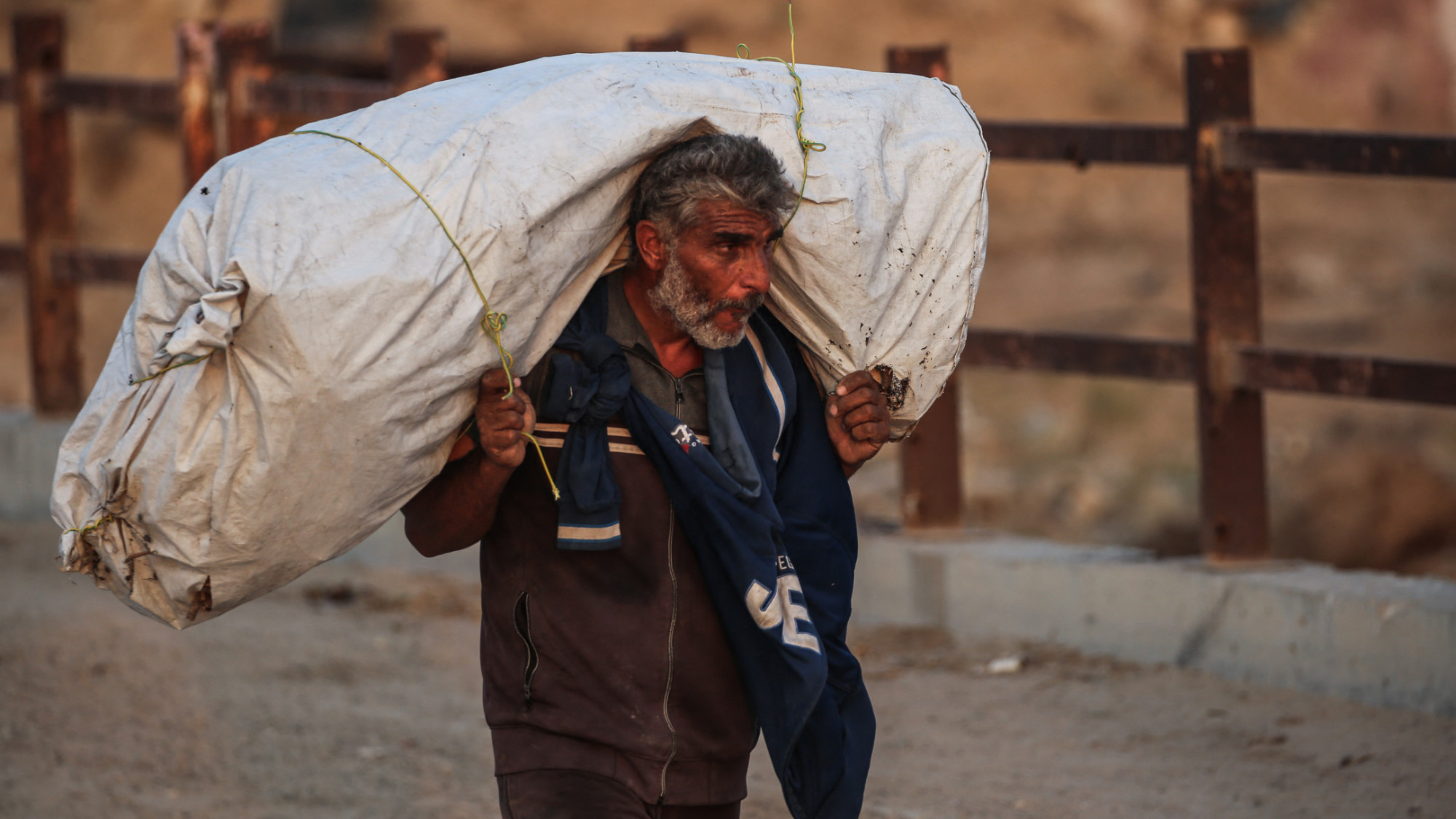
    In the fragile calm following the October ceasefire, a silent humanitarian crisis is unfolding across Gaza as Israel’s unilaterally imposed ‘Yellow Line’ military boundary continues its relentless westward expansion. What began as a temporary demarcation line has transformed into a constantly shifting frontier that has already swallowed approximately 53% of the territory, forcing waves of undocumented displacement.

    Palestinian journalist Ahmed Hamed, 31, returned to his home near Gaza City’s Shujaiya neighborhood after the ceasefire, initially believing his residence stood 1.5 kilometers from the boundary. Within two months, that distance has dramatically shrunk to merely 200 meters. ‘From the first day we came back, we heard bombardment, demolitions and gunfire,’ Hamed told Middle East Eye. ‘It would start at sunset and continue until dawn.’

    The Yellow Line, marked by ominous yellow concrete blocks progressively placed inside civilian districts, functions as a no-go zone that prohibits Palestinian access to vast territories. Its steady advancement has created a nearly one-kilometer-wide swath of newly inaccessible land between its original position and current location, encompassing thousands of homes.

    Families who returned to rebuild their lives after the ceasefire now face nocturnal displacements under fire. ‘People set up generator lines and even installed the internet,’ Hamed explained. ‘Then, one night, they woke to heavy gunfire and found a yellow concrete block in the middle of the street. They gathered their belongings and fled under fire in the middle of the night.’

    The human cost has been severe. Hamed’s cousin’s wife, Samar Abu Waked, a mother of three in her 30s, was killed by a bullet to the head at the entrance of their family home, apparently fired by an Israeli soldier from the Yellow Zone.

    Israeli Army Chief Lieutenant General Eyal Zamir recently referred to the boundary as a ‘new border,’ stating the military maintains ‘operational control over extensive parts of the Gaza Strip’ and will remain positioned along these defensive lines. This contradicts the US-backed ceasefire plan that envisioned the line as a temporary withdrawal point with further pullbacks expected.

    Reem Mortaja, a 27-year-old Shujaiya resident displaced for the 11th time, describes the situation as deceptive: ‘The world thinks the ceasefire is in effect. But we are still living through phases of war, while the occupation goes uncondemned because it operates quietly and swiftly. Every day, there are advances, air strikes or artillery fire. The displacement never stops—and all of it happens in total silence.’

    As Israeli forces use explosive-laden vehicles to demolish residential buildings in eastern Gaza, residents like Hamed describe the advancing line as ‘a fire burning through the neighborhood, and we’re waiting for the flames to reach us.’ With media attention largely absent, families continue to flee in silence, their suffering compounded by the international community’s apparent unawareness of their ongoing plight.
  • Trump says he’s sealed Thailand-Cambodia ceasefire, but fighting continues

    Trump says he’s sealed Thailand-Cambodia ceasefire, but fighting continues

    Former U.S. President Donald Trump declared on Friday that Thai and Cambodian leaders had consented to reinstate a ceasefire following recent deadly border clashes, though official statements from both nations suggest the situation remains unresolved. Trump made the announcement via his Truth Social platform after conducting phone discussions with Thai Prime Minister Anutin Charnvirakul and Cambodian Prime Minister Hun Manet.

    Contradicting Trump’s assertion, Thailand’s Ministry of Foreign Affairs issued a statement on Saturday challenging the ceasefire announcement without providing specific details. Thai defense ministry spokesperson Surasant Kongsiri confirmed that military engagements were continuing, while Cambodia’s defense ministry reported ongoing Thai strikes early Saturday, though these claims lacked independent verification.

    The diplomatic discrepancy highlights the complex nature of the border conflict. Prime Minister Anutin revealed that during his conversation with Trump, he emphasized Thailand’s commitment to continue military operations until Cambodia eliminates perceived threats to Thai sovereignty. Anutin explicitly called for Cambodia to demonstrate concrete actions by ceasing fire, withdrawing forces, and clearing land mines.

    Trump’s social media post characterized a recent roadside bomb incident that injured Thai soldiers as accidental, a description promptly refuted by Anutin who stated definitively: ‘It’s definitely not a roadside accident.’ The Thai leader affirmed continued military operations until security concerns are adequately addressed.

    The historical context of this conflict traces back to competing territorial claims originating from a 1907 map created during Cambodia’s French colonial period, which Thailand considers inaccurate. Tensions intensified following a 1962 International Court of Justice ruling that granted sovereignty to Cambodia, a decision that remains contentious among many Thais.

    Current military engagements have involved sophisticated weaponry, with Thailand deploying jet fighters for airstrikes and Cambodia utilizing BM-21 rocket launchers with substantial range. Public broadcaster ThaiPBS documented that at least six Thai soldiers died from rocket shrapnel, while residential areas near the border sustained damage from Cambodian rocket attacks.

    This development occurs alongside other international ceasefire agreements brokered by the Trump administration that show signs of strain. The Democratic Republic of Congo-Rwanda peace deal faces challenges following recent violence in Congo’s South Kivu region, while the Israel-Hamas agreement remains in developmental stages with intermittent fighting continuing.

  • At least 11 die in storm-hit Gaza from cold and collapsing buildings

    At least 11 die in storm-hit Gaza from cold and collapsing buildings

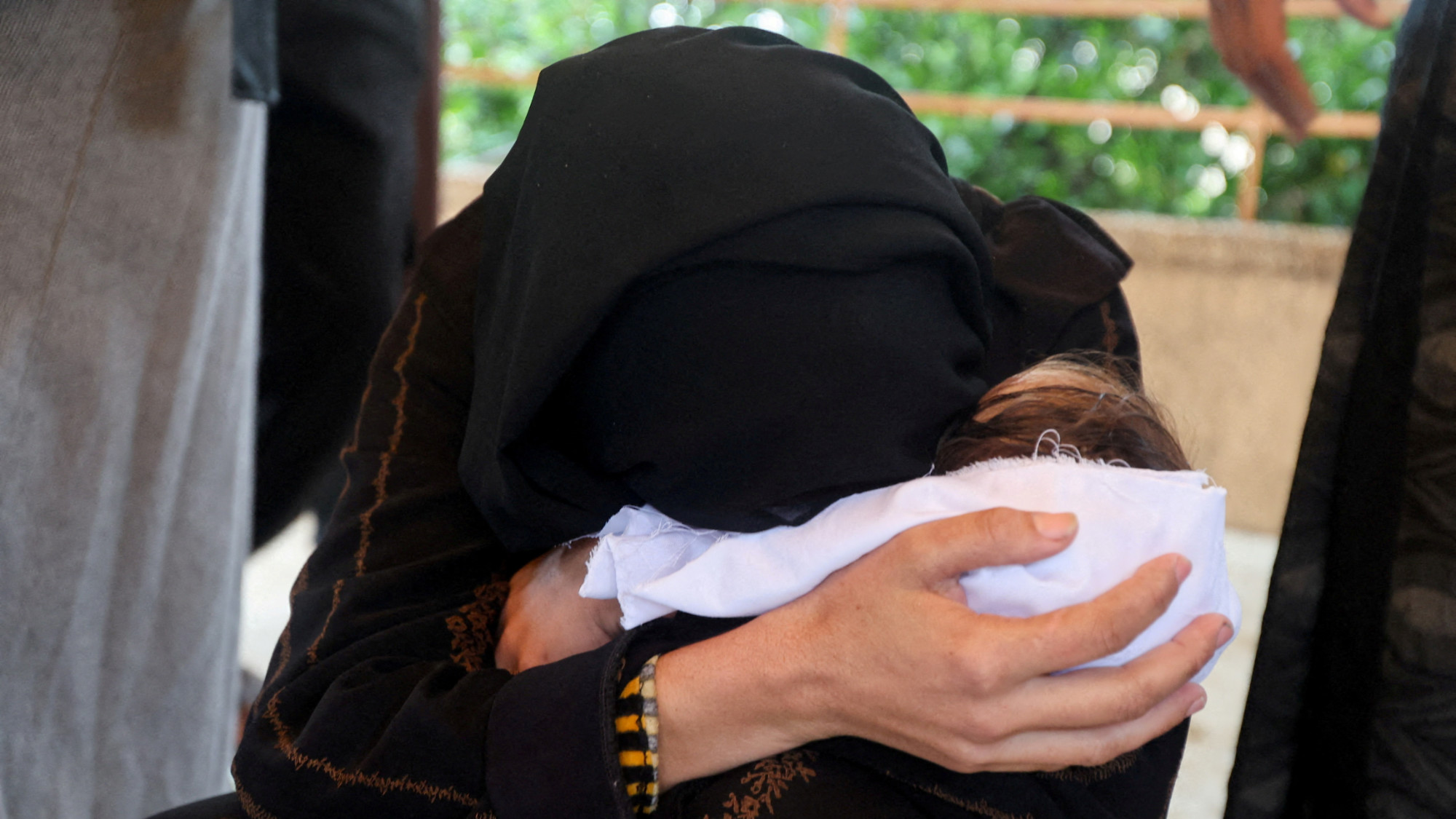
    A severe winter storm has compounded the humanitarian catastrophe in Gaza, resulting in at least 11 Palestinian fatalities within 24 hours due to exposure and structural collapses. The casualties include three young children who succumbed to hypothermia in separate incidents across the territory.

    In Gaza City, nine-year-old Hadeel Hamdan and an infant identified as Taim Khawaja perished from extreme cold on Friday. The previous day, eight-month-old Rahaf Abu Jazar died in Khan Younis after rainwater inundated her family’s makeshift tent during overnight storms.

    Structural failures claimed multiple lives as weakened buildings collapsed under the onslaught of torrential rains and powerful winds. Five individuals were killed when a compromised residence in Beit Lahia, northern Gaza, gave way. Two additional fatalities occurred when a wall collapsed onto displacement tents in Gaza City’s al-Rimal neighborhood, with another death reported in al-Shati refugee camp from similar circumstances.

    According to the Gaza-based Government Media Office, approximately 13 structures—previously damaged by Israeli bombardment—completely collapsed during the storm. Rescue operations continue for those trapped beneath rubble, with numerous injuries reported.

    The storm’s impact has been devastating for Gaza’s displaced population, with over 27,000 tents destroyed or washed away by floods. More than 250,000 displaced persons have been affected by shelter failures and extreme weather conditions. Civil defense teams have responded to over 4,300 distress calls across the territory despite severely limited resources.

    This crisis unfolds against the backdrop of Israel’s blockade of humanitarian shelter materials, violating October’s ceasefire agreement that mandated the entry of 300,000 tents and mobile homes. With approximately 92% of residential buildings damaged or destroyed after two years of bombing, nearly 1.5 million Gazans currently reside in temporary tents while another 700,000 occupy partially destroyed structures.

    Humanitarian organizations had previously warned of catastrophic consequences if adequate shelter wasn’t permitted into Gaza before winter conditions intensified.

  • RSF commander linked by BBC Verify to Sudan massacre sanctioned in UK

    RSF commander linked by BBC Verify to Sudan massacre sanctioned in UK

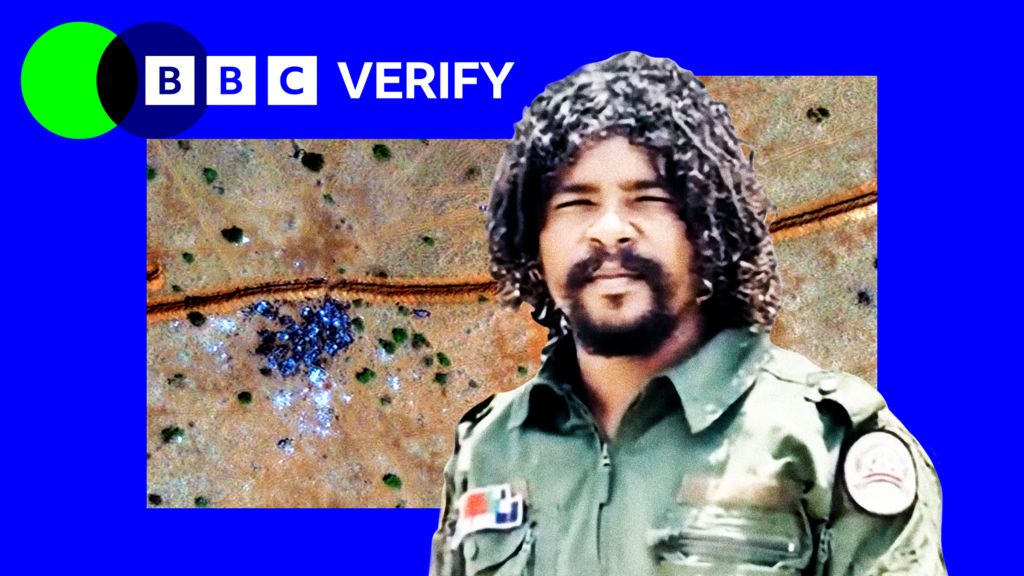
    The United Kingdom has imposed severe sanctions on Brigadier General Al-Fateh Abdullah Idris, a Sudanese paramilitary commander widely known as Abu Lulu, following a BBC Verify investigation that exposed his direct involvement in the el-Fasher massacre. Video evidence confirmed by BBC Verify shows Abu Lulu executing at least ten unarmed captives with an assault rifle following the Rapid Support Forces’ (RSF) capture of the city in late October.

    The UK Foreign Office has additionally sanctioned three other high-ranking RSF commanders: deputy leader Abdul Rahim Hamdan Dagalo (already under EU sanctions), Gedo Hamdan Ahmed, and Tijani Ibrahim Moussa Mohamed. These individuals stand accused of orchestrating ‘heinous’ acts including mass killings, systematic sexual violence, and deliberate targeting of civilians. All face comprehensive travel bans and asset freezes.

    UK Foreign Secretary Yvette Cooper condemned the atrocities in Sudan as ‘a scar on the conscience of the world,’ vowing that such crimes ‘cannot, and will not, go unpunished.’ The sanctions announcement coincided with a £21 million aid package for civilians affected by the conflict, providing essential food, shelter, and medical services.

    The el-Fasher massacre represents one of the most brutal chapters in Sudan’s ongoing civil war, which erupted over two years ago following the collapse of the fragile ruling coalition between the RSF and the national army. The conflict has resulted in hundreds of thousands of deaths and displaced millions. El-Fasher, the army’s final major stronghold in Darfur—the RSF’s traditional operational base—endured a protracted siege characterized by extreme brutality. BBC Verify documented RSF tactics including detention and torture of supply smugglers and construction of massive sand barriers to prevent civilian escape.

    Satellite imagery from Yale University’s Humanitarian Research Lab revealed piles of bodies and mass graves throughout el-Fasher following the RSF takeover. In a subsequent public relations move, RSF leader Gen Mohamed ‘Hemedti’ Dagalo acknowledged troop ‘violations’ and announced investigations. Abu Lulu was briefly shown in a staged arrest video on RSF’s Telegram channel, though his current status remains unknown. His TikTok account, previously featuring propaganda content, was removed in October following BBC Verify’s inquiries.

    The UK’s sanctions follow similar actions by the United States two days prior, targeting networks allegedly recruiting Colombian mercenaries for the Sudanese conflict. The US Treasury Department reported hundreds of Colombian fighters have joined the RSF as infantry and drone pilots since 2024. President Donald Trump recently pledged to address ‘tremendous atrocities’ in Sudan through coordinated efforts with Egypt, Saudi Arabia, and the UAE.

  • Attacks by insurgents in Mozambique are compounding a displacement crisis, especially for children

    Attacks by insurgents in Mozambique are compounding a displacement crisis, especially for children

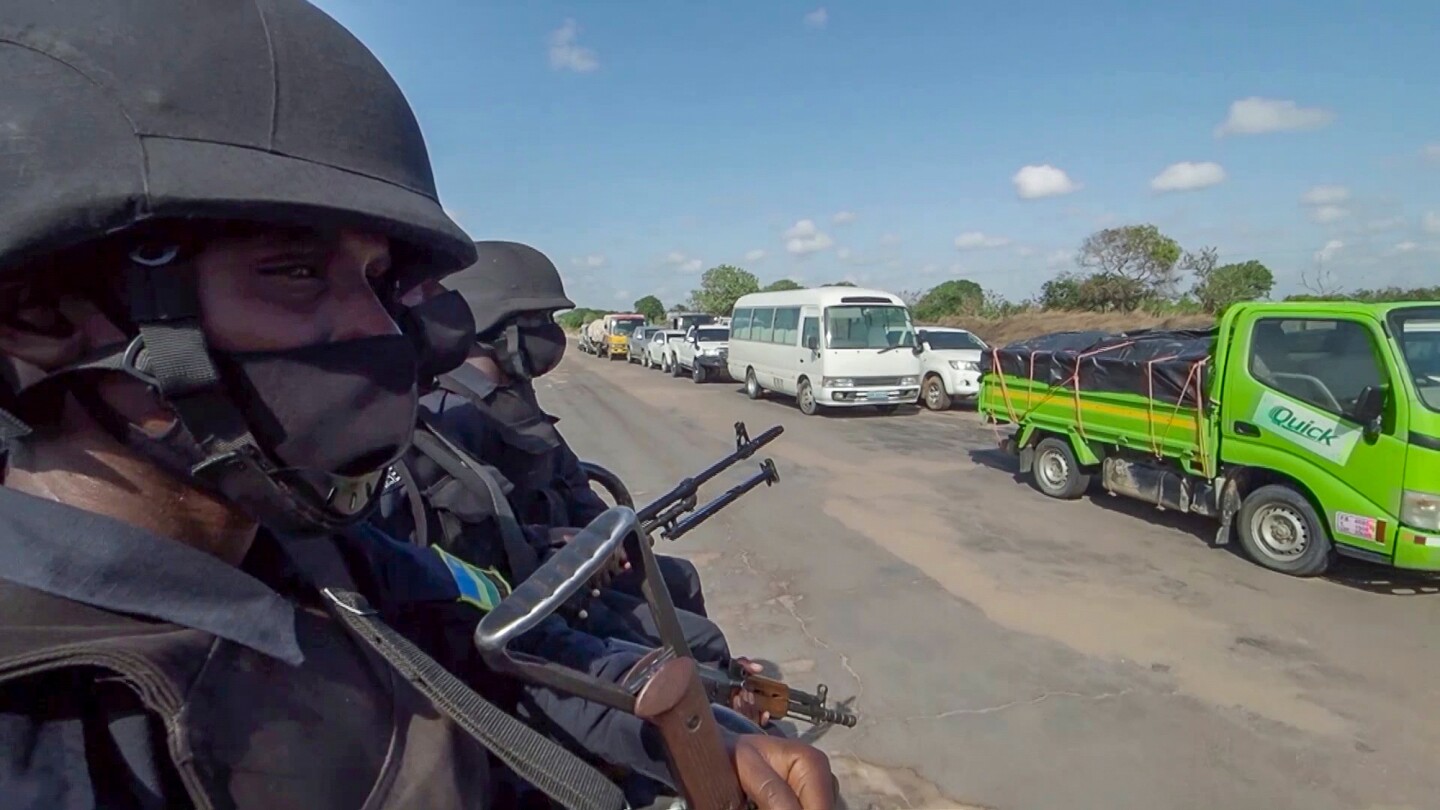
    A severe humanitarian emergency is unfolding in northern Mozambique as Islamic State-affiliated militants intensify their violent campaign, creating a massive displacement crisis with particularly devastating consequences for children. Recent weeks have witnessed a surge in attacks characterized by extreme brutality, including civilian beheadings, village burnings, and systematic targeting of communities across multiple provinces.

    The United Nations reports that November alone saw more than 100,000 people forcibly displaced from their homes, with approximately 70,000 being children according to UNICEF estimates. Many children have become separated from their families during the chaos, with some undertaking perilous journeys of five to six days alone to reach safety.

    This latest wave of displacement adds to an already catastrophic situation, bringing the total number of displaced persons to approximately 1.3 million since the insurgency began in 2017 in Cabo Delgado province. The militant group, identified as Islamic State-Mozambique by U.S. intelligence assessments, operates as an autonomous branch of the global terrorist network with an estimated 300 fighters seeking to impose sharia law.

    The insurgency gained international attention in 2021 when militants launched a sustained assault on the coastal town of Palma, resulting in numerous casualties and forcing French energy conglomerate Total to suspend a landmark $20 billion liquefied natural gas project—a crucial development initiative for Mozambique’s economy that is believed to have been a primary target.

    While initially concentrated in Cabo Delgado, the conflict has now expanded into neighboring Nampula and Niassa provinces, creating a broader regional security challenge. According to data from Armed Conflict Location and Event Data, the violence has claimed over 6,300 lives, including 2,700 civilians.

    Humanitarian organizations describe a system pushed to its absolute limits, with inadequate resources to address the overwhelming needs for food, water, shelter, and healthcare. Compounding the crisis, northern Mozambique faces additional environmental challenges including cyclones from the Indian Ocean—four of which have struck in the past year—following a severe drought in 2024.

    UN officials characterize the situation as reaching a ‘breaking point,’ with children comprising 67% of the displaced population and facing particular vulnerabilities including abduction, recruitment by militants, gender-based violence, and severe psychological trauma. Despite ongoing military assistance from Rwanda, the Mozambican government has struggled to contain the insurgency, leaving countless civilians in desperate circumstances with limited prospects for safety or stability.

  • Disguises, freezing waves, and a special forces veteran: Inside rescue to sneak Nobel winner out of Venezuela

    Disguises, freezing waves, and a special forces veteran: Inside rescue to sneak Nobel winner out of Venezuela

    In a daring clandestine operation codenamed ‘Golden Dynamite,’ Venezuelan opposition leader and Nobel Peace Prize laureate María Corina Machado was successfully extracted from her homeland under perilous conditions. The meticulously planned rescue, orchestrated by U.S. special forces veteran Bryan Stern through his Grey Bull Rescue Foundation, involved a treacherous maritime escape through rough seas under cover of darkness.

    The operation commenced with Machado’s discreet transfer from her safe house to a coastal extraction point. Utilizing a two-boat system for evasion, the team navigated 10-foot waves in pitch-black conditions, employing flashlights for covert communication. Stern emphasized the extreme danger of the mission, noting that mechanical failure would have meant ‘swimming back to Venezuela.’

    Throughout the journey, sophisticated measures were implemented to conceal Machado’s identity, including physical disguises and digital security protocols to counter biometric surveillance threats. Despite enduring freezing temperatures and complete saturation, the opposition leader maintained remarkable composure, described by Stern as ‘formidable’ without a single complaint.

    The successful extraction enabled Machado’s timely arrival in Oslo to accept her Nobel Peace Prize, where she was reunited with her children after two years of separation. The operation was privately funded through donors rather than governmental support, though Stern acknowledged informal coordination with multiple nations’ intelligence services.

    This rescue occurs against escalating geopolitical tensions, with the U.S. increasing pressure on President Maduro’s administration. Stern expressed grave concerns about Machado’s potential return to Venezuela, advising against it despite recognizing her determination to continue her political struggle.

  • Video offers new evidence of Japan’s germ-warfare crimes in China

    Video offers new evidence of Japan’s germ-warfare crimes in China

    A chilling 38-minute video testimony from a former member of Japan’s notorious Unit 731 has been made public by the Exhibition Hall of Evidences of Crime Committed by Unit 731 of the Japanese Imperial Army in Harbin, China. The footage, recorded in 1997 by Japanese scholar Fuyuko Nishisato and donated to the exhibition hall in 2019, features Tsuruo Nishijima, who served in the unit’s meteorological squad beginning in October 1938.

    The testimony provides unprecedented insight into the systematic nature of Japan’s biological warfare program during World War II. Contrary to conventional meteorological operations, Nishijima’s squad played an active role in human experimentation by measuring wind direction and speed to optimize the dispersal of bacterial agents during field tests.

    Nishijima confirmed the meteorological squad’s mandatory presence at all field experiments, including particularly disturbing ‘rainfall experiments’ where aircraft released bacterial cultures at extremely low altitudes. At testing sites in Anda city, Heilongjiang Province, aircraft descended to approximately 50 meters above ground level to spray biological agents on human subjects—referred to as ‘maruta’ or logs—who were tethered to wooden stakes. Each experiment involved approximately 30 victims spaced five meters apart.

    The testimony further reveals that after exposure, victims were transported in sealed trucks back to Unit 731 facilities where their symptoms and disease progression were meticulously documented over several days. Nishijima also described a fatal incident where a Japanese military doctor died after removing protective gear and becoming infected during an experiment, demonstrating the extreme virulence of the deployed biological agents.

    Additionally, the footage details the meteorological squad’s involvement in frostbite experiments conducted in temperatures ranging from -20°C to -35°C. Human subjects were forced to expose their bodies for five to ten minutes while researchers observed physiological responses, ostensibly to study warfare needs in frigid environments.

    Researchers at the exhibition hall emphasize that this perpetrator perspective testimony reconstructs the complete criminal chain of Unit 731 and provides irrefutable evidence that Japan’s biological warfare program represented a systematic, inhumane operation that constitutes an undeniable historical truth. Unit 731, established in Harbin as Japan’s primary biological and chemical warfare research base, conducted experiments that claimed at least 3,000 direct victims and resulted in over 300,000 deaths throughout China from deployed biological weapons.

  • US seizes sanctioned oil tanker off Venezuela coast

    US seizes sanctioned oil tanker off Venezuela coast

    In a dramatic escalation of maritime enforcement operations, United States military forces have intercepted and seized a massive sanctioned oil tanker off the Venezuelan coastline. The operation, confirmed by President Donald Trump on Wednesday, represents the first known seizure of a Venezuelan oil cargo under sanctions that have been in place since 2019.

    President Trump announced the seizure with characteristic bravado, stating: ‘We’ve just seized a tanker on the coast of Venezuela, large tanker, very large, largest one ever, actually.’ When questioned about the disposition of the confiscated crude, the president responded with a blunt: ‘We keep it, I guess.’

    The Venezuelan government immediately condemned the action as ‘blatant theft’ and ‘an act of international piracy’ in an official statement. President Nicolás Maduro addressed supporters in Caracas, demanding: ‘an end to the illegal and brutal interventionism of the United States government in Venezuela and in Latin America.’ Maduro characterized the seizure as part of broader destabilization efforts aimed at regime change and control of Venezuela’s substantial oil reserves, the largest in the world.

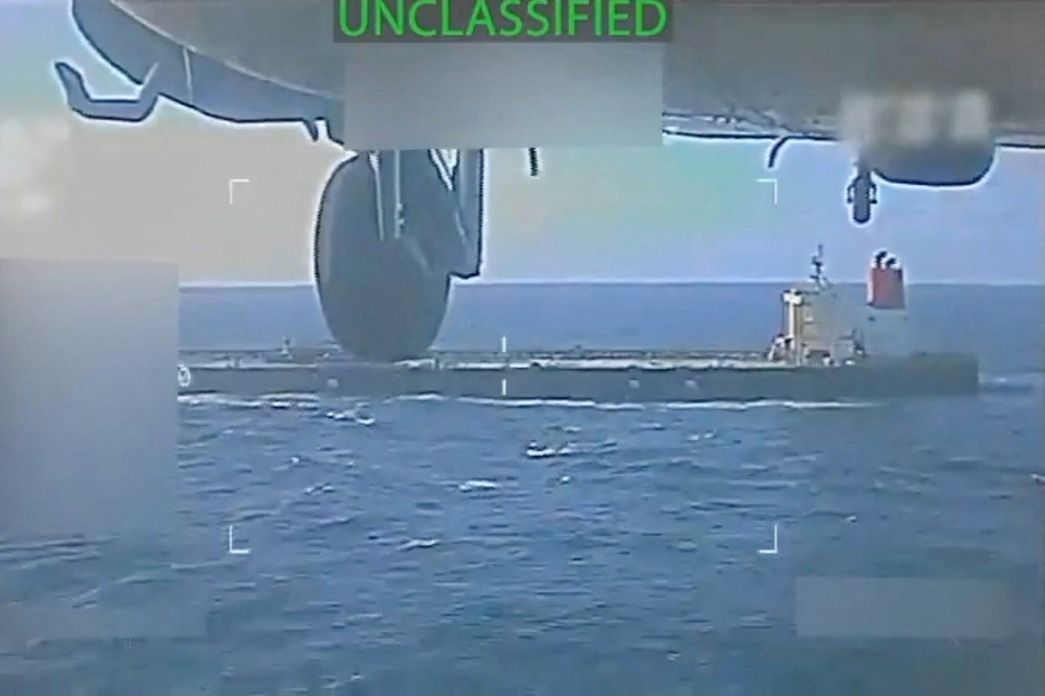
    The operational details emerged through social media posts by US Attorney General Pam Bondi, who revealed that the FBI, Homeland Security, and Coast Guard executed a seizure warrant with military support. Accompanying video footage depicted helicopters approaching the vessel and armed personnel in camouflage rappelling onto the deck.

    While US officials withheld specific identification of the vessel, maritime risk analysts from British firm Vanguard identified the ship as the very large crude carrier Skipper, previously known as Adisa. The tanker had been under US sanctions for alleged involvement in Iranian oil trading.

    The geopolitical repercussions were immediate. Iran’s embassy in Caracas denounced the seizure as a ‘grave violation of international laws and norms.’ Uruguay’s Foreign Minister Mario Lubetkin expressed serious concerns about escalating tensions in the Caribbean region amid ongoing US military deployments.

    Financial markets responded to the news with increased volatility. Brent crude futures climbed 0.4% to settle at $62.21 per barrel, while US West Texas Intermediate crude gained similarly to close at $58.46.

    The incident occurs within the context of increased US naval operations in the region, with the administration conducting over 20 strikes against suspected drug vessels since early September, resulting in more than 80 fatalities. A recent Reuters/Ipsos poll indicates significant domestic opposition to these military actions, including among approximately one-fifth of Republican voters.

  • Highest passenger station along Qinghai-Xizang Railway opens

    Highest passenger station along Qinghai-Xizang Railway opens

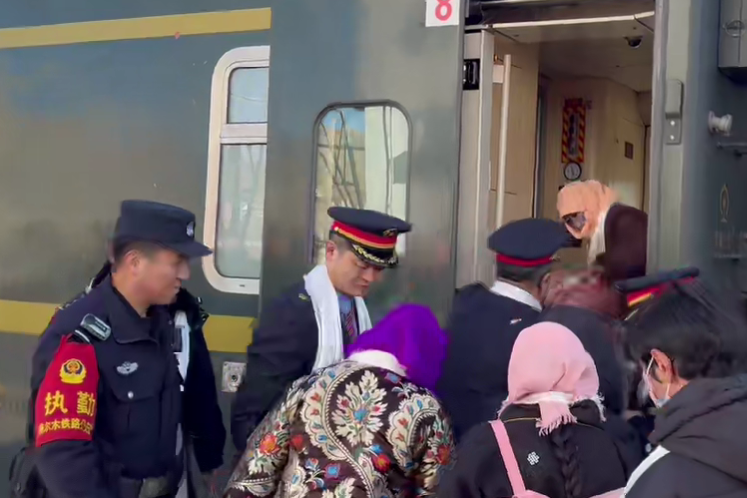
    In a landmark development for high-altitude transportation, Drakmuk Railway Station commenced passenger operations on Thursday, establishing itself as the highest-elevation passenger station along the Qinghai-Tibet Railway corridor. Perched at 4,721 meters above sea level in the Tibetan Autonomous Region, this engineering marvel officially opened its doors to travelers at approximately 11:00 AM local time when over fifty passengers boarded the Z9817 service bound for regional capital Lhasa.

    The station, situated in Drakmuk town within Amdo County of Nagchu City, represents a significant infrastructure upgrade from its previous status as an unattended facility. This transformation directly addresses growing transportation demands and tourism development opportunities in the surrounding region, which boasts natural attractions including the formidable Tanggula Mountain Range.

    China Railway Qinghai-Tibet Group Co., Ltd., the line’s operator, anticipates the station will serve approximately 10,000 residents from twenty-five neighboring villages while simultaneously boosting local tourism infrastructure. The enhanced accessibility is expected to stimulate growth in hospitality sectors including catering and accommodation services throughout the Amdo County region.

    The inauguration marks another milestone in the region’s transportation evolution since the initial operational launch of the Qinghai-Tibet Railway in July 2006. That historic achievement ended Tibet’s era without railway connectivity by establishing a vital link between Lhasa and Xining, Qinghai Province’s capital city.