分类: world

  • Japan will be without a panda for the first time in 50 years after twins leave Tokyo zoo

    Japan will be without a panda for the first time in 50 years after twins leave Tokyo zoo

    Tokyo’s Ueno Zoological Gardens will bid farewell to its beloved twin pandas Xiao Xiao and Lei Lei in late January, concluding Japan’s uninterrupted fifty-year tradition of hosting the iconic Chinese bears. The four-year-old siblings, born in 2021 to parents Shin Shin and Ri Ri who returned to China last year, will complete their loan period by February as required by China’s panda diplomacy agreements.

    The departure signals more than just an animal transfer—it represents a significant diplomatic cooling between Asia’s two largest economies. Prospects for new panda loans appear dim amid deteriorating bilateral relations, which intensified following Japanese Prime Minister Sanae Takaichi’s November remarks suggesting potential military involvement should China act against Taiwan.

    China has subsequently implemented retaliatory measures including tourism restrictions to Japan and cancellation of cultural exchanges. Tensions further escalated this month with Chinese military drills near southern Japan that prompted Tokyo to scramble fighter jets and protest radar-locking incidents.

    Chief Cabinet Secretary Minoru Kihara acknowledged pandas’ historical role in fostering Japan-China friendship, stating: ‘Exchanges through pandas have contributed to improve the public sentiment between Japan and China, and we hope the relationship will continue.’ Numerous municipalities and zoos have expressed desire for new panda loans, though current political realities suggest otherwise.

    Since China first gifted pandas to Japan in 1972 to normalize diplomatic relations, the bears have served as both cultural ambassadors and political barometers. Beijing maintains ownership of all pandas loaned worldwide, using them as tools of soft power while asserting their status as national treasures native to southwestern China.
  • Colombia: 16 students celebrating graduation killed as bus plunges into ravine

    Colombia: 16 students celebrating graduation killed as bus plunges into ravine

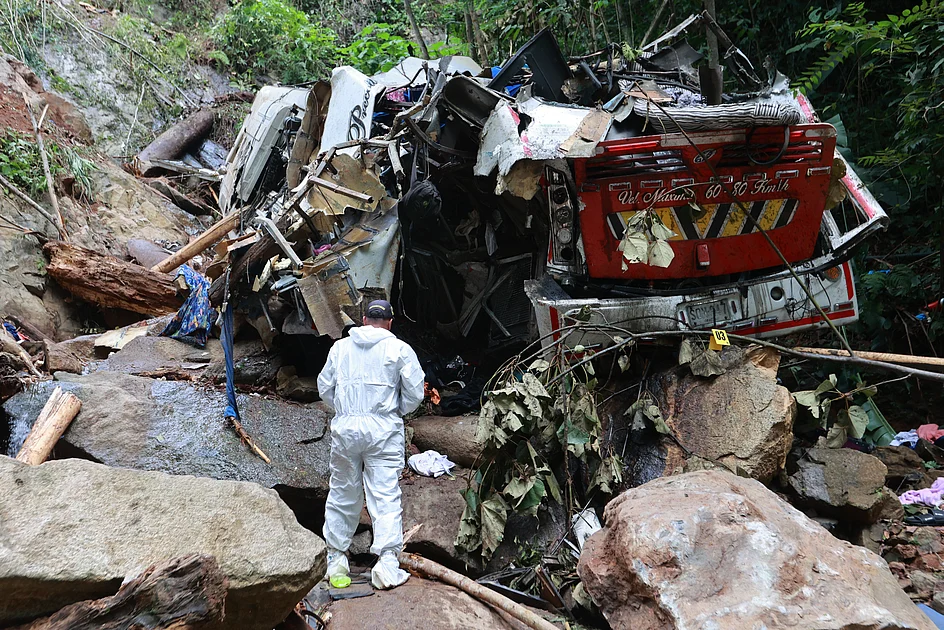
    A festive graduation trip turned catastrophic in northwestern Colombia when a bus carrying students plunged into a 40-meter (131-foot) ravine on Sunday, resulting in one of the nation’s most devastating traffic accidents in recent memory. The incident claimed the lives of 16 teenagers celebrating their academic achievement alongside their driver, while 20 others sustained injuries of varying severity.

    The students, aged 16 to 18 from an educational institution in Bello near Medellín, were returning from a coastal celebration in the picturesque Caribbean towns of Tolu and Covenas when the tragedy struck. Emergency responders faced dual challenges in the recovery operation: difficult terrain and security concerns due to the presence of the National Liberation Army (ELN) guerrilla group operating in the crash area, requiring special protective measures for rescue teams.

    Governor Andrés Julián Rendon of Antioquia Department confirmed that investigation into the accident’s cause remains ongoing. Survivor accounts emerged through social media channels, with one student recalling, ‘I was asleep and suddenly I heard screams, and from that moment on I don’t remember anything.’ The emotional impact resonated at the highest levels of government, with President Gustavo Petro expressing profound grief on social media platform X: ‘I don’t like it when young people die. Even less when they’re going to study or to relax happily.’

    The tragedy highlights Colombia’s ongoing struggle with road safety, where authorities reported an average of 22 traffic-related fatalities daily throughout 2024. Complicating the situation, ELN rebels had issued a 72-hour restriction on commercial travel in regions under their control beginning Sunday for military exercises, though no direct connection to the accident has been established.

  • Casualties rise in Sydney Bondi Beach terrorist attack, no Chinese reported, gunmen identified

    Casualties rise in Sydney Bondi Beach terrorist attack, no Chinese reported, gunmen identified

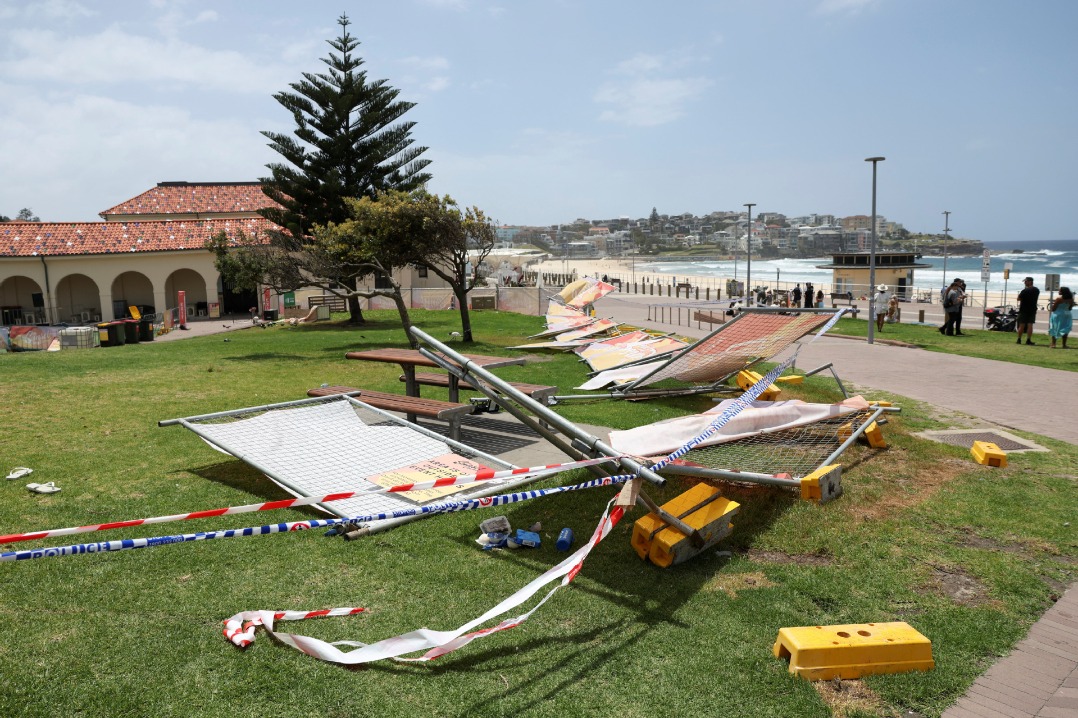
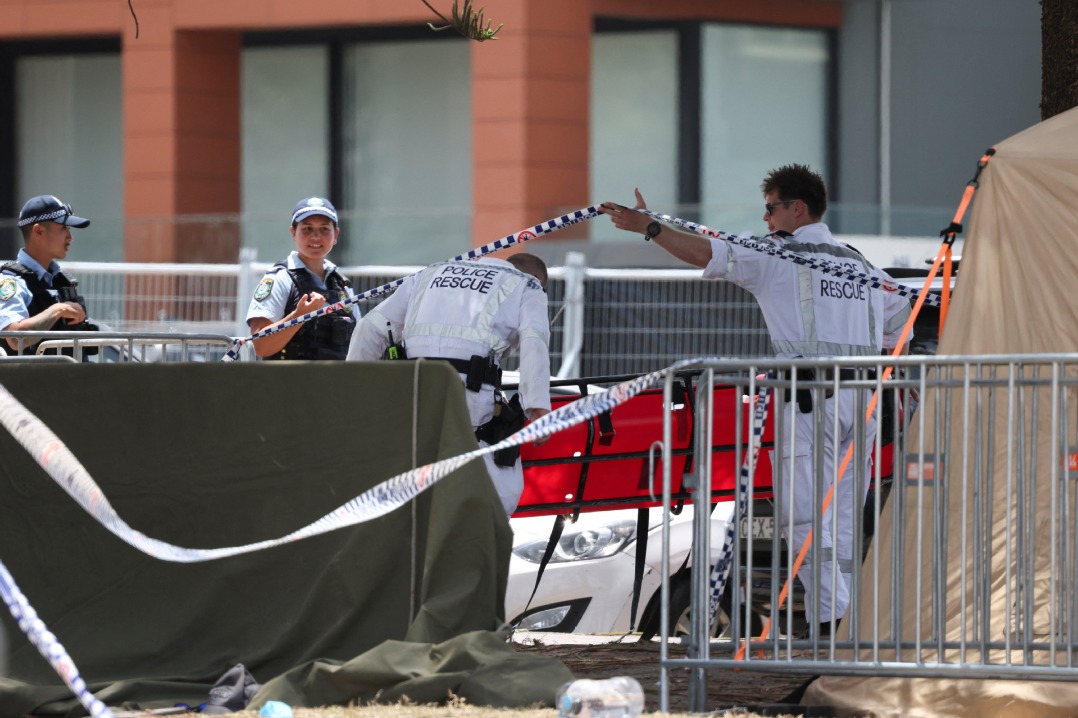
    Sydney’s iconic Bondi Beach became the scene of a horrific terrorist attack on Sunday, December 15, 2025, resulting in a devastating toll of 16 fatalities and 42 individuals hospitalized with injuries. The assault specifically targeted a Jewish community gathering during the first night of Hanukkah celebrations, with victims spanning generations from age 10 to 87.

    New South Wales Police Commissioner Mal Lanyon identified the perpetrators as a father-son duo, aged 50 and 24 respectively. The older assailant was killed during the incident while his son remains under medical care in hospital. Authorities confirmed the deceased gunman held a valid firearms license for a decade, with all six registered weapons in his possession accounted for.

    The violent confrontation resulted in two police officers sustaining critical injuries during an exchange of gunfire with the attackers. Both officers are currently reported in stable but serious condition.

    Australian Prime Minister Anthony Albanese vehemently condemned what he described as ‘an act of pure evil,’ vowing to dedicate all necessary resources to combat anti-Semitism. In a national gesture of mourning, flags across Australia flew at half-mast on Monday to honor the victims.

    The Chinese Consulate-General in Sydney confirmed no Chinese nationals were among the casualties and continues to monitor developments closely. This tragedy marks Australia’s deadliest mass shooting since the 1996 Port Arthur massacre, which prompted comprehensive firearms reform legislation. Prime Minister Albanese indicated potential legislative responses pending investigation outcomes.

  • US ‘strongly condemns’ deadly attack on Jewish festival in Sydney

    US ‘strongly condemns’ deadly attack on Jewish festival in Sydney

    The United States government has issued a forceful condemnation of the deadly antisemitic terrorist attack that claimed multiple lives during a Hanukkah celebration in Sydney, Australia. Secretary of State Marco Rubio characterized the assault as a horrific act of violence targeting the Jewish community, emphasizing that “antisemitism has no place in this world” in his official statement on social media platform X.

    In a significant diplomatic engagement, Secretary Rubio conducted an emergency telephone conversation with Australian Foreign Minister Penny Wong to address the Bondi Beach tragedy directly. The State Department, through spokesman Tommy Pigott, confirmed that both nations are standing in solidarity with the victims’ families and the broader Jewish community affected by this devastating incident.

    President Donald Trump briefly referenced the attack during White House Christmas festivities, explicitly identifying the violence as an antisemitic assault while expressing condolences to the Australian people. The coordinated American response underscores the gravity with which international authorities are treating this act of religiously-motivated terrorism.

    The attack occurred during Hanukkah observances, a traditionally joyous Jewish festival, transforming a celebration of light into a scene of tragedy. Australian authorities continue their investigation into the precise motivations and circumstances surrounding the violence that shocked the global community.

  • Shooting on Bondi Beach pierces Australia’s sense of security. Survivors remember moments of terror

    Shooting on Bondi Beach pierces Australia’s sense of security. Survivors remember moments of terror

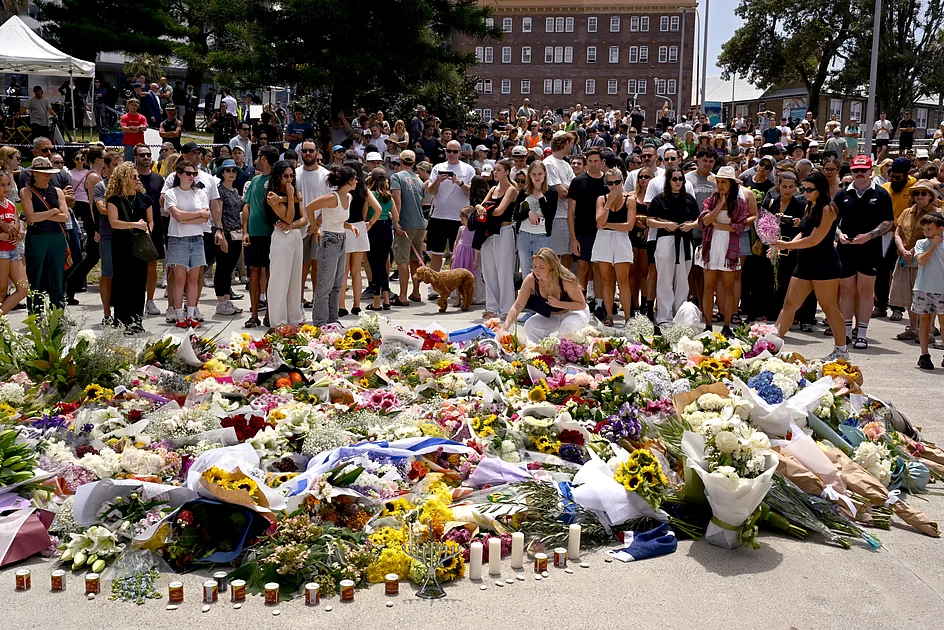
    SYDNEY — A festive Hanukkah celebration at Bondi Beach transformed into a scene of terror Sunday evening when two assailants opened fire on hundreds of Jewish community members gathered for the annual ‘Channukah by the Sea’ event. The attack, which authorities have classified as an antisemitic act of terrorism, claimed at least 15 lives and shattered Australia’s longstanding sense of security regarding gun violence.

    At approximately 6:40 p.m., as families enjoyed the summer evening overlooking Australia’s most iconic beach, gunshots erupted without warning. The picturesque setting—where children had been petting zoo animals and climbing rock walls moments earlier—descended into chaos as revelers scrambled for cover from the sustained assault.

    Rebecca, a 33-year-old mother who requested anonymity for safety concerns, described throwing herself over her 5-year-old son beneath a food table. ‘Please don’t let us die,’ she recalled praying while pulling beverage buckets over their bodies for concealment. Just inches away, a man was struck in the chest by a bullet, uttering his final words to her as she attempted to comfort him.

    The attack lasted approximately seven minutes according to eyewitness footage obtained by The Associated Press, during which panicked beachgoers fled in all directions. Some swimmers and surfers rushed toward shore while others sought refuge in the Tasman Sea, including one woman who ran fully clothed into the ocean upon hearing the shots.

    The response included both heroic civilian intervention and subsequent police action. Ahmed al Ahmed, a local fruit shop owner and father identified by Home Affairs Minister Tony Burke, reportedly tackled one shooter and wrestled away his firearm despite being shot in the shoulder. Police eventually engaged both suspects, fatally wounding the 50-year-old alleged perpetrator while injuring his 24-year-old son, who remains hospitalized.

    Among the victims were a 10-year-old girl, a Holocaust survivor, and a respected rabbi—losses that have deeply shaken Australia’s Jewish community. The tragedy has raised urgent questions about rising antisemitism, with survivors noting increased tensions in Sydney and Melbourne over the past year. Many expressed frustration that authorities had not adequately addressed growing concerns before the attack.

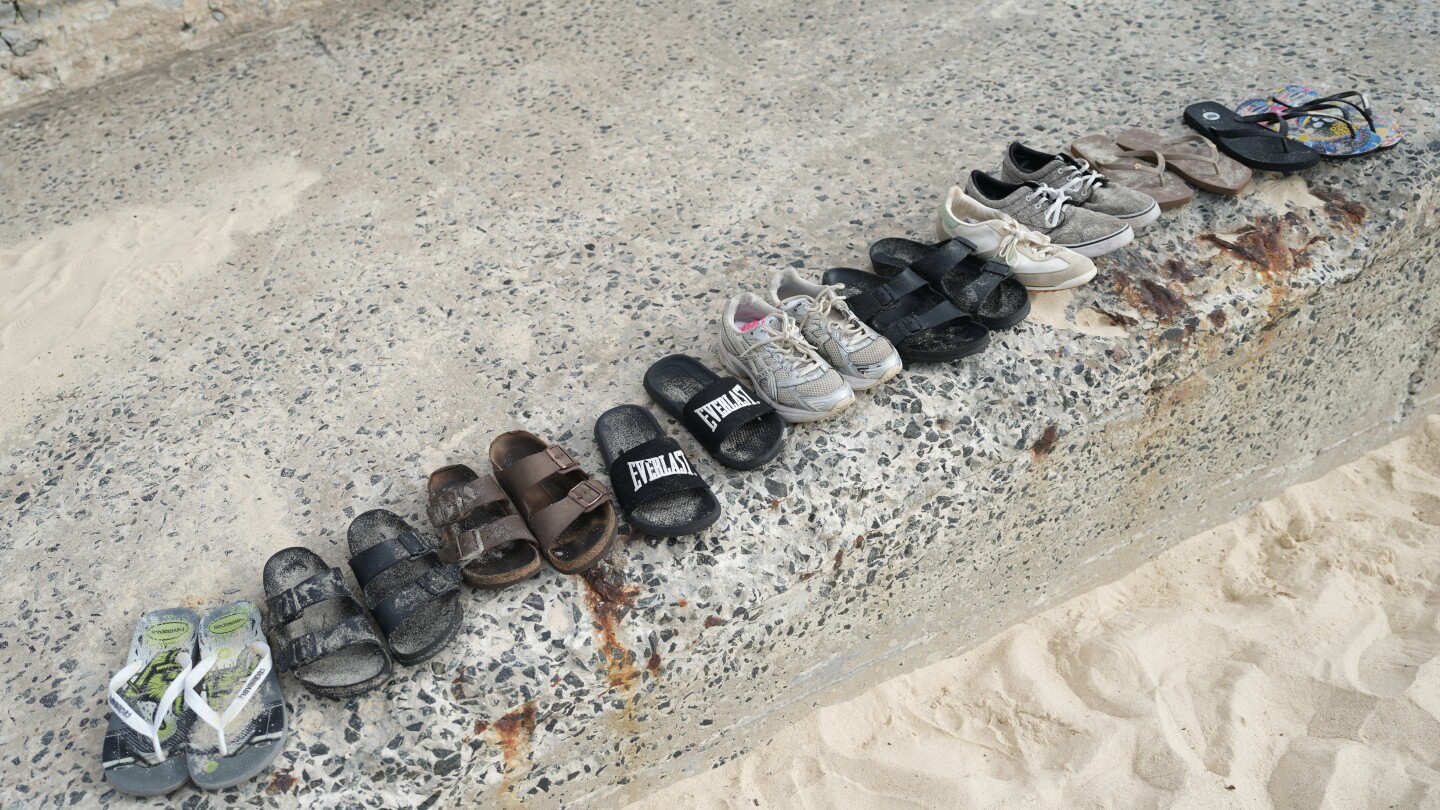
    The incident represents one of Australia’s deadliest mass shootings in decades, particularly striking in a nation with strict firearm regulations that has largely avoided such violence common in other Western countries. As memorials grow at Bondi Beach, the international community watches how Australia will respond to this targeted act of hatred and its implications for religious freedom and public safety worldwide.

  • Dozens killed in Morocco flash floods

    Dozens killed in Morocco flash floods

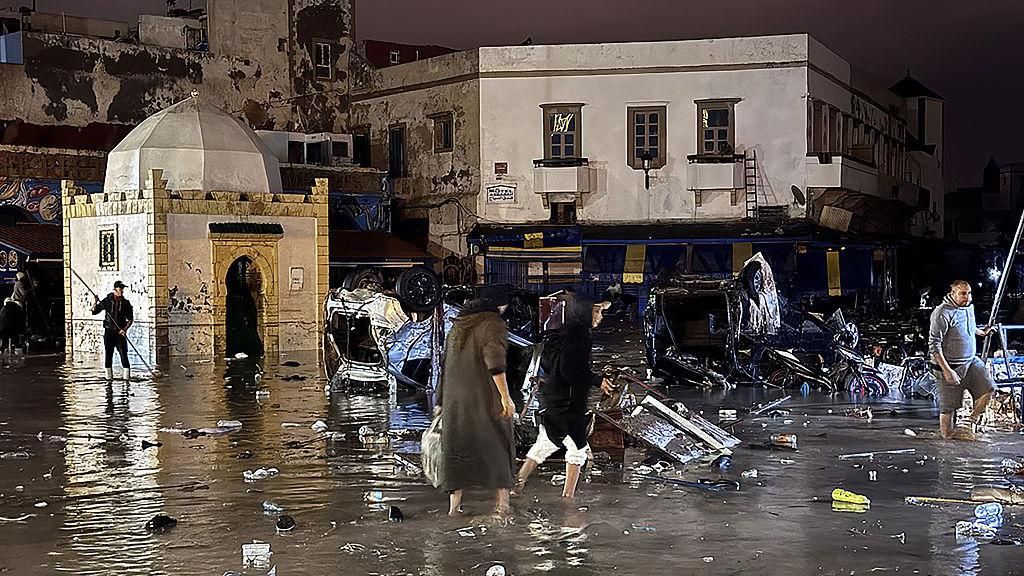
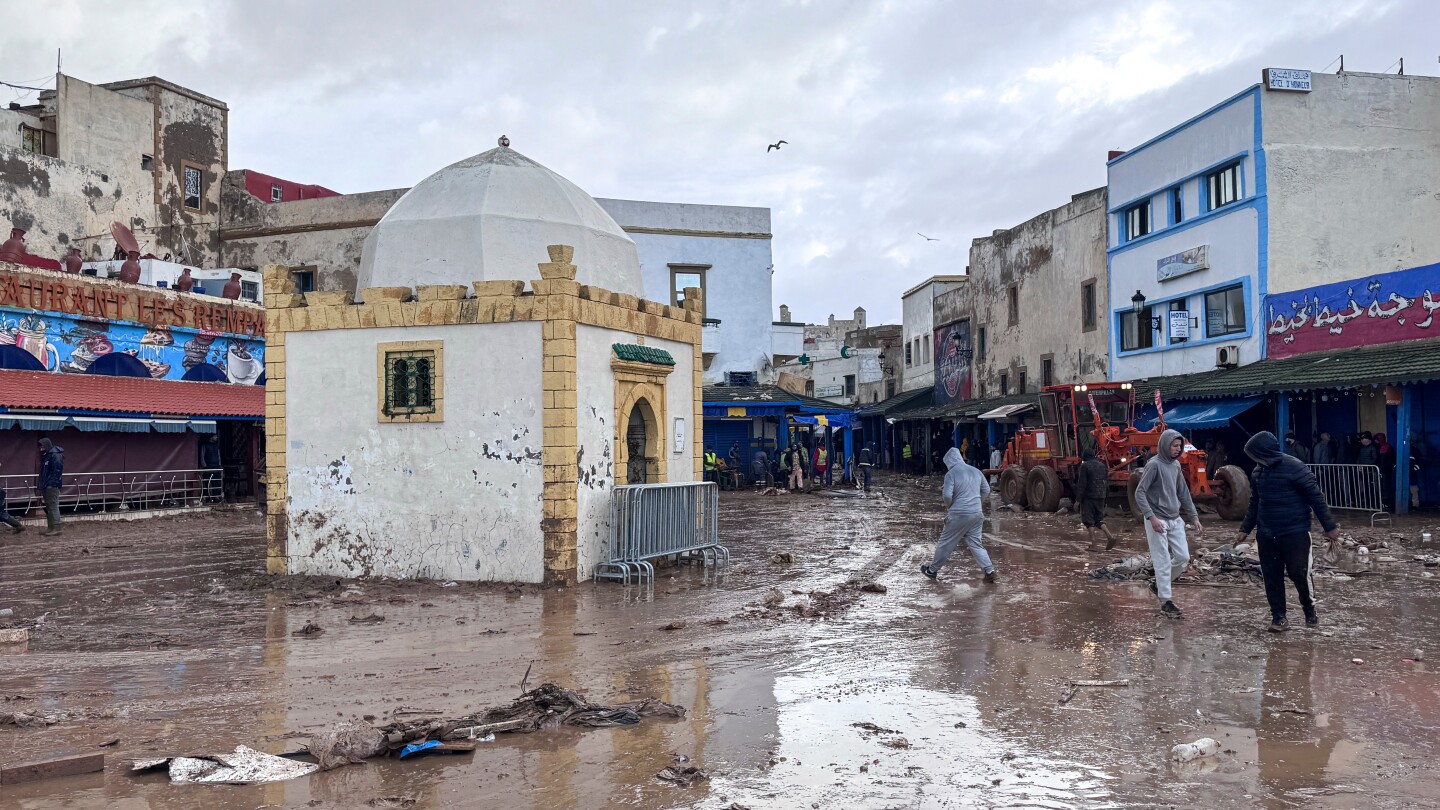
    A catastrophic flash flooding event has devastated Morocco’s coastal Safi region, resulting in a confirmed death toll of 37 individuals as reported by state television. The tragedy unfolded on Sunday when torrential rains triggered violent floodwaters that inundated the port city, sweeping away vehicles and massive accumulations of debris through urban thoroughfares.

    Local authorities have confirmed dozens of injured residents are currently receiving emergency medical treatment at area hospitals. The historic city center has suffered significant damage with at least 70 residential properties completely submerged under floodwaters. Transportation networks have been severely compromised with multiple access routes to the city rendered impassable due to extensive damage and accumulated wreckage.

    Eyewitness accounts describe Sunday’s events as a ‘dark day’ for the community, with residents expressing frustration over delayed governmental response. One local resident communicated to AFP his urgent desire to see official emergency vehicles deployed for water extraction operations.

    Moroccan emergency services continue search and rescue operations as the nation grapples with the aftermath. Meteorological experts are linking these extreme weather phenomena to broader climate crisis patterns, noting that North Africa has experienced seven consecutive years of drought that have critically depleted water reservoirs. This context makes the sudden torrential rainfall particularly alarming to climate scientists.

    The national weather service has issued continued advisories warning that heavy precipitation is expected to persist through Tuesday, with simultaneous snowfall anticipated across the Atlas Mountain range. This compounding weather emergency occurs against the backdrop of 2024 being officially recorded as the hottest year in modern history, adding to concerns about increasing climate volatility in the region.

  • Cambodia claims Thai bombing is hitting deeper into its territory near shelters for displaced people

    Cambodia claims Thai bombing is hitting deeper into its territory near shelters for displaced people

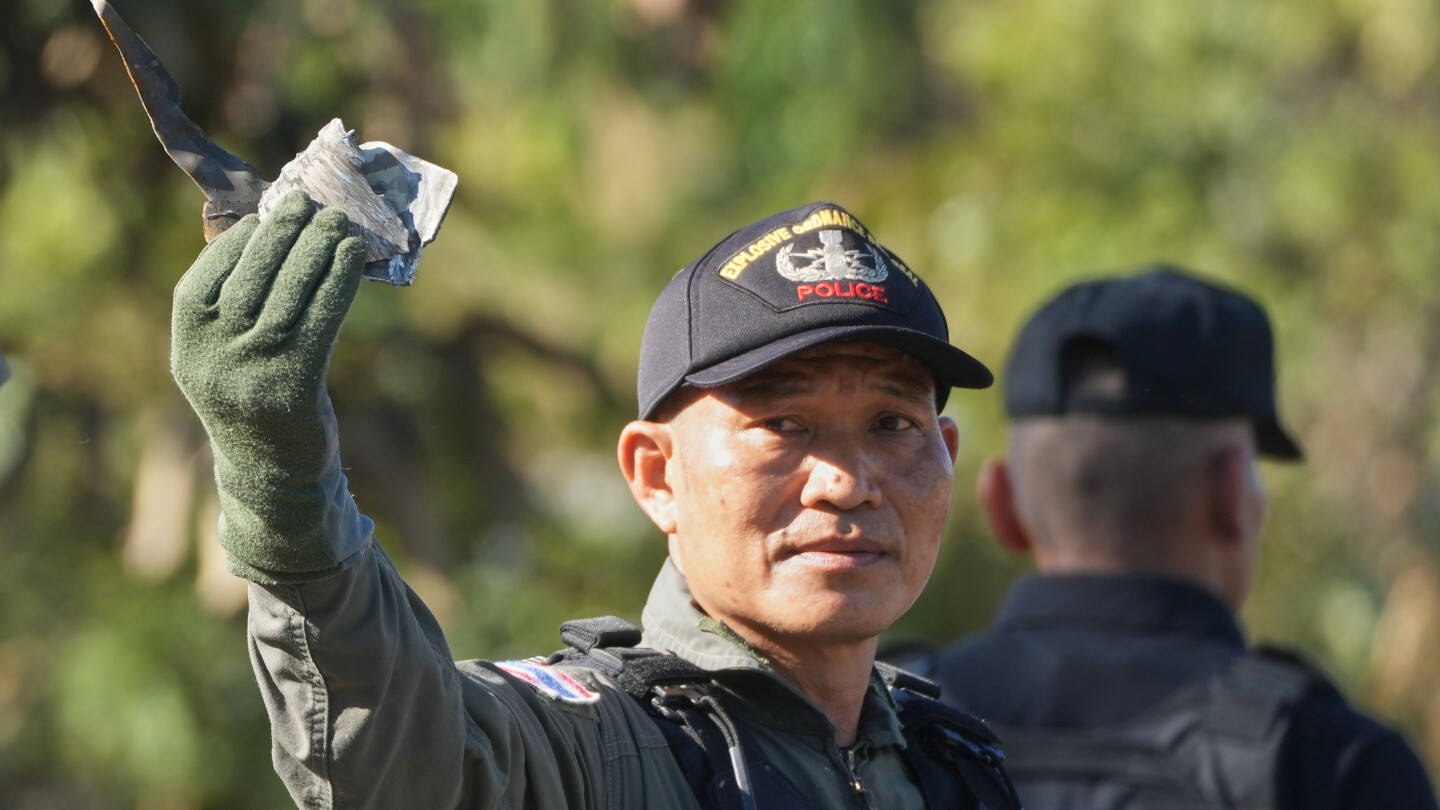
    The protracted military confrontation between Thailand and Cambodia has intensified dramatically, entering its second week with alarming developments. Cambodian authorities report that Thai F-16 fighter jets conducted bombing raids approximately 70 kilometers inside Cambodian territory on Monday, striking areas perilously close to civilian displacement camps in the Oddar Meanchey and Siem Reap provinces.

    The strategic targeting included infrastructure such as bridges in Srei Snam district, dangerously proximate to the internationally renowned Angkor Wat temple complex—a UNESCO World Heritage site representing Cambodia’s most significant tourist destination. This escalation marks a serious expansion of the conflict zone beyond immediate border areas.

    Military assessments from Bangkok claim substantial damage to Cambodian forces, including the destruction of 12 tanks, 10 armored vehicles, multiple artillery systems, and sophisticated anti-aircraft equipment. Thailand additionally reports capturing advanced Chinese-made anti-tank missile systems while acknowledging 16 combat fatalities among their own personnel.

    The human cost continues to mount with officials confirming over two dozen military casualties and approximately 500,000 displaced civilians across both nations. Cambodia reports 15 civilian deaths and 73 injuries, while Thailand announced its first civilian fatality from rocket attacks on Sunday.

    In a significant strategic development, Thai officials revealed efforts to establish supply constraints against Cambodia through maritime controls in the Gulf of Thailand and restrictions at land checkpoints near Laos. Notably, both sides acknowledge damage to historical Ta Kwai temple (known as Ta Krabey in Cambodia), with each nation attributing responsibility to the other.

    The renewed hostilities have effectively nullified the ceasefire agreement previously brokered by Malaysia under pressure from the Trump administration in October. Despite recent claims of renewed diplomatic progress, both governments currently maintain opposing positions regarding conflict resolution and ceasefire commitments.

  • Torrential rains and flash floods kill 37 in Moroccan city of Safi

    Torrential rains and flash floods kill 37 in Moroccan city of Safi

    CASABLANCA, Morocco — Catastrophic flooding has struck the coastal city of Safi, Morocco, resulting in at least 37 fatalities according to an official statement released Monday by the nation’s Interior Ministry. The disaster unfolded as torrential overnight rains triggered severe flash floods that submerged approximately 70 residential and commercial properties while sweeping away 10 vehicles. Emergency services reported 14 individuals hospitalized with injuries.

    The severe weather event has prompted local authorities to announce three-day school closures as recovery efforts continue. Beyond Safi, significant flooding and infrastructure damage have been reported across multiple Moroccan regions including the northern city of Tetouan and the mountainous community of Tinghir.

    Situated approximately 320 kilometers from the capital Rabat, Safi serves as a vital economic center for Morocco’s fishing and mining sectors, employing thousands in resource extraction and processing operations. The city of 300,000 residents hosts a major phosphate processing facility, though operations have been disrupted by the catastrophic flooding.

    Disturbing social media footage depicts vehicles partially submerged and stranded as powerful floodwaters surged through urban thoroughfares. Climate scientists note that Morocco’s weather patterns have grown increasingly unpredictable due to climate change impacts. The region has experienced prolonged drought conditions that have hardened soils and reduced natural absorption capacity, exacerbating flood vulnerability.

    This tragedy follows another recent building collapse incident in Fez that claimed 22 lives, raising questions about infrastructure resilience and building code enforcement. While Morocco has invested in disaster risk reduction initiatives, implementation varies significantly at local government levels, particularly regarding drainage systems and construction standards. These infrastructural disparities became a focal point during youth-led protests that emerged across the nation earlier this year.

  • 1 held after gunmen kill 11 in Sydney

    1 held after gunmen kill 11 in Sydney

    A joyous Hanukkah celebration at Sydney’s iconic Bondi Beach descended into terror on Sunday when gunmen opened fire on a crowd of over 1,000 people, resulting in a devastating death toll of 12 individuals and leaving 29 others wounded, including two police officers in serious condition. Australian authorities have officially declared the mass shooting a terrorist incident, confirming one attacker was killed during the event and another is now in custody.

    The attack targeted the ‘Hanukkah by the Sea’ ceremony on the first night of the Jewish festival of lights, transforming what should have been an occasion of religious celebration into a scene of tragedy. New South Wales Police Commissioner Mal Lanyon characterized the event as a deliberate terrorist assault, emphasizing the particularly cruel timing against a peaceful gathering.

    Prime Minister Anthony Albanese addressed the nation, describing the shooting as a ‘dark moment’ for Australia and condemning the targeted violence against Jewish Australians. He pledged full governmental resources to investigate the attack and bring all responsible parties to justice, while urging national unity in response to the tragedy.

    Security operations involved a coordinated response from multiple agencies including the Australian Federal Police, New South Wales police, and the Australian Security Intelligence Organization. Acting Federal Police Commissioner Nigel Ryan committed all available specialist resources and powers to ensure a thorough investigation.

    The Chinese Consulate General in Sydney promptly issued safety advisories to Chinese nationals in the region, recommending heightened security awareness, precautionary measures, and maintained communication capabilities. The consulate emphasized immediate contact with emergency services should any danger be encountered.

    As the investigation continues, authorities have warned that the security situation remains serious and have urged the public to avoid the Bondi Beach area while operations are ongoing.

  • War scars cast shadow in eastern DR Congo

    War scars cast shadow in eastern DR Congo

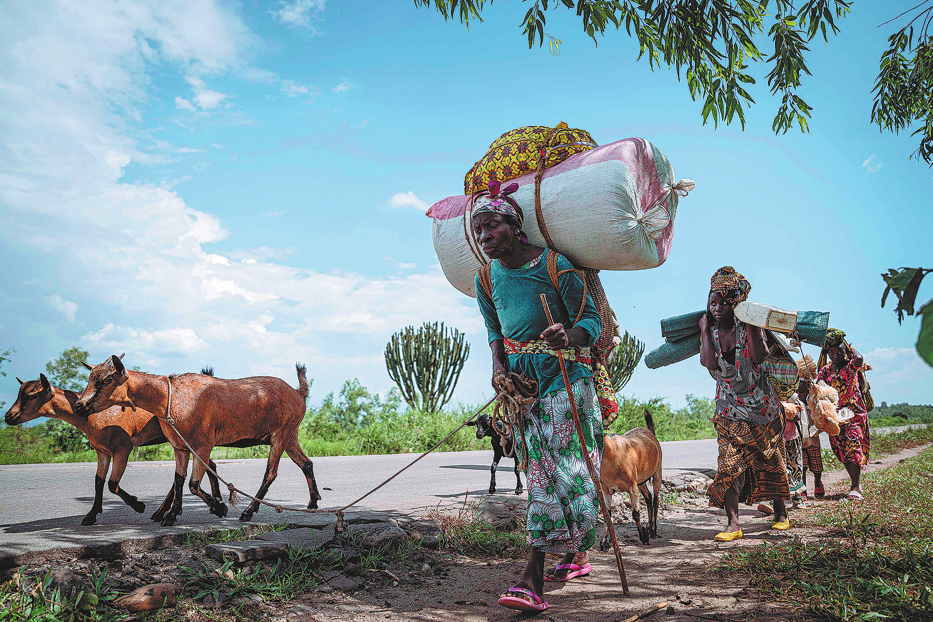
    The eastern Democratic Republic of Congo faces a severe humanitarian emergency as renewed hostilities by M23 rebels create widespread devastation and displacement across South Kivu Province. Recent military advances have left visible scars along strategic transport routes, with charred military vehicles and bullet-riddled buildings lining the road from Bukavu to Uvira—a vital artery connecting northern and southern parts of the conflict-ridden region.

    Since December 2nd, intensified fighting on multiple fronts has precipitated one of the largest displacement crises in recent memory. United Nations humanitarian agencies report approximately 500,000 individuals have been forced from their homes, while Congolese authorities confirm over 400 casualties since the offensive began. The M23’s claimed capture of Uvira—South Kivu’s second-largest city—has transformed urban centers into militarized zones where residents navigate daily life under rebel surveillance.

    The conflict’s regional implications are rapidly expanding. Burundi’s closure of border crossings with the DRC has severed critical supply routes for essential commodities including food and fuel, exacerbating an already dire humanitarian situation. This development coincides with reports of approximately 38,000 Congolese asylum seekers crossing into Burundi between December 5-9, according to Burundian state media.

    UN officials have raised alarms about the potential for broader regional conflict. Jean-Pierre Lacroix, UN Under-Secretary-General for Peace Operations, warned the Security Council that the current offensive “revived the specter of a regional conflagration with incalculable consequences.” He emphasized the increasing regionalization of the conflict, noting that cross-border movements of both civilians and combatants heighten escalation risks.

    International concern continues to mount, with China’s UN representative Fu Cong emphasizing the urgent need for immediate hostilities cessation. The DRC government has announced potential negotiations with Burundi regarding establishing temporary humanitarian corridors to address the growing crisis, though details remain undeveloped amid ongoing volatility.