分类: world

  • Intl Macao meet urges sustained dialogue

    Intl Macao meet urges sustained dialogue

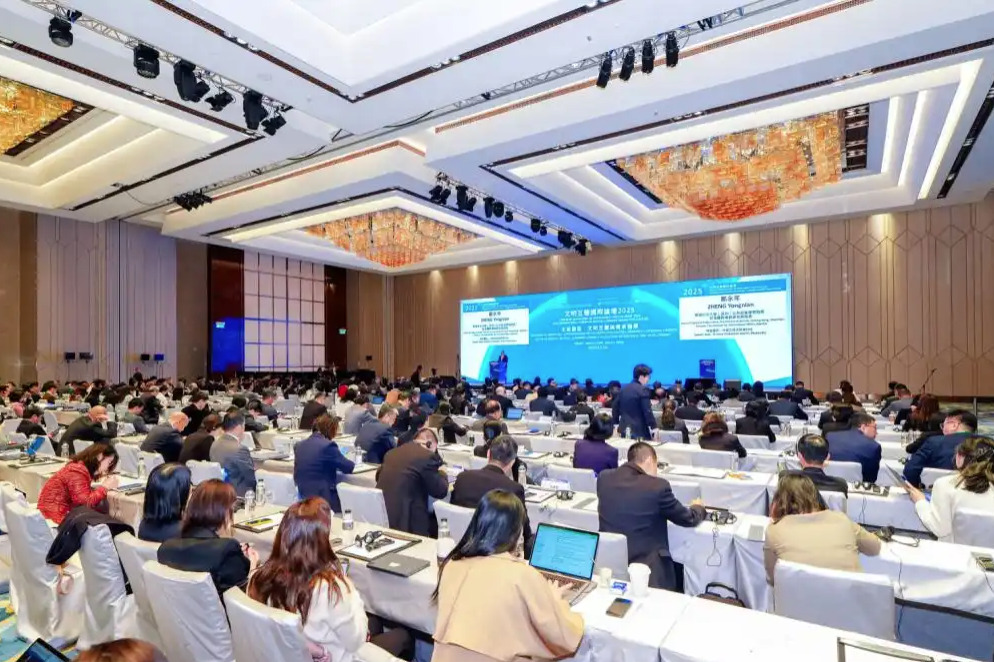
    In a powerful response to escalating global divisions, Macao has positioned itself as a beacon for international cooperation with the unveiling of the groundbreaking “Macao Initiative” during the inaugural International Forum on Mutual Learning among Civilizations. The two-day gathering, held from December 17-18, 2025, brought together distinguished scholars and professionals from diverse regions including North Africa, Latin America, Southeast Asia, and Europe to address pressing global challenges through sustained intercultural dialogue.

    The forum, presented by the Macao Special Administrative Region government and organized by its Cultural Affairs Bureau with support from the Chinese Academy of History, produced a consensus that cultural diversity represents humanity’s greatest strength rather than a source of conflict. Participants emphasized that ongoing communication serves as the essential antidote to misunderstanding, exclusion, and societal fragmentation.

    Leong Wai-man, President of the Macao SAR Cultural Affairs Bureau, formally introduced the initiative during the closing ceremony, outlining five strategic directions: enhancing global civilizational dialogue, promoting openness-driven exchange, strengthening heritage preservation, engaging youth through digital innovation, and establishing platforms to advance China’s Global Civilization Initiative. “The essence of civilizational dialogue lies in acknowledging differences while seeking common ground, not enforcing uniformity,” Leong stated. “Macao’s mission is to ensure this vital dialogue continues indefinitely.

    International experts provided compelling testimony supporting this approach. Elhaj Ahmed Khaled, Assistant Professor of Chinese Language and Literature at Tunisia’s University of Carthage, noted the alignment between China’s philosophy of “harmony without uniformity” and Tunisia’s cultural traditions. While celebrating four decades of Chinese language education in Tunisia and growing interest among youth, Khaled cautioned about persistent Western media influence in Arab and African regions, where political agendas often promote distorted narratives of civilizational clash.

    From Argentina, Professor Veronica Noelia Flores of the National Scientific and Technical Research Council emphasized culture’s role in rebuilding social cohesion and community values. “Such spaces must enable people to imagine alternative worlds and futures that respect cultural diversity and intercultural dialogue,” she observed.

    Practical success stories emerged from Indonesia, where Ruddy Erieyanto, a tourism and cultural heritage activist from Semarang, demonstrated how cultural preservation drives economic viability. The city’s transformation of its historic Chinatown into a vibrant cultural hub shows how heritage can coexist with urban development.

    Looking toward future conservation efforts, Canada’s Professor Mario Santana Quintero, co-UNESCO Chair on Digital Twins for World Heritage Conservation, highlighted the importance of balanced technological application. While digital tools offer unprecedented conservation possibilities, he advocated for low-capital, high-impact models that avoid creating new inequalities while protecting civilizational diversity.

    The Macao Initiative emerges as a timely framework for international cooperation, advocating for sustained dialogue as the foundation for global understanding and peace.


  • Sydney shooting suspect charged with 59 offenses

    Sydney shooting suspect charged with 59 offenses

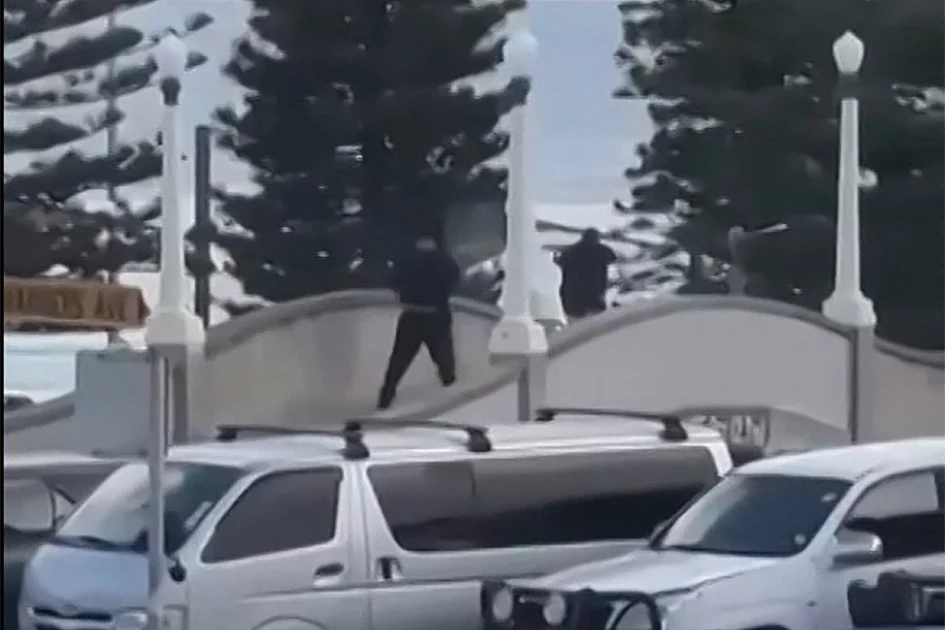
    Australian authorities have formally charged Naveed Akram, the primary suspect in the devastating Bondi Beach shooting, with 59 criminal offenses including 15 counts of murder and one count of committing a terrorist act. The charges come three days after the horrific attack that claimed 15 lives and left over 40 injured at the iconic Sydney location, marking Australia’s deadliest shooting incident in thirty years.

    Police confirmed that the 24-year-old suspect was charged at his hospital bedside after emerging from a coma, where he remains under heavy police guard. According to official statements, investigators will present evidence in court demonstrating that Akram engaged in conduct specifically designed to cause mass casualties, advance a religious cause, and instill widespread fear within the community. Early indications strongly point to an ISIS-inspired terrorist attack, with the Islamic State being a officially listed terrorist organization in Australia.

    The attack targeted a Hanukkah celebration event, the Jewish Festival of Lights, with Rabbi Eli Schlanger among the victims mourned at a Wednesday funeral service. Current hospitalization figures indicate 41 shooting victims remain in medical care, including four children, with 20 patients continuing to receive treatment across multiple Sydney hospitals.

    Prime Minister Anthony Albanese confirmed in media interviews that the attack was directly inspired by ISIS ideology, noting evidence that the perpetrators “were motivated by the sort of ideology of the Islamic State” and that terrorist flags were discovered in their vehicle. The Prime Minister committed to implementing “any legislative change” and “additional powers that are needed across the board” to enhance community safety, particularly for Jewish communities.

    New South Wales Police Commissioner Mal Lanyon revealed that both attackers had traveled to the Philippines last month, amid emerging reports suggesting they may have received military-style training in the country’s southern regions. The exact purpose and details of their international travel remain under active investigation.

    Background information indicates that Sajid Akram, the second gunman who was killed by police during the incident, was born into a Muslim family in India before immigrating to Australia in 1998. His son Naveed, an Australian citizen, maintained limited contact with relatives in Hyderabad, India, making six visits primarily for family matters according to national broadcaster reports.

    The tragedy has triggered immediate political action, with the New South Wales Parliament being recalled ahead of Christmas to fast-track gun reform legislation. Proposed measures include limits on the number of firearms licensed to individual owners and a comprehensive reclassification of shotguns. State Premier Chris Minns also indicated the government would consider restricting protest activities in response to terror threats, expressing concern about “combustible situations” within Australia’s multicultural community.

    Prime Minister Albanese emphasized the need for nationwide consistency in gun control, stating that Australia’s firearm laws “are only as strong as the weakest link in them” unless all states implement strengthened regulations simultaneously.

  • Liverpool rappers in Somalia during clan conflict

    Liverpool rappers in Somalia during clan conflict

    Two British drill musicians from Liverpool’s Toxteth area have become subjects of a potential police investigation following their apparent participation in armed activities within Somalia’s volatile clan conflicts. Abdifatah Gulaid, 31, and Noah Ihiekwe, 30, who perform under the stage names Still Brickin’ and Rayzer respectively, were documented in military attire alongside armed troops in northeastern Somalia earlier this year.

    The BBC-obtained footage shows Gulaid delivering inflammatory statements to soldiers, declaring that ‘the time for talk is finished’ and promising to demonstrate their ‘mettle in battle.’ The rappers’ journey to conflict zones began under suspicious circumstances—they were among six men detained during a January drug raid in Phuket, Thailand, where authorities seized 6kg of cannabis and 39 tanks of nitrous oxide from their luxury villa. Though released without charges, the men subsequently traveled to Somalia’s Sanaag region.

    This territory remains disputed between the self-declared Republic of Somaliland and the autonomous state of Puntland, with longstanding inter-clan tensions over resources and historical grievances. Gulaid maintains affiliation with the Warsangeli clan, currently engaged in hostilities against the rival Isaaq clan aligned with Somaliland.

    An international consultant present at Badhan’s Laasqoray Hotel described witnessing the rappers transition from casual Western attire to combat gear while brandishing assault rifles. Their presence coincided with a significant escalation in regional violence, including armed confrontations that endangered civilian areas.

    According to Dr. Idil Osman of the University of Leicester, diaspora communities often maintain strong connections to Somali clan politics, sometimes drawing them into overseas conflicts. While the UK government emphasizes that any citizen engaging in unlawful activities abroad faces investigation upon return, legal expert Clive Walker notes prosecution complexities unless involvement with proscribed organizations like Al-Shabaab is established. The individuals were last reported in Dubai, with their eventual return to Britain likely to prompt official inquiries.

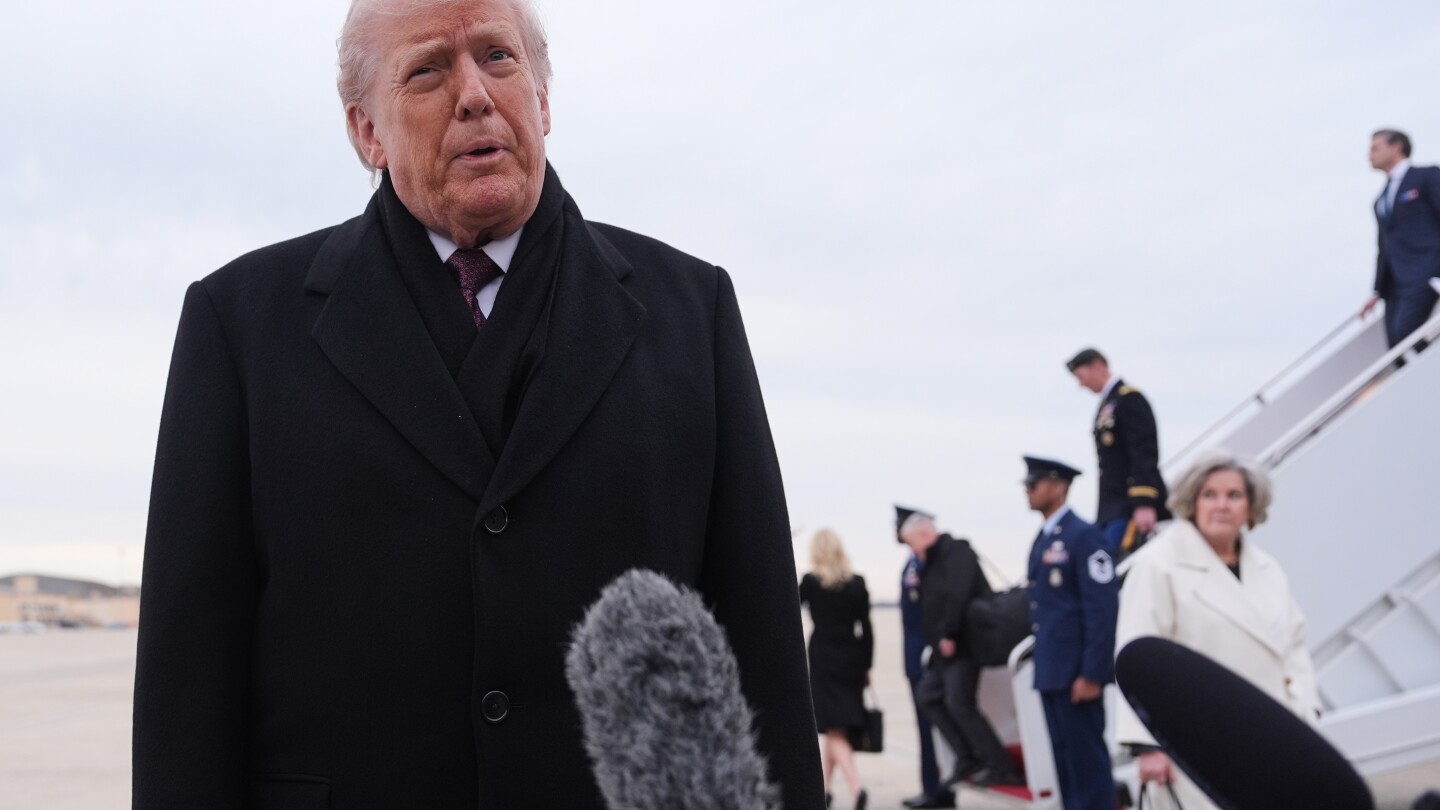
  • Venezuela says oil exports continue normally despite Trump ‘blockade’

    Venezuela says oil exports continue normally despite Trump ‘blockade’

    Venezuela has issued a firm response to President Donald Trump’s announcement of a comprehensive naval blockade, asserting that its crucial oil export operations remain unaffected. The state-owned petroleum company PDVSA released an official statement confirming that “export operations for crude and byproducts continue normally” and that tankers associated with its operations maintain regular sailing schedules.

    The declaration comes directly following President Trump’s Tuesday proclamation instituting what he described as “a total and complete blockade of all sanctioned oil tankers going into and out of Venezuela.” The US President emphasized the substantial military presence deployed to the Caribbean region, notably referencing the world’s largest aircraft carrier, and stated that “Venezuela is completely surrounded by the largest Armada ever assembled in the History of South America.”

    Despite these aggressive maneuvers, Venezuela’s military establishment, which continues to support President Nicolas Maduro’s government, declared it remains “not intimidated” by the show of force. PDVSA further emphasized that historical attempts to disrupt their operations have consistently failed to diminish either their operational capabilities or the determination of their workforce.

    The ongoing confrontation highlights the critical importance of petroleum exports to Venezuela’s struggling economy, which has faced severe challenges under previous sanctions and international pressure. The current standoff represents a significant escalation in the geopolitical tension between the two nations, with potential implications for global energy markets and regional stability in South America.

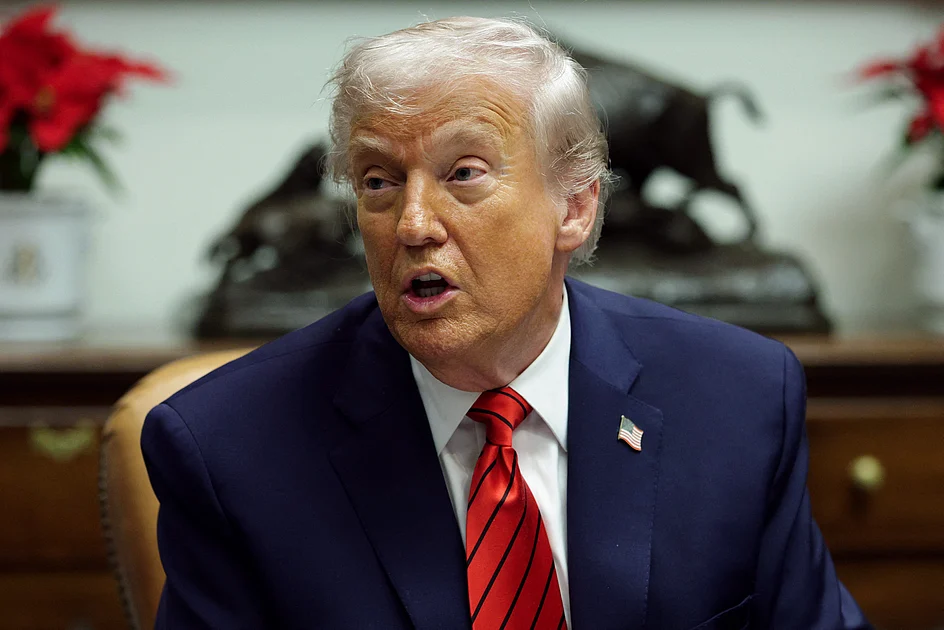
  • Trump’s expanded travel ban hits Africa the hardest but reactions are muted

    Trump’s expanded travel ban hits Africa the hardest but reactions are muted

    ZIMBABWE (AP) — The Trump administration’s significant expansion of travel restrictions has placed Africa at the epicenter of its immigration policy, with twenty additional nations added to the prohibited list. Despite affecting approximately 1.5 billion people across the continent, official responses remained measured Wednesday as governments assessed the implications of the sweeping measures.

    The newly announced restrictions build upon June’s limitations but represent a more comprehensive and punitive approach than those implemented during Trump’s initial presidency. Unlike the previous Muslim-majority focused bans reversed in 2021, the current policy cites security vulnerabilities, documentation deficiencies, and visa overstay concerns as justification.

    Notably, four African nations—Burkai Faso, Mali, Niger, and South Sudan—joined the complete prohibition list alongside Syria and Palestinian Authority document holders. Sierra Leone and Laos, previously under partial restrictions, now face comprehensive bans. Twelve of the fifteen countries subjected to partial restrictions are African, including Nigeria, Senegal, Zimbabwe, and Ivory Coast, complemented by Antigua and Barbuda, Dominica, and Tonga.

    The African Union, through spokesman Nuur Mohamu, reiterated its call for balanced, evidence-based border protection that acknowledges the longstanding partnership between the U.S. and African nations. The 55-member organization warned of potential damage to educational exchanges, commercial engagement, and diplomatic relations cultivated over decades.

    Reactions from affected governments varied from diplomatic engagement to cautious silence. Sierra Leone’s government expressed commitment to addressing U.S. immigration concerns through constructive dialogue, while Malian officials declined immediate comment, reflecting the cautious stance adopted by many administrations.

    Analysts and citizens alike criticized the measures as disproportionately affecting African nations. Ramlah Ibrahim Nok, a business lawyer in Abuja, noted the unfairness of blanket restrictions that fail to distinguish between legitimate travelers and violators. Beverly Ochieng of Control Risks Group predicted the policy would create “incoherent, unpredictable and challenging” relations between the U.S. and African countries, potentially driving partnerships toward Washington’s rivals like Russia and China.

    The timing raises additional concerns regarding the 2026 FIFA World Cup, jointly hosted by the U.S., Canada, and Mexico. Sports enthusiasts expressed uncertainty about fan attendance despite anticipated exemptions for players and staff.

    In South Sudan, human rights activist Rajab Mohandis interpreted the ban as diplomatic punishment for the government’s slow implementation of the 2018 peace agreement that ended a devastating civil war.

    Across Africa, the expanded travel restrictions have sparked concerns about economic impact, diplomatic relations, and the future of people-to-people exchanges between the continent and the United States.

  • Philippines says no evidence of ‘terrorist training’ after Bondi gunmen’s visit

    Philippines says no evidence of ‘terrorist training’ after Bondi gunmen’s visit

    The Philippine government has formally dismissed allegations that the country served as a terrorist training ground for the perpetrators of Australia’s Bondi Beach massacre. This response comes after revelations that father-son duo Sajid Akram and Naveed Akram spent November in the southern Davao province before carrying out the attack that killed 15 people at a Hanukkah celebration.

    Presidential spokeswoman Claire Castro, reading from a National Security Council statement, asserted that “no evidence has been presented to support claims that the country was used for terrorist training.” She emphasized President Ferdinand Marcos’s strong rejection of characterizations labeling the Philippines as an “ISIS training hotspot.”

    Immigration records confirmed the Akrams entered the Philippines on November 1 with destination Davao, located on Mindanao island—a region with a documented history of Islamist insurgencies. However, military officials challenged the notion that significant training could occur during their month-long stay.

    Colonel Xerxes Trinidad, speaking to reporters, stated that “training cannot be acquired in just 30 days… especially if you are to undergo marksmanship training.” Military spokeswoman Colonel Francel Padilla added that armed groups in Mindanao have been “fragmented” and lacking leadership since the beginning of 2024, with no recorded major terrorist operations or training activities.

    The contrasting perspectives emerged as Australian authorities investigate potential extremist connections during the Akrams’ visit. While military officials maintain insurgent capabilities have been significantly degraded since the 2017 Marawi siege that claimed over 1,000 lives, security analyst Rommel Banlaoi cautioned that active training camps persist in central Mindanao, with weakened insurgent movements maintaining “local and global online” connections.

  • Takeaways from The Associated Press report on Myanmar’s crackdown on cyberscam centers

    Takeaways from The Associated Press report on Myanmar’s crackdown on cyberscam centers

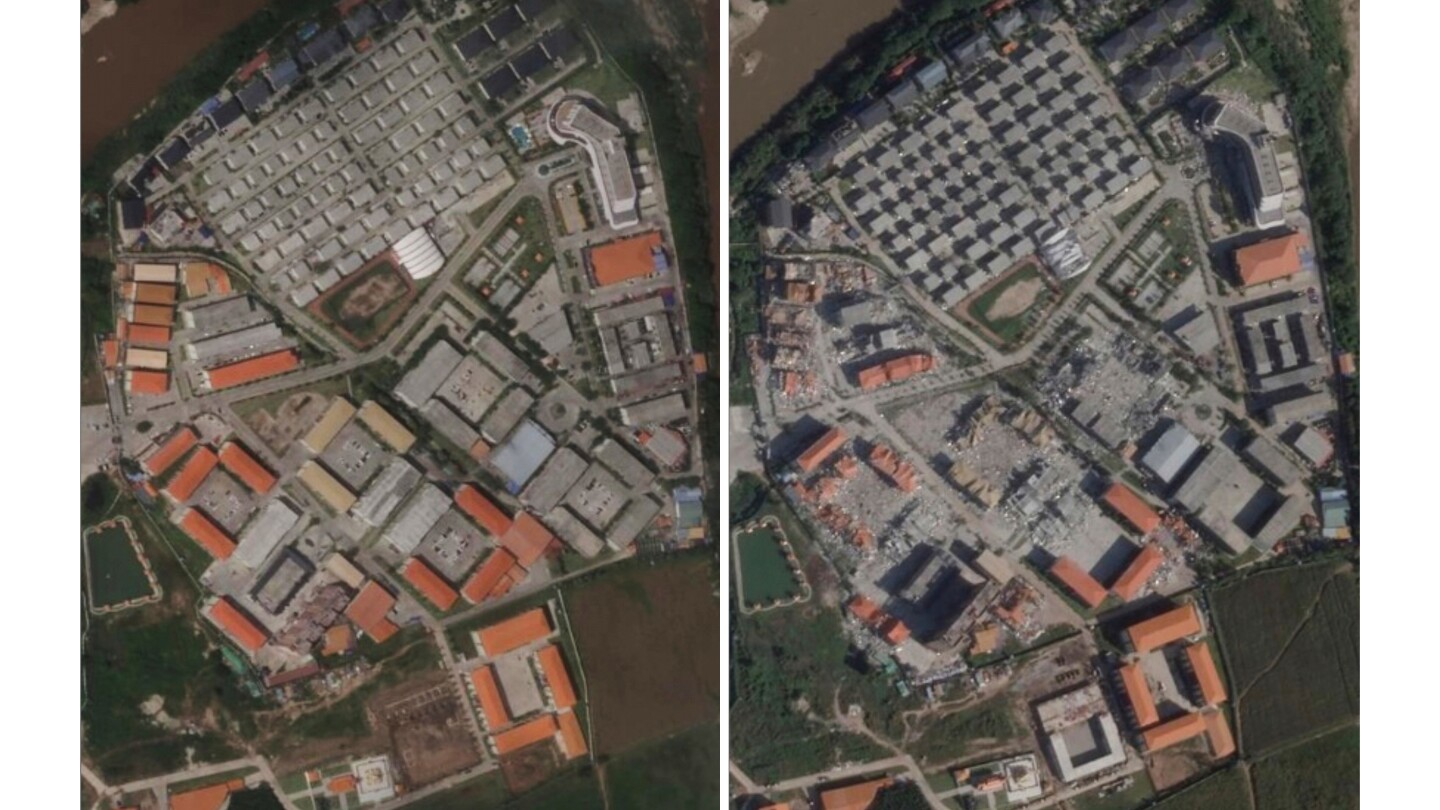
    Myanmar’s military junta has launched a highly publicized offensive against industrial-scale cyberscam operations within its borders, implementing a new “zero tolerance” policy that culminated in the raid and partial demolition of KK Park—a notorious compound emblematic of the country’s sprawling cybercrime industry. The dramatic measures come amid mounting international scrutiny preceding national elections, positioning the regime as committed to combating one of the world’s most profitable criminal enterprises.

    Satellite imagery analysis conducted by the London-based Center for Information Resilience reveals a discrepancy between government claims and actual demolition outcomes. While authorities announced the complete demolition of 413 structures by December 13th, visual evidence indicates only 31 buildings were fully flattened, with at least 78 sustaining partial damage. Investigators note that heavy machinery primarily targeted lower floors, leaving roofs and internal structures largely intact—suggesting potential for future reconstruction and reuse.

    Historical patterns indicate this crackdown may represent more theater than substantive reform. Data from conflict analysis organization C4ADS demonstrates that previous raids conducted under Chinese pressure failed to curtail the industry’s expansion. Of 21 known scam compounds in Myawaddy Township, 14—including KK Park—have actually expanded since January. “This continued growth exemplifies the junta’s inability to rein in the industry,” noted C4ADS analyst Michael Di Girolamo.

    The human dimension remains particularly troubling. While Thai authorities report approximately 1,500 workers exiting through official channels, this represents a fraction of the estimated tens of thousands employed at KK Park alone. Telegram channels now buzz with relocation offers for displaced workers, many reportedly transferring to operations in Cambodia, Mauritius, and African nations. Current victims trapped in neighboring compounds describe uninterrupted operations despite government claims of widespread raids.

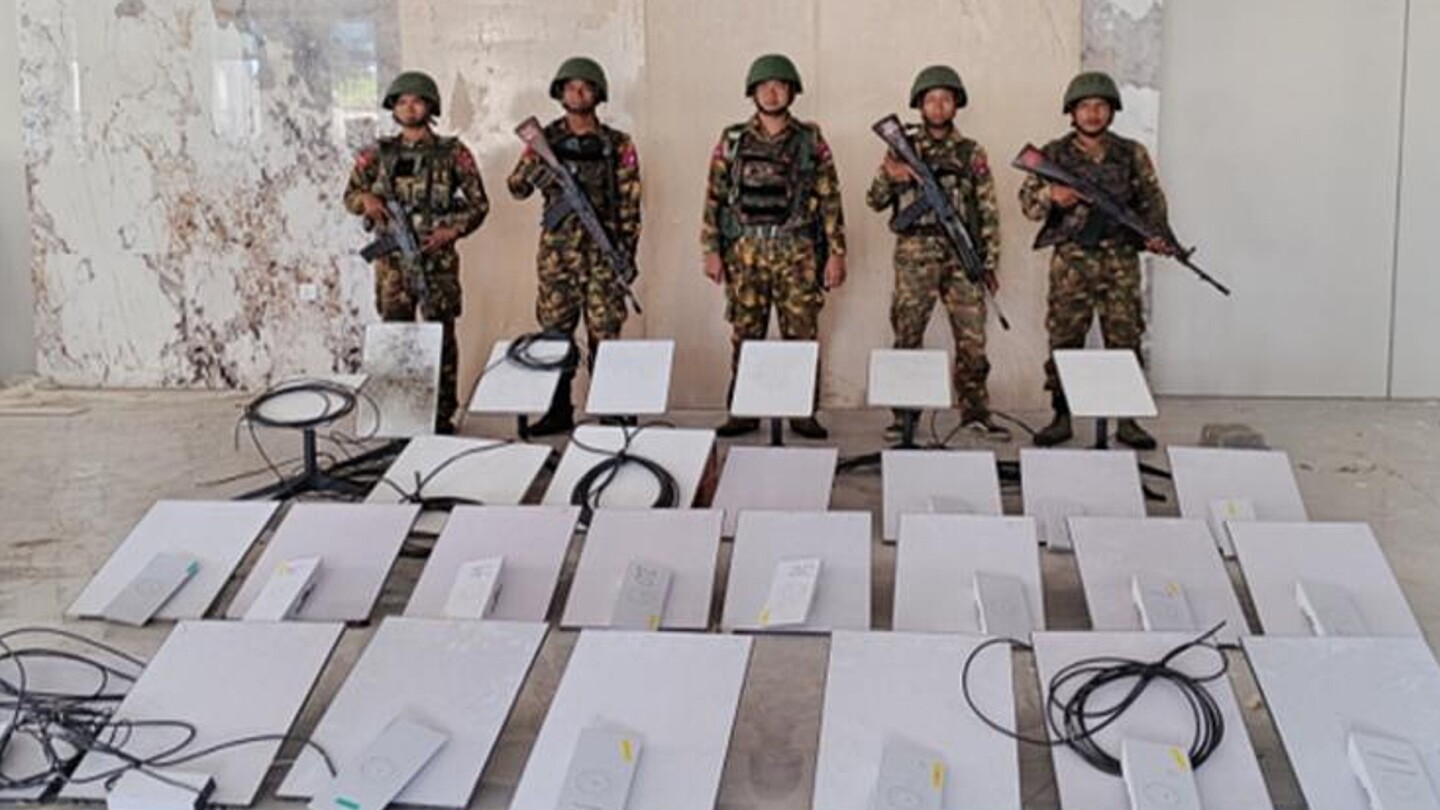
    Even technological countermeasures show limited effectiveness. Despite SpaceX deactivating over 2,500 Starlink units in Myanmar and state media showcasing confiscated equipment, workers at multiple compounds confirm continued access to the satellite internet service essential for their operations.

    With approximately 30 similar compounds operating along the Thailand-Myanmar border, including the notorious Shwe Kokko complex targeted by U.S. authorities, activists remain skeptical about the operation’s long-term impact. “This doesn’t constitute a genuine crackdown,” stated Jay Kritiya of the Civil Society Network for Human Trafficking Victim Assistance, capturing the prevailing sentiment that systemic change remains elusive despite surface-level demonstrations of enforcement.

  • Myanmar declares a “zero tolerance” policy for cyberscams. But the fraud goes on

    Myanmar declares a “zero tolerance” policy for cyberscams. But the fraud goes on

    Myanmar’s military junta has launched highly publicized operations against cyberscam compounds in what appears to be a response to mounting international pressure. The raid and subsequent demolition of KK Park—a notorious facility symbolizing the nation’s struggle against organized cybercrime—was broadcast as evidence of the government’s commitment to eradicate fraudulent operations.

    However, investigations reveal these actions may constitute more theater than substantive reform. Despite government claims of complete demolition, satellite imagery analysis indicates only 31 structures were fully leveled at KK Park, with at least 78 others sustaining partial damage. The London-based Center for Information Resilience notes that many buildings retain reconstructible elements, suggesting potential future reuse.

    The crackdown has triggered operational displacement rather than industry elimination. Current and former workers report thousands of employees scattering to alternative compounds within Myanmar and across borders. Telegram channels buzz with recruitment ads targeting displaced scammers, while operations continue uninterrupted at approximately 30 other facilities along the Thailand-Myanmar border.

    Critical infrastructure persists despite enforcement efforts. Multiple compounds continue utilizing Starlink internet services despite SpaceX’s announced ban, highlighting the challenge of controlling technology access. Meanwhile, construction and expansion activities have been documented at 14 of 21 known scam centers since January, including installations of solar panels for energy independence.

    Analysts attribute the persistence to deep institutional connections. U.S. and European sanctions notices indicate most border compounds operate under protection of the Karen Border Guard Force, which maintains affiliations with Myanmar’s military. Experts suggest the raids primarily serve to alleviate pressure from the United States and China while allowing criminal networks to adapt and relocate.

    The human toll remains staggering. While Thai authorities report approximately 1,500 workers escaping through official channels, tens of thousands remain unaccounted for. Trafficked individuals from Africa, Asia, and beyond continue awaiting rescue, with many transferred between compounds under duress. Distressing reports emerge of beaten workers pleading for assistance while criminal operations continue unabated.

  • Australian police charge alleged Bondi Beach killer with terrorism, 15 murder counts

    Australian police charge alleged Bondi Beach killer with terrorism, 15 murder counts

    Australian authorities have formally charged Naveed Akram, the surviving suspect in the Bondi Beach mass shooting, with 59 criminal offenses including terrorism and 15 counts of murder. The 24-year-old remains under heavy police guard at a Sydney hospital where he recently emerged from a coma.

    The charges follow Sunday’s horrific attack during a Jewish Hanukkah celebration that left 15 dead and dozens wounded. According to New South Wales Police, Akram and his 50-year-old father Sajid Akram opened fire on the gathering in an act allegedly inspired by the Islamic State terrorist organization. Police confirmed Sajid Akram was shot dead at the scene by responding officers.

    Court documents reveal prosecutors will argue the attack was designed to “advance a religious cause and cause fear in the community.” The investigation has uncovered that the father-son perpetrators traveled to the southern Philippines, a region known for Islamist militancy, weeks before carrying out the attack.

    The timing of the formal charges coincides with the beginning of funeral services for the Jewish victims, amid growing public concern about how the attackers obtained powerful firearms despite one having been previously investigated for extremist links.

    International attention has focused on the case, with U.S. President Donald Trump characterizing the incident as a “horrific and antisemitic terrorist attack” during a White House Hanukkah event. The case has intensified discussions about rising antisemitism and violent extremism in Australia.

    Naveed Akram is scheduled to appear via video link before a local court on Monday morning, marking the next phase in Australia’s judicial response to one of the nation’s deadliest terrorist incidents.

  • France probes ‘foreign interference’ after remote control malware found on passenger ferry

    France probes ‘foreign interference’ after remote control malware found on passenger ferry

    French authorities have launched a major counterespionage investigation into an alleged cyberattack targeting an international passenger ferry, with one crew member currently detained on suspicion of acting for an unidentified foreign power. The case emerged after Italian intelligence services alerted France’s General Directorate of Internal Security about potential malware infiltration in the computer systems of a vessel docked at the Mediterranean port of Sète.

    According to the Paris prosecutor’s office, investigators discovered remote access trojan (RAT) software capable of seizing control of the ferry’s operational computers. Interior Minister Laurent Nunez characterized the incident as ‘a very serious affair’ during an interview with France Info, confirming that individuals attempted to breach the ship’s data-processing systems. While the specific intent remains undetermined, Nunez acknowledged investigators are pursuing leads related to ‘foreign interference.’

    The investigation led to the arrest of two crew members—one Latvian and one Bulgarian—last Friday. The Bulgarian national was subsequently released after questioning, while the Latvian citizen remains in custody facing preliminary charges of criminal conspiracy and hacking offenses allegedly committed to benefit a foreign power. Search operations were also conducted in Latvia as part of the ongoing probe.

    The incident occurs amid growing concerns among European nations about Russia’s alleged ‘hybrid warfare’ tactics, which include cyber operations, disinformation campaigns, and other hostile activities that maintain plausible deniability. Although French officials have not explicitly named Russia, Minister Nunez pointedly remarked that ‘foreign interference very often comes from same country.’

    The affected ferry has resumed normal operations following comprehensive security evaluations of its computer infrastructure. The case represents the latest in a series of suspected state-sponsored cyber operations targeting European infrastructure.