分类: world

  • Prisoners freed by Belarus say their passports are taken away in a final ‘dirty trick’ by officials

    Prisoners freed by Belarus say their passports are taken away in a final ‘dirty trick’ by officials

    In a controversial prisoner exchange that has drawn international condemnation, Belarus has released 123 detainees in exchange for the United States lifting certain trade sanctions. However, emerging accounts reveal these releases constitute forced deportations rather than genuine pardons, with prisoners systematically stripped of identification documents and transported blindfolded to neighboring countries.

    Uladzimir Labkovich, a 47-year-old human rights advocate who endured four and a half years of imprisonment, described his sudden release as yet another “dirty trick” by Belarusian authorities. “I was thrown out of my own country without a passport or valid documents,” Labkovich reported from Ukraine, where he now faces complex bureaucratic hurdles to rebuild his life.

    The December 13th release included Nobel Peace Prize laureate Ales Bialiatski and prominent opposition figures, with 114 prisoners transported to Ukraine and nine to Lithuania. This pattern follows earlier releases where prisoners were similarly expelled without documentation. In September, over 50 political prisoners were taken to the Lithuanian border without passports, with activist Mikola Statkevich refusing to leave and subsequently being returned to prison.

    Testimonies from released prisoners describe systematic confiscation of personal documents. Journalist Ihar Losik reported having all his papers—including diaries—confiscated, while activist Mikalai Dabiadok witnessed security operatives tearing up his passport before his eyes.

    United Nations Special Rapporteur Nils Muižnieks condemned these actions as “not pardons, but forced exile,” noting that individuals were “expelled from the country, left without means of subsistence and, in some cases, stripped of identity documents.”

    The releases occur against the backdrop of President Alexander Lukashenko’s ongoing crackdown on dissent. Despite recent attempts to improve relations with the West, Belarus continues to target critics both domestically and abroad. Belarusians living overseas cannot renew passports through embassies, while opposition figures face in-absentia trials and property confiscation.

    With over 1,100 political prisoners still detained and new arrests continuing simultaneously with releases, Amnesty International’s Marie Struthers warns against viewing these exchanges as genuine reform: “If this release is part of political bargain, it only underscores the Belarusian authorities’ cynical treatment of people as pawns.”
  • US tech enabled China’s surveillance empire. Now Tibetan refugees in Nepal are paying the price

    US tech enabled China’s surveillance empire. Now Tibetan refugees in Nepal are paying the price

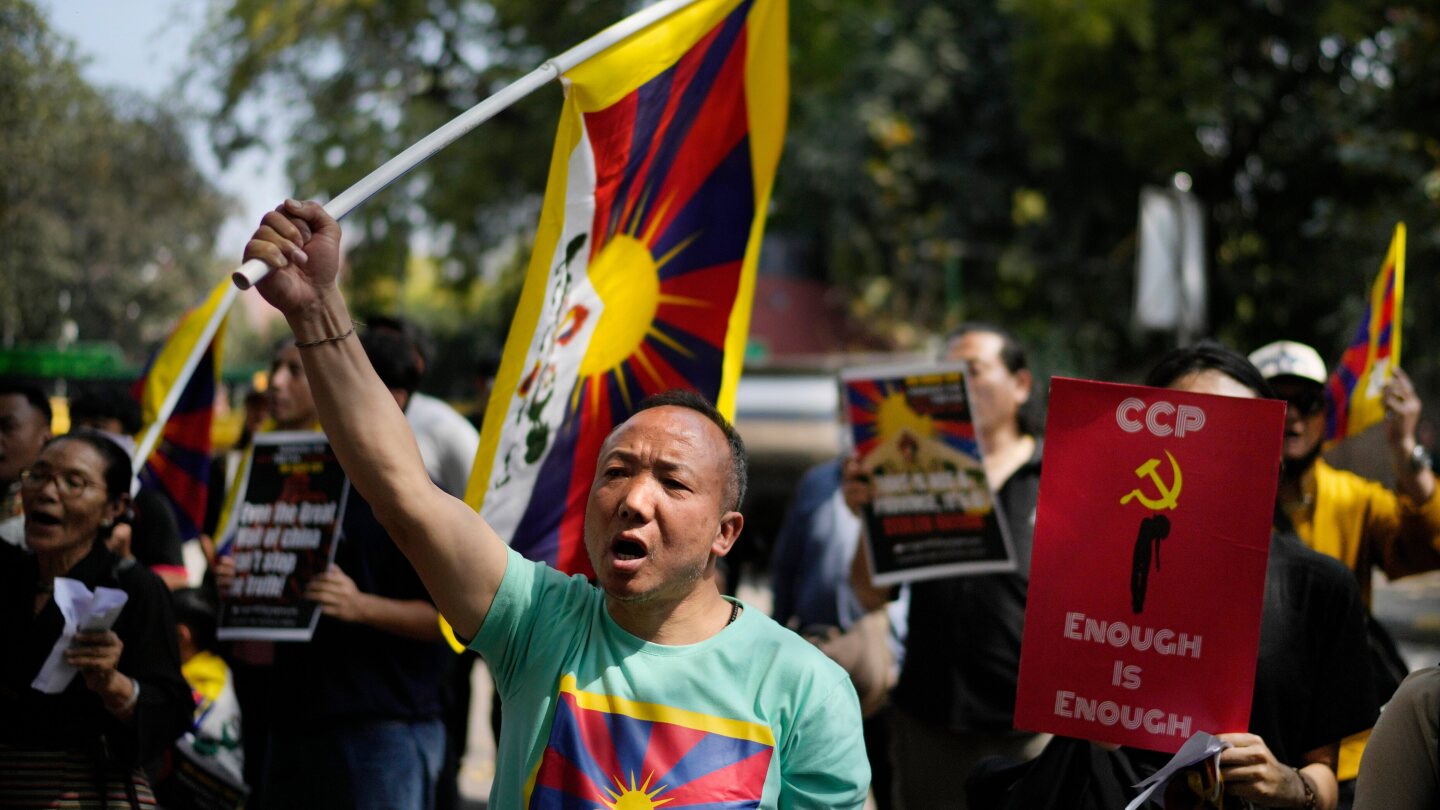
    KATHMANDU, Nepal — The iconic Boudhanath Stupa, with its serene Buddha eyes gazing over Nepal’s capital, once symbolized sanctuary for Tibetans fleeing Chinese persecution. Today, this spiritual haven exists under the unblinking gaze of thousands of Chinese-made surveillance cameras that monitor every movement in what has become one of the world’s most intensely monitored refugee communities.

    An Associated Press investigation reveals how China has transformed Nepal into a testing ground for its global surveillance exports, with technology originally developed by American companies now being deployed to suppress Tibetan dissent. Through thousands of government procurement documents, corporate materials, and interviews with over 40 sources, AP documented how Chinese technology firms have established comprehensive monitoring systems across at least 150 countries worldwide.

    The surveillance architecture in Nepal includes facial recognition cameras, AI-powered tracking systems, and digital communication networks provided by Chinese companies like Hikvision, Dahua, and Uniview—many using technology originally developed by U.S. firms. This digital infrastructure has effectively crushed the once-vibrant Free Tibet movement, reducing annual refugee arrivals from thousands to single digits.

    Chinese companies now offer complete surveillance suites with few restrictions on usage or customers. According to Sheena Greitens, a political scientist at the University of Texas at Austin, “China pitches itself as a global security model with low crime rates, contrasting its record with the United States. They’re certainly exporting the tools and techniques that are very important to authoritarian rule.”

    The investigation found that American technology transfer played a crucial role in China’s surveillance capabilities. Companies like HP, IBM, and Motorola initially provided technology through joint ventures and research partnerships in China, only to see their Chinese partners become global competitors in the surveillance industry.

    The impact on Tibetans in Nepal has been devastating. The population has plummeted from over 20,000 to less than half that number today. Those who remain live in constant fear, with predictive policing systems allowing authorities to identify and arrest potential protesters before demonstrations even occur.

    Sonam Tashi, a 49-year-old former protester, described how those considered likely to protest are picked up in advance around sensitive dates. “There are cameras everywhere,” he said while attempting to secure his 10-year-old son’s escape to India. “There is no future.”

    China’s Foreign Ministry denied allegations of coercing Western companies or collaborating with Nepal to surveil Tibetans, calling such claims “sheer fabrication driven by ulterior motives.” Neither the Nepali government nor Chinese-controlled Tibetan authorities responded to requests for comment.

    The surveillance network extends beyond urban centers to Nepal’s northern border regions, where China has constructed observation domes and monitoring systems that effectively seal the once-porous frontier. These installations are part of what Chinese officials term a “Great Wall of Steel” featuring fences, sensors, and AI-powered drones.

    For Tibetan refugees, the message is clear: silence has become survival. As one café owner anonymously stated, “Now you can only be Tibetan in private.” Another refugee, Namkyi, arrested at 15 for protesting Chinese rule, summarized the reality: “Even though we are free, the surveillance cameras mean we’re actually living in a big prison.”

  • Three killed in Taipei metro attacks, suspect dead

    Three killed in Taipei metro attacks, suspect dead

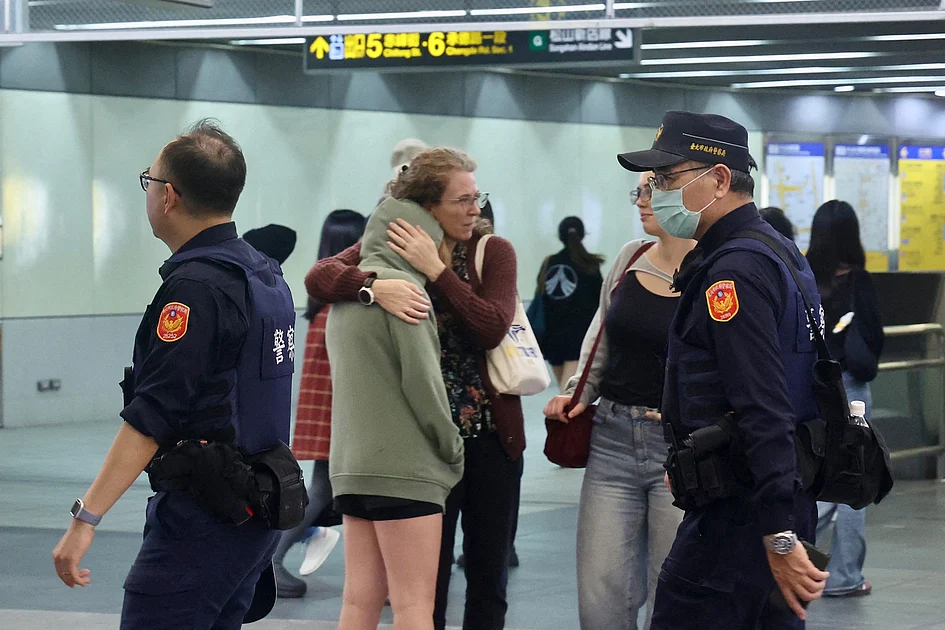
    Taipei was shaken by a series of coordinated attacks at multiple metro stations on Friday, resulting in three civilian fatalities and multiple injuries before the suspected perpetrator was found dead in an apparent suicide. The incident has triggered heightened security alerts across Taiwan.

    According to official reports from Taipei’s Fire Department, the attacks occurred at both Taipei Main Station and Zhongshan Station, involving the deployment of smoke grenades and stabbings. Taiwanese Premier Cho Jung-tai confirmed the incidents were ‘a deliberate act,’ though investigators have not yet determined a specific motive.

    The suspect, identified as a 27-year-old male, wore a gas mask and bulletproof vest during the assaults. Witness accounts describe him throwing multiple canisters that released thick clouds of white smoke while armed with a knife. One heroic victim lost his life while attempting to subdue the attacker at Taipei Main Station.

    Mayor Chiang Wan-an revealed the suspect was previously wanted for evading military service and reportedly jumped from a building to evade capture. His death was subsequently confirmed by authorities.

    Medical reports indicate victims suffered from cardiac arrest, stab wounds, and blunt force trauma. Five injured individuals received medical treatment following the attacks.

    In response to the violence, Taiwanese authorities have implemented enhanced security measures at critical transportation infrastructure nationwide, including railways, highways, and airports. President Lai Ching-te pledged a thorough investigation and assured citizens that ‘there will be no leniency’ in ensuring public safety.

    This tragic event marks the most significant violent incident on Taipei’s metro system since 2014, when a stabbing spree resulted in four deaths, disrupting the island’s reputation for public safety.

  • UN declares famine over in Gaza, says ‘situation remains critical’

    UN declares famine over in Gaza, says ‘situation remains critical’

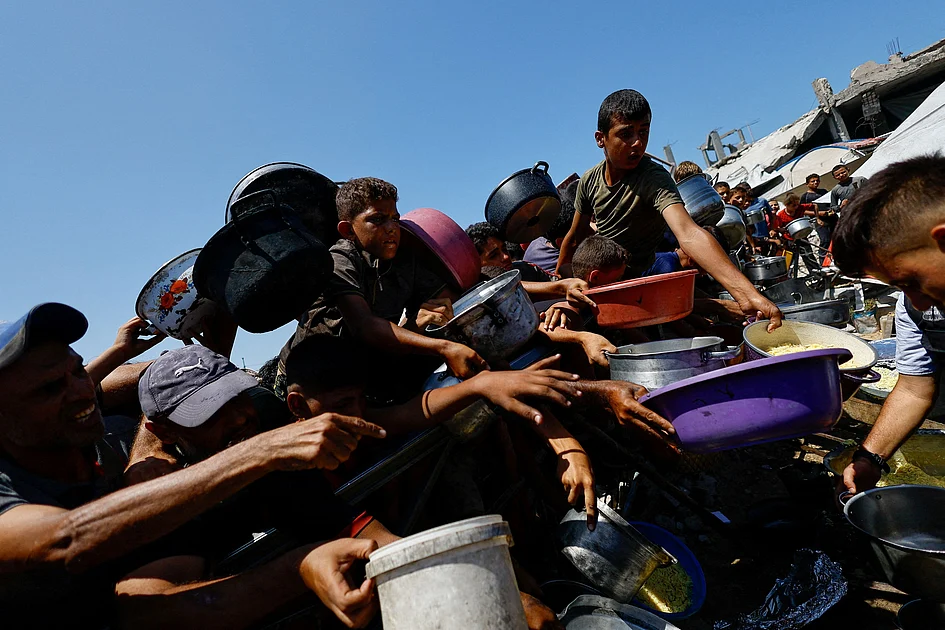
    The United Nations has formally rescinded its famine declaration for Gaza, marking a significant yet fragile improvement in the Palestinian territory’s food security situation. According to the UN’s Integrated Food Security Phase Classification (IPC) initiative, no areas in Gaza currently meet the technical criteria for famine—a stark reversal from the organization’s August 2025 declaration, the first such designation ever issued in the Middle East.

    The improvement is attributed to the partial easing of restrictions on humanitarian aid following the October ceasefire between Israel and Hamas. However, the IPC emphasized that the entire Gaza Strip remains classified at emergency levels of food insecurity, with approximately 1.6 million people projected to face crisis-level hunger through mid-April.

    Aid distribution continues to face severe challenges, with delivery described as limited, uneven, and fluctuating daily. The ceasefire remains fragile, with both parties regularly accusing each other of violations. UN agencies warned that without sustained access, supplies, and funding, several regions—including North Gaza, Gaza Governorate, Deir al-Balah, and Khan Younis—could rapidly deteriorate into famine conditions if hostilities resume.

    The humanitarian situation extends beyond food security, with over 70% of Gaza’s population living in makeshift shelters. Winter floods and plummeting temperatures have increased risks of hypothermia, while severely limited access to water, sanitation, and hygiene facilities has created conditions ripe for disease outbreaks. Agricultural infrastructure has been devastated, with over 96% of cropland damaged or inaccessible and livestock populations decimated.

    Israeli officials acknowledged the improved situation but criticized the IPC’s methodology, claiming it presented a distorted picture by overemphasizing UN aid trucks while ignoring other assistance channels. Meanwhile, humanitarian organizations like Oxfam accused Israel of continuing to block critical aid, with millions of dollars worth of supplies reportedly stranded at border crossings.

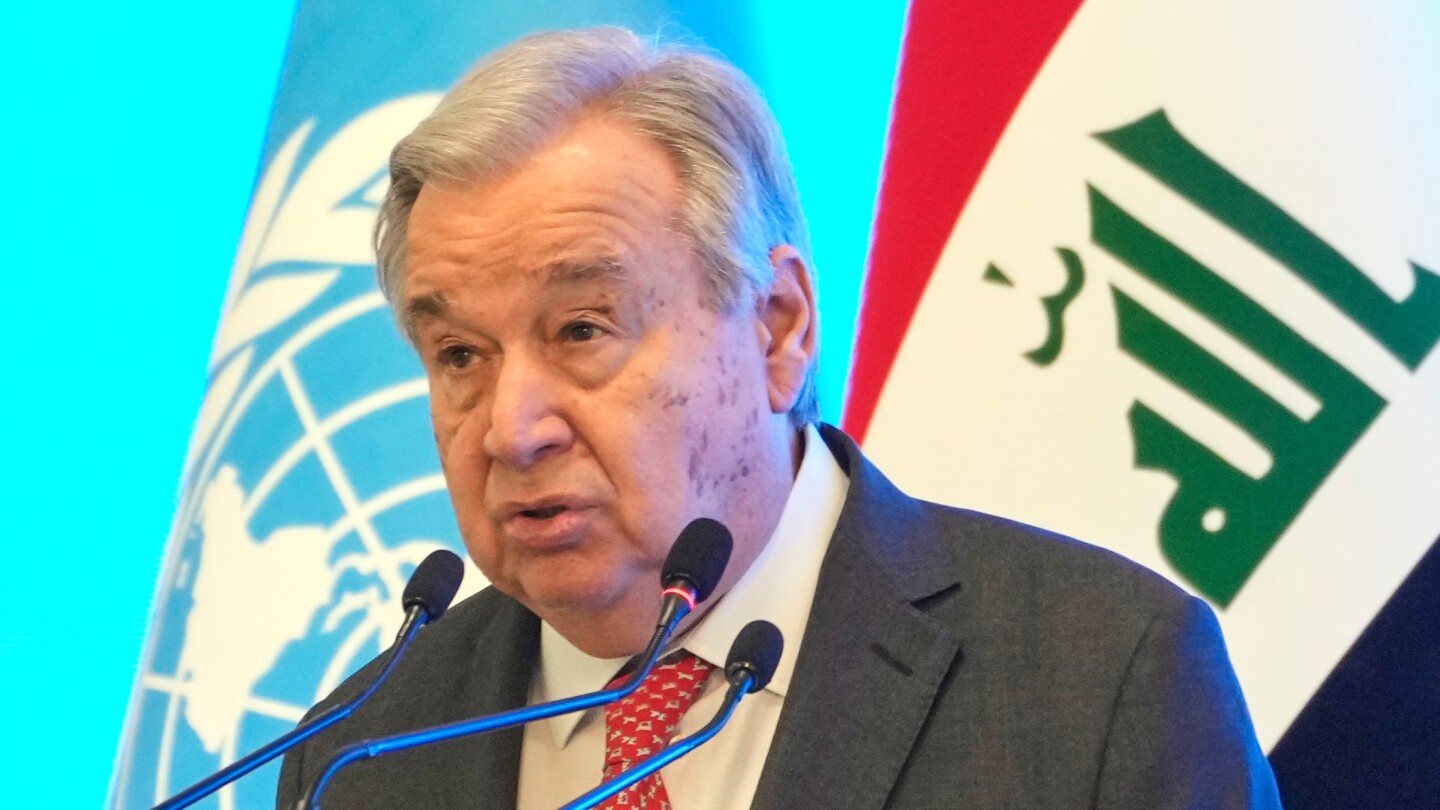
    UN Secretary-General Antonio Guterres called for expanded access points, reduced restrictions on critical items, and safe routes within Gaza, while also highlighting the rapidly deteriorating situation in the West Bank where Palestinians face escalating violence and movement restrictions.

  • UN’s grim week: 6 peacekeepers and an interpreter killed, while 10 more staffers detained in Yemen

    UN’s grim week: 6 peacekeepers and an interpreter killed, while 10 more staffers detained in Yemen

    The United Nations concludes a devastating year with an unprecedented wave of violence targeting its personnel across multiple global hotspots. In a series of brutal incidents that underscore the deteriorating security environment for international organizations, six UN peacekeepers perished in a drone strike in Sudan’s South Kordofan region, while nine others sustained injuries. Simultaneously, a UN interpreter in South Sudan died under mysterious circumstances while detained by local security forces, and Yemen’s Houthi rebels escalated their crackdown by detaining ten additional UN staff members.

    UN spokesman Stephane Dujarric expressed grave concern about these developments, noting that the iconic UN emblem no longer provides the protection it once guaranteed. ‘We see all too often that the UN flag no longer offers the protection that it should to our colleagues,’ Dujarric stated during a Friday press briefing. He emphasized that UN personnel—whether humanitarian workers, peacekeepers, or political envoys—operate solely for peace and civilian welfare, deserving universal respect and protection.

    The Security Council vehemently condemned the Sudan drone attack as ‘heinous and deliberate,’ characterizing it as demonstrating ‘egregious disregard for international law.’ The council demanded immediate investigations and justice for perpetrators, reiterating that attacks against peacekeepers may constitute war crimes.

    In South Sudan, tragedy struck when Bol Roch Mayol, a long-serving interpreter with the UN mission since 2011, was forcibly removed from a disabled UN vehicle by five soldiers following a routine patrol. Despite engagement with authorities for his release, the mission received notification of his death in custody. South Sudanese police confirmed the arrest of three soldiers, including Army Lt. Lino Mariak Chol, who allegedly confessed to the killing.

    The crisis deepened in Yemen where Houthi rebels, controlling Sanaa and northern territories, detained ten additional UN staffers, bringing the total number of detained personnel to sixty-nine. Secretary-General Antonio Guterres condemned these arbitrary detentions and demanded immediate release of all personnel, including those from NGOs and diplomatic missions. Guterres additionally called for dropping charges against three UN staffers referred to a Houthi special criminal court—the same court that recently convicted seventeen individuals of espionage in a widespread crackdown on Yemenis working with international organizations.

    These incidents follow earlier tragedies including over 300 UN staff fatalities in the Israel-Hamas conflict and more than 300 personnel deaths during Mali’s decade-long peacekeeping mission, which concluded as the world’s deadliest UN operation in December 2023.

  • Syria hails permanent end to US sanctions, calls on citizens to rebuild

    Syria hails permanent end to US sanctions, calls on citizens to rebuild

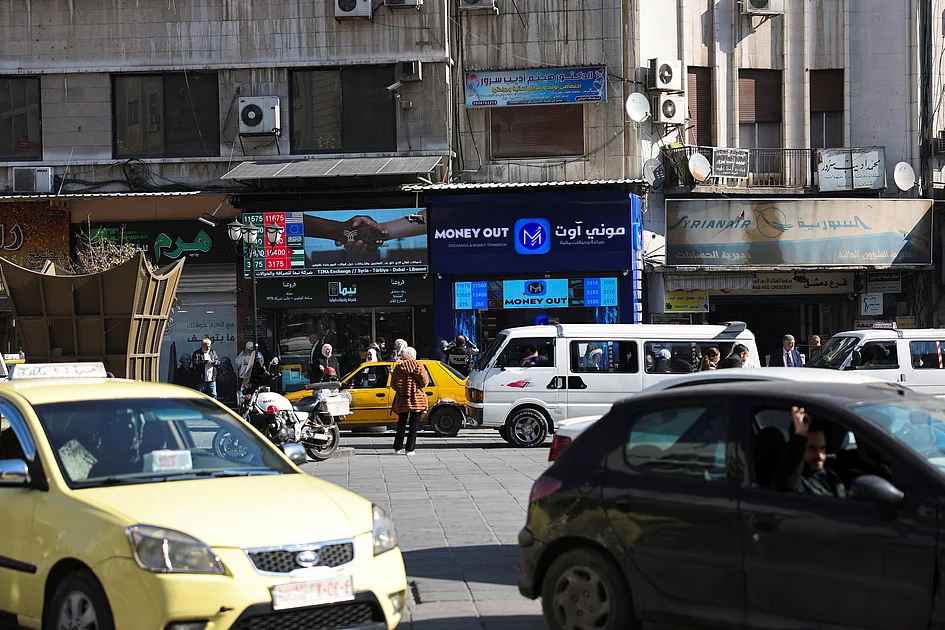
    Damascus has officially welcomed the United States Congress’ decisive move to permanently terminate the stringent Caesar Act sanctions against Syria, marking a pivotal turning point for the war-torn nation’s economic future. The legislative action, finalized on Wednesday, eliminates measures that had crippled foreign investment and severed Syria’s access to international banking networks for years.

    Named after an anonymous photographer who documented human rights atrocities within Syrian detention facilities, the Caesar Act had effectively isolated the Syrian economy through comprehensive restrictions. The Syrian Foreign Ministry released an official statement characterizing this development as ‘the gateway to reconstruction and developmental progress,’ while passionately appealing to all Syrian citizens both domestically and abroad to actively participate in national recovery initiatives.

    The sanctions framework had been temporarily suspended on two previous occasions under the administration of former US President Donald Trump, following diplomatic appeals from key regional allies Saudi Arabia and Turkey. Both nations support the current government led by former jihadist figure Ahmed al-Sharaa, who had persistently advocated for a complete and irreversible revocation of the sanctions.

    Sharaa’s administration argued that the mere existence of the sanctions on legislative record created unsustainable legal uncertainties, deterring international businesses and investors apprehensive about potential repercussions in the world’s largest economy. The permanent removal is now anticipated to unlock substantial foreign capital, facilitate the restoration of banking channels, and accelerate the rebuilding of critical infrastructure devastated by years of conflict.

  • Over 1,000 patients have died awaiting evacuation from Gaza since July 2024, says WHO

    Over 1,000 patients have died awaiting evacuation from Gaza since July 2024, says WHO

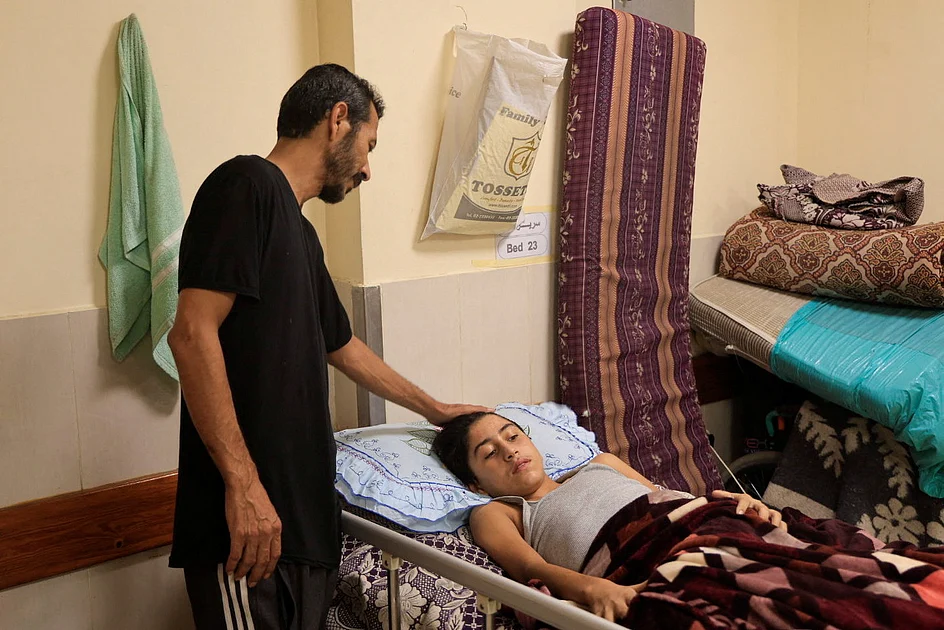
    The World Health Organization has revealed a devastating humanitarian crisis unfolding in Gaza, with more than 1,000 patients having perished while awaiting urgent medical evacuation between July 2024 and November 2025. WHO Director-General Tedros Adhanom Ghebreyesus disclosed these alarming figures through an official statement, emphasizing that the actual death toll is likely significantly higher due to underreporting.

    Despite successful medical evacuations of approximately 10,600 critically ill patients from Gaza—including more than 5,600 children—since the conflict began over two years ago, the situation remains dire. WHO spokesperson Tarik Jasarevic confirmed that an estimated 18,500 patients still require immediate treatment outside Gaza’s decimated healthcare system, with over 4,000 being children.

    The medical evacuation process faces severe challenges, with only about 30 countries having accepted patients from Gaza. Egypt and the United Arab Emirates have borne the brunt of this medical burden, accepting the majority of evacuated cases. The WHO has issued an urgent appeal for more nations to open their doors to Gaza’s medical patients and to restore evacuation routes to the West Bank and East Jerusalem.

    This medical emergency persists despite a US-brokered ceasefire that took effect on October 10, following Hamas’s attack on Israel on October 7, 2023. However, the truce remains precarious, with both sides regularly accusing each other of violations. Medical organizations on the ground, including Doctors Without Borders, warn that the WHO’s figures represent only registered patients, and the actual number requiring emergency evacuation is substantially higher.

    The WHO’s statement underscores the critical nature of timely medical intervention, with spokesperson Jasarevic stressing that ‘many of these people don’t have time to wait’ for the political and logistical obstacles to be resolved.

  • UN: Over 1,000 civilians killed in paramilitary’s April attack on Sudan displacement camp

    UN: Over 1,000 civilians killed in paramilitary’s April attack on Sudan displacement camp

    A damning United Nations report has exposed the systematic massacre of civilians during a paramilitary assault on a displacement camp in Sudan’s Darfur region, revealing one of the conflict’s most brutal episodes.

    According to findings released Thursday by the UN Office of the High Commissioner for Human Rights (OHCHR), Sudan’s Rapid Support Forces (RSF) killed at least 1,013 civilians during a three-day offensive against the Zamzam displacement camp in North Darfur from April 11-13, 2025. The investigation uncovered a ‘consistent pattern’ of grave breaches of international humanitarian law and egregious human rights violations.

    The methodology of the killings demonstrates deliberate targeting of non-combatants. Among the victims, 319 individuals were summarily executed either within the camp confines or while attempting to flee the violence. Additional fatalities occurred during systematic house-to-house searches, with civilians slaughtered in their homes, as well as in public spaces including the main marketplace, educational institutions, medical facilities, and places of worship.

    The report further documented extensive conflict-related sexual violence, with at least 104 survivors—comprising 75 women, 26 girls, and three boys, predominantly from the Zaghawa ethnic group—enduring severe sexual abuse. These atrocities included rape, gang rape, and sexual slavery perpetrated both during the initial attack and along escape routes from the camp.

    In the preceding months, the RSF had imposed a crippling siege on Zamzam, deliberately severing access to food, water, fuel, and other essential supplies while targeting humanitarian aid convoys. The deprivation became so severe that families resorted to feeding their children animal feed to ensure survival.

    UN High Commissioner for Human Rights Volker Turk characterized the attacks as potential war crimes, stating that ‘deliberate killing of civilians or persons hors de combat may constitute the war crime of murder.’ He demanded an impartial, thorough investigation and emphasized that perpetrators of serious violations must face accountability through fair judicial proceedings.

    Turk described these ‘horrific violations, committed with impunity’ as consistent with patterns documented during the RSF’s takeover of El Fasher in October. He presented the findings as a ‘stark reminder’ of the urgent necessity to break cycles of atrocities, ensure accountability, and provide reparations to victims.

    The High Commissioner renewed appeals for international action, urging all states to prevent crimes under international law and pressure conflict parties to cease violence across Darfur, Kordofan, and other regions. He specifically called for halting arms transfers that fuel the conflict and sustained diplomatic engagement to achieve ceasefire agreements and lasting resolution.

    The OHCHR report draws from comprehensive monitoring activities, including interviews conducted in July 2025 with 155 survivors and witnesses in eastern Chad, where many sought refuge.

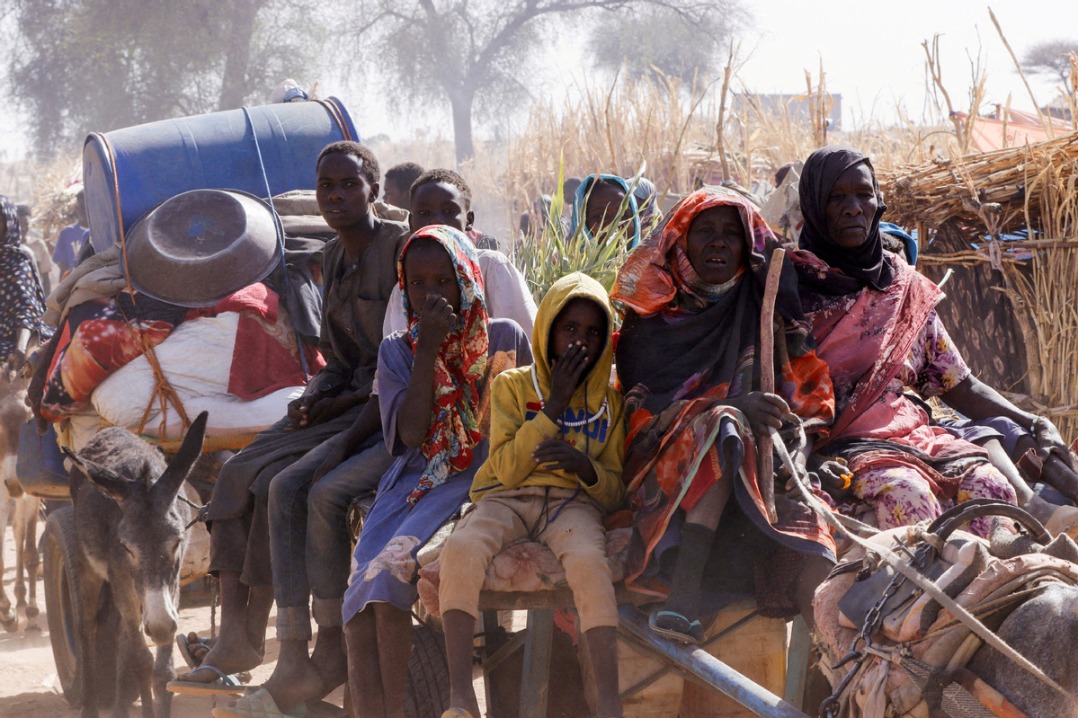
    Sudan has been embroiled in devastating conflict since April 15, 2023, when fighting erupted between the Sudanese Armed Forces and the RSF paramilitary group. The ongoing violence has claimed tens of thousands of lives and displaced millions both within Sudan and across its borders, creating one of the world’s most severe humanitarian crises.

  • Winter storm batters western US, cuts power to around 750,000 customers

    Winter storm batters western US, cuts power to around 750,000 customers

    A catastrophic winter storm, fueled by a powerful atmospheric river, has wreaked havoc across the western and central United States, resulting in massive power disruptions affecting approximately 750,000 customers and causing severe flooding that claimed at least one life. The extreme weather system reached its peak intensity with hurricane-force wind gusts recorded at 231 km/h (143 mph) on Mount Coffin, Wyoming, according to recent meteorological data.

    The storm’s ferocity was further demonstrated by similarly extreme wind measurements: 228 km/h (142 mph) at Coldwater Ridge in Washington state and 222 km/h (138 mph) at Mount Hood, Oregon. These unprecedented conditions triggered widespread electricity failures, with online outage tracking systems indicating nearly 600,000 customers across Washington, Oregon, and Idaho remained without power as of Thursday.

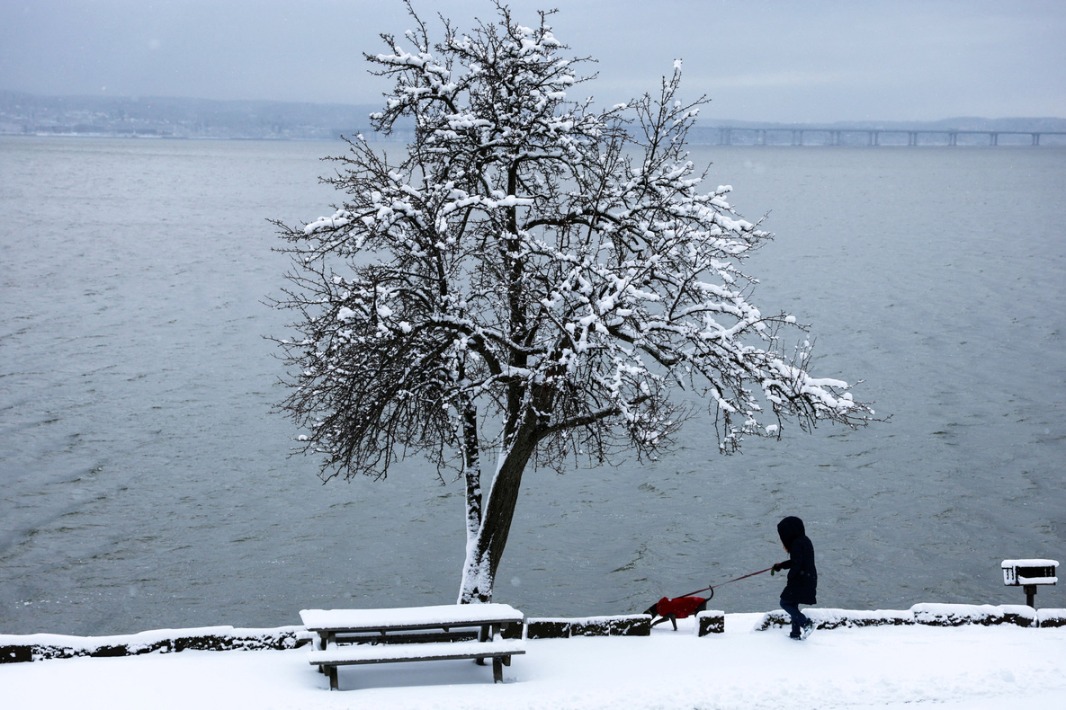
    Washington state emerged as the most severely impacted region, where levee failures and dangerously swollen rivers forced emergency evacuations in multiple communities near Seattle. Tragedy struck in Snohomish, northeast of Seattle, where authorities confirmed one fatality after a man drove past road closure signs into floodwaters and became trapped in his submerged vehicle.

    Governor Bob Ferguson characterized the devastation as ‘profound,’ noting that critical infrastructure has suffered extensive damage. A significant portion of US Route 2, a vital east-west transportation artery connecting western Washington cities, has been severely compromised and will require extensive reconstruction efforts, resulting in prolonged closures.

    Meteorologists warn that additional atmospheric rivers are approaching the West Coast, with the National Weather Service forecasting a 60-70% probability of above-normal precipitation for California’s San Francisco Bay Area between December 19-25, raising concerns about further flooding potential in the already saturated region.

  • Cambodia counts the cost of its border war with Thailand

    Cambodia counts the cost of its border war with Thailand

    The simmering border conflict between Thailand and Cambodia has erupted into its most destructive phase in decades, with mounting casualties and infrastructure damage revealing the stark asymmetry between the two Southeast Asian nations. At Mongkol Borei hospital in northwestern Cambodia, the human cost is painfully visible as medical staff treat soldiers with catastrophic injuries from sustained artillery exchanges and airstrikes.

    Dr. Sar Chanraksmey, an anesthetist at the facility, displayed graphic images of blast injuries on his trembling phone while pleading for international attention. ‘My heart aches,’ he told reporters. ‘Please tell the world we just want peace.’

    The current hostilities, which resumed on December 7th, represent the second major outbreak of violence in six months and have already surpassed July’s five-day conflict in both duration and destructiveness. The fighting centers on disputed forested hilltops along the 800-kilometer border, but has expanded to include strategic bombing campaigns deep inside Cambodian territory.

    Thailand’s military superiority has proven decisive. With Cambodia possessing limited air defenses and no meaningful air force, Thai F-16 jets have conducted bombing runs with impunity. A key Chinese-built bridge over the Me Teuk river in Pursat province now bears a 20-meter gap where Thai bombs struck, severing a vital transportation link between Cambodia’s southern border regions and the interior.

    The human toll appears dramatically lopsided. While Thailand acknowledges 21 military fatalities, estimates suggest Cambodian losses number in the hundreds—a disparity underscoring Thailand’s better-equipped armed forces. Civilian displacement has reached crisis levels, with approximately 480,000 Cambodians uprooted from their homes and over 700,000 migrant workers returning from Thailand amid rising hostility.

    The economic impact continues to deepen with the complete cessation of the $5 billion annual border trade. Meanwhile, Thailand has strategically targeted casino complexes associated with Cambodia’s lucrative scam industry, exploiting what international observers see as a vulnerability in Cambodia’s moral standing.

    Diplomatic efforts have stalled against Thailand’s hardened position. Prime Minister Auntin Chanvirakul has rejected ceasefire appeals from both Cambodia and international mediators including former President Trump, stating bluntly: ‘We don’t have to listen to anyone.’ Thai military commanders insist fighting must continue until Cambodia ‘no longer poses a threat on the border.’

    The conflict’s roots extend beyond the 120-year territorial dispute. Thailand remains embittered by what it perceives as Cambodian provocation, including leaked diplomatic communications by Cambodian leader Hun Sen that contributed to the collapse of Thailand’s previous government, and allegations that Cambodian forces laid landmines during the July ceasefire.

    With Thailand facing elections in February and nationalist sentiments surging on both sides, the prospects for near-term de-escalation appear dim. Both nations have embraced familiar narratives—Cambodia playing the victim seeking international intervention, Thailand positioning itself as the bully enforcing regional stability—but the amplification of these stereotypes through social media has created unprecedented public animosity that constrains diplomatic flexibility.