分类: world

  • Tens of thousands attend funeral of killed Bangladesh student leader Osman Hadi

    Tens of thousands attend funeral of killed Bangladesh student leader Osman Hadi

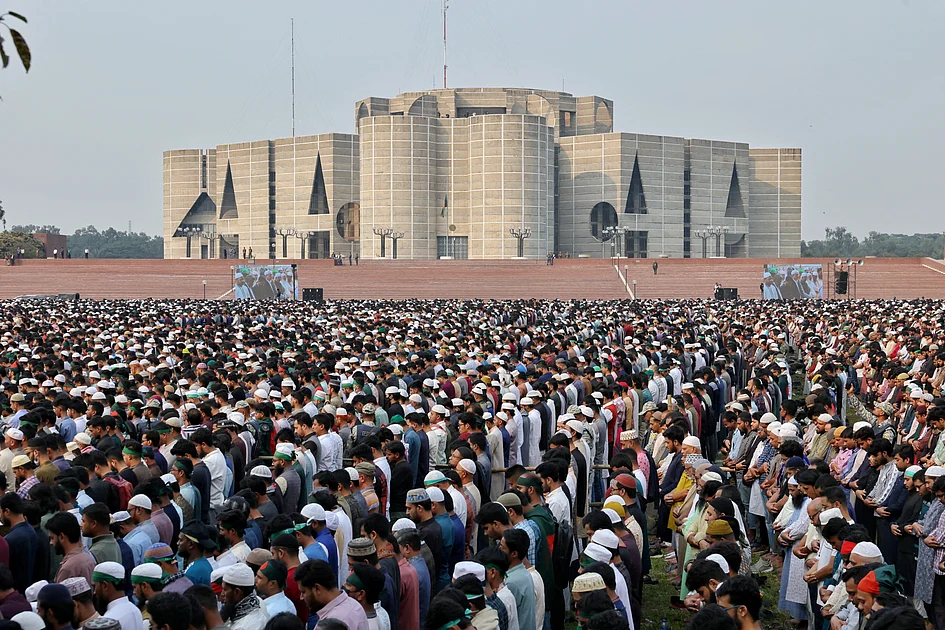
    Dhaka witnessed an overwhelming outpouring of grief as tens of thousands of mourners gathered Saturday for the funeral of Sharif Osman Hadi, a prominent student leader whose assassination has plunged Bangladesh into renewed political turmoil. The massive procession followed two days of violent protests that have shaken the nation’s interim government.

    Hadi, 32, a central figure in last year’s pro-democracy uprising, succumbed to injuries Thursday in a Singapore hospital after masked gunmen opened fire while he was departing a mosque in Dhaka. His body was repatriated to the capital Friday ahead of the solemn funeral rites held at the parliament building, where police in body cameras maintained a vigilant presence.

    Interim leader Muhammad Yunus delivered an emotionally charged eulogy, declaring, “We have not come here to say goodbye. You are in our hearts and will remain in the heart of all Bangladeshis as long as the country exists.” Hadi, known for his vocal criticism of India, had been preparing to contest February’s general elections.

    The assassination has triggered widespread civil unrest, with protesters demanding justice and accountability. Late Thursday, demonstrators targeted media institutions, setting fire to offices of leading newspapers Prothom Alo and Daily Star, which critics accuse of pro-India bias. The publications have been particularly scrutinized since ousted Prime Minister Sheikh Hasina sought refuge in India following the 2024 uprising.

    In a separate incident adding to the tension, Hindu garment worker Dipu Chandra Das was lynched Thursday in Mymensingh district following blasphemy allegations. Yunus confirmed seven suspects have been arrested in connection with this religiously-motivated killing.

    Amnesty International issued a statement Saturday urging Bangladesh’s interim government to conduct “prompt, thorough, independent and impartial” investigations into both Hadi’s killing and the subsequent violence. The rights organization expressed particular alarm over the deteriorating security situation and growing religious tensions.

    The convergence of political assassination, religious violence, and anti-media attacks presents a severe challenge to Bangladesh’s fragile transitional government as the nation approaches critical elections.

  • India: Seven elephants killed as train collides with herd in Assam

    India: Seven elephants killed as train collides with herd in Assam

    A devastating railway collision resulted in the deaths of seven elephants and left one injured in northeastern India’s Assam state early Saturday morning. The incident occurred at approximately 2:17 AM local time in Hojai district when a Delhi-bound train struck a wandering herd outside officially recognized elephant passageways.

    According to VV Rakesh Reddy, the district police chief, and confirmed by Northeast Frontier Railway authorities, the train engineer immediately engaged emergency brakes upon spotting the elephants. Tragically, the animals unexpectedly moved toward the oncoming train instead of away from it, leading to the fatal impact.

    The collision caused significant derailment of the locomotive and five passenger coaches, though remarkably no human injuries were reported among passengers or crew. Railway officials have implemented immediate diversion protocols for scheduled trains while restoration teams work to clear and repair the affected section.

    This incident highlights the ongoing conflict between India’s expanding rail infrastructure and wildlife conservation efforts, particularly in regions with significant elephant populations. The absence of designated corridors at the accident location raises questions about habitat protection and transportation safety measures in ecologically sensitive areas.

  • US hits over 70 IS-linked targets in Syria in massive retaliatory strikes

    US hits over 70 IS-linked targets in Syria in massive retaliatory strikes

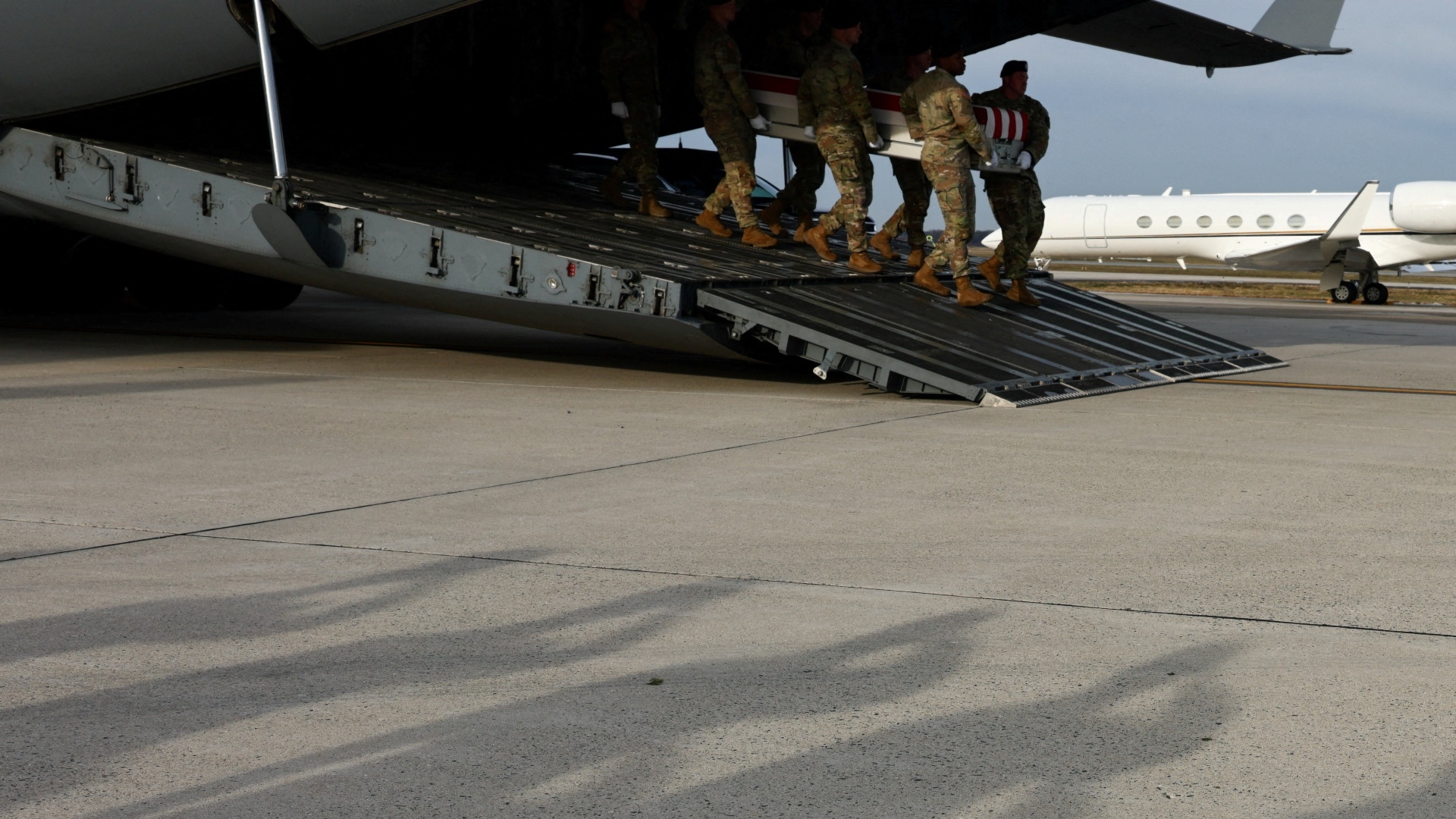
    In a significant escalation of military operations, the United States has conducted extensive airstrikes targeting over 70 Islamic State-linked locations throughout central Syria. The coordinated offensive, executed on Friday, represents a direct response to the December 13th ambush near Palmyra that resulted in the deaths of two American soldiers and one civilian contractor, with three additional service members wounded.

    The U.S. Central Command (CENTCOM) characterized the operation as crucial to disrupting ISIS capabilities and preventing terrorist plots against American interests. More than 100 precision munitions were deployed against known ISIS infrastructure and weapons storage facilities, with tactical support provided by Jordanian fighter aircraft.

    U.S. Defense Secretary Pete Hegseth described the operation as a “declaration of vengeance” rather than the initiation of broader conflict. Meanwhile, former President Donald Trump asserted Syrian government support for the strikes via his Truth Social platform, issuing a stern warning that terrorists threatening U.S. interests would face unprecedented consequences.

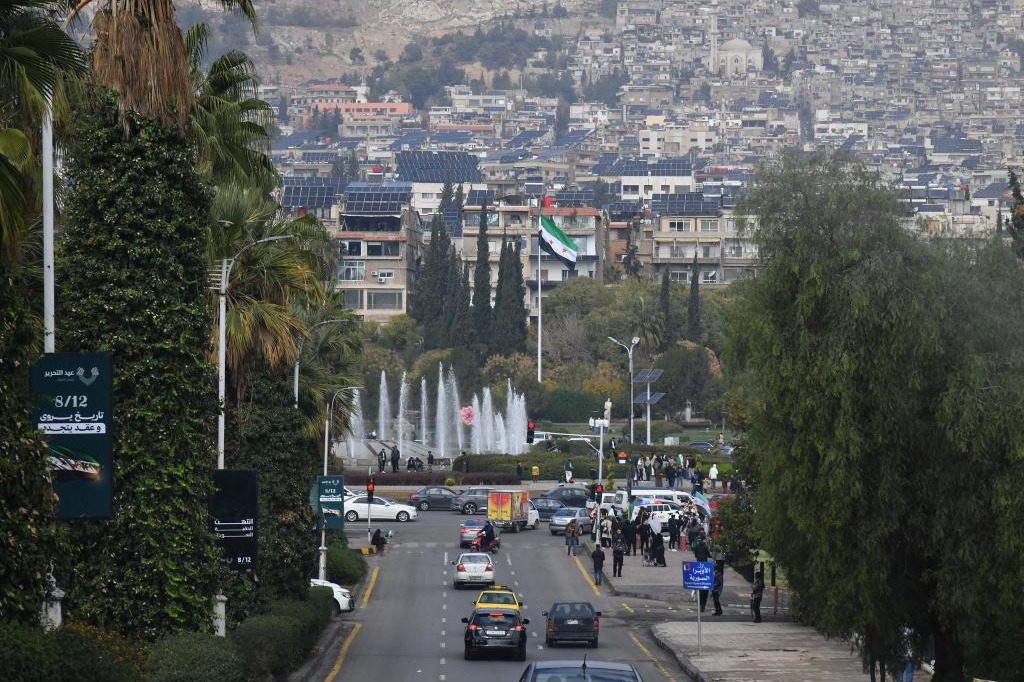
    In a notable development, Syria’s Ministry of Foreign Affairs publicly endorsed the counterterrorism effort through official channels, reaffirming Damascus’s commitment to eliminating ISIS safe havens within its territory. The Syrian government extended an invitation for international coalition support, emphasizing the need for civilian protection and regional stability.

    The December 13th attack, perpetrated by a lone ISIS gunman according to CENTCOM, triggered a series of 10 operations across Syria and Iraq that neutralized 23 terrorist operatives. Over the past six months, U.S. and partner forces have conducted more than 80 counterterrorism missions targeting threats to regional and American security.

    Despite losing territorial control in Syria and Iraq, ISIS remnants continue to pose persistent security threats through insurgent tactics. The New York Times reported the retaliatory strikes extended into early Saturday morning local time, occurring amid a reduced U.S. military presence of approximately 1,000 troops in Syria.

  • Newly released Epstein files: Photos of celebrities, heavily redacted pages; what we know

    Newly released Epstein files: Photos of celebrities, heavily redacted pages; what we know

    The U.S. Department of Justice has initiated the release of documents pertaining to the Jeffrey Epstein case, responding to congressional pressure for transparency in one of America’s most politically sensitive investigations. This initial disclosure, comprising approximately 3,900 files, represents just the first installment of what officials describe as a forthcoming massive volume of evidence.

    The newly unveiled ‘Epstein Library’ contains court records, Department of Justice disclosures, freedom of information responses, and documents from a House oversight committee. Deputy Attorney General Todd Blanche confirmed that several hundred thousand additional documents will follow in coming weeks, though many released materials appear to have been previously disclosed.

    Among the most notable contents are previously unseen photographs featuring high-profile individuals, including former President Bill Clinton captured in various social settings. The imagery includes Clinton relaxing in a hot tub with an unidentified individual, alongside appearances with entertainment icons Michael Jackson, Diana Ross, and Mick Jagger. Other prominent figures appearing in the documents include Britain’s Prince Andrew, his former wife Sarah Ferguson, actor Kevin Spacey, and business magnate Richard Branson.

    The release also contains surveillance footage from the Metropolitan Correctional Center in New York, documenting the circumstances surrounding Epstein’s 2019 death by suicide while awaiting trial on sex trafficking charges.

    However, the document release has sparked immediate criticism due to extensive redactions that obscure potentially significant information. Entire sections, including a list of 254 masseuses, appear completely blacked out. Additional materials show censored images of partially nude figures and photographs of Epstein with companions handling firearms, though most faces remain obscured.

    The heavily redacted nature of the documents has limited their immediate value in clarifying Epstein’s network of associates, which reportedly included business executives, academics, celebrities, and politicians—including former President Donald Trump, who had previously associated with Epstein before severing ties years prior to his 2019 arrest.

    Political reactions have followed predictable partisan lines. White House representatives emphasized the transparency of the release while highlighting Clinton’s appearances in the documents. Conversely, Democratic Senate Leader Chuck Schumer criticized the extensive redactions, stating that ‘releasing a mountain of blacked out pages violates the spirit of transparency and the letter of the law,’ noting that some documents contained 119 completely obscured pages.

  • US hits Daesh in Syria with large ‘retaliatory’ strikes, officials say

    US hits Daesh in Syria with large ‘retaliatory’ strikes, officials say

    The United States military executed extensive airstrikes against Daesh targets throughout central Syria on Friday, marking a significant retaliatory response to a recent attack that resulted in American casualties. Defense Secretary Pete Hegseth characterized the operation as ‘Operation Hawkeye Strike,’ confirming it successfully neutralized enemy fighters, infrastructure, and weapons facilities.

    This military action comes directly after a December 13th assault in Palmyra that killed two U.S. Army soldiers and a civilian interpreter, with three additional soldiers wounded. The attacker, reportedly a member of Syrian security forces with suspected Daesh sympathies, was killed during the incident.

    President Donald Trump affirmed the strikes during a public address in North Carolina, describing the operation as a ‘massive’ blow against the terrorist organization. The administration emphasized that the Syrian government, now led by former rebels who overthrew Bashar al-Assad after a prolonged civil war, provided full support for the operation.

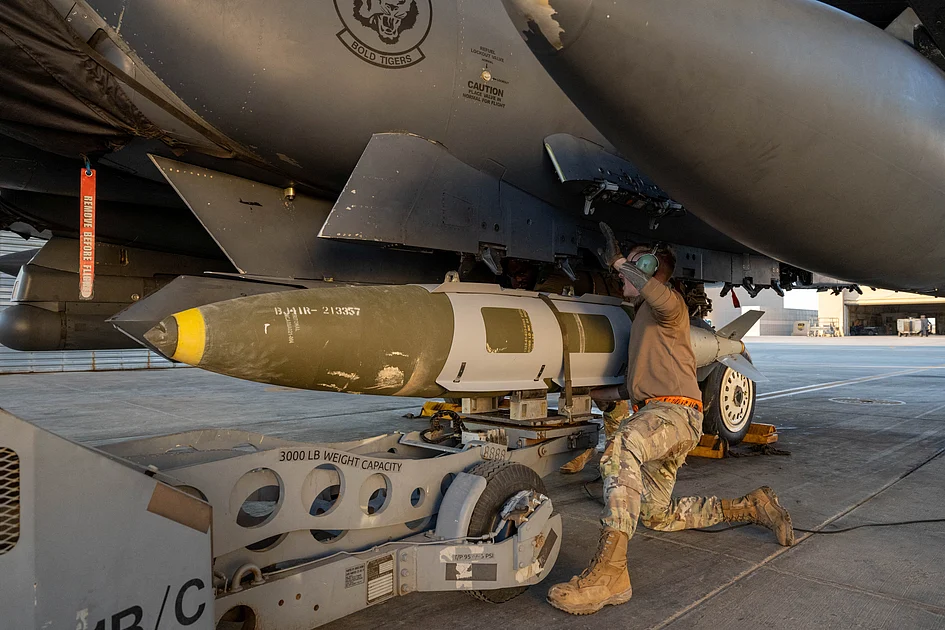
    U.S. Central Command detailed that the comprehensive strikes hit over 70 targets utilizing F-15 and A-10 jets, Apache helicopters, and HIMARS rocket systems. Jordanian fighter jets provided additional support to the mission, highlighting regional cooperation in counterterrorism efforts.

    Despite the scale of the operation, Defense Secretary Hegseth clarified that this represents ‘not the beginning of a war, but a declaration of vengeance,’ indicating targeted retaliation rather than escalation. Approximately 1,000 U.S. troops remain deployed in Syria as part of ongoing coalition efforts against Daesh, which have intensified in recent months through combined airstrikes and ground operations with Syrian security forces.

  • Pope Leo summons world’s cardinals for a key assembly to help him govern the church

    Pope Leo summons world’s cardinals for a key assembly to help him govern the church

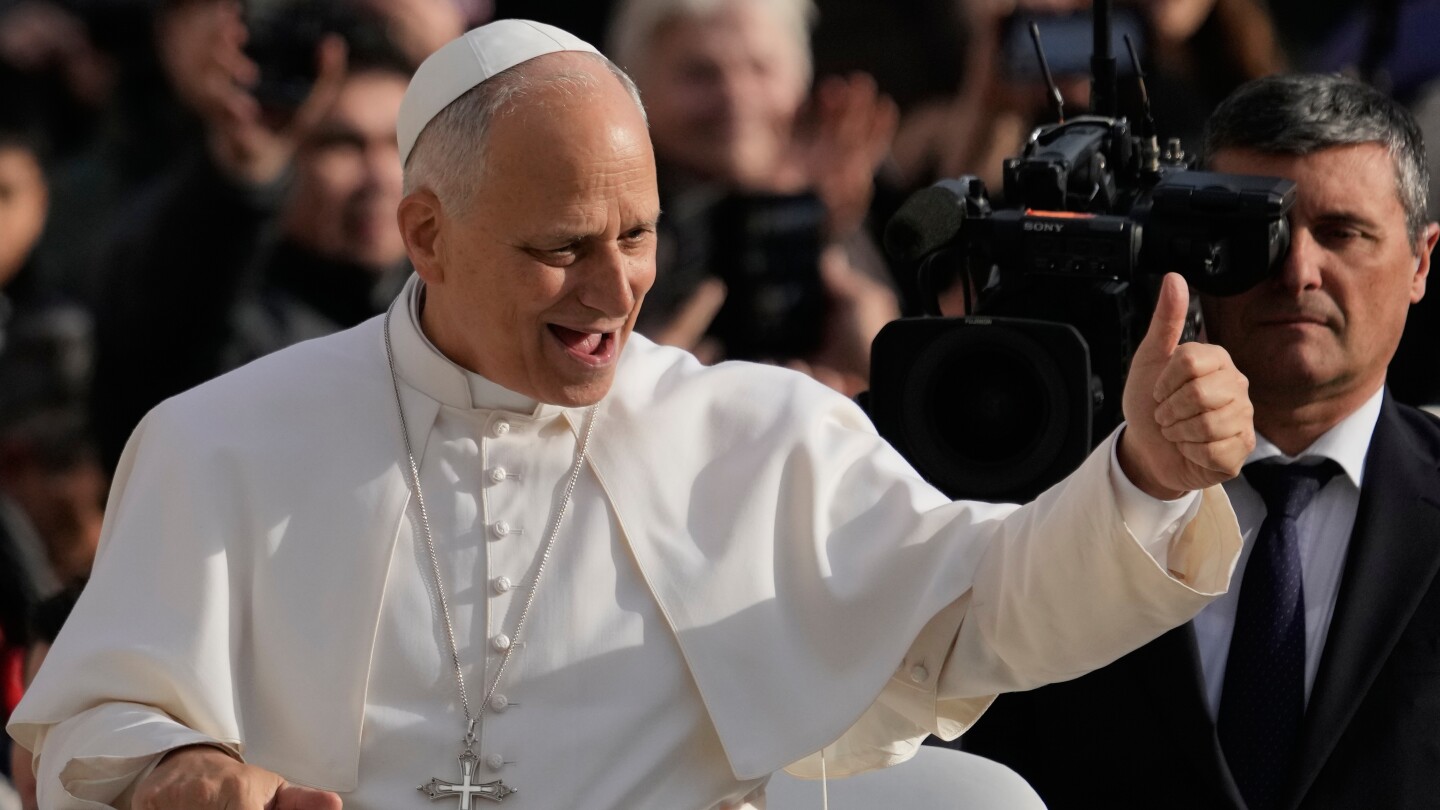
    In a significant move signaling the formal commencement of his leadership era, Pope Leo XIV has called for an extraordinary assembly of all cardinals worldwide. The Vatican announced on Saturday that this pivotal gathering, known as a consistory, will take place January 7-8, 2025, immediately following the conclusion of the quarter-century Holy Year celebrations.

    The upcoming summit represents a strategic shift in papal governance approaches. Unlike his predecessor Francis, who predominantly relied on a select group of eight to nine cardinal advisors, Leo XIV is embracing a more collaborative leadership model. The January meeting will focus exclusively on consultative dialogue rather than ceremonial functions, with no new cardinals to be appointed during the sessions.

    Vatican officials clarified that the consistory aims to “foster common discernment and offer support and advice to the Holy Father in the exercise of his high and grave responsibility in the governance of the universal Church.” This gathering marks a definitive transition from the initial months of Leo’s papacy, which were largely devoted to fulfilling Holy Year obligations and concluding outstanding matters from Pope Francis’s tenure.

    The January summit holds particular historical significance as it will be the first opportunity for the first American pontiff, elected on May 8, to articulate and advance his own agenda for the global Catholic community. The convocation of all cardinals to Rome demonstrates Pope Leo’s commitment to collective ecclesiastical governance and signals a new chapter in modern papal leadership.

  • UN urges Rwanda to leave eastern Congo and extends peacekeeping mission for a year

    UN urges Rwanda to leave eastern Congo and extends peacekeeping mission for a year

    The United Nations Security Council has issued a forceful condemnation of Rwanda’s military presence in the Democratic Republic of Congo while simultaneously extending the mandate of its peacekeeping mission for an additional year. This decisive action comes despite a recently brokered peace agreement between the two African nations.

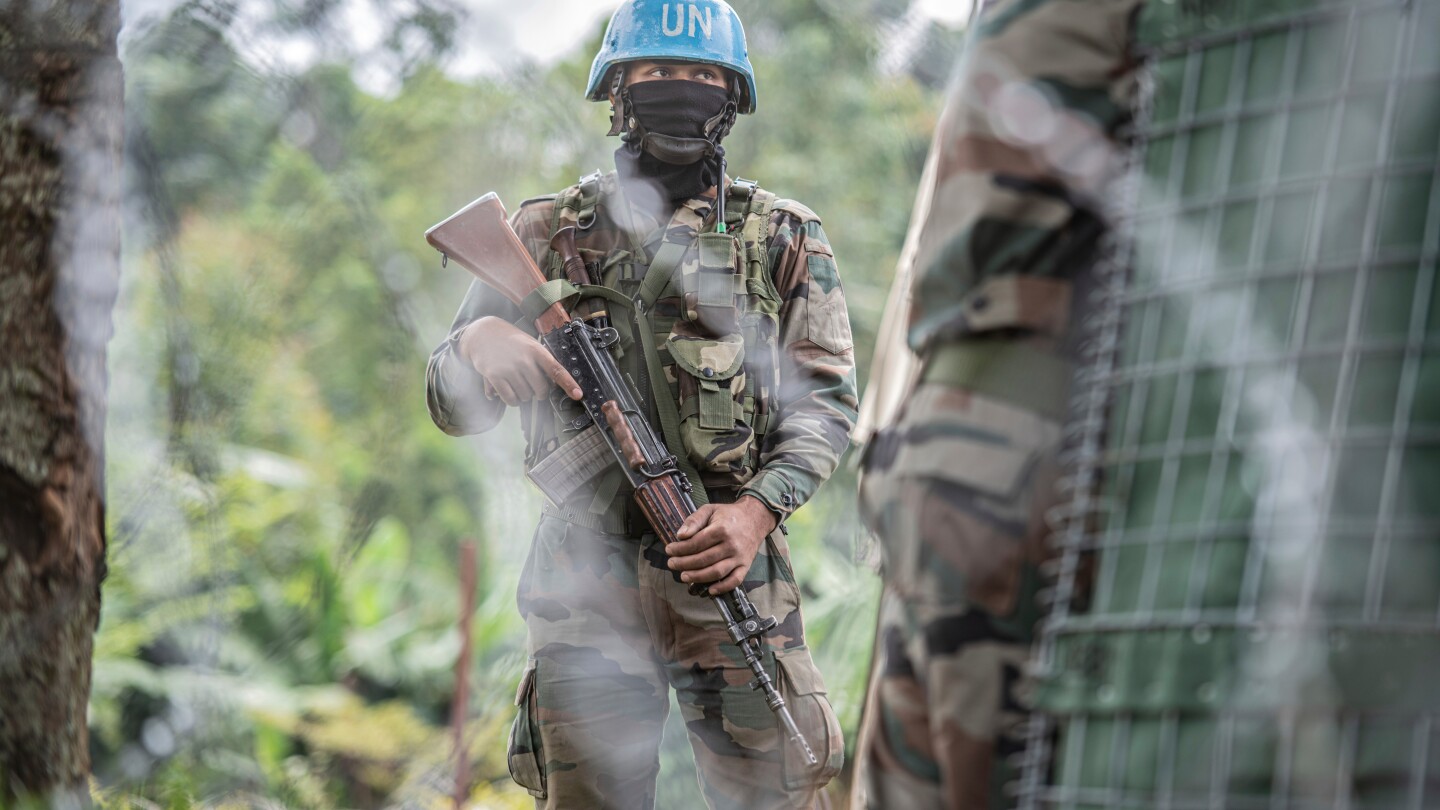
    In a unanimously adopted resolution on Friday, the UN’s most powerful body denounced the ongoing offensive by the Rwanda-backed M23 rebel group and explicitly demanded that Kigali cease all support for the insurgents and immediately withdraw its forces from Congolese territory. The resolution maintains approximately 11,500 UN military personnel in the country under the MONUSCO peacekeeping mission.

    The diplomatic developments coincide with contested claims regarding the strategic city of Uvira in eastern Congo. While M23 rebels announced a withdrawal from the city they seized last week, Congolese authorities dismissed the move as “staged” and asserted that rebel forces remain present. U.S. Deputy Ambassador Jennifer Locetta addressed the Security Council, demanding M23 immediately retreat at least 75 kilometers (47 miles) from Uvira.

    This escalation occurs despite a U.S.-mediated peace agreement signed earlier this month by the presidents of Congo and Rwanda in Washington. Notably, the accord did not include the M23 rebel group, which has been conducting separate negotiations with Congolese officials. The agreement obligates Rwanda to terminate support for armed groups like M23 and work toward ceasing hostilities.

    According to UN experts, the Congo government, and United States officials, Rwanda has been backing M23, which has dramatically expanded from hundreds of fighters in 2021 to approximately 6,500 combatants today. Eastern Congo, particularly the mineral-rich border region with Rwanda, remains contested by more than 100 armed groups, with M23 being the most prominent. The protracted conflict has created one of the world’s most severe humanitarian crises, displacing over 7 million people according to UN refugee agencies.

    The MONUSCO force, which arrived in Congo in 2010, faces growing local frustration. Many Congolese citizens report feeling unprotected from rebel attacks, leading to sometimes deadly protests against the UN mission. In response to these concerns and at the request of the Congolese government, the Security Council previously voted unanimously in 2023 to begin drawing down the peacekeeping force and gradually transferring security responsibilities to national authorities.

  • Russian missile strike on Odesa kills 8 as US hosts a Kremlin envoy for talks on peace plan

    Russian missile strike on Odesa kills 8 as US hosts a Kremlin envoy for talks on peace plan

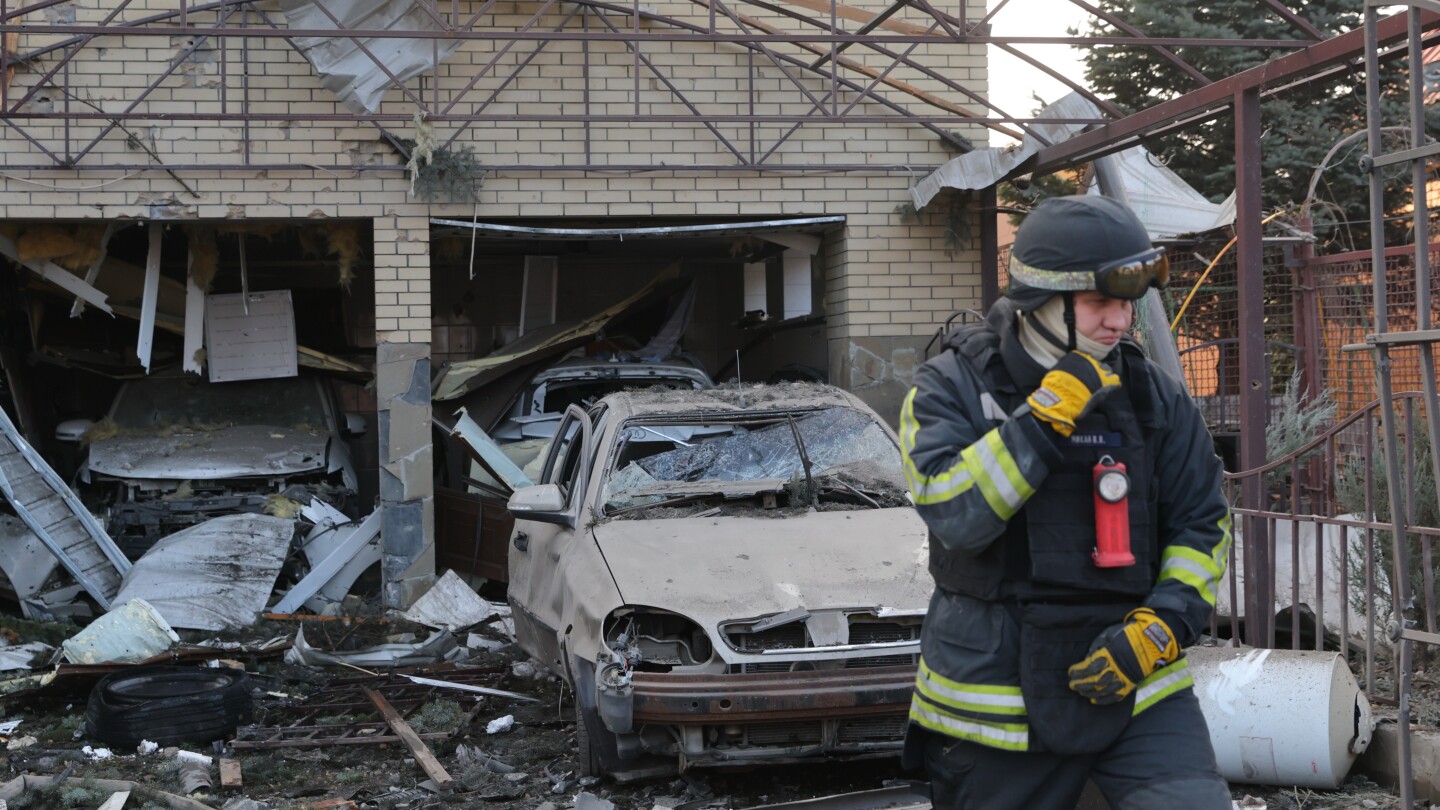
    A devastating Russian missile attack on Odesa’s port infrastructure has resulted in eight fatalities and 27 injuries, according to Ukraine’s emergency services. The strike, which occurred late Friday, targeted transport facilities where ballistic missiles ignited trucks in parking areas and damaged civilian vehicles, with some casualties occurring on a public bus caught in the bombardment.

    While Moscow’s defense ministry acknowledged striking Ukrainian “transport and storage infrastructure” supporting military operations, it did not specifically address the Odesa casualties. The attack coincides with significant diplomatic developments, including a planned meeting between Kremlin envoy Kirill Dmitriev and Trump administration officials Jared Kushner and Steve Witkoff in Miami to discuss U.S.-proposed peace terms.

    Simultaneously, Ukraine demonstrated its offensive capabilities with drone strikes targeting Russian energy infrastructure. Ukrainian forces hit the patrol ship Okhotnik in the Caspian Sea, along with drilling platforms at the Filanovsky oil and gas field operated by Lukoil—a company recently sanctioned by the U.S. to cripple Russia’s war-funding energy revenues.

    The diplomatic landscape remains complex as European Union leaders committed €90 billion ($106 billion) in interest-free loans to support Ukraine’s military and economic needs over the next two years. This financial package, however, falls short of the €137 billion estimated necessary by the International Monetary Fund for 2026-2027, leaving Kyiv facing critical funding shortages.

    President Vladimir Putin has maintained Russia’s maximalist demands while expressing confidence in military solutions if diplomatic efforts fail. The conflicting positions between Moscow and Kyiv continue to challenge the Trump administration’s extensive peace initiative, which has included recent meetings with European and Ukrainian officials in Berlin and Washington.

    Ukraine’s chief negotiator Rustem Umerov confirmed separate meetings with American and European partners, noting agreement to continue “joint work in the near future” without elaborating on specific outcomes. The multipronged diplomatic offensive occurs as the conflict approaches its fourth year with no clear resolution in sight.

  • US bombs Islamic State targets in Syria after attack on personnel

    US bombs Islamic State targets in Syria after attack on personnel

    In a decisive military response, the United States executed a series of airstrikes against ISIS targets in Syria late Friday. The operation, officially designated ‘Operation Hawkeye Strike,’ comes as direct retaliation for the December 13th ambush in Palmyra that resulted in the deaths of three American personnel—two soldiers and one civilian interpreter.

    Secretary of War Pete Hegseth publicly announced the offensive via social media platform X, characterizing the action as a measured response rather than an escalation toward broader conflict. ‘This is not the beginning of a war,’ Hegseth stated. ‘It is a declaration of vengeance.’ His accompanying message delivered a stark warning to adversaries: ‘If you target Americans – anywhere in the world – you will spend the rest of your brief, anxious life knowing the United States will hunt you, find you, and ruthlessly kill you.’

    The Syrian government, through its foreign ministry, issued a statement reaffirming its commitment to combating Islamic State militants. This alignment of interests appears to extend to the highest levels of leadership, with US President Donald Trump noting on his TruthSocial account that Syrian President Ahmed al-Sharaa expressed ‘full support’ for the operation.

    According to Pentagon reports, the initial provocation occurred when US personnel engaged in a meeting with local leaders in Palmyra were ambushed by an attacker subsequently identified as an IS sympathizer within Syrian security forces. US Central Command confirmed its troops responded immediately, neutralizing the gunman responsible.

    The current US military presence in northern Syria consists of approximately 1,000 troops dedicated to counter-ISIS operations. This retaliatory strike underscores the persistent security challenges facing American forces engaged in ground engagement missions throughout the region.

  • Students to benefit from direct flights

    Students to benefit from direct flights

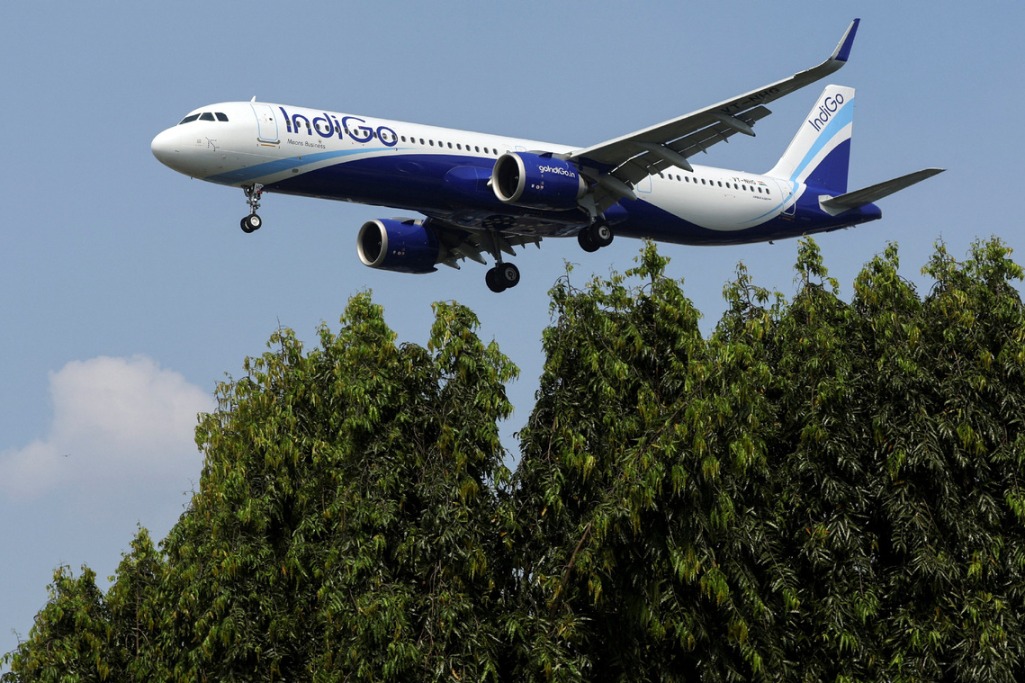
    The restoration of direct air connectivity between India and China after a five-year hiatus is catalyzing a significant resurgence in bilateral exchanges, with educational and cultural ties emerging as primary beneficiaries. This aviation breakthrough, officially commencing in October 2025 with IndiGo Airlines’ Kolkata-Guangzhou route, has dramatically reduced travel barriers that previously hampered academic collaboration.

    Indian students pursuing educational opportunities in China are experiencing substantial relief from previously exorbitant travel costs and logistical complexities. Priyanshu Yadav, who recently completed advanced Chinese language studies at Tsinghua University, attested to the transformative impact: ‘Travel expenses have been reduced to less than half, eliminating the need for third-country transits that previously cost approximately $430 for one-way journeys.’

    The renewal of direct routes—including China Eastern Airlines’ Shanghai-New Delhi connection and Air India’s planned 2026 resumption of Delhi-Shanghai services—has reinvigorated institutional academic partnerships. Prestigious institutions including Jawaharlal Nehru University and Visva-Bharati University’s Cheena Bhavana (India’s oldest Chinese studies center) are actively reestablishing formal ties with Chinese counterparts like Fudan and Tsinghua Universities.

    Professor Huang Yinghong of O.P. Jindal Global University emphasized the multidimensional advantages: ‘The elimination of third-country transit saves time, energy, and financial resources while symbolizing improved bilateral relations.’ This sentiment is echoed by academic leaders anticipating renewed physical exchanges of faculty and students by July 2026, reviving cultural programs encompassing tai chi, calligraphy, Kathak dance, and yoga that were maintained online during the connectivity gap.

    The diplomatic dimension continues to develop with China’s recent implementation of an online visa application system for Indian travelers, further streamlining cross-border educational mobility. As Ambassador Xu Feihong noted, these developments reflect mutual commitment to strengthening cooperation across educational, cultural, and people-to-people exchanges, marking a new chapter in Sino-Indian relations through the prism of academic collaboration.