分类: world

  • Russia claims Ukraine fired drones at Putin residence; Zelensky denies accusations

    Russia claims Ukraine fired drones at Putin residence; Zelensky denies accusations

    Russia has leveled serious allegations against Ukraine, claiming Kyiv launched a drone assault targeting President Vladimir Putin’s official residence. According to Russian Foreign Minister Sergei Lavrov, Ukrainian forces fired 91 drones toward Putin’s Novgorod region compound between Sunday night and Monday morning, with all projectiles reportedly intercepted and destroyed by Russian air defense systems.

    The incident has prompted Moscow to declare a significant shift in its diplomatic approach to the ongoing conflict. Lavrov announced that Russia would ‘revise’ its negotiating position regarding peace talks and has already identified specific targets within Ukraine for what he termed ‘retaliation strikes.’ This development represents a substantial escalation in rhetoric from the Russian government, which characterized the alleged attack as an act of terrorism.

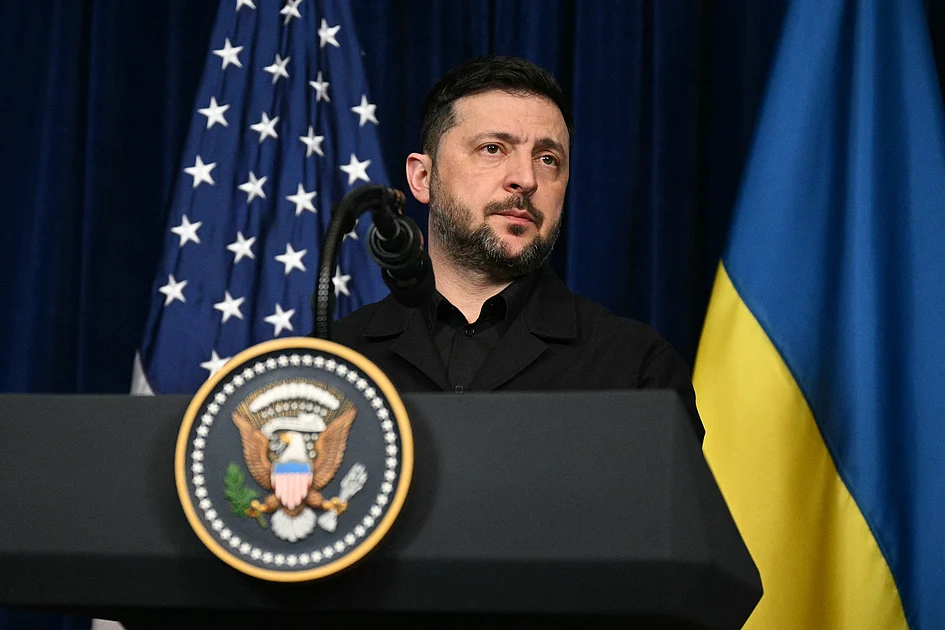
    Ukrainian President Volodymyr Zelensky swiftly dismissed the accusations, labeling them as ‘another round of lies’ from Moscow. In statements delivered via WhatsApp to reporters, Zelensky suggested that Russia’s claims were strategically designed to undermine recent progress achieved in Ukraine-US peace negotiations. The Ukrainian leader further asserted that Moscow was fabricating pretexts to justify planned strikes against government buildings in Kyiv.

    Zelensky directly appealed to US President Donald Trump to respond appropriately to what he characterized as Russian threats, highlighting the international dimensions of the escalating situation. The exchange occurs amid ongoing diplomatic efforts to resolve the conflict, with these latest allegations threatening to further complicate peace discussions between the involved parties.

  • 4 killed, 3 injured in Oman road accident; Indian among deceased, media reports say

    4 killed, 3 injured in Oman road accident; Indian among deceased, media reports say

    A severe traffic accident in Oman has resulted in four fatalities and three injuries, with authorities confirming the incident as a mass casualty event. Oman’s Ministry of Health reported that emergency services transported the injured to Al Rustaq Hospital’s emergency department for immediate medical treatment.

    Indian media outlets have identified one of the deceased as Afzal, a native of Malappuram district in Kerala state. According to Malayalam language media reports, the tragic collision occurred approximately at 9:00 PM local time on Sunday when Afzal’s vehicle collided with another car under circumstances that remain under investigation.

    The Omani government has not released detailed information regarding the nationalities of other victims or the specific location of the accident. Road safety concerns in the Gulf region have gained increased attention following this incident, which represents one of the more serious traffic accidents reported in Oman recently.

    Authorities continue to investigate the precise causes of the collision while medical personnel provide necessary care to the surviving victims. The incident has drawn attention to road safety measures in the region and highlights the transnational nature of Gulf resident communities, particularly the substantial Indian expatriate population contributing to local economies.

  • Hamas armed wing confirms spokesman killed by Israel in August

    Hamas armed wing confirms spokesman killed by Israel in August

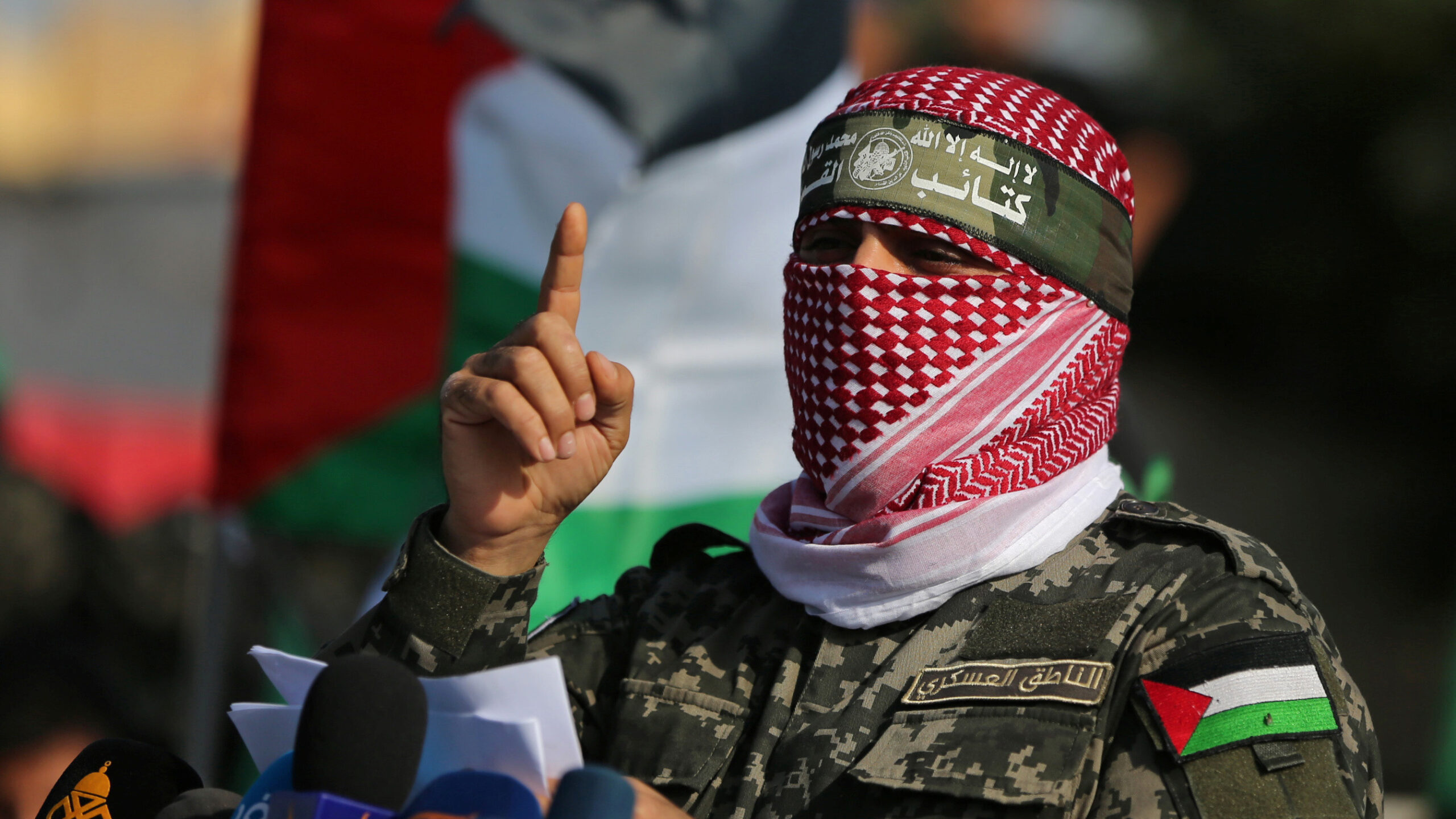
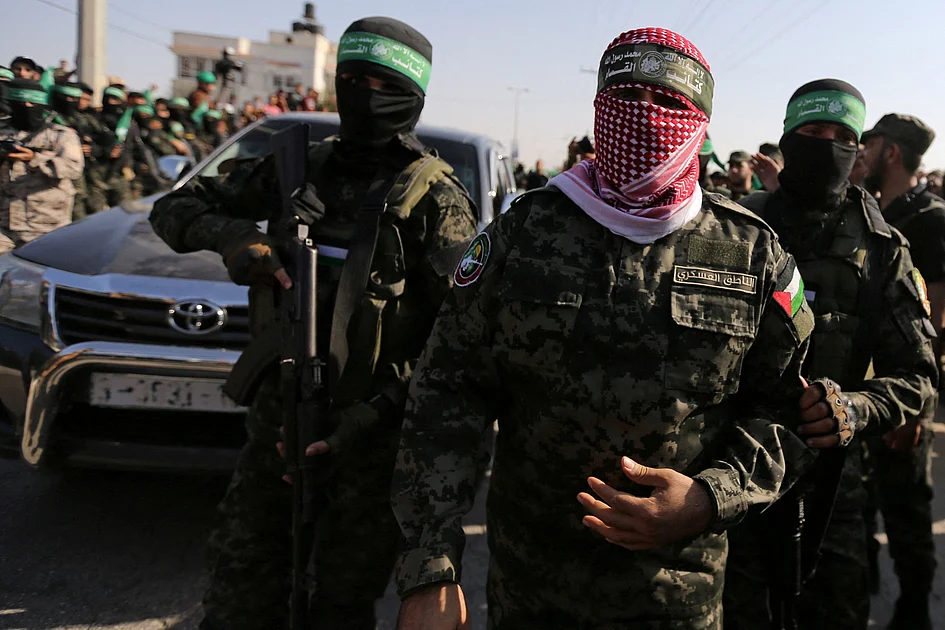
    The Ezzedine Al-Qassam Brigades, Hamas’ military wing, has officially confirmed the death of their prominent spokesperson Abu Obeida in a video statement released through their Telegram channel on Monday. This announcement comes nearly four months after Israel initially reported his elimination in a targeted airstrike on Gaza on August 30.

    The emotionally charged video tribute described Abu Obeida as “the masked man loved by millions” and “the great martyred commander,” indicating his significant symbolic importance within the organization. The delayed confirmation of his death raises questions about operational security considerations and the strategic timing of such announcements in ongoing conflict scenarios.

    Israeli defense forces had previously identified Abu Obeida as a high-value target due to his role as the primary communication channel between Hamas’ military operations and international media. His distinctive masked appearances and carefully crafted messages had made him one of the most recognizable figures representing Hamas’ armed wing.

    The confirmation occurs amidst continued tensions in the region, with both sides maintaining their strategic positions. Analysts suggest that the timing of this announcement may serve multiple purposes, including morale maintenance among supporters, demonstration of organizational resilience, and potential preparation for leadership restructuring within Hamas’ communication apparatus.

  • Who was Abu Obeida, Hamas’s military spokesman?

    Who was Abu Obeida, Hamas’s military spokesman?

    Hamas has officially confirmed the death of Abu Obeida, the long-serving military spokesman for its armed wing, the Izz al-Din al-Qassam Brigades, who was killed during Israel’s military operations in Gaza in August. The announcement on December 29, 2025, revealed his true identity as Huthaifa Samir al-Kahlout, ending decades of speculation about the masked figure who became a symbol of Palestinian resistance.

    For nearly twenty years, Abu Obeida served as the primary military communicator for Hamas, with his prominence skyrocketing following the October 2023 attack on Israel and the subsequent war in Gaza. Known for his fiery speeches delivered while concealed behind a traditional red keffiyeh, he provided battlefield updates, announced military achievements, and taunted Israeli forces, who made multiple attempts to eliminate him.

    Abu Obeida first emerged in 2004 during an Israeli ground offensive in northern Gaza, becoming the first and only person to hold the military spokesman role within Hamas’s media office. His most significant announcements included the capture of Israeli soldiers Gilad Shalit in 2006 and Shaul Aron in 2014, events that significantly heightened his profile.

    Following the October 2023 attack, Abu Obeida’s speeches gained unprecedented attention across the Arab world. His critiques of Arab leaders’ inability to provide humanitarian aid to Gaza, particularly his use of the phrase “God forbid” that became a regional slogan, resonated widely. His presentations were typically accompanied by video evidence of Hamas operations, bolstering his credibility.

    The masked spokesman achieved hero-like status throughout Arabic-speaking communities, with his speeches frequently interrupting weddings and captivating children. Songs were composed in his honor, and his appearances even attracted the attention of regional leaders including Qatar’s former emir during a football match.

    Israeli authorities repeatedly attempted to unmask and eliminate Abu Obeida, bombing his purported home in Jabalia multiple times and releasing what they claimed was his identity and photograph. In April 2024, the United States sanctioned him as Hamas’s “information warfare chief,” alleging he led the cyber influence department of the al-Qassam Brigades.

    Abu Obeida’s legacy as a symbol of Palestinian resistance remains intact despite his death, with his masked appearance and eloquent speeches having cemented his place in the narrative of the Israel-Palestine conflict.

  • Nepal to scrap ‘failed’ Mount Everest waste deposit scheme

    Nepal to scrap ‘failed’ Mount Everest waste deposit scheme

    Nepalese authorities have terminated an 11-year-old deposit scheme designed to combat Mount Everest’s worsening waste crisis, declaring the program an outright failure. The controversial system required climbers to pay a $4,000 refundable deposit, reimbursable only if they descended with at least 8kg of trash. Despite most climbers technically complying with the requirement, officials confirmed the initiative failed to address the critical accumulation of waste at higher altitudes where the problem is most severe.

    Himal Gautam, director at Nepal’s tourism department, revealed to the BBC that the program had ‘become an administrative burden’ while failing to resolve the garbage issue. The fundamental flaw lay in climbers’ tendency to retrieve easily accessible waste from lower camps rather than tackling the more challenging debris at extreme elevations. Tshering Sherpa, CEO of the Sagarmatha Pollution Control Committee, noted that ‘from higher camps, people tend to bring back oxygen bottles only,’ leaving behind tents, food containers, and packaging that contributes to the estimated 50 tonnes of litter covering the mountain.

    A revolutionary approach will replace the discontinued program. Authorities plan to implement a non-refundable $4,000 clean-up fee per climber, creating a dedicated fund for environmental management. This financial reservoir will finance the establishment of a monitoring checkpoint at Camp Two and deploy specialized mountain rangers to ensure proper waste removal from critical high-altitude zones. Mingma Sherpa, chairperson of the Pasang Lhamu rural municipality, emphasized that this structural change responds to long-standing concerns from the Sherpa community about the previous system’s ineffective enforcement mechanisms.

    The new fee structure integrates with a comprehensive five-year mountain clean-up action plan designed to immediately address Everest’s ecological crisis. The growing mountaineering industry—averaging 400 climbers annually plus supporting staff—generates approximately 12kg of waste per person during six-week expeditions. Particularly problematic is human excrement, which remains preserved indefinitely in freezing high-altitude conditions. Tourism ministry spokesperson Jaynarayan Acarya stated the revised approach aims to create sustainable mountaineering practices while preserving the world’s highest peak for future generations.

  • Abu Obeida: Hamas reveals new military spokesman after predecessor’s death

    Abu Obeida: Hamas reveals new military spokesman after predecessor’s death

    In a significant disclosure, Hamas’s military wing, the Izz al-Din al-Qassam Brigades, has formally announced the death of its long-serving, anonymous spokesman and introduced his successor. The new spokesperson, whose identity remains concealed, revealed in a prerecorded address broadcast on Arab media that his predecessor, known by the nom de guerre Abu Obeida, was killed in an Israeli airstrike on Gaza City in August. He was identified as Huthaifa Samir al-Kahlout.

    This announcement marks the first official confirmation of Kahlout’s identity after two decades of public service during which he never revealed his face, always appearing masked in a red keffiyeh. The new spokesman has assumed the same pseudonym, continuing the legacy.

    The eulogy delivered by the new Abu Obeida honored Kahlout as “the great leader” and “the thunderous voice of the nation” who for twenty years led the group’s media operations, “frustrating the enemies and uplifting the hearts of the believers.”

    In the same statement, the Brigades confirmed the deaths of several other high-ranking commanders. Mohammed al-Sinwar, a former commander, was reported killed by Israeli forces in May, and Raed Saad, another senior leader, was confirmed dead from a strike earlier this month.

    Kahlout, a iconic and revered figure across the Arab world, was best known for his televised speeches that provided battlefield updates, celebrated Hamas’s military actions, and taunted Israel. His distinctive masked appearance was frequently replicated at protests, and his name was immortalized in songs. His public profile skyrocketed following Hamas’s October 2023 attack on Israel and the subsequent war.

    Little is known about his personal life. A 2005 interview suggested his family was displaced during the 1948 Nakba, resettling in a Gaza camp, and that he was likely born in the mid-1980s. Hamas sources stated that only a handful of individuals knew his true identity before his death.

    He adopted the Abu Obeida alias during the Second Intifada (2000-2005), a name paying homage to a revered companion of the Prophet Muhammad. His first press conference as spokesman was in 2004. He was central to announcing major events, including the capture of Israeli soldier Gilad Shalit in 2006 and Shaul Aron in 2014.

    His rhetoric sometimes extended beyond immediate conflict. In 2022, he vowed to secure the release of re-arrested Palestinian prisoners. A particularly impactful speech in October 2023 criticized Arab leaders for inaction, coining the “God forbid” phrase that became a widespread slogan of frustration.

    Israel had targeted him in multiple assassination attempts over 20 years, including two since last October. In April 2024, the U.S. Treasury Department sanctioned him as Hamas’s ‘information warfare chief,’ accusing him of leading the Brigades’ cyber influence efforts.

  • Protests erupt in breakaway region of Somaliland after Israeli recognition

    Protests erupt in breakaway region of Somaliland after Israeli recognition

    The self-declared republic of Somaliland has become the epicenter of escalating regional tensions following Israel’s unprecedented decision to formally recognize its sovereignty. The announcement by Israeli Prime Minister Benjamin Netanyahu on Friday marked the first such international recognition for the breakaway region since it declared independence from Somalia in 1991.

    Immediate protests erupted across multiple locations, with demonstrators in Boroma—approximately 50 kilometers west of Somaliland’s capital Hargeisa—flooding the streets waving Palestinian flags and chanting anti-Israel slogans. Social media footage captured large crowds vocally supporting Palestinian liberation while rejecting separatist movements within their own territory.

    The diplomatic move prompted swift condemnation from the Somali government in Mogadishu, which denounced the recognition as a violation of international law and an affront to its territorial integrity. President Hassan Sheikh Mohamud urgently called upon the international community to reject what he termed a “dangerous precedent” that threatens regional stability.

    Israeli officials announced intentions to pursue immediate cooperation with Somaliland across agriculture, health, technology, and economic sectors. However, the timing and motivations behind the recognition remain unclear, particularly given earlier reports that both Israel and the U.S. had approached Somaliland regarding potential resettlement of Palestinians from Gaza.

    The recognition has drawn criticism from multiple international players including Saudi Arabia, Turkey, Pakistan, and Egypt—the latter emphasizing its full support for Somalia’s sovereignty. The East African governing body IGAD issued a statement affirming that unilateral recognition contradicts UN and African Union charters.

    Security concerns have intensified with al-Shabab militants vowing to combat any Israeli presence in Somaliland, while Yemen’s Houthi movement declared the territory a legitimate target should Israel establish operations there. Regional analysts warn the recognition could provide militant groups with renewed recruitment justification and potentially destabilize the strategically important Horn of Africa.

  • Turkey: Islamic State militants and police officers killed in clash

    Turkey: Islamic State militants and police officers killed in clash

    A prolonged firefight between Turkish security forces and suspected Islamic State (IS) militants in a residential area resulted in nine fatalities, including three police officers and six alleged terrorists, according to an official statement from Interior Minister Ali Yerlikaya. The operation, characterized as part of Turkey’s sustained counterterrorism campaign, unfolded early Monday morning.

    Police units initiated a targeted raid on a residence intelligence indicated was harboring IS fighters. The situation escalated violently when the occupants opened fire on the approaching officers, leading to an intense exchange of gunfire that persisted for nearly eight hours, as confirmed by a Reuters eyewitness. The confrontation also left at least eight police officers and one security guard wounded.

    In a humanitarian intervention amidst the violence, authorities successfully evacuated five women and six children from the besieged property.

    This deadly incident is the latest in a series of security operations. Just days prior, on Christmas Day, Turkish authorities detained 115 individuals across Istanbul in a sweeping crackdown on a suspected IS cell allegedly plotting attacks against New Year’s celebrations. Those raids, spanning 124 locations, yielded firearms, ammunition, and purported organizational documents, with arrests focusing on individuals accused of financing IS activities and disseminating its propaganda.

    Turkey’s protracted struggle against the Islamic State, designated a terrorist organization in 2013, is deeply influenced by its extensive border with Syria, where the group retains a presence. This geographical reality has positioned Turkey as a primary target for IS operations, a vulnerability tragically highlighted by a 2017 New Year’s Eve attack in Istanbul that killed 39 people. Official Turkish statistics report approximately 19,000 arrests for alleged IS affiliations over the past decade.

    The regional counterterrorism landscape has seen heightened activity. Recent Turkish operations occurred shortly after U.S. forces executed extensive airstrikes on IS targets in Syria, a retaliatory measure for the killing of two American soldiers and an interpreter in Palmyra on December 13th. U.S. President Donald Trump stated that Syrian President Ahmed al-Sharaa endorsed the U.S. response. The new Syrian government has pledged cooperation with U.S. and European allies to combat remaining IS elements. Despite the group’s military defeat and the collapse of its so-called caliphate, remnants persist, attempting to destabilize the post-Assad administration. In a parallel development, Syria’s Interior Ministry announced the arrest of a prominent IS figure on Wednesday, followed by a raid near Damascus the next day that resulted in the death of a senior IS commander.

  • Wooden ship: India’s navy sails into history with ocean voyage

    Wooden ship: India’s navy sails into history with ocean voyage

    In an extraordinary fusion of historical preservation and maritime diplomacy, the Indian Navy has launched a unique oceanic expedition using a traditionally crafted wooden vessel named ‘Kaundinya.’ This 20-meter-long ship, constructed using ancient fifth-century shipbuilding techniques, features a hull sewn together with coconut coir rope instead of modern nails and fasteners. The vessel set sail from Porbandar, Gujarat, on Monday, embarking on a 1,400-kilometer journey to Muscat, Oman, that is expected to take approximately two weeks.

    The Kaundinya represents a significant departure from India’s contemporary naval fleet of steel aircraft carriers and advanced warships. Steering is accomplished through giant oars rather than a rudder, while two fixed square sails harness seasonal monsoon winds that historically facilitated trade across the Indian Ocean. The vessel’s design and construction pay homage to India’s rich maritime legacy, evoking an era when Indian mariners established trade routes with the Roman Empire, Middle Eastern civilizations, Africa, and East Asian territories including Thailand, Indonesia, China, and Japan.

    Vice Admiral Krishna Swaminathan emphasized the profound strategic and cultural importance of the voyage during the launch ceremony. ‘This expedition reconnects the past with the present,’ he stated. ‘We are not only retracing ancient pathways of trade, navigation, and cultural exchange but also reaffirming India’s position as a natural maritime bridge across the Indian Ocean.’ The project aims to resurrect and celebrate traditional Indian maritime concepts and capabilities that have been largely forgotten in the modern era.

    The undertaking required exceptional dedication to historical accuracy, with builders deliberately avoiding modern construction shortcuts. The 18-member crew has already completed preliminary coastal navigation along India’s western shoreline from Karnataka to Gujarat, preparing for the challenging open-water crossing to the Arabian Peninsula.

    Oman’s ambassador to India, Issa Saleh Alshibani, highlighted the symbolic significance of the voyage, noting that ‘the monsoon winds that once guided traditional ships between our ports also carried a shared understanding that prosperity grows when we remain connected, open, and cooperative.’ The expedition serves as a powerful reminder that the Indian Ocean has historically functioned as a bridge for commerce, ideas, and cultural exchange rather than a barrier between nations.

  • Turkey plans offshore energy exploration deal with Syria in 2026

    Turkey plans offshore energy exploration deal with Syria in 2026

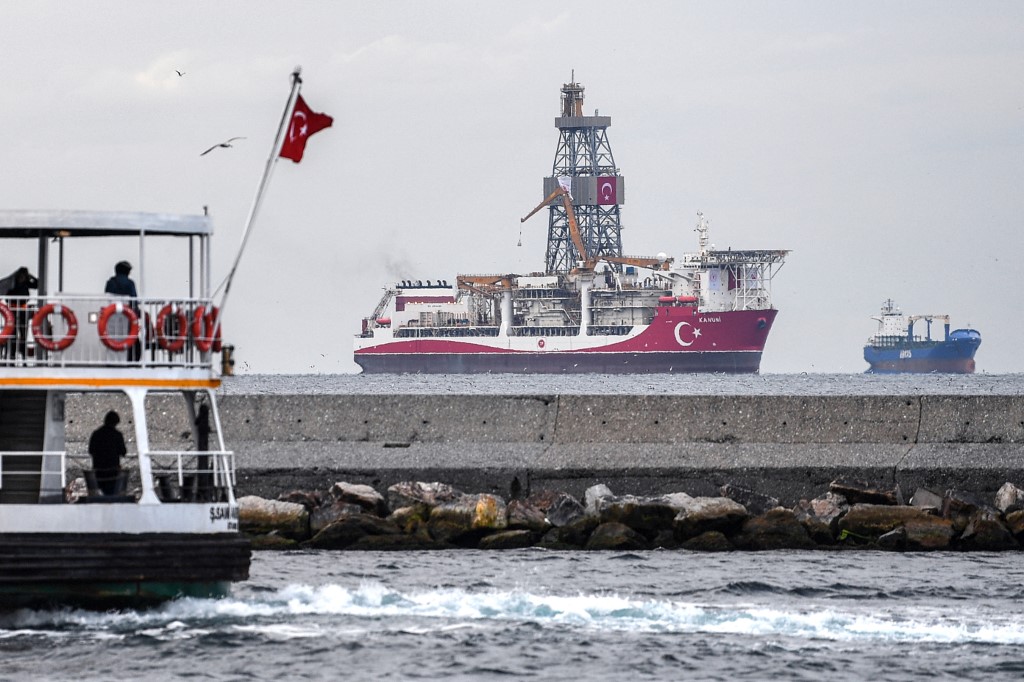
    Turkey is advancing its strategic energy partnership with Syria, with plans to formalize a significant offshore exploration agreement in 2026. Energy Minister Alparslan Bayraktar announced the initiative during an interview with Turkish digital news platform GDH on Monday, revealing that this future pact would focus on assessing potential energy resources in maritime territories along the Syrian coastline.

    This development builds upon a comprehensive framework agreement signed earlier this year, establishing a foundation for bilateral energy cooperation between Ankara and Damascus. Minister Bayraktar clarified that the 2026 agreement would enable seismic research activities to evaluate the region’s resource potential, though he emphasized that this does not automatically guarantee subsequent drilling operations.

    The Turkish-Syrian energy collaboration has accelerated remarkably since December 2024, transforming Turkey into a key energy player in Syria following the stabilization of President Bashar al-Assad’s government. The partnership reached a milestone on May 29, 2025, with the signing of a major agreement encompassing natural gas, electricity, mining, and petroleum sectors, with provisions for technical coordination, information exchange, and joint investment initiatives.

    Notable projects already underway include a natural gas pipeline connecting Kilis and Aleppo, completed in June 2025, which will enable Turkey to supply Syria with two billion cubic meters of natural gas annually. This infrastructure is projected to generate approximately 1,300 megawatts of electricity capacity.

    Further enhancing energy integration, both nations are constructing a 400-kilovolt high-voltage transmission line to connect their power grids, scheduled for operation by early 2026 with capacity to support 500 MW of electricity imports.

    The partnership extends to substantial private sector involvement, evidenced by a $7 billion strategic cooperation agreement between Turkey’s Kalyon Holding and Cengiz Holding, Qatar’s UCC, and American company Power International. This consortium plans to develop natural gas combined-cycle power plants totaling 4,000 MW capacity across multiple Syrian locations, complemented by a 1,000-MW solar power plant in the Vidyan al-Rabi region.

    This expanding energy alliance may raise concerns among regional neighbors, particularly Greece and Cyprus, who might view these developments as potentially leading to the establishment of an exclusive economic zone that could heighten tensions in the Eastern Mediterranean.