分类: world

  • Myanmar’s opium cultivation reaches record high

    Myanmar’s opium cultivation reaches record high

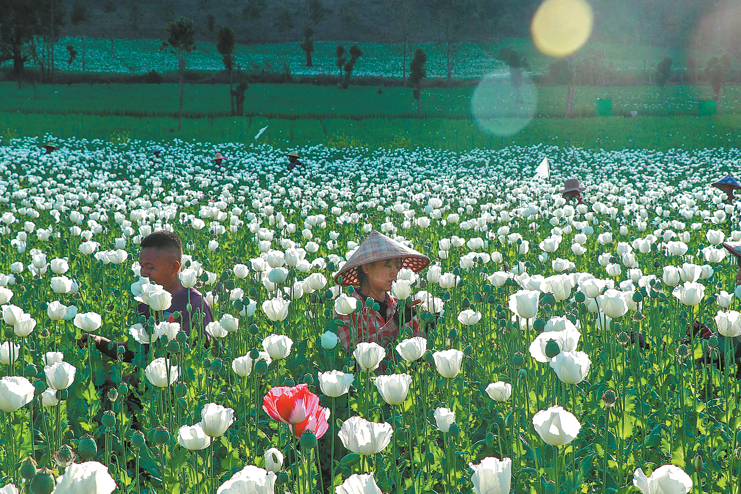
    Myanmar has dramatically escalated to become the globe’s foremost opium producer, with cultivation reaching a ten-year peak according to the United Nations Office on Drugs and Crime (UNODC). The Southeast Asian nation’s opium output now more than doubles that of Afghanistan, the previous leading source.

    Recent UNODC data reveals a striking 17% year-on-year surge in Myanmar’s opium cultivation, expanding from 45,200 hectares to 53,100 hectares. This expansion solidifies Myanmar’s notorious status as a primary source of illicit opium globally, particularly as Afghan production continues its downward trajectory.

    Delphine Schantz, UNODC’s Regional Representative for Southeast Asia and the Pacific, warned that “the sharp increase in opium cultivation demonstrates an expanding opium economy that has been resurgent in recent years and is likely to grow further.”

    The agency attributes this alarming growth primarily to skyrocketing opium prices, which have more than doubled from $145 per kilogram in 2019 to the current $329 per kilogram. This economic incentive, combined with escalating conflict and instability throughout Myanmar, has driven many farmers toward poppy cultivation as a means of survival.

    Regional analysis shows eastern Shan State experienced the most dramatic growth at 32%, followed by Chin State at 26%, while Kachin State saw a modest 3% increase. Southern Shan State remains the cultivation epicenter, accounting for 44% of the country’s total opium production.

    For the first time, the UNODC study documented significant opium cultivation in Sagaing Region, estimating 552 hectares under poppy production. There are also emerging indications that Myanmar’s opium is increasingly supplanting Afghan supplies in international markets, with European authorities reporting seizures of heroin believed to originate from Myanmar on flights from Thailand.
  • Hamas confirms death of spokesman of its military wing

    Hamas confirms death of spokesman of its military wing

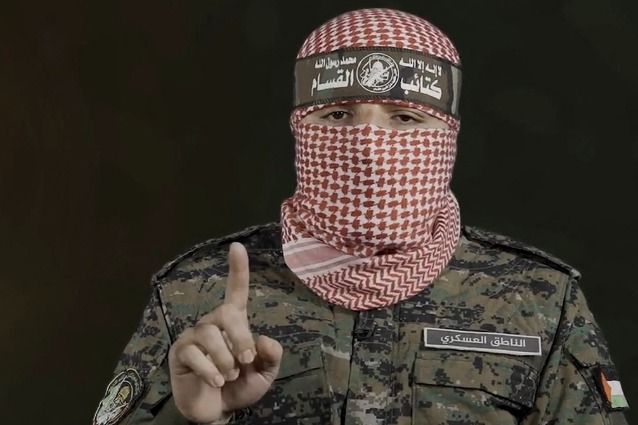
    The Al-Qassam Brigades, Hamas’s military wing, has officially confirmed the death of its prominent spokesperson Abu Obeida during Israel’s ongoing offensive in Gaza. The announcement came through a newly appointed representative who has assumed the same nom de guerre, delivering the news during a televised address on Monday.

    The successor, appearing in the distinctive uniform associated with the role, revealed that Abu Obeida—born Hudhaifa Samir Al-Kahlout and also known as Abu Ibrahim—perished alongside several other senior Hamas leaders. Among those confirmed dead was former military commander Mohammed Sinwar, marking significant losses within the organization’s leadership structure.

    Abu Obeida rose to prominence in 2006 when he announced the capture of Israeli soldier Gilad Shalit, subsequently becoming the recognizable voice of Hamas’s military operations during subsequent conflicts with Israel. His final recorded statement was delivered on July 18, with Hamas sources indicating he was killed in an Israeli airstrike on August 30. This timeline was corroborated by Israeli Defense Minister Israel Katz, who acknowledged the spokesperson’s elimination in a Gaza Strip operation on August 31.

    The spokesperson’s legacy includes maintaining communication with Palestinian supporters throughout what he described as ‘the darkest circumstances,’ establishing him as a symbolic figure within the movement since his appointment to the role in 2005.

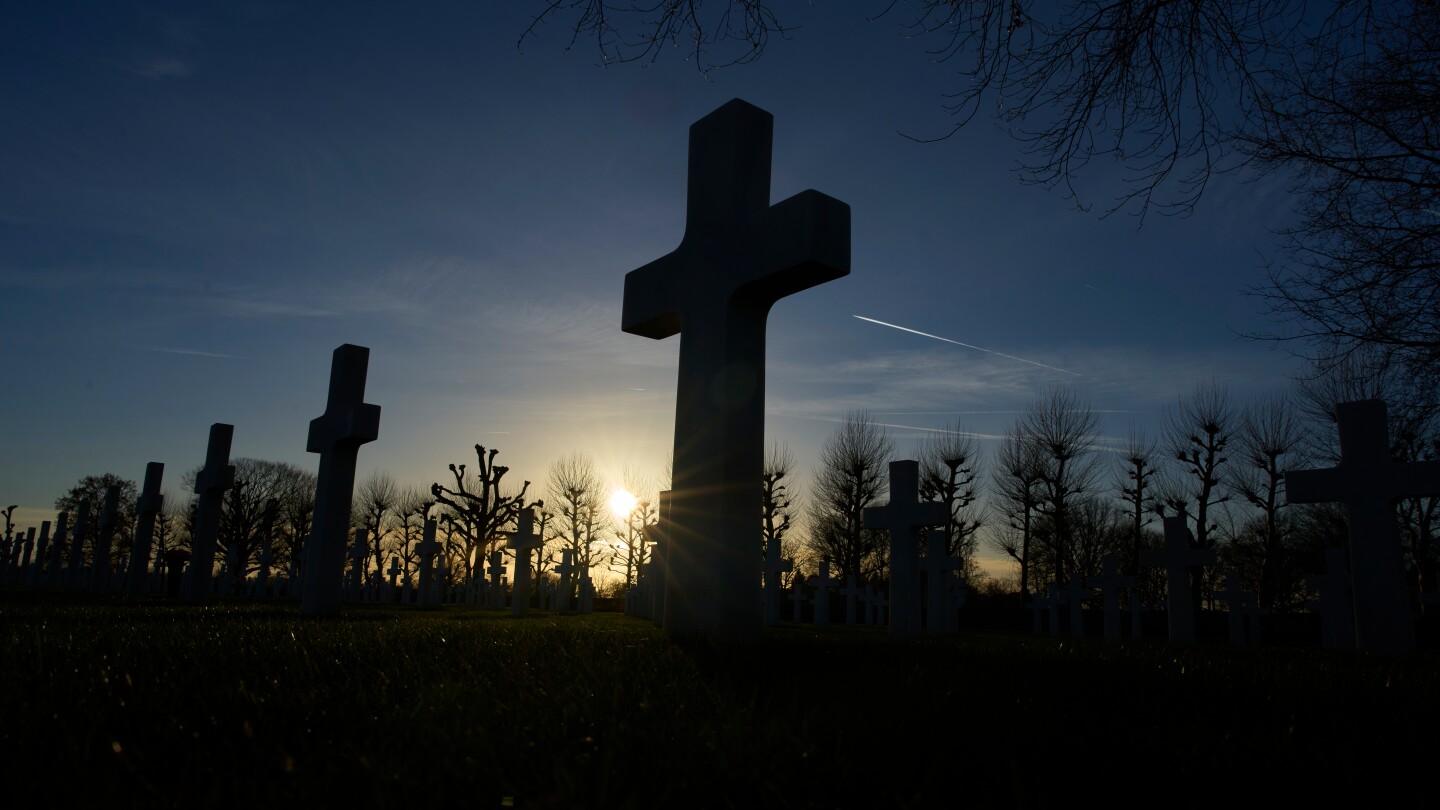
  • US removal of panels honoring Black soldiers at WWII cemetery in the Netherlands draws backlash

    US removal of panels honoring Black soldiers at WWII cemetery in the Netherlands draws backlash

    A contentious decision by the American Battle Monuments Commission to dismantle educational displays honoring Black American soldiers at the Netherlands American Cemetery in Margraten has sparked widespread condemnation and diplomatic tensions. The removal, executed discreetly earlier this year, eliminated two significant panels that chronicled the contributions of African American troops during World War II.

    One display memorialized the heroic actions of 23-year-old Private George H. Pruitt, an African American soldier buried at the site who perished while attempting to rescue a fellow serviceman from drowning in 1945. The second panel documented the institutional racial segregation policies that defined the U.S. military throughout the conflict, despite approximately one million Black soldiers enlisting. These soldiers frequently performed grueling tasks—including an all-Black unit that excavated thousands of graves at Margraten during the devastating Hunger Winter of 1944-45 under German occupation.

    The commission’s actions followed President Donald Trump’s executive orders terminating diversity, equity, and inclusion programs, with the administration declaring an end to ‘woke’ policies. Internal communications obtained through Freedom of Information Act requests by media outlets confirmed the direct link between these policies and the display removals.

    Dutch officials, local communities, and descendants of both soldiers and liberators have expressed profound dismay. Cor Linssen, 79, whose father was a Black American soldier, emphasized the historical significance of these narratives: ‘It’s an important part of history. They should put the panels back.’ Linssen, who faced racial prejudice growing up in the Netherlands, recently visited the cemetery with other children of Black soldiers to view the displays shortly before their removal.

    The controversy has drawn reactions from multiple levels of Dutch society. Theo Bovens, Dutch senator and chairman of the Black Liberators Foundation, noted the paradoxical nature of the removal, given that the commission itself had installed the panels in 2024. Local authorities in the Margraten region have formally demanded the restoration of the exhibits, while Dutch television programs have attempted to recreate the displays outside cemetery grounds.

    The profound connection between the Dutch people and the fallen soldiers remains evident through the ongoing grave adoption program, where thousands of local families honor individual soldiers by maintaining their resting places and commemorating their birthdays—a tradition often passed through generations.

    Historians and authors like Linda Hervieux, who documented Black soldiers’ experiences in ‘Forgotten,’ argue that erasing these stories continues a harmful pattern of excluding people of color from historical narratives. The absence of these panels at Margraten represents more than missing information—it signifies the ongoing struggle over whose sacrifices are remembered and whose are forgotten.

  • Australian police find no evidence of ‘broader terrorist cell’ in Bondi Beach antisemitic shooting

    Australian police find no evidence of ‘broader terrorist cell’ in Bondi Beach antisemitic shooting

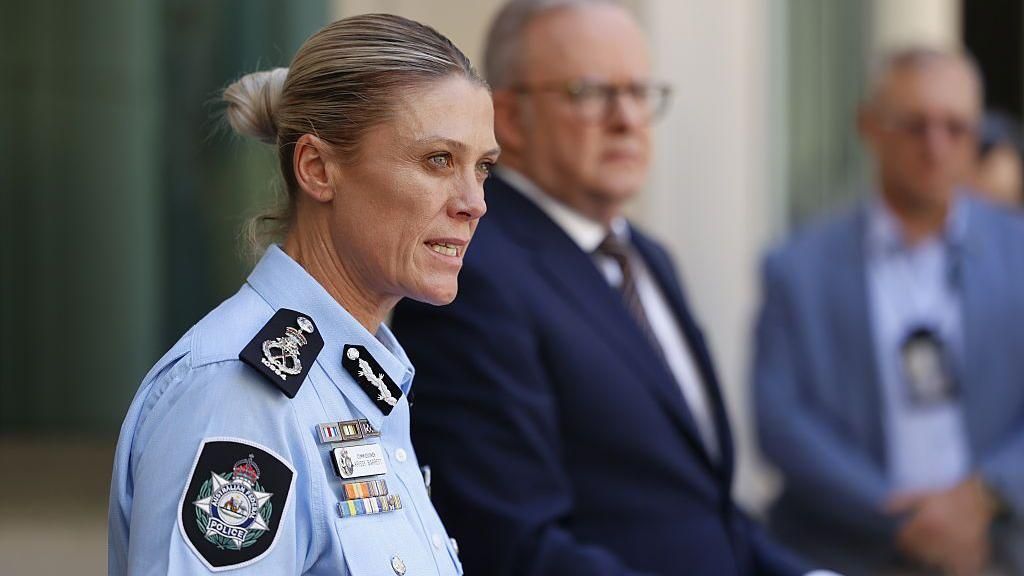
    Australian Federal Police Commissioner Krissy Barrett announced Tuesday that an extensive international investigation into the Bondi Beach mass shooting has found no evidence connecting the perpetrators to a broader terrorist network. The probe, which extended to the Philippines, examined the activities of Sydney residents Sajid Akram, 50, and his 24-year-old son Naveed Akram during their November stay in Davao City.

    According to Commissioner Barrett, Philippine authorities determined the pair rarely left their hotel during their visit from November 1-29. ‘There is no evidence to suggest they received training or underwent logistical preparation for their alleged attack,’ Barrett stated at a press briefing. ‘These individuals are alleged to have acted alone. There is no evidence to suggest these alleged offenders were part of a broader terrorist cell, or were directed by others to carry out an attack.’

    The Akrams returned to Australia on November 29, and two weeks later allegedly carried out the deadliest terrorist attack in Australian history. The December 14 shooting at a Hanukkah festival left 15 dead and 40 wounded before police intervention ended the violence. Naveed Akram, who was shot in the abdomen during a gunfight with officers, now faces dozens of charges including 15 counts of murder and one count of committing a terrorist act. His father was killed by police at the scene.

    In response to the attack, Sydney authorities are deploying unprecedented security measures for New Year’s Eve celebrations. More than 2,500 officers will patrol the harborfront, many openly carrying automatic rifles—a rare sight on Sydney streets. The enhanced security comes after initial responders to the Bondi attack were armed only with pistols that were outranged by the Akrams’ rifles and shotguns.

    New South Wales Premier Chris Minns defended the security upgrades, stating, ‘Given we’ve just had the worst terrorism event in Australia’s history inside the last month, it would be self-evidently the case that things need to change.’ The premier emphasized that the show of force represents defiance rather than submission to extremist ideologies.

    The celebrations will include a solemn tribute to the Bondi victims with a minute of silence at 11 p.m. and projections of Jewish menorahs on the Sydney Harbour Bridge pylons—a change from originally planned dove imagery after consultation with Jewish community representatives.

  • Alleged Bondi gunmen acted alone and did not train in the Philippines, police say

    Alleged Bondi gunmen acted alone and did not train in the Philippines, police say

    Australian authorities have concluded that the two individuals responsible for the deadly mass shooting at a Hanukkah celebration on Bondi Beach acted independently, with no connections to a broader terrorist network. The attack, which resulted in 15 fatalities, has been officially classified as a terrorist incident—marking the nation’s most severe mass shooting since 1996.

    Police confirmed that the alleged perpetrators, 50-year-old Sajid Akram and his 24-year-old son Naveed Akram, traveled to the Philippines on November 1, arriving in Manila before proceeding to Davao City on the same day. They returned to Sydney on November 29. Contrary to initial suspicions, investigations revealed that the pair did not engage in weapons training or operational preparations during their stay. Philippine authorities reported that the suspects rarely departed their hotel accommodations.

    Australian Federal Police Commissioner Krissy Barrett stated that CCTV footage from the Philippines had been provided to Australian investigators. ‘Current assessments indicate these individuals are alleged to have acted alone,’ Commissioner Barrett emphasized. ‘There exists no evidence suggesting these alleged offenders were part of a broader terrorist cell or received external directives to execute the attack.’

    However, Commissioner Barrett clarified that the purpose of their Philippines visit was not tourism, leaving unanswered questions about their international movements. She noted that the investigation remains active and may evolve with new evidence.

    Prime Minister Anthony Albanese earlier indicated that the attackers appeared motivated by Islamic State ideology. During the December 14 incident, Sajid Akram was fatally shot by police while his son Naveed sustained injuries and was hospitalized. Naveed Akram now faces 59 criminal charges, including 15 counts of murder and one count of committing a terrorist act. His court appearance is scheduled for April.

    The Philippines immigration bureau disclosed that the father entered the country using an Indian passport, while the son traveled on an Australian document. Both declared Davao City as their destination—a region on Mindanao island where Islamist militant groups have historically operated.

  • Great white sharks face extinction in Mediterranean, say researchers

    Great white sharks face extinction in Mediterranean, say researchers

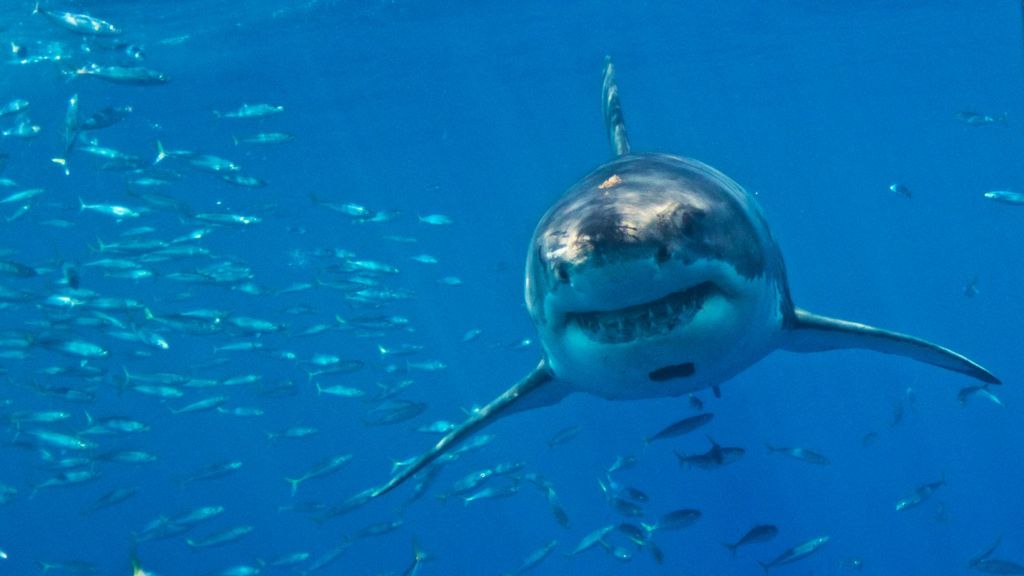
    The iconic great white shark population in the Mediterranean Sea is teetering on the brink of extinction, according to a groundbreaking joint investigation by Virginia Tech scientists and the UK-based Blue Marine Foundation. Their research reveals that rampant illegal fishing operations in North African coastal waters have decimated these protected predators, with at least 40 great whites killed in 2025 alone despite international protection laws.

    Through systematic monitoring of fishing ports and verification of social media evidence, researchers documented protected shark species being openly sold in fish markets across Tunisia and Algeria. Disturbing footage shows large great whites being hauled ashore in Algeria and the fins of critically endangered short-finned mako sharks prepared for sale in Tunisian markets.

    Dr. Francesco Ferretti, lead researcher from Virginia Tech, describes the Mediterranean as the world’s most intensely fished body of water, where industrial fishing pressure has pushed white sharks to critically endangered status. ‘The impact has been intensifying… it’s plausible they will go extinct in the near future,’ he warned during fieldwork off Sicily’s coast.

    In a desperate attempt to study remaining specimens, researchers deployed an unprecedented effort in the Strait of Sicily—identified as a potential last refuge for Mediterranean sharks. They utilized three tonnes of fish bait, 500 liters of tuna oil, and advanced DNA sampling techniques over two weeks, yet captured only a single brief glimpse of one blue shark on submarine cameras.

    The conservation crisis is compounded by complex enforcement challenges. While 24 shark species enjoy international protection under agreements signed by the EU and 23 Mediterranean nations, enforcement varies dramatically. The regulations prohibit retention, transshipment, or sale of protected species but fail to adequately address accidental bycatch.

    James Glancy of Blue Marine Foundation, who documented protected sharks in Tunisian markets, noted the paradoxical hope in finding sharks for sale: ‘It shows there is wildlife left. And if we can preserve this, there is chance of recovery.’

    Local experts highlight the socioeconomic dimensions of the crisis. Sara Almabruk of the Libyan Marine Biology Society explains that North African fishers often face impossible choices between conservation and feeding their families. ‘Why would they throw sharks back into the sea when they need food for their children?’ she asked, advocating for sustainable fishing training programs.

    Researchers conclude that only immediate, coordinated international action can prevent the permanent loss of these apex predators from Mediterranean ecosystems, emphasizing that preservation efforts must address both conservation needs and local economic realities.

  • UAE arrests Ecuador national Roberto Carlos after Interpol’s Red Notice

    UAE arrests Ecuador national Roberto Carlos after Interpol’s Red Notice

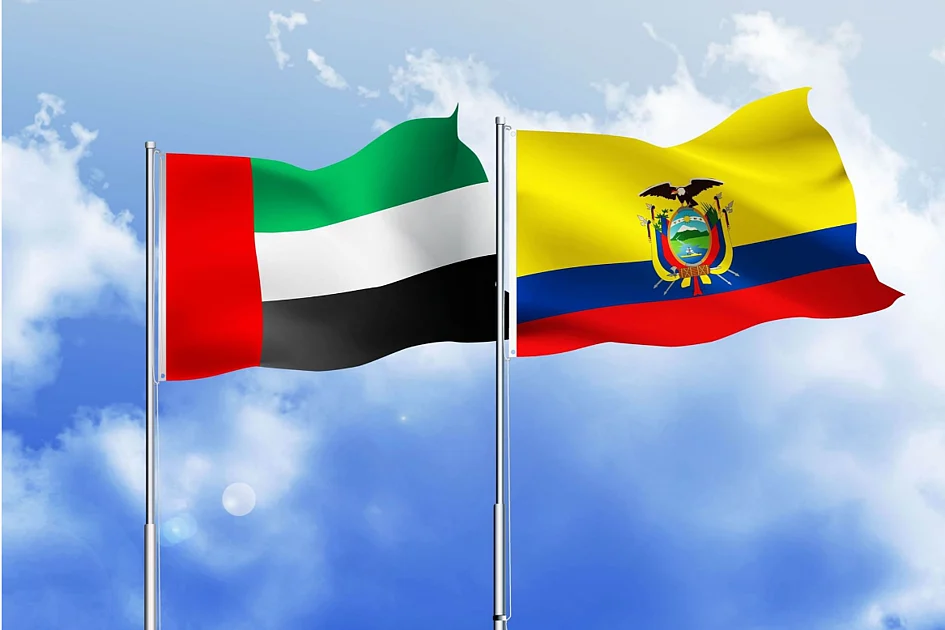
    In a significant international law enforcement operation, United Arab Emirates authorities have successfully detained Roberto Carlos Alvarez Vera, an Ecuadorian national sought through an Interpol Red Notice. The arrest, executed on December 29, 2025, came in direct response to a formal judicial request from Ecuadorian officials, marking a pivotal development in cross-border crime prevention.

    The governments of both nations have jointly characterized this operation as a testament to their strengthened commitment to judicial cooperation and the rule of law. This collaborative effort specifically targets transnational criminal networks, with particular emphasis on combating international narcotics trafficking operations that span multiple jurisdictions.

    Beyond the immediate apprehension, officials from both countries have reaffirmed their dedication to maintaining robust communication channels between their central judicial authorities. This framework of cooperation signals a mutual determination to enhance bilateral relations through structured legal collaboration, establishing a precedent for future joint operations against international criminal elements.

    The successful execution of this Red Notice underscores the evolving effectiveness of global policing networks when supported by strong diplomatic relationships between member states. This operation demonstrates how international legal mechanisms can function optimally when complemented by direct nation-to-nation judicial cooperation.

  • Beijing condemns the demolition of a monument honoring the Chinese community in Panama

    Beijing condemns the demolition of a monument honoring the Chinese community in Panama

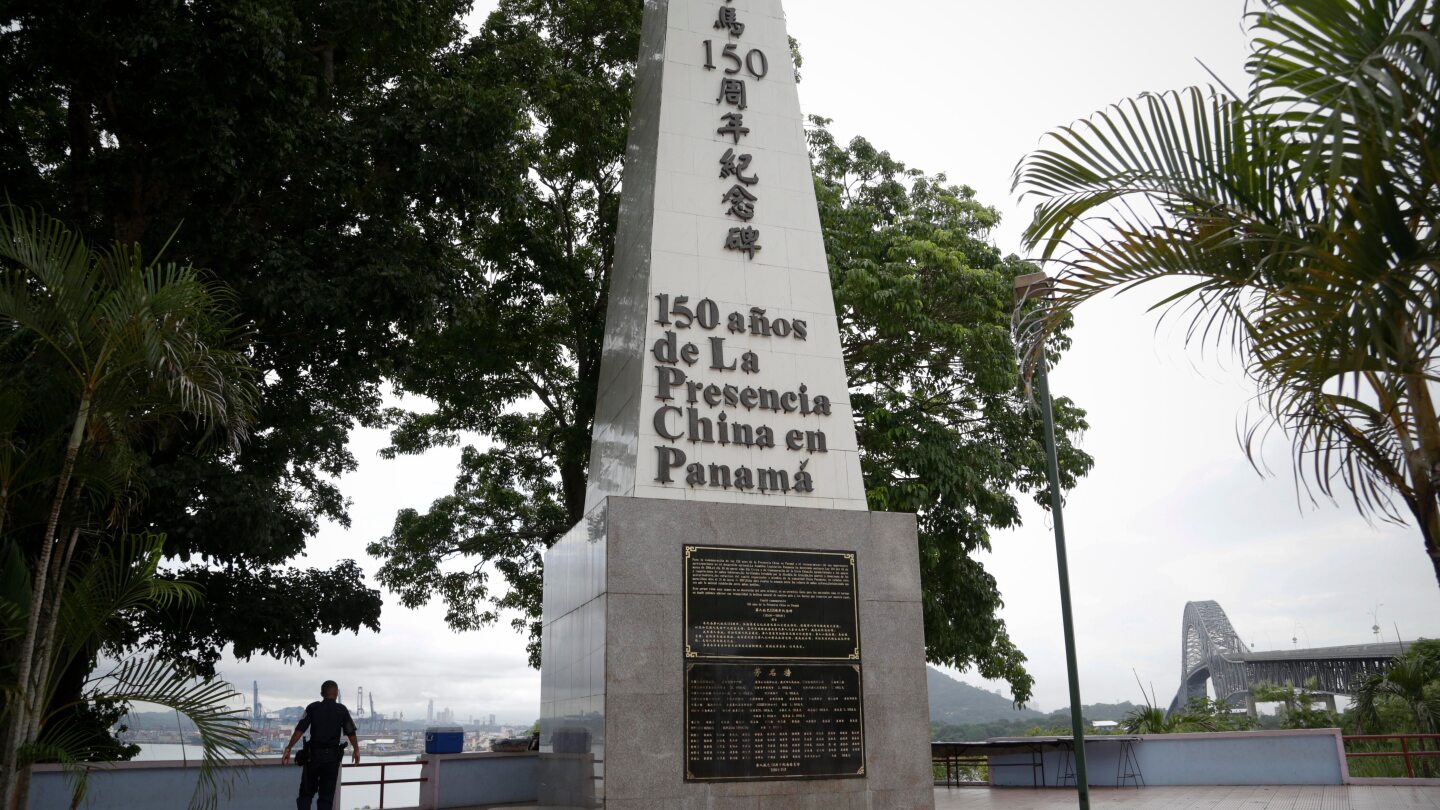
    A significant diplomatic incident has erupted between China and Panama following the overnight demolition of a historic monument honoring the Chinese community’s contributions to Panama. The structure, which commemorated 150 years of Chinese presence in Panama and celebrated migrants who helped construct the country’s railroads and the Panama Canal, was reduced to rubble by excavators in an operation that has drawn international attention.

    The Chinese Embassy in Panama issued a strong condemnation, characterizing the demolition as a ‘brazen and forcible’ act that has ‘seriously damaged the friendly sentiments of the Chinese people towards the Panamanian people.’ Chinese Ambassador Xu Xueyuan publicly demanded an explanation via social media platform X, lamenting that ‘a symbol of China-Panama friendship’ had been ‘reduced to nothing.’

    Panamanian President José Raúl Mulino joined in the condemnation, calling the demolition an ‘unforgivable act of irrationality’ with ‘no justification whatsoever for the barbarity.’ He pledged federal government support to rebuild the monument and announced an immediate investigation into the incident. The controversy occurs against a backdrop of increasing U.S. pressure on Central American nations to distance themselves from Beijing, though local Arraiján authorities claimed the demolition was motivated solely by structural safety concerns.

    The monument, erected in 2004 featuring traditional Chinese architectural elements including a ceremonial arch, curved roof tiles, and stone lions, stood at a scenic overlook near the Panama Canal. By morning, only two broken stone lions remained beside the curb as construction workers cleared the debris. The demolition has sparked outrage among both Panamanian and Chinese communities, with some Chinese businesses closing in protest and demonstrations occurring at the site.

    Panamanian tour guide Jaime Bustos, who arrived with Italian tourists to find the monument destroyed, expressed shock: ‘They helped build our interoceanic railway, they helped build the Panama Canal, and they’re helping our country’s economy. I believe this was a cruel act.’ The incident highlights the complex geopolitical tensions in the region as China’s economic influence in Latin America continues to grow, challenging traditional U.S. dominance in the hemisphere.

  • Russia’s losses in Ukraine rise faster than ever, as US pushes for peace deal

    Russia’s losses in Ukraine rise faster than ever, as US pushes for peace deal

    A comprehensive BBC analysis reveals that Russian military fatalities in Ukraine have accelerated at an unprecedented rate during the past ten months, marking the most severe period of losses since the full-scale invasion commenced in 2022. This surge occurred paradoxically alongside intensified peace negotiations pressured by the Trump administration throughout 2025.

    The BBC’s meticulous verification process, conducted in collaboration with Mediazona and volunteer networks, has documented approximately 160,000 confirmed Russian combatant deaths. Military experts estimate the actual death toll likely ranges between 243,000 and 352,000, suggesting current confirmed figures represent only 45-65% of total losses.

    Obituary publication patterns reveal critical insights into combat intensity fluctuations. January 2025 began with relatively low numbers, followed by a February spike coinciding with direct Trump-Putin negotiations. August witnessed another peak during the Alaska summit that ended Putin’s diplomatic isolation. The most dramatic surge occurred in October and November, with 322 daily obituaries—double 2024’s average—as diplomatic efforts stalled and the US presented a 28-point peace proposal.

    Kremlin strategy appears to link territorial gains to negotiation leverage, with Putin aide Yuri Ushakov emphasizing that “recent successes” positively influenced talks.

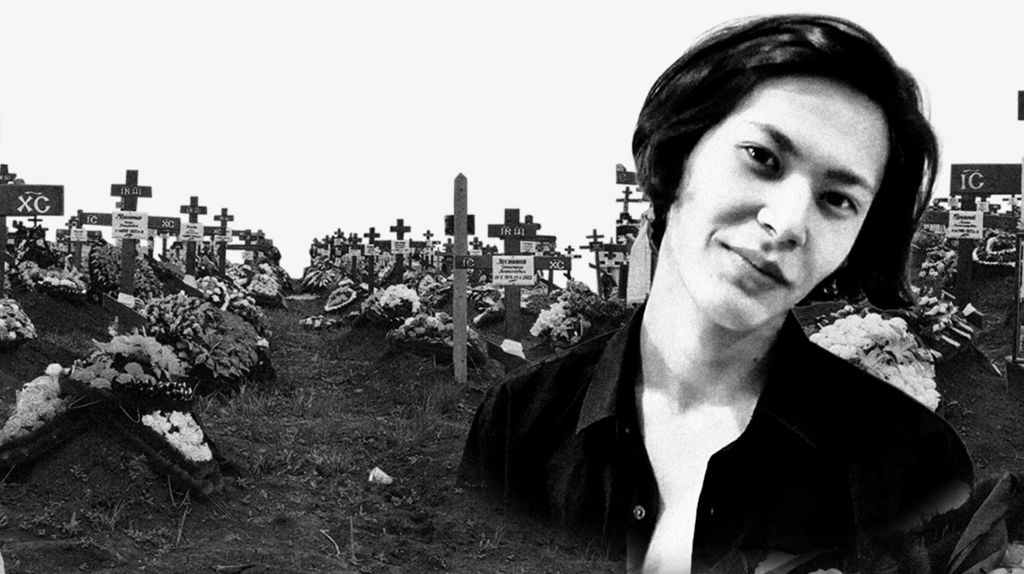
    The human dimension emerges through the tragedy of Murat Mukashev, an activist who consistently opposed Putin’s regime. Despite participating in anti-war protests, police violence demonstrations, and LGBT rights rallies, Mukashev faced drug trafficking charges in early 2024. Offered military service as an alternative to prosecution under a 2024 law that provides legal immunity for recruits, he initially refused and received a ten-year sentence.

    Imprisoned by November 2024, Mukashev reversed his decision based on Trump’s promises of rapid conflict resolution, hoping to secure freedom before peace materialized. His support group stated he viewed enlistment “as a chance to be released instead of being imprisoned for 10 years of strict regime.” He died on June 11, 2025, during combat in Kharkiv region.

    BBC data indicates most 2025 casualties had no military connection when the war began. Since the October 2023 Avdiivka battle, casualties among post-invasion “volunteers” have steadily increased. These contract soldiers now comprise one-third of Russian fatalities, compared to 15% a year earlier.

    Recruitment mechanisms involve substantial financial incentives—up to 10 million rubles annually—targeting debt-burdened individuals and university students. Deputy National Security Council head Dmitry Medvedev reported 336,000 enlistments by October 2025, exceeding 30,000 monthly. NATO estimates monthly Russian deaths at 25,000, indicating recruitment outpaces losses.

    Notably, all military contracts signed since September 2022 automatically renew until conflict termination, contrary to recruit expectations of one-year service.

    Total Russian casualties (killed and wounded) reportedly reach 1.1 million according to NATO, with approximately 250,000 fatalities. Ukrainian losses remain substantial, with President Zelensky acknowledging 46,000 battlefield deaths and 380,000 wounded in February 2025, though cross-referenced data suggests actual Ukrainian fatalities may approach 140,000.

  • Russia claims Ukraine fired drones at Putin residence; Zelensky denies accusations

    Russia claims Ukraine fired drones at Putin residence; Zelensky denies accusations

    Russia has leveled serious allegations against Ukraine, claiming Kyiv launched a drone assault targeting President Vladimir Putin’s official residence. According to Russian Foreign Minister Sergei Lavrov, Ukrainian forces fired 91 drones toward Putin’s Novgorod region compound between Sunday night and Monday morning, with all projectiles reportedly intercepted and destroyed by Russian air defense systems.

    The incident has prompted Moscow to declare a significant shift in its diplomatic approach to the ongoing conflict. Lavrov announced that Russia would ‘revise’ its negotiating position regarding peace talks and has already identified specific targets within Ukraine for what he termed ‘retaliation strikes.’ This development represents a substantial escalation in rhetoric from the Russian government, which characterized the alleged attack as an act of terrorism.

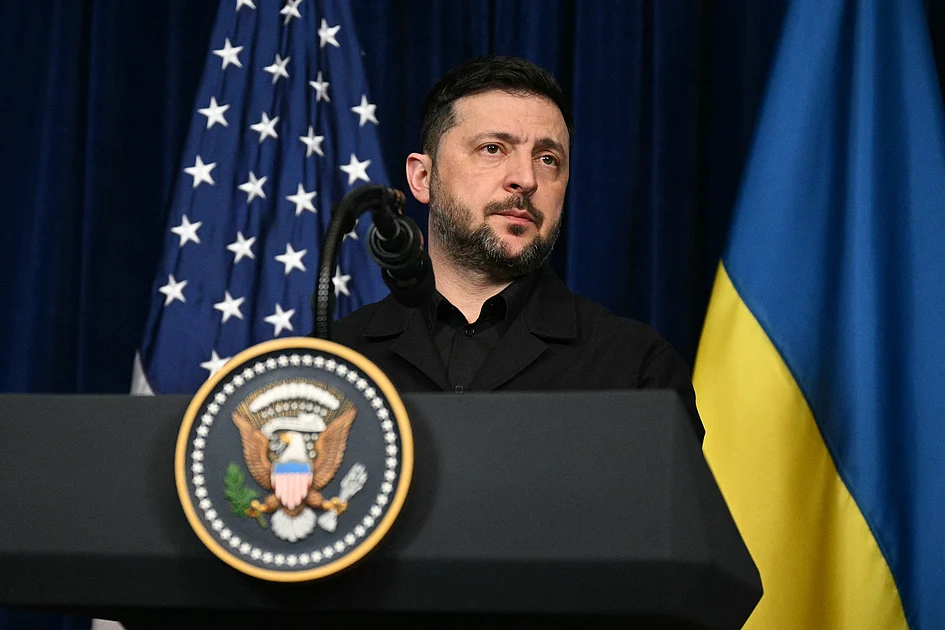
    Ukrainian President Volodymyr Zelensky swiftly dismissed the accusations, labeling them as ‘another round of lies’ from Moscow. In statements delivered via WhatsApp to reporters, Zelensky suggested that Russia’s claims were strategically designed to undermine recent progress achieved in Ukraine-US peace negotiations. The Ukrainian leader further asserted that Moscow was fabricating pretexts to justify planned strikes against government buildings in Kyiv.

    Zelensky directly appealed to US President Donald Trump to respond appropriately to what he characterized as Russian threats, highlighting the international dimensions of the escalating situation. The exchange occurs amid ongoing diplomatic efforts to resolve the conflict, with these latest allegations threatening to further complicate peace discussions between the involved parties.