分类: world

  • Explosion reported at building in Iran Gulf city, cause unknown: state media

    Explosion reported at building in Iran Gulf city, cause unknown: state media

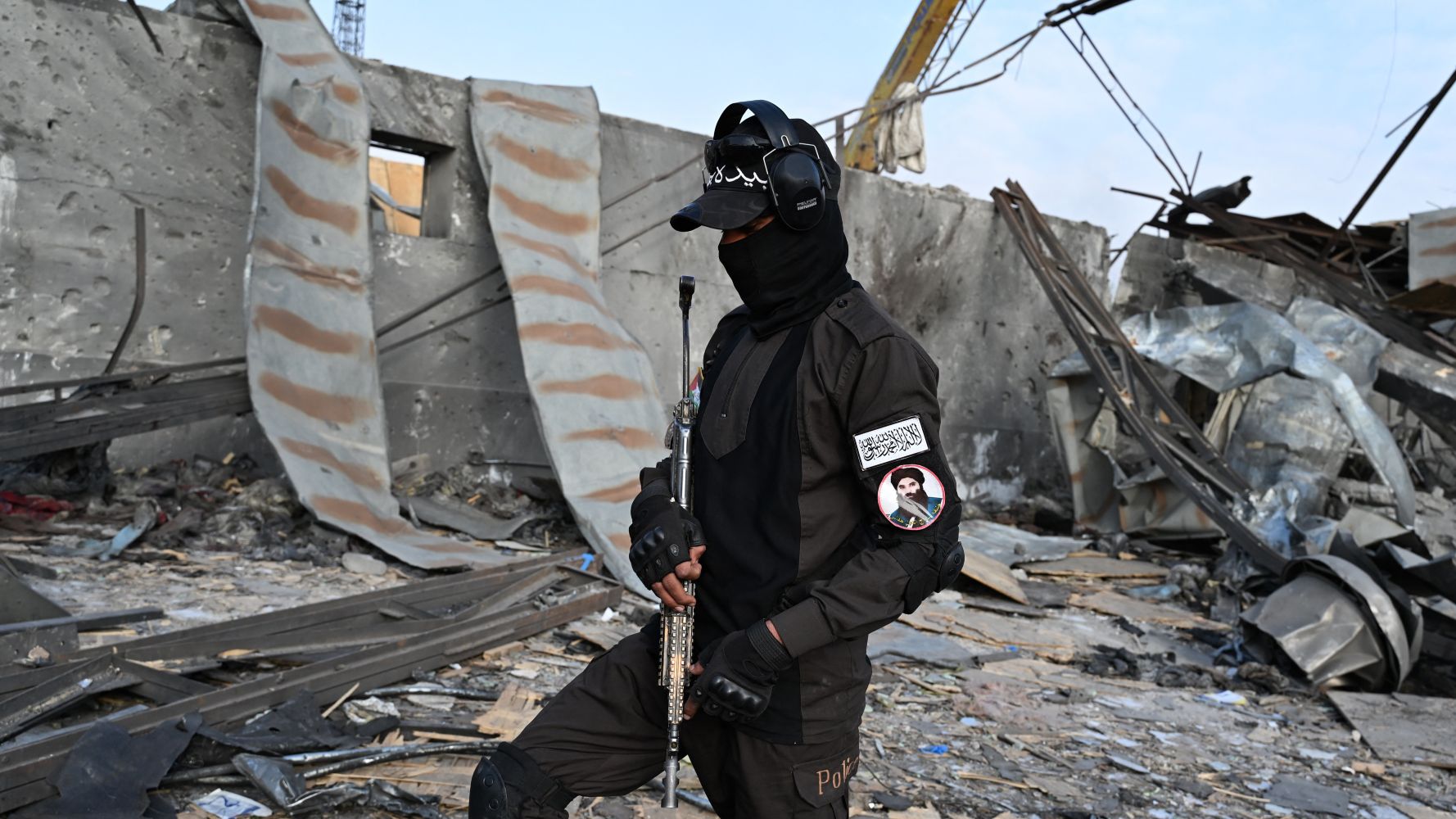
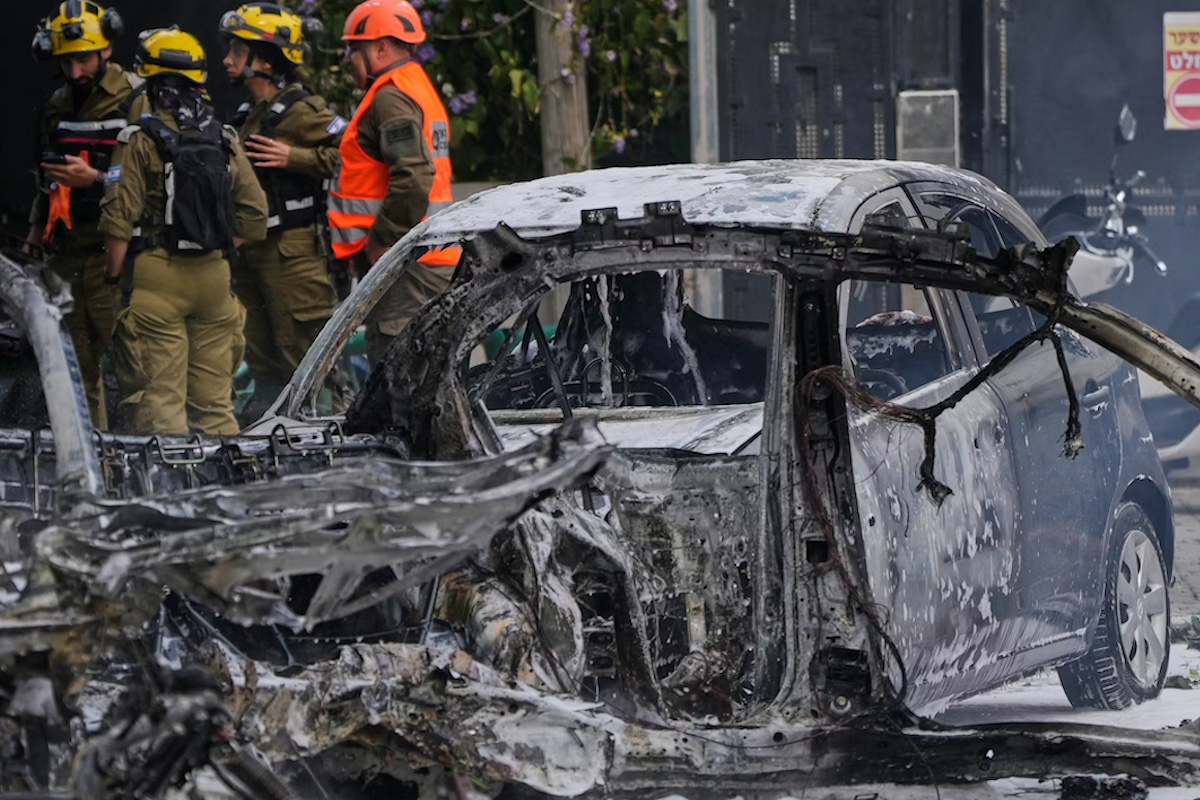
    A significant explosion erupted at a multi-story commercial building in the Iranian port city of Bandar Abbas on Saturday, causing substantial structural damage and raising concerns amid heightened regional tensions. Iranian state media confirmed the incident occurred along Moallem Boulevard, though the precise cause remains undetermined.

    Official reports from state television detailed that the blast severely impacted an eight-storey structure, resulting in the destruction of two entire floors. The explosion also damaged several vehicles and nearby commercial establishments. Emergency response units, including specialized rescue teams and firefighters, were promptly deployed to the site to manage the situation and provide necessary assistance.

    Televised images revealed the extensive nature of the damage, showing the building’s facade completely blown out, exposing internal structures and scattering debris across the surrounding area. The location of the incident carries significant strategic importance, as Bandar Abbas serves as a major port on the Strait of Hormuz—a critical maritime chokepoint between Iran and Oman through which approximately 20% of the world’s seaborne oil shipments pass.

    The semi-official Tasnim news agency moved quickly to dispel emerging speculation on social media platforms, explicitly denying reports that suggested a Revolutionary Guard navy commander had been targeted in the explosion, labeling such claims as “completely false.”

    This incident occurs against a backdrop of escalated regional tensions, following the United States’ deployment of an aircraft carrier group to the area after threats were issued by then-President Donald Trump. The timing of the explosion inevitably raises questions about potential connections to the broader geopolitical context, though authorities have not indicated any evidence supporting such links at this preliminary stage.

  • Iran army chief warns US, Israel against attack, says forces on high alert

    Iran army chief warns US, Israel against attack, says forces on high alert

    Iran’s top military commander, Army Chief Amir Hatami, issued a grave warning to the United States and Israel on Saturday, declaring the nation’s armed forces at maximum readiness following significant US naval deployments to the Persian Gulf. The heightened alert comes as Washington dispatched the USS Abraham Lincoln aircraft carrier strike group to the region, escalating already volatile tensions.

    Hatami delivered his stark message through Iran’s official IRNA news agency, stating unequivocally that any hostile action by ‘the enemy’ would jeopardize regional security and specifically endanger Israel. The military leader simultaneously asserted the irreversible nature of Iran’s nuclear capabilities, declaring that the country’s nuclear expertise ‘cannot be eliminated, even if scientists and sons of this nation are martyred’—a reference to previous attacks on nuclear facilities and personnel.

    The current military buildup follows weeks of civil unrest within Iran that began in late December as economic protests before transforming into broader anti-government demonstrations. Iranian authorities reported 3,117 fatalities from the disturbances, though independent watchdog HRANA documented over 6,500 deaths. The Iranian government has consistently blamed the United States and Israel for instigating what it terms ‘terrorist operations’ behind the unrest.

    Meanwhile, the Islamic Revolutionary Guard Corps (IRGC) prepared for live-fire naval exercises in the strategically critical Strait of Hormuz—a vital global energy transit corridor. US Central Command issued warnings against any ‘unsafe and unprofessional behavior’ during these drills. The IRGC’s designation as a terrorist organization by both the United States (2019) and recently by the European Union has further strained international relations, prompting vows of reciprocal action from Tehran.

    Amid these developments, Iranian President Masoud Pezeshkian called for governmental attention to public grievances while Supreme Leader Ayatollah Ali Khamenei participated in ceremonies marking the 47th anniversary of the Islamic Revolution, underscoring the regime’s determination to maintain national unity during this period of heightened external pressure.

  • Moldova hit by widespread power cuts amid Ukraine grid problems

    Moldova hit by widespread power cuts amid Ukraine grid problems

    A severe energy emergency struck Moldova on Saturday, January 31st, 2026, triggering widespread blackouts that paralyzed the capital city of Chisinau and multiple regions. The crisis originated from a catastrophic failure within Ukraine’s electricity infrastructure, which has been systematically degraded by months of relentless Russian military strikes.

    According to an official statement from Moldova’s Energy Ministry disseminated via Telegram, a massive voltage drop occurred on a critical power transmission line connecting the two nations. This disruption, stemming from Ukraine’s destabilized grid, forced an emergency shutdown of Moldova’s energy system. Chisinau’s Mayor, Ion Ceban, confirmed that the majority of the capital’s districts were plunged into darkness, reporting that even traffic lights ceased functioning, bringing urban transit to a standstill.

    The repercussions of the grid collapse extended beyond Moldova’s borders, severely compounding the existing energy catastrophe in Ukraine. The private energy firm DTEK announced the implementation of emergency power cuts across several Ukrainian regions. In the capital Kyiv, the metro system suspended all operations, and city officials reported a temporary halt to the public water supply, creating a multifaceted humanitarian and urban crisis.

    This incident underscores the severe vulnerability of interconnected energy networks in Eastern Europe and represents a significant escalation in the regional impact of the ongoing conflict. Ukrainian energy authorities had not issued an immediate commentary on the specific technical failure that triggered the cross-border outage. The event highlights how military actions targeting critical infrastructure in one nation can create devastating ripple effects, destabilizing essential services in neighboring countries and affecting millions of civilians.

  • Israeli strikes kill scores of Palestinians in Gaza

    Israeli strikes kill scores of Palestinians in Gaza

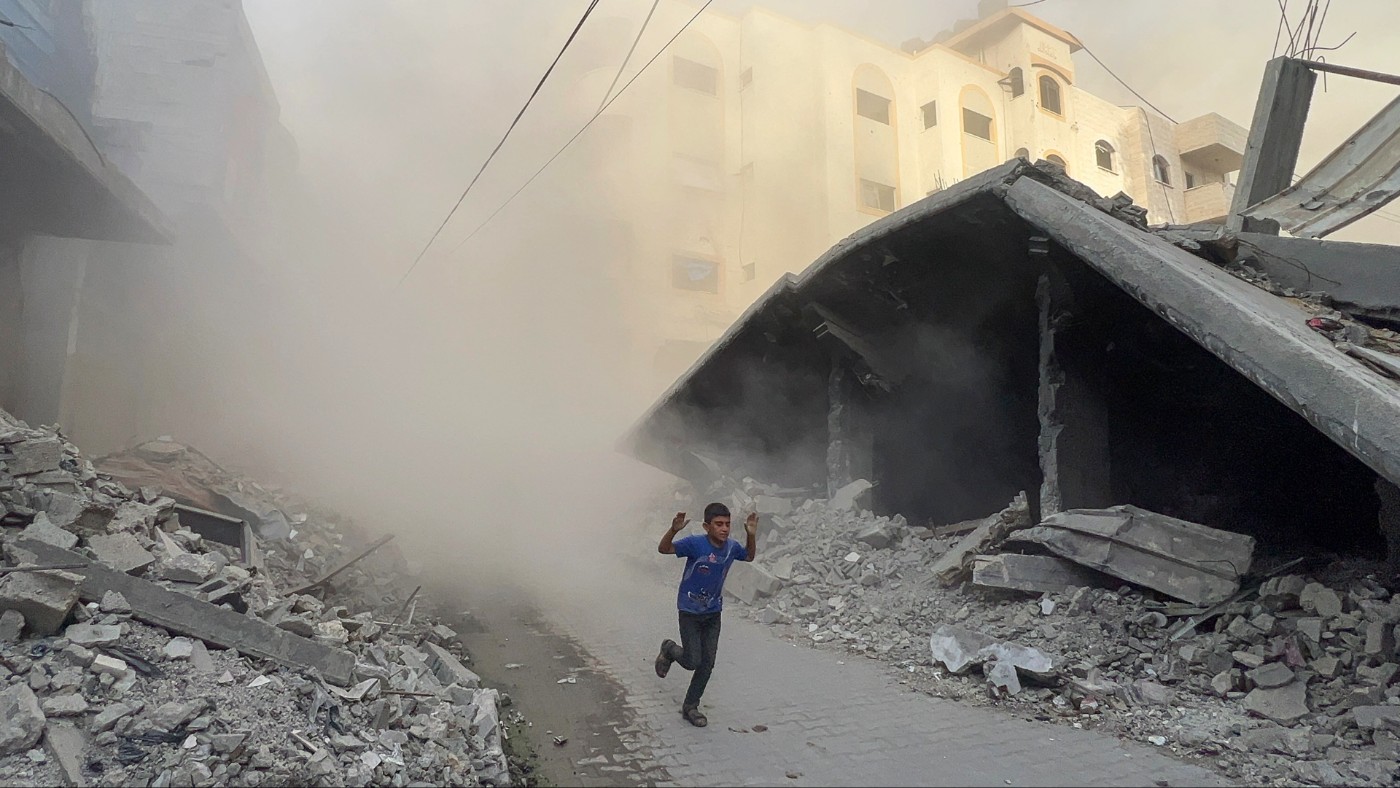
    A series of Israeli airstrikes across the Gaza Strip on Saturday resulted in one of the single deadliest days of violence since the implementation of a U.S.-brokered ceasefire, with hospital officials reporting at least 26 Palestinian fatalities. The casualties included six children, underscoring the severe human cost of the renewed hostilities.

    The offensive targeted multiple locations spanning from the north to the south of the besieged territory. Strikes hit a residential apartment building in Gaza City and a tent encampment in the city of Khan Younis, with additional bombardments reported in the eastern sector of the Bureij refugee camp in central Gaza. Concurrently, the Israeli military issued new expulsion orders for a building in Khan Younis, forcing further civilian displacements.

    According to medical authorities at Al-Shifa Hospital, an early morning strike on a family home in Gaza City killed three children, their aunt, and their grandmother. The children’s mother was reported to have survived the attack. In a separate incident, a strike on a tent camp ignited a fierce fire, with Nasser Hospital confirming the deaths of seven individuals from a single family, including a father, his three children, and three grandchildren.

    In one of the deadliest single events, an attack on a local police station resulted in the deaths of at least 11 officers, among them four policewomen, and several inmates who were being held at the facility.

    This escalation occurred on the eve of the scheduled reopening of the Rafah border crossing with Egypt, a critical conduit for humanitarian aid and movement. Since the tentative truce between Israel and Hamas took effect in October, the Palestinian Health Ministry in Gaza has documented over 500 Palestinian deaths and at least 1,412 injuries, with the majority of victims being civilians.

  • Pope gets invitation to visit Peru during a Vatican garden party, then stays for lunch

    Pope gets invitation to visit Peru during a Vatican garden party, then stays for lunch

    VATICAN CITY — The diplomatic landscape at the Holy See witnessed a significant development as Peru’s ambassador to the Vatican extended an official invitation to Pope Leo XIV for a pastoral visit to his second homeland. The invitation came during a ceremonial event in the Vatican gardens on Saturday, where a new mosaic and statue dedicated to the Virgin Mary, sponsored by Peru, was inaugurated.

    Ambassador Jorge Ponce San Roman, addressing the pontiff before Peru’s entire episcopal conference, expressed the fervent hope of the Peruvian people to welcome His Holiness in the near future. While Pope Leo did not provide a direct response to the invitation, he emotionally characterized Peru as “such a beloved country to me,” acknowledging his two-decade missionary service there and his Peruvian citizenship.

    This development occurs against the backdrop of an increasingly busy 2026 travel schedule for the pontiff. Multiple sources have confirmed that Vatican officials are coordinating a substantial four-nation African journey, with planned stops in Equatorial Guinea, Angola, Cameroon, and Algeria. Although specific dates remain unannounced, diplomatic channels indicate the expedition will likely commence after Easter celebrations.

    The African itinerary carries particular theological significance, especially the potential visit to Algeria, which holds profound importance for Pope Leo’s Augustinian religious order and represents a crucial nexus in Christian-Muslim dialogue that the Vatican seeks to emphasize.

    Concurrently, South American nations are anticipating papal visits, with Argentina, Uruguay, and Peru under consideration for either 2026 or 2027. Argentina has been particularly awaiting a papal visit since Pope Francis, Leo’s predecessor, did not return to his native country following his 2013 election.

    The Saturday ceremony concluded with an unusual breach of diplomatic protocol as Pope Leo remained for an extended buffet lunch hosted by the Peruvian Embassy. For approximately an hour, the pontiff engaged in cordial discussions with Ambassador Ponce and Peruvian bishops in a shaded area of the gardens, while caterers prepared traditional Peruvian delicacies including pisco sour cocktails and ravioli with huancaina sauce. Despite intermittent rainfall, the gathering maintained a joyful and relaxed atmosphere, underscoring the pontiff’s evident comfort among his Peruvian compatriots.

  • The currency crisis behind Iran’s protest explosion

    The currency crisis behind Iran’s protest explosion

    A catastrophic currency collapse has plunged Iran into its most severe domestic crisis since the 1979 revolution, triggering nationwide protests and drawing international condemnation. In early January 2026, the Iranian rial’s value plummeted so dramatically that major currency tracking systems briefly displayed it as worthless ($0.00), rendering it untradeable on global platforms. This economic freefall sparked initial demonstrations in Tehran’s historic bazaar district that rapidly escalated into countrywide unrest.

    Unlike previous protest movements, this uprising originated within Iran’s merchant class—traditionally government supporters—who framed their rebellion as a “battle for survival” against deteriorating economic conditions. The decentralized protests drew participation from students, labor groups, and minority communities without centralized leadership, making them both pervasive and difficult to suppress.

    Official government estimates acknowledge over 3,000 fatalities, though independent sources suggest the death toll may reach 30,000. On January 23, 2026, the UN Human Rights Council launched an urgent investigation into what it termed a “brutal crackdown” on demonstrators.

    The crisis stems from decades of economic mismanagement exacerbated by comprehensive international sanctions. In 2025, Iran faced perfect storm conditions: energy shortages, Israeli attacks on infrastructure, extreme drought creating “water bankruptcy,” and the restoration of UN sanctions after European powers activated the JCPOA’s trigger mechanism. Executive Order 13902, expanded throughout 2025, systematically targeted Iran’s oil, shipping, and financial networks, while American authorities disrupted billions in “shadow banking” operations across China, Hong Kong, and UAE.

    Despite exporting more oil, Iran’s reliance on intermediaries and steep discounts minimized profits. As hard currency access diminished, the rial lost approximately 50% of its value in eleven months. The government’s attempts to stabilize through money printing created hyperinflation, with food prices soaring past 70% after implementing a three-tier gasoline pricing system.

    The currency collapse mirrors Venezuela’s economic trajectory, where years of sanctions and poor policies led to hyperinflation and eventual dollarization. Similarly, Iran’s managed exchange rate system became largely symbolic as black market rates became the actual benchmark.

    International responses have intensified the crisis. The US announced new sanctions and threatened military action, with President Trump warning on Truth Social: “Time is running out, it is truly of the essence!” Western nations and regional adversaries have allegedly exploited the unrest, with Israel’s Mossad claiming operational presence and reportedly smuggling Starlink terminals to bypass government censorship.

    Iranian authorities accuse external forces—particularly the US, Israel, and exiled opposition group MEK—of orchestrating the unrest. The MEK, removed from the US terrorism list in 2012, has gained renewed Western support with thousands of European lawmakers and US Congress members endorsing its political umbrella organization as a government alternative.

    Despite the scale of protests, Iran’s security apparatus remains entrenched, though the economic costs of suppression are unsustainable long-term. The crisis has forced Tehran to focus inward, potentially limiting its regional proxy activities and nuclear ambitions temporarily. However, the situation remains volatile with potential for further escalation as economic pressures continue to mount.

  • Power outages hit Ukraine and Moldova as Kyiv struggles against the winter cold

    Power outages hit Ukraine and Moldova as Kyiv struggles against the winter cold

    A significant technical malfunction within interconnected power infrastructure precipitated extensive emergency blackouts across multiple Ukrainian regions and neighboring Moldova on Saturday. Ukraine’s Energy Minister Denys Shmyhal confirmed the cascading grid failure originated from technical issues affecting transnational power lines, which activated automatic protection systems and plunged areas into darkness.

    The outages severely impacted Ukraine’s capital Kyiv, alongside the Zhytomyr and Kharkiv regions, resulting in suspended water supplies and temporary halts to the city’s subway network due to critically low voltage levels. Simultaneously, Moldova experienced parallel blackouts, including in its capital Chisinau, with Energy Minister Dorin Junghietu urging public calm while restoration efforts commenced.

    This incident compounds an already dire energy situation following weeks of systematic Russian strikes targeting Ukraine’s energy infrastructure—a strategy Ukrainian officials condemn as the ‘weaponization of winter.’ The timing proves particularly severe as forecasters predict temperatures plummeting to -30°C (-22°F), creating potentially life-threatening conditions for civilians.

    Diplomatic developments shadow the energy crisis, with the Kremlin acknowledging a personal request from U.S. President Donald Trump to Russian President Vladimir Putin for a temporary pause in targeting Kyiv and other urban centers during extreme cold. Kremlin spokesperson Dmitry Peskov confirmed this limited cessation until Sunday to ‘create favorable conditions for negotiations,’ though Ukrainian President Volodymyr Zelenskyy remains skeptical of Moscow’s intentions.

    The pause precedes anticipated trilateral talks involving U.S., Russian, and Ukrainian officials in Abu Dhabi on February 1st, following earlier meetings that marked the first simultaneous engagement between Trump administration officials and both warring parties. Fundamental disagreements regarding occupied territories continue to present significant obstacles to any potential peace settlement, as the conflict approaches its fourth anniversary with no resolution in sight.

  • More than 200 killed in mine collapse in DR Congo

    More than 200 killed in mine collapse in DR Congo

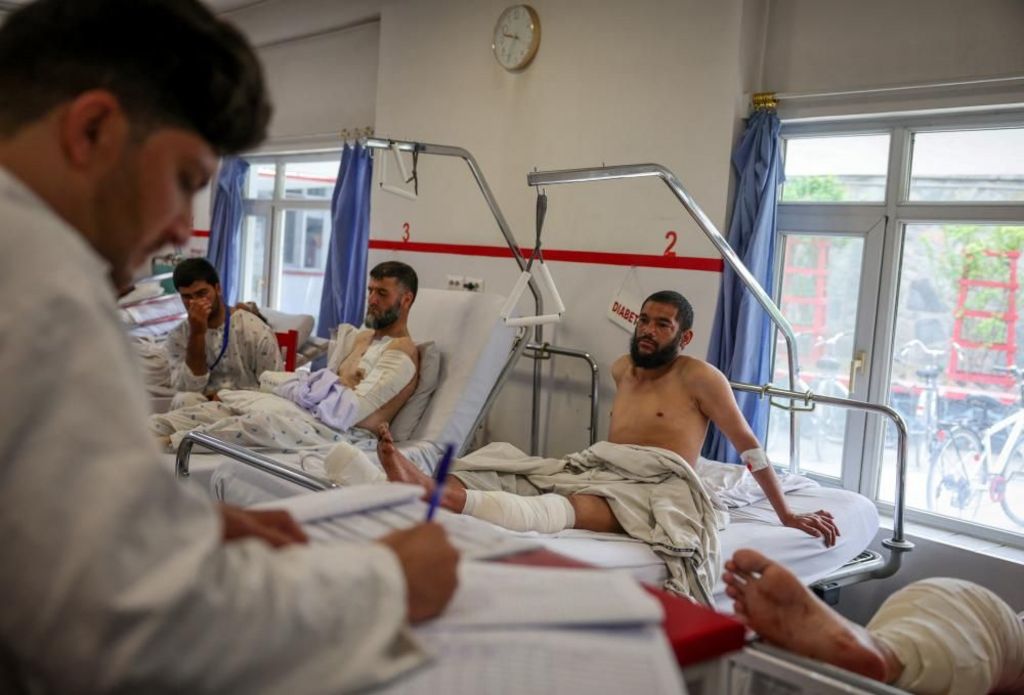
    A devastating mining catastrophe has struck the rebel-controlled town of Rubaya in eastern Democratic Republic of Congo, resulting in the deaths of more than 200 individuals, according to statements from M23 rebel authorities. The tragic incident occurred on Wednesday when substantial rainfall triggered the structural failure of a coltan mining operation.

    Lumumba Kambere Muyisa, spokesperson for the North Kivu region’s rebel-appointed governor, confirmed the collapse but noted that initial death toll assessments remained uncertain. Among the victims were numerous women and children who were engaged in artisanal mining activities at the time of the disaster.

    Coltan, the mineral being extracted, represents a critical component in global electronics manufacturing, utilized extensively in smartphones, computers, and other devices. The metallic ore contains tantalum, essential for producing high-performance capacitors in electronic equipment.

    According to a former mine supervisor who spoke with BBC, the site had suffered from significant maintenance neglect under rebel management, substantially increasing accident risks and complicating rescue operations. The geological instability of the local soil further exacerbated the situation.

    Approximately 20 survivors are currently receiving medical treatment at nearby hospitals. One anonymous source, whose cousin perished in the collapse, described the personal tragedy: ‘I didn’t believe he could pass away in such circumstances. His body wasn’t found immediately after the accident, so I maintained hope he might be found alive. Unfortunately, his body was discovered hours later.’ The victim was remembered as a courageous and ambitious family man dedicated to supporting his wife and two children.

    Erasto Bahati Musanga, the M23-appointed governor, visited injured survivors on Friday. The M23 rebel group, which international observers assert receives backing from neighboring Rwanda, seized control of extensive territories in North Kivu including Rubaya in 2024. The United Nations has accused the rebels of imposing illicit taxes on the mining sector for their benefit.

    Rubaya’s mines represent approximately 15% of global coltan reserves and half of DR Congo’s total deposits. A BBC visit to the site in July 2025 revealed perilous working conditions with miners extracting the valuable mineral manually through dangerous, primitive methods amidst numerous hazardous pits.

    The BBC has reached out to the Congolese government in Kinshasa for official commentary regarding the disaster.

  • Pokémon cancels event at controversial Japan shrine following backlash

    Pokémon cancels event at controversial Japan shrine following backlash

    A planned Pokémon trading card tournament at Tokyo’s Yasukuni Shrine has been abruptly canceled following significant backlash from China and subsequent apologies from The Pokémon Company. The event, organized by a third-party vendor but promoted on the official Pokémon website, was scheduled to take place at the controversial shrine that honors Japan’s war dead—including convicted war criminals from World War II.

    The Pokémon Company issued a formal statement on Friday acknowledging the incident as a serious oversight. ‘The event should not have been held in the first place,’ the company declared, attributing the promotional error to ‘a lack of due diligence.’ The statement continued: ‘After the incident was discovered, the event was promptly cancelled. We sincerely apologise for the various reactions and opinions that have been generated.’

    Yasukuni Shrine remains a deeply contentious symbol in East Asia. While it memorializes approximately 2.5 million Japanese war casualties, its inclusion of over 1,000 individuals convicted of war crimes by Allied tribunals has made it a recurring flashpoint in international relations, particularly with China and South Korea.

    The cancellation occurs against a backdrop of deteriorating Sino-Japanese relations. Recent tensions escalated following comments by Japanese Prime Minister Sanae Takaichi in November suggesting Tokyo could deploy its Self-Defense Forces should China attack Taiwan. Beijing, which claims Taiwan as part of its territory, has not ruled out using force to achieve unification.

    Chinese state media responded vehemently to the planned Pokémon event. The People’s Daily, official newspaper of the Chinese Communist Party, warned that ‘brands that disregard history and hurt the feelings of the Chinese people will ultimately be abandoned.’ The Global Times, another state-run publication, praised Chinese netizens for their criticism, calling events at the shrine ‘an open affront to historical truth.’

    The diplomatic strain has already impacted cultural exchanges, with two Japanese film releases postponed in China and both governments issuing travel advisories. The Pokémon Company has committed to strengthening its approval processes to prevent similar incidents, highlighting how entertainment brands navigate complex historical and political landscapes in global markets.

  • US approves more than $6.5 billion in potential military sales to Israel, Pentagon says

    US approves more than $6.5 billion in potential military sales to Israel, Pentagon says

    The United States has authorized a significant military procurement package for Israel totaling over $6.5 billion, according to an official announcement from the Pentagon on Friday. The Defense Department confirmed the State Department’s approval of three distinct arms transactions that collectively represent one of the substantial defense agreements between the allied nations this year.

    The comprehensive arms package includes a $1.98 billion transaction for Joint Light Tactical Vehicles and associated equipment, with AM General LLC serving as the primary contractor. Additionally, the arrangement features a substantial $3.8 billion allocation for AH-64E Apache Helicopters, manufactured through a collaborative effort between aerospace giants Boeing and Lockheed Martin. A third contractual agreement, valued at $740 million, completes the military procurement package.

    This strategic defense arrangement occurs amidst ongoing regional tensions and demonstrates the continued strengthening of military cooperation between Washington and Tel Aviv. The advanced Apache helicopters represent some of the most sophisticated attack aircraft in the U.S. arsenal, while the Joint Light Tactical Vehicles are designed to provide enhanced protection and mobility for ground forces operating in diverse combat environments.

    The approval process for such significant arms transfers typically involves rigorous congressional review, though specific legislative details regarding this particular authorization were not immediately disclosed in the initial Pentagon statements. The transactions underscore the depth of the U.S.-Israel defense partnership and the continued flow of military technology between the two nations.