分类: technology

  • Ankabut and WeVideo partner to advance video-based learning and digital creativity across the GCC

    Ankabut and WeVideo partner to advance video-based learning and digital creativity across the GCC

    In a significant move to transform educational technology across the Gulf Cooperation Council, Ankabut, the UAE’s premier provider of advanced technological solutions for education and research, has forged a strategic alliance with WeVideo, a globally recognized cloud-based video learning platform. This partnership marks a pivotal advancement in digital pedagogy, aligning with the UAE’s comprehensive national strategy to embed innovation and digital excellence at the heart of its education system.

    The collaboration will integrate WeVideo’s sophisticated video creation and editing tools into Ankabut’s existing portfolio of educational technologies. This integration is designed to vastly expand accessibility to creative digital resources, supporting the UAE’s broader agenda to cultivate a knowledge-based economy. National initiatives such as the National Strategy for Higher Education 2030 and various digital transformation policies provide the foundational framework for this endeavor.

    Through this enhanced technological capability, the partnership aims to equip universities, K-12 institutions, and professional training organizations with intuitive and powerful tools for creating interactive content, facilitating video-based learning, and enabling seamless digital collaboration. The objective is to empower educators to foster greater student engagement, creativity, and critical 21st-century skills, thereby accelerating the development of a more connected and intelligent educational ecosystem throughout the GCC.

    Tarek Jundi, CEO of Ankabut, emphasized the strategic nature of the initiative, stating, ‘Our dedication lies in delivering cutting-edge solutions that directly support the UAE’s vision for a knowledge-driven economy. The incorporation of WeVideo addresses the escalating demand for dynamic, active learning tools and guarantees that our member institutions maintain a leadership position in global educational innovation.’

    Echoing this sentiment, Kevin Knight, CEO of WeVideo, highlighted the importance of the regional expansion, noting, ‘This partnership with Ankabut is a cornerstone of our global education strategy and our entry into the GCC market. Their unparalleled regional expertise and established relationships are ideal for ensuring the platform’s seamless integration. Together, we will enable countless educators and students to narrate their stories, showcase their learning, and propel the region’s shift toward a more creative and collaborative digital pedagogy.’

    The formal Framework Agreement establishes Ankabut as WeVideo’s primary go-to-market partner across the GCC, tasked with ensuring the smooth implementation of the platform within educational institutions and national digital learning projects. By merging Ankabut’s regional infrastructure and networking prowess with WeVideo’s acclaimed platform, the collaboration is set to deliver more dynamic, engaging, and personalized learning experiences, thereby reinforcing the GCC’s status as a frontrunner in technology-enabled education.

  • China launches long march 12 rocket, deploys satellites for expanding space network

    China launches long march 12 rocket, deploys satellites for expanding space network

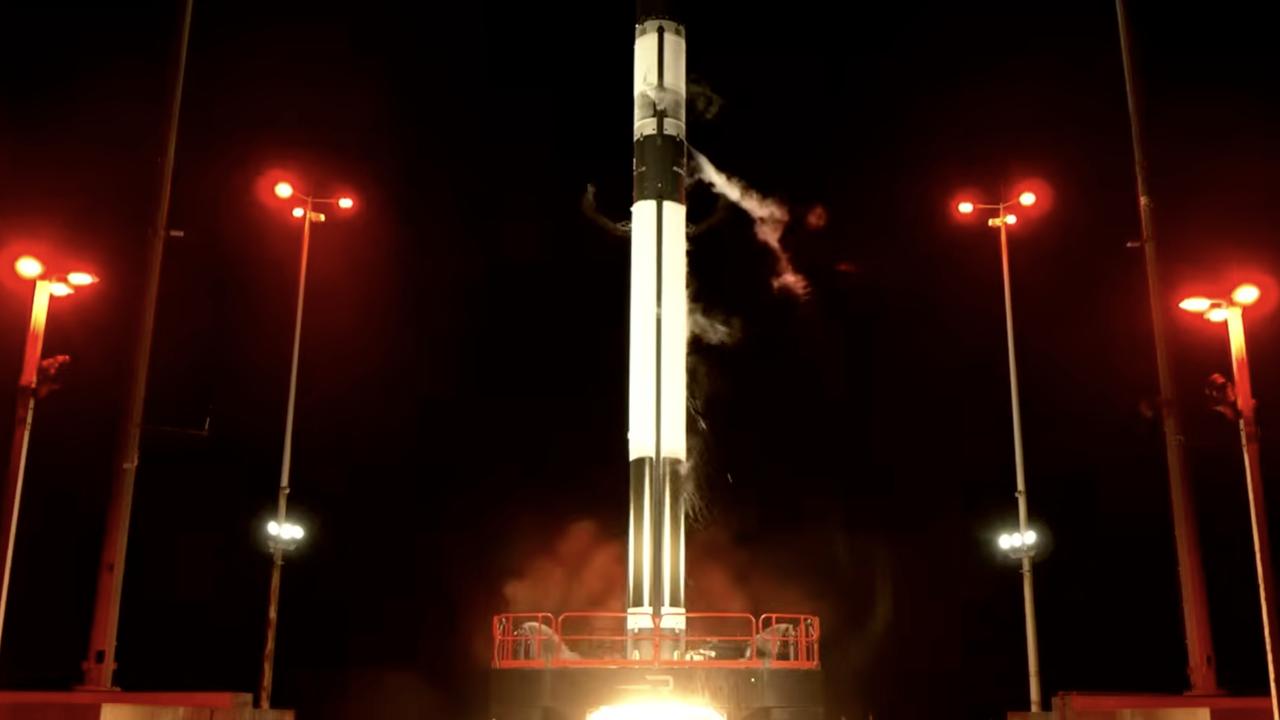
    China has advanced its ambitious space-based internet network with the successful deployment of a new satellite cluster via the Long March 12 carrier rocket. The launch occurred at 3:48 PM local time on Monday from the Hainan International Commercial Aerospace Launch Center in Wenchang, marking a significant milestone in China’s commercial space capabilities.

    Beijing-based GalaxySpace, the satellite manufacturer, confirmed the successful orbital insertion of what constitutes the 19th batch of low-orbit hardware for China’s national space internet initiative. The newly deployed satellites feature sophisticated technology including advanced phased array systems, millimeter-wave antennas, and integrated electronics, enhancing the network’s communication capabilities.

    This launch expands China’s operational satellite constellation to over 150 units in low Earth orbit. The complete system, designed to provide global internet coverage, is projected to eventually comprise approximately 13,000 satellites, positioning it as a direct competitor to SpaceX’s Starlink network.

    The mission also showcased the technical prowess of the Long March 12, developed by the Shanghai Academy of Spaceflight Technology. Notably, the rocket features a 3.8-meter diameter—breaking from China’s standard 3.35-meter rocket design established in the 1960s. Standing at 62.6 meters, it ranks as the second tallest rocket in China’s fleet, surpassed only by the Long March 5 at 62.8 meters.

    This achievement represents China’s seventh space mission of 2026 and the 628th overall flight of the Long March rocket series, demonstrating the country’s accelerating pace in space infrastructure development.

  • Ghana arrests Nigerians accused of running cyber-crime networks

    Ghana arrests Nigerians accused of running cyber-crime networks

    Ghanaian security forces have conducted a major intelligence-led operation resulting in the arrest of nine Nigerian nationals accused of orchestrating sophisticated cybercrime networks from improvised facilities in Accra. The two-day raid, a collaborative effort between multiple agencies including Ghana’s Cyber Security Authority, also detained 44 additional individuals believed to be victims trafficked from Nigeria under false employment promises.

    Authorities confiscated substantial evidence including 62 laptops, 52 mobile phones, and two pump-action guns during the targeted operations. The suspects are alleged to have operated elaborate scams targeting vulnerable populations, particularly through romance fraud schemes and business email compromises that extracted millions from victims.

    Communications Minister Sam George confirmed via social media that all apprehended individuals have been profiled and transferred to the Ghana Immigration Service for custody and further investigation. The minister issued a stern warning to foreign nationals to thoroughly verify employment offers from compatriots before traveling to Ghana.

    This operation represents the latest success in Ghana’s intensified campaign against cybercriminal networks. Recent accomplishments include the arrest of prominent social media influencer Frederick Kumi (known online as Abu Trica), who allegedly defrauded Americans of $8 million through romance scams, and the dismantling of a syndicate that stole $400,000 from over 200 victims.

    The Ghanaian authorities have been strengthening international cooperation in their anti-cybercrime efforts, including collaborative initiatives with United States law enforcement agencies to apprehend high-profile suspects. Previous operations have resulted in suspects being either transferred to Nigerian authorities or facing prosecution in Ghana.

  • Ujitsu becomes the digital backbone powering the global Jiu-Jitsu community through one unified platform

    Ujitsu becomes the digital backbone powering the global Jiu-Jitsu community through one unified platform

    A technological revolution is underway in the global martial arts community with the official launch of Ujitsu, the world’s first comprehensive digital ecosystem specifically designed for jiu-jitsu practitioners. Originating in the United Arab Emirates, where jiu-jitsu holds status as the national sport, this innovative platform addresses a critical gap in the martial arts world: the absence of unified digital infrastructure for its rapidly expanding global community.

    The application represents a significant advancement in sports technology, offering living digital profiles that allow athletes to document their entire jiu-jitsu journey. The platform features global academy mapping, intelligent event discovery systems, and specialized tools supporting coaches and training facilities of all sizes. With an estimated 20 million practitioners worldwide across more than 100 countries, Ujitsu arrives as a timely solution for a sport experiencing exponential growth.

    What sets Ujitsu apart is its sophisticated integration of artificial intelligence across multiple training dimensions. The platform features Coach AI for technical development, Nutrition AI for dietary planning, and Body AI for physical conditioning and recovery guidance. These AI-driven tools provide personalized recommendations that support a balanced and sustainable approach to training, reflecting jiu-jitsu’s core principles of mental discipline and technique over brute strength.

    The platform’s social connectivity features enable practitioners to locate training partners locally or while traveling through its Find and Invite Sparring Partners function. This encourages real-world collaboration and maintains training continuity regardless of geographical location.

    Ujitsu has garnered support from elite ambassadors who embody the discipline’s values, including multiple-time IBJJF World Champion João Miyao, recognized for his technical innovation, and young phenom Daniel ‘220v’, a four-time Abu Dhabi World Pro Champion. These athletes represent the platform’s commitment to authenticity and community-driven development.

    Beyond individual training benefits, Ujitsu serves as a bridge between athletes and commercial opportunities, enabling sports brands to identify trusted ambassadors and create sponsorship pathways that strengthen the global jiu-jitsu ecosystem.

    As the platform expands into European and American markets, its development remains guided by ongoing dialogue with practitioners, coaches, and academy owners worldwide. Ujitsu represents not merely another fitness application but long-term digital infrastructure designed to support the sustainable growth of jiu-jitsu as both sport and lifestyle for generations to come.

  • Chinese researchers develop blink-powered eye-tracking device to help paralyzed patients control wheelchairs

    Chinese researchers develop blink-powered eye-tracking device to help paralyzed patients control wheelchairs

    In a groundbreaking advancement for assistive technology, Chinese research teams have pioneered a self-sustaining eye-tracking system that converts blink energy into operational power for controlling external devices. This innovation emerges from collaborative efforts between Qingdao University and the Hong Kong University of Science and Technology, representing a significant leap in human-computer interaction systems.

    The technology centers on a triboelectric nanogenerator (TENG) device, designated ET-TENG, which captures microscopic friction generated between eyelids and eyeballs during natural blinking. This mechanical energy is transformed into electrical power sufficient to operate the entire tracking system without external batteries. The device demonstrates remarkable precision with 99% accuracy in detecting eyeball deflection angles as minimal as 2 degrees.

    Unlike conventional camera-based eye trackers, the ET-TENG system maintains full functionality in complete darkness, overcoming a critical limitation of light-dependent technologies. This capability ensures reliable operation in various environmental conditions, enhancing its practical application potential.

    The primary application targets individuals with severe mobility impairments, particularly those with amyotrophic lateral sclerosis (ALS) and other conditions that preserve eye movement while limiting other motor functions. These patients could potentially operate wheelchairs, computers, and communication devices through intentional eye movements, restoring significant autonomy.

    Beyond medical applications, researchers envision implementations in space exploration for hands-free control panels, automotive safety systems for driver fatigue monitoring, and virtual reality hardware for creating more lightweight, energy-efficient headsets. The technology’s simple structure, high sensitivity, and anti-interference capabilities position it as a versatile platform for numerous human-computer interaction scenarios.

    The research, documented in the January 2026 edition of Cell Reports Physical Science, reflects the accelerating integration of artificial intelligence with sustainable energy solutions in technological development. This innovation represents not merely an incremental improvement but a fundamental reimagining of how biological energy can be harnessed for technological empowerment.

  • China’s commercial crewed spacecraft test capsule completes land-buffering verification

    China’s commercial crewed spacecraft test capsule completes land-buffering verification

    In a significant advancement for China’s commercial space sector, the test module of the CYZ1 crewed spacecraft has successfully completed comprehensive landing-buffering system verification trials. The spacecraft developer InterstellOr announced the breakthrough on Sunday, confirming all performance metrics not only met but exceeded design specifications.

    The rigorous testing simulated actual re-entry landing conditions with remarkable precision. Engineers elevated a 5-tonne test capsule to over three meters above ground level before executing an instantaneous release command. This carefully orchestrated free-fall maneuver replicated the steady descent velocity equivalent to a capsule under fully deployed main parachute.

    During the critical landing phase, the spacecraft’s buffering system activated seamlessly. The integrated retro-thruster expelled high-pressure gas to generate consistent reverse thrust while coordinating perfectly with the energy-absorbing structure at the capsule’s base. This sophisticated synchronization achieved effective deceleration and impact cushioning within an extremely limited stroke distance.

    Post-test examination revealed an impeccably executed buffering sequence with completely intact capsule structure and fully operational onboard equipment. These results demonstrate exceptional system reliability and technical feasibility for human spaceflight applications.

    The InterstellOr research team is now conducting exhaustive analysis of the test data to refine system parameters further. This successful verification establishes a robust technical foundation for subsequent development phases of the CYZ1 spacecraft, marking substantial progress toward China’s ambitions in commercial human spaceflight capabilities.

  • BCI tech shifts from lab to production

    BCI tech shifts from lab to production

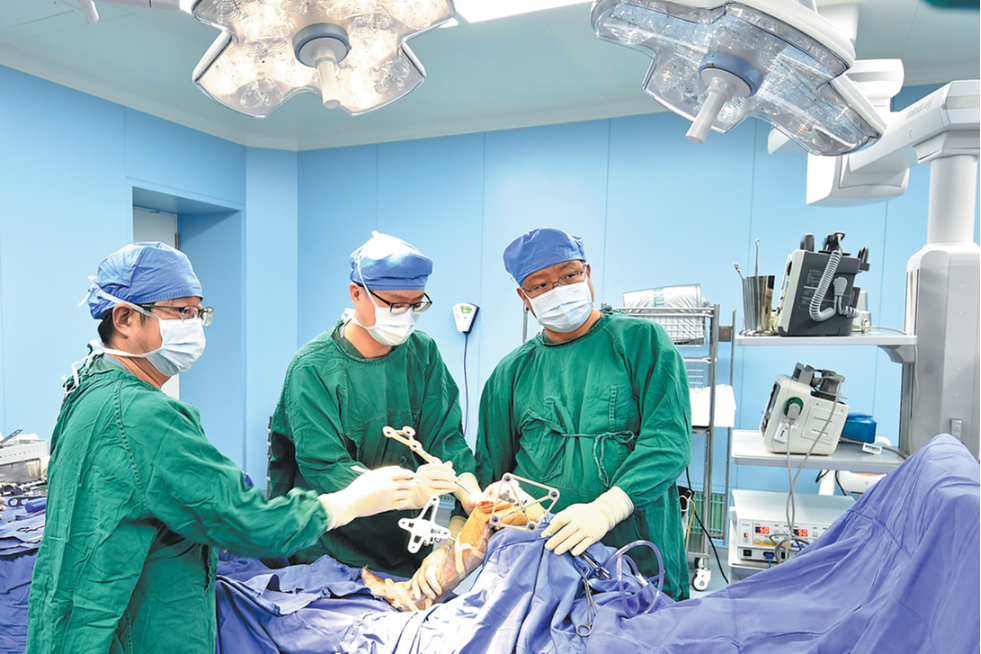
    In a significant advancement for neurotechnology commercialization, Chinese firm NeuroXess has commenced construction on a groundbreaking production facility dedicated to implantable brain-computer interface (BCI) systems. The project, launched on January 13 in Ganjiang New Area, Nanchang, represents a crucial transition from experimental research to standardized manufacturing within China’s strategically prioritized technology sector.

    The manufacturing complex, scheduled for completion in late 2026, constitutes the core industrial component of NeuroXess’ dual-hub operational strategy. This innovative approach maintains research and development activities in Shanghai while establishing production capabilities in Jiangxi province. The facility will not only manufacture implantable BCI devices but also support complementary functions including data processing, rehabilitation training, and artificial intelligence integration.

    Founder and Chief Scientist Tao Hu explained the strategic rationale behind this geographical division: “This configuration optimally leverages Shanghai’s exceptional talent pool and research infrastructure alongside Jiangxi’s competitive advantages in manufacturing ecosystems, labor availability, and operational costs.”

    This development aligns with China’s national technology roadmap, which has designated brain-computer interfaces as one of six priority future industries in its 15th Five-Year Plan (2026-2030). The project has already established collaborative frameworks with three major Jiangxi medical institutions.

    Medical partnerships include the First Affiliated Hospital of Nanchang University, which performed Jiangxi’s first research-oriented BCI implantation in July 2025 and subsequently established the province’s inaugural BCI clinical research ward with NeuroXess. The Second Affiliated Hospital and Jiangxi Provincial People’s Hospital have also joined collaborative clinical research initiatives.

    Neurosurgeon Zhang Jianzhong of Jiangxi Provincial People’s Hospital noted that standardized production could expand patient access if clinical studies maintain positive outcomes. “BCI technology remains predominantly in clinical research,” Zhang stated. “Consistent reliability could eventually benefit patients with motor or language impairments.”

    Despite promising developments, significant challenges persist including long-term signal stability, the complexity of neural decoding—particularly for language—and considerations regarding ethics, cost structures, and insurance coverage. China’s progress in BCI technology reflects broader global advancements in this rapidly evolving field.

  • CATL showcases advanced energy storage solutions at WFES 2026

    CATL showcases advanced energy storage solutions at WFES 2026

    At the prestigious 2026 World Future Energy Summit (WFES), Contemporary Amperex Technology Co. Limited (CATL) unveiled its cutting-edge energy storage solutions, positioning energy storage technology as the critical backbone for the Middle East’s accelerating clean energy transformation. The exhibition comes as regional governments and industries substantially increase investments in renewable energy infrastructure, electric mobility, and comprehensive electrification initiatives.

    Kui Weng, CATL ESS Middle East CEO, addressed summit attendees, emphasizing that while renewable generation capacity continues its rapid expansion across the region, the readiness of supporting infrastructure remains a significant challenge. “The deployment of renewable energy is accelerating across the Middle East, but the capability to efficiently store and manage this energy is becoming equally crucial as generation itself,” Weng stated. “Energy storage systems ensure reliability, stability, and flexibility as power networks evolve.”

    Among the technological highlights presented was CATL’s Tener Stack energy storage solution, engineered specifically for large-scale applications and demanding operational environments. This advanced system addresses critical challenges including renewable intermittency, peak demand management, and grid stability enhancement.

    The company detailed how energy storage facilitates optimal integration of solar and other renewable sources, particularly during high-demand periods. “Storage technology enables the capture of surplus renewable energy for subsequent release during peak requirements, effectively reducing grid pressure and enhancing overall system efficiency,” Weng explained.

    CATL further demonstrated the integral role of energy storage in supporting the expanding electric vehicle charging ecosystem. As commercial fleets electrify and public charging networks multiply, charging stations increasingly strain power systems. The integration of energy storage with charging infrastructure ensures stable power delivery and enhanced charging performance.

    “High-power charging facilities, particularly those serving commercial vehicles, demand reliable and predictable energy supply,” Weng noted. “Energy storage solutions effectively smooth demand curves and support consistent charging operations without overwhelming local grid infrastructure.”

    Beyond transportation applications, CATL emphasized the technology’s significance for industrial and commercial sectors, including ports, logistics centers, and manufacturing facilities. These environments increasingly depend on electrified equipment and automated systems requiring uninterrupted power supply.

    The summit served as a platform for CATL to engage with regional stakeholders regarding the long-term development of sustainable energy infrastructure. Weng highlighted that the Middle East’s distinctive climate conditions and massive scale necessitate solutions prioritizing safety, durability, and long-term operational performance.

    “Regional operating conditions demand rigorous attention to safety protocols and lifecycle performance,” he asserted. “Energy storage is evolving into permanent infrastructure, and must be engineered accordingly.”

    CATL concluded that continued collaboration with regional partners will be essential as energy storage deployment expands, ultimately supporting renewable integration, widespread electrification, and the region’s comprehensive sustainability objectives.

  • How crypto criminals stole $700 million from people – often using age-old tricks

    How crypto criminals stole $700 million from people – often using age-old tricks

    The immutable transparency of blockchain technology creates a uniquely agonizing experience for cryptocurrency theft victims like Helen and Richard, a British couple who watched helplessly as $315,000 vanished into digital oblivion. Despite seven years of careful accumulation of Cardano coins and secure storage practices, hackers infiltrated their cloud storage, accessing their digital keys and executing a swift, silent transfer to anonymous wallets in February 2024.

    This personal tragedy reflects a global epidemic. According to Chainalysis, crypto criminals stole over $3.4 billion in 2025, maintaining consistent theft volumes since 2020. While major exchange hacks like North Korea’s $1.5 billion Bybit heist dominate headlines, a disturbing trend emerges: individual attacks doubled from 40,000 in 2022 to 80,000 last year, accounting for $713 million in losses.

    The regulatory void compounds the problem. Unlike traditional finance where institutions typically cover losses, the FCA explicitly warns that crypto remains ‘largely unregulated and high-risk’ with minimal protection schemes. This vulnerability has spawned increasingly violent ‘wrench attacks’ where criminals employ physical coercion—from home invasions to kidnappings—to access digital assets. In France, Ledger co-founder David Balland had his finger severed during an extortion attempt, while Spanish criminals shot a victim during a crypto-related kidnapping.

    Sophisticated data exploitation fuels these crimes. Hackers cross-reference breached databases—like the Kering (Gucci/Balenciaga parent company) breach—to identify high-value targets. One hacker interviewed by the BBC detailed purchasing stolen data for $300,000 to target wealthy individuals, claiming to have tripled his investment rapidly through carefully researched scams.

    Security experts like Matthew Jones of Haven, who himself suffered crypto theft, are developing enhanced protection features including continuous biometric verification and geofencing. Yet the fundamental paradox remains: blockchain’s transparent ledger allows victims to watch their stolen assets circulate indefinitely while offering no recovery mechanism—a digital purgatory where visibility doesn’t equate to justice.

  • ‘The finest in the world’: Why the US is buying icebreakers from Finland

    ‘The finest in the world’: Why the US is buying icebreakers from Finland

    In the frosty laboratories of Aker Arctic Technology, scale models of icebreakers glide through a 70-meter simulation tank, carving precise channels through solid ice. This Helsinki-based facility represents the epicenter of a specialized global industry where Finland holds undisputed supremacy. Finnish companies have designed 80% of the world’s operational icebreakers, with 60% constructed in Finnish shipyards.

    This expertise has drawn international attention, particularly from the United States. In a significant policy shift, the Trump administration waived domestic construction requirements for naval vessels to acquire four Finnish-designed icebreakers for the U.S. Coast Guard, with plans for seven additional vessels using Finnish designs and expertise. The move responds to growing Arctic competition, particularly from Russia’s fleet of approximately 40 icebreakers (including nuclear-powered vessels) compared to America’s mere three operational units.

    The strategic importance of icebreaking capability has intensified as climate change opens new Arctic navigation routes. Reduced ice levels are making trans-Arctic shipping between Asia and Europe increasingly viable, while also improving access to oil and gas reserves beneath the Arctic Ocean. Peter Rybski, a retired U.S. Navy officer and Arctic expert based in Helsinki, notes: ‘There’s simply a lot more traffic in that part of the world now.’

    Finland’s dominance stems from both necessity and generations of accumulated knowledge. ‘Finland is the only country where all harbors may freeze during winter,’ explains Maunu Visuri of state-owned Artica, which operates eight icebreakers. With 97% of goods arriving by sea, icebreakers are essential infrastructure. ‘We say that Finland is an island,’ Visuri adds.

    Engineering excellence defines Finnish icebreakers. ‘It’s crucial that vessels have sufficient structural strength and engine power,’ says ice performance engineer Riikka Matala. CEO Mika Hovilainen emphasizes hull design: ‘You must have a hull form that breaks ice by bending it downward—not cutting, not slicing.’

    The geopolitical dimension extends beyond practical navigation. Researcher Lin Mortensgaard of the Danish Institute of International Studies observes: ‘No matter how many aircraft carriers you have, you cannot sail them into the central Arctic Ocean. Icebreakers are the only naval vessel to signal Arctic capabilities.’

    With contracts already awarded to Rauma Marine Constructions and production timelines as short as three years, Finland’s century of icebreaker development has positioned it as an unexpected player in global power dynamics, where technological mastery meets strategic necessity in the rapidly changing Arctic landscape.