分类: sports

  • France and Morocco meet again at the World Cup, this time in the quarterfinals

    France and Morocco meet again at the World Cup, this time in the quarterfinals

    FOXBOROUGH, Mass. – When France and Morocco step onto the field for their World Cup quarterfinal showdown, the matchup is far more than just another high-stakes international knockout game. Decades of migration, shared club football pathways, and even current teammate relationships have woven deep connections between the two sides, turning this contest into a fascinating study of football’s interconnected global landscape.

    The two nations have recent history in this tournament’s latter stages: when the 2022 World Cup was hosted in Qatar, France ousted Morocco in the semifinal. That run marked a historic milestone for the North African side, dubbed the Atlas Lions, who became the first African nation ever to reach the World Cup semifinal. Now, for France, a victory on Thursday would keep their ambition alive: if they advance, they will become just the third country in history to qualify for three consecutive World Cup finals.

    But beyond the tournament stakes, the cultural and personal links between the squads are impossible to ignore. Six members of Morocco’s current roster entered the world in French cities: Ayyoub Bouaddi hails from Senlis, Issa Diop from Toulouse, Neil El Aynaoui from Nancy, Redouane Halhal from Montpellier, Samir El Mourabet from Strausbourg, and Gessime Yassine from Salon-de-Provence. In fact, that French-born contingent is only a fraction of the squad’s diverse origins: 19 of Morocco’s 26-man World Cup squad were born outside of Morocco, a reflection of the nation’s large global diaspora.

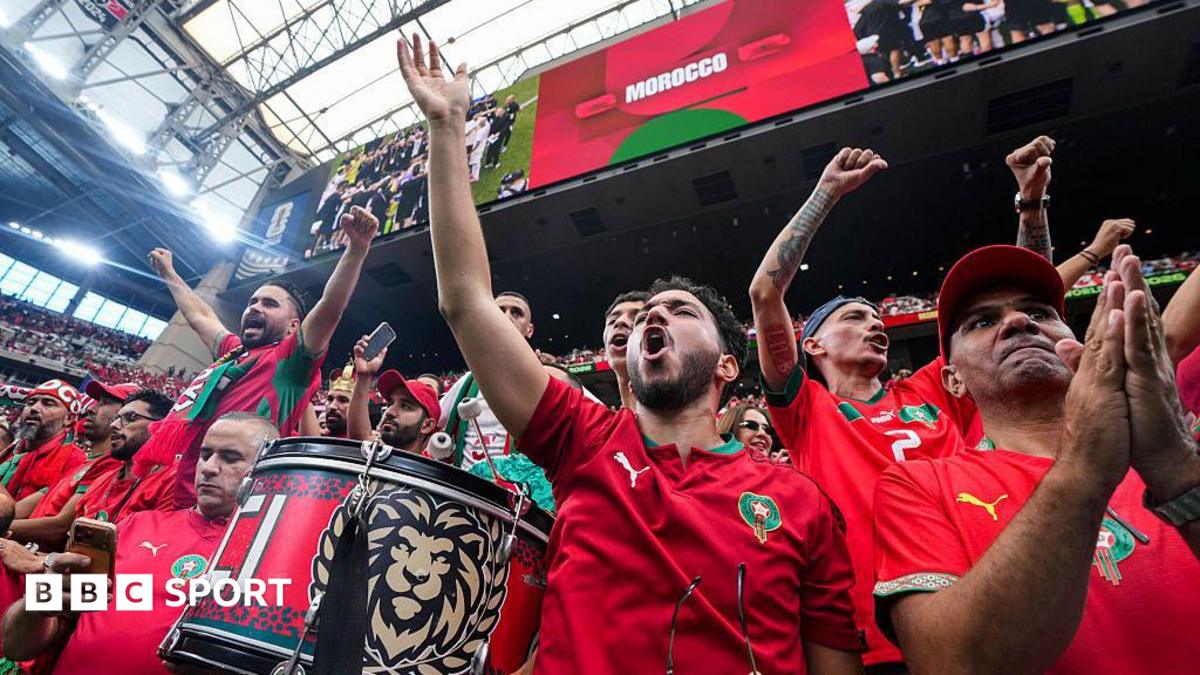
    Morocco head coach Mohamed Ouahbi explained that this widespread global footprint has translated into unprecedented broad support for the side across the world. “We have a huge fan base internationally speaking, and we’re really proud of this. There are Moroccan fans around the entire world, whether European or the diaspora or the international Moroccans, they are behind us,” he said. “They are supporting us. We feel the energy, the positive dynamic they created for us. … In the difficult moments, we should think about those people, that we’re not alone. We’re fighting for an entire nation, a country, and that has helped us get more.”

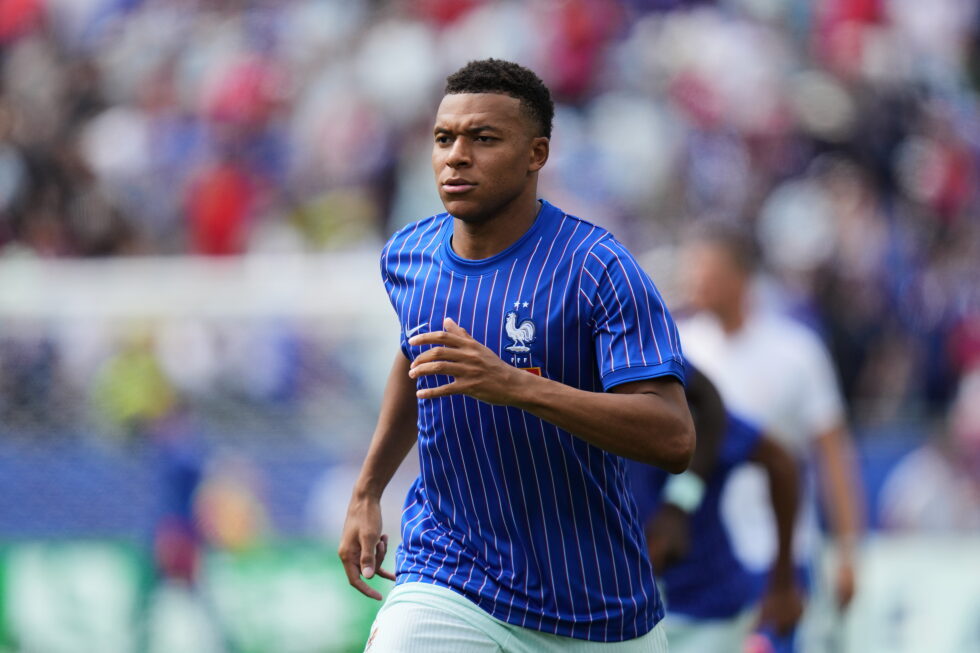
    The connections stretch even into elite club football, where some key players on both sides share the same locker room week in and week out. France captain Kylian Mbappé and starting midfielder Aurélien Tchouaméni both line up for Spanish giant Real Madrid, where Brahim Diaz, Morocco’s standout playmaker, also plies his trade. Diaz has already emerged as one of Morocco’s most impactful players at this tournament, notching a team-high four assists to help carry the side to the quarterfinal stage.

    Diaz acknowledged that the off-pitch relationship adds a unique dynamic to this high-pressure game, but made clear that national team pride takes priority once kickoff happens. “They are my teammates on Real Madrid. They are brilliant players. Are brilliant persons,” Diaz said. “But (today) we are rivals. We both want to win and this is the most important interest — my team.”

    As underdog Morocco enters the game targeting a massive upset over tournament favorite France, all these pre-existing connections will be put on hold for 90 minutes, as both sides chase the same goal: a spot in the World Cup semifinal.

  • Man United reveals latest plans for new stadium to replace Old Trafford

    Man United reveals latest plans for new stadium to replace Old Trafford

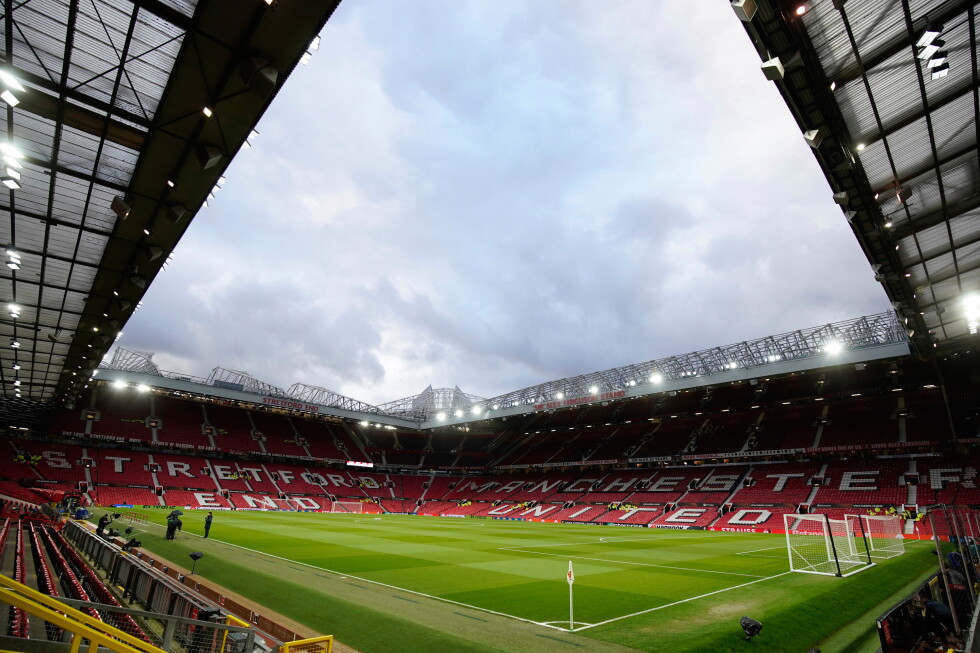
    One of English soccer’s most iconic clubs, Manchester United, has released critical new details of its ambitious planned new stadium this Thursday, confirming the 100,000-capacity venue will sit just 350 meters northwest of the club’s current historic home, Old Trafford.

    The massive project is framed as the centerpiece of a broader new stadium district development, with far-reaching economic and social benefits promised for the local region and the entire United Kingdom. According to club estimates, the full development scheme will generate 48,000 permanent and construction jobs for local workers, add 15,000 new residential units, and inject up to £7.3 billion (equivalent to $9.8 billion) annually into the UK economy once completed.

    Collette Roche, chief executive officer of Manchester United’s new stadium development program, emphasized the transformative nature of the initiative. “Together with our partners, we have a once-in-a-generation opportunity to deliver a destination that creates lasting benefits for supporters, local communities and the wider region for decades to come,” Roche said. She also highlighted the club’s collaborative approach to the build, noting “We are committed to building a world-class stadium with our supporters, not simply for them.”

    The project is a core priority for Jim Ratcliffe, the minority owner of Manchester United who has publicly stated his goal to deliver what he calls “the world’s greatest” soccer stadium. When initial plans were first announced last year, the total construction cost was projected at approximately £2 billion ($2.6 billion). If completed on schedule, the venue will overtake London’s Wembley Stadium to become the largest soccer stadium in the United Kingdom, with opening planned for the 2030-31 Premier League season.

    Early conceptual designs for the stadium included a distinctive three-spire exterior structure, but club officials confirm the final architectural design has not yet been finalized.

    Currently, Wembley holds the title of the UK’s largest stadium with a 90,000-person capacity, serving as the home ground for England’s men’s and women’s national soccer teams. Old Trafford, which has hosted Manchester United matches since 1910 and survived damage from German bombing during World War II, is the nation’s largest club-specific soccer venue with a capacity of just over 74,000. Despite its historical significance, the stadium’s infrastructure is widely considered outdated compared to newer modern venues across the country, such as London’s Tottenham Hotspur Stadium, which is equipped to host major events including annual NFL regular season games.

  • Czech mates Muchova and Noskova to clash in Wimbledon final

    Czech mates Muchova and Noskova to clash in Wimbledon final

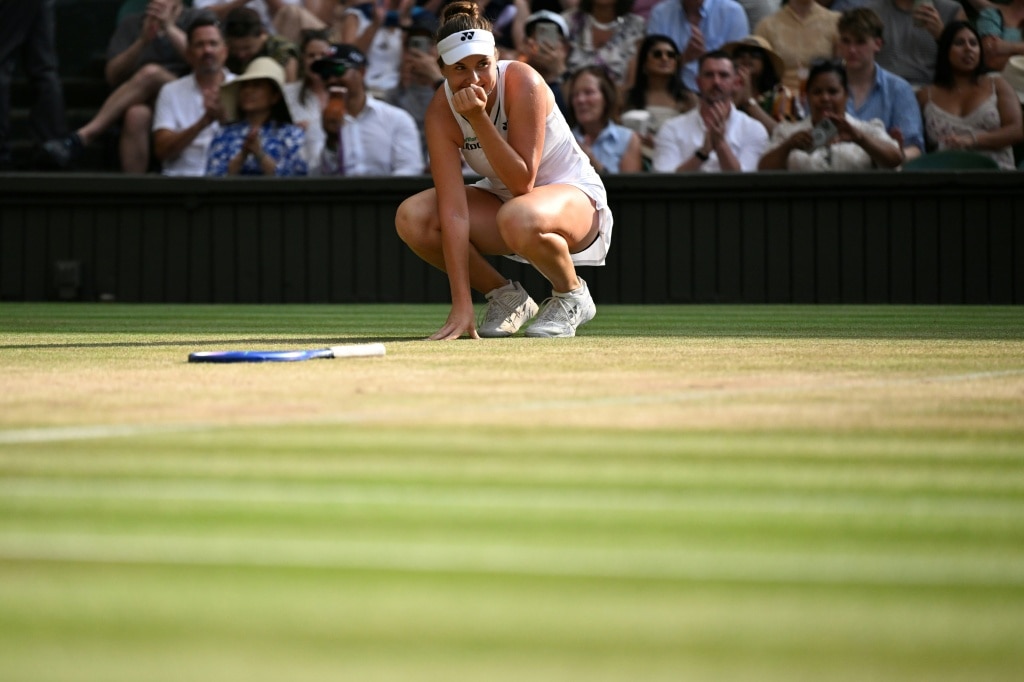
    The 2024 Wimbledon Championships is set to make history this Saturday, when two Czech compatriots and close friends, Karolina Muchova and Linda Noskova, will put their personal bond aside to compete for the sport’s most prestigious grass-court Grand Slam title. Thursday will go down as a landmark day for Czech women’s tennis, as the pair booked their spots in the first-ever all-Czech women’s singles final at the All England Club, following two dramatic semi-final outings that took vastly different paths.

    First to claim her place in the decider was 29-year-old Muchova, who pulled off one of the most dramatic comebacks of this year’s tournament, edging out American 2023 US Open champion Coco Gauff in a three-set thriller that stretched over two hours in sweltering 33-degree Celsius heat. Muchova saved a match point against her to seal a 6-2, 1-6, 7-6 (12/10) win, booking her second career Grand Slam final and first at Wimbledon in stunning fashion.

    The upset was far from an easy journey for Muchova, who has spent years on the cusp of Grand Slam glory and battling a string of debilitating injuries. The veteran has been competing on the WTA main tour for nine years, reaching the 2023 French Open final (where she fell to Iga Swiatek), as well as semi-final runs at the 2021 Australian Open and the 2023 and 2024 US Open. Remarkably, Muchova had lost in the first round of Wimbledon in each of her previous four appearances, and has overcome significant hardship just to take her place in the final. In 2022, doctors even advised her to retire from professional tennis entirely, and wrist surgery in 2023 and 2024 kept her sidelined for a combined 10 months. She also manages a grass allergy that requires daily medication to control, but has pushed past all obstacles to reach this milestone.

    “It’s a very special moment. It’s a great achievement,” Muchova said after her semi-final win. “This is one of the biggest tournaments that we have with all the history, so many legends were playing here, as well to just get to play on the Centre Court, it was so nice.”

    Just a few hours after Muchova’s dramatic win, 21-year-old Noskova took to Centre Court to secure her place in the final with a far more straightforward victory. The rising star dominated Ukrainian 12th seed Marta Kostyuk, wrapping up a 6-4, 6-4 win in just 79 minutes to book her first ever Grand Slam final.

    In stark contrast to Muchova’s years of near-misses and injury battles, Noskova is currently riding a meteoric rise up the ranks of women’s tennis. She only made her Wimbledon debut in 2022, and enters the final as the youngest player to reach the Wimbledon semi-finals since Jelena Ostapenko in 2018. Over the past two years, she has won more grass-court matches than any other player on the WTA Tour, and claimed her maiden grass-court title at the Berlin Open earlier this month ahead of Wimbledon. Despite her rapid ascent, she says she is relishing the chance to play her first Grand Slam final against her close friend and doubles partner.

    “Karolina is such a great fighter, such an incredible player, but mainly she is such a great person. I’m glad I can play my first final against her,” Noskova said.

    Muchova and Noskova have been close friends for years, having bonded off the court and competed together in doubles at the 2024 Paris Olympics, but their shared run to the final also cements the Czech Republic’s remarkable legacy at Wimbledon. The country, which has a population of just 11 million people, will have its third women’s singles champion in four years, after Marketa Vondrousova won in 2023 and Barbora Krejcikova lifted the trophy in 2024. This legacy extends back decades, with Petra Kvitova claiming two Wimbledon titles in 2011 and 2014, Jana Novotna winning the title in 1998, and several other Czech players reaching finals over the years.

    Muchova said that seeing the success of older Czech players early in her career gave her the belief that she could also reach the top of the sport. “We have great history of Czech tennis. Definitely the fact that there is so many of us,” she said. “Myself, when I was younger, looking up to the girls who were like maybe five years older than I was, you can just see them doing so well. So it gave me the belief that I can as well do it.”

    For Noskova, that inspiration came from childhood idol Kvitova, whose two Wimbledon triumphs laid the groundwork for her own run at the All England Club. When Saturday rolls around, one of the two Czech players will add their own name to the storied history of the country’s success at Wimbledon, when they step out onto Centre Court to compete for the Venus Rosewater Dish.

  • World Cup 2026: Iraq returned, but it will take years to bridge the gulf with football’s elite

    World Cup 2026: Iraq returned, but it will take years to bridge the gulf with football’s elite

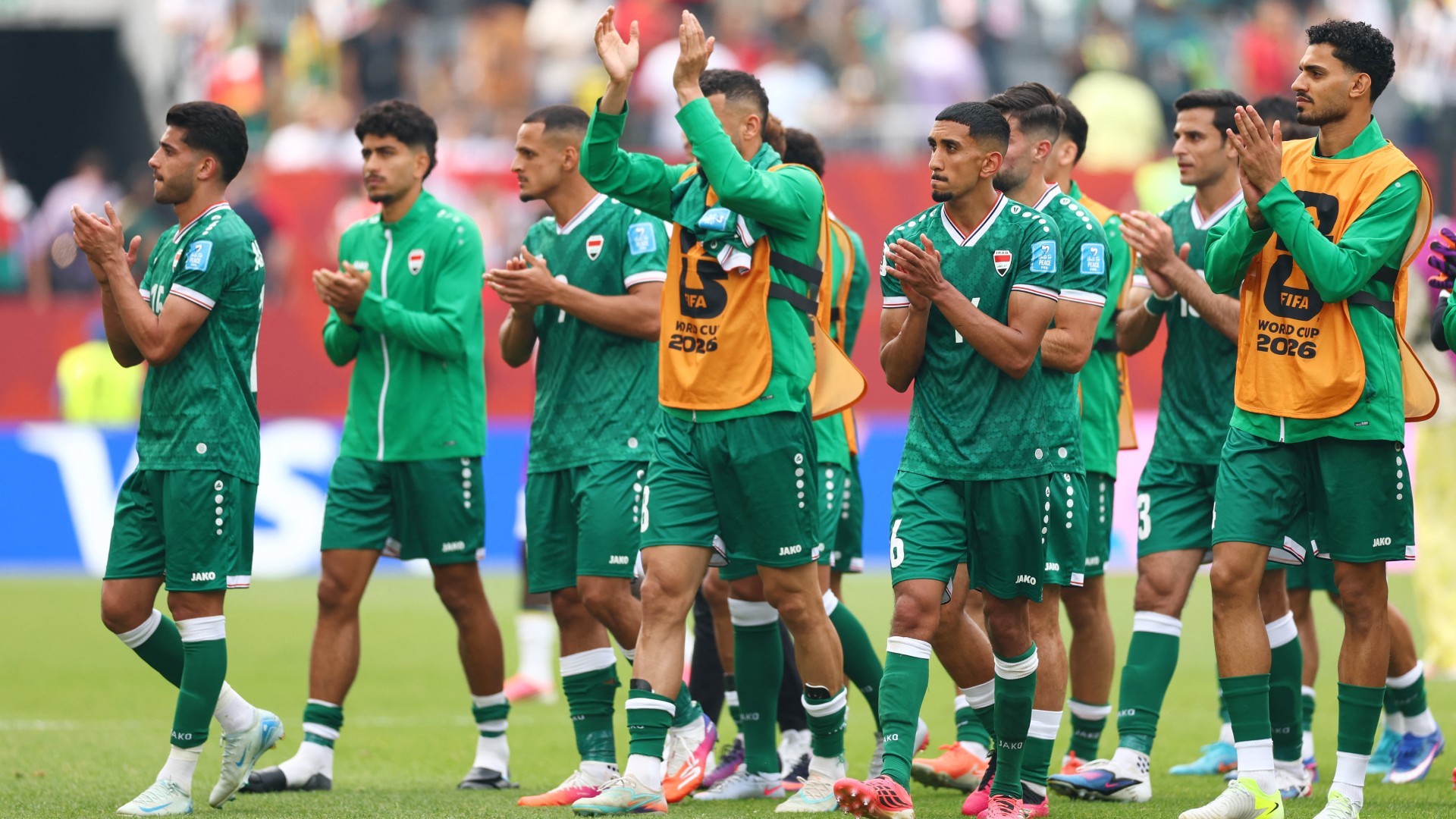
    After four decades of waiting, Iraq finally earned its place back at football’s most prestigious global tournament this summer. But lopsided losses across all three of its group stage matches have laid bare the wide gap that still separates the Lions of Mesopotamia from the world’s elite footballing nations.

    Iraq’s World Cup campaign got off to a difficult start with a 4-1 defeat to Norway, followed by a 3-0 shutout at the hands of tournament contender France. The team’s return to the global stage ended with a demoralizing 5-0 loss to Senegal, leaving Iraq at the bottom of its group and eliminated from knockout stage contention. Across the group stage, no side conceded more goals than Iraq, a stark statistic that highlights the gap the country must close to compete at the highest level. Many fans and football insiders agree that bridging this divide will take years of sustained work and reform.

    Even amid the string of disappointing results, the campaign was not without bright moments that captured the joy of Iraq’s long-awaited return. Talismanic striker Aymen Hussein’s first-half goal against Norway, celebrated in a packed stadium of 60,000 spectators and broadcast to millions of viewers around the world, gave the nation a rare moment of collective celebration. For diaspora fans who never expected to see Iraq compete on the World Cup stage, the mere presence of the team meant more than final scores. “It is hard to describe what it was like to see the flag, hear the songs and just be together,” New York-based Iraq supporter Zainab Hassan told Middle East Eye. “The team lost but it wasn’t about winning, it was just about being there and feeling the excitement. I never thought I would see it.”

    While few in Iraq’s football ecosystem expected an easy run against three top-ranked opponents, the lopsided margin of defeat has prompted renewed scrutiny of the national program and its structures. In response, Iraq’s Olympic Committee has announced it will partner with the Iraq Football Association (IFA) to launch a full review of the World Cup campaign, identifying strengths, weaknesses and priority areas for improvement.

    Baghdad-based sports commentator Nawar Faeq al-Rikabi, who has covered Iraqi football for years, acknowledged the team underperformed even against tempered expectations. “We tried, but it was hard,” al-Rikabi told Middle East Eye. “We didn’t do that well. We were supposed to play a little better and not lose that badly. We were losing 2-1 to Norway then made a mistake and couldn’t come back. Against France and their stars, we just don’t have the experience. Senegal was a disaster, we should have looked better than this. We have some good players, but didn’t look good.”

    For the IFA, qualification for the tournament itself was already a historic milestone after 40 years away from the World Cup. “The primary objective of qualifying for the Fifa World Cup was achieved after a 40-year absence,” IFA spokesperson Ahmed Oudah Zamil told Middle East Eye. “At the same time, the IFA recognises that returning to the Fifa World Cup after four decades presented a new challenge.” Facing off against three established international powers with deep, well-developed talent pools made clear Iraq’s current position in global football, and the federation says its goal now extends beyond simply qualifying for future tournaments: it aims to build a team that can compete consistently with the world’s best. “Competing at the highest level of international football requires experience, continuous development, and thorough preparation,” Zamil said. “Therefore, the focus is now on ensuring the team is fully prepared to represent Iraq with pride and to use this historic qualification as the foundation for long-term success.”

    All attention has already shifted to the next chapter of Iraq’s football development, with two major regional tournaments on the near horizon: the eight-team Gulf Cup scheduled for September in Saudi Arabia, followed by the 24-team Asian Cup in the same country this coming January. A central question for the immediate future is whether current head coach Graham Arnold will remain at the helm of the national team. Appointed in March 2025, the Australian tactician led Iraq through its successful qualifying campaign and retains the confidence of the IFA leadership, which has framed technical stability as a core pillar of long-term success. “Technical stability is one of the key factors behind success, so renewing the coach’s contract reflects the federation’s confidence in the current project and its commitment to maintaining continuity,” Zamil said. While Arnold’s future remains the subject of mild speculation amid reported interest from the United Arab Emirates Football Association, many local observers argue his work has already laid critical groundwork for future progress, and retaining him would be the best path forward. “The FA needs to keep Arnold, as he gave the team a personality,” al-Rikabi said. “Even though we lost badly, if they keep him, he has the chance to create a new young team.”

    Beyond the leadership of the senior national team, deeper structural reform is needed to unlock Iraq’s undoubted football potential, starting with growing the domestic coaching pipeline. “We have to improve in this field,” al-Rikabi added. “The local coaches need to train, to go on courses and go and see European teams and how they operate at a youth level. In modern football, coaches at the under-17 level are the essence of everything.” Investing in qualified domestic coaching would in turn strengthen youth development, a critical need in a country of 46 million people with a deep, widespread cultural passion for the sport. “We are a nation of 46 million, so it’s not possible we don’t have good players, but we can’t see them,” al-Rikabi said. “Iraqis have a huge passion for football, so if we give attention to players from the age of 12 to 16, then we have great talent; but if no one sees them, they will vanish.”

    While Iraq has increasingly tapped into talent from its global diaspora, a growing trend across international football that was visible at this year’s World Cup, long-term progress depends on reforming and strengthening the domestic game. The top-tier Iraq Stars League, the foundation of the country’s domestic football ecosystem, suffers from structural gaps and a lack of sustained investment. “We don’t have a lot of training pitches, which is a huge problem, and there is not enough forward planning,” al-Rikabi said. “There is too much thinking about this year’s results. The fans’ voices are strong and the clubs are afraid of them. We don’t have the right structure for local leagues, we don’t have an under-17 league, we don’t have organised under-20 teams.”

    Unlike regional peers such as Saudi Arabia and Qatar, Iraq does not have access to the same level of financial resources for big-ticket football investments. Still, the IFA says it is fully committed to strengthening the domestic league’s foundational structures. “The federation is committed to strengthening the commercial and marketing value of the league, improving club governance and financial sustainability to increase overall competitiveness of the league to produce more players capable of competing at the international level,” Zamil said. “A stronger domestic league will ultimately strengthen the Iraqi national team. Improving stadiums and football infrastructure, raise the professional standards of clubs, invest in youth development and academy systems.”

    It will be years before it becomes clear whether Iraq’s 2026 World Cup return will stand as a transformative starting point for Iraqi football or just a one-off, unforgettable moment. If the country qualifies for the 2030 tournament and puts in a competitive showing, it will signal that the lessons from this summer’s campaign have been fully integrated, and that 40 years of waiting marked the start of a sustained upward trajectory. For Iraqi fans, however, the long-awaited return to the world stage was already an unforgettable achievement in its own right. “It was so fantastic to see Iraq on the world stage,” Hassan said. “We would love to do it again.”
  • Wolfsburg says Eriksen to start rehabilitation in Denmark after on-field collapse

    Wolfsburg says Eriksen to start rehabilitation in Denmark after on-field collapse

    Wolfsburg, Germany – Bundesliga relegated side VfL Wolfsburg has confirmed that Danish international attacking midfielder Christian Eriksen will undertake a personalized rehabilitation program in his home country of Denmark, following a second on-field cardiac incident that sent shockwaves through the global soccer community last month.

    In a short official statement released Thursday, the German club emphasized that it maintains ongoing, close communication with Eriksen and the medical team supervising his recovery process. “We remain in regular contact with Christian and the doctors overseeing his treatment,” the statement read. “We continue to wish Christian all the very best with his rehabilitation.”

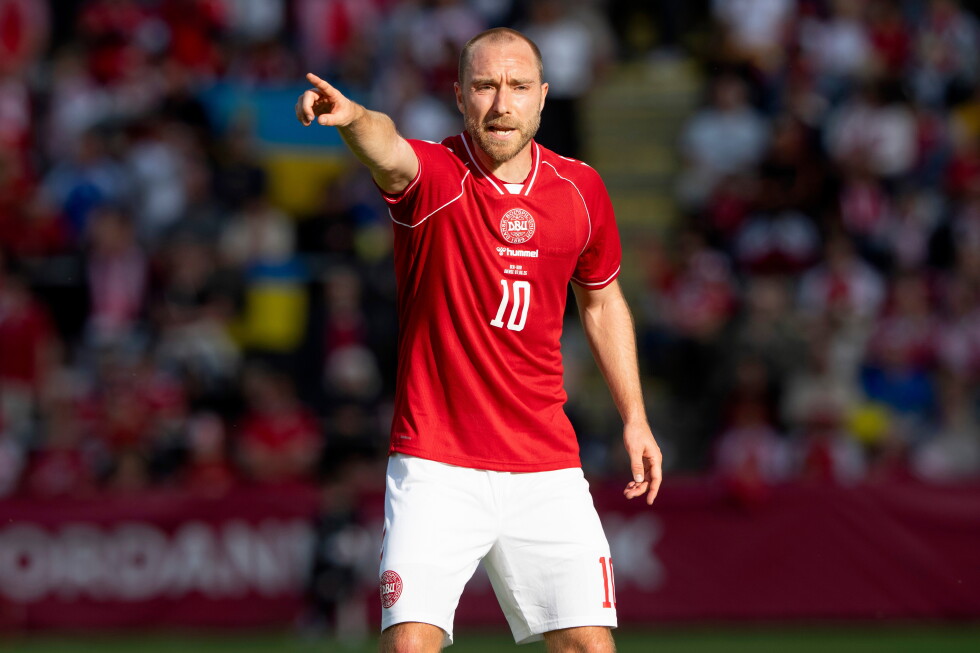
    The 34-year-old playmaker suffered the incident on June 7 during an international friendly match between Denmark and Ukraine hosted in Odense, Denmark. After clutching his chest in visible discomfort, Eriksen collapsed on the pitch – an image that immediately triggered haunting memories of his life-threatening cardiac arrest during a European Championship match five years prior. On both occasions, concerned opponents and teammates formed a protective circle around the midfielder as emergency medical staff administered urgent on-site care. Unlike the 2021 incident, Eriksen was able to leave the pitch unassisted, though he was still transported to a local hospital for comprehensive cardiac testing.

    Following his 2021 cardiac arrest, Eriksen received an implantable cardioverter defibrillator (ICD), a device designed to correct life-threatening irregular heart rhythms. The day after the June incident, Eriksen shared a public update to reassure fans of his condition, confirming he had already been released from care and returned to his family. “As you can probably imagine, receiving a shock from my ICD has had a major effect on both me and my family, but I want to assure everyone that this was a different situation from what happened in 2021,” Eriksen explained in his statement.

    Eriksen joined VfL Wolfsburg as a free agent last September, signing a two-year contract that was set to run through the upcoming 2025-26 season. Despite his veteran playmaking contributions, Eriksen could not stop the club from dropping out of Germany’s top-flight Bundesliga, a relegation confirmed after a playoff defeat to Paderborn in which Eriksen wore the captain’s armband for his final match with the side. The next steps for Eriksen’s soccer career remain unclear as he prioritizes his recovery in Denmark.

  • Norwegian football jerseys sold out ahead of Three Lions showdown

    Norwegian football jerseys sold out ahead of Three Lions showdown

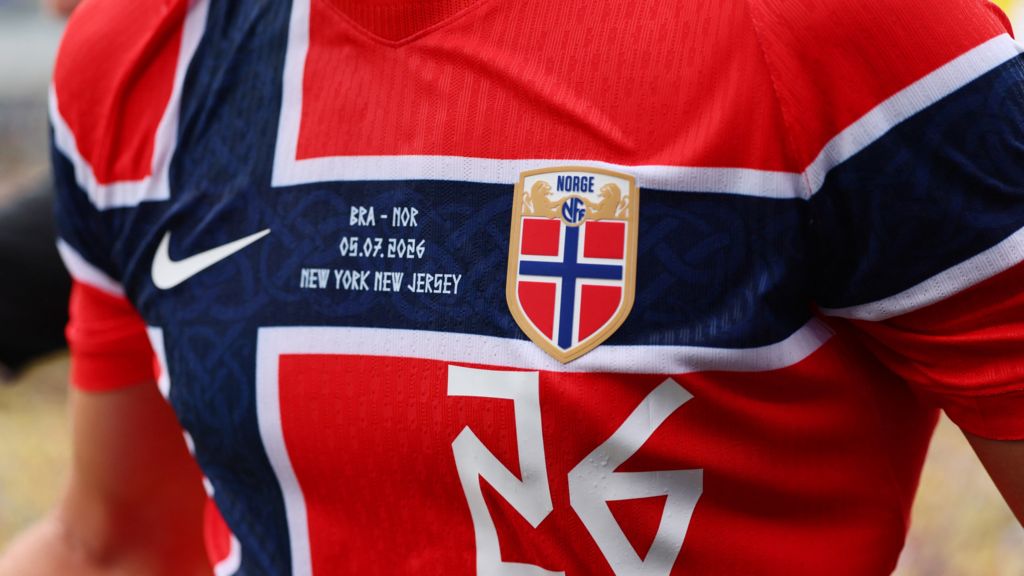
    As the Norwegian men’s national football team prepares to face England in a critical 2026 World Cup quarterfinal this Saturday, an unprecedented wave of fan enthusiasm has swept across Europe, leaving official Norway national team jerseys completely sold out at all major retail outlets. The Norwegian Football Association (NFF) has openly admitted that it drastically miscalculated consumer demand for the 2026 kits, which have been stuck in a persistent state of out-of-stock at Nike and official partner retailers ever since their launch this past March.

    The sky-high demand is largely driven by the global superstar status of Manchester City striker Erling Haaland, whose standout performances for both club and country — including Norway’s stunning knockout-stage victory over Brazil to secure a quarterfinal spot — have turned the national team’s new jersey into one of the most sought-after sports merchandise items in the world right now. Every time retailers restock new batches of the kit, stores are flooded with fans within minutes, with countless supporters even resorting to camping outside storefronts overnight just to secure their spot at the front of the line.

    NFF Commercial Director Runar Pahr Andresen confirmed to Norwegian broadcaster TV2 that overall demand for the 2026 jersey has blown past every internal forecast, with 2026 order volumes hitting an all-time record for the association. This year, the NFF has ordered approximately 250,000 kits, a massive jump from the 50,000 units sold over the same period in 2025. Andresen added that the association has never generated as much revenue from jersey sales as it has this year, a surprising milestone that underscores just how explosive fan interest has become.

    One of the most visible examples of this frenzy unfolded in Oslo earlier this week, when local sporting goods chain Torshov Sport received a long-awaited new shipment of jerseys on Tuesday. By the time the store opened for business on Wednesday morning, a 600-meter-long queue had wrapped around multiple city blocks, with some diehard fans waiting more than 12 hours in line, bringing folding chairs to stay comfortable during their wait. Store manager Anders Lilleberg told Norwegian outlet VG that the energy around the restock was unlike anything he had seen in his decades in the industry. “I’ve been here for many years, but I’ve never encountered the kind of atmosphere that is there now. It’s absolutely wild,” Lilleberg said. The retailer is now taking pre-registrations for its next restock, but cannot guarantee that all registered fans will receive their jerseys in time for Saturday’s high-stakes match.

    The iconic red home jersey, featuring the traditional blue cross from the Norwegian flag, has been completely sold out at Nike and most official retailers for weeks. A Nike spokesperson told the BBC that the brand recognizes the disappointment among fans who have been unable to purchase the kit, and that teams are working overtime to ramp up inventory levels. Additional shipments of both the 2026 home match and stadium jerseys are expected to arrive in Norway in the coming days, with broader distribution to follow across European retailers, the spokesperson confirmed.

    With official stock depleted, many desperate fans have turned to third-party resale platforms, where markup prices have reached exorbitant levels. The official Nike 2026 Stadium Home jersey retails for £89.99 (around $100) when available, but is now being resold for as much as £355 ($476) on secondary market sites. The black away stadium jersey, which also carries a £89.99 retail price, is currently listed for as much as £231 ($310) before adding shipping fees and taxes.

    Norway’s unexpected deep run in the 2026 World Cup has only amplified this hype: the team defeated Iraq, Senegal, and Ivory Coast in the group stage before knocking out powerhouse Brazil in the knockout round to secure their quarterfinal spot. Saturday’s match against England will kick off at Miami’s Hard Rock Stadium at 22:00 BST (17:00 EST), with millions of fans around the world expected to tune in.

  • Olympic sprint champs Alfred, Thomas bid for work-life balance

    Olympic sprint champs Alfred, Thomas bid for work-life balance

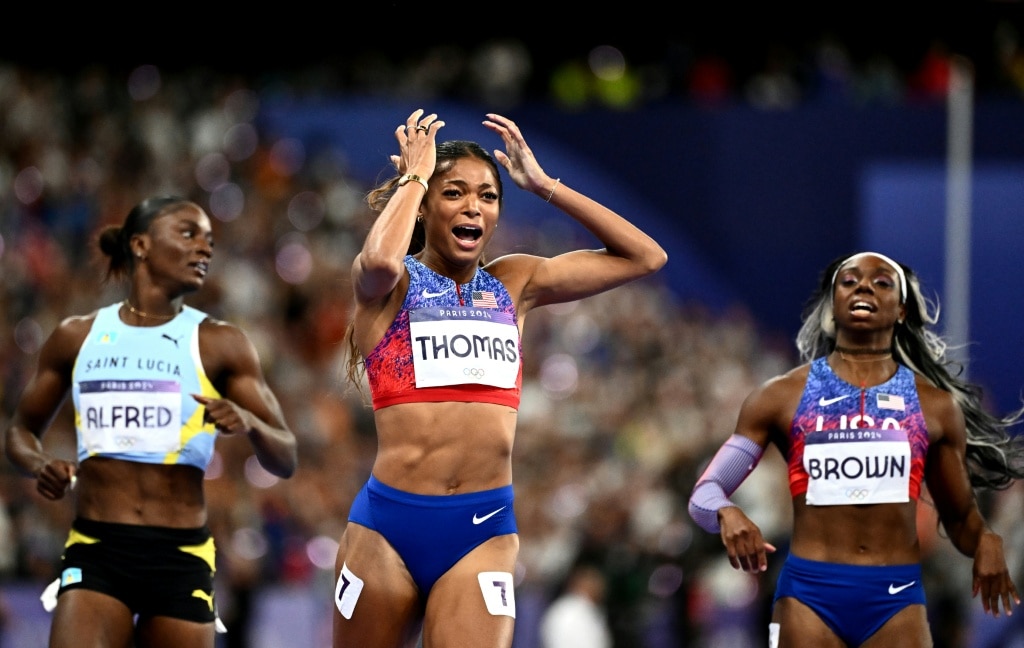
    Two of sprinting’s biggest rising stars, 2024 Paris Olympic champions Julien Alfred and Gabrielle Thomas, are gearing up for a highly anticipated 200-meter showdown at this week’s Monaco Diamond League, approaching the 2025 track season with a new, intentional priority: balancing elite athletic competition with meaningful personal time.

    The pair made global history at the 2024 Paris Games, where American sprinter Thomas claimed 200m gold, while Alfred delivered St. Lucia’s first ever Olympic medal of any type by taking top spot in the women’s 100m. Now, they are set to face off in one of the most competitive fields of the 2025 Diamond League circuit.

    For Thomas, Friday’s race marks her first Diamond League start in two years, following a season-ending achilles injury that sidelined her in 2024. Despite the extended break from top-tier Diamond League competition, she has already proven her elite form this year: last month in Texas, she clocked a blistering 21.70 seconds in the 200m, a time that briefly held the world lead and currently ranks as the second-fastest mark globally in 2025.

    She will face stiff competition in Monaco, including current world leader Adaejah Hodge, fellow American sprinter Anavia Battle, and Alfred, who has remained undefeated in all outdoor races so far this season. Both sprinters have framed the high-stakes race as an opportunity to push each other to new personal bests.

    “It’s a great field with amazing competitors so I’m looking forward to seeing what we can bring out of each other,” Thomas told reporters ahead of the race. Alfred echoed that excitement, saying, “Gabby’s a big competitor so I’m just looking forward to having a race.” The St. Lucia native also confirmed she will skip the upcoming Commonwealth Games in Glasgow this July to maintain her balanced schedule.

    Unlike previous years packed with championship or Olympic preparations, 2025 is a rare offseason for elite track and field, with no Olympic Games or standard world championships on the calendar. World Athletics will launch its new biennial invitational Ultimate World Championship in Budapest this September to cap the season, but the reduced pressure has opened up new space for athletes to prioritize personal commitments that often fall by the wayside during intense training cycles.

    For Alfred, that means regular trips home to St. Lucia to connect with loved ones. The 25-year-old said she has relished the chance to prioritize relationships alongside her training. “I’ve been going back to St Lucia every month. I’m happy to find a balance between life and sport, seeing a lot more of my family and friends,” she explained. “Sometimes I tend to be so focused on just competing and winning all the time. Winning is always fun, but winning can’t be the end and be all of your life. While we do love to compete, and we’re both very competitive, we are also full people outside of the sport.”

    Thomas is also taking advantage of the less demanding 2025 schedule to check off a major personal milestone: she is currently planning her wedding for this year. “I actually have my wedding plan for this year because it’s an off season, and I’m having so much fun planning my wedding,” the 29-year-old said. “I’m centering other aspects of my life, and just taking time to see my friends. I’ve made multiple trips to see my family. Normally, in every other year, you feel guilty for taking trips to visit your mom and dad, showing up for your friends.”

    She added that many casual sports fans do not grasp the extent of personal sacrifices elite athletes make to compete at the highest level. “This is a time that we get to enjoy life like that, and we foster these relationships, and we get to add it to our potential support while also still being on the circuit and still always running,” she said.

    Looking ahead to Friday’s sold-out race at Stade Louis II, Thomas said her status as Olympic champion has not changed her core approach to competition. “I try to focus on the same, despite the fact that the expectations get higher,” she said. “The goal is to win. The goal is to come out and put your best foot forward, no pun intended, and just do what it takes to win the race. You take it race by race, and hopefully, I compete well to the best of my abilities, and I finish the race healthy. And of course, just have a good time and push myself!”

  • Morocco’s unfinished business with France

    Morocco’s unfinished business with France

    As the 2026 FIFA World Cup quarter-final showdown between Morocco and France kicks off in Boston, this fixture is far more than just another high-stakes knockout match. For the Atlas Lions and their millions of passionate supporters across the globe, it is a long-awaited rematch carrying decades of history, unfulfilled ambition, and an opportunity to prove their 2022 Cinderella run was no one-off miracle.

    The story of this encounter traces back four years to Qatar 2022, when Morocco made history as the first African and Arab nation to ever reach a World Cup semi-final. Their extraordinary tournament run was cut short by a 2-0 defeat to France, ending their dream of lifting the world title. Even in that moment of defeat, observers recognized something seismic had shifted: the global football community had rewritten its expectations of Moroccan football. Back then, reaching the semi-final felt like an overachievement beyond anyone’s wildest dreams. Today, anything short of that same milestone would fall short of the standard the team has set for itself.

    “This is a revenge match for the Moroccan national team, especially for the players who were part of that 2022 squad,” explained Moroccan sports journalist Hamza Chtioui. “They felt that loss deeply, and now they’re looking to settle the score – for themselves and for the entire nation.”

    This newfound confidence is no empty bravado, nor is it built on nostalgia for past glory. Since their breakthrough in Qatar, Moroccan football has continued to deliver impressive results that validate its growing status: the national under-20 side claimed the U-20 World Cup title, while the senior men’s team has climbed to 6th place in the official FIFA global rankings. These wins are the payoff for decades of deliberate, long-term investment in youth development led by the Royal Moroccan Football Federation (RMFF), a strategic project that has now come to fruition.

    “What happened in Qatar wasn’t a fluke,” said veteran Moroccan journalist Hameed Bel Hassan. “It was the result of years of strategic planning and programmes put in place by the RMFF. This has been a national project, and we now have a formidable national team that can compete with anyone.”

    Throughout the 2026 tournament, Morocco has lived up to that billing, proving they are no longer the unexpected underdogs. They have held their own against some of the world’s top football heavyweights, securing wins against Brazil, Scotland, the Netherlands and Canada to book their quarter-final spot against France. The surge of support for the team has been unmatched: thousands of fans are traveling from Morocco to the U.S. for the match, with Moroccans from across Europe and the globe converging on Boston to back the side. “I dare say Morocco will have the stronger support in the stadium,” Chtioui noted.

    Standing in their way is a French side widely regarded as the most complete squad in this year’s tournament. Led by global superstar Kylian Mbappe, Les Bleus have turned in consistently fluid, dominant performances to reach the last eight. Chtioui acknowledges France’s individual talent advantage, but argues that Morocco can neutralize that edge with cohesive team play: “Morocco’s midfield is about equal. If they can press France early, like they did against Brazil, they can create real problems. The 11 players just need to perform as one cohesive unit.”

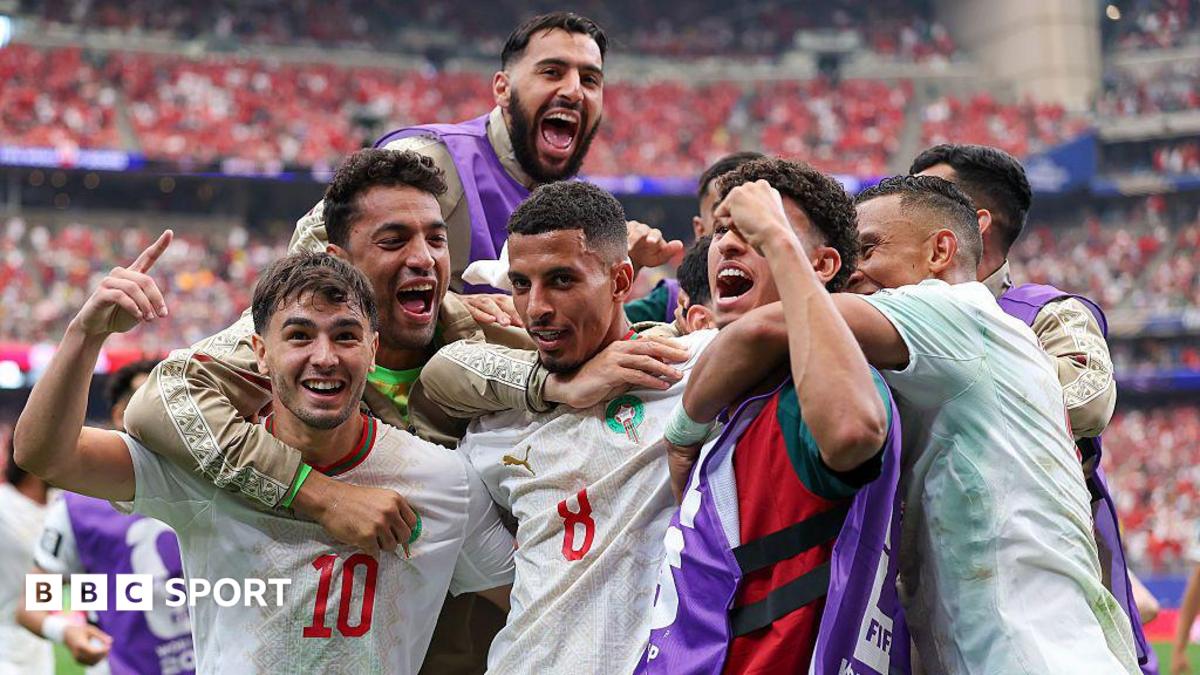
    Beyond tactics and technical skill, Morocco draws unique strength from an unusual, heartfelt team culture centered on family. During the 2022 World Cup, viral images of defender Achraf Hakimi embracing his mother after matches, and winger Sofiane Boufal dancing with his mother on the pitch, became the defining emotional moments of the team’s historic run. That tradition has continued in 2026: after scoring the game-winning penalty against the Netherlands, Ismael Saibari ran straight into the stands to celebrate with his emotional mother.

    Far from being spontaneous, this focus on family is a deliberate strategy by the RMFF. Federation president Fouzi Lekjaa has framed having players’ mothers present at major tournaments as one of the team’s most effective psychological tools, noting it gives players a unique, powerful sense of motivation. “When the player sees his mother in the stands, it’s a huge boost and motivation,” Bel Hassan explained. “The players themselves have spoken about how supported they feel. A mother’s prayer, nothing really comes close.”

    This match carries layers of meaning that extend far beyond the 90 minutes of football, rooted in the long and complicated shared history of France and Morocco. Shaped by colonialism, migration, and one of the largest Moroccan diaspora communities in Europe, the fixture carries deep identity significance. Multiple current Moroccan internationals were eligible to play for France’s senior national side, having come up through French youth system, but ultimately chose to represent the country of their parents and grandparents. That decision adds an extra layer of emotional stakes to Thursday’s encounter.

    The most high-profile example of this dynamic is the head-to-head between Hakimi and Mbappe, who are close friends and club teammates at Paris Saint-Germain, but will be rivals on the pitch in Boston.

    The core question ahead of kickoff is not simply whether Morocco can beat France. It is whether the team that shocked the world in Qatar can prove that 2022’s historic run was not the peak of their ascent, but just the first step in their emergence as a permanent global football powerhouse. In Qatar, Morocco made history. In Boston, they have the chance to prove that history is only just beginning.

  • ‘This oxygen is spreading’ – inside Morocco’s mission to become a powerhouse

    ‘This oxygen is spreading’ – inside Morocco’s mission to become a powerhouse

    As Morocco prepares to face France once again for a spot in the 2026 FIFA World Cup semifinals on Thursday, football insiders who helped shape the nation’s modern program say the Atlas Lions’ current success is no fluke – it is the payoff of years of intentional, top-backed investment and strategic planning.

    Wales native Neil Ward, who stepped into the role of technical operations director at the Royal Moroccan Football Federation (RMFF) in 2020 after leading the Football Association of Wales Trust, was in Rabat when the country made global football history in 2022, becoming the first African nation to reach a men’s World Cup semifinal. He recalled that the entire city erupted in celebration that stretched into the early morning, with King Mohammed VI himself joining the festivities to mark the milestone. Even after a narrow elimination against France that tournament, the team’s momentum has not slowed, and as co-hosts of the 2030 World Cup alongside Spain and Portugal, the nation shows no sign of stepping back from its ambition to compete among the world’s elite.

    For British coaching educator Simon Jennings, who oversaw Morocco’s national youth development system from 2020 to 2024, the team’s current standing is the direct outcome of clear, unwavering national ambition rooted in the highest levels of government. King Mohammed VI has backed sustained, large-scale investment across every layer of Moroccan football, funding a cutting-edge national training center, elite youth academy, regional development hubs, major stadium renovations, and thousands of new amateur playing pitches across the country. These world-class facilities send a clear message to top talent playing in Europe’s top leagues that Morocco is serious about competing at the highest level, Ward explained.

    This significant public investment in football has drawn criticism from youth activists, who have called for greater funding to be redirected to pressing domestic priorities including education, healthcare, affordable housing, transport infrastructure and job creation. In response to these calls, the royal palace has committed to increasing 2026 budget allocations for health and education by 16% year-on-year, totaling the equivalent of £11.2 billion in new spending.

    Ward noted that the push to invest in football is rooted in two core goals: tapping into the deep, widespread passion for the sport that already exists across Moroccan society, and building the nation’s global soft power by proving it can compete with the world’s best football nations. That ambition represents a major shift in mentality: heading into the 2022 World Cup, Morocco had only advanced past the group stage once before, in 1986. But even before the first match kicked off in Qatar, then-manager Walid Regragui made clear the team was not just there to participate – they were there to make history.

    A key part of Morocco’s competitive edge comes from its proactive scouting of talented players of Moroccan descent around the world. With an estimated 5 million Moroccans living abroad, the federation has deployed full-time scouts across major European nations including France, the Netherlands, Spain, Germany, and Scandinavia to identify promising young players with Moroccan roots early in their careers, and welcome them fully into the national team setup. Jennings emphasized that these players are fully embraced as Moroccans, with no sense of being secondary members of the squad, and many choose to represent Morocco even when they are eligible for top European national teams.

    That strategy has already delivered dramatic results: 19 of the 26 players in Morocco’s 2026 World Cup squad were born outside the country. Six of those players, including highly touted 18-year-old Lille midfielder Ayyoub Bouaddi, were previously eligible to represent Thursday’s opponent France. Even rising Barcelona star Lamine Yamal, who represents Spain at the senior level and has a Moroccan father, was approached by the RMFF when he was just 12 or 13 years old – a testament to the federation’s commitment to leaving no stone unturned in talent identification, even when recruitment does not ultimately pan out.

    Now, the next phase of Morocco’s plan is growing more elite talent through its domestic youth system. Chris van Puyvelde, who served as RMFF technical director from 2022 to 2025, said the federation’s goal by the 2030 co-hosted World Cup is to reach an even split between players born in Morocco and players of Moroccan descent raised abroad. To hit that target, van Puyvelde noted, domestic organizational systems still need improvement, a challenge that comes amid growing pressure to deliver consistent top results.

    That pressure has already been felt by current senior manager Mohamed Ouahbi, the Belgium-born coach who took over the top job after Regragui resigned following a disappointing early exit from the 2025 African Nations Cup. After his Moroccan under-20 side failed to qualify for the 2023 African Nations Cup, Ouahbi retained the federation’s backing and, with added time and patience, led the under-20 squad to win the 2025 U-20 World Cup – earning him a promotion to the senior team role just months later, with a contract running through the 2030 World Cup. That long-term contract signals the federation’s commitment to building sustained success, not just chasing short-term results.

    As Morocco gets ready to face France for a spot in the 2026 World Cup semifinals, van Puyvelde summed up the transformation the country has undergone: Morocco is not just building new stadiums for the 2030 World Cup, it is building a complete, grassroots football structure from the bottom up. The breakthrough success of 2022 has already created momentum that is spreading across the entire country, and regardless of Thursday’s outcome, the Atlas Lions’ rise as a global football powerhouse is only just beginning.

  • Nobody can question integrity of World Cup referees – Collina

    Nobody can question integrity of World Cup referees – Collina

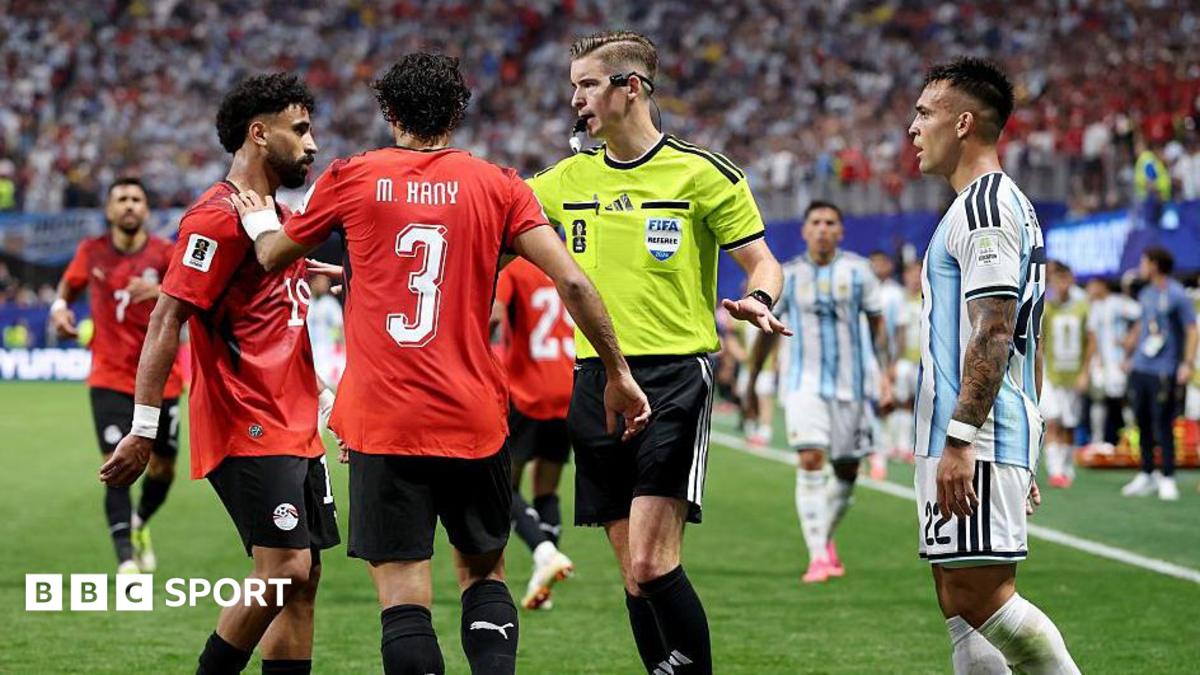
    A fresh wave of controversy has swept through the 2026 FIFA World Cup following a dramatic last-16 clash between Egypt and Argentina, which saw the reigning champions overturn a 2-0 second-half deficit to secure a 3-2 stoppage-time win. The Egyptian Football Association (EFA) has launched a formal complaint against the match officials, demanding that they be removed from the remainder of the tournament and that an investigation be opened into allegations of officiating double standards. Now, FIFA’s top refereeing chief is pushing back strongly against what he calls baseless accusations, defending the integrity of the sport’s match officials at the global tournament.

    The root of Egypt’s anger lies in two key second-half decisions that altered the course of the match. First, Video Assistant Referee (VAR) intervened to disallow a potential go-ahead goal from Egypt’s Mostafa Zico, after officials determined that midfielder Marwan Attia committed a foul by stepping on Argentina defender Lisandro Martinez’s foot in the opening phase of the attacking build-up. Just moments before Argentina scored their late winning goal, a claimed foul by Egypt star Mohamed Salah in the Argentinian penalty area was also dismissed by match officials.

    Speaking publicly about the high-profile dispute — a break from the usual policy of not commenting on specific in-tournament incidents — FIFA Chief Refereeing Officer Pierluigi Collina backed the outcomes of both VAR reviews. He outlined that the protocol for VAR checks requires officials to review every phase of attacking possession leading up to a goal, with no fixed limit on how far back an incident can be reviewed, or how much time can pass between a foul and the resulting goal. If an undetected foul is found that impacted the build-up, Collina explained, VAR is obligated to intervene. “We believe that a foul is a foul,” he said. “Regardless of whether the foul appears ‘obvious’, if the referee did not see it on the field of play, the VAR can intervene.”

    Collina added that the second controversial incident, involving Salah and Argentinian forward Julian Alvarez, was correctly ruled as legal, noting that the contact qualified as standard physical play common in football, not a foul. While he acknowledged that a small degree of subjectivity is unavoidable in 50-50 officiating calls, Collina stated the governing body is satisfied with how officiating protocols have been applied across the 2026 tournament.

    Egypt’s head coach Hossam Hassan doubled down on the EFA’s allegations after the match, claiming his side had suffered clear unfair treatment. He even suggested officials had deliberately favored Argentina to ensure the defending champions and star player Lionel Messi remained in the competition. Collina rejected these accusations firmly, stressing that no one has grounds to question the integrity of World Cup match officials. “Of course, constructive discussion about decisions will always be part of football, but unfounded allegations have no place in our sport,” he said. “When this happens, it may provoke reactions that lead to threats against [officials] and their families. This is not right.”

    Collina also pushed back on claims that FIFA leadership can influence refereeing decisions, noting that FIFA President Gianni Infantino has consistently granted the refereeing department full independence to carry out its work. “Nobody can claim that FIFA refereeing can be influenced by anyone, not even by the FIFA president,” he said. “He has always shown his full support for FIFA Team One while trusting us to work with complete independence. Match officials make honest decisions and, just like players and coaches, they always try to do their best.”

    The Egypt dispute is not the only officiating controversy FIFA is navigating at this tournament. The governing body has also faced widespread criticism from UEFA and other stakeholders over its decision to overturn an automatic red card ban for US striker Folarin Balogun from a qualifying match against Bosnia-Herzegovina. European football’s governing body UEFA called the decision “unprecedented, incomprehensible and unjustifiable”, and even former US President Donald Trump confirmed he had asked FIFA to review the initial ruling to lift the ban.