分类: sports

  • Neither France nor Spain has trailed at this year’s World Cup, but only one can reach the final

    Neither France nor Spain has trailed at this year’s World Cup, but only one can reach the final

    ARLINGTON, Texas — As the 2026 FIFA World Cup enters its final stretch, two of the tournament’s most in-form sides prepare to face off in the first semifinal clash on Tuesday, with only one earning a spot in the sport’s biggest championship match.

    Both France and Spain are making their 17th World Cup appearances, but this will mark just their second ever meeting on soccer’s global grandest stage, with their only prior matchup coming in the 2006 World Cup round of 16. Tuesday’s showdown will kick off at AT&T Stadium, the home of the NFL’s Dallas Cowboys, bringing together two powerhouse teams stacked with generational talent and momentum heading into the contest.

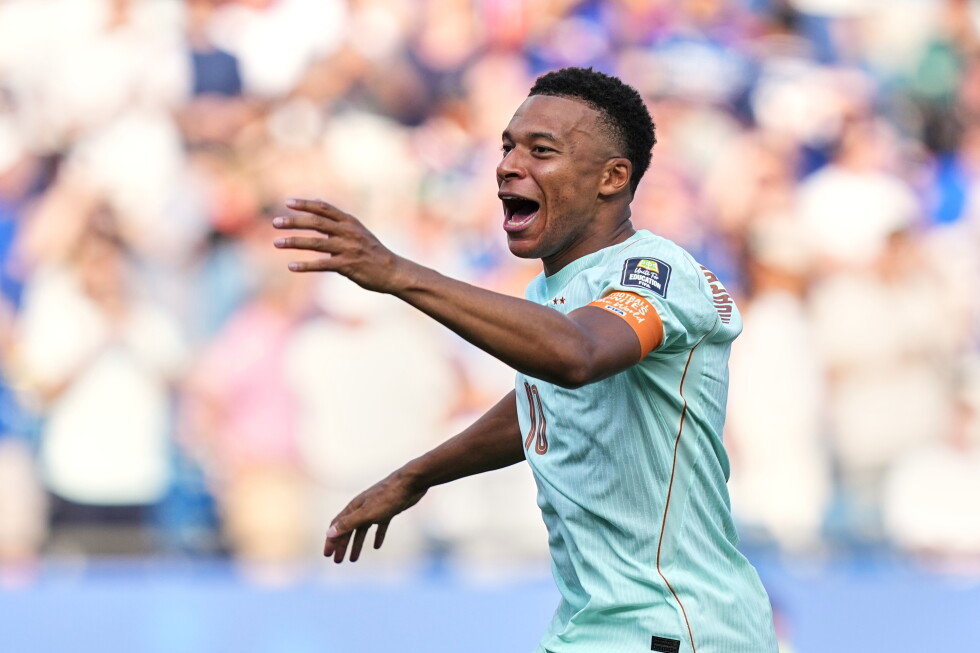
    Entering the tournament as the world’s top-ranked side per FIFA, France has dominated its path to the semifinals, outscoring all opponents by a combined 14-2 margin. Leading the charge is 27-year-old Kylian Mbappé, the 2022 World Cup Golden Boot winner, who has already netted eight goals in this tournament — tying him with Argentina’s Lionel Messi for the tournament’s scoring lead. Mbappé now sits just one goal behind Messi’s all-time World Cup career record of 21, holding 20 goals across just 20 World Cup matches dating back to his historic 2018 performance, when he became just the second teenager ever (after Pele) to score in a World Cup final during France’s title-winning run against Croatia.

    Questions briefly emerged over Mbappé’s fitness after he was substituted off in the 77th minute of France’s 2-0 quarterfinal victory over Morocco, immediately after scoring the side’s opening goal, but the French star has confirmed he is fully fit and ready to compete. The match will hold extra symbolic meaning for France, as it falls on Bastille Day, the country’s national holiday. A win would also make French football history: Didier Deschamps’ side would join Brazil (five-time champions) and Germany (four-time champions) as the only nations to qualify for three consecutive World Cup finals, a feat last achieved by Brazil between 1994 and 2002, and by West Germany ahead of its 1990 title win.

    Standing in France’s path is a Spain side that, like France, has yet to trail at any point in this tournament. Leading La Roja’s young core is 19-year-old winger Lamine Yamal, who celebrated his birthday on Monday, and already has two prior head-to-head wins over France to his name. Just days before his 17th birthday, Yamal scored in Spain’s 2-1 semifinal win over France at the 2024 European Championship, and the Spanish side earned another victory over Les Blues in Nations League play last year. Confident heading into the rematch, Yamal made his stance clear after Spain’s quarterfinal win over Belgium: “I believe if France has to fear anyone, it should be us, in my opinion. We were the ones that knocked them out before.”

    Yamal entered the World Cup recovering from a nagging left hamstring injury that forced him to miss the final weeks of the Barcelona club season, but he has still notched one goal and put 10 shots on target through Spain’s run to the semifinals. Spain’s path has been defined by more than just Yamal’s young stardom: substitute striker Mikel Merino has emerged as the side’s unlikely clutch hero, netting late winning goals in both of La Roja’s last two knockout matches. The Arsenal forward scored in the first minute of second-half stoppage time to secure a 1-0 round of 16 win over Portugal at AT&T Stadium, and followed that up with an 88th-minute match-winner in the 2-1 quarterfinal defeat of Belgium.

    Spain’s defense and goaltending have also been historically impressive, with keeper Unai Simón setting a new World Cup record for the longest shutout streak at 650 minutes, which only ended when Belgium found the net in the 41st minute of the quarterfinal. Overall, Spain has outscored opponents 10-1 through the tournament, after a surprising opening-group scoreless draw against underdog Cape Verde.

    This 2026 World Cup marks the first time since 1990 that all four semifinalists are former World Cup champions. The second semifinal will take place Wednesday in Atlanta, where 2022 champion Argentina led by Messi faces off against England. The championship match is scheduled for Sunday at MetLife Stadium in East Rutherford, New Jersey, while the third-place match will be held this Saturday in Miami Gardens, Florida.

    Looking back at prior history between the two sides: their only World Cup meeting was a 3-1 France win in the 2006 round of 16 in Germany. Both nations have lifted the trophy since that matchup: Spain claimed its first (and to date only) World Cup title in 2010, while France won its second trophy in 2018. France is making its seventh semifinal appearance, its fifth in the last eight World Cup tournaments, while Spain has only reached the semifinal stage twice before, in 1950 and during its 2010 title run.

    Tuesday’s match will be the ninth 2026 World Cup contest held at AT&T Stadium, more than any other venue in this expanded 48-team tournament. The North Texas arena, which has previously hosted a Super Bowl and NCAA championships for college football and men’s basketball, has already seen no shortage of iconic moments during this month-long tournament: Messi broke the all-time World Cup career scoring record here in a group stage win over Austria, while 41-year-old Portuguese legend Cristiano Ronaldo played what is widely expected to be his final World Cup match here in Spain’s 1-0 round of 16 win.
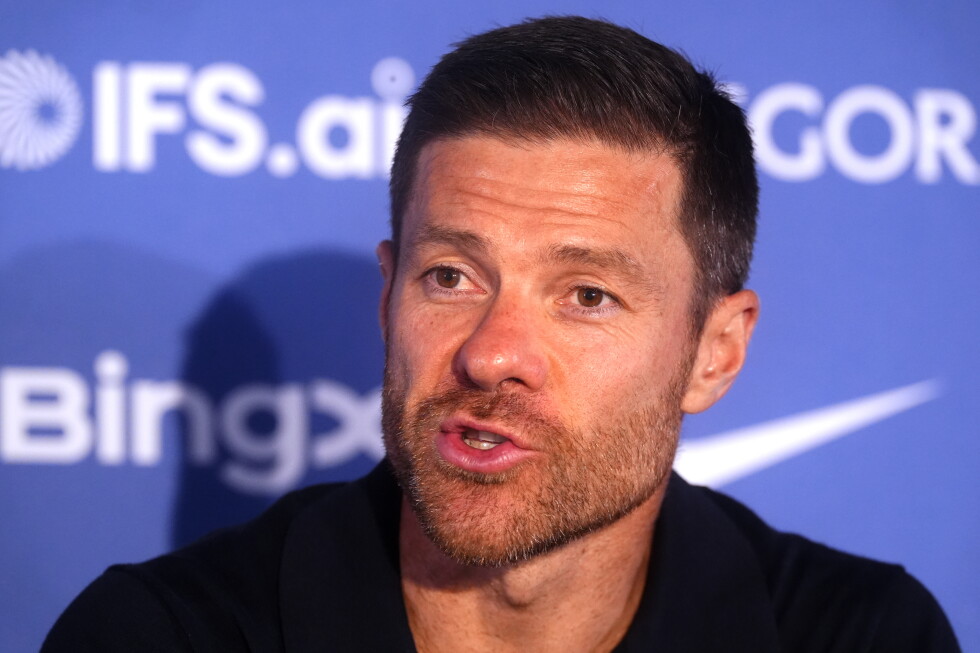
  • Xabi Alonso moves fast at Chelsea, holding private talks with Enzo Fernandez

    Xabi Alonso moves fast at Chelsea, holding private talks with Enzo Fernandez

    LONDON – Fresh off officially stepping into the role at Chelsea on July 1 following his May appointment, new Blues head coach Xabi Alonso opened up about his plans, squad priorities, and season goals during his first official press conference at Stamford Bridge on Monday.

    One of the biggest questions hovering over Chelsea’s summer rebuild has surrounded the future of Argentine midfielder Enzo Fernandez, whose position at the club has been uncertain for months. The playmaker landed an internal two-game suspension back in April after he commented in a podcast that he would welcome the chance to live in Madrid, which fueled widespread speculation of an imminent transfer to Spanish giants Real Madrid. Real Madrid has publicly denied any interest in acquiring Fernandez this transfer window, but the uncertainty around his future has lingered.

    When pressed on whether he wants Fernandez to stay at Stamford Bridge, Alonso gave a clear, direct answer: “Yes.” The new manager confirmed that the pair have already held private conversations, but declined to share details of their discussion, noting that the talks will remain confidential.

    Currently, Fernandez is not with the Chelsea squad for pre-season preparations – he is competing at the 2025 Club World Cup (note: context adjusted for ongoing tournament timing) with Argentina, who are set to face England in a semi-final clash in Atlanta on Wednesday. He is one of four Chelsea players still active in the tournament, joining England defenders Reece James and Trevoh Chalobah, and France full-back Malo Gusto.

    Alonso’s appointment comes after a brutal 2023/24 Premier League campaign for Chelsea, which saw the club plummet to 10th place in the table after finishing fourth the season prior. This poor result marked another underwhelming campaign for the Blues, who have not lifted the Premier League title since Antonio Conte led them to victory in 2017. In fact, Alonso is the eighth permanent manager the club has appointed in the eight years since that 2017 triumph, a stark reflection of the club’s recent instability in the dugout.

    When asked about his primary targets for the upcoming season, the 44-year-old Spaniard – who previously managed Bayer Leverkusen and played and coached at Real Madrid – confirmed that qualifying for European competition is a non-negotiable top goal. “For sure that’s a goal,” he said. “But to reach that goal you need to do many right things, and that starts with building clarity around how we want to play, how we want to see ourselves, and how we want to approach every single game, no matter where we play.”

    “That’s my job. That’s why I am really looking forward to having the whole squad back together. We are ambitious, and everyone at Chelsea needs to share that energy, that ambition, as well as that hunger to want to deliver success,” he added.

    Questions around long-term job security, a persistent issue for recent Chelsea managers, were put to Alonso during the press conference. He side-stepped speculation around whether the club’s ownership would grant him enough time to build a title-challenging side, instead focusing on the immediate task ahead. “What I am sure is that we have the ambition to want to win a lot of games, to be competitive,” he said. “I’m not going to say what will happen in May. It’s absolutely too early to say that but I am confident, I am optimistic that we can have a great season.”

  • UAE Fifa official ‘solely’ responsible for overturning Balogun ban

    UAE Fifa official ‘solely’ responsible for overturning Balogun ban

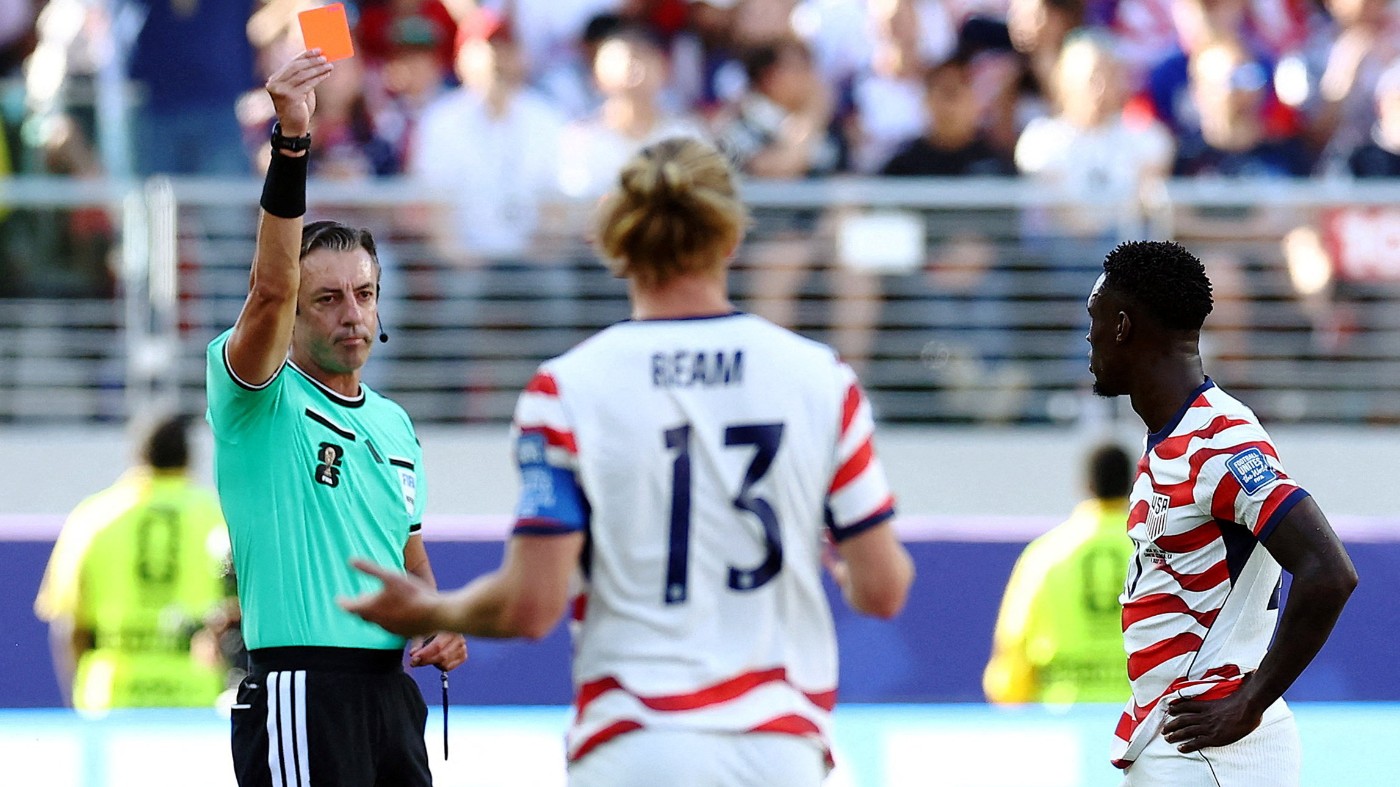
    A bombshell report from The Times of London has thrown global football governance into chaos, after revealing that a single Emirati member of FIFA’s disciplinary committee acted alone to overturn a mandatory suspension for United States forward Folarin Balogun in an unprecedented World Cup decision.

    Balogun was sent off during the United States’ Round of 32 knockout match against Bosnia and Herzegovina, which under standard World Cup rules triggered an automatic one-match suspension that would have forced him to miss the Americans’ next clash against Belgium. But just days after senior U.S. officials – including then-President Donald Trump – reached out to FIFA leadership, the governing body reversed the suspension using Article 27 of its Disciplinary Code, a provision that is almost never invoked to overrule automatic red card penalties.

    Trump later confirmed he had contacted FIFA president Gianni Infantino to request a review of the red card, arguing that the original sending-off was unfair, but denied placing any formal pressure on the global football body to reverse the ban. Contrary to FIFA’s initial statement that the decision was handled by an independent judicial panel, The Times’ reporting confirms that Mohammad al-Kamali, the chairman of FIFA’s disciplinary committee, made the call entirely on his own, without consulting any of the committee’s 17 other members.

    The revelation has sparked new questions about potential conflicts of interest, coming shortly after the U.S. government announced a major loosening of export controls on the United Arab Emirates, a close U.S. diplomatic ally. The relaxed rules open the door for easier exports of sensitive military hardware, commercial satellites, advanced artificial intelligence chips, and unmanned aerial vehicles to the Gulf state.

    Additional reporting from the Financial Times further undercuts claims of collective procedural fairness, revealing that 110 of the disciplinary committee’s most recent published decisions were also issued solely by al-Kamali. Notably, the Balogun decision itself has never been made public, a departure from standard transparency protocols. When contacted by the BBC for comment on the case over the weekend, al-Kamali declined to answer any questions.

    This decision marks the first time an automatic red card suspension has been reversed since the rule was introduced for World Cup play, a break with precedent that has sparked fierce backlash across European football. UEFA, the European governing body for the sport, issued a rare public rebuke, calling the overturn “unprecedented, incomprehensible and unjustifiable.” For his part, Infantino acknowledged that Trump had reached out about the case but maintained that the process was handled independently by competent FIFA bodies.

    Despite the reprieve that allowed Balogun to play against Belgium, the United States ultimately exited the tournament after a lopsided 4-1 defeat to the European side. Many football commentators have noted that the controversial decision appeared to galvanize the Belgian squad, who channeled public anger over the ruling into their dominant on-pitch performance.

  • McCullum says sorry to England fans after being axed as test coach

    McCullum says sorry to England fans after being axed as test coach

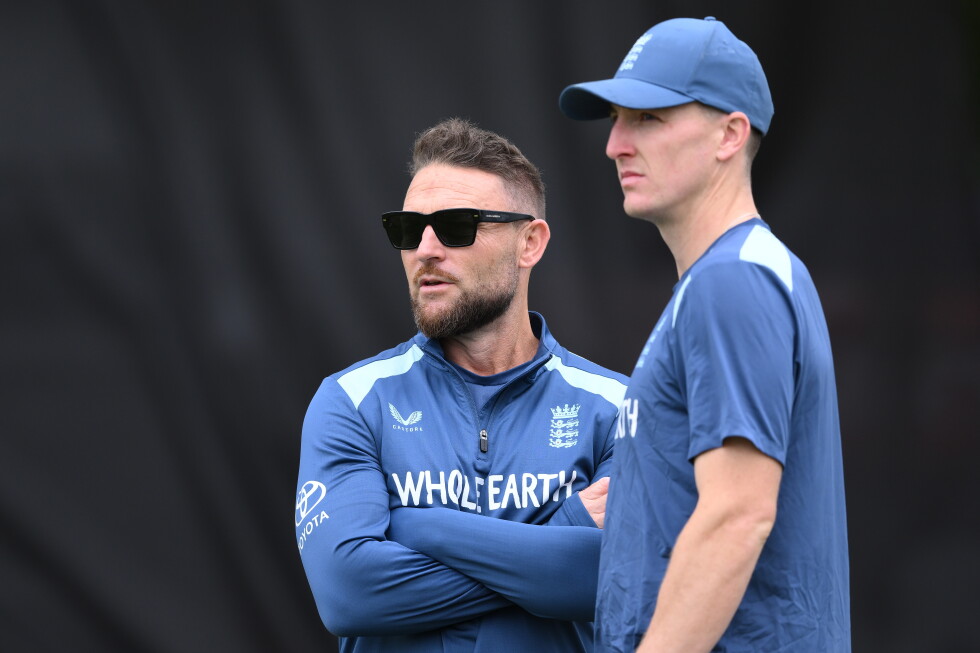
    BIRMINGHAM, England – In a high-profile shakeup to England’s senior men’s cricket setup, former Test team head coach Brendon McCullum has publicly apologized to English cricket supporters after being removed from his red-ball coaching role, while confirming he will retain his position leading the national side’s limited-overs formats.

    The New Zealand-born coach, who revolutionized England’s Test playing style with the high-risk, aggressive approach nicknamed “Bazball” alongside captain Ben Stokes, was relieved of his Test duties on Sunday, just under three years after taking the post in 2022. McCullum pushed back on an earlier statement from the England and Wales Cricket Board (ECB) that implied he stepped down voluntarily, confirming publicly on Monday at Edgbaston that he was dismissed from the role.

    “Yeah, I got a tap on the shoulder,” McCullum told reporters, speaking 24 hours before England was set to kick off a one-day international series against India at the same ground. “I was disappointed but at the same time I fully respect the decision. We’re in a results business and fundamentally our results weren’t good enough. It’s time for someone else to have a go.”

    McCullum’s tenure as Test coach got off to a historic, explosive start: his aggressive batting philosophy re-energized global interest in the five-day format, and England notched 10 wins in his first 11 matches at the helm, bringing immediate acclaim to both McCullum and Stokes. For two years, Bazball was hailed as a game-changing shift that injected new life into stagnant Test cricket.

    However, as key veteran players retired from the international side, results declined sharply over the final stretch of McCullum’s tenure. England dropped seven of its last nine Test matches, including a 2-1 series defeat to New Zealand last month – the result that directly led to Ben Stokes’ surprise retirement from Test cricket. Beyond the late losing streak, McCullum’s side never managed to secure a win in major flagship series against the world’s top two ranked sides, Australia and India: England drew both home series 2-2, and lost on the road against both nations.

    As the figurehead leading the team’s strategy and culture, McCullum said he takes full responsibility for the underwhelming results, and issued a direct apology to fans. “We just weren’t quite able to win those big series, against India and Australia. For that I guess I can only say sorry,” he said. “I was the leader of that group. I was in charge of the team culturally, in charge of the team tactically, in charge of the team results-wise as well. I’ve been around this game for 20-odd years and I know if you aren’t getting the results someone else needs an opportunity. I put my hand up for that and accept it wasn’t good enough.”

    McCullum noted there was a poetic symmetry to the timing of his exit, coming less than two weeks after Stokes’ emotional farewell from Test cricket at Trent Bridge. He shared that he had received warm messages from his former captain, framing their joint departure as a fitting end to their partnership that redefined English Test cricket. “I got some nice messages from Stokesy,” he said. “I guess, in a romantic kind of way there’s something about Stokesy and me going out together. We started it together and we go out together, and I have no problem with that.”

  • World Cup 2026: Muslim footballers challenge Europe’s identity debate

    World Cup 2026: Muslim footballers challenge Europe’s identity debate

    For generations, Islam has functioned as a divisive political flashpoint across European politics, weaponized by far-right movements and even mainstream factions to stoke anti-immigrant sentiment. But on the world’s biggest football platform, a new generation of Muslim players is quietly rewriting the narrative: proving that their faith is not a foreign import, but an integral, long-standing thread in the European social fabric.

    With an estimated 2 billion Muslims across the globe, accounting for roughly one-quarter of the world’s total population, open expressions of Islamic faith at this World Cup – which hosted 13 nations with Muslim-majority populations – should have been unremarkable. What has caught global attention, however, is the number of high-profile faith displays coming from athletes representing European nations with majority-Christian populations, pushing back against the false narrative that Islam and European identity are incompatible.

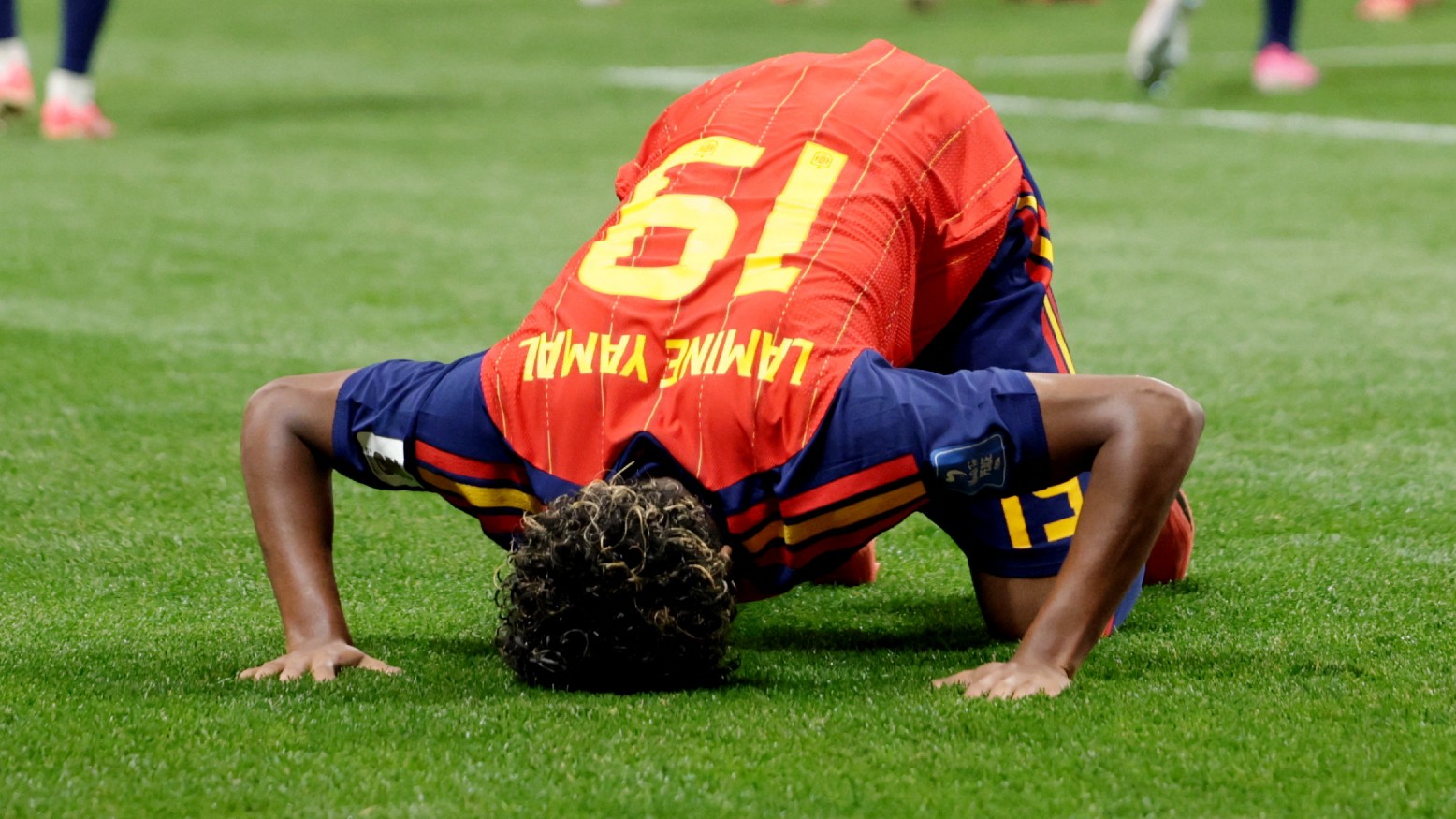
    Take 16-year-old Spanish prodigy Lamine Yamal, the dynamic FC Barcelona forward who became one of the breakout stars of the tournament. After scoring his first-ever World Cup goal against Saudi Arabia, Yamal performed sujood – the Islamic act of prostration in prayer – sending headlines across global sports media. This was not the first time the teenager’s faith had drawn controversy: earlier that year, during a friendly between Spain and Egypt held in his hometown of Barcelona, sections of the crowd launched a xenophobic chant: “Who doesn’t jump is Muslim.”

    Yamal did not stay silent in the face of the provocation. Taking to social media, he wrote: “I am Muslim alhamdulilah… Football exists to entertain and lift people up, not to disrespect others for what they believe.”

    That incident was far from an isolated case. It grew out of a long-running political trend across Europe, where far-right groups – and increasingly, segments of mainstream political parties – have pushed a false binary: framing a “Christian Europe” that must defend itself against the supposed foreign threat of Islam. This narrative overlooks a core historical fact: both Christianity and Islam emerged from the same Arabian Peninsula, with Islam arising just six centuries after the crucifixion of Jesus Christ.

    Yamal is not the only European Muslim footballer who has been forced to push back against othering from political actors and fans. In 2024, Germany center-back Antonio Rüdiger, a practicing Muslim, shared an Instagram post marking the start of Ramadan, in which he raised his index finger in tawhid, the universal Islamic gesture symbolizing the oneness of God. What should have been a harmless, personal expression of faith instead prompted a scathing, false attack from Julian Reichelt, editor-in-chief of German tabloid *Bild Zeitung*, who falsely claimed the gesture was a symbol of support for the Islamic State group.

    Rüdiger responded by filing a defamation lawsuit against Reichelt, accusing him of defamation and incitement to religious hatred, though public prosecutors later dropped the proceedings.

    Just days before Yamal’s goal against Saudi Arabia, another European-based player celebrated a World Cup goal with sujood: Yasin Ayari, who scored the opening goal for Sweden against Tunisia. Ayari, who has Tunisian roots, had long been courted by the Tunisian Football Federation to switch his international allegiance. Out of respect for his father’s home country, he followed his celebration with a quiet gesture asking for forgiveness. Even so, his act of faith and muted celebration sparked fierce backlash, with Jimmie Åkesson, leader of the far-right Sweden Democrats, publicly refusing to recognize Ayari as a Swedish citizen. Social media was flooded with hostile criticism of both the player and his expression of faith.

    In reality, Ayari’s journey tells a far different story than the one pushed by anti-immigrant politicians: it is proof that Islam is already part of modern Europe, and that the overwhelming majority of immigrants and their children integrate fully into their home societies. It was Ayari’s own Tunisian-born father, Azouz, who encouraged him to represent Sweden, telling Swedish outlet *Aftonbladet*: “My children are part of Sweden. They were born here, their friends are here. I’m an immigrant, but Yasin is Swedish with a Tunisian background. He has every right to play for this country. I really want him to play for Sweden. He should feel that he can give back to the nation that took care of him, that gave him schools, opportunities, that raised him. Why would I interfere? I’m so happy for him.”

    While Ayari, Yamal and Rüdiger inherited their faith from their immigrant families, a growing number of European-based footballers have chosen to embrace Islam through conversion, adding another layer to the story of Islam’s place in modern Europe. Some of the biggest names in the sport count themselves among this group: four-time UEFA Champions League winner Clarence Seedorf, a former Netherlands midfielder; French-Malian striker Frédéric Kanouté; and 2018 World Cup-winning French midfielder Paul Pogba.

    More recently, Djed Spence, a left-back who represented England at this World Cup, became the first openly Muslim player to earn a cap for the men’s senior national team, making his debut in World Cup qualifying against Serbia in 2022. “I was surprised because I didn’t know I was the first, so it’s a blessing,” he said after England’s 5-0 win. “It’s good to make history and hopefully inspire young kids around the world that they can make it as well. They can do what I am doing.”

    The reach of European-based Islamic conversion even extends to this World Cup’s most surprising underdog story: Cape Verde, the tiny Atlantic archipelago nation that captured global hearts after pulling off incredible upsets against Spain and Uruguay to advance out of their group, nearly knocking out eventual champions Argentina. The overwhelmingly Roman Catholic nation drew heavily on its diaspora for its squad, with nearly half of its players born outside the country, many of them raised in Europe. Three members of the squad converted to Islam during their time playing professionally in Europe.

    Jamiro Monteiro, the 32-year-old midfielder who first represented Cape Verde in 2016, converted to Islam five years ago while living in his native Rotterdam, Netherlands. French-born teammates Logan Costa and Steven Moreira followed similar spiritual paths, converting during their professional careers. “I was interested in religion from a young age and read about Islam, then later I was living with a fellow player that was Muslim and he encouraged me to start praying with him. That’s when I started to feel something inside me,” 25-year-old defender Logan Costa explained of his journey, which concluded with his formal conversion in 2020.

    Moreira, 31, the 2024 MLS Defender of the Year, shared a similar origin story. “I was in an academy in Rennes and I used to room with one of my friends. We did something wrong and they separated us and they put me with an older player,” he recalled. That older player was Abdoulaye Doucouré, the former Everton midfielder and a practicing Muslim. Watching Doucouré pray five times a day and fast during Ramadan sparked Moreira’s curiosity. Before long, he was asking questions, exploring the faith, and eventually embracing it himself. “I could feel something was moving for me but you’re a bit scared because you weren’t raised with that. You don’t know how your family will react … but when I told them, they said: ‘You’re a better person now.’ Alhamdulillah.”

    The three players celebrated Monteiro’s opening goal at the 2023 Africa Cup of Nations with a joint sujood, and their shared faith has only strengthened the unity of the Cape Verdean squad. “Whether we are Muslim or Christian our strength is that we are together – we are all Cape Verdean,” Costa said ahead of the team’s historic World Cup run. The squad has fully accommodated the three players’ faith, providing halal food throughout training camps and tournaments, and views their different religious identities simply as a natural outcome of their diaspora roots, raised across European communities.

    Against a backdrop of rising anti-Muslim rhetoric across European politics, these players – through their performances, their courage, and their open expressions of faith – are building a new, more inclusive narrative of what it means to be European in the 21st century.

  • Argentina to wear ‘lucky’ blue away kit against England

    Argentina to wear ‘lucky’ blue away kit against England

    As the 2026 FIFA World Cup enters its final stretch, one of the tournament’s most storied international rivalries will take center stage on Wednesday, when defending champions Argentina face off against England in a hotly anticipated semi-final showdown at Atlanta’s Mercedes-Benz Stadium. Kickoff is scheduled for 20:00 BST, with the match broadcast live to UK audiences via the BBC.

    Ahead of the game, Argentina’s kit choice has already sparked widespread discussion: the reigning world champions confirmed they will take the pitch in their navy blue away strip, while England will stick to their iconic all-white home kit. This darker alternate kit has only made one appearance for Argentina throughout this year’s tournament, when they secured a 3-1 group stage victory over Jordan.

    While FIFA rules offer an official explanation for the switch, the decision has fueled speculation among Argentine media that the choice is rooted in long-held sporting superstition. This same navy blue kit was worn by Argentina for two of their most famous historic World Cup victories against England: the 1986 quarter-final clash and the 1998 last-16 knockout match.

    In the 1986 Mexico City quarter-final, Diego Maradona’s legendary two goals – including the infamous handball that became known as the ‘Hand of God’ – carried Argentina to a 2-1 win that remains one of the most talked-about matches in World Cup history. Twelve years later at the France 1998 tournament, Argentina again wore the navy blue kit when they knocked England out of the tournament in a dramatic penalty shootout, a match marred by the sending off of England star David Beckham following an altercation with Argentina’s Diego Simeone.

    The only time the kit combination was reversed came at the 2002 Korea-Japan World Cup, when England donned their red away strip and Argentina wore their traditional light blue and white striped home kit. On that occasion, Beckham scored the match-winning penalty to secure a 1-0 group stage win for England, earning redemption for his 1998 sending off and writing another chapter into the decades-long rivalry.

    FIFA’s official kit regulations state that governing body prefers teams to wear their first-choice home kits where possible, but will mandate changes if there is a risk of uniform color clash. The organization also requires a clear dark-light contrast between the two teams’ kits to accommodate viewers with color vision deficiency, commonly known as color blindness.

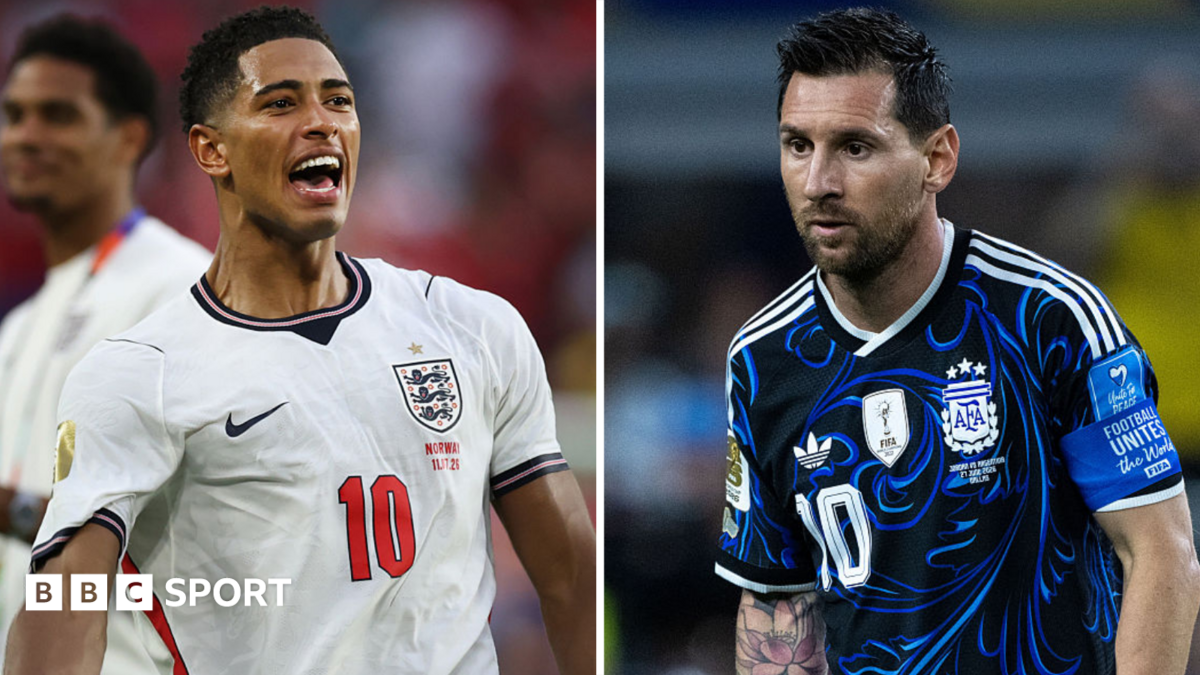
    Both teams earned their spots in the 2026 semi-finals after hard-fought extra-time knockout wins. England booked their place in the final four with a 2-1 comeback victory over Norway on Saturday, while Argentina secured a dramatic 3-1 win over 10-man Switzerland 24 hours later to set up this latest chapter in their historic rivalry with England. Heading into the match, Argentina’s captain Lionel Messi has already notched eight tournament goals, while England’s rising star Jude Bellingham has tallied six goals as one of the tournament’s breakout performers.

  • India crushes England by 270 runs to win historic first women’s test at Lord’s

    India crushes England by 270 runs to win historic first women’s test at Lord’s

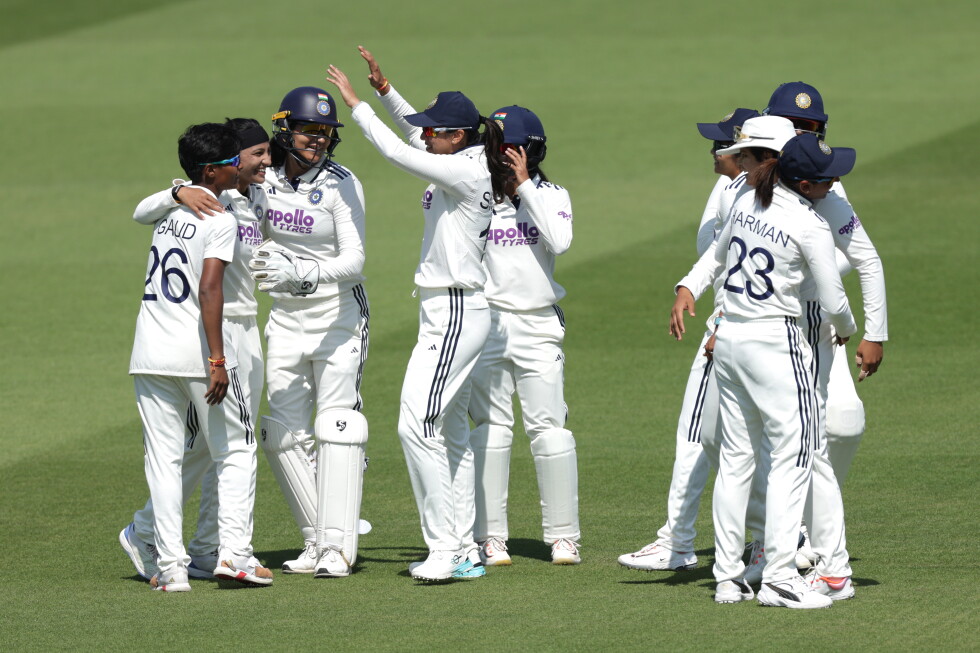
    The iconic Lord’s Cricket Ground, long known as the global “home of cricket”, made history on Monday when it hosted its first ever women’s Test match, and it was India that walked away with a dominant 270-run victory over host nation England.

    Entering the fourth and final day of the one-off Test, England held a 130-6 score on the batting board, facing an enormous target of 457 runs to claim a win. That mark already stood as more than double the highest successful fourth-innings chase in the entire history of women’s Test cricket, leaving the home side with an uphill battle from the first ball of the day.

    It took India barely 90 minutes to seal the historic win, with spin bowler Sneh Rana delivering the two most pivotal blows of the final morning. Rana first removed England’s highest run-scorer Amy Jones, who had notched 54 runs before being sent back to the pavilion. Shortly after, all-rounder Deepti Sharma claimed two quick wickets to whittle down England’s tail end, leaving only lower-order batters Sophie Ecclestone and number 11 Lauren Filer at the crease.

    In a display of stubborn resistance, Ecclestone notched her first ever Test half-century during a last-ditch partnership with Filer, but Rana ended the stand by bowling Ecclestone exactly at the 50-run mark. England was bowled out for 186 all out, handing India the lopsided 270-run win.

    Beyond the final result, the landmark match produced a string of personal firsts for players at the historic ground. India’s fast bowler Kranti Gaud made Lord’s lore when she became the first woman ever to have her name added to the venue’s famous honours boards, earning the distinction for a five-wicket haul in England’s first innings. Yastika Bhatia later joined Gaud in the history books, scoring 113 runs to notch the first women’s Test century at Lord’s. For England, Ecclestone also hit a personal milestone, claiming a five-wicket haul of her own during India’s second innings as the visitors worked to build their match-winning advantage.

    The match marked the final international appearance for England’s Tammy Beaumont and former captain Heather Knight, who announced their retirement from national team duty ahead of the Test.

    For India, the historic victory comes as a much-needed confidence boost following the team’s early exit from the 2024 Women’s T20 World Cup, where they failed to advance to the semifinal round. For England, the defeat marks the second high-profile disappointment at Lord’s in just over a month, coming after the side fell to Australia in the T20 World Cup final hosted at the ground earlier this month.

  • Former Spanish leader is criticized for comments about France’s World Cup team

    Former Spanish leader is criticized for comments about France’s World Cup team

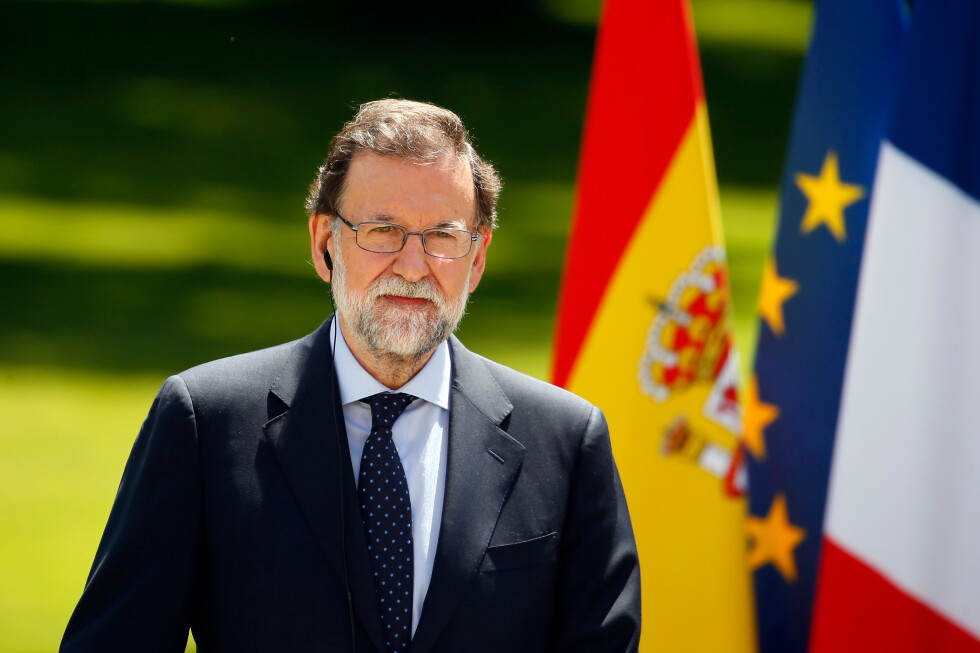
    Ahead of the highly anticipated 2025 FIFA World Cup semifinal clash between France and Spain in Dallas, a controversial comment from former Spanish prime minister Mariano Rajoy has sparked global outrage, with leaders from both nations labeling the remark as overtly racist.

    Rajoy, a longstanding senior figure in Spain’s center-right Popular Party who held the office of prime minister from 2011 to 2018, published the incendiary claim in a opinion column for Spanish news outlet El Debate on July 10. In the piece, he acknowledged France’s impressive run at the tournament—where the side had won every match heading into the semifinal and sits atop the official FIFA world rankings, boasting one of the deepest and most talented rosters in the competition. Despite this praise, Rajoy added the provocative line: “That said, one thing they don’t have is any French players.”

    The comment quickly drew sharp rebuke from across the political and sporting spectrum, starting with top French officials. On Monday, French Foreign Minister Jean-Noël Barrot told BFM TV, a leading French broadcaster, that the nation does not have a single defining skin color, and any statement claiming otherwise is rooted in stupidity, racism, or both. A day before Barrot’s remarks, Philippe Diallo, president of the French Football Federation, took to social platform X to condemn Rajoy’s words, writing that the comments carry an intolerable whiff of racism. Diallo added that the incident also exposes the troubling societal environment that allows such discriminatory views to surface publicly, noting that French national team players do not need a former head of government to validate their nationality.

    Spain’s current ruling Socialist Party government also moved quickly to distance itself from Rajoy’s words, with top Spanish leaders issuing clear condemnations. Current Prime Minister Pedro Sánchez addressed the controversy on X, without directly naming his predecessor, arguing that there are still those who judge national belonging based on surname, place of birth, or skin color, while others recognize belonging through a person’s commitment to their country and willingness to contribute to its success—whether that contribution comes through playing professional football, caring for aging community members, or building new businesses. Sánchez concluded his post with a message of sportsmanship ahead of the match: “France, we’ll see you in the semifinals. May the best one win and may racism lose.”

    Spanish Foreign Minister José Manuel Albares doubled down on the government’s criticism on Monday, calling on Popular Party leader Alberto Núñez Feijóo to publicly and clearly disavow Rajoy’s comment.

    This is not the first instance of racist targeting against the French national squad during this World Cup tournament. Earlier in July, French captain and star forward Kylian Mbappé publicly condemned a Paraguayan senator for discriminatory remarks made after France’s round of 16 victory over Paraguay. After Mbappé scored a match-winning penalty to secure France’s win on July 4, Celeste Amarilla, a senator from Paraguay’s Liberal Radical Party, posted a series of mocking posts on X targeting Mbappé’s origins, upbringing, education, and physical appearance.

  • Police investigate the death of South Africa World Cup soccer player Jayden Adams

    Police investigate the death of South Africa World Cup soccer player Jayden Adams

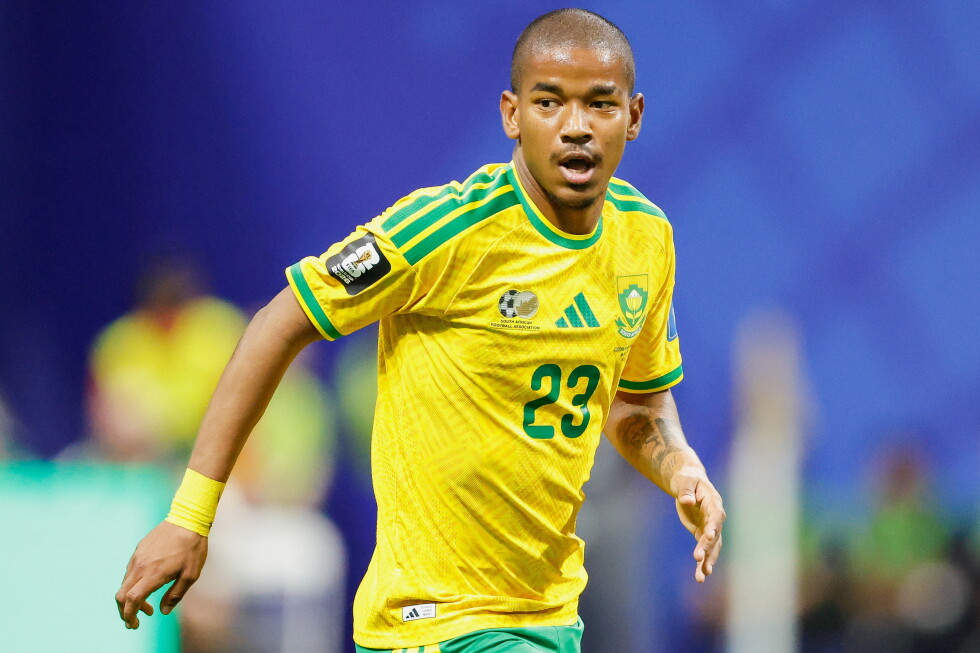
    Less than a fortnight after helping lead South Africa to its first-ever knockout stage appearance at a global men’s World Cup, 25-year-old national team midfielder Jayden Adams has died unexpectedly. His body was found Saturday at a residential property in Cape Town’s Schotsche Kloof neighborhood, and local law enforcement has launched a formal inquest into the circumstances of his death, authorities confirmed Monday.

    As of Monday, official investigators have not released any confirmed cause of death, and have urged the public and media to avoid spreading unsubstantiated speculation while the probe moves forward. In a formal statement shared with the Associated Press, Cape Town Central Police said: “Cape Town central police registered an inquest for investigation following the discovery of the body of a 25-year-old male on Saturday. Circumstances surrounding this incident are under investigation.” Police declined to share additional details beyond confirming the location and approximate time of the discovery, which was logged at around 11 a.m. local time Saturday.

    Adams’ family confirmed their grief in statements to local media, noting they are still waiting for official autopsy results to confirm the cause of death and have not yet finalized funeral arrangements. “As you all know, it was an untimely death. The family is struggling to process it,” Juanito Adams, the player’s father, told South African outlet eNCA Sunday. “It won’t be easy to carry on. People say it will become easier, but it won’t. You just learn to live with it.”

    Adams was a key contributor to South Africa’s historic run at this year’s World Cup, starting in all three of the team’s group stage matches that propelled the nation past the group stage for the first time in its modern World Cup history. He did not appear in the team’s round of 32 knockout match against Canada on June 28, which ended in a 1-0 defeat that eliminated South Africa from the tournament.

    South African Sports Minister Gayton McKenzie later highlighted Adams’ extraordinary dedication to his team, revealing that the young player competed in South Africa’s critical group stage match against the Czech Republic just hours after learning his own grandmother had passed away. In a statement following Adams’ death, McKenzie called on the public and press to “exercise restraint and compassion” amid the ongoing investigation, and refrain from spreading unconfirmed rumors about how the player died.

    The global soccer community has already begun to honor Adams’ legacy ahead of the conclusion of the ongoing World Cup. Tributes and moments of silence were held during both quarterfinal matches on Saturday — the contest between England and Norway, and the match between Argentina and Switzerland — to recognize the young player’s life and career.

  • Daly Cherry-Evans advice to Sam Walker after similar State of Origin journey

    Daly Cherry-Evans advice to Sam Walker after similar State of Origin journey

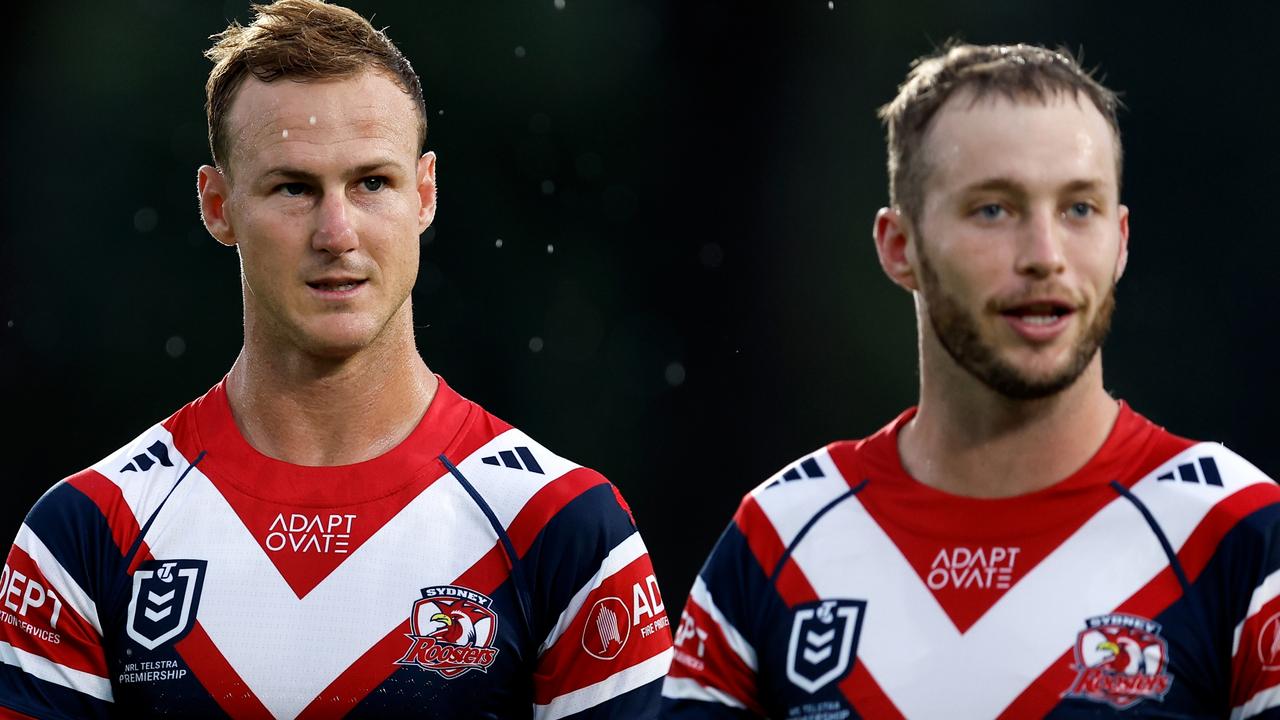
    As the NRL premiership race intensifies, rugby league veteran playmaker Daly Cherry-Evans has opened up about the unique growth opportunities that come with defeat at rugby league’s most intense representative level, offering a thoughtful perspective on young Queensland Maroons rookie Sam Walker’s first State of Origin experience.

    Walker, 24, makes his return to Sydney Roosters duty this Friday, just one week after he and the Maroons suffered a heartbreaking decider loss in Brisbane that ended their 2024 State of Origin campaign. The young halfback’s first Origin series was a rollercoaster: he turned heads with standout performances in the opening two matches, only to walk away with the bitter taste of a series defeat after the final game. Now, he is set to rejoin his club full-time as the Roosters push toward a premiership title.

    Cherry-Evans, who made his own Maroons debut back in 2013 at the exact same age of 24, says there is no question the Origin experience will change Walker for the better. The veteran Manly playmaker argues that defeat in a high-stakes representative series often teaches players far more than a victory ever could. “Origin’s a great development piece for any player that gets to play in that arena, and Sammy will be no different,” Cherry-Evans explained in comments to NewsWire. “He will have taken so many great lessons from it – the experience of playing in front of massive crowds, being in camp with the elite players of the game – there’s so much to take from that environment. There’s probably a fair argument to say you learn more out of a series loss than you do a win. He’ll come back no doubt extremely determined to finish this year successfully.”

    One of the biggest takeaways for Walker, Cherry-Evans notes, came from six weeks of training and playing alongside Queensland legend Cameron Munster – a partnership that has already added new layers to the young playmaker’s game. While Cherry-Evans says he has already spotted subtle changes to Walker’s approach on and off the pitch, he is clear that the Roosters don’t need Walker to reinvent himself after his representative debut. The young halfback has long been celebrated for his natural, unstructured style of play, and Cherry-Evans emphasizes that this natural ability is what makes him so valuable to the club. “The best part about it is, of course he’s learnt things, of course he’s come back with a few good ideas or some improvements in his game, but he’s still Sam Walker,” he said. “And that’s the part that we need to always remember; Sam at his best is good enough. If he has improved, which I’m sure he has from Origin, well that’s even better for us as a club. As long as Sam’s not trying to be anything else but himself, I think that’s going to be great for us.”

    Looking back on his own career, Cherry-Evans added that the lessons from his first Origin series took far longer to sink in than many might expect. Just a few months after his 2013 maiden Origin appearance, Cherry-Evans led Manly to an NRL grand final against the Roosters, but he says that early run of form wasn’t a direct result of the lessons he learned in representative camp. “I’ll be honest, my head was spinning for the first six years of my career,” he admitted. “Playing Origin early, playing for Australia early and having success at club land early were some of the most amazing memories I’ll never forget. But as for how did I evolve and change, I think there’s a really fair argument to say I didn’t really get it until probably six to eight years into my career. I had a lot of amazing players around me, but for whatever reason, all that advice and information just didn’t quite give me the full benefits until a bit later in my career. It’s not as if it wasn’t sinking in, it just took me a bit of time to figure it out.”

    Now, as Walker prepares to face off against Munster this Friday in his first club game post-Origin, the rugby league world will be watching closely to see how the young playmaker translates the lessons of his first bitter Origin series defeat into club success for the Roosters.