分类: sports

  • Biathlete apologises to ex-girlfriend and team-mate

    Biathlete apologises to ex-girlfriend and team-mate

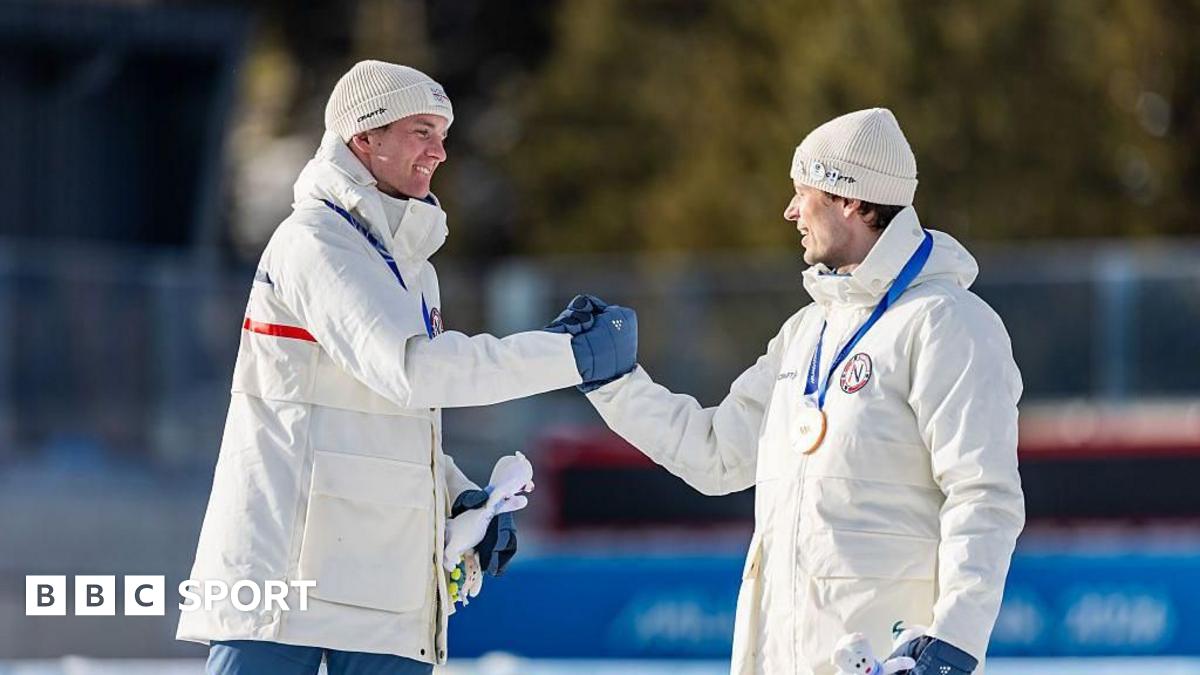
    Norwegian biathlete Sturla Holm Laegreid finds himself at the center of an Olympic controversy that has shifted attention from athletic achievement to personal scandal. The athlete’s emotional confession of infidelity during live television coverage following his bronze medal win in the men’s 20km event has sparked intense media scrutiny.

    During what should have been a celebratory moment for Norwegian biathlon, Laegreid tearfully described the past week as ‘the worst of his life’ after his girlfriend ended their relationship due to his unfaithfulness. The timing of his revelation proved particularly unfortunate as it occurred alongside compatriot Johan-Olav Botn’s golden moment—a victory Botn dedicated to their late teammate Sivert Guttorm Bakken, who passed away in December.

    The situation escalated when Laegreid’s former partner contributed anonymously to Norwegian newspaper VG, expressing her frustration at being thrust into the media spotlight against her will. ‘It’s hard to forgive. Even after a declaration of love in front of the whole world,’ she stated, confirming they had been in contact regarding his public apology.

    Laegreid subsequently issued a formal statement through Norway’s state broadcaster NRK, expressing regret for diverting attention from Botn’s achievement and apologizing to his ex-girlfriend for her unwanted media exposure. ‘I deeply regret bringing up this personal story on what was a day of celebration for Norwegian biathlon,’ the athlete acknowledged, adding that he would not be addressing further questions on the matter.

    The controversy has drawn criticism from within the sporting community, with five-time biathlon gold medalist Johannes Thingnes Boe describing Laegreid’s actions as ‘completely wrong’ in comments to NRK.
  • Australia’s Marsh out with ‘testicular bleeding’

    Australia’s Marsh out with ‘testicular bleeding’

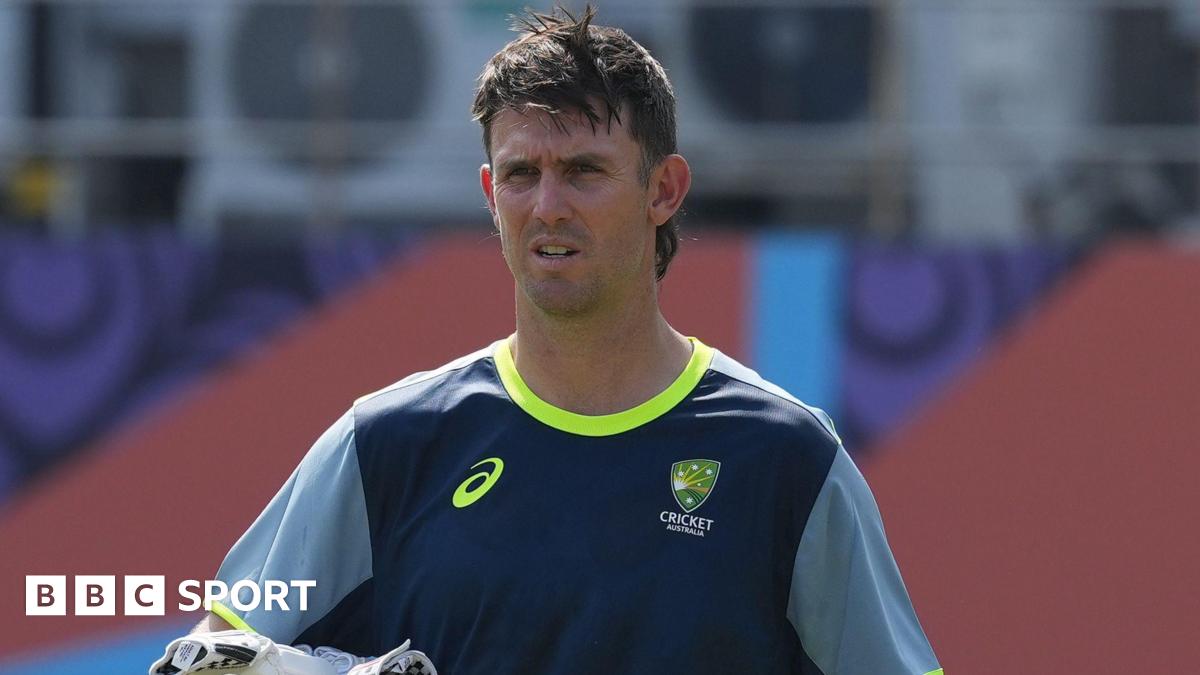
    Australian cricket team captain Mitchell Marsh has been sidelined from his team’s inaugural T20 World Cup match against Ireland due to a severe groin injury sustained during training. The 34-year-old all-rounder suffered testicular bleeding after being struck in the pelvic region while taking throwdowns during a practice session in Colombo this past Sunday.

    Cricket Australia’s medical team confirmed through comprehensive scans that Marsh has developed internal testicular bleeding, resulting in persistent pain and mobility restrictions. The national cricket body issued an official statement indicating the player will undergo a structured rehabilitation program with his return contingent upon symptom resolution and medical clearance.

    In response to this unexpected development, veteran batsman Steve Smith has been summoned as emergency cover. The 36-year-old, despite being omitted from the original World Cup roster despite strong Big Bash League performances, will join the squad in preparation for potential tournament involvement should Marsh’s recovery extend beyond initial projections.

    Travis Head assumed interim captaincy duties for Australia’s Group B encounter against Ireland in Marsh’s absence. The Australian team, now navigating early tournament challenges without their designated leader, faces Zimbabwe next at Colombo’s R. Premadasa Stadium this Friday.

    Marsh, who assumed T20 captaincy responsibilities in April 2024, brings substantial experience with 2,102 runs and 17 wickets across 78 international appearances in the format. His absence presents significant tactical adjustments for the Australian side as they commence their World Cup campaign.

  • Proteas edge Afghanistan after two super overs

    Proteas edge Afghanistan after two super overs

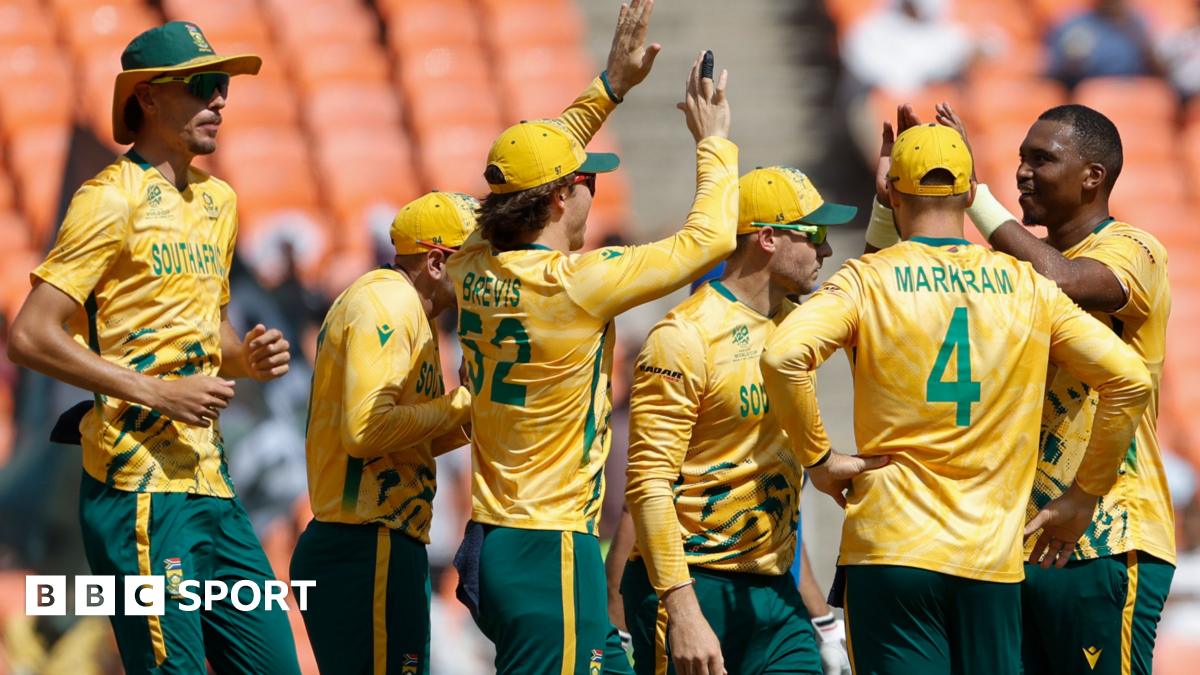
    In an unprecedented display of cricketing tension, South Africa and Afghanistan delivered what will be remembered as one of the most dramatic contests in T20 World Cup history, ultimately decided through two nerve-shredding super overs in Ahmedabad.

    The monumental Group D clash saw both teams finish locked at 187 runs after their allotted 20 overs, triggering the extraordinary tie-breaker procedure. The first super over ended in another deadlock with both teams scoring 17 runs, marking only the third instance in men’s T20 international history requiring multiple super overs to determine a winner.

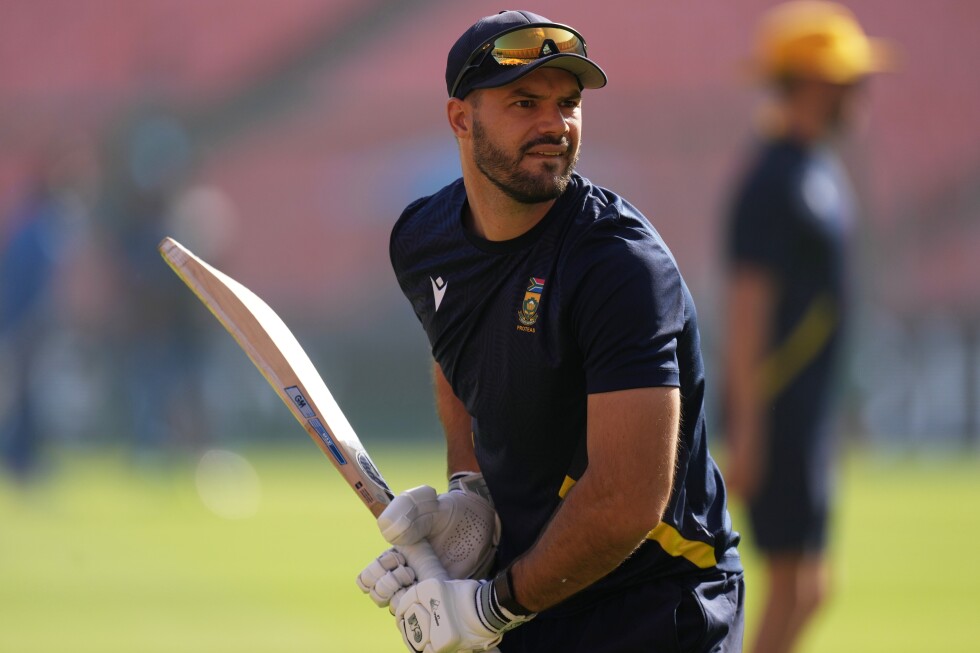
    South Africa established their competitive total of 187-6 through commanding half-centuries from Quinton de Kock (59 from 41 balls) and Ryan Rickelton (61 from 28 deliveries), who combined for a formidable 114-run second-wicket partnership. Afghanistan’s response was spearheaded by Rahmanullah Gurbaz’s explosive 84 from just 42 balls, supported by valuable contributions from Azmatullah Omarzai (22) and captain Rashid Khan (20).

    The match reached its zenith in the final over of regulation play. With Afghanistan requiring 13 runs from the final six deliveries and only one wicket remaining, Kagiso Rabada’s two no-balls provided dramatic reprieves. The tension peaked when Fazalhaq Farooqi was run out attempting a second run with three balls remaining, forcing the match into its first super over.

    After both teams matched each other’s 17-run effort in the initial super over, the contest progressed to an unprecedented second tie-breaker. David Miller’s crucial 16 runs from four deliveries propelled South Africa to 23-0, setting a challenging target. Despite Rahmanullah’s blistering 18 from four balls in response, spinner Keshav Maharaj claimed two vital wickets, restricting Afghanistan to 19-2 and securing South Africa’s victory by the narrowest of margins.

    This thrilling encounter served as a rematch of the 2024 T20 World Cup semi-final, though Afghanistan demonstrated significant improvement from their previous 56-all-out performance in Trinidad. The result solidifies South Africa’s position in the tournament following their opening victory over Canada, while Afghanistan faces elimination after consecutive defeats.

    The Proteas now prepare to face New Zealand at the same venue on Saturday, while Afghanistan will meet the United Arab Emirates in Delhi on Monday, with both teams contemplating very different tournament trajectories after this historic contest.

  • Sports fans score big as drone soccer blends tech with teamwork

    Sports fans score big as drone soccer blends tech with teamwork

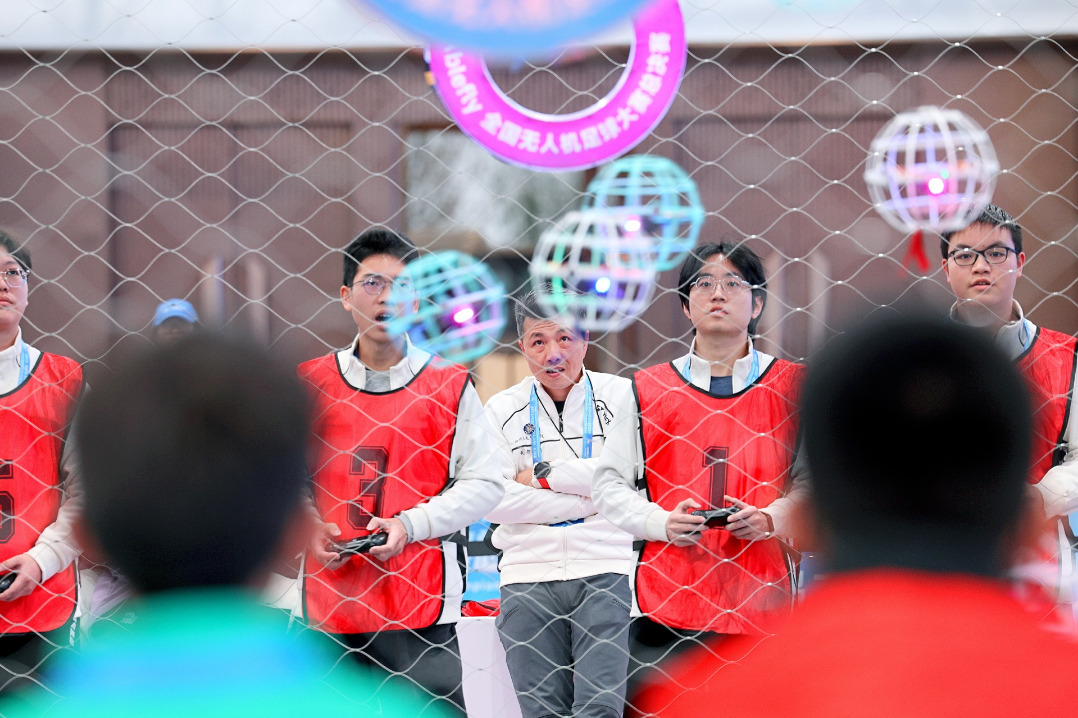
    Chengdu has become the epicenter of an innovative sporting revolution as drone soccer captivates thousands of participants, blending cutting-edge technology with traditional athletic competition. The recently concluded Ablefly National Drone Soccer Championship Finals, organized through a partnership between the Chengdu municipal government and the Chinese Society of Aeronautics and Astronautics, demonstrated the massive appeal of this emerging sport with 1,116 teams competing over three intense days.

    The competition features a unique 5v5 format where players maneuver specially designed drones encased in 20-centimeter protective spheres through aerial goal hoops. This requires exceptional hand-eye coordination, strategic teamwork, and technical proficiency, creating a spectator experience that combines the familiarity of soccer with the excitement of drone technology.

    International participants like Ousama Mahamad Senoussi Ahmad, a student from Chad studying at the University of Electronic Science and Technology of China, have embraced the sport for its tactical similarities to traditional soccer enhanced by the thrill of drone operation. Young competitors such as 14-year-old Li Yuanchen from Chongqing appreciate the personal development opportunities, noting how the sport challenges teamwork abilities and coordination skills.

    Educational institutions have become breeding grounds for drone soccer talent, with teachers like Zhao Yuanhang from Jitian Primary School reporting overwhelming student interest. The seamless integration of technology and entertainment has made after-school training sessions highly popular among tech-savvy youth.

    City officials recognize the broader implications of this technological sports fusion. Wang Yi, Director of Chengdu’s Sports Bureau, emphasizes how merging emerging industries like drone technology with sports brings advanced technology into public consciousness while creating substantial industrial development opportunities. As a significant hub for China’s drone industry, Chengdu has ambitious plans to establish itself as the national leader in drone soccer and expand into additional drone sports disciplines including drone basketball and fencing.

    The development strategy, as explained by Wen Ge of Qingyang District Aviation Association, prioritizes competition-driven participation rather than waiting for organic growth. This approach includes implementing school-based interest courses, collaborating with industry partners to enhance technological aspects, and creating accessible venues across communities and commercial centers to ensure sustainable growth and continuous participant engagement.

  • De Zerbi leaves Marseille by mutual consent

    De Zerbi leaves Marseille by mutual consent

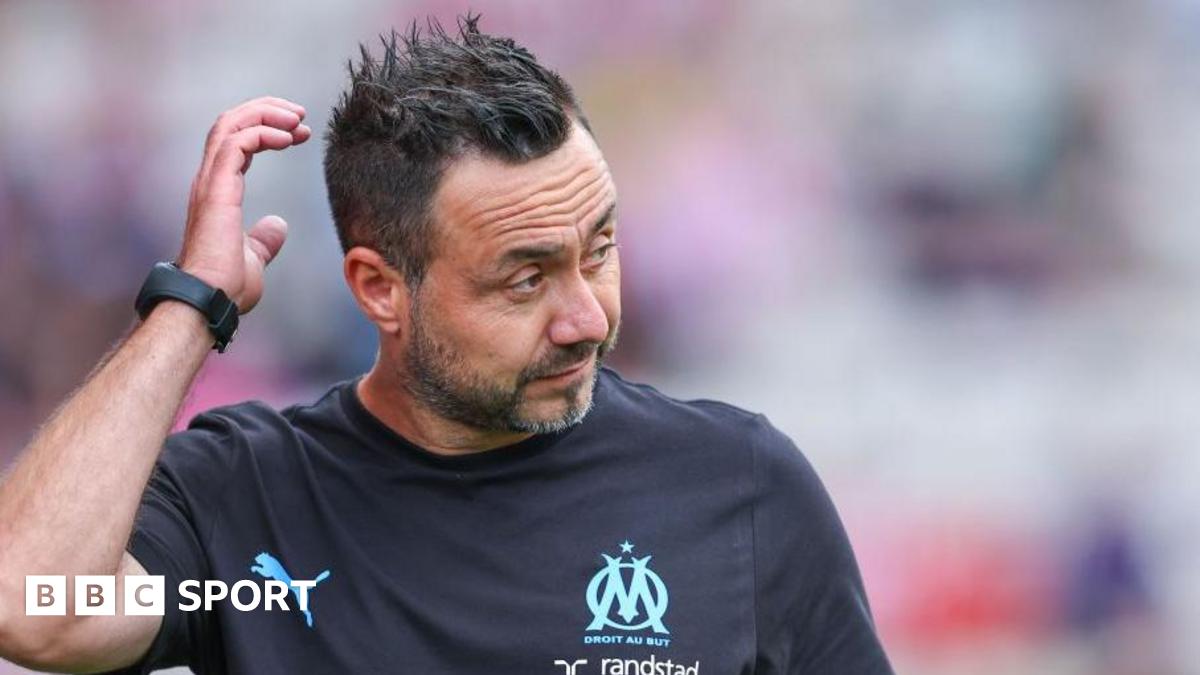
    Olympique de Marseille has officially severed ties with first-team coach Roberto De Zerbi through a mutual separation agreement. This decisive move follows a period of significant sporting setbacks for the French club, including a devastating 5-0 defeat to arch-rivals Paris Saint-Germain and a recent elimination from the Champions League after a 3-0 loss to Club Brugge.

    The Italian manager, who previously managed Brighton & Hove Albion for nearly two years, assumed leadership at Marseille in the summer of 2024. Under his guidance last season, the team achieved a respectable second-place finish in Ligue 1. At the time of his departure, Marseille occupies fourth position in the league table, trailing leaders PSG by a substantial 12-point margin.

    In an official communiqué, the club’s administration detailed that this conclusion resulted from extensive deliberations among key stakeholders, including the owner, president, director of football, and the coach himself. The statement characterized the decision as collectively challenging but necessary, emphasizing it was reached after thorough consideration to address the critical sporting objectives remaining in the current season. The leadership affirmed the move was executed with the club’s best interests at heart to navigate upcoming challenges effectively.

  • Afghanistan sends South Africa in to bat in must-win T20 World Cup match

    Afghanistan sends South Africa in to bat in must-win T20 World Cup match

    In a pivotal Group D encounter at cricket’s Twenty20 World Cup, Afghanistan captain Rashid Khan won the toss and elected to field first against tournament runners-up South Africa on Wednesday. The strategic decision came at Khan’s familiar Indian Premier League home ground, which he described as favorable for bowling conditions with a preference for chasing targets.

    The match carries significant implications for both teams’ progression hopes. South Africa enters the contest with momentum from their opening victory against Canada, while Afghanistan seeks redemption after an initial defeat to New Zealand. With only the top two teams from each four-group structure advancing to the Super Eights, this matchup becomes critical for Afghanistan’s tournament survival.

    Both teams implemented strategic lineup changes ahead of the high-stakes encounter. South Africa introduced left-arm orthodox spinner George Linde, replacing fast bowling allrounder Corbin Bosch. Afghanistan countered with their own adjustment, bringing in left-arm wrist spinner Noor Ahmad for medium pace bowler Ziaur Rahman.

    The encounter revives recent tournament history between these sides, recalling South Africa’s victory over Afghanistan in the 2024 World Cup semifinals held across the Caribbean and United States. Meanwhile, New Zealand currently leads Group D with an unblemished 2-0 record.

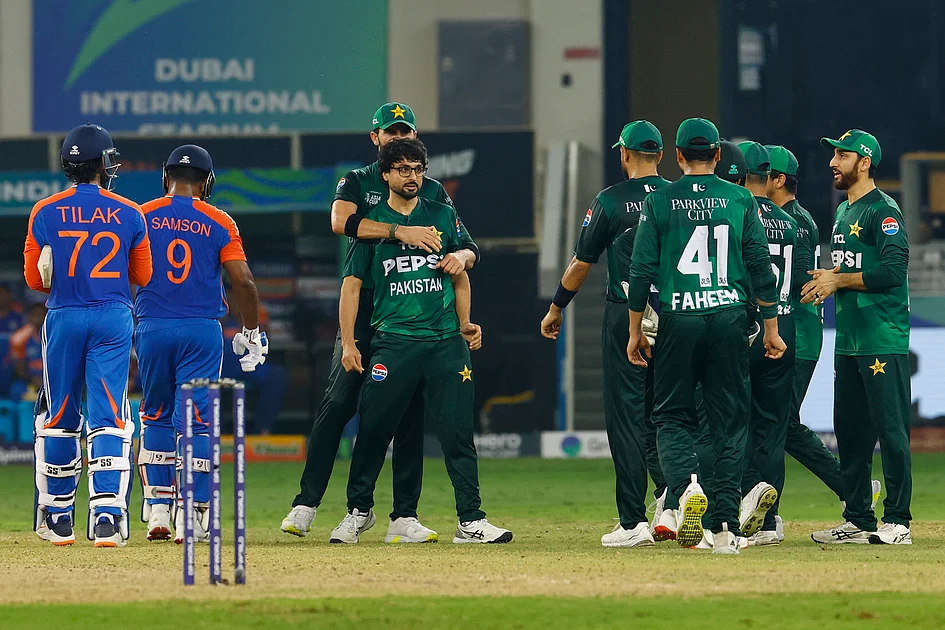
    Later Wednesday fixtures feature Australia commencing their campaign against Ireland in Group B, while England faces West Indies in Group C. The tournament continues with the highly anticipated India-Pakistan rivalry match scheduled for Sunday, after Pakistan reversed its initial boycott decision.

  • Stage set for season-opening Dubai 2026 Para Athletics GP

    Stage set for season-opening Dubai 2026 Para Athletics GP

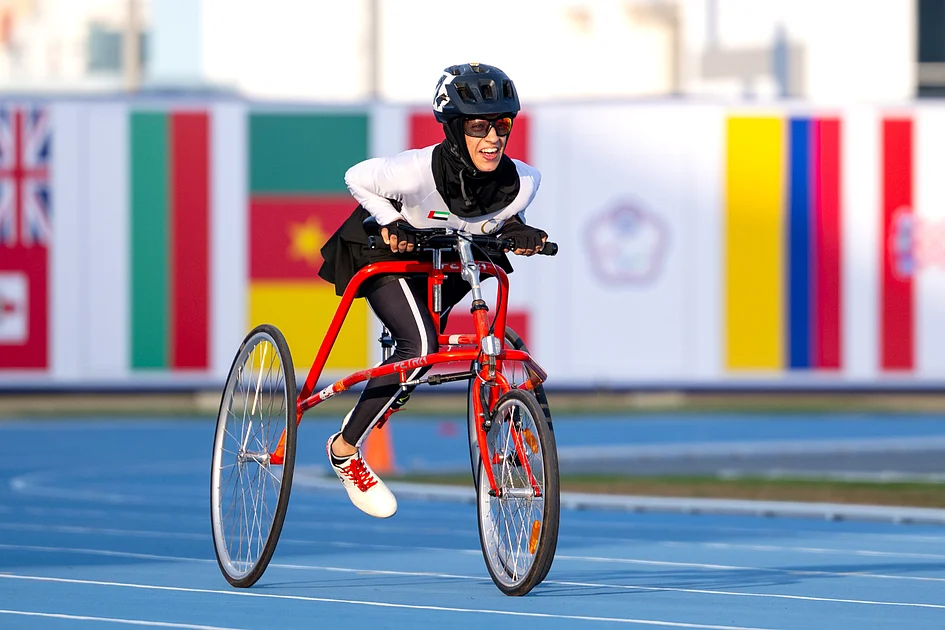
    Dubai has become the epicenter of elite para athletics as the 17th Fazza International Para Athletics Championships commences, marking the inaugural Grand Prix event of the 2026 season. Under the esteemed patronage of Sheikh Mansoor bin Mohammed bin Rashid Al Maktoum, this prestigious competition brings together 500 elite athletes representing 56 nations at the Dubai Club for People of Determination grounds from February 10-13, 2026.

    The championship serves as a critical qualifying platform for major international events throughout the 2026 athletic calendar, including the Glasgow Commonwealth Games in July and the Aichi-Nagoya 2026 Asian Para Games in October. Athletes are competing to achieve minimum qualification standards that will secure their participation in these premier competitions.

    India has deployed its strongest contingent featuring 50 elite competitors, including reigning Paris 2024 Paralympic champions Sumit Antil (F64 javelin) and Navdeep (F41 javelin), alongside two-time Paris 2024 medalist Preeti Pal and Simran, bronze medalist in women’s 200m T12.

    European representation is highlighted by Belgium’s Maxime Carabin, a two-time Paris 2024 Paralympic champion and five-time world champion who secured three gold medals at the Kobe 2024 World Championships. Canada’s Austin Smeenk, gold medalist in men’s 800m T34 and bronze medalist in men’s 100m T34 at the Paris 2024 Paralympics, adds further international star power to the competition.

    The host nation UAE fields 65 athletes, including several Paralympic medalists. Young standout Mohammed Youssef Othman, bronze medalist at the New Delhi World Championships, leads the home team’s track events. The women’s campaign features Rio 2016 medalists Sara Aljeneibi (women’s shot put F33), Noura Alktebi (women’s shot put F32), and Kobe 2024 world champion Maryam Alzeyoudi (women’s shot put F40).

    Othman expressed his aspirations ahead of the competition: ‘My preparations have been optimal for the new season. I aim to deliver a powerful performance at our home event and maintain momentum throughout the competitive season, with the Asian Para Games representing my primary objective.’

    The championship will be streamed live globally through the Dubai Club for People of Determination’s official YouTube and Facebook channels, ensuring worldwide accessibility to these elite athletic performances.

  • India–Pakistan feud casts shadow over cricket’s Olympic ambitions

    India–Pakistan feud casts shadow over cricket’s Olympic ambitions

    Cricket’s anticipated return to the Olympic stage at Los Angeles 2028 faces significant challenges beyond the upcoming Games, as persistent geopolitical tensions between India and Pakistan cast doubt on the sport’s long-term Olympic aspirations. The recent T20 World Cup impasse, which saw Pakistan initially boycott their marquee match against India, highlights deeper structural issues within cricket’s governance that could undermine its global expansion ambitions.

    The International Cricket Council (ICC) successfully mediated a temporary resolution to the crisis through emergency talks with the Pakistan and Bangladesh cricket boards. However, sports analysts characterize this solution as merely addressing symptoms rather than curing the underlying disease of political interference in sporting decisions.

    Veteran Indian journalist Chander Shekhar Luthra emphasizes that substantial structural reforms within the ICC are imperative if cricket genuinely seeks permanent Olympic inclusion. ‘The governing body must liberate itself from political pressures exerted by powerful cricket boards, particularly the Indian board which operates under political compulsions,’ Luthra stated.

    The timing of these tensions carries additional significance as India contemplates bidding for the 2036 Olympic Games. Pakistani commentator Nauman Niaz warns that the International Olympic Committee’s commitment to neutrality and impartiality might view recent politicization incidents unfavorably. ‘The IOC operates very differently from cricket’s governing bodies,’ Niaz noted. ‘As India prepares an Olympic bid, such incidents will inevitably come under scrutiny.’

    Despite these challenges, both commentators acknowledge India’s remarkable transformation as a sporting nation and its deserving credentials to host the Olympics. The paradox remains that the same nation driving cricket’s commercial success might inadvertently hinder its Olympic aspirations through political interventions that contradict the Olympic movement’s fundamental principles.

  • Sri Lanka’s Hasaranga ruled out of T20 World Cup due to injury

    Sri Lanka’s Hasaranga ruled out of T20 World Cup due to injury

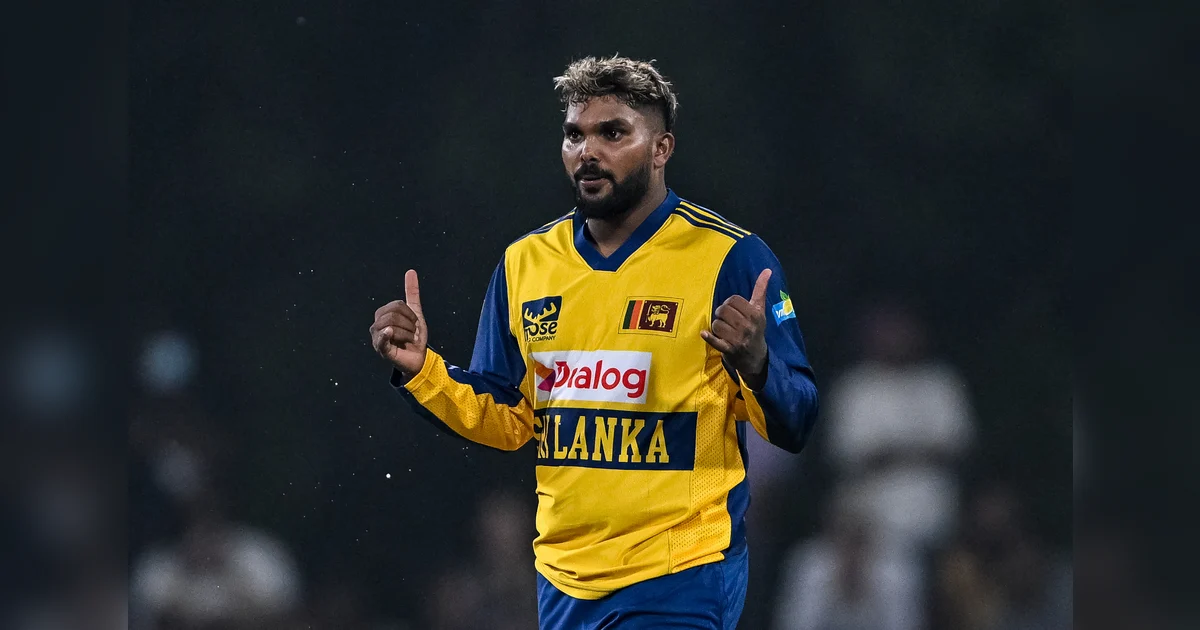
    Sri Lanka’s T20 World Cup aspirations have been dealt a devastating blow with the tournament’s organizing body confirming the withdrawal of premier spinner Wanindu Hasaranga due to a significant hamstring injury. The announcement came Tuesday following Sri Lanka’s opening match victory against Ireland, where Hasaranga had demonstrated his crucial value to the team by capturing three wickets in their 20-run triumph.

    The injury represents particularly cruel timing for the co-hosts, occurring just as Hasaranga appeared to be hitting his strategic peak in the global tournament. Bowling all-rounder Dushan Hemantha has been designated as the official replacement in Sri Lanka’s squad roster.

    Hasaranga’s absence creates an immense void in Sri Lanka’s bowling attack, depriving them of one of international cricket’s most formidable T20 spinners. The 28-year-old phenomenon currently ranks fifth globally in all-time T20 international wickets with 154 dismissals to his credit. This development compounds Sri Lanka’s existing injury concerns, following fast bowler Eshan Malinga’s earlier tournament exit due to shoulder dislocation, with Pramod Madushan having already joined as his substitute.

    The co-hosting nation now faces mounting pressure as they prepare for their critical second Group B encounter against Oman scheduled for Thursday. Team management must rapidly reconfigure their bowling strategy without their primary spin weapon in a tournament where marginal advantages often determine outcomes.

  • Super Rugby turns 30, hoping a faster game attracts more fans

    Super Rugby turns 30, hoping a faster game attracts more fans

    WELLINGTON, New Zealand (AP) — As Super Rugby commemorates its 30th anniversary with Friday’s opening clash between the Highlanders and defending champions Crusaders, the Southern Hemisphere’s premier club competition demonstrates remarkable resilience despite evolving challenges. The tournament’s journey began on March 1, 1996, when the Hurricanes faced the Blues in what marked rugby union’s early professional era, with no certainty about the competition’s longevity. Initially spanning twelve teams across Australia, New Zealand, and South Africa, the championship disrupted traditional provincial loyalties while gradually expanding to incorporate eighteen teams including Argentine, Japanese, and Pacific franchises before consolidating into its current eleven-team format following pandemic adaptations. The 2020 withdrawal of South Africa’s four teams to Northern Hemisphere competitions raised existential concerns, yet Super Rugby has persisted through strategic recalibration. Tournament organizers confirm no immediate expansion plans or active negotiations for South Africa’s return, focusing instead on consolidating existing structures. Chief Executive Jack Mesley emphasized during a New Zealand DSPN podcast interview: “Super Rugby has undergone numerous transformations. Our priority remains strengthening fan engagement and financial stability for our clubs in this region.” While the competition once arguably stood as the world’s finest club rugby tournament, it now faces quality comparisons and attendance challenges against European leagues. Australian viewership and attendance figures, though improving, pale against domestic rivals—the NRL’s 4.3 million annual attendees and AFL’s 8.2 million spectators highlight the competitive sporting market. Recent seasons have introduced multiple law amendments aimed at accelerating gameplay, reducing dead time, and enhancing spectator experience. For the 2026 season, innovations target increased ball-in-play duration and reduced television official interventions. Organizers report eliminating over four minutes of dead time through rule modifications and officiating emphasis. “These changes reflect our commitment to delivering rugby’s most entertaining competition,” stated organizers, promoting “quick taps, faster restarts, and attacking rugby.” However, the changes face criticism from figures like former French referee Mathieu Raynal, who argues Southern Hemisphere priorities sacrifice structural elements like mauls and scrums for spectacle. “We defend these traditional elements and resist directions from countries with empty stadiums seeking to recreate spectacle at any cost,” Raynal commented. Rugby Australia CEO Phil Waugh countered these criticisms by highlighting the Southern Hemisphere’s nine Rugby World Cup victories out of ten tournaments. “World Cup success stems from strong domestic leagues,” Waugh asserted. “We operate in the world’s most congested sports market and serve as the canary in the coal mine for rugby’s evolution.” The fundamental challenge remains balancing entertainment value for casual fans with high-performance preparation for international test matches.