分类: sports

  • Eileen Gu says she’s disappointed she can’t get help with her packed Olympic schedule

    Eileen Gu says she’s disappointed she can’t get help with her packed Olympic schedule

    LIVIGNO, Italy — Olympic freeskier Eileen Gu has publicly expressed disappointment with the International Ski and Snowboard Federation (FIS) over scheduling conflicts that prevent her from receiving equal training time for her third event at the Milan Cortina Winter Games. The 22-year-old phenom, who competes for China despite being born in the United States, is the only female athlete attempting all three freeskiing disciplines: slopestyle, halfpipe, and big air.

    The conflict arises because Monday’s big air final overlaps with the first of three scheduled halfpipe training sessions. Gu, who already secured silver in slopestyle earlier in the week, reached out to FIS officials seeking accommodation that would allow her the same practice opportunities as other halfpipe competitors. She proposed compromises including joining snowboarders’ training sessions, but FIS declined, stating that making exceptions for one athlete would be unfair to others.

    “I’m disappointed in FIS,” Gu stated. “I think the Olympics should epitomize aspiration, and being able to do something beyond the ordinary should be celebrated instead of punished.”

    FIS spokesman Bruno Sassi acknowledged the organization has “made every effort to facilitate the best possible training” for athletes, but noted that “for athletes who choose to compete in multiple disciplines, conflicts can sometimes be inevitable.”

    The scheduling issue highlights a recurring challenge for multi-discipline athletes at the Games. Earlier in these Olympics, Ester Ledecka faced a similar dilemma, ultimately choosing to defend her snowboard title rather than compete in her preferred skiing event.

    Gu faces particular challenges with the halfpipe event, which she hasn’t skied since a World Cup event in December. Of her 20 World Cup victories, 15 have come in halfpipe, which she describes as fundamentally different from big air and slopestyle. “It’s like sprinting and a marathon,” she explained. “They’re both running but completely different sports.”

    The three-medal hopeful nearly didn’t qualify for the big air final after falling during her second jump, making her final attempt crucial. Despite the pressure, she advanced, demonstrating her championship mentality.

    With the halfpipe qualifiers scheduled for Thursday and finals on Saturday, Gu’s schedule remains exceptionally demanding regardless of the training conflict. She will headline the final medal event in the action-sports park, potentially capping what could be another historic three-medal performance following her triple podium finish at the Beijing Games.
  • American Jeremy Swayman allows a long-distance goal against Denmark at the Olympics

    American Jeremy Swayman allows a long-distance goal against Denmark at the Olympics

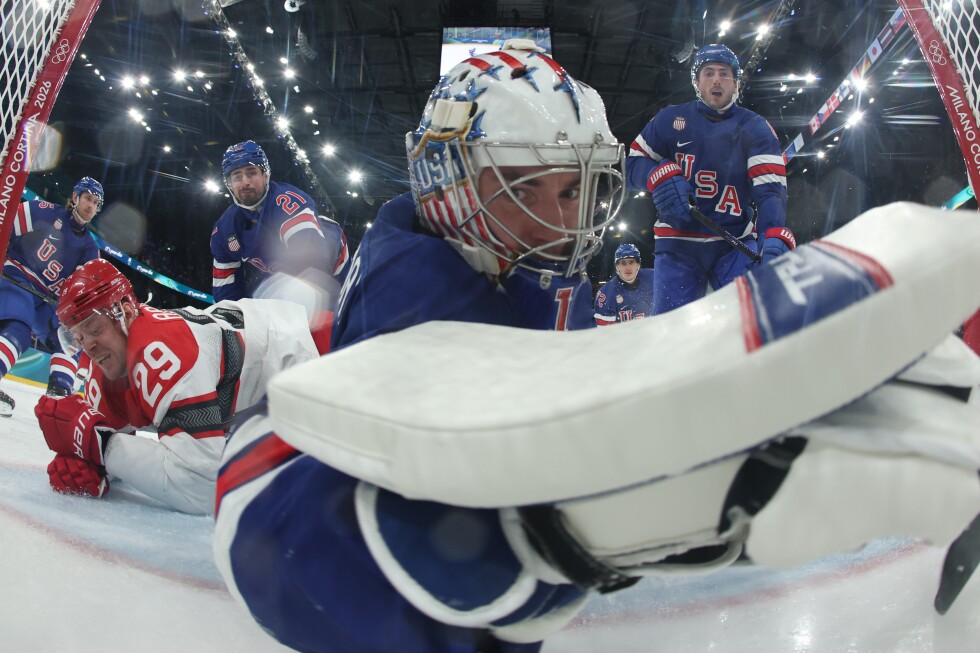
    In a stunning Olympic hockey moment that evoked memories of historic upsets, Denmark seized a surprise 2-1 lead against the heavily favored United States team following an extraordinary 95-foot goal that beat Boston Bruins goaltender Jeremy Swayman during Saturday night’s preliminary round match.

    The remarkable sequence occurred just past the midpoint of the first period when Danish defenseman Nicholas B. Jensen launched a seemingly routine shot from beyond the center red line. Swayman, appearing to lose sight of the puck, misjudged the trajectory as the shot sailed over his right shoulder into the net. The goal marked only Jensen’s fourth in 11 years of international competition.

    NBC analyst and former NHL goaltender Brian Boucher speculated during the broadcast that the arena’s dark board coloring may have contributed to Swayman’s visual challenges in tracking the unexpected shot.

    The bizarre play immediately drew comparisons to one of international hockey’s most famous upsets: Belarusian forward Vladimir Kopat’s game-winning goal against Sweden’s Tommy Salo from center ice during the 2002 Salt Lake City Olympics quarterfinals.

    U.S. head coach Mike Sullivan had implemented a strategic goaltending rotation for the tournament’s demanding schedule, selecting Swayman for the Denmark matchup while preserving reigning NHL MVP Connor Hellebuyck (Winnipeg Jets) for Sunday’s round-robin finale against Germany. Jake Oettinger (Dallas Stars) completed the American goaltending trio.

    Swayman entered the Olympics boasting arguably the strongest NHL season credentials among the three netminders, having recently backstopped Team USA to victory at the world championships. Hellebuyck brings Vezina Trophy-winning pedigree, while Oettinger has demonstrated playoff excellence with three consecutive Western Conference final appearances.

  • What happens if rain washes out India-Pakistan T20 World Cup match?

    What happens if rain washes out India-Pakistan T20 World Cup match?

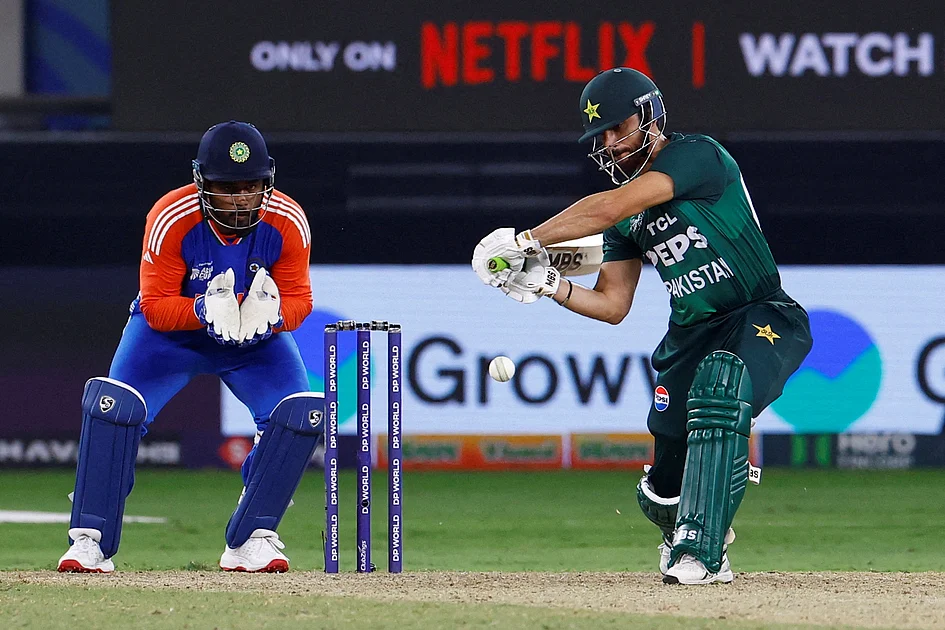
    The cricketing world’s most anticipated rivalry faces potential disruption as meteorological forecasts predict significant rainfall in Colombo during Sunday’s India-Pakistan T20 World Cup encounter. This high-stakes match, renowned for generating unprecedented global television audiences, now confronts the very real possibility of weather interference.

    Both teams currently maintain unbeaten records in the Group Stage, with India leading the table followed closely by Pakistan. Should persistent precipitation prevent play, tournament regulations stipulate that both sides would divide the available points. This outcome would leave both nations tied at five points each, though India would retain top position due to superior net run rate calculations.

    Such a scenario would simultaneously guarantee both teams’ advancement to the tournament’s next phase, as no other competing side could mathematically reach the five-point threshold. The potential washout raises pressing questions about contingency planning for matches of this magnitude.

    Cricket enthusiasts and analysts are debating whether the International Cricket Council should institute reserve days for high-profile group matches, given the extraordinary commercial and viewership impact of India-Pakistan fixtures. Currently, ICC protocols only designate backup days for knockout stage matches—specifically semifinals and finals—to maintain competitive equity across all participating teams.

    The implementation of selective reserve days presents complex logistical challenges and ethical considerations regarding fair treatment of all competing nations. As the cricketing community monitors Colombo’s skies, the discussion continues regarding whether commercial considerations should influence tournament scheduling protocols.

  • Pakistan ‘always ready’ for India despite late green light: Agha

    Pakistan ‘always ready’ for India despite late green light: Agha

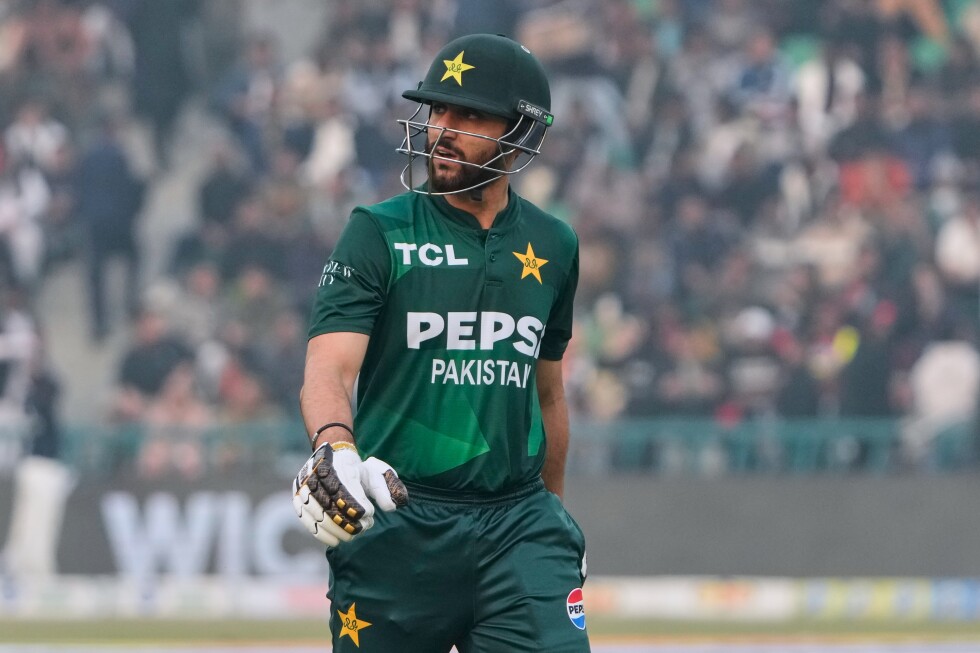
    Colombo, Sri Lanka – Pakistan cricket captain Salman Agha expressed unwavering confidence in his team’s preparedness for Sunday’s highly anticipated T20 World Cup match against arch-rivals India, despite the contest receiving official clearance just days earlier. The blockbuster Group A encounter has completely sold out the 35,000-capacity R. Premadasa Stadium, with global viewership expected to reach hundreds of millions.

    The match was confirmed only after the Islamabad government reversed its initial decision to boycott the event, creating an eleventh-hour resolution to the diplomatic uncertainty. “This is a very big game and the magnitude is huge,” Agha stated during Saturday’s practice session. “We were always ready for the game, whatever the decision.”

    Pakistan enters the contest with momentum from consecutive victories against the Netherlands and United States, while India maintains a perfect record with two wins. Agha emphasized the advantage of his team’s extended stay in Colombo: “We are in good momentum and I hope that being in Colombo since the start will help us in terms of conditions.”

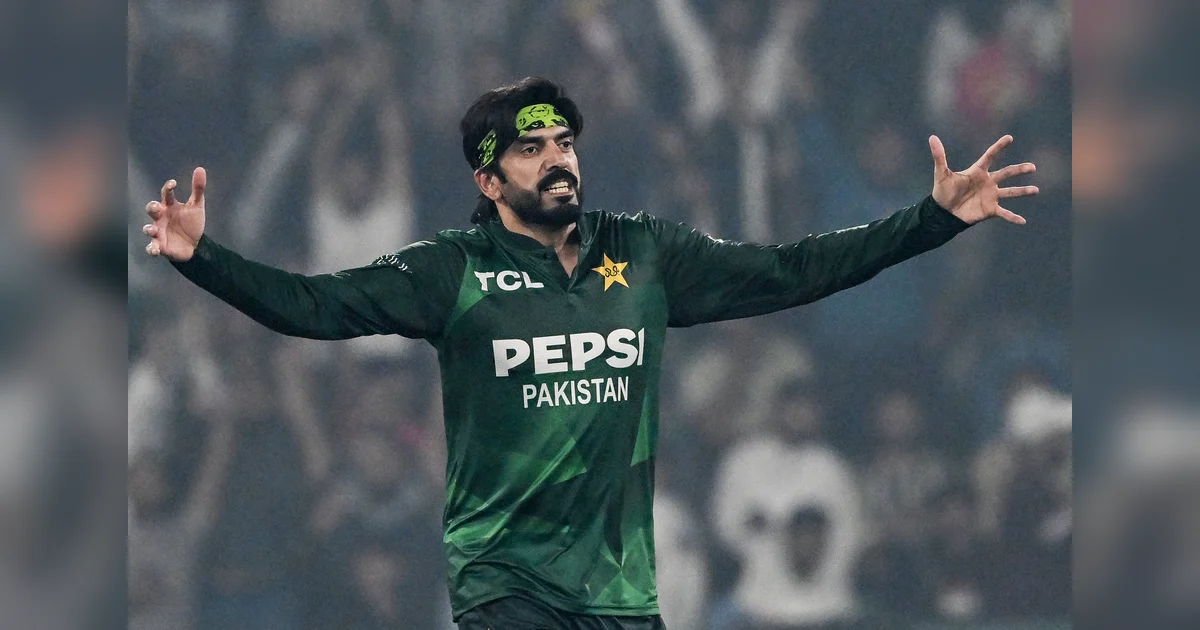
    Weather concerns loom over the spectacle, with forecasts predicting rain for Sunday evening. Strategically, Agha identified spinner Tariq Usman as Pakistan’s “trump card” against India’s formidable batting lineup, dismissing concerns about the bowler’s unconventional delivery action. “Tariq has been bowling well and I am sure the mystery element will make him our trump card,” Agha affirmed. “He has been cleared twice so there are no worries.”

    The captain also expressed hope for sportsmanship, referencing last year’s Asia Cup matches in Dubai where handshakes were notably absent. “The game should be played in the true spirit of the game,” Agha remarked. “It has been the norm in cricket for years but whatever way they want, we will only know tomorrow.”

    India faces potential lineup challenges with explosive opener Abhishek Sharma recovering from a stomach bug. Agha extended well-wishes to his counterpart: “I hope he plays tomorrow. I hope he’s recovering well. We want to play against the best, good luck to him.” The victor will secure advancement to the Super Eights round of the tournament.

  • Brazilians celebrate ‘Carnival in the Italian snow’ as Alpine skier wins Olympic gold

    Brazilians celebrate ‘Carnival in the Italian snow’ as Alpine skier wins Olympic gold

    In an extraordinary sporting achievement that transcended traditional boundaries, Brazilian alpine skier Lucas Pinheiro Braathen carved his name into Olympic history on Saturday by securing South America’s first-ever Winter Games gold medal. The 25-year-old athlete, affectionately known as “O cara do ski” (the skiing dude) in his adopted nation, accomplished this groundbreaking feat during the opening celebrations of Brazil’s iconic Carnival festival.

    The monumental victory occurred in the men’s giant slalom event at the Milan Cortina Winter Olympics, where Pinheiro Braathen demonstrated exceptional skill on the challenging Bormio, Italy course. His triumph immediately overshadowed Carnival coverage on Brazil’s major news platforms, generating nationwide celebration for a country predominantly known for summer sports excellence.

    Hundreds of enthusiastic supporters packed Brazil House in Milan, the official Olympic committee gathering space, where they erupted in joyous celebration featuring traditional soccer-style chants honoring the new champion. The festive atmosphere included warm cheese bread distributions by Michelin-starred chef Raphael Rego and spontaneous samba dancing alongside Tokyo Olympic bronze medalist swimmer Bruno Fratus.

    Pinheiro Braathen’s victory carries particular significance given his unique background. Until 2023, the athlete competed for Norway before switching allegiance to Brazil, adding his mother’s surname to embrace his Brazilian heritage. He has consistently celebrated his connection to Brazil, decorating his competition helmet with “Vamos Dançar” (Let’s Dance) and crediting soccer legend Ronaldinho as his childhood inspiration rather than any winter sports icon.

    The timing of this historic achievement during Carnival celebrations created a unique cultural moment. Brazil’s dominant TV network Globo broadcast the alpine skiing event alongside Carnival coverage, eventually marking the victory with “Tema da Victoria” (Victory Theme), the same soundtrack associated with national Formula 1 hero Ayrton Senna’s triumphs.

    This gold medal represents another milestone in Brazil’s growing international recognition beyond its traditional cultural exports. Recent successes including Brazil’s first Academy Award for Best International Feature with “I’m Still Here” and multiple nominations for “The Secret Agent” have helped counter what was historically described as the “mongrel complex” – a perceived national inferiority complex identified by writer Nelson Rodrigues in the 1950s.

    Pinheiro Braathen emphasized the inspirational significance of his achievement, stating: “This can be a point of inspiration for the next generation of children, showing them that nothing is impossible. It doesn’t matter where you’re from. What matters is what’s inside. What the heart does.”

  • Marseille’s chaotic week continues as it concedes a stoppage-time penalty against Strasbourg

    Marseille’s chaotic week continues as it concedes a stoppage-time penalty against Strasbourg

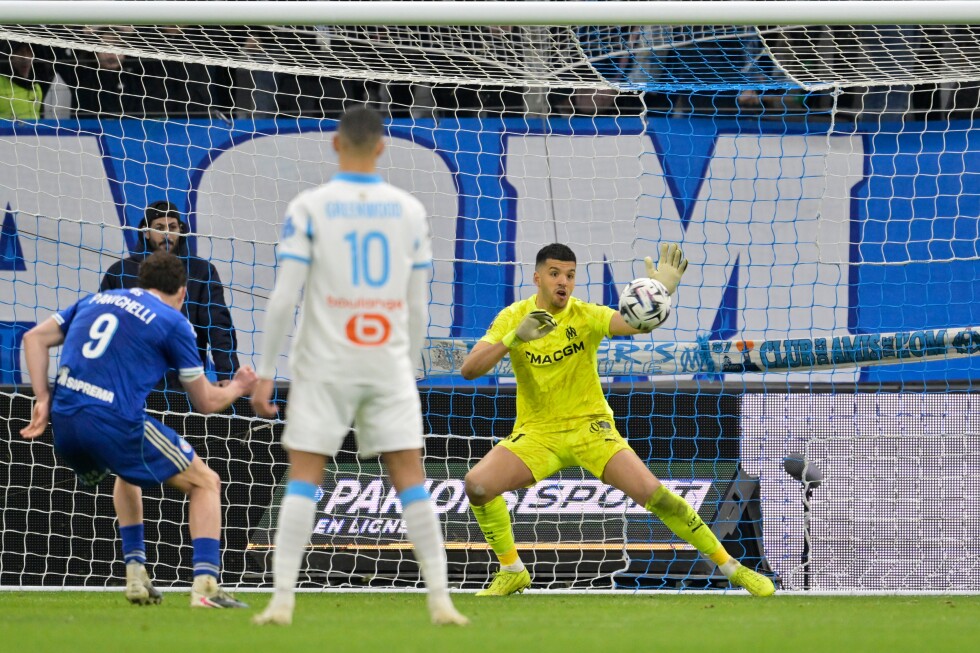
    Olympique de Marseille’s institutional crisis escalated dramatically on Saturday as the club conceded a devastating 97th-minute equalizer against Strasbourg, transforming certain victory into a 2-2 draw that further inflamed tensions at the Stade Vélodrome. The result extends Marseille’s trophy drought since their 2012 League Cup triumph and compounds the turmoil following Roberto De Zerbi’s midweek departure.

    The match began promisingly with Amine Gouiri orchestrating Marseille’s early dominance. The attacking midfielder provided a sublime assist in the 14th minute, expertly controlling with the outside of his foot before delivering a precision pass for Mason Greenwood to score his league-leading 14th goal. Gouiri doubled the advantage shortly after halftime with a technically superb curled finish following Strasbourg goalkeeper Mike Penders’ errant clearance.

    However, Marseille’s defensive frailties resurfaced catastrophically in the final quarter. Sebastian Nanasi ignited Strasbourg’s comeback in the 74th minute before Emerson Palmieri’s clumsy challenge conceded a penalty deep into stoppage time. Striker Joaquin Panichelli converted from the spot to complete Marseille’s collapse.

    The atmosphere reflected the club’s profound discontent. Large sections of the stadium remained empty while protesting banners targeted American owner Frank McCourt and president Pablo Longoria with explicit demands for their departure. Those supporters who attended greeted players with audible boos, creating a palpably hostile environment.

    Gouiri’s post-match comments highlighted the squad’s accountability crisis: ‘We consistently surrender late goals and nullify our efforts. When this pattern repeats continuously, the responsibility lies with us on the pitch rather than tactical decisions.’

    The result leaves Marseille languishing in mid-table as the Ligue 1 title race continues elsewhere. Paris Saint-Germain’s surprising 3-1 defeat at Rennes marked their third loss this campaign—exceeding their total from the previous season—while Lens sought to capitalize against struggling Paris FC to reclaim the league leadership.

  • Dhoni biopic inspired Pakistan bowler Usman Tariq to leave sales job in UAE for cricket

    Dhoni biopic inspired Pakistan bowler Usman Tariq to leave sales job in UAE for cricket

    In an extraordinary transformation story bridging two cricket-crazed nations, Pakistani spinner Usman Tariq has emerged as an unexpected weapon ahead of Sunday’s high-voltage clash against India at the T20 World Cup. The 30-year-old’s journey from a sales job in Dubai to international cricket stardom began with an unlikely source of inspiration: the 2016 Bollywood biopic “M.S. Dhoni: The Untold Story.”

    Tariq had shelved his cricket ambitions to pursue a conventional career in the UAE until watching the film about India’s World Cup-winning captain. The narrative of perseverance, rejection, and ultimate glory resonated so deeply that he abandoned his sales position to pursue cricket professionally. “I had left behind thinking of making a name in cricket,” Tariq revealed to AFP, “but one day I watched this film and it convinced me that I could also do the same.”

    The double-jointed spinner’s unique bowling action has generated both fascination and controversy. With an exaggerated pause followed by a sling-shot release, his technique has been reported as illegal twice in recent years but was ultimately cleared by the International Cricket Council laboratory. Despite skepticism from players like England’s Tom Banton and Australia’s Cameron Green, who mimicked the action before the World Cup, the bowling has received validation from experts including India’s legendary spinner Ravichandran Ashwin.

    “I believe that it is entirely legal,” Ashwin declared on social media, providing technical analysis supporting his assessment. Tariq attributes his unusual delivery to a rare physical characteristic: “I have two corners of my bowling arm elbow, which is rare. I have been cleared twice so I am confident that it’s legal.”

    Since making his international debut just three months ago, Tariq has taken 11 wickets in four T20 internationals, including a hat-trick against Zimbabwe. His match-defining performance of 3-27 against USA in Colombo this week has positioned him as what Pakistan skipper Salman Agha describes as the team’s “X-factor and key weapon” against their arch-rivals.

    The spinner’s rapid ascent through the ranks saw him take 20 wickets in last year’s Caribbean Premier League, eventually forcing his way into the national team selection—news he received while preparing for his wedding. “I thought it was a prank,” Tariq recalled. “But it was true so I think my wife brought luck for me.”

    From the sales floors of Dubai to the world’s most celebrated cricket grounds, Tariq’s story continues to unfold, proving that sometimes life imitates art in the most extraordinary ways.

  • Ireland grinds out a shaky Six Nations win over Italy in second half fightback

    Ireland grinds out a shaky Six Nations win over Italy in second half fightback

    Dublin witnessed a tense Six Nations encounter on Saturday as Ireland narrowly overcame a determined Italian side 20-13 in a match that revealed significant concerns for the home team’s championship aspirations. Despite entering the game under pressure following their record 36-14 defeat to France—their worst Six Nations loss in 16 years—Andy Farrell’s squad delivered another underwhelming performance that failed to silence mounting doubts about their form.

    The match unfolded as a tale of two contrasting halves, with Italy making history by securing their first-ever halftime lead in Dublin. The visitors demonstrated remarkable progress from their traditional tournament underdog status, building on their opening victory against Scotland with courageous, inventive rugby that frequently exposed Irish vulnerabilities.

    Italy’s performance deserved greater reward, with two potential tries denied—one through a forward pass ruling and another lost to an unfortunate bounce. Their scrum dominance proved particularly alarming for Ireland, with prop Simone Ferrari consistently overpowering opposite number Jeremy Loughman and even managing to lift British and Irish Lions star Tadhg Furlong off his feet.

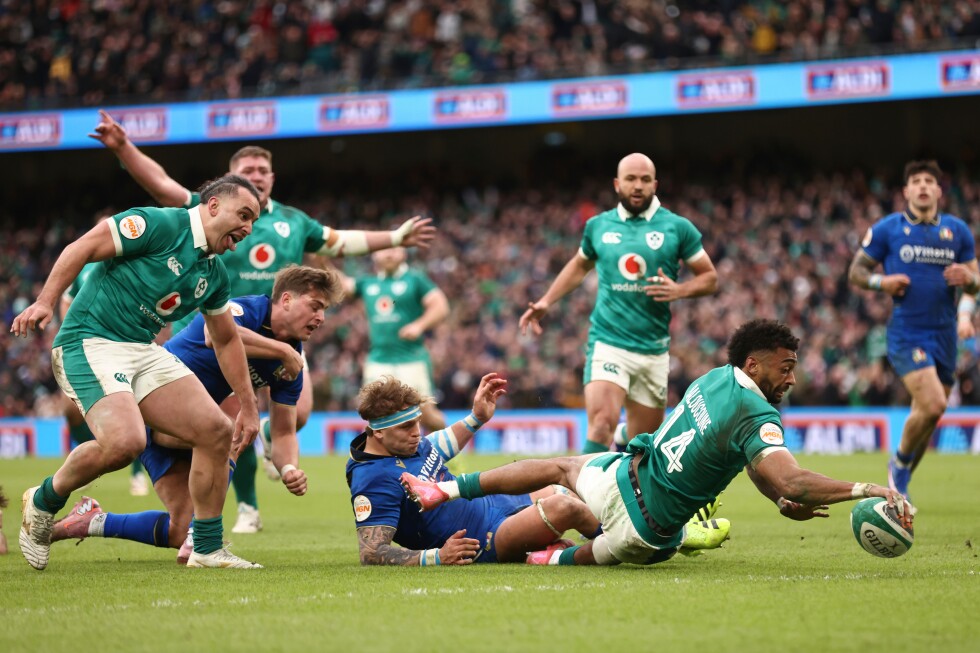
    Ireland’s response came through replacement playmakers Jamison Gibson-Park and Jack Crowley, whose second-half introduction provided crucial impetus. Winger Robert Baloucoune marked his first test appearance in over three years with a decisive try, while Crowley contributed vital points through conversions and penalties.

    The dramatic conclusion saw Ireland’s James Lowe intercepting Italy’s final attack beyond the 80-minute mark, yet instead of securing an easy penalty to deny Italy a losing bonus point, Ireland controversially pursued a fourth try only to kick the ball dead and end the match.

    The result sets up concerning prospects for Ireland’s upcoming clash against England at Twickenham, while Italy travels to face tournament favorites France with reinforced credibility and confidence.

  • UAE residents turn living rooms into mini stadiums for India-Pakistan match on Feb 15

    UAE residents turn living rooms into mini stadiums for India-Pakistan match on Feb 15

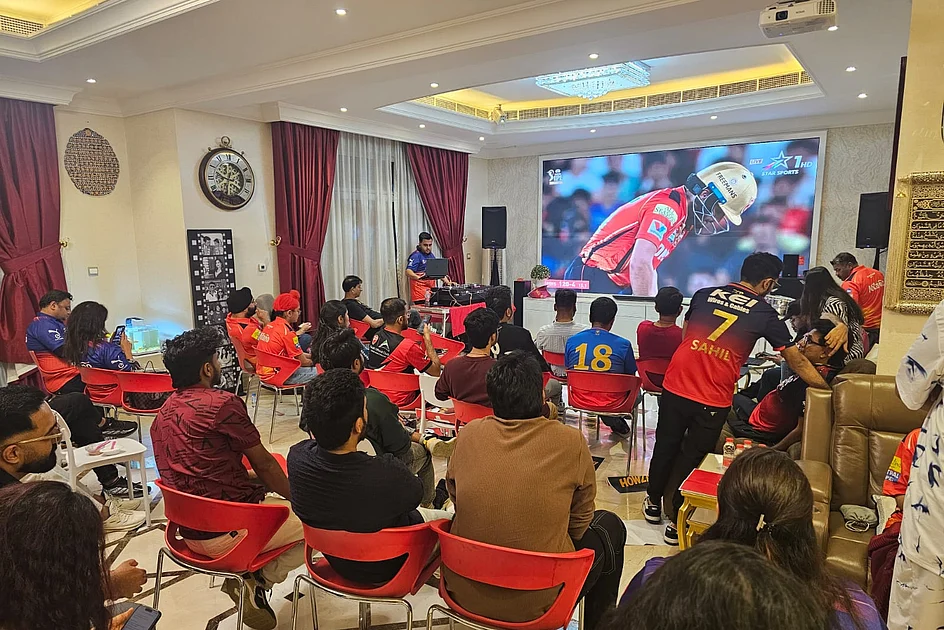
    Across the United Arab Emirates, residents are converting their homes into vibrant cricket viewing venues ahead of Sunday’s highly anticipated T20 World Cup clash between arch-rivals India and Pakistan in Colombo. While some dedicated fans have traveled to Sri Lanka for the live event, countless others are preparing their living spaces for communal screenings that capture the electric atmosphere of stadium viewing.

    In Dubai and Sharjah particularly, households are undergoing elaborate transformations with large-screen installations, decorative arrangements, and culinary preparations. The event has transcended ordinary cricket viewing, evolving into a significant social occasion that brings together diverse communities. Invitations have circulated days in advance, grocery lists have been meticulously planned, and technical equipment is being rigorously tested to ensure flawless viewing experiences.

    Anis Sajan, founder of Mr Cricket UAE, has established a tradition of hosting these screenings during major tournaments. “Cricket remains a gentleman’s game that builds bridges rather than walls,” Sajan remarked. “The India-Pakistan encounter represents more than mere competition—it embodies deep emotion. We’re recreating the stadium experience with DJ entertainment, traditional dhol drummers, and spirited fan engagement.”

    The gatherings feature potluck-style dinners where participants contribute national dishes ranging from biryanis and kebabs to various snacks and desserts. Nadeem Ahmed, a Pakistani expatriate in Arabian Ranches, described his preparations: “We’ve converted our lawn into a mini-stadium with large screens and arranged seating tables. A barbecue station will operate throughout the evening, and we’ve created separate areas for children to enjoy themselves while learning about cricket’s cultural significance.”

    Parents emphasize the educational value for children growing up in the UAE’s multicultural environment. Youngsters witness both the competitive rivalry on screen and the respectful camaraderie among adults from both nations. Despite the geographical distance from Colombo, the excitement within UAE homes promises to match stadium intensity, with enthusiastic cheers for wickets and good-natured banter following boundary shots.

    For the UAE’s diverse population, this cricketing event symbolizes how athletic competition can foster cross-cultural friendship and mutual respect, reflecting the tolerance that defines Emirati society.

  • Pakistan captain Agha says it is up to India to decide whether to shake hands before World Cup clash

    Pakistan captain Agha says it is up to India to decide whether to shake hands before World Cup clash

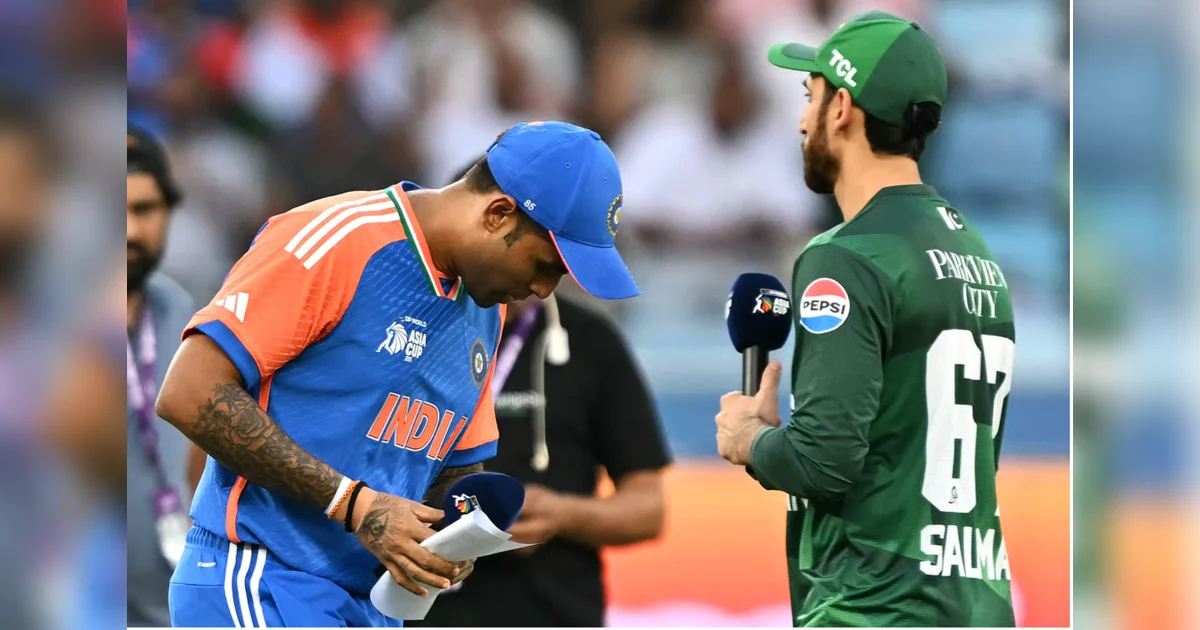
    COLOMBO, Sri Lanka — As cricket rivals India and Pakistan prepare for their highly anticipated T20 World Cup encounter on Sunday, the pre-match focus has shifted from sporting prowess to diplomatic tensions and symbolic gestures. Pakistan captain Salman Ali Agha has placed the decision about pre-match handshakes squarely with the Indian team, highlighting the strained relations that have transformed this cricketing rivalry into a geopolitical spectacle.

    The upcoming match marks the first meeting between the teams since last year’s contentious Asia Cup tournament in the United Arab Emirates, where on-field animosities reached boiling point. The tournament witnessed Indian captain Suryakumar Yadav refusing handshakes with Pakistani players, followed by multiple disciplinary actions against players from both sides for breaching the International Cricket Council’s code of conduct.

    This encounter nearly didn’t materialize after Pakistan’s government threatened a boycott following the ICC’s exclusion of Bangladesh from the World Cup over security concerns regarding matches in India. Only through intensive negotiations with cricket’s governing body was the fixture preserved—a crucial revenue generator for international cricket.

    The historical context adds layers to the confrontation: India hasn’t toured Pakistan since 2008, while Pakistan’s last visit to India was for the 2023 ODI World Cup. All recent encounters have occurred at neutral venues under ICC tournaments, with India dominating the head-to-head record with 12 victories in 16 T20 matches and a commanding 6-1 record in T20 World Cup meetings.

    Both captains attempted to deflect attention from past controversies during pre-match press conferences. Agha emphasized learning from history rather than being bound by it, while Yadav dismissed questions about handshake protocols, stating his team’s focus remains solely on cricket performance.

    Additional subplots include scrutiny over Pakistani spinner Usman Tariq’s bowling action and concerns about Indian opener Abhishek Sharma’s recovery from a stomach infection that caused him to miss the Namibia match.

    Despite the political undertones, both teams recognize the match represents an opportunity to create new narratives beyond diplomatic tensions and historical records in what remains cricket’s most politically charged rivalry.