分类: sports

  • ‘I feel I am imprisoning myself’ – Djokovic on drive & doubts

    ‘I feel I am imprisoning myself’ – Djokovic on drive & doubts

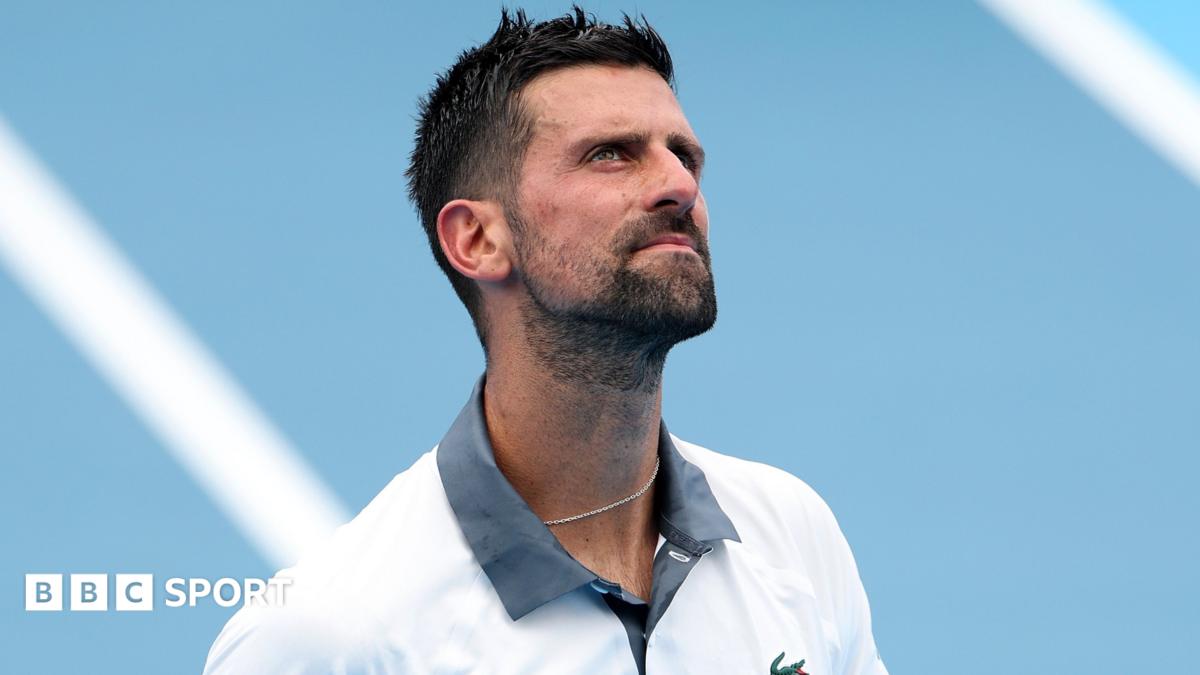
    At 39 years old, Novak Djokovic stands alone as one of the most decorated athletes in tennis history, yet his relentless hunger for more has never faded. With a record-tying 24 Grand Slam singles titles, the most ATP Masters 1000 crowns of any male player in the sport, and a newly minted Olympic gold medal added to his trophy case in 2024, Djokovic has already secured his legacy as one of the greatest to ever pick up a racket. But in a revealing new Amazon Prime documentary, the Serbian superstar opens up about his lifelong internal battle: no number of trophies has ever been enough to quiet the voice inside that pushes him to constantly do better.

    “I cannot say I feel content with what I have and who I am,” Djokovic shared in the film. “I am always looking to be more – better, faster, stronger. Oftentimes I feel I am imprisoning myself.” This unrelenting self-criticism makes Djokovic his own harshest judge. “I’m the number one doubter,” he explained. “I’m trying to prove myself wrong more than anybody else.”

    His wife Jelena Djokovic echoed this insight, confirming the tennis legend holds deeply conflicting feelings about the eventual end of his playing career. “He carries that burden that he’s never enough. No matter how much he does, it will never be enough,” she said. “Tennis is a fulfilling place for him – a place where he feels worthy.”

    Djokovic’s singular path to tennis greatness, and his complex relationship with the sport, is rooted in traumatic childhood experiences that few elite athletes can relate to. Born and raised in Belgrade, he was just a young boy when NATO bombing campaigns targeted the Serbian capital between March and June 1999. He recalled fleeing his residential building, which lacked any dedicated bomb shelter, in search of safety. On the way, he fell behind his family, and watched from the street as a warplane dropped two bombs on a nearby hospital. In the years that followed, daily life meant waiting hours in long lines just to secure basic necessities like bread and milk.

    Far from breeding resentment, Djokovic says these hardships became the foundational building blocks that forged his character and competitive drive. “These are defining moments, something I want to portray as a building block for me as a player and a person,” he told BBC 5 Live in a recent interview. “There is no regret or resentment. In contrary, it’s appreciation and gratitude. Everything in life happens as a reason.”

    As a young rising star, Djokovic was always an outsider in the historically expensive, elitist world of professional tennis. He opened up about his father having to borrow money from high-risk lenders just to fund his early training and travel for junior tournaments. When he finally broke into the upper echelons of the men’s game, he disrupted the decade-long rivalry between Roger Federer and Rafael Nadal that had captivated global tennis fans. More emotionally expressive and outspoken on court than his two legendary rivals, Djokovic never enjoyed the universal adoration that the pair received early in his career. For years, he suppressed the stress and frustration of his early struggles, emotions that would later emerge during high-stakes matches. “On the court, that’s where I felt safe and comfortable. It was a familiar ground,” he said. “Tennis is much more than a game and competition. It is defining ground for who I am as a person.”

    Today, with both Federer and Nadal having retired from the sport – Federer in 2022, and Nadal in 2024, both forced out by persistent, career-ending injuries – Djokovic continues to compete at the highest level. In recent years, he has scaled back his playing schedule, focusing almost exclusively on Grand Slam tournaments to preserve his body. After falling to Jannik Sinner in the 2025 Wimbledon semi-finals, he acknowledged he was pushing through major events with his energy reserves already “half-empty.”

    Still, Djokovic rejects any talk of setting an expiration date for his career. Every Grand Slam tournament brings fresh speculation about when he will hang up his racket, regardless of his result, and the 2026 US Open will be no different. But for Djokovic, as long as he can still compete with and beat the best players in the world, retirement is not on the agenda.

    “Why would I talk about retirement when I still keep proving to myself that I can still win?” he asked in the documentary. “As long as I have the drive, the passion, but most of all, as long as I feel like I can be one of the best players in the world, I want to keep going.”

    After claiming the long-awaited Olympic men’s singles gold medal at the 2024 Paris Games – a achievement Djokovic calls the pinnacle of his entire career – he has already set his sights on competing at the 2028 Los Angeles Olympics. “It seems a long way out. I feel like I can make it,” he said. “I would like to end with the Serbian flag on my shoulders. It would be a nice way to wrap up something I’m very proud of.”
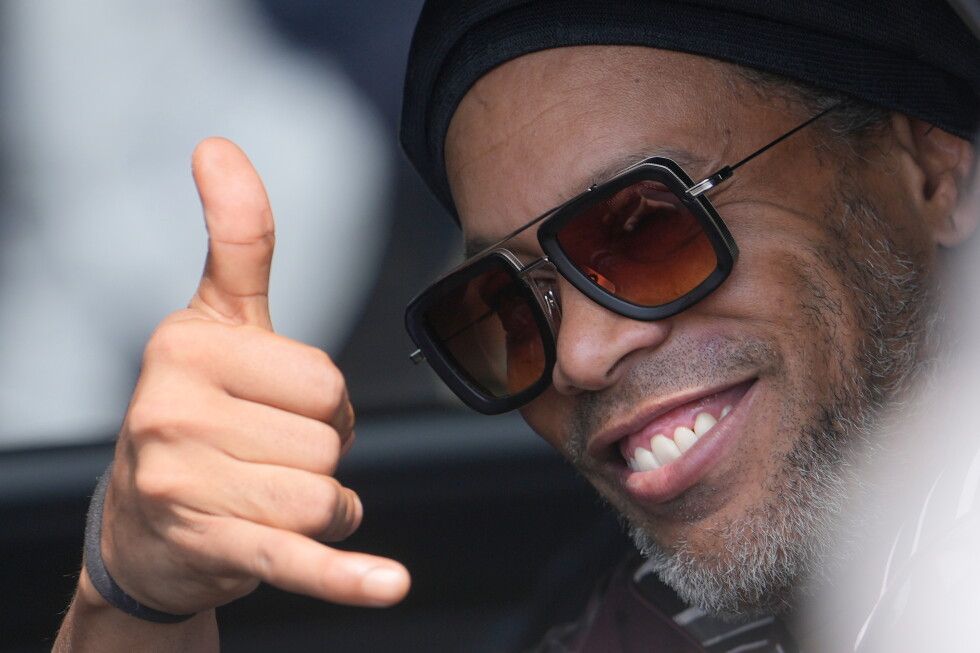
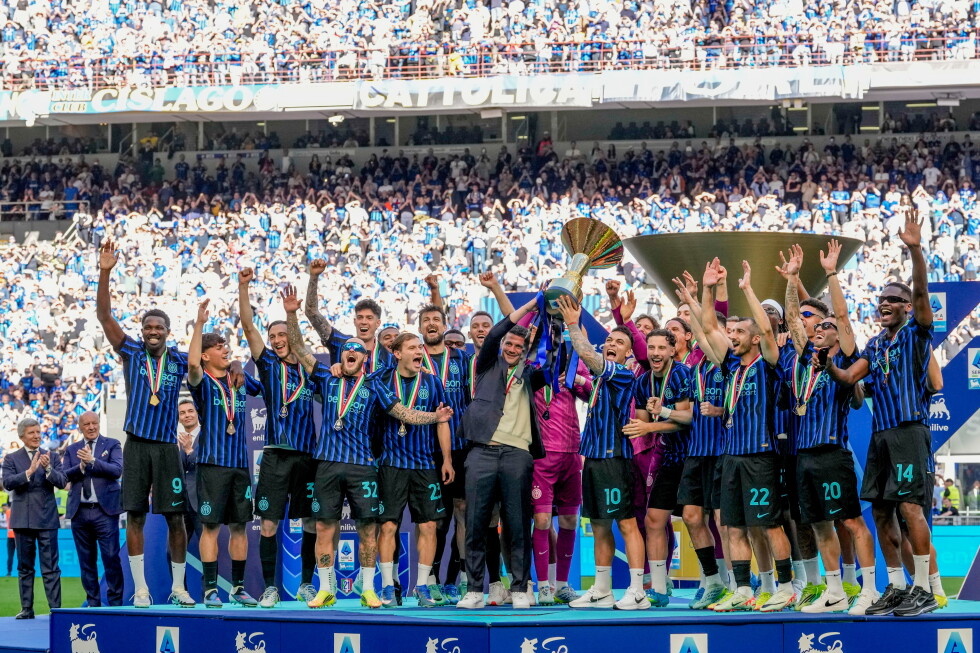
  • Brazil great Ronaldinho arrives in Italy for beach ceremony after signing for third-tier Ravenna

    Brazil great Ronaldinho arrives in Italy for beach ceremony after signing for third-tier Ravenna

    MILAN, Italy — One of the most decorated and globally recognizable soccer stars in history, Brazil’s Ronaldinho, has touched down in Italy, kicking off a highly anticipated return to the country more than 12 years after he retired from top-tier professional play. The small northern Italian city of Ravenna, best known for its sun-soaked Adriatic coastline rather than its competitive soccer program, is gearing up to welcome the 46-year-old icon on what local organizers have officially named “Ronaldinho Day” this Thursday.

    Ronaldinho’s surprise move to Serie C, Italy’s third-tier league, first sent shockwaves through the global soccer community when the deal was announced back in June, more than a decade after he hung up his boots following a 20-year legendary career. The Brazilian great arrived via private jet at Forlì Airport, located roughly 19 miles outside Ravenna, around midday local time on the eve of his official welcome. After landing, he stopped to sign autographs on a pair of soccer balls for airport staff before heading directly to his vehicle on the runway, bypassing a small crowd of fans waiting in the terminal arrivals area.

    Joining Ronaldinho on his arrival was Ignazio Cipriani, president of Ravenna Calcio and heir to the globally renowned Cipriani restaurant hospitality brand. The public is set to get its first look at the soccer legend at a star-studded ceremony held on Ravenna’s iconic waterfront on Thursday evening. The event will double as the official seasonal presentation of the entire Ravenna squad, with event planners confirming that Ronaldinho will be the final player introduced to the crowd, building up to a highly anticipated moment of fanfare.

    A formal press conference with the Brazilian star is scheduled to take place ahead of the public beach ceremony. While excitement is running high, the club has confirmed that Ronaldinho will not feature in Ravenna’s opening Serie C match of the 2024-25 season, an away fixture against Reggiana scheduled for Monday. To date, details remain unconfirmed regarding how much match time the 2002 World Cup winner will see during the campaign. Still, Cipriani has shared that his personal dream for the historic deal is to see Ronaldinho score the final goal of his legendary professional career with Ravenna.

    Ronaldinho’s last appearance in top professional competition came in 2015, when he played for Brazilian top-flight side Fluminense. This new spell with Ravenna marks Ronaldinho’s second run of play in Italy, having previously suited up for Serie A giant AC Milan from 2008 to 2011. Over his career, Ronaldinho has claimed the sport’s highest honors, including a FIFA World Cup title with Brazil in 2002 and the Ballon d’Or award for the world’s best men’s player in 2005.

  • Brotherly touch and English flavor could see Inter dominate Serie A, Como looks to surprise again

    Brotherly touch and English flavor could see Inter dominate Serie A, Como looks to surprise again

    As Italy’s top football division prepares to kick off its new campaign this weekend, all eyes are on defending champion Inter Milan, where rookie head coach Cristian Chivu’s unconventional, brotherly leadership style has emerged as an unlikely catalyst for continued dominance.

    When Chivu was tapped last year to replace seasoned incumbent Simone Inzaghi at the San Siro, the appointment sparked widespread skepticism across the football world. The Nerazzurri were still reeling from a historic 5-0 Champions League final thrashing at the hands of Paris Saint-Germain, and critics questioned how a coach with only 13 prior Serie A matches under his belt could steady a fallen giant. As Inter midfielder Hakan Çalhanoğlu recalled in a recent interview with beIN Sports Australia: “Everyone was thinking that Inter was, let’s say dying, after what happened.”

    What followed defied all expectations. Chivu’s fresh tactical vision and people-first approach reinvigorated a demoralized squad, steering Inter to a historic domestic double of Serie A and Coppa Italia in his first full season in charge. Unlike more autocratic managers who separate leadership from personal connection, the 45-year-old Romanian has built his program on close, trusting bonds with his players. “With Chivu it is something different, he cares more about the person, not about the football,” Çalhanoğlu explained. “For him it’s more important how you are, how you feel, and he’s open to everything. He gives you the confidence to feel good. Of course, he has tactical things … but outside of the football he’s like a brother or a friend, you can talk to him about whatever you want, he’s always close to you. That helped me a lot.”

    Inter has further strengthened its title credentials this offseason with a notable injection of English talent. The club has already secured the signings of England defenders Djed Spence and John Stones, and is closing in on a deal for Liverpool and Three Lions midfielder Curtis Jones to add further depth to its starting lineup. Inter will open its title defense at home against newly promoted Monza this Saturday, kicking off what is shaping up to be one of the most unpredictable Serie A campaigns in recent memory.

    While Inter enters the season as the favorite, multiple challengers are poised to push for the Scudetto, with off-season coaching changes reshaping the competitive landscape. Last season’s runner-up Napoli, who were held back by a crippling injury crisis that prevented them from mounting a closer title fight, is now led by Massimiliano Allegri, the veteran former Juventus and AC Milan manager. The appointment comes after Antonio Conte stepped down at the end of the last campaign, marking Napoli’s sixth head coaching change in just over three years. Allegri himself is returning to management after being fired by AC Milan last season following what the club called an “unequivocal failure” of a campaign.

    AC Milan, which finished fifth last season after a late-season slump, has turned to Rúben Amorim, the highly rated young Portuguese coach whose stock dipped during a disappointing spell at Manchester United. The Rossoneri have already made a major statement in the transfer market, smashing their club record to sign Portugal forward Gonçalo Ramos from Paris Saint-Germain for more than €70 million ($80 million) to add much-needed attacking firepower.

    Coaching turnover has hit other top half sides too: Lazio and Atalanta both appointed new managers this off-season, with long-time Lazio boss Maurizio Sarri switching to Atalanta in its first full campaign after legendary manager Gian Piero Gasperini’s departure. Former Italy head coach Gennaro Gattuso has stepped into Sarri’s old role at Lazio.

    Against this wave of change, two top contenders have leaned into stability to mount their title pushes. Roma, which secured Champions League qualification for the first time since 2018 in Gasperini’s debut season at the club, is retaining the veteran manager despite a high-profile public falling out with former special adviser and ex-coach Claudio Ranieri that ended in Ranieri’s exit from the club. Gasperini has added exciting young talents Santiago Castro and Rodrigo Mora to his squad, putting Roma in position to challenge for its first Serie A title in more than 25 years. At Juventus, Luciano Spalletti will lead the side in his first full campaign after taking over in October last season. Though the Bianconeri narrowly missed out on Champions League qualification and finished sixth, Spalletti earned a new two-year contract for the club’s strong late-season form.

    The most surprising contender to watch this season is Como, the Cinderella side that shocked Italian football last term by pipping Juventus and AC Milan to fourth place and the final Champions League spot. It is a staggering rise for the 119-year-old club: just seven years ago, it was competing in Italy’s fourth division, and it had never qualified for any continental competition in its history until last season. This remarkable turnaround has come under the leadership of Cesc Fàbregas, the former Arsenal, Barcelona and Spain midfield legend who has taken the club to new heights in just two years in charge.

    Last season’s success was no fluke: Como boasted the tightest defense in the league while playing an expansive, attacking style of football that won plaudits across the country. This off-season, Fàbregas has strengthened his backline with the €30 million signing of Chelsea defender Trevoh Chalobah, and pulled off a major coup by retaining star playmaker Nico Paz for at least one more season. After last year’s historic overachievement, few are willing to count out an unlikely Como title push. The big unanswered question remains, however: how will the club’s young, inexperienced squad, almost all of whom have never competed in Champions League football, handle the increased physical and mental demands of balancing European and domestic competition?

  • Spurs in talks to sign Man City’s Savinho and Marmoush

    Spurs in talks to sign Man City’s Savinho and Marmoush

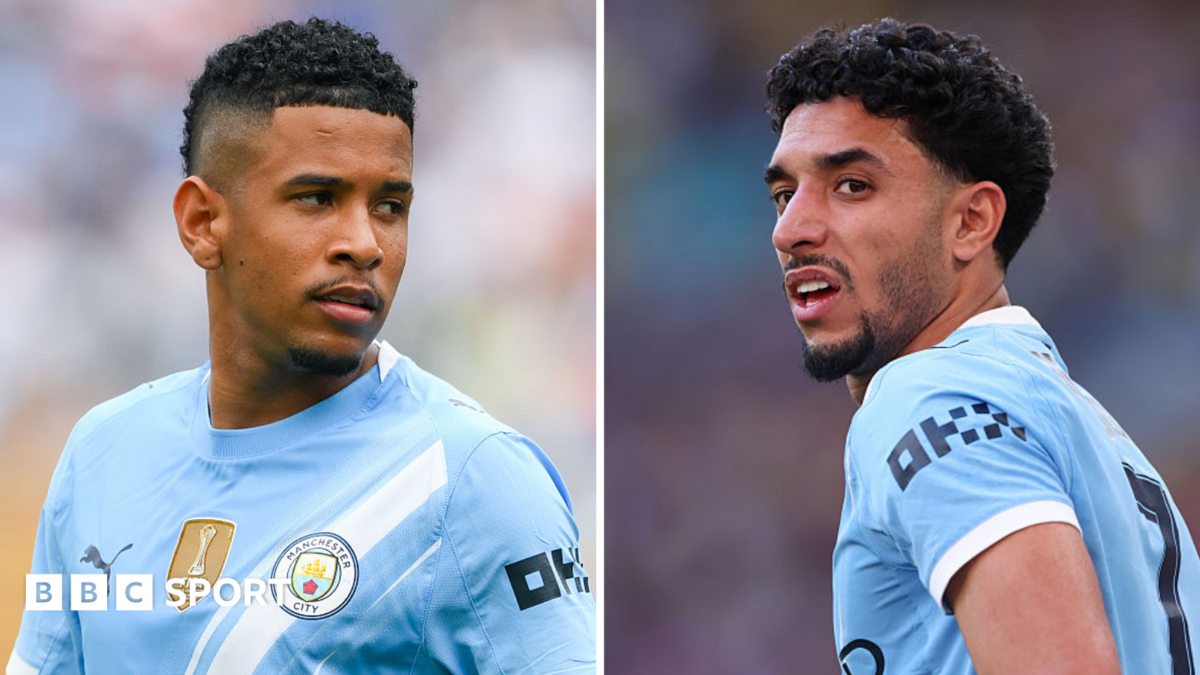
    As the 2026-27 Premier League season approaches, North London club Tottenham Hotspur are locked in negotiations with treble-winning Manchester City over a potential transfer package that would bring two attacking players, Savinho and Omar Marmoush, to the Tottenham Hotspur Stadium, sources close to the process have confirmed to BBC Sport. Negotiations between the two top-flight clubs are moving forward, though no final binding agreement has been signed off by either side at this stage.

    Tottenham’s pursuit of 22-year-old Brazilian winger Savinho stretches back to 2025, when the young wide player made the decision to extend his stay at Manchester City’s Etihad Stadium following initial interest from the London side. Savinho joined City from French Ligue 1 outfit Troyes in 2024 for an upfront fee of £30 million, but limited first-team opportunities have prompted the player to reconsider his future: he made only seven starting appearances in the Premier League for City during the 2025-26 campaign, and is now open to making a move away from the reigning champions to secure regular minutes.

    The second player under discussion is 27-year-old Egyptian forward Omar Marmoush, who joined City from German Bundesliga side Eintracht Frankfurt for £59 million just 12 months ago. Marmoush fell down the pecking order under City manager Pep Guardiola last season, managing eight goals across 36 appearances in all competitions as he struggled to cement a regular starting role under the Catalan manager.

    Manchester City’s combined asking price for the two players has not been made public, but the club is widely expected to turn a substantial profit on both attackers, having only signed them in the last two transfer windows.

    The potential double swoop comes as new Tottenham head coach Roberto de Zerbi has already prioritized overhauling his squad this summer. The Italian has already reshaped his central midfield, bringing in Mateus Fernandes from West Ham United and Sandro Tonali from Newcastle United for a total outlay of £185 million. De Zerbi has openly stated that adding attacking quality is his next priority after a dismal 2025-26 campaign for Spurs, who finished 17th in the Premier League and scored only 48 goals from their 38 league matches, leaving them just outside the relegation zone.

    Tottenham remain linked with a separate move for Liverpool forward Cody Gakpo, but there are lingering question marks over whether the club can afford to push through a deal for the Netherlands international in addition to signing Savinho and Marmoush.

    Manchester City have already had a busy summer transfer window, offloading a string of first-team players to free up space in their squad and wage bill. High-profile exits include star midfielder Rodri, Dutch international Tijjani Reijnders, and backup goalkeeper James Trafford.

    The new Premier League season kicks off this weekend, with Tottenham travelling to face Brentford for their opening fixture on Saturday at 17:30 BST, while Manchester City begin their title defence at home against Bournemouth on Sunday, kicking off at 14:00 BST.

  • Belgium winger Diego Moreira joins AC Milan in latest big-money sale by Strasbourg

    Belgium winger Diego Moreira joins AC Milan in latest big-money sale by Strasbourg

    In a high-profile transfer deal shaking up European club football, 22-year-old Belgian winger Diego Moreira has completed a move to Italian Serie A side AC Milan from French club Strasbourg, for a reported transfer fee of €50 million ($58.5 million). The transfer comes as Strasbourg faces growing financial pressure from European football’s governing body UEFA over breaches of financial sustainability rules.

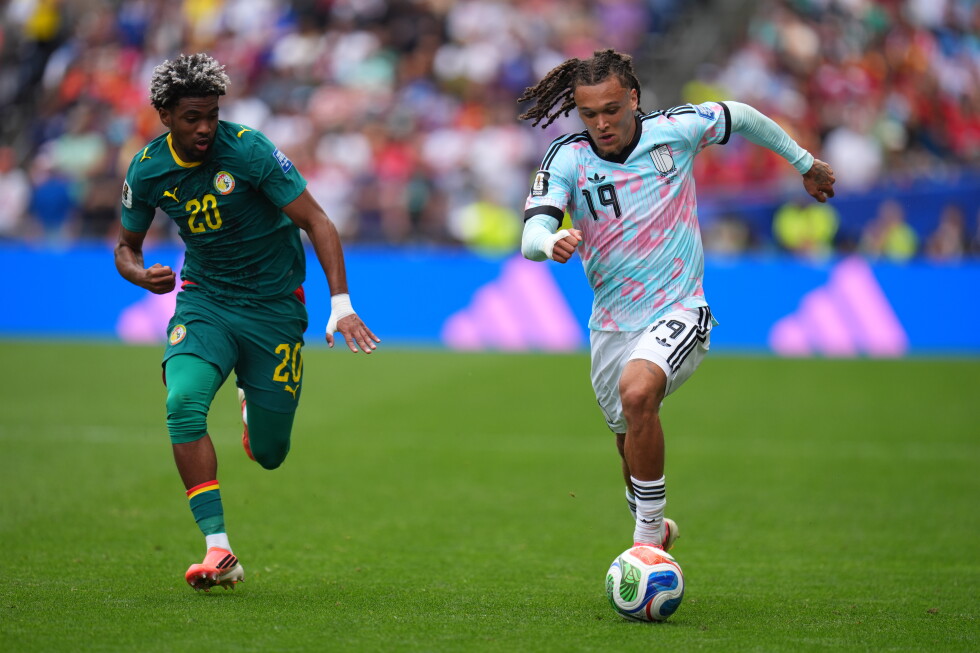
    AC Milan confirmed the transfer in an official statement released late Monday, announcing that Moreira has put pen to paper on a five-year contract with the club. A versatile attacking talent, Moreira earned a spot in Belgium’s squad for the most recent FIFA World Cup, where he featured in one match: he came on as a second-half substitute in the team’s dramatic 3-2 comeback victory over Senegal in the round of 32.

    Moreira’s international career carries an interesting backstory: he represented both Belgium and Portugal at youth international level, before receiving formal approval from FIFA in May 2025 to switch his senior international eligibility to Belgium.

    The sale of Moreira marks another major asset offload for Strasbourg this week, pushing the French club’s total transfer revenue from sales this week to roughly €100 million ($117 million). Strasbourg is currently owned by BlueCo, the same holding company that controls English Premier League side Chelsea. Back in June, UEFA handed the club a €13 million ($15 million) fine for overspending that violated the body’s financial monitoring regulations. That penalty stands as the largest financial sanction issued by the European football governing body to any club across last season.

    Following the fine, UEFA ordered Strasbourg to make significant cuts to its overall player wage and transfer costs by 2026. The club will not compete in any European competition next season, after exiting the third-tier Europa Conference League at the semifinal stage last campaign.

    Notably, Moreira’s path to Strasbourg came via Chelsea back in 2024, when the London club sold him to the French side. The winger never made a single senior Premier League appearance during his time on Chelsea’s roster.

    For AC Milan, the signing adds a promising young attacking option to the squad ahead of the new season. Milan finished fifth in Serie A last term, which means the club will compete in the second-tier UEFA Europa League this upcoming season, under the guidance of newly appointed head coach Ruben Amorim.

  • Damaged pitch forces PSG to switch season opener

    Damaged pitch forces PSG to switch season opener

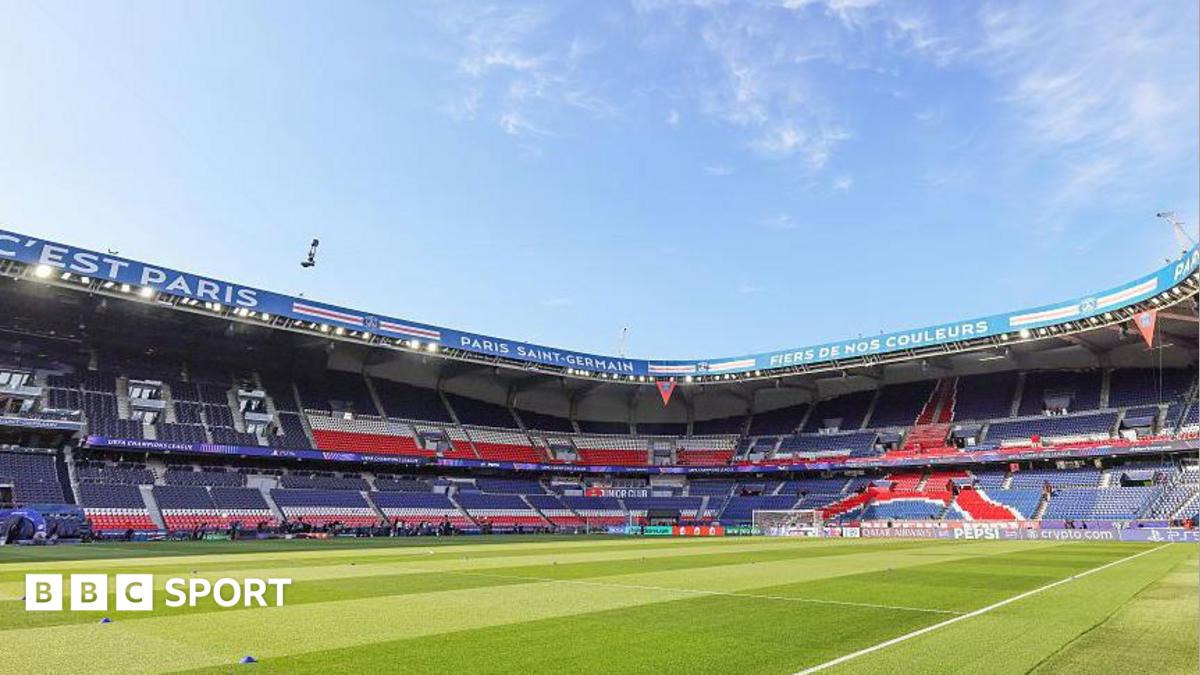
    Paris St-Germain’s 2026-27 Ligue 1 title defense campaign has hit an unexpected last-minute disruption, as unprecedented summer heatwaves across Western Europe have left the club’s iconic Parc des Princes pitch severely damaged. The French champions were originally scheduled to kick off their new season against Rennes this Sunday in the French capital, but the fixture will now be flipped, with the match taking place at Rennes’ home ground in Brittany instead.

    Officials from the Ligue de Football Professionnel (LFP), France’s top football governing body, confirmed that a thorough inspection of the Parc des Princes pitch concluded the surface could not support a professional match under safe conditions. The statement highlighted that the damaged pitch posed unacceptable risks to the safety and physical well-being of all competing players.

    PSG has moved quickly to address the issue, announcing plans to completely relay the playing surface ahead of their next scheduled home fixture against Monaco on 4 September. In a formal statement, the club acknowledged that the last-minute venue swap would cause unavoidable inconvenience for fans, players, and stakeholders, but emphasized that the extreme heatwave damage constituted an entirely unforeseen, exceptional situation that left no other viable option.

    This venue change comes in the wake of a record-breaking summer of heat across France. On 24 June, the country recorded its hottest ever average national temperature, with Paris hitting nearly 41°C and half of all French regions placed under high-priority red heat alerts. Official mortality data shows that between 22 and 28 June, total deaths across France rose by 2,025 – a nearly 30% increase compared to average periods – with the Paris region alone seeing a 62% jump in mortality. The extreme heat has also sparked destructive wildfires across multiple regions of the country, following a wider trend of record-breaking temperatures across Western Europe this summer.

    PSG is not the only top European club forced to rearrange its opening league fixture due to summer pitch damage tied to extreme heat. Earlier this month, Spanish La Liga side Celta Vigo was forced to postpone their season opener against Osasuna after an uncontrolled fungal outbreak destroyed grass at their Estadio de Balaidos home ground. The outbreak was directly linked to three straight weeks of overnight temperatures staying above 25°C, creating the warm, humid conditions that allowed the fungus to spread rapidly across the pitch.

    As the reigning Ligue 1 champions, PSG claimed the 2025-26 title by a comfortable six-point margin, while Sunday’s opponents Rennes finished sixth in the table last season and secured qualification for the 2026-27 UEFA Europa League.

  • Why are there so few African players in the WSL?

    Why are there so few African players in the WSL?

    The 2026 Women’s Africa Cup of Nations (Wafcon) wrapped up earlier this month with a historic final that saw Cameroon claim its first ever title against a resilient Malawi side, and delivered a clear message to global football: African women’s football is brimming with world-class talent. From Malawi’s Temwa Chawinga, who scored five goals and notched two assists in the tournament, to Cameroon’s tournament MVP Monique Ngock, the level of play on display left fans and analysts impressed. Yet one glaring question lingers over the Women’s Super League (WSL) — widely considered one of the most competitive elite women’s leagues on the planet: why are there so few African-born and African-based players plying their trade in England’s top flight?

    This summer has seen a continued influx of global talent flocking to the WSL. Two-time Ballon d’Or winner Alexia Putellas, a core member of Spain’s 2023 World Cup-winning squad, became the latest high-profile international star to make the move, signing with London City Lionesses. She joins a growing list of global standouts who have chosen the WSL as their home: Australia’s iconic captain Sam Kerr spent years terrorizing defenses for Chelsea before her move to NWSL side Gotham FC, while top American talents including Alyssa Thompson, Naomi Girma, Emily Fox and Sam Coffey now represent some of England’s biggest clubs. In recent seasons, the league has also welcomed a wave of top Asian talent, with Japan captain Yui Hasegawa emerging as one of the league’s most impactful players at Manchester City.

    Against this backdrop of growing global integration, the numbers are striking: only four African international players are currently contracted to WSL clubs. They are Chiamaka Nnadozie (Brighton & Hove Albion, Nigeria), Aisha Masaka (Brighton & Hove Albion, Tanzania), Rofiat Imuran (London City Lionesses, Nigeria) and Ines Belloumou (West Ham United, Algeria). This underrepresentation is not for a lack of elite talent on the continent, nor is it a lack of interest from top European and North American clubs. The U.S. National Women’s Soccer League (NWSL) has actively pursued African talent in recent years, shelling out record transfer fees to secure the services of the continent’s top players.

    In 2024, Zambian forward Racheal Kundananji made history when she joined expansion side Bay FC from Spain’s Madrid CFF for £685,000 — at the time, the highest transfer fee ever paid for a women’s footballer. Her compatriot Barbra Banda, who plays for the Orlando Pride, claimed the 2024 BBC Women’s Footballer of the Year award for her performances. The NWSL’s Washington Spirit currently counts six African internationals among its ranks, including 2026 Wafcon MVP Monique Ngock. Temwa Chawinga, whose five-goal haul turned heads at this year’s Wafcon, has already dominated the NWSL, claiming both the Golden Boot and MVP award in her first two seasons with the Kansas City Current. Her sister, Malawi captain Tabitha Chawinga, plies her trade for European powerhouse Olympique Lyonnais and led her underdog nation to a historic Wafcon final appearance earlier this month. Other top African talents, including Cameroon’s standout keeper Michaely Bihina, have secured contracts at top European clubs outside of England, such as Portugal’s Benfica.

    Nnadozie, the only African keeper ever shortlisted for the Women’s Ballon d’Or, has already proven the impact African talent can make in the WSL. Since joining Brighton last year, she earned a starting spot and helped the club reach the FA Cup Final at Wembley, where they faced WSL champions Manchester City. So what is holding WSL clubs back from tapping into this deep pool of untapped talent? Industry analysts and players point to three core barriers: restrictive visa rules, financial and structural competition from the NWSL, and systemic gaps in scouting and tournament coverage.

    The first and most significant hurdle is the United Kingdom’s Governing Body Endorsement (GBE) visa criteria, which sets strict eligibility requirements for foreign players looking to join English clubs. To qualify, foreign players must accumulate a minimum number of points across five weighted categories, which factor in senior national team caps, appearances in continental competitions like the UEFA Women’s Champions League, and the global ranking of the player’s previous club. For many African players coming from domestic African leagues, these criteria automatically disqualify them, as their clubs do not hold high enough global rankings and many do not compete in tournaments that count toward the points threshold.

    Beyond visa rules, WSL clubs also face stiff competition from NWSL sides, who have been proactive in targeting top African talent and are able to offer more competitive transfer fees and wages than many English clubs. Additionally, WSL scouting resources are currently disproportionately focused on European talent, leaving little budget or personnel to identify and evaluate emerging prospects across the African continent.

    A third critical barrier is the lack of consistent, high-quality broadcast coverage for African women’s football and Wafcon in particular. This year’s tournament highlighted these gaps: even after Confederation of African Football (CAF) named Channel 4 as the UK broadcast partner, no first-round matches aired live after the formal agreement fell through. The tournament was also thrown into disarray when it was postponed just 12 days before its scheduled kickoff in Morocco, eventually being pushed back three months. Switzerland captain Lia Walti, who joined Brighton this summer, noted that poor broadcast quality and access hurts the visibility of women’s football globally, particularly in regions outside of Europe and North America.

    “I think you have to bring the game to the people. You kind of have to force people to watch it. I felt that was how it maybe started in England,” Walti told BBC Sport. “In a lot of other countries I think they have bad coverage. It’s not shown at all, or if it’s shown, from where they film the game [makes it look] really poor. It affects the way you watch a game. You don’t really see the speed, the tactics or anything and you don’t enjoy watching the game.”

    This year’s Wafcon delivered no shortage of breakthrough moments that proved African women’s football belongs on the global stage. Underdog Malawi defied all pre-tournament predictions to reach the final, qualifying for their first ever Women’s World Cup in 2027 alongside champions Cameroon, and semi-finalists Algeria and Morocco. Tabitha Chawinga said after the final that the team’s run put Malawian football on the map, and proved the quality of the continent’s teams against all odds.

    “It’s really the best. No-one gave Malawi a chance to be in the finals, no-one gave Cameroon a chance to be in the finals,” she said. “But as you can see, we watched fantastic football. There was amazing football from both sides.”

    Nnadozie, who paved the way for African players in the WSL with her move to Brighton, says her 2023 Ballon d’Or nomination helped shine a spotlight on the depth of talent across the continent, and called for more opportunities for African players to compete in top global leagues like the WSL.

    “We have so many good players and they just need the opportunity to show what they can really do,” she said. “Very soon, we will have more numbers [in the Ballon d’Or nominations] from Africa. Trust me, there are so many good talents from Africa. Some players have had the opportunity to come to Europe but some have stayed back home. I hope in the future, bigger competitions will come to Africa. The Under-17s World Cup is in Morocco. This is big evidence that they are doing a lot of great jobs over there. It is just a matter of time. Women’s football is rising and Africa shouldn’t be left behind.”

  • ‘Simply lovely’: Verstappen signs new Red Bull contract until 2030

    ‘Simply lovely’: Verstappen signs new Red Bull contract until 2030

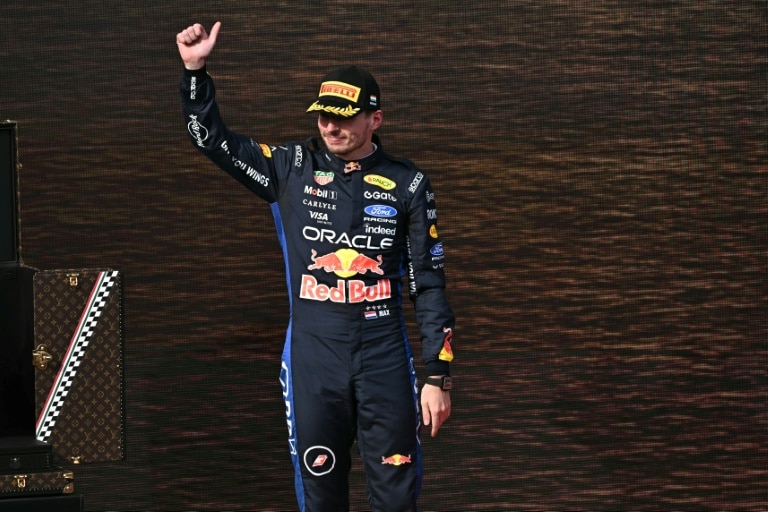
    On Thursday, one of Formula One’s most decorated modern competitors put an end to months of swirling speculation about his long-term future in the sport: four-time consecutive world champion Max Verstappen has signed a contract extension with Oracle Red Bull Racing that will keep him with the team through the conclusion of the 2030 season.

    Red Bull officially confirmed the agreement in a post to X, the social platform formerly known as Twitter, writing, “Four more years of full send. We are delighted to announce that Max has signed a contract extension with the team until the end of 2030.”

    The blockbuster announcement lands as preparations hit full swing for Verstappen’s home event, the Dutch Grand Prix, scheduled to take place at the Zandvoort circuit this weekend. The news is set to bring widespread joy to the thousands of Verstappen’s loyal supporters, who traditionally pack the stands in their signature bright orange attire to cheer on their compatriot.

    Verstappen, 28, has cemented his status as one of the most dominant drivers in Formula One history, securing four straight world championship titles starting from his breakout 2021 season. However, the 2025 campaign has proven far less kind to the Dutch driver: he has failed to cross the finish line in multiple races through the first half of the season, and currently sits sixth in the drivers’ overall standings. Red Bull’s underperforming car this year has left the team uncompetitive, prompting widespread industry and fan speculation that the mercurial driver could choose to jump to a rival squad or even exit Formula One entirely.

    In a formal statement from the team, Red Bull framed the new contract as far more than an extension of an already successful partnership. “This commitment is about more than continuing an already extraordinary alliance,” the statement read. “It is a powerful statement of mutual trust and ambition — and a shared decision to shape the future together.”

    For his part, Verstappen expressed unwavering loyalty to the team that brought him to championship glory, saying he is eager to help guide Red Bull back to its winning form. “We have the best people and I’m excited to keep working together with everyone to get back to the top again,” Verstappen said.

    The new contract adds even more anticipation to this weekend’s Dutch Grand Prix, which will mark the final running of the race at Zandvoort after promoters opted not to renew the event’s contract going forward. A key factor in that decision was lingering uncertainty around Verstappen’s future, given his outsize role in driving the event’s massive popularity among local and international fans.

    Verstappen has an undeniable winning record at his home track: he claimed victory in the first three editions of the race after it was reintroduced to the F1 calendar in 2021. However, McLaren’s Lando Norris and Oscar Piastri have taken the top two spots at Zandvoort in the last two races, leaving Verstappen chasing the Papaya team on his own turf this year.

    In a nod to his Dutch roots, Verstappen is set to race this weekend wearing a custom helmet inspired by the country’s iconic blue Delft pottery.

    Reflecting on his long tenure with Red Bull, Verstappen emphasized the deep connection he feels to the organization. “I have always said it: The team is like a second family for me and I feel very at home,” he said. “I came to the team hoping to be able to win races. What we went on to achieve together has been simply lovely.” That signature phrase of Verstappen’s has become synonymous with his laid-back demeanor outside the car and relentless drive inside it.

  • When is the Champions League draw and who is in each pot?

    When is the Champions League draw and who is in each pot?

    The eagerly awaited draw for the brand-new 2026-27 UEFA Champions League league phase is scheduled to take place this Thursday, 27 August, kicking off at 17:00 BST at the Grimaldi Forum in Monaco. This edition marks a historic shift for European football’s premier club competition, with the expanded format welcoming 36 teams to the league stage instead of the traditional 32. Of these 36 participants, 29 secured their places automatically following the conclusion of the 2025-26 domestic and continental seasons, while the final seven spots were claimed through last-week’s play-off rounds.

    Under the revamped competition structure, every side in the league phase will play eight unique opponents, with four fixtures hosted at their home ground and four played away. To organize the draw, the 36 qualified teams have been seeded into four separate pots based on their official UEFA club coefficient rankings, calculated across the five-season cycle ending with the 2025-26 campaign. Pot 1 contains the highest-ranked clubs, while Pot 4 holds the lowest-ranked entrants. A core draw rule mandates that each team will face two opponents from every pot, and no club will be drawn against a fellow team from the same national league, avoiding cross-country derby matches in the league stage.

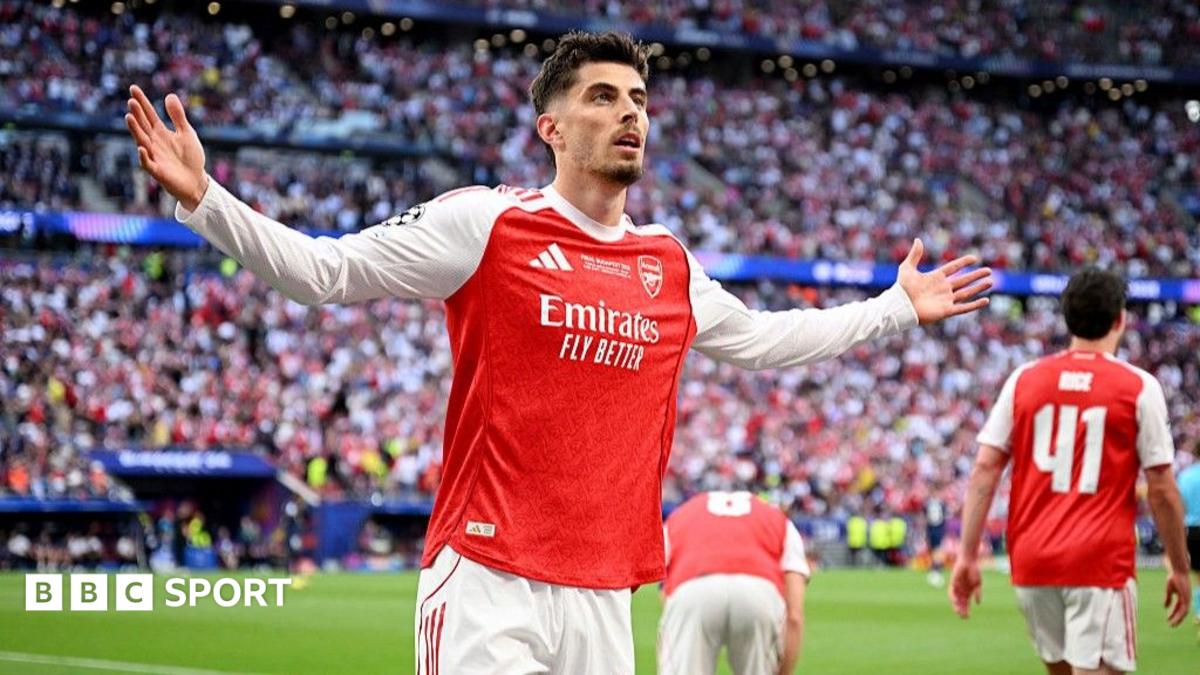
    A brand-new additional rule, announced by UEFA just this Wednesday, has already sparked significant discussion among fans. The regulation prohibits clubs from hosting the same opponent in three consecutive Champions League league phases. This specific rule means Liverpool cannot be drawn to host Spanish giants Real Madrid at Anfield in this season’s league phase, while Premier League title holders Arsenal cannot be scheduled to travel to San Siro to face Inter Milan. It is still possible for the reverse fixtures to happen, however: Real Madrid could host Liverpool at the Bernabéu, and Inter could visit Arsenal’s Emirates Stadium.

    Once the league phase wraps up, the outcome will shape the knockout rounds of the competition. The eight clubs that finish the league stage in the top eight positions will earn an automatic spot in the Champions League round of 16. Clubs that land between 9th and 24th place will advance to a knockout play-off round, where they will compete for the remaining eight spots in the round of 16. Any clubs that finish between 25th and 36th will be eliminated from the competition immediately after the league phase concludes.

    For English football fans, five Premier League clubs have qualified for this expanded league phase, with three earning a place in the top-seeded Pot 1. Liverpool, Manchester City, and Arsenal join back-to-back Champions League winners Paris Saint-Germain, Bayern Munich, Real Madrid, Inter Milan, Barcelona, and Atlético Madrid in the highest-ranked pot. Two English clubs make their return to the Champions League after missing out on qualification last season: Aston Villa and Manchester United are both seeded in Pot 2, alongside Borussia Dortmund, Roma, Sporting CP, Porto, Club Brugge, Real Betis, and PSV Eindhoven.

    Pot 3 is made up of Feyenoord, Lille, Bodo/Glimt, Napoli, RB Leipzig, Villarreal, Shakhtar Donetsk, Galatasaray, and Fenerbahce. The lowest-ranked Pot 4 includes Slavia Prague, VfB Stuttgart, LASK, Como, Lens, Sabah, AEK Athens, Slovan Bratislava, and Viking. Fans across the UK can watch the draw live for free via BBC iPlayer, as well as the BBC Sport website and mobile application.

    Full list of 2026-27 Champions League league phase pots:
    – Pot 1: Paris St-Germain (France), Bayern Munich (Germany), Real Madrid (Spain), Liverpool (England), Inter Milan (Italy), Manchester City (England), Arsenal (England), Barcelona (Spain), Atletico Madrid (Spain)
    – Pot 2: Borussia Dortmund (Germany), Roma (Italy), Sporting CP (Portugal), Aston Villa (England), FC Porto (Portugal), Manchester United (England), Club Brugge (Belgium), Real Betis (Spain), PSV Eindhoven (Netherlands)
    – Pot 3: Feyenoord (Netherlands), Lille (France), Bodo/Glimt (Norway), Napoli (Italy), RB Leipzig (Germany), Villarreal (Spain), Shakhtar Donetsk (Ukraine), Galatasaray (Turkey), Fenerbahce (Turkey)
    – Pot 4: Viking (Norway), Slovan Bratislava (Slovakia), Slavia Prague (Czech Republic), VfB Stuttgart (Germany), LASK (Austria), AEK Athens (Greece), Como (Italy), Lens (France), Sabah (Azerbaijan)

  • Edmonton Marathon route was 674m too long

    Edmonton Marathon route was 674m too long

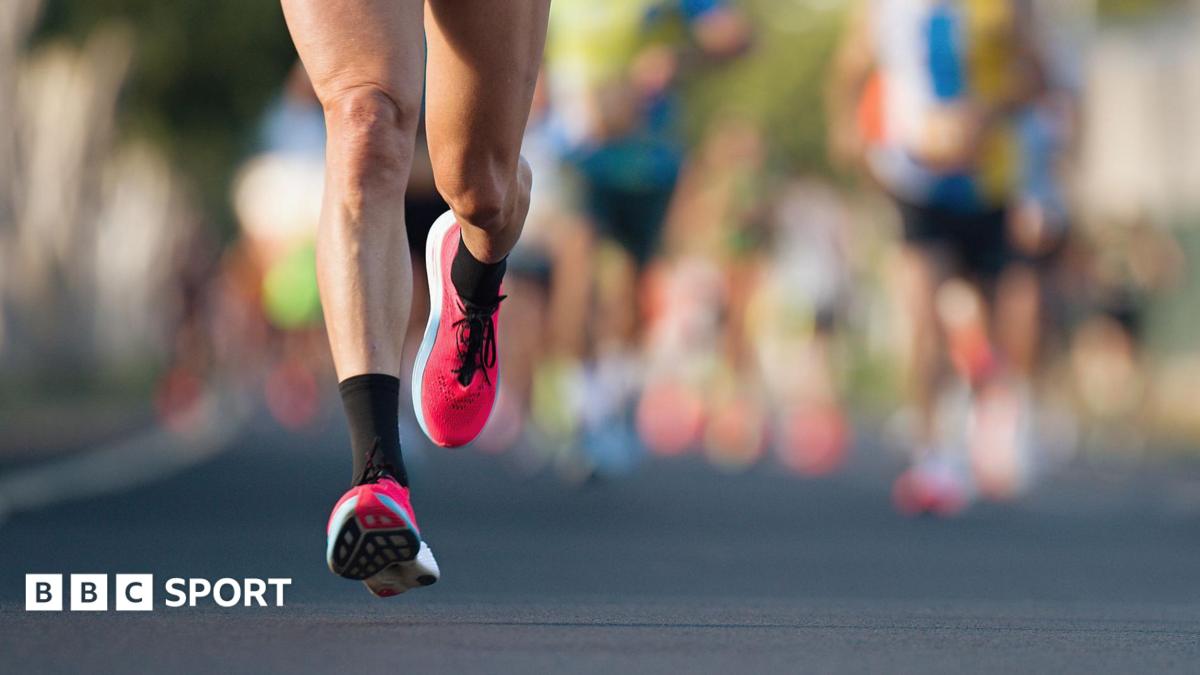
    One of Canada’s popular long-distance running events, the annual Edmonton Marathon in Alberta, is facing widespread criticism after organizers confirmed the 2026 edition of the race featured a course that was incorrectly measured, coming in more than half a kilometer over the standard marathon distance.

    Known widely among competitive distance runners as a key qualifying event for the world-famous Boston Marathon, the 2026 race left dozens of participants frustrated and confused immediately after they crossed the finish line. Multiple runners took to social media and running community platforms to share data from their GPS running watches, which all recorded a total distance exceeding 26.22 miles — the official standard marathon distance is 26.2 miles (42.195 kilometers).

    Organizers initially pushed back on these complaints, dismissing the concerns as minor inaccuracies common to consumer GPS devices. However, in an official public statement released this Wednesday, event leadership reversed that position and confirmed the error: a total of 674.7 meters, equal to 0.41 miles, was accidentally added to the full marathon course.

    “We do not take this mistake lightly,” said Tom Keogh, the event’s race director, in the statement. “We welcomed the country’s top athletes to compete here, and the finishing times they earned this weekend do not truly reflect how incredible their performances actually were.” Keogh acknowledged that event organizers failed to meet the quality standard that all participating runners had every right to expect from the official race.

    Organizers explained that construction work on the city’s Wellington Bridge forced them to adjust the traditional course route with a last-minute detour, and that adjustment resulted in the accidental extra distance.

    The error carries significant consequences for many runners. For those aiming to hit the strict qualifying time standards for the Boston Marathon, the extra half kilometer adds extra time to their official chip time, which is the official time used for Boston Marathon qualifying. Many runners now face the possibility of missing out on a qualifying spot they would have otherwise earned on a correctly measured course. Even runners not chasing Boston qualifying times missed out on the chance to hit long-sought personal best times due to the extra distance.

    Unlike the informal distance readings from personal GPS watches, Boston Marathon qualifying rules rely exclusively on official chip times recorded at certified qualifying events like the Edmonton Marathon. Currently, event organizers are working closely with Athletics Canada and other relevant governing bodies to figure out a path forward for recognizing 2026 participants’ results fairly. BBC Sport has reached out to the Edmonton Marathon organizing committee for additional comment on the ongoing review process.