
Australia’s years-long national debate over permanent work-from-home arrangements has entered a decisive new chapter, with a series of recent rulings from the Fair Work Commission (FWC) clarifying exactly when employers have the legal right to deny remote work requests – and shifting the balance of workplace flexibility back toward in-office attendance. The post-pandemic remote work boom upended traditional corporate structures across the country, giving millions of employees a new expectation of flexible location arrangements. But these recent FWC decisions have cemented a critical legal precedent: working from home is not an automatic, guaranteed entitlement for Australian workers, and employers have successfully secured legal backing to require staff return to in-office attendance under defined conditions. Under Australia’s existing Fair Work Act, employers are only permitted to reject applications for flexible work arrangements if they can cite “reasonable business grounds” for the refusal. The FWC’s new wave of cases is actively clarifying the boundaries of that phrase, drawing clear lines that have not been tested in prior legal disputes. The rulings also send a clear warning to workers balancing caregiving responsibilities: the commission has distinguished between accommodating family needs and allowing remote work to act as a replacement for formal childcare arrangements. That boundary was tested in a recent Sydney case, where payroll officer Rabin Gurung lost his bid to secure permanent work-from-home status for Mondays and Fridays. Gurung had requested the arrangement to serve as the primary carer for his two young children, aged two and four, while his pregnant wife managed a serious medical condition. His employer offered multiple alternative compromises to accommodate his situation, including reduced daily hours and a compressed four-day work week, but Gurung rejected all offers. In its final ruling, the commission found it was not feasible for an employee to fulfill full-time, complex payroll duties that required uninterrupted focus while also serving as the on-site primary carer for young children. A similar case unfolded in Melbourne, where a customer service employee at energy firm AGL – who was caring for her ailing mother – lost her bid for full-time remote work. The FWC instead ordered a six-month trial arrangement requiring the employee to attend the office for just four hours every two weeks, a partial compromise that still ruled in favor of the employer’s core position. Caregiving responsibilities are not the only boundary being clarified by the new rulings; seniority and leadership roles are also being addressed in the new precedents. In a recent case heard in Victoria, the tribunal established that an employee’s senior status and experience can itself qualify as a reasonable business ground for requiring in-person attendance. Steven Polak, a senior planner and building liaison officer for the Macedon Ranges Shire Council, challenged his employer after officials rejected his request to cut his in-office days to just one per week. Polak was already on a hybrid arrangement, working two days in the office and three at home. He argued his lengthy daily commute caused persistent work-related fatigue, his dependent child needed the family car for university travel, and he could collaborate effectively with colleagues via Microsoft Teams. But the council countered that Polak’s in-person presence was a critical requirement for his role, specifically to mentor less experienced junior planning staff. In his ruling, FWC Deputy President Kamal Farouque sided with the council, confirming the organization had reasonable business grounds to deny Polak’s request. Farouque acknowledged that Polak could complete most of his routine day-to-day job duties remotely from home, but upheld the refusal because the planning team required consistent, reliable in-person presence to build team cohesion and strengthen in-person collaboration – a need that directly conflicted with Polak’s request for near-total remote work. Despite the wave of rulings favoring employers, the outcomes do not represent a complete rejection of employee requests for flexible work. The FWC continues to uphold flexible arrangements that do not undermine core business needs. For example, a Sydney mother recently won her workplace dispute after successfully requesting adjusted work hours to allow her to drop her children off at school each morning, an arrangement the commission found posed no material risk to business output. Even so, the latest string of cases makes clear the FWC firmly recognizes team collaboration, in-person connection, and senior-level mentorship as legitimate, binding business needs. For Australian workers, that means a long daily commute or a general personal preference for working from home is no longer sufficient to guarantee approval of a permanent remote work arrangement.
分类: society
-

Teenager fighting for life after fall from building had completed marathon just hours earlier
An 18-year-old beloved community volunteer and athlete from Queensland’s Gold Coast is clinging to life after suffering a catastrophic fall from a residential building, just hours after crossing the finish line of the Gold Coast Half Marathon. Emergency services rushed Tyler Calleja to Gold Coast University Hospital in the early hours of Saturday morning, after a maintenance worker discovered him unconscious in the building’s underground car park around 4:30 a.m.
Queensland Police confirmed that Calleja fell while attempting to re-enter the Surfers Paradise apartment where he was staying. Paramedics documented that he arrived at the hospital with severe life-threatening injuries to his head and abdomen, requiring urgent intensive care. Local law enforcement officials have called his survival of the high fall nothing short of extraordinary.
“It is remarkable the young man survived the fall. We see falls all the time from buildings and the result is quite tragic. So for him to have survived that is quite remarkable,” Queensland Police Superintendent Kylie Rigg told reporters on Monday, per the Gold Coast Bulletin.
Community members who have long known Calleja for his active involvement in local sports, charity work and neighborhood events have rallied around him and his family in the wake of the tragedy, launching a crowdfunding campaign on GoFundMe to offset the unexpected costs that accompany a major medical crisis. The fundraiser, which is organized by members of Calleja’s community, notes that he is currently surrounded by his family as he receives ongoing specialized care on the Gold Coast.
“Many in our community know Tyler as someone who is always willing to lend a hand. Through his involvement in local sport, fundraising and community events, he’s always been there for others. Now it’s our turn to be there for him,” the campaign page reads. Organizers added that all funds will go toward covering travel, accommodation and other unplanned costs, freeing the Calleja family to focus entirely on Tyler’s recovery, which remains uncertain as he continues to fight for his life.
As of Tuesday afternoon, the outpouring of community support has already pushed the total raised past the $40,000 mark. In an update to supporters, organizers extended gratitude on behalf of the Calleja family, noting that the widespread generosity of donors means more than words can adequately express amid the family’s most difficult time.
-
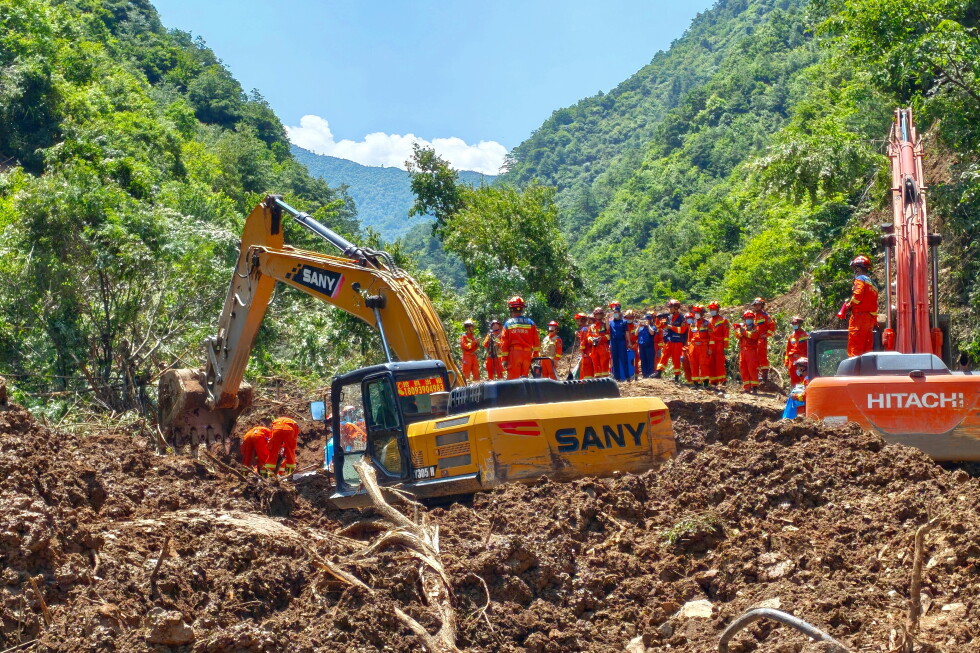
Landslide in northwestern China leaves 5 dead and 12 still trapped
A devastating landslide in northwestern China has claimed five lives and left a dozen people still missing and buried under debris, state media confirmed Tuesday. The disaster unfolded shortly before 7 a.m. local time in Nanhe township, located in Longnan city of Gansu province, burying a total of 33 people under fallen earth and rock, according to China’s official Xinhua News Agency.
As of Tuesday’s official update, investigators have not yet determined the root cause that triggered the landslide. Visual footage and photographs shared online by state-owned broadcaster China Central Television show a large-scale rescue operation underway, with three heavy excavators working alongside dozens of emergency responders on massive piles of displaced earth. The incident site is situated in a largely forested, lush green mountainous area, with footage recording clear, sunny weather at the time of rescue efforts.
Local authorities have already completed relocation of nearby residents to safe temporary locations to avoid the risk of secondary disasters, as search and recovery operations continue around the clock to reach the 12 trapped people.
-
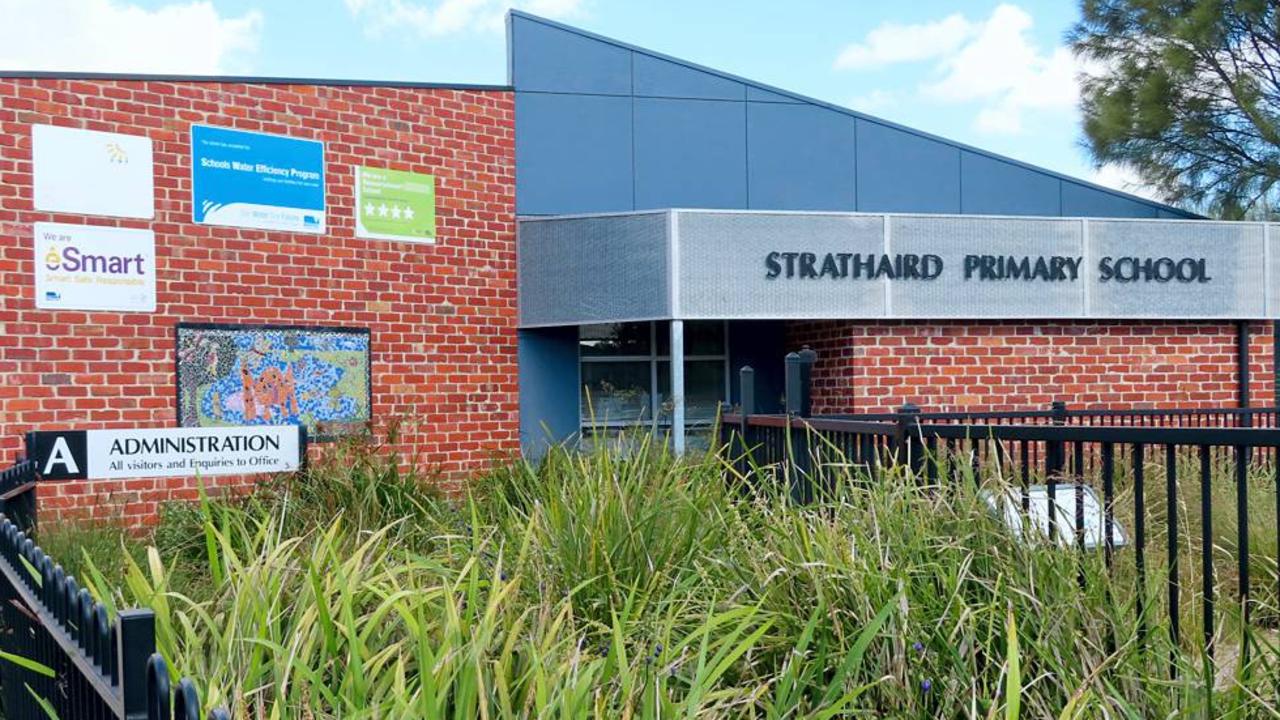
Narre Warren South stepfather death: Brothers face murder charges
A violent assault case in Melbourne’s southeast has taken a tragic turn, with charges against two brothers accused of attacking their estranged stepfather upgraded to murder following the victim’s death from his injuries.
The victim, 63-year-old Andre Szep from Clyde North, was allegedly ambushed and brutally attacked by his stepsons 21-year-old Connor Harnett and 22-year-old Liam Harnett shortly after 3 p.m. on June 12. The shocking incident unfolded in the open area outside Strathaird Primary School, located in Narre Warren South, a busy suburban neighborhood near a local education campus.
Immediately after the attack, emergency responders rushed Szep to a nearby hospital with life-threatening severe injuries. Despite medical intervention, the 63-year-old succumbed to his wounds six days after the assault.
Prior to his death, the two brothers had already been taken into police custody. Connor Harnett, who lists no fixed address, was charged on June 15, while Liam Harnett, a resident of Narre Warren South, was charged two days earlier on June 13. Both were initially charged with the offense of recklessly causing serious injury.
In an official statement released to the public on Tuesday, a spokesperson for Victoria Police confirmed that the initial charges have now been formally upgraded to murder following Szep’s passing. “Those charges have today been upgraded to murder,” the spokesperson confirmed in the statement.
The two accused are scheduled to make their next court appearance at Melbourne Magistrates’ Court on Wednesday, where the murder charges will be formally laid before the court. The community surrounding Narre Warren South has been left shaken by the violent incident, which occurred near a local primary school frequented by families and young children.
-
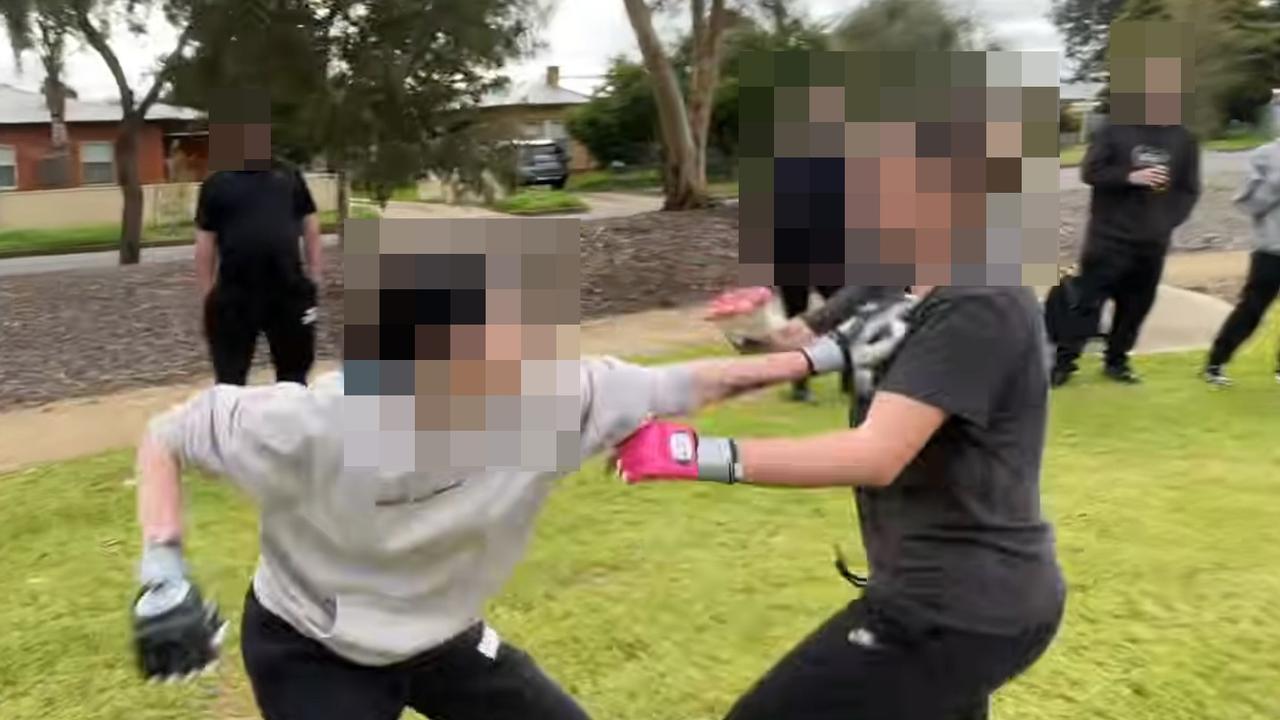
Knife pulled during Adelaide teen fight club brawl filmed for YouTube
Shocking social media footage has exposed an underground, self-organized bare-knuckle fight club operating out of public recreational ovals in suburban Adelaide, drawing fierce condemnation from South Australia’s top leader and prompting a call for a crackdown on the unregulated activity.
Dubbed the South Australian Fight Club, the informal group is run by local young people and organizes unsanctioned brawls for both male and female teens, with matches structured by weight classes ranging from 40kg to 65kg. Winners of the contests are even awarded homemade “championship” belts, much like professional combat sports. The group maintains a small set of rules to mitigate severe injury—banning hair pulling, biting, and strikes to the back of the head—before uploading full fight footage to public YouTube and Instagram accounts, complete with live time and score tracking for viewers.
To date, the group’s YouTube channel has published eight fights across different weight categories. One 40-second clip, uploaded on May 31 from Broadmeadows Oval in Elizabeth North, has already amassed over 4,000 views. The video captures a brawl between two male teens that is suddenly interrupted by a bystander, cutting abruptly before a text overlay appears noting that “knife got pulled” at the scene. Other clips show the informal nature of the matches: one includes commentary from the cameraperson calling out rule violations, while a July 5 bout between two teen female fighters captured one competitor repeatedly apologizing to her opponent mid-fight before the pair continued exchanging blows. Spectators on the sidelines can be heard shouting encouragement and direction to the fighters, creating a chaotic, spectator-fueled atmosphere around the unsanctioned events.
So far, South Australia Police (SAPOL) confirmed they have not received any formal complaints about the group’s activities, but Northern District officers have urged organizers to move their contests out of public green spaces. “For their safety, we would encourage them to seek out a local gym, training facility, or other more appropriate facility than a public park,” a SAPOL spokesperson said.
However, South Australian Premier Peter Malinauskas has publicly condemned the operation, saying he is “absolutely appalled” by the unregulated activity taking place on public land. “It is completely unsafe and perpetuates raw violence in a way that cannot be tolerated, particularly amongst children,” Malinauskas said. The premier added he has already directed the state’s Attorney General and Police Minister to take all necessary action to crack down on the practice, noting “Our kids should be taught how to respect one another, rather than display violence on social media.”
The Adelaide-based operation is not an isolated case: it is part of a growing trend of informal, community-run fight clubs popping up across Australia, with the Townsville Fight Championship in Queensland also earning similar social media traction in recent months. Multiple outlets have attempted to contact South Australian Fight Club organizers for comment on the backlash, but no response has been issued as of yet.
-
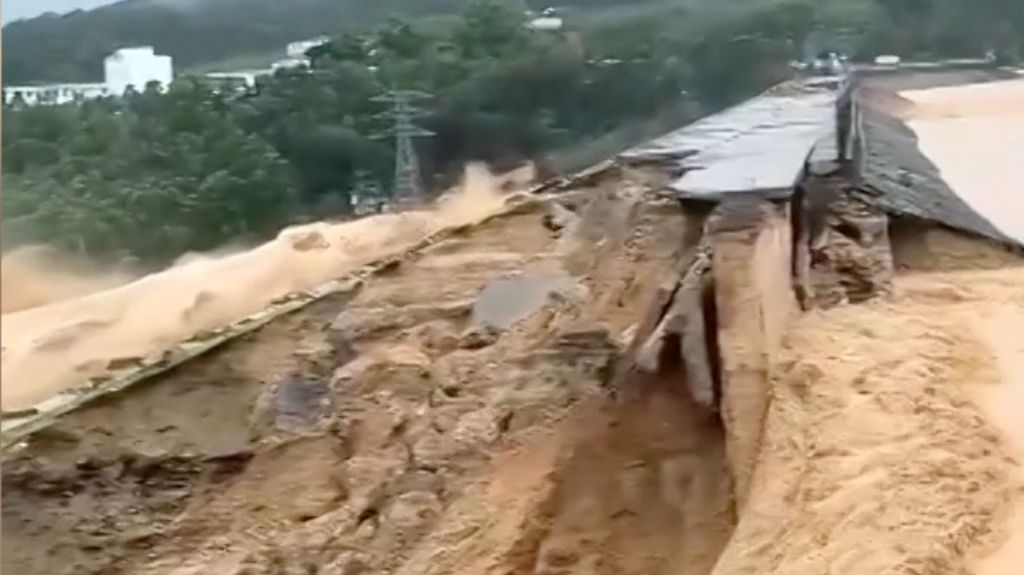
Fatal Typhoon Maysak floods burst dam wall in China
One of the earliest powerful tropical cyclones of the West Pacific season, Typhoon Maysak, has left a trail of destruction across southern China, triggering catastrophic flooding that breached a reservoir dam in Guangxi Zhuang Autonomous Region and caused fatalities across the affected area. Local authorities confirmed on Tuesday that the dam wall at a reservoir in Heng County, administered by Nanning, the regional capital, collapsed after days of relentless heavy rain pushed by the typhoon sent river and reservoir water levels surging far beyond safe operational thresholds.
As Maysak made its way inland from the South China Sea early last week, the storm dumped unprecedented volumes of rainfall across Guangxi, with many areas recording 24-hour precipitation totals that exceeded historical averages for the entire month. The sustained downpour quickly overwhelmed natural drainage systems, causing widespread river swelling that put enormous structural pressure on hundreds of small and medium-sized reservoirs across the region. Even though local officials had issued multiple early warnings and ordered pre-emptive inspections of water infrastructure ahead of the storm’s arrival, the scale of the flooding outpaced defensive preparations, leading to the dam breach in Heng County.
Local emergency management teams have been deployed to the affected area to carry out rescue operations, evacuate at-risk downstream communities, and assess the full extent of the damage. As of the latest update, official reports have confirmed multiple fatalities linked to the flooding, though full casualty and damage figures are still being compiled as access to remote hard-hit areas remains restricted by washed-out roads and continued floodwaters. Provincial and national disaster relief authorities have also allocated emergency supplies and funding to support response efforts, as teams work to restore basic services and prevent secondary disasters such as landslides and waterborne disease outbreaks in the wake of the storm.
The breach highlights the growing vulnerability of aging water infrastructure in parts of China to extreme weather events, which climate scientists warn are becoming more frequent and more intense due to global climate change. In recent years, southern China has faced an increasing number of severe typhoon-driven flooding events that have tested the country’s disaster preparedness and response systems, prompting calls for increased investment in upgrading outdated infrastructure to better withstand extreme weather shocks.
-

Former Irish national swimming coach guilty of sex abuse
After more than 30 years living outside Ireland, a once-prominent Irish national swimming coach has finally been held accountable for severe sexual crimes committed against underage female athletes decades ago. 77-year-old George Gibney was found guilty on Monday of 39 counts of indecent assault and one count of attempted rape against four young girls who were between 8 and 14 years old at the time of the offences, which took place between the 1970s and 1980s.
The jury at Dublin’s Central Criminal Court spent more than seven hours behind closed doors deliberating the evidence before delivering its verdict. The case carries a long, tangled procedural history that stretches back nearly a decade. When the trial opened, Gibney entered guilty pleas for just five of the 79 total charges brought against him. He had maintained his not guilty plea for the remaining 74 counts – 73 counts of indecent assault and one single count of attempted rape.
Justice officials directed jurors to return not guilty verdicts for 33 of the outstanding counts linked to two of the complainants, following legal procedural guidelines. Following the announcement of the guilty verdicts, the four surviving complainants publicly embraced their friends, family supporters and members of the Garda Síochána, Ireland’s national police service, in a moment of quiet relief after decades of seeking justice.
The road to conviction began six years ago, when multiple survivors came forward with new allegations against Gibney on the popular BBC investigative podcast *Where is George Gibney?*. That wave of testimonies prompted Irish law enforcement to reopen a dormant investigation into the coach’s alleged crimes. In 2020, a specialized unit within the Garda National Protective Services Bureau launched a full formal criminal investigation, which built a comprehensive case over the course of three years. Investigators passed a full case file to the Director for Public Prosecutions (DPP) in 2023, and after a thorough review of the evidence, the DPP authorized the full slate of criminal charges against Gibney.
For decades, Gibney evaded Irish justice by living abroad. He was first taken into custody by U.S. Marshals in Florida in July 2025, after Irish authorities filed an official extradition request to bring him back to face trial. He was formally extradited to the Republic of Ireland last year to answer for the 78 counts of indecent assault and one count of attempted rape.
Following the delivery of the verdict, the trial judge ordered Gibney to be remanded in custody immediately. A sentencing hearing is scheduled for 29 July, where he will receive a formal punishment for his convictions.
-
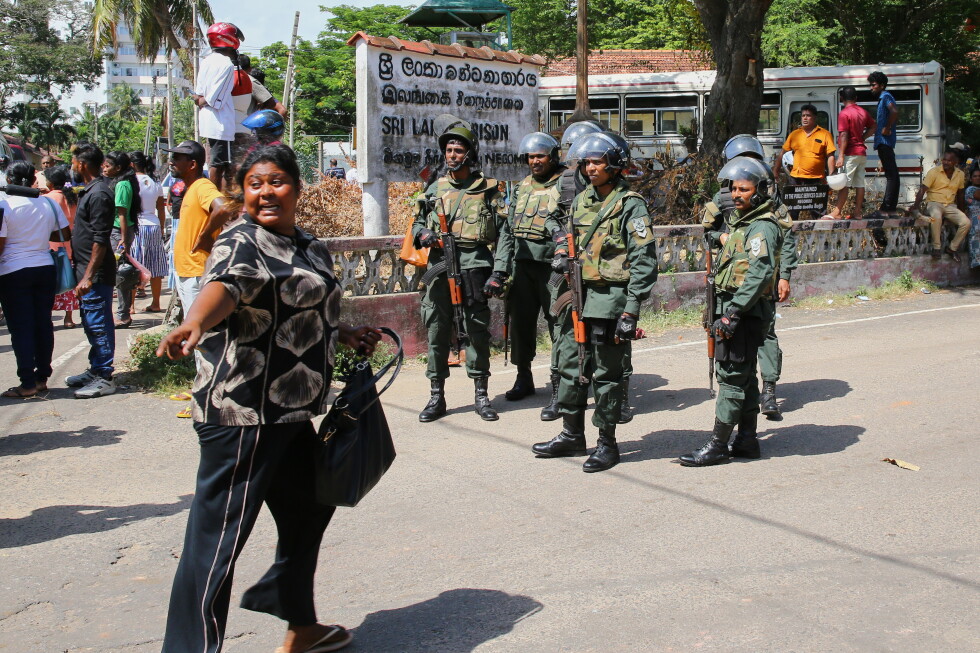
Clashes in Sri Lankan prison leave at least 25 dead and over 100 injured
On Monday, official reports and local television broadcaster Hiru TV confirmed a tragic outbreak of violence at a suburban Sri Lankan prison, which has left at least 25 people dead and more than 100 others injured. The violent unrest erupted at the correctional facility in Negombo, a coastal town located roughly 35 kilometers (22 miles) north of the nation’s capital Colombo, and carried on into a second day on Monday after starting the previous day, according to local police.
Police spokesperson Chandana Herath acknowledged the occurrence of fatalities in the clash, but declined to immediately verify the casualty count released by Hiru TV. The local broadcaster’s reporting indicates that victims of the violence include both incarcerated inmates and serving prison staff, though no further breakdown of the death toll has been released at this early stage.
As of Monday, authorities have not released a confirmed cause for the sudden outbreak of internecine violence at the prison. A senior official at the region’s leading public hospital, speaking on condition of anonymity due to restrictions on speaking to press without official authorization, confirmed that more than 100 injured people have been admitted for treatment. The official did not provide additional details on the nature or severity of the injuries sustained in the clash.
This deadly incident draws renewed attention to a longstanding crisis in Sri Lanka’s correctional system: severe overcrowding that has created persistent unsafe conditions nationwide. Official data shows the country’s prison system was designed to hold a maximum of 10,000 inmates, but currently houses more than 39,000 incarcerated people, a more than 290% overcapacity rate that has long been flagged by human rights groups as a major public safety and human rights concern.
-

India orders Meta to remove ads promoting child sexual abuse
A high-stakes regulatory clash has emerged between India’s federal government and tech giant Meta after an independent journalistic investigation uncovered paid advertisements promoting child sexual abuse material running across Instagram for users based in India. A senior official from India’s Ministry of Electronics and Information Technology confirmed that authorities have issued a formal, stern notice to Meta, demanding the immediate removal of all ads and public content that enables access to or promotes child sexual exploitative material on the platform.
The regulatory action comes just days after the BBC’s investigative unit BBC Eye published findings from an undercover probe into content moderation gaps on Instagram. Reporters created a new anonymous Instagram account in India to test platform algorithms, after observing that sexually inappropriate content was being pushed to users even without active searches for such material. After the account followed just 10 accounts linked to explicit content, the platform began serving paid adult pornography ads to the alias within six days. Within a further short period, the account was also served paid promotions for child sexual abuse material, with several of these ads directing users to private Telegram channels where the illegal content was sold for profit.
Along with ordering the immediate takedown of all violating content, the Indian government has given Meta a seven-day deadline to provide a full formal explanation for how these illegal paid advertisements were able to evade the platform’s content moderation systems and reach users. Neither government officials nor Meta have publicly confirmed whether the regulatory notice was issued directly in response to the BBC’s published investigation, but the timing of the action follows the probe’s release closely.
In a public statement responding to the government notice and the underlying investigation, a Meta spokesperson reaffirmed that the company maintains a strict zero-tolerance policy for any content that promotes or shares child sexual abuse material, including commercial advertisements. The company noted that it leverages cutting-edge artificial intelligence systems to proactively identify and remove violating content and bad actors from its platforms, which serve more than 3.5 billion global users monthly. Meta’s representative framed the fight against child exploitation as an ongoing, constant battle, noting that bad actors continuously adapt their tactics to evade automated detection systems.
The company also pushed back on suggestions that it allows harmful content to remain on its platforms to generate advertising revenue, calling any claim that it knowingly serves child sexual abuse ads to users categorically inaccurate. Meta has repeatedly emphasized that it prioritizes user safety, particularly the protection of minors, over any potential commercial gains from problematic content.
-
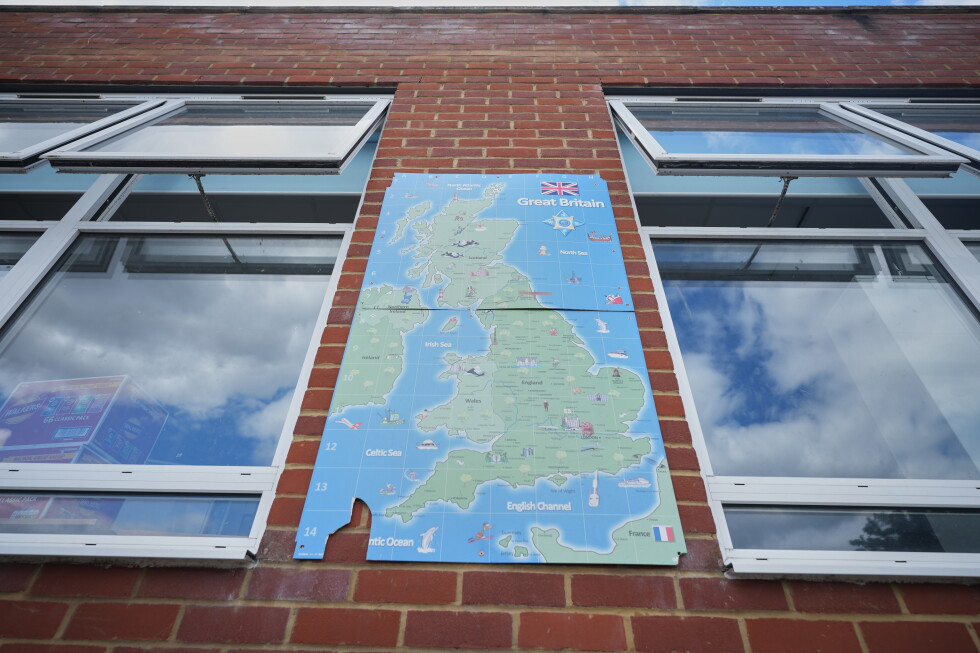
With poor ventilation and children packed in, UK’s outdated schoolhouses swelter in the heat
When record-shattering heat gripped Western Europe in late June 2023, pushing temperatures in Wales to an all-time high of 35.9°C (96.6°F), Mark Morris’s secondary school joined hundreds of other educational institutions across the United Kingdom in shutting its doors. For Morris, a design and technology instructor who teaches hands-on skills ranging from woodworking to food preparation, keeping the school open was never a viable option. Most classrooms at his school lack cooling systems such as air conditioning or even portable fans, and large south-facing windows, many of which are jammed partially open or fully sealed, trap overwhelming amounts of solar heat. “Even in a typical cool British summer, that side of the building becomes unbearably hot,” Morris explained. “If I need to turn on an oven for a cooking lesson? That’s completely out of the question – no one could focus or work safely in those conditions.”
By the end of the heatwave, more than 1,000 UK schools had either closed entirely for multiple days or dismissed students early, upending in-person learning and creating ripple effects across the national economy as working parents were forced to scramble for last-minute childcare or take unpaid time off work. Climate experts and education leaders say the mass closures have laid bare a critical gap in the UK’s ability to adapt to what climate scientists have labeled the “new normal”: more intense, more frequent heatwaves driven by global warming.
Aging, chronically underfunded public infrastructure – including schools, hospitals, and adult care facilities – is among the most vulnerable to rising temperatures, experts note. Air conditioning remains extremely rare in British educational settings, and poor building design leaves most indoor spaces trapping heat to dangerous levels. The UK Climate Change Committee (CCC), an independent statutory body that advises the government on climate action, emphasized in a May 2023 report that the nation’s existing public buildings were engineered for a climate that no longer exists: constructed to retain heat through frigid British winters, with no design consideration for prolonged periods of extreme summer heat.
For schools that did stay open during the June heatwave, staff and students relied on makeshift, low-tech coping strategies to beat the heat. Teachers passed out handheld mini fans and water spray bottles, swapped hot lunch menus for cold salads and frozen popsicles, pulled closed every blind to block sunlight, and even encouraged students to lie on the cool floor of classrooms or soak their bare feet in buckets of water. Even these emergency measures were not enough to eliminate health risks, however: with an average of 30 students packed into each small classroom, rising indoor temperatures quickly turned routine lessons into dangerous heat exposure scenarios.
Wayne Bates, health and safety spokesperson for the NASUWT, one of the UK’s largest teachers’ unions, says the union has received dozens of reports of educators falling ill from extreme heat while on the job. “We’ve had members teaching in dangerously hot conditions, to the point that some have actually passed out in their classrooms while trying to lead lessons,” Bates said. Along with other public sector unions, NASUWT has long pushed the UK government to introduce a legal maximum workplace temperature, a standard that currently does not exist in the country.
Many of the UK’s most heat-vulnerable school buildings date back to the mid-20th century, Bates explained, and are well past their intended service life. Compounding the problem, four out of five schools still contain asbestos in their building materials, a toxic substance that makes retrofitting cooling systems complicated, risky, and far more expensive. Surprisingly, it is not just aging school properties that struggle with extreme heat. Dave Woods, head teacher at Beaconsfield Primary School in west London and vice president of the National Union of Headteachers, says the newest wing of his campus – completed in 2013, just a decade ago – actually retains far more heat than the school’s original 1908 building. The older structure, with its high vaulted ceilings and thick exterior brick walls, stays significantly cooler indoors even during heat peaks. “You would think that by 2013, architects and planners would have accounted for rising global temperatures that we already knew were coming,” Woods said.
Woods has explored installing air conditioning for at least the highest-risk parts of his school, but systemic underfunding has made the project unachievable. After a decade of austerity cuts to public education funding in the 2010s that was never reversed, UK schools have been left with chronically tight repair and improvement budgets. Woods’ school receives just £7,000 (roughly $9,350) per year for all campus repairs and upgrades – a sum that barely covers urgent fixes like a leaking roof, let alone a full air conditioning installation that could cost close to £20,000 ($26,700). The school is exploring cheaper long-term fixes, including planting more shade trees around the campus, adding external screening to heat-trapping windows, and installing solar reflective film on glass, but Woods warns none of these solutions can be implemented quickly.
Looking ahead, the CCC warns that extreme heat will only become a bigger threat to UK education. The group’s May 2023 report projects that by 2050, when global average temperatures are expected to rise 2°C above pre-industrial levels, heatwaves exceeding 40°C (104°F) will become regular events in southern England. Without major adaptation work, the report estimates that the number of days per year when indoor school temperatures reach 35°C will jump by 70% compared to current levels, leading to more lost learning days and worse long-term educational outcomes for students.
The CCC recommends that schools prioritize low-cost passive cooling measures like blinds and external shading as a first step, but it also calls for widespread installation of low-carbon air conditioning systems, such as reverse-cycle heat pumps that provide both heating and cooling, in the highest-risk public buildings (including schools, care homes, and hospitals) over the next 25 years. Richard Millar, the CCC’s director of adaptation, says urgent government investment and planning are required now to address this growing threat.
“For a long time, the UK didn’t think of extreme heat as one of the major weather or climate hazards we have to prepare for,” Millar explained. “But the events of the last few weeks make it clear: we need to start treating heat as a critical risk. Right now, we have a major gap in national planning for this, especially when it comes to public services. This isn’t some distant future problem – the impacts are here right now. We aren’t prepared for today’s heat, let alone the higher temperatures coming tomorrow.”