分类: society

  • Man accused of violently assaulting Labor figure Tim Picton returns to court to face more assault charges

    Man accused of violently assaulting Labor figure Tim Picton returns to court to face more assault charges

    A 20-year-old man currently facing charges for the alleged assault that left Western Australian Labor strategist Tim Picton in a coma has now been charged with a separate violent attack occurring just two days prior. Brodie Jake Dewar appeared in Armadale Magistrates Court on Friday to address allegations concerning a Christmas Day incident in Kalamunda, where he is accused of striking a 40-year-old man in the head, causing the victim to fall and hit his head on pavement.

    The recent court appearance adds another layer to the serious violent charges against Dewar, who was already in custody for the December 27th attack outside a Perth nightclub. In that incident, authorities allege Dewar struck Mr. Picton in the head approximately at 5:30 am, resulting in the victim hitting his head on the pavement and remaining hospitalized in a coma since the assault.

    Mr. Picton represents a significant figure in both political and mining sectors, having served as a key strategist behind former Premier Mark McGowan’s landslide 2021 election victory and currently holding the position of director of strategy at mining giant Mineral Resources. He is also the brother of South Australian Health Minister Chris Picton.

    The family of Mr. Picton released a statement characterizing him as “a much loved father, husband, brother and son, as well as a friend to so many across Australia.” Dewar has been remanded in custody as both cases proceed through the judicial system, with the latest charges involving acts causing bodily harm or danger.

  • Ayat: The Palestinian restaurant winning hearts and minds through food and culture

    Ayat: The Palestinian restaurant winning hearts and minds through food and culture

    Abdul Elenani, CEO and founder of New York’s acclaimed Palestinian restaurant Ayat, developed his resilience through childhood experiences defending his hijab-wearing mother and sisters from post-9/11 harassment in New York City. The Egyptian-American entrepreneur recalls first hearing his mother called a terrorist at age five, and by eight, he was actively intervening against anti-Muslim bigotry.

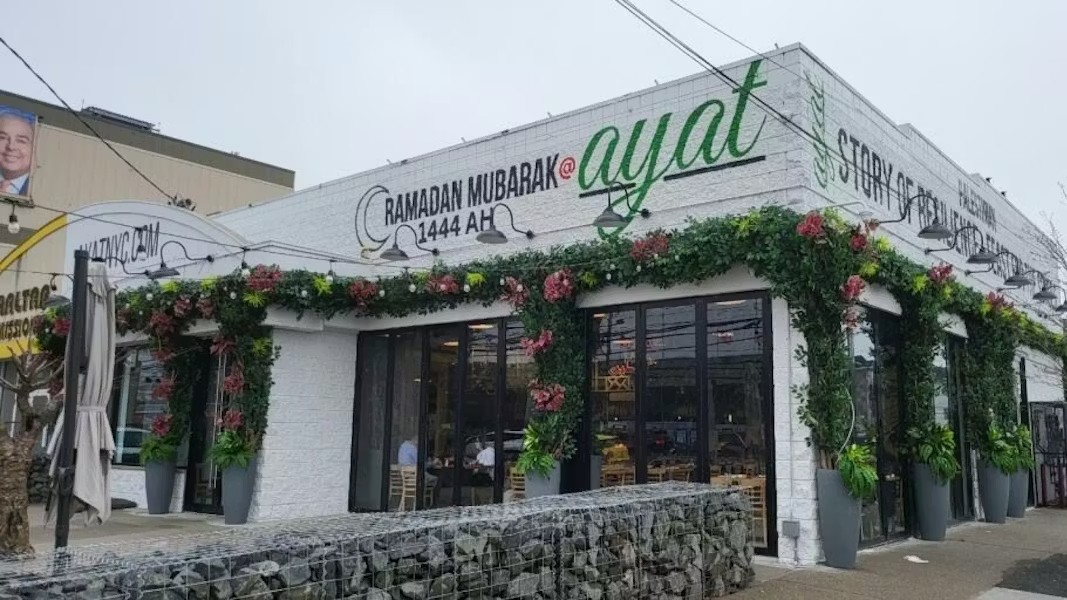
    This early commitment to justice evolved into Ayat, a Michelin-guide featured establishment that boldly communicates Palestinian culture and political realities through cuisine. Elenani’s journey included previous restaurant ventures where he hesitated to explicitly identify as Palestinian, but the COVID-19 pandemic’s devastation of his coffee chain business inspired a more purposeful approach.

    Named after his Palestinian-American wife Ayat Masoud—a lawyer who contributed traditional family recipes—the restaurant features dishes like maklouba, celebrating what Masoud calls “the masters of party slash family meals.” Since opening in Bay Ridge in 2020, Ayat has expanded to eight locations despite significant challenges.

    The restaurant’s explicit Palestinian identity has attracted both support and hostility. During Israel’s war on Gaza, Ayat experienced increased harassment, including anti-Palestinian graffiti, verbal abuse, and coordinated review bombing after a New York Times critic featured their politically-charged murals. One mural depicting Israeli soldiers pointing guns at Palestinian children triggered thousands of negative reviews, many from Tel Aviv.

    Yet Elenani emphasizes overwhelming community support, particularly from Jewish neighbors who attended their free Shabbat dinners. The restaurant regularly hosts community events, including Thanksgiving meals for those alone during holidays and celebrations for political candidates. Their expansion continues with plans for national growth in 2026, including a Columbia University location named after Hind Rajab, a five-year-old Palestinian girl killed in Gaza.

    Hanifa Abbasi, head of communications for Elenani’s Anani Group, summarizes their experience: “For every piece of hate we get, we get ten times more love.” Elenani’s approach combines culinary excellence with cultural advocacy, creating spaces where food becomes a medium for dialogue and resistance.

  • Social media platforms removed 4.7 million accounts after Australia banned them for children

    Social media platforms removed 4.7 million accounts after Australia banned them for children

    WELLINGTON, New Zealand (AP) — Australian officials announced Friday that social media platforms have deactivated or restricted approximately 4.7 million accounts belonging to minors since the implementation of the nation’s groundbreaking under-16 social media prohibition in December. The sweeping ban represents one of the world’s most aggressive regulatory actions against technology companies concerning child protection.

    Communications Minister Anika Wells declared the measure a victory for Australian families, stating: “We confronted some of the world’s most powerful corporations and their supporters who claimed this was impossible. Australian parents can now feel assured that their children can reclaim their childhoods.”

    The comprehensive data, submitted to Australia’s government by ten major social media platforms, provides the first quantitative assessment of the policy’s impact. The legislation emerged from mounting concerns about harmful digital environments affecting youth development, triggering intense national debates about technology usage, privacy rights, child safety protocols, and mental health implications.

    Under Australia’s regulatory framework, prominent platforms including Facebook, Instagram, Kick, Reddit, Snapchat, Threads, TikTok, X, YouTube, and Twitch face potential penalties exceeding AU$49.5 million (US$33.2 million) for non-compliance with age verification requirements. Messaging services such as WhatsApp and Facebook Messenger remain exempt from these restrictions.

    Platforms employ triple-verification methodologies: requesting official identification documents, utilizing third-party facial age estimation technology, or making inferences from existing account metadata including account longevity.

    According to eSafety Commissioner Julie Inman Grant, Australia’s 2.5 million children aged 8-15 previously demonstrated an 84% social media penetration rate among 8-12 year-olds. The commissioner characterized the 4.7 million account removals as “encouraging” progress in protecting minors from predatory digital practices.

    Meta, parent company to Facebook, Instagram, and Threads, reported eliminating approximately 550,000 accounts belonging to suspected underage users within the policy’s first operational day. Despite compliance, Meta criticized the regulatory approach in an official blog post, warning that smaller exempt platforms might not prioritize safety measures and that algorithmic content delivery remains unaddressed.

    The policy garnered substantial support from parents and child safety advocates while drawing opposition from digital privacy organizations and youth representatives who highlighted the importance of online communities for vulnerable and geographically isolated adolescents.

    Prime Minister Anthony Albanese celebrated the policy’s international influence, noting: “Despite initial skepticism, Australia’s framework is now inspiring global replication—a source of national pride.” Denmark has already announced plans to implement similar restrictions for children under 15.

    Opposition lawmakers raised concerns about easy circumvention through age verification deception or adult assistance, coupled with migration to less-scrutinized applications. Commissioner Inman Grant acknowledged initial spikes in alternative app downloads but noted no sustained usage increases.

    The eSafety Commission plans to introduce pioneering restrictions on AI companions and chatbots in March, further expanding Australia’s digital child protection framework.

  • Fire breaks out in Seoul’s last-remaining shanty town

    Fire breaks out in Seoul’s last-remaining shanty town

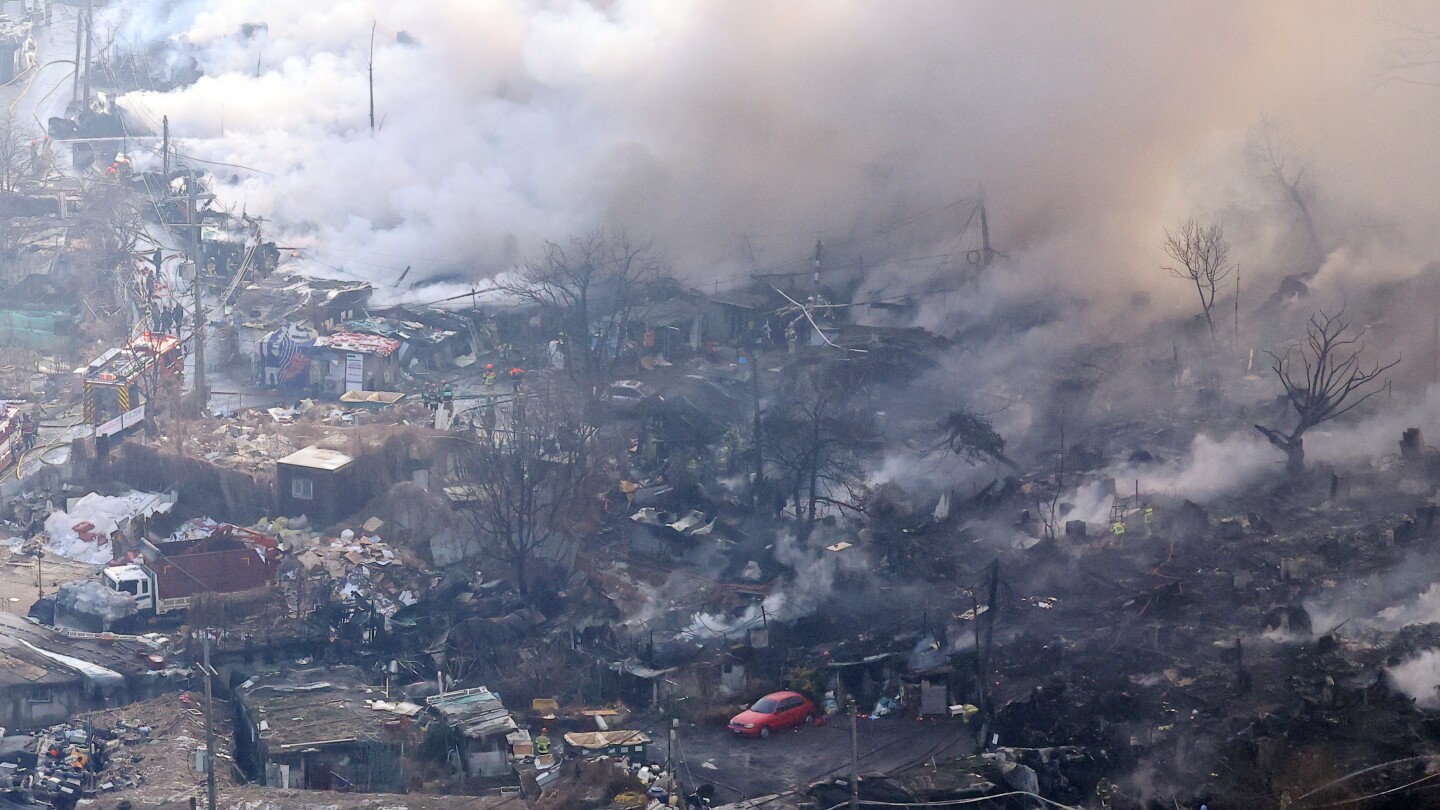
    A significant fire broke out on Friday in Guryong village, one of Seoul’s last remaining informal settlements, destroying numerous makeshift homes and prompting the evacuation of dozens of residents. Authorities confirmed no immediate casualties from the incident.

    Fire officials reported bringing the majority of the blaze under control approximately 6.5 hours after it ignited in this hillside community located in southern Seoul. During a televised briefing, local fire officer Jeong Gwang-hun stated that emergency crews were conducting thorough searches of the affected area to ensure no victims remained trapped in the damaged structures.

    The fire response mobilized an extensive emergency deployment with over 1,200 personnel from fire and police services working at the scene. Investigation into the cause of the fire is currently underway, with officials examining all potential factors that might have contributed to the outbreak.

    Guryong village’s structural vulnerabilities have been noted by urban observers, who point to the community’s tightly packed dwellings constructed from highly flammable materials as creating persistent fire hazards. This incident represents the latest in a series of fires that have affected the settlement over several years.

    The village’s location adjacent to some of Seoul’s most affluent districts—characterized by luxury high-rise apartments and upscale shopping areas—has made it a visible symbol of South Korea’s economic disparities. The community originally formed during the 1980s as a refuge for residents displaced by massive urban redevelopment projects and neighborhood clearances.

    Historical context reveals that hundreds of thousands of low-income residents were removed from their homes during extensive slum clearance operations in the decades preceding the 1988 Seoul Olympic Games. Military-backed leadership at the time considered these urban beautification projects essential for presenting a modernized image to international visitors during the global event.

  • Surveillance, harassment and bribes: everyday life for migrants in Russia

    Surveillance, harassment and bribes: everyday life for migrants in Russia

    For Alym, a 38-year-old Kyrgyz taxi driver and father of two residing near Moscow, daily existence in Russia is characterized by an oppressive cycle of digital monitoring, institutional corruption, and social hostility. His experience reflects the grim reality facing an estimated 6.5 million foreign nationals, predominantly low-wage workers from Central Asia who form a critical pillar of Russia’s economy amid severe labor shortages exacerbated by its military operations in Ukraine.

    Migrants navigate a labyrinth of bureaucratic exploitation, with law enforcement routinely demanding off-the-books payments—often reaching $300—for essential documentation including registrations, work permits, and patents. Compounding this financial burden is the state-mandated Amina surveillance application, which requires daily location sharing. Failure to comply for just 72 hours results in placement on an official ‘register of monitored persons,’ triggering frozen bank accounts, employment termination, academic expulsion, or even deportation.

    This climate of institutionalized pressure intensified following President Vladimir Putin’s 2023 policy enactment designed to ‘limit the presence of migrants’ family members,’ ostensibly to reduce strain on social services. Among its most controversial measures are excessively stringent language proficiency tests for migrant children seeking school admission—a requirement that federal data indicates could block 87% of such students from education by 2025.

    Anna Orlova, a Russian language instructor with the Migratory Children project, condemns the policy as counterproductive, stating, ‘We should, on the contrary, be glad that migrants come to us. It means the Russian economy is growing.’

    Xenophobic sentiment, historically pervasive in Russian society, has escalated further since the March 2024 concert hall massacre near Moscow, for which four Tajik nationals stand accused. This incident catalyzed political rhetoric against immigration, with ultra-nationalist parties like the Kremlin-allied LDPR capitalizing on public anxiety. Party leader Leonid Slutsky declared, ‘We’re fed up with this situation,’ accusing migrants of ‘undermining the principles and traditions’ of Russian society.

    Tragically, this hostility permeates everyday life. Alym’s son was recently assaulted by Russian classmates, echoing December’s fatal stabbing of a 10-year-old Tajik boy by a teenager espousing neo-Nazi ideologies.

    Svetlana Gannushkina of the ‘foreign agent’-designated Civic Assistance group observes, ‘A migrant’s life in Russia is difficult. The migrant becomes an enemy on whom the discontent in society is funneled.’ With inflation surging and military taxes increasing, anti-immigrant narratives falsely blame migrants for wage suppression and job theft.

    For many like Alym, who once aspired to Russian citizenship, the ongoing Ukraine offensive has transformed that dream into a fear of conscription. He now plans to return to Kyrgyzstan by 2030, joining a growing exodus of families whose children face educational exclusion.

  • ‘Baby, don’t move’: Australian woman wakes to find massive python on her chest

    ‘Baby, don’t move’: Australian woman wakes to find massive python on her chest

    A Brisbane resident experienced an extraordinary wildlife encounter when she awoke to find a massive carpet python coiled on her chest in the middle of the night. Rachel Bloor initially mistook the serpent for her dog before realizing the true nature of her unexpected bedmate.

    Bloor’s partner confirmed their worst fears upon switching on the lights, revealing a 2.5-meter python resting directly on her. Her immediate concern turned to the family’s Dalmatian, fearing potential ‘carnage’ if the dog detected the reptile. After safely securing the pets outside the bedroom, Bloor meticulously extracted herself from beneath the covers.

    The non-venomous python had apparently entered through window shutters, with part of its tail still visible outside during the incident. Demonstrating remarkable composure, Bloor gently guided the python back through the window opening. Her childhood experience growing up around snakes on acreage property helped maintain her calm demeanor throughout the ordeal.

    Bloor remarked that she finds cane toads—Australia’s notoriously destructive pests—far more distressing than snakes. All parties, including the python, emerged from the encounter completely unharmed. Carpet pythons, common constrictors in Australian coastal regions, typically prey on small mammals and birds without posing significant danger to humans.

  • Final death toll from Hong Kong fire placed at 168

    Final death toll from Hong Kong fire placed at 168

    Hong Kong authorities have confirmed a revised death toll of 168 fatalities from the catastrophic November apartment fire at Wang Fuk Court, establishing the incident as the city’s most lethal blaze in over half a century. The final count increased by seven victims after comprehensive identification procedures concluded this week.

    Victims spanned extreme age demographics from a six-month-old infant to a 98-year-old elder, with gender distribution showing 110 female and 58 male casualties. Security Secretary Chris Tang confirmed the completion of all victim identification processes, revealing the tragic inclusion of ten migrant domestic workers (nine Indonesian and one Filipina), five construction personnel, and two interior decorators among the deceased.

    The 1980s-built residential complex in Tai Po district housed approximately 4,600 residents according to 2021 census data, with nearly 40% of occupants aged 65 or older. Many elderly residents who perished had resided in the building for decades, creating a devastating community impact.

    Law enforcement officials have arrested over thirty individuals connected to the disaster, with suspicions ranging from manslaughter to fraud and corruption. City Leader John Lee emphasized the ongoing judicial proceedings during Wednesday’s announcement.

    The firefighting response deployed thousands of emergency personnel, resulting in the line-of-duty death of 37-year-old firefighter Ho Wai-ho. Medical authorities confirmed four victims succumbed after hospital transfer while 164 were declared deceased at the scene.

    Preliminary investigations indicate substandard window mesh installations potentially accelerated the fire’s propagation, with flames raging uncontrollably for more than twenty-four hours. Official determination of the blaze’s exact origin remains ongoing as forensic experts continue their examination.

  • Tragic death of Adichie’s young son highlights poor state of Nigeria’s health sector

    Tragic death of Adichie’s young son highlights poor state of Nigeria’s health sector

    Nigeria’s healthcare system faces intense scrutiny following a series of devastating medical negligence cases that have exposed systemic failures and sparked nationwide demands for reform.

    The crisis gained international attention when acclaimed author Chimamanda Ngozi Adichie lost her 21-month-old son at a private Lagos hospital. The family alleges the toddler was denied oxygen and excessively sedated, resulting in cardiac arrest. While the hospital extended condolences and maintained its treatment met international standards, the Lagos State Government has launched an official investigation.

    Simultaneously, another tragedy unfolded in Kano where Aisha Umar, a mother of five, died after surgical scissors were allegedly left inside her abdomen during a September operation at a state-run facility. Her family endured four months of her severe pain before scans revealed the retained instrument. The Kano State Hospitals Management Board has suspended three medical personnel pending disciplinary proceedings.

    These high-profile cases have given voice to widespread, often-unreported grievances. Josephine Obi from Lagos recounted how her father died during a routine goitre procedure due to a surgical error in 2021. Similarly, prison officer Abdullahi Umar lost his 27-year-old wife during childbirth after prolonged labor without timely intervention at a teaching hospital.

    The underlying crisis reflects deeper structural problems. Nigeria suffers from catastrophic doctor-patient ratios, with approximately one doctor serving 8,000 patients—dramatically worse than the recommended 1:600 standard. This imbalance results from massive brain drain, with 15,000 doctors emigrating over five years seeking better conditions abroad.

    Chronic underfunding exacerbates the situation, with only 5% of the federal budget allocated to healthcare—far below the African Union’s 15% target. Remaining medical professionals face overwhelming workloads, frequent strikes over poor compensation, and inadequate equipment.

    As public outrage grows, analysts emphasize that blaming individual practitioners without addressing systemic deficiencies proves futile. The nation now confronts an urgent choice: fundamentally reform its healthcare infrastructure or continue risking preventable tragedies.

  • Chinese woman’s plea for help killing pigs draws thousands to her village

    Chinese woman’s plea for help killing pigs draws thousands to her village

    A heartfelt social media request from a young Chinese woman has unexpectedly triggered one of the most remarkable community gatherings in recent memory, showcasing both the power of digital connectivity and enduring cultural traditions.

    Daidai, a woman in her twenties from Qingfu village in Chongqing municipality, initially sought assistance through Douyin (China’s TikTok equivalent) when she became concerned about her aging father’s ability to handle the traditional slaughter of two pigs for their Chinese New Year community feast. Her simple plea—”Can anyone help me? My father is old. I am worried that he can’t handle these pigs”—promised participants a traditional pork banquet in return for their assistance.

    The response proved nothing short of extraordinary. Instead of the dozen helpers Daidai anticipated, thousands of vehicles descended upon the rural village, creating massive traffic jams throughout southwestern China’s Chongqing region. Drone footage captured astonishing scenes of endless car queues snaking through rice fields as visitors from across the nation converged on the previously obscure settlement.

    This spontaneous gathering evolved into a two-day cultural celebration featuring traditional Sichuan and Chongqing cuisine including twice-cooked pork, steamed ribs, homemade liquor, and evening bonfires accompanied by live music. The event attracted over 100,000 simultaneous online viewers during the main festivities, accumulating more than 20 million likes on streaming platforms.

    Local authorities embraced the phenomenon as an unexpected tourism opportunity, with municipal officials donating additional pigs to accommodate the overwhelming number of participants. Small restaurants expanded their operations to outdoor seating areas to serve the unprecedented crowds.

    Participants described the experience as profoundly meaningful. One man who traveled over 100 kilometers expressed how the event evoked childhood memories of traditional village life, noting: “The atmosphere has been great. It reminded me of my childhood when my family still kept pigs. It has been years since I felt anything like that.”

    Daidai expressed both exhaustion and gratitude after the event, having slept only four hours over two days. She acknowledged the collective effort: “Without your enthusiasm and passion, there would not have been a feast like this. For everyone who came, the feeling was like that of a big family. It was really warm, really healing and really meaningful.”

    The phenomenon has sparked discussions about modern society’s yearning for authentic community connections and cultural preservation. The Hechuan region where Qingfu village is located is now considering institutionalizing similar events to capitalize on the demonstrated appetite for grassroots cultural experiences in an increasingly digital and isolated world.

  • Rare protest held at Manchester City over UAE owner’s link to Sudan war

    Rare protest held at Manchester City over UAE owner’s link to Sudan war

    On a frigid Wednesday morning in Manchester, a small but determined group of Sudanese exiles gathered outside Etihad Stadium, home to Manchester City Football Club. Their protest targeted not the team’s performance on the pitch, but its owner’s alleged involvement in the devastating conflict they had fled.

    Farid Kelana, who sought refuge in the UK two years ago after escaping Sudan’s violence, expressed his outrage to Middle East Eye: “I feel totally angry about the idea that football is linked to war crimes, linked to killing people.” Kelana had settled in Manchester months after conflict erupted in Sudan in April 2023, never anticipating his new city would connect to the war he thought he had left behind.

    The demonstration highlighted the controversial ownership of Manchester City by Sheikh Mansour bin Zayed Al Nahyan, vice president of the United Arab Emirates and brother to the nation’s ruler. Extensive investigations have revealed the UAE serves as a primary supporter of Sudan’s Rapid Support Forces (RSF) paramilitary group, supplying weapons through complex networks across multiple African nations. The UAE consistently denies these allegations.

    According to intercepted communications reviewed by US officials, RSF commander Mohammed Hamdan Dagalo (known as Hemedti) maintains direct contact with Sheikh Mansour. American intelligence concludes the Manchester City owner has played a central role in arming the paramilitary group responsible for widespread atrocities.

    Kiri Kankhwende of Christian Solidarity Worldwide stated: “Man City has a proud heritage, but the money funding these victories is financing the killing of children, women, and innocent civilians. This is too high a price to pay for victory.”

    Despite the modest turnout of approximately twenty protesters, participants demonstrated remarkable resolve. Mohaned Elnour, a Sudanese consultant residing in the UK for seven years, acknowledged the physical discomfort: “You can see my hands are freezing, but I’m doing something to support my people in Sudan.”

    The protest featured footballs inscribed with anti-war messages by Sudanese refugees living in Ugandan camps, symbolizing the connection between the beautiful game and distant suffering. While Manchester City officials briefly inquired about the nature of the demonstration, passing drivers occasionally honked in support upon recognizing Sudanese flags.

    Activists pointed to the Premier League’s updated Owners and Directors Test, approved unanimously by all 20 clubs three years ago, which includes human rights abuses as grounds for disqualification. Scot Bower, head of Christian Solidarity Worldwide, emphasized: “The evidence indicates Sheikh Mansour should not own a football club. Those are the rules of the Premier League.”

    Protesters highlighted the precedent set when Chelsea FC was seized from Roman Abramovich following Russia’s invasion of Ukraine, questioning why similar standards aren’t applied to the UAE’s involvement in Sudan. Activists suggest the UK’s substantial economic ties with the UAE have created a double standard in addressing human rights concerns.

    Despite these challenges, organizers believe football fans possess unique power to effect change. As Mohannad Taha of Manchester4Sudan noted: “The football community taking action on Sudan can directly impact the war’s cessation. We’re talking about substantial resources, cultural capital, and emotional investment.”