分类: society

  • Winter Ramadan in UAE: Shorter fasting hours as likely dates of holy month, Eid revealed

    Winter Ramadan in UAE: Shorter fasting hours as likely dates of holy month, Eid revealed

    Astronomical calculations indicate Ramadan 2026 will bring notably comfortable fasting conditions to the United Arab Emirates as the holy month aligns with the winter season. With the crescent moon sighting on January 19 marking the beginning of Shaaban, astronomers have projected precise timelines for Ramadan observances and subsequent Eid celebrations.

    According to Khadijah Hasan Ahmad, Operations Manager at the Dubai Astronomy Group, Ramadan will commence on February 19 following expected moon visibility on February 18. The holy month is anticipated to span 29 days, concluding with Eid Al Fitr likely beginning on March 20. This timing positions the fasting period during seasonal transition months characterized by milder temperatures and shorter daylight hours.

    Meteorological conditions are expected to facilitate easier fasting with daytime temperatures ranging from mid-20s°C initially to high-20s°C by month’s end. The cooler winter climate reduces thermal stress on fasting individuals, while reduced daylight hours decrease the daily fasting duration by approximately 30 minutes compared to the previous year.

    The General Authority of Islamic Affairs, Endowments and Zakat’s official calendar corroborates these astronomical predictions. If calculations hold, UAE residents will enjoy a three-day Eid Al Fitr holiday from March 20-22, creating an extended weekend for those observing the standard Saturday-Sunday weekend schedule.

    This celestial timing represents a significant departure from summer Ramadans where extreme heat and prolonged daylight hours present additional challenges to observants. The winter alignment offers particularly favorable conditions for religious observance and traditional celebrations across the Emirates.


  • Window cleaners’ safety a concern in peak season

    Window cleaners’ safety a concern in peak season

    As China approaches the Spring Festival, traditionally associated with thorough house cleaning to welcome good fortune, the domestic services industry experiences a significant seasonal surge. This annual cleaning ritual has particularly intensified demand for window cleaning specialists, creating both economic opportunities and serious safety concerns for workers operating in high-rise environments.

    Beijing resident Wang Zhaoge, who annually employs cleaners for her 18th-floor apartment, expressed deep apprehension: ‘Watching domestic workers lean precariously from windows without protective equipment is genuinely terrifying. My husband consistently reminds them to prioritize safety, as the visual perspective from our elevation is frankly dizzying.’

    The financial dynamics of this seasonal market reveal interesting patterns. Early bookings typically command rates between 100-300 yuan ($14.30-$43) per hour, while last-minute reservations can nearly double these costs. Wang recalled paying 480 yuan for two hours of service when booking merely two weeks in advance last year, compared to 260 yuan for identical service with more advance planning this season.

    Industry data from platform 58 Daojia indicates a remarkable 200% increase in window cleaning orders during the 2024 pre-festival period, alongside a 40% overall rise in domestic service requests. The platform has not yet released comparable statistics for the current year.

    Legal expert Yao Junchang of Beijing’s W&H Law Firm highlights the complex employment landscape: ‘Labor relationships in this sector remain poorly defined. While some workers maintain formal contracts with service companies, many operate as independent platform registrants or private contractors—the latter group facing the highest risks with minimal protection.’

    Yao emphasized that employers bear responsibility for providing appropriate safety equipment, noting that workplace injuries could potentially involve shared liability among workers, companies, and clients given the elevated risks associated with high-altitude cleaning.

    Recognizing these challenges, seven central government agencies including the Ministry of Human Resources and Social Security jointly issued guidelines in June 2024 promoting industry development through enhanced worker protections. These measures encourage commercial insurance coverage for accidental injuries and employer liability, with local governments offering subsidies to companies investing in such safeguards for their employees.

  • Students’ response to AI vs humanity moves millions

    Students’ response to AI vs humanity moves millions

    A thought-provoking classroom exercise at Shenzhen Nanshan Foreign Language School has captivated millions across China, prompting deep national conversation about human identity in the age of artificial intelligence. Chinese language teacher Yu Yaxuan presented her 54 students with a seemingly simple yet profoundly challenging question: \”Prove you’re not an AI with one Chinese character.\”\n\nThe students’ responses, which have since gone viral with 6.7 million views on Bilibili video platform, revealed remarkable philosophical depth and emotional intelligence. One student selected \”mother,\” explaining that it represents \”the first word most humans learn and a symbol of protective magic. Parents are our final barrier against death—something robots cannot comprehend.\”\n\nThe exercise highlighted contrasting yet equally human perspectives. Two students chose opposing concepts: \”urgent\” and \”slow.\” One noted that \”robots don’t understand why humans constantly hurry,\” describing how emotional states shape our perception of time. Another student, surnamed Wu, argued that while AI pursues speed and efficiency, humans cherish slowing down with loved ones, willingly \”wasting time on things that make life beautiful.\”\n\nOther students selected characters representing fundamental human experiences: \”doubt\” questioned whether AI could question its creators; \”limit\” celebrated human finitude versus AI’s infiniteness; while \”hatred\” was described as a complex mix of contradictory emotions that ten students identified as profoundly human.\n\nTeacher Yu Yaxuan explained the exercise’s purpose: \”AI serves as a clear mirror, reflecting those distinctly human moments we often overlook—hesitation, clumsiness, and impulsiveness.\” She emphasized that the goal wasn’t to debate human superiority but to explore deeper layers of humanity. For herself, Yu chose \”you,\\” quoting Mao Zedong to highlight how the future belongs to the younger generation.\n\nThe timing of this viral discussion is particularly significant as China’s 2025 Phrase of the Year was awarded to \”DeepSeek,\” a domestic AI model, reflecting the technology’s pervasive influence. Yet as student Wang articulated, humans maintain their unique value: \”I shape purpose, while AI is shaped by purpose. AI is always answering, but humans are always questioning.\”

  • Online meetings spread governance to remote village residents far and wide

    Online meetings spread governance to remote village residents far and wide

    In the mountainous terrain of Sinan county, Guizhou province, a digital transformation is reshaping rural governance. Zhouzhai village has pioneered an innovative approach to civic engagement by conducting monthly village meetings via Douyin livestreams, effectively bridging the geographical divide for its dispersed population.

    Under the leadership of village official Zhang Cheng, these virtual gatherings have become a cornerstone of community participation. Migrant workers in Guangdong factories and students on distant university campuses now actively contribute to discussions affecting their hometown—from healthcare reimbursement policies to agricultural development strategies for the local sweet potato industry.

    During the December 27th session, Zhang addressed villagers in real-time, clarifying medical insurance procedures and reinforcing regulations against extravagant celebrations. The platform occasionally features healthcare professionals delivering medical advice, creating a comprehensive digital town hall experience.

    The initiative emerged from practical necessity. With many residents working outside the province and elderly villagers facing mobility challenges after dark, traditional meetings saw declining participation. Leveraging nearly universal smartphone ownership and existing social media familiarity, the village committee launched its first livestreamed meeting in April 2024.

    Results have been extraordinary: viewership surged from dozens to peaks exceeding 20,000, reaching 95% of village households. Through 19 monthly sessions held at 8 PM on the last Saturday of each month, the platform has generated over one million cumulative views and processed 65 community suggestions with complete resolution.

    The digital approach aligns with China’s broader rural revitalization strategy, which emphasizes both digital infrastructure and governance modernization in its 2024-2027 development plan. As researcher Li Huahong of the Guizhou Academy of Social Sciences notes, this technological integration helps narrow urban-rural disparities while ensuring farmers benefit from equitable development.

    Villagers express strong approval, with one university student commenting, ‘Watching the meeting live made me feel connected to home.’ Others praise the transparency and innovation, recognizing tangible benefits from the digitally-enabled governance model.

  • Spain train crash recovery continues as investigators probe ‘gap’ in rail

    Spain train crash recovery continues as investigators probe ‘gap’ in rail

    Southern Spain is reeling from its most devastating rail disaster in over a decade following a catastrophic collision between two trains near Adamuz on Sunday evening. The death toll currently stands at 41, with authorities cautioning that this number may rise as recovery teams continue their grim search through the mangled wreckage using heavy machinery.

    The tragedy unfolded when carriages on a Madrid-bound train derailed on a straight section of track near Córdoba, crossing into the path of an oncoming service traveling in the opposite direction. The violent impact, described by one survivor as feeling like an ‘earthquake,’ resulted in 122 injuries with 41 victims, including children, remaining hospitalized—12 of whom are in intensive care.

    Spanish media outlets report investigators are concentrating on a potentially faulty 30-centimeter rail weld as the probable cause. Technical experts cited in El Mundo newspaper indicated a ‘bad’ or ‘deteriorated’ weld was ‘more than likely’ responsible for the derailment. However, El País noted investigators haven’t determined whether the rail defect caused the accident or resulted from it.

    Transport Minister Óscar Puente characterized the incident as ‘extremely strange’ and estimated the investigation could take at least a month to complete. Rail operator Renfe’s president has apparently eliminated human error as a factor, noting that onboard systems automatically correct driver mistakes.

    The national response has been swift and solemn. Prime Minister Pedro Sánchez canceled his scheduled appearance at the World Economic Forum in Davos, pledging to ‘get to the bottom’ of the tragedy. King Felipe and Queen Letizia are scheduled to visit the crash site, and the government has declared three days of national mourning.

    All high-speed services between Madrid and southern destinations including Málaga, Córdoba, Sevilla, and Huelva remain suspended until Friday as the investigation continues and the nation grieves its worst rail accident since 2013.

  • Spain begins 3 days of mourning for deadly train wreck while searchers look for more bodies

    Spain begins 3 days of mourning for deadly train wreck while searchers look for more bodies

    Spain has commenced three days of national mourning following a catastrophic train collision in the southern region of Andalusia that has claimed at least 40 lives. Emergency crews continue their painstaking search through the wreckage near Adamuz, where two passenger trains collided under circumstances authorities describe as “truly strange.

    The tragedy unfolded Sunday evening at 7:45 p.m. when the rear section of an Iryo-operated train carrying 289 passengers from Málaga to Madrid derailed on a straight section of track. The dislodged cars then slammed into an oncoming Renfe train traveling from Madrid to Huelva with nearly 200 passengers aboard. The impact was most severe for the Madrid-Huelva train, whose first two carriages were thrown down a 4-meter (13-foot) slope upon collision.

    Interior Minister Fernando Grande-Marlaska confirmed that three additional bodies have been located within the wreckage but remain unrecovered, suggesting the death toll may rise further. Regional president Juanma Moreno characterized the scene as “a twisted mass of metal,” noting that some victims were found hundreds of meters from the impact site.

    Transport Minister Óscar Puente revealed investigators have discovered a broken section of track but remain uncertain whether this damage caused or resulted from the derailment. Both trains were reportedly traveling well below the 250 kph (155 mph) speed limit, with Renfe president Álvaro Fernández stating that “human error could be ruled out.” The Iryo train involved was relatively new, manufactured in 2022 and having passed its latest safety inspection on January 15.

    The collision has profoundly shaken a nation that prides itself on operating Europe’s most extensive high-speed rail network. Prime Minister Pedro Sánchez visited the accident site Monday and declared official mourning, with flags lowered to half-staff on all public buildings and naval vessels. King Felipe and Queen Letizia are scheduled to visit the area Tuesday.

    Meanwhile, transportation disruptions continue throughout Andalusia, Spain’s most populous region, with train services between Madrid and Andalusian cities canceled indefinitely. Spanish airline Iberia has added extra flights to Sevilla and Málaga to accommodate stranded travelers, while bus companies have reinforced their services in affected areas. The Civil Guard is collecting DNA samples from families seeking to identify missing relatives among the deceased.

  • Civil aviation readies for record rush

    Civil aviation readies for record rush

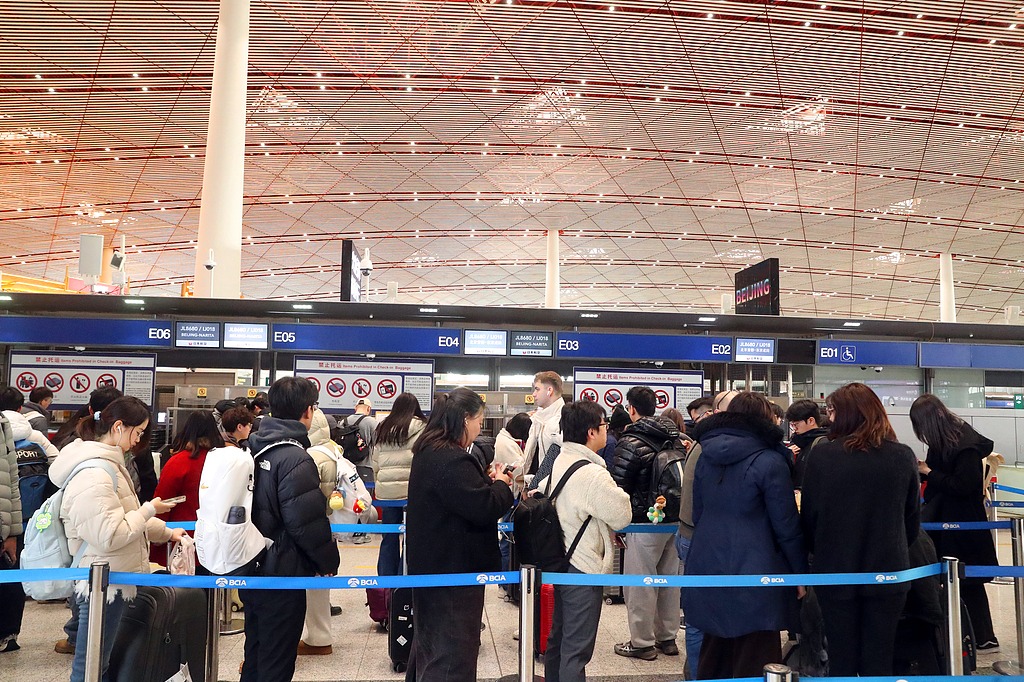
    China’s civil aviation industry is preparing for unprecedented passenger volumes during the upcoming Spring Festival travel period, with officials projecting approximately 95 million air trips throughout the 40-day chunyun season. The travel rush, scheduled from February 2 to March 13, represents a 5.3% increase compared to previous years, averaging 2.38 million daily passenger journeys.

    The Spring Festival migration, recognized as the world’s largest annual human movement, demonstrates the cultural significance of family reunions and holiday traditions in Chinese society. This year’s extended nine-day public holiday from February 15-23, with the actual festival falling on February 17, is expected to create concentrated passenger flows as students and migrant workers coordinate their travel schedules around the extended break.

    Wang Weijun, Deputy Director of the Civil Aviation Administration of China’s Transport Department, emphasized that traditional family reunion travel combined with robust tourism demand will drive unprecedented aviation activity. “The combination of traditional travel for family reunions, student travel and strong holiday tourism demand is expected to further release aviation travel potential during the Spring Festival period,” Wang stated at a Beijing news conference.

    The aviation sector has coordinated approximately 780,000 scheduled flights throughout the travel period, representing a 5% year-over-year capacity increase averaging 19,400 daily flights. Peak travel is anticipated both before and after the main holiday, with post-festival return travel expected to be particularly congested. Single-day passenger volumes could reach 2.6 million during the highest demand periods.

    Concurrently, the CAAC has implemented enhanced safety protocols for unmanned aircraft operations. Chen Ye, Deputy Director of the Aircraft Airworthiness Department, outlined new standards requiring real-name registration, activation procedures, and operational identification for all civil drones. These measures establish technical systems to ensure traceability and monitoring capabilities throughout drone operations, addressing public safety concerns while supporting the development of China’s low-altitude aviation sector.

  • China’s population falls for fourth year amid economic woes

    China’s population falls for fourth year amid economic woes

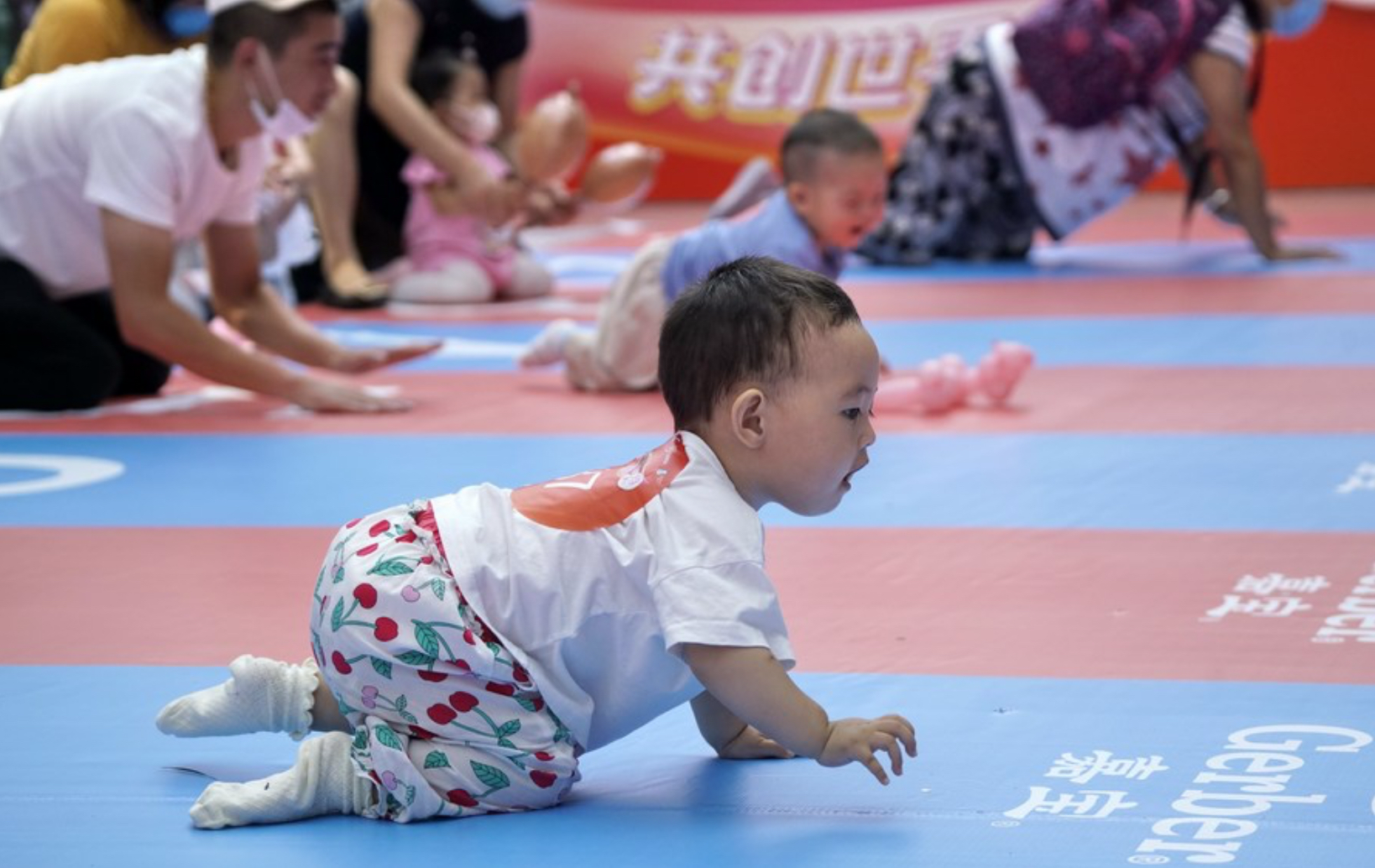
    China has documented its fourth successive annual population contraction in 2025, cementing a concerning demographic trajectory that poses substantial challenges to economic vitality and social welfare frameworks. Official statistics from the National Bureau of Statistics (NBS) reveal a stark imbalance: with 7.92 million births overshadowed by 11.31 million deaths, the nation experienced a net reduction of 3.39 million people, settling the year-end population at approximately 1.405 billion.

    This persistent downturn reflects deeper systemic issues, including widespread employment instability among youth and diminishing marriage rates, which collectively undermine China’s long-term growth potential. The contracting workforce signals impending strains on pension systems and escalating healthcare expenditures associated with an aging citizenry.

    Critical analysis of workforce demographics shows the core working-age population (16-59 years) now constitutes 60.6% of the total populace, down from 60.9% in the previous year. This segment witnessed an annual decrease of 6.62 million individuals, highlighting tightening labor conditions despite advancements in educational attainment and productivity metrics.

    NBS officials, including Wang Pingping, Director of Population and Employment Statistics, emphasize qualitative improvements within the demographic profile. With 851 million people in the 16-59 cohort and 323 million aged 60 or above, China benefits from significant human capital. Wang notes that many seniors maintain robust health and economic activity, while average educational duration reaches 11.3 years and life expectancy climbs to 79 years. The nation’s R&D personnel now exceed 10.8 million, indicating a strategic pivot from labor quantity to expertise quality.

    Regional disparities further illustrate demographic fragmentation. Northeastern provinces like Liaoning, Heilongjiang, and Jilin report severe natural population declines, exacerbated by outward migration and aging residents. Conversely, southern regions and less-developed western areas, including Guangdong, Tibet, and Xinjiang, demonstrate relative resilience through higher birth rates and younger demographic structures.

    Underpinning these trends are evolving social attitudes. Marriage registrations briefly rebounded by 8.5% in early 2025 following policy interventions, yet analysts consider this temporary amid enduring economic pressures. A shrinking marriage-age population—down by over 60 million in a decade—coupled with pronounced gender imbalances and financial barriers like betrothal gifts and housing costs, continue to discourage family formation. These dynamics fuel the proliferation of ‘tang ping’ (lying flat) and ‘bai lan’ (let it rot) lifestyles among disenchanted youth.

    Despite these challenges, China retains formidable demographic advantages, including an urban population of 954 million (67.9% urbanization rate) and a consumer market surpassing the combined populations of developed nations. Policy measures expanding childcare support and educational access aim to mitigate demographic headwinds, though structural economic transformations appear inevitable.

  • Innovative architecture gives rise to schools of the future

    Innovative architecture gives rise to schools of the future

    In the heart of Shenzhen, Guangdong province, an educational architecture revolution is unfolding as innovative design solutions address the critical shortage of student placements in one of China’s most densely populated urban centers. The Hongling Experimental Primary School, completed in 2018 at the foot of Antuo Hill, stands as a pioneering model of high-density educational infrastructure that has captured international attention.

    Architect He Jianxiang, the visionary behind this groundbreaking project, frequently returns to the school with both architectural experts and educational delegations to demonstrate how creative thinking transformed spatial limitations into educational opportunities. The school’s distinctive features include semi-underground indoor sports facilities, expansive rooftop gardens, unusually wide corridors, and sunken landscaped courtyards that collectively create an environment where children consistently choose to extend their stay beyond school hours.

    This architectural achievement emerged from Shenzhen’s urgent ‘new campus action plan’ initiated in response to a severe educational infrastructure crisis. In 2017, city authorities committed to an ambitious five-year development strategy allocating 400 billion yuan ($56.3 billion) to construct 247 new educational institutions capable of accommodating 740,000 additional students. The Hongling school represents the inaugural and most influential project within this comprehensive initiative, successfully solving the complex puzzle of creating functional educational spaces within extreme urban density constraints.

    The school’s open design philosophy has transformed it into a community hub that extends beyond traditional educational functions, while its innovative use of vertical and underground spaces has established new standards for urban school architecture. The project demonstrates how architectural innovation can directly address social challenges, particularly in cities experiencing rapid population growth and limited available land resources.

  • New Year art draws on town’s colorful tradition

    New Year art draws on town’s colorful tradition

    As China enters layue, the twelfth lunar month, the picturesque town of Tantou in Hunan province comes alive with the centuries-old tradition of creating vibrant nianhua (New Year paintings). These elaborate artworks transform ordinary doors into canvases depicting fortune gods, striped tigers, and whimsical scenes like mouse wedding processions, serving as both cultural expressions and talismans believed to ward off misfortune while inviting prosperity.

    Tantou nianhua boasts a remarkable history spanning over three centuries, earning the town the prestigious title “Hometown of Modern Folk New Year Paintings.” The tradition gained national recognition when renowned writer Lu Xun nostalgically described a Tantou “mouse wedding” painting that adorned his childhood bedroom in his essay collection Dawn Blossoms Plucked at Dusk.

    The creation process represents a completely self-contained local production cycle rare in Chinese folk art. Artisans begin by crafting specialized paper from locally sourced bamboo, providing the perfect textured base for printing. The heart of the technique lies in woodblock carving using the distinctive “steep knife upright line” method, which requires exceptional precision and artistic intuition to maintain consistent angles and pressure throughout intricate designs.

    National intangible cultural heritage inheritor Liu Guoli emphasizes the spiritual dimension of the craft: “Your personality and temperament shape the carving, making each block unique.” The vibrant coloration emerges through a multi-step printing process where each hue corresponds to a separate woodblock, culminating in hand-painted facial features that imbue characters with lifelike qualities.

    The artworks’ striking palette features tangerine reds, brilliant yellows, rose pinks contrasted with cool cyan and deep charcoal—a dynamic interplay that gives each piece its characteristic vitality. Professor Wu Yuqing of Hunan Normal University’s Fine Arts Academy notes: “The motifs represent a practical aesthetic shaped over centuries by countless families. The more deeply art is rooted in ordinary people’s lives, the more vibrantly its brilliance unfolds.

    Recent documentation in the series Ancient Crafts of Hunan employed macro lenses and slow-motion cinematography to showcase this intricate process, bringing renewed attention to Tantou’s cultural treasure that was among China’s first entries on the national intangible cultural heritage list in 2006.