分类: society

  • Police called to a hostage situation at a bank in western Germany

    Police called to a hostage situation at a bank in western Germany

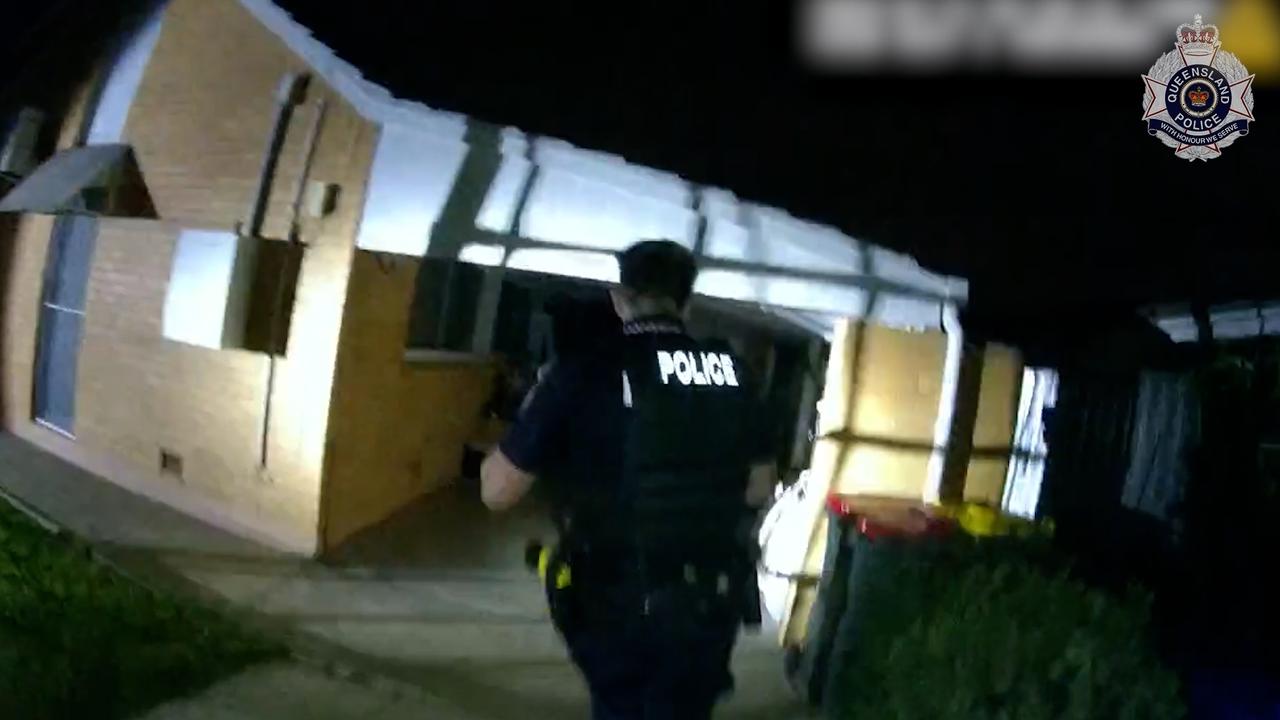
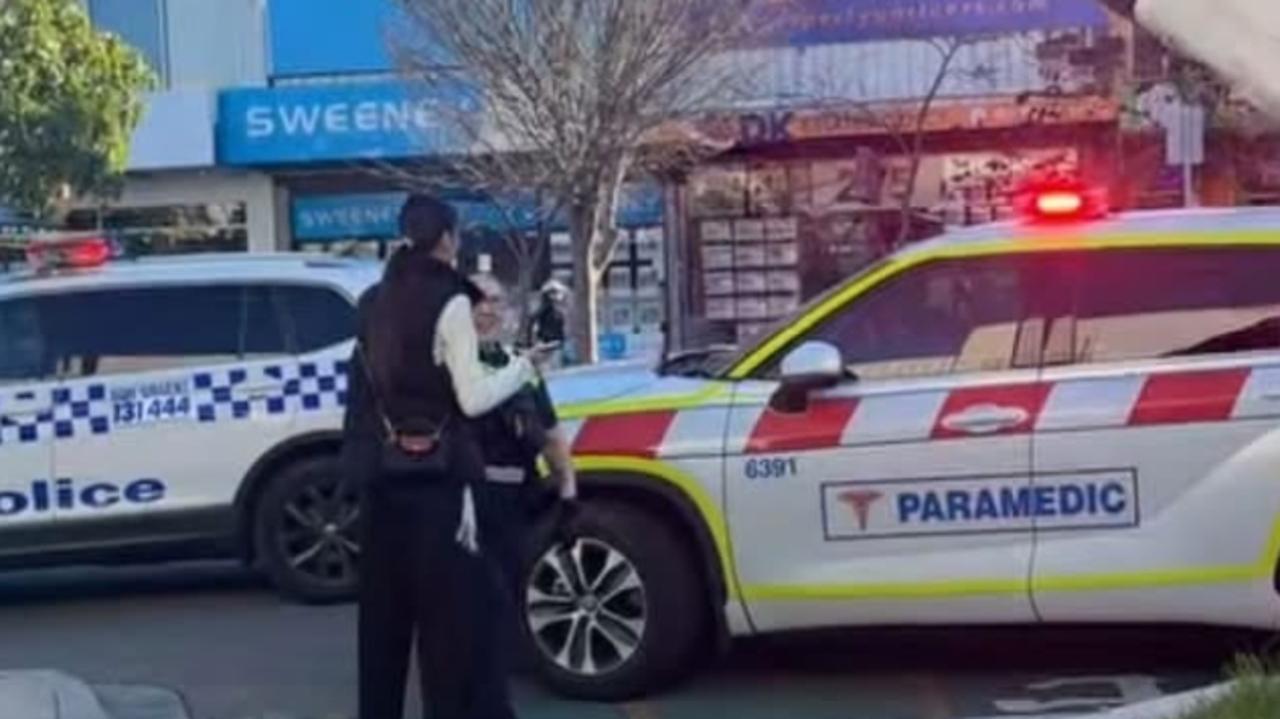
    BERLIN – A tense hostage situation unfolded Friday at a community bank branch in a small western German town, prompting local law enforcement to deploy a large response to the incident, official authorities confirmed this week.

    The drama began just after 9 a.m. local time, when regional police received an emergency call reporting the unfolding crisis at a local branch of Volksbank, located in Sinzig. This quiet town, home to roughly 17,000 residents, sits in the scenic Rhine Valley roughly 15 kilometers south of the larger city of Koblenz.

    By late Friday morning, law enforcement officials updated the public on the developing situation, confirming they believe multiple armed perpetrators are involved in the incident, and that multiple people are being held against their will inside the bank branch. Among those confirmed as captives is the driver of an armored cash transport van that was making a routine delivery to the financial institution when the incident began.

    In an official update posted to the department’s social media channels, police characterized the ongoing situation as “static,” meaning no significant changes to the standoff had occurred in the hours after the initial response. Authorities have since established a wide security cordon around the bank building to isolate the incident and prevent harm to bystanders. As of the latest official statement, police confirmed there is no detectable threat to members of the public staying outside of this secured perimeter.

  • Japan confirms year’s first fatal bear attack, two more suspected

    Japan confirms year’s first fatal bear attack, two more suspected

    Just months after Japan recorded its deadliest year on record for human-bear conflicts, the East Asian nation has officially confirmed its first fatal bear attack of 2026, with two additional suspicious deaths under investigation that experts link to hungry bears emerging from winter hibernation. The 2025 crisis, which saw a staggering 13 fatal bear attacks and more than 200 injured people—more than double the previous annual record of six deaths—sparked national alarm, forcing the Japanese government to deploy military troops to assist with trapping and culling aggressive animals that wandered deep into human-populated areas. Incidents ranged from bears roaming near schools and breaking into residential homes to rampaging through supermarket aisles and wandering through popular hot spring resort districts, bringing the long-simmering human-wildlife conflict to the forefront of national public discourse.

    According to Japan’s Ministry of the Environment, the first confirmed fatality of 2026 was a 55-year-old woman whose body was discovered on April 21 in Iwate Prefecture, a rural region in northern Japan’s Tohoku area. Police confirmed to AFP that two additional sets of human remains have been recovered this week: one found Thursday in another part of Iwate, and a second recovered Tuesday in a Yamagata Prefecture forest. While police have not officially ruled on the cause of death, local media and wildlife experts have linked both deaths to bear attacks.

    Public broadcaster NHK identified one of the two deceased as 69-year-old Chiyoko Kumagai, who went missing after traveling to a mountain forest to harvest edible wild plants, a popular seasonal activity in rural Japan. After launching a large search operation Thursday around the forest where Kumagai’s parked car was found, rescuers located her body shortly after 8 a.m. local time. NHK reported that Kumagai suffered extensive claw injuries to her face and head consistent with a bear attack, and local officials confirmed that licensed hunters would begin increased patrols of the high-risk area starting Friday.

    Wildlife scientists have traced the steady rise in bear conflicts across Japan to a combination of interconnected environmental and demographic shifts. A 2025 Japanese government survey found that the national brown bear population has doubled over the past 30 years to roughly 12,000 individuals, while the population of Asian black bears—responsible for the vast majority of attacks on humans, and common across most of Honshu, Japan’s largest main island—has grown to 42,000. Experts note that warming temperatures have boosted food supplies for bears, including acorns, deer, and wild boar, creating ideal conditions for population growth even as rural human populations decline.

    This population boom has created what experts describe as “overcrowding” in Japan’s mountainous regions, which cover roughly 80 percent of the country’s total land area. Overcrowding forces younger, bolder bears to stray beyond mountain boundaries into rural villages and towns, where many quickly develop a taste for easy access to farmed crops and cultivated fruits such as persimmons. Compounding this issue, a poor acorn and nut harvest in 2025 pushed large numbers of bears out of the mountains and into populated areas in search of food, leading to last year’s record number of conflicts. Depopulation and population aging in rural Japan have also left large swathes of former farmland abandoned, creating extra habitat for bears and expanding their range closer to remaining human settlements.

    While 2026 forecasts for natural bear food sources are more favorable, local media reports show that bear sightings this spring have already hit record levels as animals emerge hungry from hibernation. The Yomiuri Shimbun reported that the number of confirmed sightings in April across Miyagi, Akita, and Fukushima prefectures was roughly four times higher than the same period in 2025. Koji Yamazaki, one of Japan’s leading bear experts and director of the Ibaraki Nature Museum, warned that Tohoku region residents must remain vigilant through the spring, despite his prediction that 2026 will ultimately see fewer conflicts than 2025’s historic high.

    “I’m not sure yet why we’re seeing this kind of unprecedented damage so early in the spring,” Yamazaki told AFP. “Given that all the incidents have occurred relatively close to settlements and the bodies have been severely damaged, I suspect a bear has eaten them.” Yamazaki added that the Tohoku region has one of the densest bear populations in the country, following 20 years of consistent population growth, and that abandoned land from depopulation and aging has only worsened the overlap between bear territory and human communities. For context, brown bears— which can grow to more than 500 kilograms and run faster than the average human—are limited almost exclusively to Hokkaido, Japan’s northernmost main island, while smaller black bears are widespread across Honshu and linked to most deadly attacks.

  • Caged and fed ‘cookies’: Rescuing Armenia’s captive bears

    Caged and fed ‘cookies’: Rescuing Armenia’s captive bears

    High in the misty Caucasus highlands of Armenia, three Syrian brown bears — Nairi, Aram, and their young cub Lola — now roam spacious, natural mountain enclosures, digging dens and foraging for fresh produce that mimics their wild diet. It is a stark contrast to the life they escaped just over a year ago: confined to a cramped three-meter cage in the heart of Armenia’s capital Yerevan, forced to sit in their own waste and fed a steady diet of sugary junk food. For these three bears, the rescue was a life-changing second chance, but conservationists warn that as many as 20 more bears remain trapped in inhumane captivity across the country, held as luxury status symbols by the nation’s wealthy elite.

    The problem of captive wild predators in Armenia is not a new one, rooted in long-standing patterns of illegal wildlife trafficking and elite trophy collecting that have persisted since the collapse of the Soviet Union. Strategically positioned at the crossroads of Asia and Europe, Armenia has become a key transit and destination hub for illegal wildlife trafficking, according to global crime research. A 2023 Global Organized Crime Index report identifies persistent demand for rare and dangerous wild animals among the country’s ultra-wealthy, where owning large predators has become a display of power and social status.

    High-profile cases have brought the issue into public view for decades. In 2015, an Armenian member of parliament drew widespread international criticism after publicly acknowledging he kept six endangered Siberian tigers on his private property. The crisis reached a breaking point in 2016, when a private zoo owned by a businessman in the northern city of Gyumri collapsed into insolvency, leaving dozens of caged animals — including lions and bears — to starve to death behind locked gates.

    Today, the Frontline for the rescue mission is run by the Foundation for the Preservation of Wildlife and Cultural Assets (FPWC), a local non-profit that operates Armenia’s only dedicated bear rehabilitation center on a remote mountainside an hour outside Yerevan. Rescuers have documented appalling conditions across the country’s unregulated captive sites: bears are confined to tiny concrete cages at hotels, private backyards, and even roadside petrol stations, denied access to natural sunlight and the ability to hibernate, a critical biological need for the species. Many suffer from severe health issues caused by inappropriate diets, with widespread rotting teeth resulting from being fed cookies, sugary snacks, and even Coca-Cola by their untrained owners.

    “It became clear the moment we mapped the scale of the crisis that we needed a dedicated rescue and rehabilitation space,” explained Tsovinar Hovhannisyan, FPWC’s conservation manager. The three bears Nairi, Aram and Lola were among the most high-profile rescue operations the group has ever completed. Their owner refused to hand the animals over, claiming the bears were “happy” living with him and accusing rescuers of threatening their lives. The team waited more than eight hours in heavy rain for a court order to enter the property and seize the animals. When they finally entered the cage, Hovhannisyan recalled, the space was caked in layers of filth and reeked of waste: “It was horrible, those are memories I will not forget.”

    Now, with Armenia scheduled to host a major UN COP summit on biodiversity this October, the FPWC team is racing against time to rescue the remaining 20 known captive bears across the country. But the mission faces a critical barrier: the rehabilitation center is already at maximum capacity, home to 32 bears that can never be released back into the wild after a lifetime of captivity left them unable to hunt. The organization is currently fundraising to expand its enclosures to accommodate more rescued animals.

    Wealthy owners often see large predators like bears as a bragging right, says FPWC communications manager Ani Poghosyan. “It is a status symbol for them. Something to brag about, especially owning a big predator — it is a way to prove their power and masculinity.” Even when owners initially agree to surrender the animals, many change their mind at the last minute, leaving rescuers empty-handed after traveling to remote properties.

    For the bears that do make it to the center, the team works to recreate as wild an environment as possible. Enclosures are large enough for the animals to roam, dig their own winter dens, and climb trees, and staff provide live prey to encourage natural foraging behaviors. After years trapped in tiny cages, many newly rescued bears are initially afraid to explore the full space of their new enclosures, used to being confined to a few square meters. But over time, most begin to exhibit natural behaviors, including hibernation, something they were never able to do in their former cages.

    While the bears will never be able to survive in the wild, the center’s mission is simple: give them the chance to live out the rest of their lives as bears. “They need to dig, they need to climb, they need to smell wild plants and feel free,” said Narine Piloyan, the center’s coordinator. “They need to feel that they are wild.”

  • Ethiopian woman’s joy at rare quintuplets after 12 years trying for a baby

    Ethiopian woman’s joy at rare quintuplets after 12 years trying for a baby

    After 12 years of hoping and praying for a child, a 35-year-old Ethiopian woman has made medical history with an extremely rare birth: a set of naturally conceived quintuplets, all born healthy in the country’s Harari Regional State.

    Bedriya Adem, a subsistence farmer from the region, described herself and her husband as overjoyed by the unexpected gift of five babies four boys and one girl at once. For more than a decade, Bedriya navigated the social stigma of infertility in her community, enduring years of emotional and psychological pain even as her husband reassured her that his child from a previous marriage was enough to complete their family. “Deep inside I was suffering, as the entire village questioned my inability to give birth,” she shared in an interview with the BBC. “I spent 12 years in pain, hiding myself, and praying constantly for children at last, my prayers were answered.”

    The historic delivery took place via Caesarean section on a Tuesday evening at Harari’s Hiwot Fana Specialised Hospital, where both mother and the newborns remain under routine observation for continued good health. Dr Mohammed Nur Abdulahi, the hospital’s medical director, confirmed that all five infants are in full health, weighing between 1.3 and 1.4 kilograms each. Medical guidelines note that newborns weighing more than one kilogram have a very high probability of surviving and growing into healthy children, a benchmark all five of Bedriya’s babies meet.

    What makes the birth even more extraordinary is that Bedriya conceived without any reproductive assistance like in vitro fertilization, a procedure not available at Hiwot Fana Specialised Hospital. IVF is widely known to increase the risk of multiple births when multiple embryos are transferred to the uterus, but naturally conceived quintuplets are a one-in-55-million event, according to global fertility data.

    In a surprising twist, Bedriya was only expecting four babies throughout her prenatal care, which she received consistently from the hospital’s medical team. It was only at the time of delivery that the medical team discovered a fifth baby the healthy little girl the couple have named Nazira, alongside her four brothers Naif, Ammar, Munzir, and Ansar. The couple have dubbed their five new arrivals the “five blessings”, a nod to their long wait and joyful surprise.

    While Bedriya acknowledges that her new role as a mother of five will bring financial challenges as a low-income subsistence farmer, she says she remains optimistic about the future. “I believe Allah will provide, through the support of my community and the government,” she said. For the first-time mother, the years of pain and stigma she endured now feel like a distant, unwanted memory, replaced by the overwhelming joy of welcoming the family she spent 12 years dreaming of.

  • The death toll from an explosion at a fireworks plant in China rises to 37

    The death toll from an explosion at a fireworks plant in China rises to 37

    BEIJING – In an updated official report released Friday by Chinese state media, the fatalities from a massive explosion at a central Chinese fireworks manufacturing facility earlier this week have climbed to 37. According to China’s national news agency Xinhua, local disaster response teams confirm one additional person is still unaccounted for following the blast, which took place Monday at a plant operated in Liuyang, a county-level city under the administration of Changsha, the capital of Hunan province.

    Initial emergency assessments put the number of injured survivors at more than 60, though no updated injury count has been released publicly as of Friday. Investigations into the root cause of the explosion remain ongoing, authorities confirmed, and a temporary moratorium on all fireworks production operations has been imposed across the surrounding region to allow for safety inspections.

    The affected facility is run by Huasheng Fireworks Manufacturing and Display Co., according to state-run newspaper China Daily. Liuyang, the location of the plant, is widely recognized as China’s leading fireworks production hub, with a centuries-long legacy tied to the industry. Historical records from Guinness World Records trace the earliest formally documented firework — the traditional Chinese firecracker — back to Li Tian, a Tang Dynasty (618–907 CE) monk who resided in the Liuyang area.

    Friday’s updated death toll marks the latest major deadly incident involving fireworks in China this year. Back in February, two separate fatal explosions at fireworks retail outlets occurred during the lead-up to the Lunar New Year holiday, a period when demand for celebratory fireworks typically surges across the country.

  • Man tells inquiry he faced more prejudice for converting to Judaism than being gay

    Man tells inquiry he faced more prejudice for converting to Judaism than being gay

    On the opening day of Friday’s sitting of Australia’s Royal Commission into Anti-Semitism and Social Cohesion, the first witness to take the stand, a librarian identified only as Benjamin F, delivered a harrowing emotional testimony that laid bare the rising toxicity of anti-Jewish prejudice in the country. Raised in a Christian household, Benjamin shared that he faced surprisingly little hostility when he came out as gay to his loved ones, receiving widespread acceptance and support from friends and family that allowed him to live openly without persistent prejudice. That warm reception stood in stark contrast to the bigotry he encountered after he formally completed his conversion to Judaism in 2022, an experience he described as “horrific” as he choked back tears throughout his address. Benjamin told the commission that converting to his new faith has cost him decades-long close friendships, with many lifelong companions abandoning him entirely after learning of his religious choice. The isolation has left him feeling deeply lonely and adrift, he said, adding that the level of hatred directed at him since his conversion has been far more severe than any bias he faced after coming out. “I feel alone. There’s been times you’ve had life-long friendships that have disintegrated. It’s lonely,” he told the commission through sobs. He also explained that any mention of his Jewish identity or topics related to Judaism inevitably gets tied back to the Israeli-Palestinian conflict by others, regardless of context. Beyond broken social bonds, Benjamin has faced direct verbal slurs and has even had the validity of his religious conversion repeatedly questioned by critics. The most striking moment of his testimony came when he described his experience attending a recent Sydney Mardi Gras parade, where he required police escort for his safety. He told the commission that he felt a genuine, unprecedented fear for his life during the event — a terror he never experienced even as a young gay man coming out in a less accepting era. Benjamin’s testimony marks one of the first firsthand accounts of rising anti-Semitism shared at the royal commission, which was convened to examine the state of religious prejudice and social cohesion across Australia. More witness statements and findings are expected to be released as the commission’s proceedings continue.

  • ‘I’d rather live in hiding in the US than return to Somalia’

    ‘I’d rather live in hiding in the US than return to Somalia’

    For more than 30 years, Minnesota has hosted the largest Somali diaspora community outside of the African continent, with thousands of migrants seeking safety from decades of civil conflict, Islamist insurgency, and catastrophic drought in their homeland. Today, that community remains trapped in a climate of pervasive dread, months after federal officials announced the end of a high-profile, large-scale immigration enforcement deployment that roiled the state and sparked nationwide protest.

    The deployment, dubbed Operation Metro Surge, at its peak brought thousands of Immigration and Customs Enforcement (ICE) agents to Minnesota, before the Trump administration’s border leadership announced a drawdown in mid-February, leaving only what was described as a “small contingent” of officers behind. But for many Somali residents, the official end of the surge has brought no end to the uncertainty and fear that has upended daily life across Minneapolis’s Somali neighborhoods.

    Abdi, a 23-year-old Somali migrant who requested anonymity for his protection, is one of hundreds of community members now living in the shadows. Fleeing forced recruitment by al-Shabab, the al-Qaeda-aligned insurgent group controlling large parts of Somalia, Abdi made the perilous journey to the U.S. in 2022, paying $15,000 to smugglers to cross the deadly Darién Gap jungle, where he encountered the corpse of another fallen migrant along the route. After successfully crossing the U.S.-Mexico border, he applied for asylum and received Temporary Protected Status (TPS), a federal designation that allows people from conflict-ravaged nations to live and work legally in the U.S. through 2029. Even with his legal status, Abdi never stays in one residence for more than five nights, sneaks to work under cover, and lives in constant dread that agents will knock on his door. “It hasn’t ended,” he told reporters. “I don’t know when they will show up at my house.”

    Abdi is far from alone. Local community members report that ICE agents continue to conduct unannounced home raids, and even people with valid TPS documentation have been detained. The Trump administration had moved to terminate TPS protections for roughly 2,500 Somali migrants by March 17, claiming security conditions in Somalia had improved enough for migrants to return. A federal judge has since temporarily blocked the order, but the damage to community trust has already been done. Compound this with disparaging public comments from former President Donald Trump, who has referred to Somali immigrants as “garbage” and openly stated “I don’t want them in our country,” and the community has been left with a clear sense that they are being intentionally targeted.

    U.S. Census Bureau data puts the total Somali-origin population in the U.S. at roughly 260,000, more than half of whom are U.S.-born citizens, with thousands more naturalized. Community leaders emphasize that the number of undocumented Somali residents in the state makes up only a tiny fraction of the overall community, yet the entire population has been swept up in the enforcement dragnet. Even dual U.S.-Somali citizens have been detained in raids, and families separated by deportations remain too fearful and traumatized to speak publicly. For anyone deported, a 10-year or longer bar on reentry applies even if they have children who are U.S. citizens.

    The Department of Homeland Security (DHS) has defended Operation Metro Surge as a public safety success, claiming the operation arrested more than 11,000 “criminal illegal aliens” that it says were endangering Minneapolis residents, blaming local sanctuary policies for creating a space for criminal activity. DHS maintains that any person present in the U.S. legally has nothing to fear from the operations, and defends the controversial tactic of masked, unidentifiable agents carrying military-grade weapons as a necessary safety measure to protect officers from doxxing and rising assaults on staff.

    Local political leaders have pointed out a glaring contradiction at the heart of the federal government’s policy. “The federal government is saying there’s no need for Temporary Protected Status in the United States, while at the same time warning people not to travel to Somalia because it’s dangerous,” Minneapolis Mayor Jacob Frey told reporters, questioning the logic of the administration’s position. Even as daily life slowly begins to resume in most parts of the city, the impact of the surge remains visible: dozens of local businesses and restaurants remain shuttered after their owners and staff were detained, and car owners have abandoned vehicles in public lots too afraid to return to claim them.

    Congresswoman Ilhan Omar, the first Somali-American elected to the U.S. House of Representatives and a frequent target of Trump’s criticism of the Somali community, says the fear has seeped into every corner of community life, affecting children, healthcare access, and basic daily activity. She argues that the tactics used in this surge marked a dangerous break from past immigration enforcement even under prior administries with high deportation rates. “The process… was done without creating chaos [and] fear,” Omar said. “What we saw here looked like a war zone.” Omar also pushed back on attempts to tie the immigration crackdown to a separate public fraud scandal involving a Somali community charity that fraudulently billed the state for child meal programs during the COVID-19 pandemic, noting that the vast majority of people indicted in that case are U.S. citizens. That scandal forced Democratic Governor Tim Walz to drop his re-election bid, and federal investigators expanded the probe with new raids on 12 local childcare centers just last week.

    Even Republican state Senator Jim Abeler has criticized ICE’s tactics, framing the ongoing crisis as a long-standing, bipartisan failure of national immigration policy. “Our national immigration policy is a mess – it’s been a bipartisan failure for a decade,” he said. Trump’s inflammatory remarks have already eroded what limited support he had among socially conservative Somali voters in Minnesota; one former Trump voter told reporters she now regrets her ballot, saying “If I hadn’t voted for him, he couldn’t have called us ‘garbage’.”

    Amid the ongoing fear, the crisis has fostered unusual cross-community solidarity. Faith leaders from Somali Muslim congregations and local Christian churches have partnered to build informal community alert systems, sending out real-time warnings when ICE agents are spotted in neighborhoods. Volunteer observers, including retired local residents, patrol the streets and use whistles to alert nearby residents of approaching agents, noting that after the drawdown, agents have operated more secretly, blending into civilian areas to avoid detection. The movement came at a deadly cost: two volunteer community organizers, Renee Good and Alex Pretti, both U.S. citizens, were killed by ICE agents during the peak of the surge in January.

    For migrants like Abdi, the community networks offer small measures of comfort, but cannot erase the shattered hope many brought with them to the U.S. “We hoped for a future in America. Our dream has been shattered,” he said. “I would rather live in hiding here for the rest of my life than go back to Somalia, because my life would be at risk.”

  • Five killed in huge fire at packed Mexico fairground

    Five killed in huge fire at packed Mexico fairground

    A devastating large-scale fire at a popular fairground in southeastern Mexico has claimed at least five lives, leaving the community reeling in the wake of the tragedy, local authorities confirmed this week. The inferno broke out in the early hours of Thursday at the venue in Villahermosa, the capital of Tabasco state, while a massive public concert was still underway.

    Drone footage captured in the aftermath of the incident laid bare the full scale of the disaster, showing the fairground’s entire event space reduced to charred, gutted ruins. According to Mexican outlet El País, official records indicate as many as 135,000 concertgoers had gathered for the event, which kicked off Wednesday evening.

    Disturbing clips circulating widely on social media platforms capture chaotic scenes as thousands of screaming attendees scrambled to evacuate the grounds in a blind panic, fleeing the rapidly spreading flames.

    As of Thursday afternoon, the root cause of the fire remains undetermined, with authorities yet to release further details on potential contributing factors. Tabasco Governor Javier May shared an update on his official X account later that day, confirming that emergency response teams had successfully brought the blaze under control after hours of intensive work.

    The governor extended his deepest condolences to the families of those killed in the incident, pledging that state government agencies would provide full support to the bereaved and all those impacted by the fire. He also expressed gratitude to members of the public who assisted first responders in evacuating the massive crowded venue, a collective effort that helped prevent an even higher death toll.

    In addition to support for victim families, May announced a dedicated economic recovery program designed to assist local fairground operators and small businesses whose premises and livelihoods were destroyed in the fire.

  • Who is Kumanjayi Little Baby and why has her death caused outrage in Australia?

    Who is Kumanjayi Little Baby and why has her death caused outrage in Australia?

    The tragic passing of a young Indigenous Australian girl, Kumanjayi Little Baby, has sent shockwaves across the nation, igniting public fury and reigniting long-simmering debates over systemic disparities and cultural respect for First Nations communities. As BBC correspondent Katy Watson unpacks the complex case, its roots stretch far beyond a single death, touching on deep-seated cultural sensitivities and ongoing failures of government and institutional systems to protect Indigenous Australians.

    Kumanjayi Little Baby’s case has become a flashpoint because of how systemic neglect has intersected with profound cultural misunderstanding. For many Indigenous communities, the circumstances surrounding her death — and the lack of accountability that preceded it — are not an isolated tragedy, but a symptom of decades of marginalization that have left First Nations children and families disproportionately vulnerable to harm. The anger that has erupted across Australia also stems from long-unaddressed calls for systemic reform, from child protection services that have historically failed Indigenous communities to broader efforts to close the gap in life expectancy and safety between Indigenous and non-Indigenous Australians.

    Cultural sensitivities have further amplified the public reaction, as missteps by authorities and media outlets in acknowledging Kumanjayi’s cultural identity and heritage have added insult to injury for Indigenous communities. Many have pointed out that repeated failures to center Indigenous cultural perspectives in cases involving First Nations people perpetuate the same disrespect that fuels systemic inequity. What began as grief over a young life cut short has now coalesced into a national movement demanding meaningful change, accountability, and a renewed commitment to upholding the rights and dignity of Australia’s First Nations peoples.

  • Hundreds paid or seeking damages over Harrods Al-Fayed abuse complaints

    Hundreds paid or seeking damages over Harrods Al-Fayed abuse complaints

    A landmark compensation scheme for survivors of sexual abuse linked to late Harrods owner Mohamed Al-Fayed has marked a key milestone, with more than 75 claimants already awarded full settlement, while roughly 200 additional claims remain under active review. The update, confirmed by the Harrods Redress Scheme to Agence France-Presse on Thursday, comes amid a growing institutional reckoning over the decades of alleged abuse and failures by law enforcement to address the complaints.

    Per the scheme’s official statement, a total of 259 survivors have joined the compensation process to date, with many already receiving interim payout. All remaining claims, which were submitted before the March 31 application deadline, will continue moving through review toward final resolution, the organization added.

    The announcement coincides with confirmation from the United Kingdom’s police watchdog that a current London Metropolitan Police officer and four retired officers are now under investigation over how they previously handled the sexual assault allegations against Al-Fayed. The independent inquiry focuses specifically on the quality of police investigations launched in 2008 and 2013 into claims against the late Egyptian billionaire. By the time Al-Fayed died in 2023 at the age of 94, approximately 21 formal complaints had been filed with the Metropolitan Police, but none ever resulted in criminal prosecution.

    Al-Fayed, who purchased London’s iconic luxury Harrods department store in 1985, faces widespread allegations of systemic rape, sexual assault, sexual exploitation and human trafficking spanning decades of his ownership. The scale of the abuse only came into widespread public view after a landmark BBC investigative documentary into the rape and assault claims was released in September 2024, which prompted hundreds of women to come forward with their own experiences. In response to the growing outcry, Harrods launched the independent Redress Scheme in March 2025.

    The luxury retail giant has issued a sweeping public apology for the harm inflicted on survivors, acknowledging that institutional failures allowed Al-Fayed’s abuse to continue unchecked. “We apologise unreservedly for the sexual abuse inflicted upon survivors by Fayed who abused his power wherever he operated. We acknowledge survivors were failed,” the company said in an official statement.

    Under the scheme’s rules, eligible survivors can receive compensation payments of up to £400,000 (equivalent to roughly $544,000), with payout amounts scaled based on the severity of harm each survivor experienced. For context, claimants who were forced to undergo invasive gynaecological examinations — ordered by Al-Fayed to check for sexually transmitted infections or verify virginity — are guaranteed a minimum £10,000 settlement. The scheme is limited to claimants holding potential legal claims against Harrods for abuse perpetrated by Al-Fayed, a restriction the company says is necessary to align with the scheme’s mandate.

    Earlier the same day, the Independent Office for Police Conduct (IOPC), the UK’s police oversight body, confirmed the five officers under investigation are being probed for potential professional misconduct. “The victims-survivors are being kept updated on the progress of our investigation,” the IOPC statement added.

    Accounts of past police failures have already emerged from survivor families. The mother of a deceased complainant told the BBC her daughter’s allegations were brushed off by officers, who told her the case would come down to her word against Al-Fayed’s, and that her claim would simply be added to a growing “pile” of similar complaints from other women.

    A Metropolitan Police spokesperson confirmed Thursday that the force is fully cooperating with the IOPC investigation, which was first launched in January 2025. The force added that its own separate criminal investigation into individuals who may have helped enable Al-Fayed’s alleged offending remains active. Back in March, the Met announced it had interviewed three women on suspicion of aiding and abetting rape and facilitating human trafficking for sexual exploitation.

    The investigation into Al-Fayed’s alleged networks extends beyond the UK. French authorities have been probing a large-scale alleged human trafficking operation reportedly established by Al-Fayed, who purchased Paris’s Ritz Hotel six years before he bought Harrods, in 1979.

    Rachael Louw, a former Harrods saleswoman who has been interviewed by France’s anti-trafficking agency OCRTEH, told AFP she was officially recognized as a victim of modern slavery by UK authorities in April. She described the recognition as “a validation and a vindication of what I said to the Met when I first reported back in 2024.”

    Survivor advocates say the IOPC investigation is a small step forward, but are calling for a full, sweeping inquiry into the full scope of the alleged trafficking network. Justine, a former Harrods employee and member of the survivor advocacy group No One Above, told AFP that the operation Al-Fayed ran was a coordinated trafficking ring that relied on systemic support. “What the Fayeds ran was a trafficking operation — one that required a network of facilitators, institutional access, and sustained cover,” she said.