
Across the United States, law enforcement agencies are tapping into the global obsession with true crime by launching their own podcasts, turning the wildly popular genre into an unexpected investigative tool to crack long-unsolved cold cases and track down fugitive suspects. This emerging trend has already notched tangible results, even as it brings new challenges and ethical questions for police departments navigating a new form of public engagement.
分类: society
-
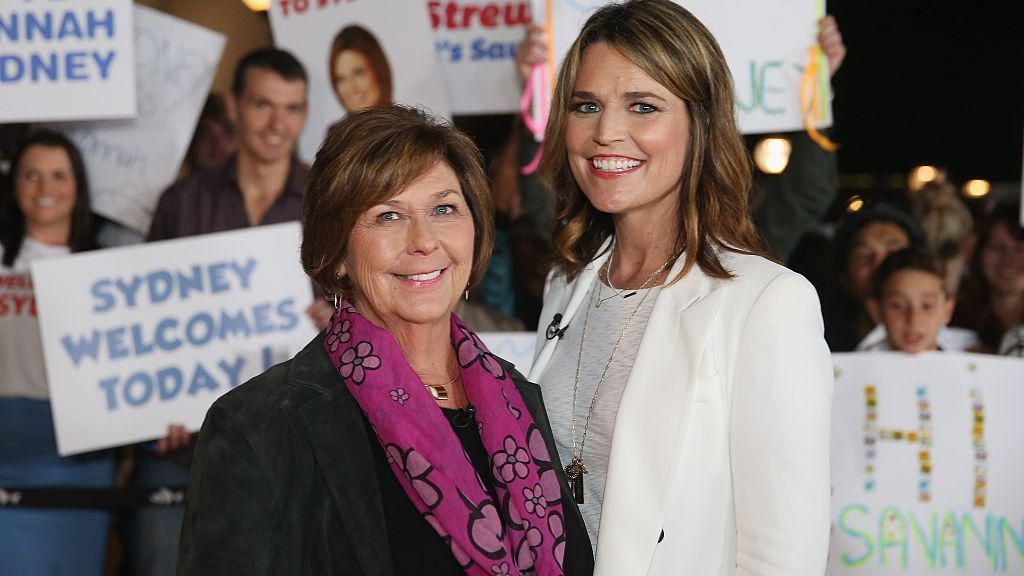
Police release Nancy Guthrie ransom notes in latest bid to find kidnappers
Six months after 84-year-old Nancy Guthrie was abducted from her Arizona home, law enforcement officials are taking a new step to crack the case by releasing two ransom letters sent to her family, appealing to the public to help identify the kidnapper behind her disappearance. Nancy is the mother of prominent American broadcast journalist Savannah Guthrie, one of the most recognizable on-air personalities in U.S. news media.
Nancy Guthrie was last seen alive on January 31, when relatives dropped her off at her residence located just outside Tucson. She relied on daily medication for ongoing health conditions, and when she failed to arrive at a friend’s home the next morning to attend a virtual church service, authorities were alerted immediately. Investigators have confirmed they believe the 84-year-old was taken against her will from her home, though no suspects have been arrested to date, and no clear motive for the abduction has been made public.
In the days following Nancy’s disappearance, two ransom notes addressed to Savannah Guthrie and the wider Guthrie family were sent to a local Tucson television station. The Pima County Sheriff’s Office, which is leading the investigation, confirmed Friday that the first note, received February 2, is considered apparently credible and demanded a $4 million ransom payment in Bitcoin. The letter stated that if the ransom was not transferred to the specified crypto wallet by the initial deadline, the demand would increase to $6 million, and threatened that Nancy would be killed if no payment arrived by the final cutoff. It also included specific details about items inside and outside Nancy’s home, such as a white smart watch left at the foot of her bed and a destroyed outdoor flood light.
Four days after the first ransom communication arrived, a second note was delivered to the station. This letter claimed that Nancy had died of an apparent heart-related issue shortly after her abduction, saying the kidnappers had not intended to harm her and that she had been buried in an undeveloped natural area. It ended with an apology to the Guthrie family.
To date, investigators have not been able to confirm Nancy’s death, and the case remains an open and active kidnapping investigation. By releasing the full text of the notes to the public, law enforcement is hoping that distinct writing patterns and phrasing used by the author will be recognized by someone who knows them. “A friend, family member, coworker, classmate, or acquaintance may recognise these patterns of expression and possess information that could help identify the individual responsible,” the sheriff’s office explained in an official statement.
The strategy of releasing suspect writing to the public to generate identifying tips has precedent in major U.S. criminal cases. Most famously, the Unabomber suspect Ted Kaczynski was identified and arrested after his brother recognized his distinctive writing and ideological tone when major national newspapers published his full anti-technology manifesto in 1995.
In a update to the case earlier this year, investigators released photos of a masked, armed suspect who was captured on Nancy’s home security camera shortly before the abduction, after the suspect disabled the front door camera. A glove recovered near the neighborhood in the weeks after the kidnapping did not yield usable DNA evidence, leaving investigators with few leads to pursue.
Following receipt of the second note claiming Nancy’s death, Savannah Guthrie released a public statement on Instagram on February 7, pleading with the kidnappers: “We received your message and we understand. We beg you now to return our mother to us… This is very valuable to us, and we will pay.” Earlier this week, the prominent host released another public video, renewing her plea for the abductors to “do the right thing” and disclose where Nancy’s remains are located if she is indeed dead.
-

Greyhounds bound for Australia as New Zealand racing ban takes effect
When New Zealand’s nationwide ban on commercial greyhound racing comes into force this Saturday, a little-known chapter of the industry’s final days will play out across the Tasman Sea: at least two chartered flights carrying up to 150 retired racing greyhounds are bound for eastern Australian states, where the sport remains largely legal, allowing the small number of remaining New Zealand trainers to continue their careers.
The ban, first announced in December 2024 and formally legislated this past April, mandates the full shutdown of greyhound racing across New Zealand, requiring roughly 1,400 dogs from the industry to be rehomed as pets over the coming years. Greyhound Racing New Zealand (GRNZ), the sport’s former governing body in the country, confirmed to the BBC that a small group of local trainers are choosing to relocate their dogs to Australia rather than retire their animals, keeping the racing practice alive for a subset of the national herd.
New Zealand’s decision to end greyhound racing followed three independent reviews conducted in 2013, 2017, and 2021. Racing Minister Winston Peters’ spokesperson explained that while the industry had made incremental improvements to animal welfare standards, the injury and mortality rates among racing greyhounds remained unacceptably high, meaning the sector had irrevocably “lost its social licence” to operate in the country. Peters’ office called the planned relocation of racing dogs to Australia “the last gasp actions of a dying industry,” adding that the vast majority of the 1,300 to 1,400 affected greyhounds will be rehomed in New Zealand over the next two years, and the cross-border relocation of a small number of dogs is a one-time final event rather than an ongoing flow. GRNZ has disputed the government’s findings on welfare outcomes, with chief executive Edward Rennell insisting to the BBC that New Zealand greyhound racing already maintained the highest animal welfare standards of any professional racing code in the country.
Under current Australian import rules, all dogs entering the country from New Zealand are classified as companion animals and must undergo mandatory biosecurity screening for diseases including rabies. Australia’s Department of Agriculture, Fisheries and Forestry clarified to a Senate inquiry in June that import requirements are set based on biosecurity risk, regardless of the animal’s intended future use. The department declined to provide additional comment to the BBC for this report.
Rennell told the BBC that between 6 and 10 New Zealand trainers have expressed interest in relocating to Australia, noting that most New Zealand citizens do not require special visas to move and work in Australia. Final logistics for the chartered flights are set to be confirmed over the next two weeks, with GRNZ covering the full cost of air travel and owners and trainers responsible for all other relocation expenses. Rennell added that while the imported dogs will continue racing in Australia, their competitive edge is likely limited: New Zealand greyhound breeding operations largely paused immediately after the ban was announced 18 months ago, leaving the current generation of dogs less optimized for top-tier professional racing.
This is not the first wave of New Zealand racing greyhounds moving to Australia: officials confirmed an initial 80 greyhounds were exported to Queensland on a chartered flight back in April 2025, after the ban was formally passed into law. Simon Stout of Greyhounds Australasia told a Tasmanian parliamentary hearing this week that one relocated New Zealand trainer and their family were drawn to the “shining lights of the new facility” west of Brisbane.
GRNZ has identified existing kennel facilities across Queensland, New South Wales (NSW), and Victoria as potential destinations for the dogs. The Queensland Racing Integrity Commission confirmed it has been formally notified by GRNZ of the impending arrival of greyhounds and possible relocation of industry participants. Officials in NSW and Victoria stated they have not received notification of specific relocation plans in their jurisdictions, adding that greyhounds are legally permitted to cross jurisdictional borders for racing purposes within Australia.
Animal welfare advocates have raised sharp alarm over the relocation, noting that Australia already faces a widespread crisis placing retired racing greyhounds. Kylie Field, director of the Coalition for the Protection of Greyhounds, pointed out that New South Wales alone currently has more than 4,100 retired greyhounds waiting for permanent homes, and the Australian industry has already been sending thousands of retired dogs to the United States and Canada to ease domestic rehoming backlogs – more than 2,000 have been shipped overseas to date. Federal Greens Senator Mehreen Faruqi told the BBC she is deeply concerned about regulatory loopholes that allow the ongoing export of racing greyhounds into Australia, saying neither New Zealand nor Australian authorities have taken meaningful action to address the welfare risks.
Australia’s greyhound racing industry is vastly larger and more commercially valuable than New Zealand’s ever was: the latest Greyhounds Australasia data shows that the Queensland, NSW, and Victorian industries collectively generated nearly A$2 billion in revenue in 2022-2023, dwarfing New Zealand’s peak total of NZ$147 million. Kiwi gamblers are still legally permitted to place bets on Australian greyhound racing even after the domestic ban takes effect. Currently, greyhound racing is only banned in the Australian Capital Territory, and Tasmania has passed legislation to phase out the sport entirely. Globally, Scotland and Wales outlawed commercial greyhound racing earlier this year, and most U.S. states have banned the practice, leaving just two active tracks in West Virginia.
-
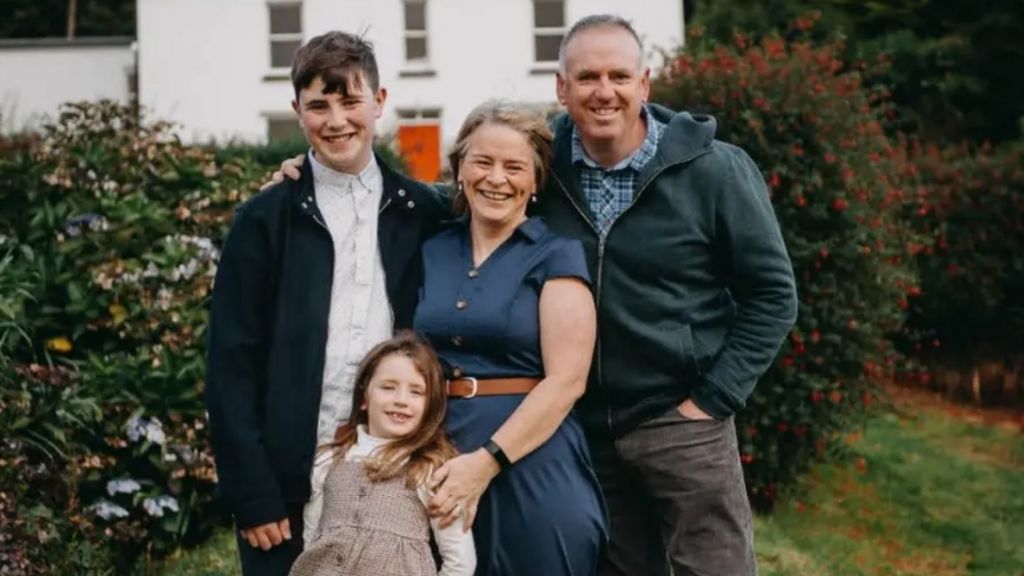
Roadworks company fined €1.2m after father and two children died in lough
A major construction and roadworks company has been handed a €1.2 million fine over catastrophic health and safety lapses that led to the deaths of three members of an Irish family in a 2020 road crash, a court has ruled.
Whitemountain Quarries Limited, a subsidiary of the pan-European construction group Breedon Group, entered a guilty plea to charges of violating Ireland’s 2005 Safety, Health and Welfare at Work Act in relation to the R238 Greenbank Project near Quigley’s Point, County Donegal. The case was heard at Letterkenny Circuit Criminal Court, where presiding judge Roderick Maguire outlined the full scope of the company’s failures.
On August 20, 2020, a car carrying the Mullan family left the unprotected roadway at the works site and plunged into Lough Foyle. The crash claimed the lives of 49-year-old father John Mullan, his six-year-old daughter Amelia, and 14-year-old stepson Tomás. John’s wife, Geraldine Mullan, was the only survivor of the incident.
Addressing the court during sentencing, Judge Maguire confirmed that the preventable deaths were a direct result of Whitemountain Quarries’ mismanagement of the roadworks site. He emphasized that the company failed to put in place basic protections for passing members of the public, turning a routine works zone into a lethal hazard. Calling the incident a devastating tragedy involving a beloved family, the judge praised Geraldine Mullan for the extraordinary dignity she maintained while giving evidence, in spite of overwhelming, unrelenting grief after losing her entire immediate family.
In a statement following the ruling, Whitemountain Quarries CEO Declan Carr extended a formal unreserved apology to the Mullan family. “I know nothing I say can change your loss… we will carry the responsibility for it… I am truly, truly sorry,” Carr said.
Speaking publicly after the court decision, Geraldine Mullan described the incident as a completely preventable collision, adding that the depth of her pain and the scale of her loss can never be put into words.
-
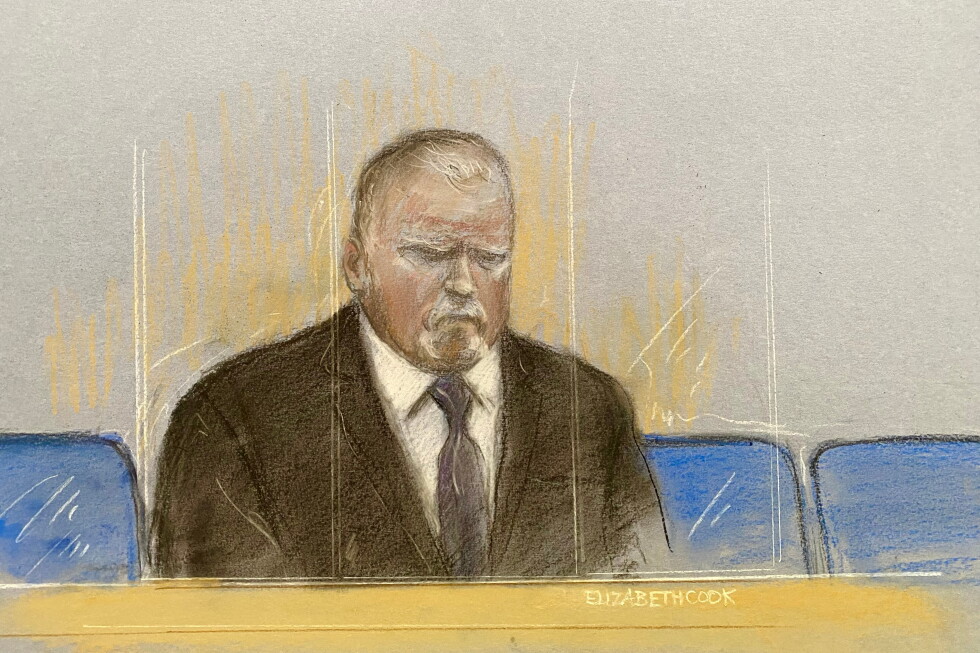
UK funeral director sentenced to 20 years in prison after bereaved families given wrong ashes
In a landmark sentencing at Hull Crown Court in northeastern England that has drawn national outrage over the systematic betrayal of grieving families, 48-year-old former funeral home owner Robert Bush has been handed a 20-year prison term. Over the course of a five-day sentencing hearing, more than 200 victims shared harrowing, emotional testimony detailing the profound harm caused by Bush’s 12-year pattern of abuse at his Legacy Independent Funeral Directors, a company he operated that catered to families across the region.
Bush had previously entered guilty pleas to 65 criminal charges spanning fraud, theft, and the improper handling of human remains, offences that shattered the trust of communities relying on his services to give their loved ones dignified final goodbyes. The scope of his crimes only came to light in a chance revelation in March 2024, when Bush was traveling on vacation in Arizona and requested staff from a competing local funeral firm to assist with an urgent body retrieval at his facility while he was out of the country. Out of nowhere, a current employee of Bush’s revealed to the visiting managers that multiple corpses had been stored improperly on site for years, triggering an immediate call to police.
When law enforcement officers raided the funeral home, prosecutors described the discovery as a “horror scene.” Inside the facility, officers found bodies in varying stages of decomposition stacked on cold storage racks, with one unclothed corpse left abandoned on a stretcher on the facility floor. Further investigations uncovered that at least 50 families had been deliberately given the incorrect cremated remains of their loved ones, with hundreds of improperly labeled urns and packaging left on site. In one of the most devastating cases to come before the court, Jasmine Beverley, a mother who lost her stillborn son Sunny in May 2022, told the court of the repeated trauma inflicted by Bush’s actions. More than a year after Bush handed Beverley a small blue casket he claimed held her son’s ashes, investigators found Sunny’s actual remains tucked inside an unmarked brown paper bag discarded on the floor of his premises.
Beverley told the court, “When I discovered what had happened, it reopened that trauma in a way I cannot fully describe. It felt like being pulled back into the darkest time of my life. The grief, anxiety and distress returned with such intensity that I again found myself struggling mentally and emotionally.”
Beyond the mishandling of remains, the court confirmed Bush carried out years of financial fraud against his clients: he defrauded 172 people out of a total of £562,000 (equivalent to roughly $755,000), including funds obtained through the sale of fake, non-existent pre-paid funeral plans. He also repeatedly stole cash donations collected for charity during memorial services held for clients’ loved ones, failing to pass the funds to the intended charitable causes.
In handing down the 20-year sentence, the judge emphasized the profound breach of public trust inherent in Bush’s crimes, noting that families turn to funeral directors in their most vulnerable moments, and that the harm of his actions will last for the lifetimes of the hundreds of victims impacted.
-
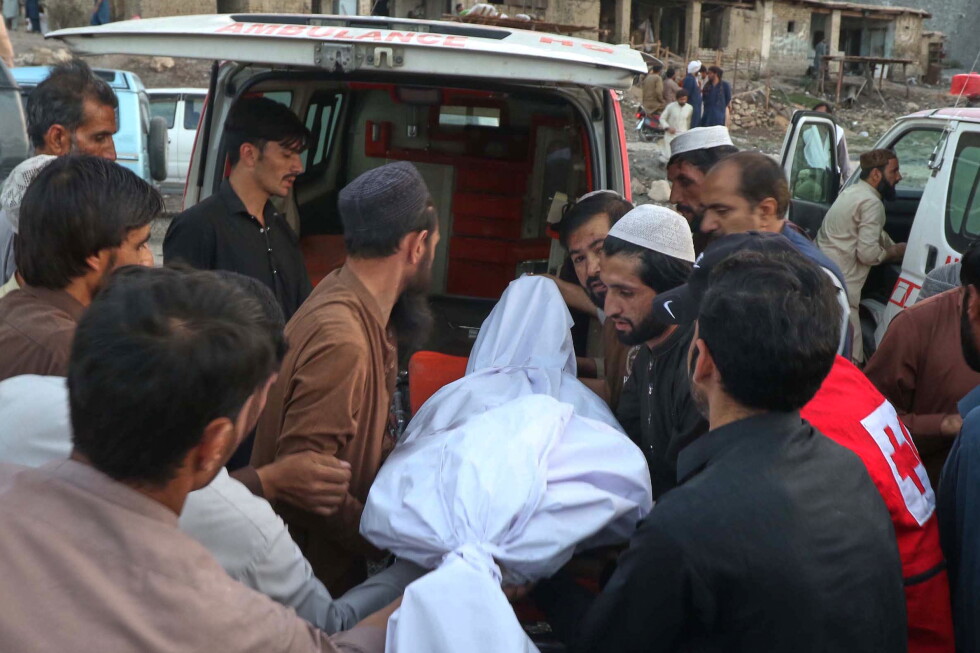
34 miners killed in a methane explosion at a coal mine in southwestern Pakistan
QUETTA, Pakistan – A devastating methane gas explosion at an underground coal mine in southwestern Pakistan has claimed the lives of 34 miners, local authorities confirmed Friday, after emergency crews spent hours working through the night to reach trapped workers.\n\nThe Provincial Disaster Management Authority reported that rescuers had pulled 32 bodies from the blast site located on the outer edges of Quetta, the capital city of Balochistan province, as of Friday morning. Search operations were still underway to recover the remains of the two remaining deceased miners.\n\nGhani Baloch, a local mine inspector, shared that officials initially estimated 42 miners were working inside the mine when the explosion struck Thursday. It was later confirmed that 34 workers were killed in the incident.\n\nShoaib Nosherwani, Balochistan’s Minister for Mines and Minerals, released a statement offering deep condolences to the families of all killed miners. He also announced a compensation package of 500,000 Pakistani rupees, equivalent to roughly $1,800, for each victim’s next of kin. Nosherwani added that a full official investigation will be launched to determine the root cause of the explosion, and that a province-wide review of coal mine safety protocols will be conducted in the wake of the disaster.\n\nFatal industrial accidents are a persistent crisis in Pakistan’s coal mining sector, especially in Balochistan. Many mining operations across the province lack critical basic safety infrastructure, including sufficient ventilation systems, functional gas detection equipment, and emergency response resources. Despite the severe occupational hazards and low pay that come with mining work, thousands of local residents depend on these jobs to support their households. Balochistan is Pakistan’s largest province by area, but also its least developed, with persistently high rates of poverty and unemployment leaving few alternative livelihood options for working-class communities.
-
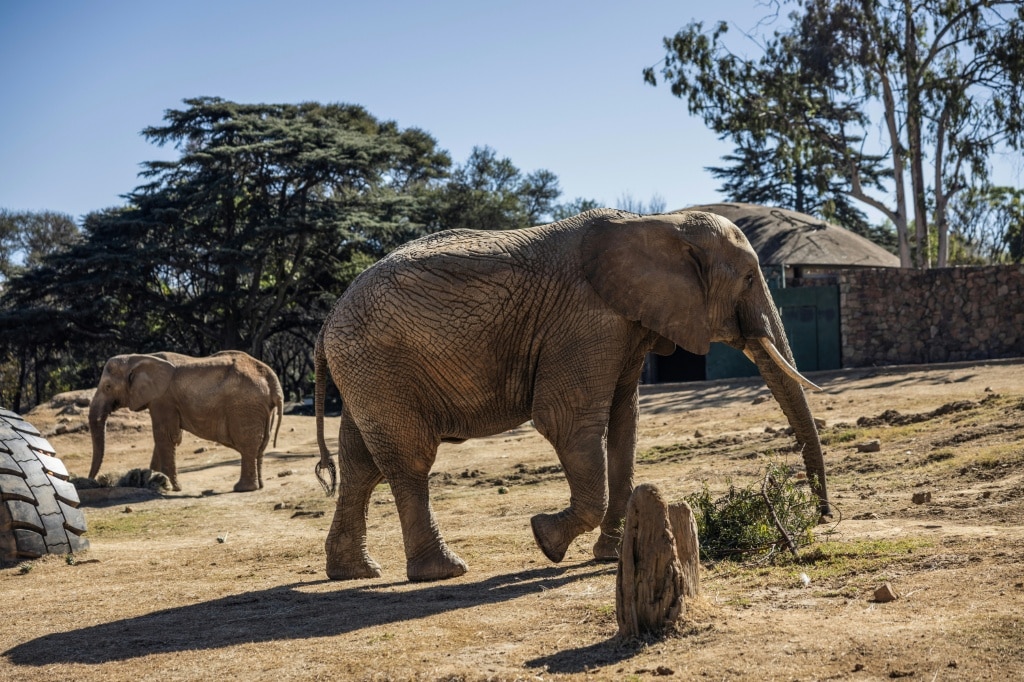
The last trio: S.Africa’s zoo elephants await their fate
On a recent day at Johannesburg Zoo, the three remaining elephants Lammie, Ramadiba, and Mopane walked single file into their public enclosure, where scattered fresh fruit and vegetables had been laid out to encourage natural foraging behavior. For the dozens of tourists and local schoolchildren gathered at the viewing platform, the moment was a rare thrill: a chance to observe Africa’s iconic largest land mammal up close in person. But behind this seemingly cheerful tourist attraction lies a bitter, high-stakes legal battle over the fate of the three pachyderms— the last elephants still kept in a traditional urban zoo enclosure across the entire African continent.
Animal welfare campaigners, backed by a team of international elephant conservation experts, have taken their case to South African courts to force the immediate transfer of the trio to a dedicated rewilding sanctuary, arguing that their current captive conditions amount to unnecessary cruelty that has left the animals in chronic psychological distress. The three elephants, with ages ranging from 26 to 47, are highly intelligent, socially complex sentient beings, the campaigners argue, and the limited space of a zoo enclosure cannot meet their basic physical and psychological needs. In court filings submitted in May, the legal team documented repeated observations of abnormal, depressed behaviors among the animals that signal poor welfare. They are asking the judiciary to order an urgent relocation to a sanctuary where the elephants can regain a more natural lifestyle and rehabilitate from decades of captivity.
Megan Carr, senior researcher at the EMS Foundation, one of the organizations leading the legal application, confirmed to Agence France-Presse that a ruling is expected in the coming weeks. She emphasized that this case is unprecedented: Lammie, Ramadiba, and Mopane are the final elephants still held for public exhibition in a conventional zoo setting anywhere in Africa. The legal push follows a recent win for animal welfare advocates earlier this year, when a 42-year-old elephant that spent 40 years in captivity at Pretoria’s national zoo was successfully transferred to a private game reserve after years of negotiations with the South African government.
During an on-site visit by an AFP reporting team, young children crowded the fence, excitedly calling out for the elephants as the trio slowly moved through their enclosure. Lammie, the 47-year-old matriarch who was born in the Johannesburg Zoo and has never lived anywhere else, focused entirely on foraging for the scattered food. Ramadiba, 28, and Mopane, 26, were brought to the zoo in 2019.
Johannesburg City Parks and Zoo, which manages the facility, has pushed back hard against the relocation effort, arguing that the three elephants are well cared for and have recently received a clean bill of health from veterinary professionals. An anonymous senior official at the zoo noted that the enclosure can accommodate up to five elephants, and each animal has two dedicated full-time keepers. Food is intentionally scattered across the enclosure to encourage natural movement and foraging, in line with modern captive care practices. In court filings, zoo managing director Thanduxolo Mendrew argued that the elephants have lived in captivity their whole lives, particularly Lammie, and are well-suited to their current conditions. Losing the elephants would eliminate a critical educational and research opportunity for the public, he added, especially for schoolchildren from low-income backgrounds who would never otherwise get the chance to see a live elephant in person.
But campaigners reject this reasoning outright. Carr argues that educational goals do not justify keeping elephants in compromised living conditions, noting that high-quality videos and documentaries can give children a clear view of elephants without subjecting the animals to unnecessary confinement. According to data presented in the case, the elephants are held overnight in two 160-square-meter enclosures—each smaller than a standard tennis court. During the day, they are moved to a larger unshaded outdoor area roughly the size of a football pitch, a space that campaigners insist is still far too small to meet the needs of a species that roams across dozens of kilometers of wild territory in their natural habitat. Carr points out that elephants require vast open spaces to maintain long-term physical and mental health, and no zoo enclosure, no matter how large, can ever replicate that.
As the nation awaits the court’s decision, South Africa already has one of the largest African elephant populations in the world: official government data from August 2023 counts roughly 44,000 wild savannah elephants across the country, with around 6,000 of those held in private and community-owned reserves and sanctuaries, giving the country ample space to accommodate the relocated trio if the court rules in the campaigners’ favor.
-
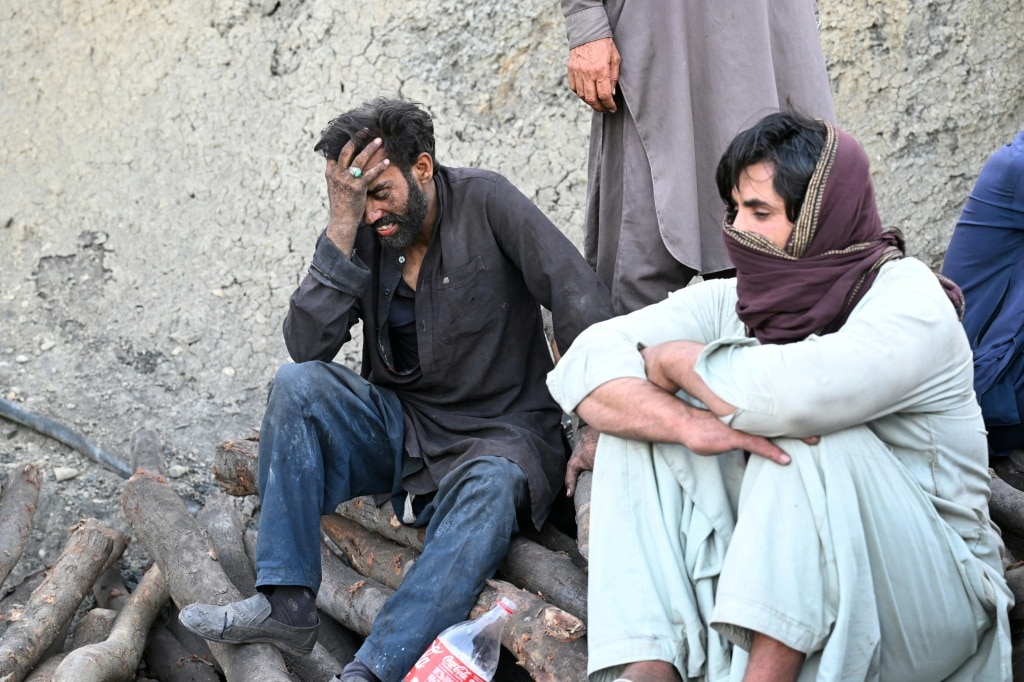
Explosion at coal mine kills 34 in southern Pakistan
A devastating methane-linked explosion at a southern Pakistan coal mine has claimed the lives of at least 34 workers, with search operations ongoing for additional trapped miners, local disaster authorities confirmed Friday. The blast ripped through the mine site in Sorange, located roughly 50 kilometers from Quetta, the capital of resource-rich Balochistan province, during operational hours on Thursday, triggering an urgent overnight rescue mission that extended into the next day.
In an official statement released in the early hours of Friday, the Southern Balochistan Provincial Disaster Management Authority confirmed that recovery teams had retrieved 34 deceased miners from the collapsed tunnel. The authority noted that joint search and rescue teams remained on site to locate any remaining trapped workers, but declined to share how many miners were inside the mine at the time of the explosion.
Witness accounts from the site reveal that fellow miners rushed to the tunnel immediately after the blast to attempt a self-rescue before official teams arrived. “Other miners descended into the mine after the explosion for a rescue operation, but they also died,” Ahmed Zada, a mine worker present at the site, told Agence France-Presse.
By Thursday night, crowds of distraught relatives, first responders, and local mine workers had gathered at the concrete tunnel entrance to await updates. Footage and witness reports show rescuers, some only wearing standard street clothes rather than full safety gear, carrying soot-covered bodies out of the mine on stretchers to waiting ambulances and transport vehicles.
Mining disasters are a recurring crisis in Pakistan, with Balochistan recording disproportionately high rates of workplace fatalities in the sector. The province, Pakistan’s largest by geographic area and one of its poorest, lags far behind other regions of the country in key development metrics including education, employment access, and infrastructure growth. Despite its vast natural reserves of coal, gold, and copper, weak regulatory enforcement has left the mining sector rife with unsafe working conditions. Labor rights groups have repeatedly called on provincial and national authorities to strengthen mandatory safety standards and increase inspections to prevent preventable accidents, though little substantive reform has been enacted to date.
-
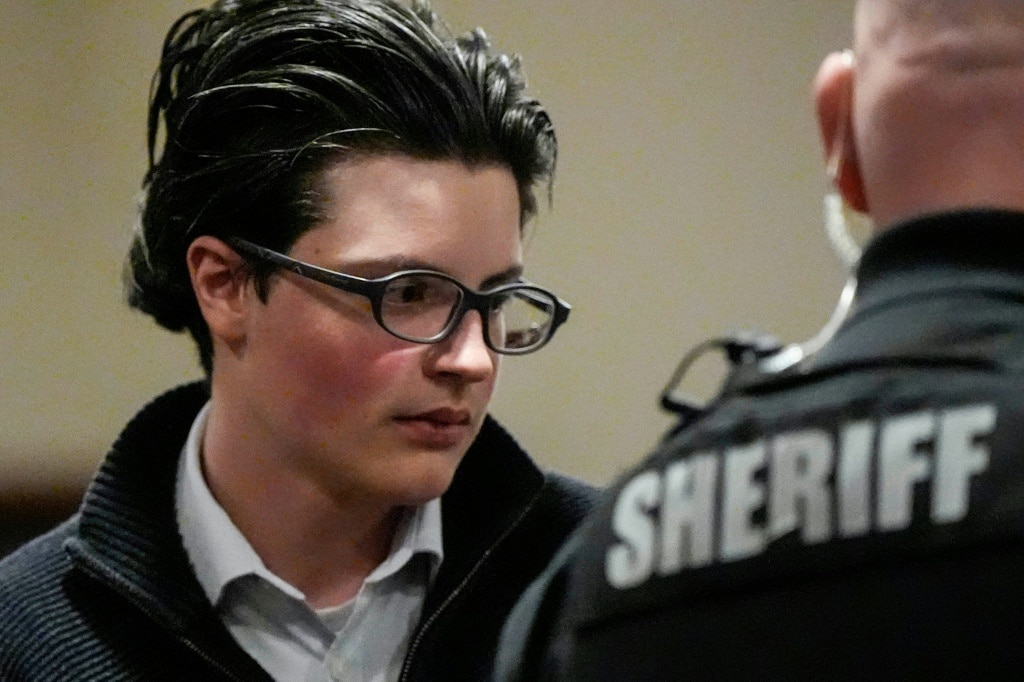
15 years in prison for father of US teenage school shooter
In a historic ruling that amplifies national conversations around parental responsibility and gun access in the United States, a 55-year-old Georgia man has received a 15-year prison sentence for enabling his teenage son’s deadly 2024 school shooting that left four people dead. Colin Gray was found guilty by a jury in March of second-degree murder, involuntary manslaughter, and multiple additional charges connected to the attack carried out by his 16-year-old son Colt at Apalachee High School in Winder, Georgia.
Court documents and courtroom statements reveal that Colin Gray gifted his son an AR-15-style semiautomatic rifle as a Christmas present in 2023, a decision that came despite explicit warnings that the teenager had previously threatened to commit a school shooting. Just months after receiving the weapon, Colt Gray carried out the September 2024 attack, murdering two 14-year-old students and two educators, and wounding nine other people. The shooter pleaded guilty to all charges earlier this week and was sentenced on Tuesday to life in prison without any opportunity for parole.
During Thursday’s sentencing hearing, Superior Court Judge Nicholas Primm emphasized that the conviction was not rooted in Colin Gray’s broader failures as a parent, but in his deliberate disregard for clear red flags. “It is clear you failed as a parent. You did not provide a stable household. You didn’t have him in school. None of those failures helped your case,” Primm told the defendant. “But those aren’t why you were convicted. You were convicted because the warning lights were flashing brighter and brighter and you didn’t get him help and you didn’t remove his access to the guns.”
This case marks a pivotal turning point in the national debate over gun regulation and accountability for school shootings, a crisis that has grown increasingly pervasive in the U.S. Currently, the total number of firearms in circulation across the country outnumbers the total population, and regulatory restrictions on access to powerful military-style rifles remain extremely lax. While parental liability in mass casualty school shootings has only recently begun to draw widespread legal and public scrutiny, this conviction builds on a landmark 2024 ruling in Michigan.
In that 2021 case, Jennifer and James Crumbley, the parents of a Michigan teenager who murdered four people at Oxford High School, became the first parents of a school shooter to be convicted of involuntary manslaughter for their child’s actions, receiving sentences of 10 to 15 years in prison. Colin Gray’s conviction is unprecedented in U.S. legal history: legal experts confirm he is the first parent of a school shooter to be charged and convicted of murder for their role in enabling their child’s attack.
-

Watch: Moment empty building collapses in New York
A dramatic surveillance video has captured the startling moment an empty, unfinished building gave way and collapsed in New York, sending chunks of concrete and other construction debris spilling across a nearby public roadway.
The structure, which was still in the active construction phase when the incident occurred, collapsed inward and outward in a matter of seconds, according to the footage. No workers or bystanders were inside the building at the time of the collapse, and there have been no immediate reports of injuries linked to the incident. Local emergency response teams were dispatched to the scene shortly after the collapse to secure the area, clear debris from the road, and launch an investigation into what caused the structure to fail. Authorities have cordoned off the surrounding neighborhood to prevent unauthorized access while inspections are ongoing.